On the sprawling terrains of Los Angeles, where ambition meets landscape, construction enthusiasts often face the challenging, albeit exhilarating, prospect of building an Accessory Dwelling Unit (ADU) on sloped lots. Southern California’s undulating topology doesn’t just frame picturesque vistas; it demands ingenious architectural calculus. Considerations start from solar panel readiness to the very linchpin—foundational options. As daunting as it may seem, undertaking such a venture is akin to sculpting a masterpiece where every angle reflects purpose.
Brief summary: This article delves into the intricacies of building an Accessory Dwelling Unit (ADU) on sloped lots in Los Angeles. It explores foundation options, solar panel integration, and offers insights into innovative architectural decisions that shape modern living spaces in Southern California’s unique landscapes.
Setting the Stage: Foundation First
Building an ADU on a sloped lot begins with addressing its most formidable challenge: the foundation. Ensuring stability and longevity of the structure often leans heavily on the choice between slab, crawl space, and pier foundations, each tailored to site-specific dynamics. Imagine standing at the brink of a horizon, cement poised to be laid, the anticipation as tangible as the concrete.
Slab foundations offer a straightforward approach, pouring directly onto ground-level gradients. However, their suitability fluctuates with the lot’s incline severity. Alternatively, pier foundations, seemingly delicate with their strategic, slender supports, provide stability even on steep embankments. Seek insights from how experts tackle ADU additions with unique techniques, but it’s critical to consult a structural engineer who can interpret the lay of the land.
Crawl space options, meanwhile, marry cost efficiency with adaptability, perfect for moderate slopes. Los Angeles codifies certain guidelines, channeling innovation within regulatory thresholds. Foundational choices intertwine with materials—prefabricated mixes, traditional concrete, or even sustainable alternatives like rammed earth—and reflect the future occupant’s lifestyle nuances.
The key is striking a balance between structural needs and environmental impact, ensuring the home is not just built, but breathes as part of its surroundings. Each foundation type offers unique strengths, and your decision might pivot on site inspections, geological surveys, or personal architectural preference. Such choices transform an ambitious blueprint into a lasting fixture against the Californian backdrop.
Renowned architectural planner Lydia Weiss notes, “Foundations not only support structures but anchor dreams into reality, especially when contending with gravity’s pull on a slope.”
The Solar Panel Equation
The sunny disposition of Southern California teases homeowners with limitless solar potential, making solar panel installations almost irresistible. Yet, utilizing solar panels effectively atop an ADU calls for more than just rooftop aspirations. The geography’s blessing insists on a meticulous ballet of load checks, exposure studies, and wiring panels—all ensuring both sustainability and structural integrity.
As many local homeowners notice, embarking on this green journey demands initial investments in energy modeling. Solar arrays are akin to logistical puzzles where every tile optimizes sunlight’s embrace. 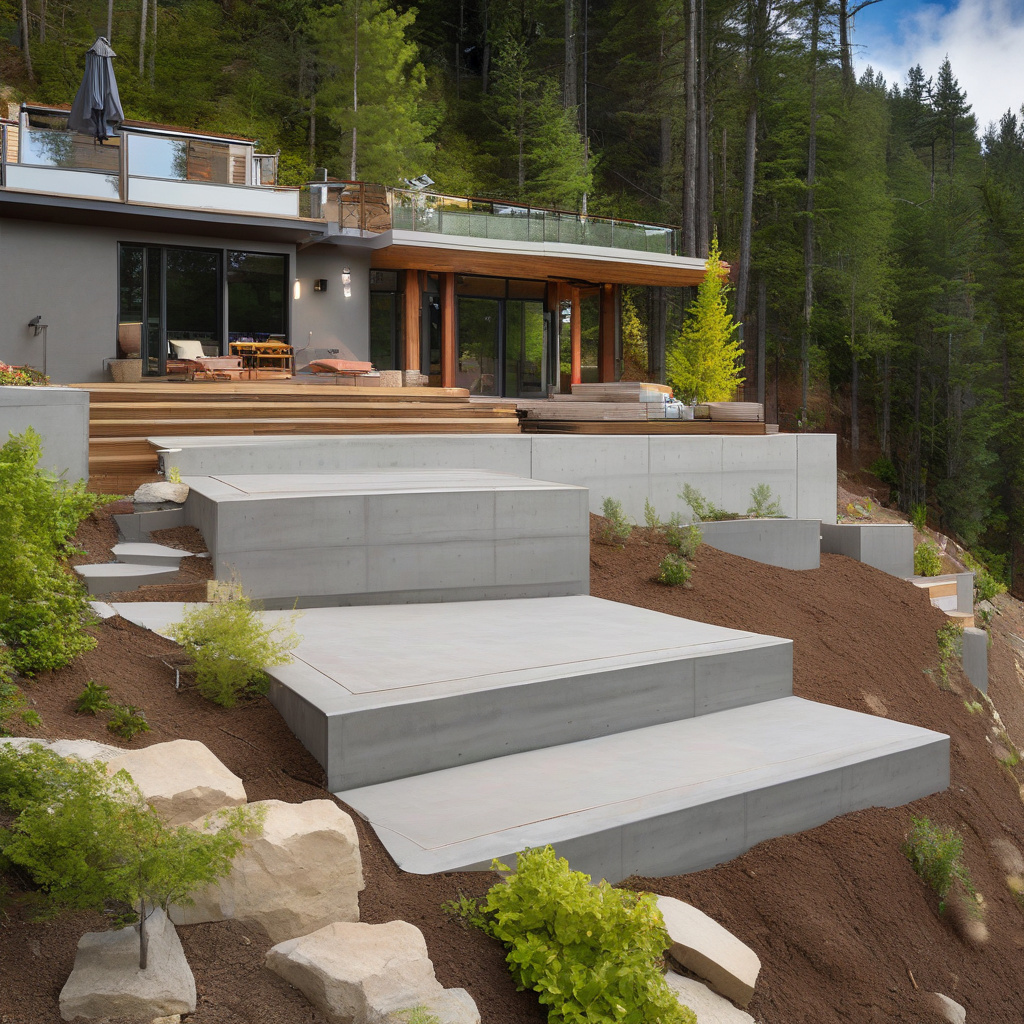 The labor involves calculated coordination between architectural aesthetics and efficiency, with an eye on regulations that are as unforgiving as they are essential.
Within the nexus of these challenges lies a decisive factor: the roof’s load-bearing capacity. Meticulous assessments reveal whether an ADU’s top can accommodate the added load without compromising on durability or safety. Employing reinforced structures or lighter panel varieties may present viable solutions.
Ultimately, these green endeavors, while initially costly, promise long-term ROI by trimming energy expenses and boosting property value. However, ensuring that investment converts to tangible savings necessitates rigorous planning, verified by professional input. Thus, the veritable dance of sunlit potentiality can proceed unabated.
As your plans become progressively clearer, navigating the complexities of ADU planning essentials ensures thorough groundwork, highlighting that preparatory diligence rewards with environmental dividends.
Decoding Foundation Options: Costs and Timelines
Embracing the gritty realities of construction demands understanding the economic and temporal investments tied to ADU foundations. The quest for stability on an inclining plot is not merely architectural—it’s financial. Costs fluctuate distinctly between the various foundation types.
Concrete slabs generally entice with their simplicity, yet their upfront economy can inflate if terrain modification beckons. Crawl spaces, meanwhile, negotiate cost-effectiveness with environmental adaptability, steering through moderate slopes with measured grace. Unpredictably, pier foundations, though initially appearing more disparate in their execution, can settle ironically lighter on the wallet, especially in deeper relief terrains.
Timelines shift in accord with these fiscal currents. Permits, seasonal weather subtleties, and logistical coordination sculpt varied project durations. The practiced Los Angeles renovator anticipates delays like potholes in anticipation, pacing his stride with flexibility.
For those with an eye on market trends, exploring ADU impacts on housing value offers insights into leveraging such investments for future gain. Harnessing material suppliers’ networks and skilled labor contributes to managing both predictable and unforeseen expenses.
Industry statistic: “Over 75% of Los Angeles’ ADUs report engaging in some form of cost overrun, highlighting the critical need for initial financial cushioning.”
Engineer Insights: Recommendations and Evaluations
To the inquisitive renovator, tangible insights from seasoned engineers transform intrepidity into informed action. A key focus remains the alignment of engineering assessments with aesthetic objectives. Embarking upon the ADU journey brings to mind both artisanal craftsmanship and industrial precision, requiring a synergy often orchestrated by those well versed in topographical nuance.
Solar capabilities, sufficient load-bearing strategies, and smart material choices represent but few discussed facets. Envision the daily climb over a sloped embankment, the pliant earth yielding yet dutifully resisting. Such experience forms intangible insight akin to chefs sampling time-seasoned recipes.
Though technical considerations abound, systems have substantial impact. Employing state-of-the-art survey equipment provides permanent mappings of transient slopes. From there, computer-aided design (CAD) systems flesh out minutia often overlooked by the untrained eye.
With calculated determination and methodical urban engineering, ADUs become labor triumphant over fluctuating inclination. Profoundly, aspiring homeowners discover that their dream dwelling—though perched—anchors equally steadfast principles of form, function, and futuristic mindful coexistence.
Weighing the Balance: Risks versus Rewards
Building aspirations harness an equilibrium between risk and reward—a perennial theme for structural pioneers. A thorough assessment reveals potential pitfalls, ranging from unforeseen geological shifts to regulatory hurdles delayed by oversight or misjudgment.
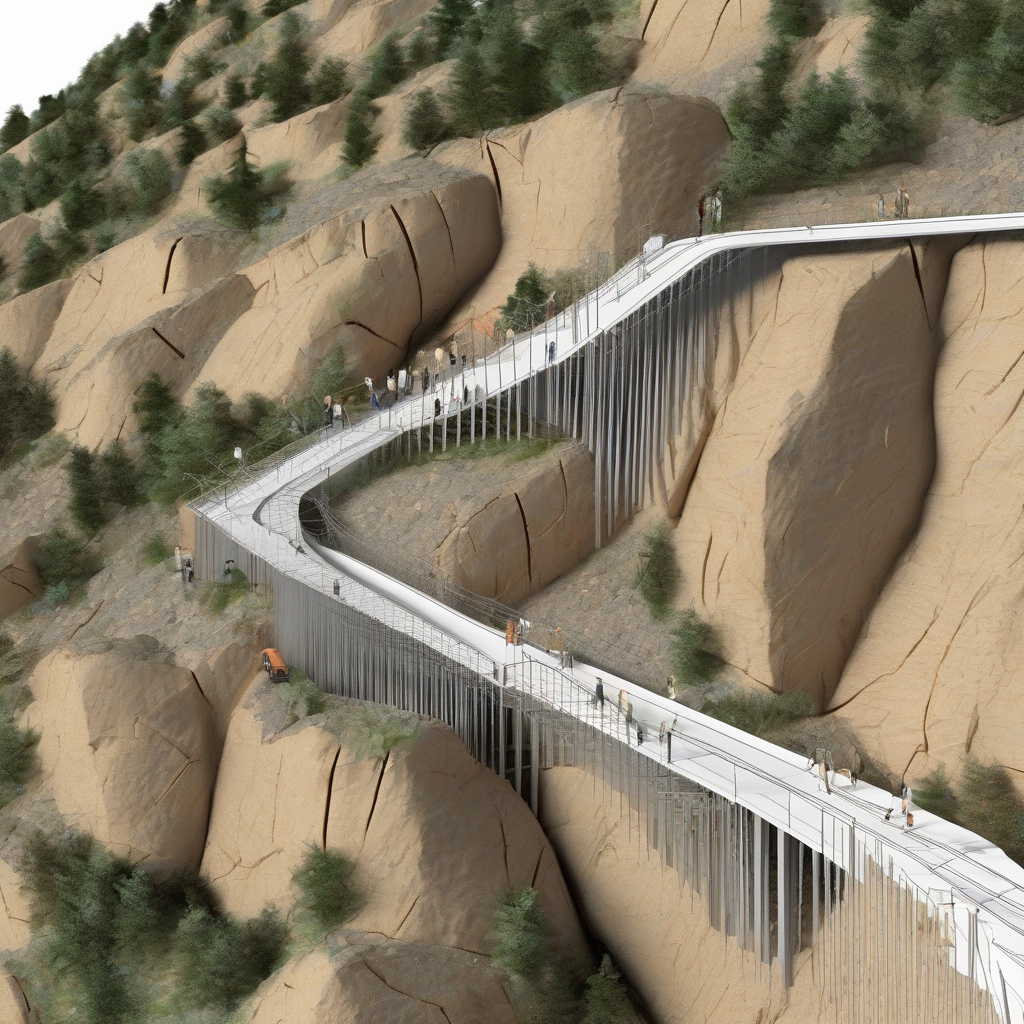
Yet, a well-executed ADU on a sloped lot unveils an architectural marvel that extends beyond brick and mortar into aesthetic impact and lifestyle variance. The reward lies within not just the structure but in the seamless confluence of aspiration and accomplishment.
Wise developers mitigate risks through exhaustive risk assessment, employing professionals to draw both geotechnical and environmental insights. They draft contingency blueprints to counterbalance variables that might stray beyond initial predictions. Anticipating these variables enhances the rewarding sense of achievement when the project reaches fruition.
Your ADU becomes more than a standalone—it transforms into a valued small estate that commands admiration within its environmental theater.
Engagement extends beyond mere construction; consult privacy-enhancing, site-sensitive design solutions that assure seamless integration of personal and public realms.
Research observation: “Proximity to nature and elevation fosters increased privacy, yet necessitates innovative solutions for seamless urban integration.”
From Blueprint to Reality: Next Steps
With a firm grip on foundation choices and potential solar advantages, the blueprint of a successful ADU steps boldly toward realization. It becomes an autobiography of space narrating each meticulous decision, each calculated risk embraced and surmounted.
As this echoes across an urbanized Los Angeles canvas, one examines the alignment between modern designs and architecturally sustainable living. Each ADU reflects its environment, existing as a testament to residential innovation.
However, a roadmap requires navigation: work closely with local planners and regulatory bodies. Liaise across both local and regional networks; they bring invaluable insight and assure compliance to induce smooth progress through administrative proceedings.
Constructive pursuits remain a building block, reminding passionate innovators that each accomplished step contributes not just to an individual endeavor but to Los Angeles’ visionary skyline. Ready, lay down once considered only lines upon paper, that which now stretches out—solidly, steadfast, and real.
Expert insight: “Successful ADUs marry practicality with innovation, creating spaces cherished long beyond their completion.”
- Sloped terrain in Los Angeles requires tailored ADU foundation solutions like slab, crawl space, or pier foundations.
- Solar panel installation necessitates careful load checks and studies to optimize energy efficiency and sustainability.
- Cost considerations and timelines vary significantly across foundation types, influenced heavily by site conditions.
- Risks and rewards balance through calculated planning, professional engineering insights, and strategic privacy designs.
- Blueprints translate into distinct living environments reflecting Southern Californian architecture.
FAQ
What are the main foundation options for building an ADU on a sloped lot?
In real renovation projects, it often becomes clear that selecting the right foundation for an ADU on a sloped lot can make or break the project. Many experts point out that pier and beam foundations are popular because they are cost-effective and adaptable to uneven terrain. However, concrete slab foundations offer greater stability but may require extensive excavation and grading to create a level surface. It’s crucial for homeowners to consult with a structural engineer early in the planning phase to assess soil conditions and choose the most suitable foundation type. Overlooking this step can lead to issues such as shifting or sliding, which can be costly to rectify later.
How do solar panels affect roof load and what checks are necessary for an ADU?
When considering solar panels for an ADU, roof load checks are imperative. Homeowners frequently underestimate this aspect, yet improper load calculations can lead to structural damage. A thorough assessment will involve checking the roof’s ability to bear additional weight, factoring in potential snow or wind loads. In older properties, reinforcing the roof structure might be necessary, while newer builds often have more accommodating designs. It’s wise to conduct this analysis alongside a sun exposure study to ensure optimal panel placement. Ignoring these checks can result in inefficiencies or damage that might void warranties or local compliance standards.
What are the common pitfalls homeowners face when adding an ADU on a sloped lot?
One of the most common pitfalls is underestimating the complexity of excavation and site preparation. Many homeowners envision a quick build but soon find that sloped terrain demands significant groundwork—literally. Proper drainage is another crucial aspect that’s often overlooked; without it, water may pool or cause erosion. Expert advice stresses the need for a comprehensive site assessment to address these issues upfront, preventing costly delays or modifications. Ignoring these elements can lead to structural instability or future water damage, both of which can drastically increase costs and affect project timelines.
What are the cost considerations when building an ADU on a sloped lot?
Building on a sloped lot can significantly affect your budget. Homeowners should anticipate higher costs for grading, excavation, and specialized foundations as compared to flat lots. In California, for instance, site-specific requirements, such as retaining walls or reinforced structures, can further add to the expense. Economic caution is vital; it’s advised to allocate a contingency fund of at least 10-15% of the overall budget for unexpected issues. In many cases, the initial investment is balanced by the added value and functional benefits of the ADU, making it a worthwhile pursuit if planned prudently.
What are the benefits and limitations of using solar panels on ADUs?
Solar panels offer numerous advantages for ADUs, including reduced utility costs and enhanced energy independence. They also increase property value and contribute to sustainable living. However, effective implementation necessitates careful planning. Limitations include upfront costs, potential aesthetic considerations, and the need for adequate sun exposure—factors that must be evaluated early on. Balancing these benefits against limitations involves a detailed analysis of the ADU’s orientation, roof pitch, and regional solar potential. A strategic approach can maximize returns, achieving long-term energy efficiency and environmental benefits.
How do I properly plan wiring and electrical setups for an ADU with solar panels?
Proper planning of wiring and electrical systems is essential when integrating solar panels. Experts advise working with certified electricians to design a setup that meets all safety codes and optimally channels solar energy. In real projects, this often means considering current electrical loads, the potential for energy storage, and future expansion capabilities. As ADUs evolve in usage, ensuring the electrical infrastructure is adaptable can save costs and enhance energy efficiency. A practical tip is to include extra conduits during construction for future-proofing your electrical systems.
Are there specific maintenance considerations for ADUs built on slopes or with solar panels?
Sloped ADUs and those equipped with solar panels require diligent maintenance. Regular inspections should address any signs of erosion, drainage issues, or foundation shifts. Solar panels will require periodic cleaning and inspection to ensure optimal performance, as dirt and debris can reduce efficiency. Many experts emphasize the importance of establishing a maintenance schedule after construction is complete. This proactive approach helps identify small issues before they become larger problems, thereby prolonging the lifespan and utility of the ADU.
How can I ensure efficient long-term energy use in an ADU built on a sloped lot?
Efficient long-term energy use in an ADU requires a multifaceted approach, beginning with strategic positioning to maximize natural light and solar gain. Many experts point out that insulation, energy-efficient windows, and energy-star-rated appliances significantly contribute to reducing energy consumption. Additionally, incorporating smart technology can allow homeowners to monitor and manage energy use dynamically. A valuable action step is to consult with a local renovation expert to understand region-specific energy solutions. For personalized guidance tailored to your property, consider reaching out to [a local renovation consultant](https://californiarenovation.top/contact/).