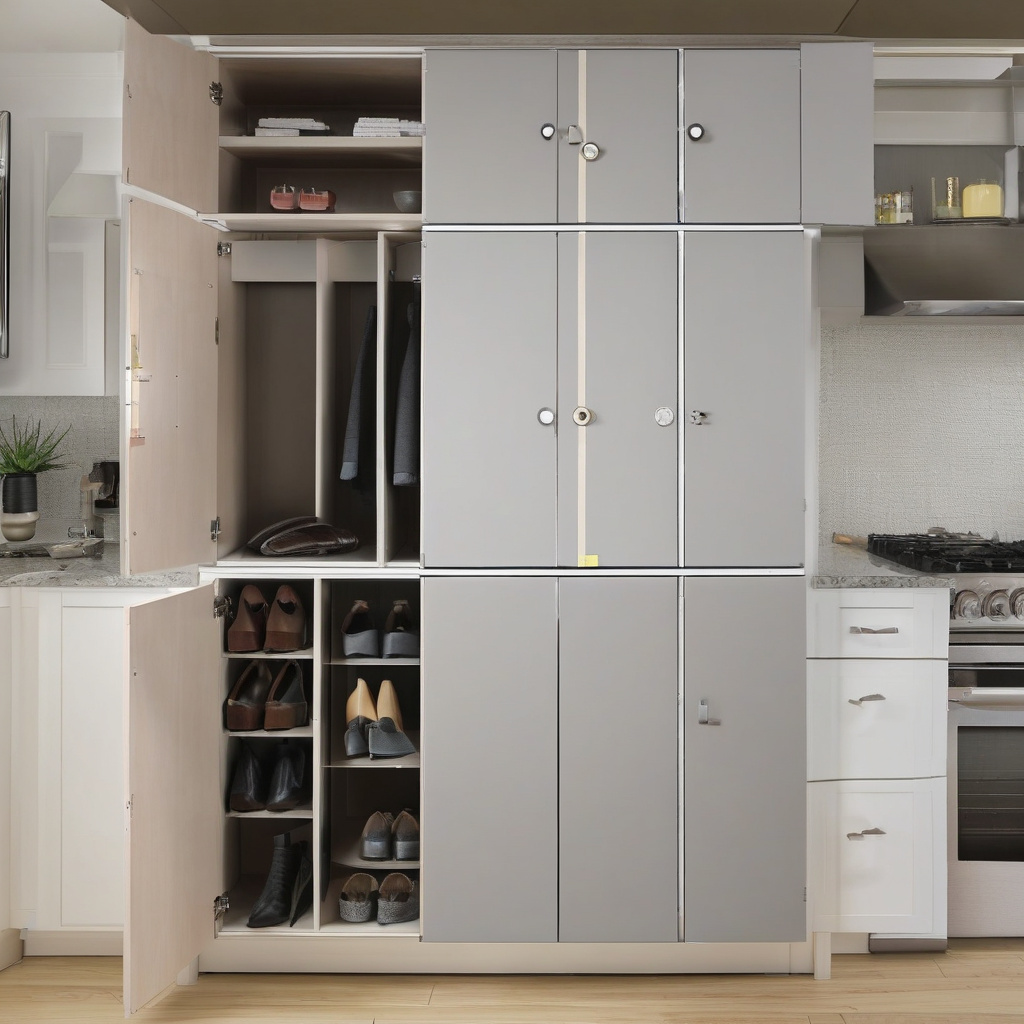
Creating a kitchen that is safe for children yet functional for adults isn’t just a trendy choice among Southern California homeowners; it’s a necessary evolution. As families grow, so does the demand for spaces that cater to every family member, regardless of age. But what exactly makes a kitchen child-friendly? The answer lies in the details—rounded edges, strategic safety locks, and cleverly adjusted heights. Let’s dive into how these seemingly simple adjustments are reshaping the kitchen renovation landscape in Los Angeles.
Brief summary: This article explores the innovative ways Los Angeles homeowners are redesigning kitchens to be both child-friendly and efficient for adults. It highlights the importance of safety features such as rounded corners, safety locks, and adjustable heights while also reviewing trending renovation practices, costs, and legal codes.
The Importance of Rounded Edges: Safety Meets Elegance
Recent trends in kitchen redesign have seen a surge in popularity for rounded edges. While sharp corners may have once been the standard for contemporary aesthetics, a growing number of Los Angeles homeowners are opting for designs that prevent injuries from accidental bumps. It’s an elegant solution embraced by many architects who understand that a family’s needs should not compromise the beauty of a living space.
Many families are incorporating these changes during remodeling projects, where rounded edges on countertops and furniture create a softer, more inviting atmosphere. The appeal isn’t just visual. Parents can breathe a sigh of relief knowing their kitchen is a safe space for their little ones to explore their curiosity without the threat of a sharp corner lurking nearby.
In a comparative study of various kitchen safety features, rounded edges have consistently proven effective in reducing minor injuries, especially in homes with toddlers. This design choice not only exemplifies thoughtful planning but also shows a commitment to durability, as rounded materials are often hard-wearing and long-lasting.
By integrating these features, homeowners are not only investing in safety but also adding value to their properties by aligning them with emerging trends. Ultimately, rounded edges help ensure that a kitchen remains a hub of activity and socialization, free from unnecessary hazards.
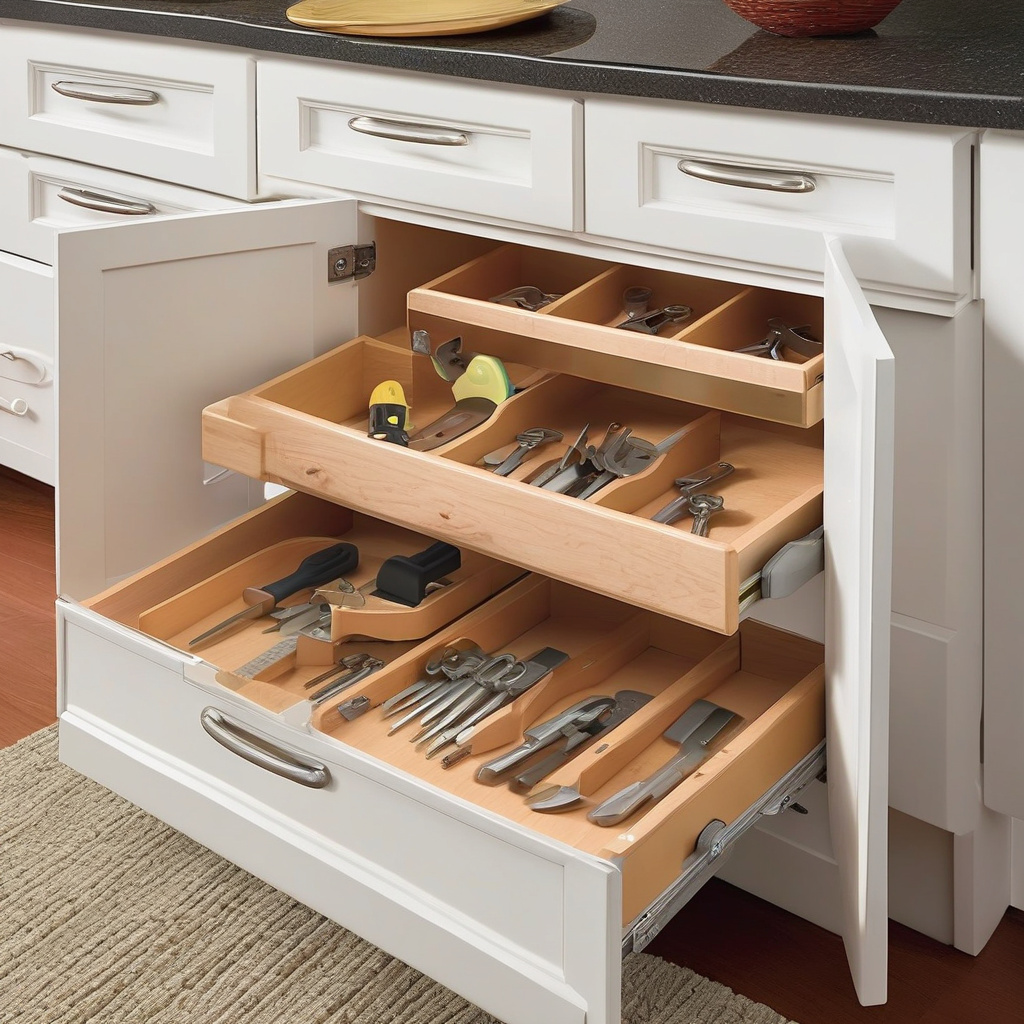
According to a 2023 survey by the National Kitchen and Bath Association, 62% of kitchen remodels in urban areas incorporated rounded features, highlighting their increasing popularity.
Stacking the Odds: The Art of Safety Locks
Another crucial feature in a child-safe kitchen is the installation of safety locks. These installations are a practical necessity rather than a luxury. Cabinets, drawers, and even appliances now come with customized locking options, ensuring that potentially dangerous items such as knives or cleaning supplies are kept out of reach from inquisitive hands.
Local homeowners who have integrated safety locks often speak to the peace of mind it brings. Especially in bustling family kitchens, where multitasking is the norm, knowing that a simple mechanism can prevent accidents is invaluable. In particular, magnetic locks have gained traction due to their ease of use and seamless integration into the cabinetry.
Choosing the Right Safety Locks: A Guide
When it comes to selecting appropriate locks, it’s essential to consider the materials and design of your kitchen. A hidden lock system might be desirable for those seeking minimalist aesthetics, while manual locks offer a budget-friendly alternative that does not compromise on safety.
Safety locks aren’t just a temporary fix; they are a part of responsible parenting. And in many cases, they are seen as a preemptive measure that keeps the kitchen functioning smoothly, highlighting the foresight in renovation planning. As more families opt for these enhancements, the market for innovative locking solutions continues to expand.
Investing in high-quality safety locks is a decision most homeowners won’t regret, reflecting both a commitment to safety and an understanding of effective kitchen management strategies.

Childproof safety locks are a staple in 75% of family homes according to a study by SafeHome, a leading resource for home safety technology.
Height Adjustments: Tailoring Kitchens for All Ages
Height adjustments in the kitchen layout are not only a nod to inclusivity but a smart design choice. By accommodating the needs of both children and adults, these modifications enhance the kitchen’s functionality. Adjustable shelving and counter heights are symbolic of this movement towards family-friendly environments.
The concept of customized heights has been spearheaded by several Los Angeles-based architects who see this as not just a passing trend but a sustainable approach to home design. This flexibility allows families to grow within the home, ensuring that spaces ‘mature’ along with them.
Practical Layouts for Dynamic Families
The diverse anthropometrics of family members mean that a one-size-fits-all approach is no longer applicable. With this awareness, new projects often feature adaptable kitchen islands or benches tailored to suit both a curious toddler and their cooking-savvy caregiver. In fact, adjustable features are fast becoming a hallmark of modern kitchen designs.
For those considering renovations, the appeal is not just in ergonomics but in the delightful union of form and function. Adjustable elements signify a forward-thinking mindset, ensuring that kitchens can evolve as family needs change over time.
This emphasis on adjustable heights showcases not just innovation, but also a holistic view of family life that considers each member’s experience within the kitchen space.
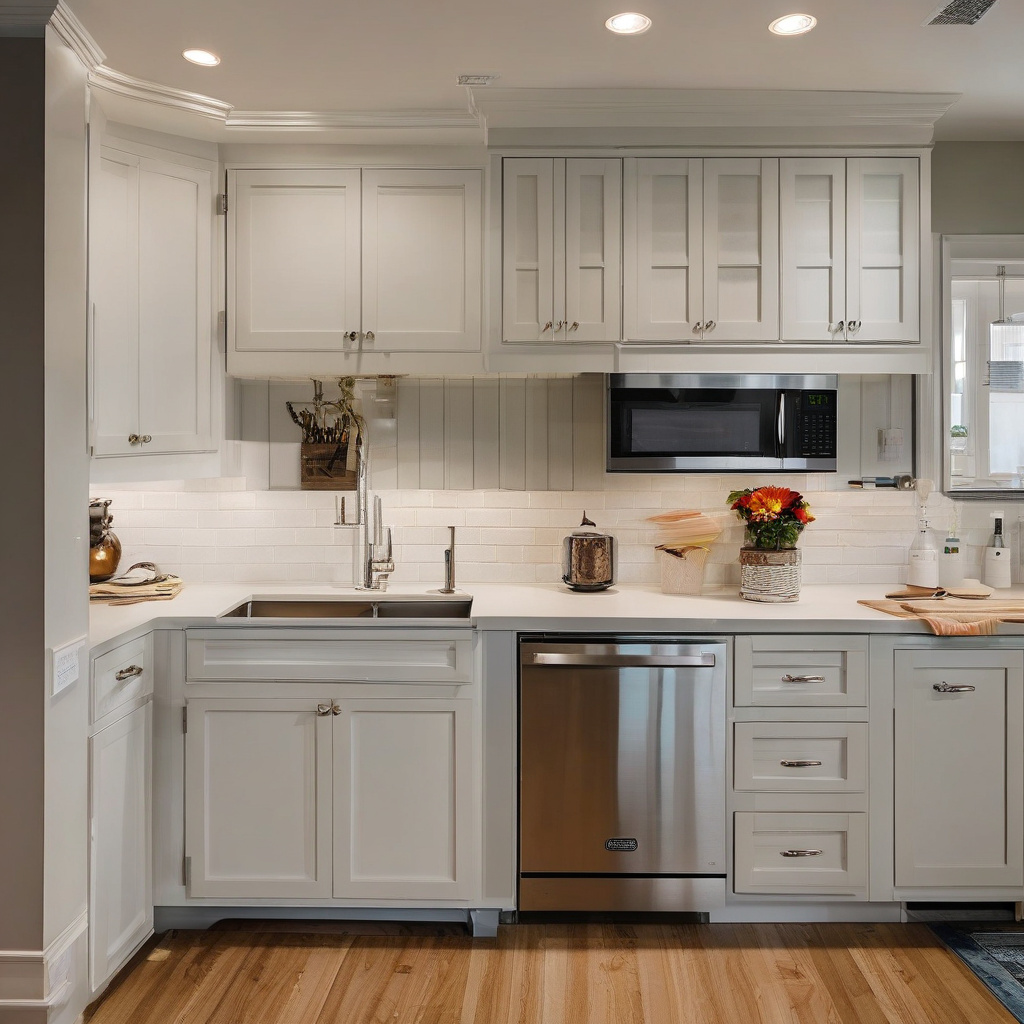
Architect Jane Adams notes in her “Future Kitchens” series that adjustable features enhance not only daily usability but also long-term value, evolving with the family’s lifecycle.
Weighing the Costs: Materials and Regulations
Venturing into a child-friendly kitchen remodel doesn’t come cheap, and nowhere is this more true than in the highly competitive Los Angeles market. The decision to install safety features involves assessing plans, materials, and city-specific regulations. Understanding the local codes for kitchen renovations is crucial, especially as safety standards evolve.
Costs can vary significantly based on the materials selected and the complexity of the installation. Homeowners often strategize their remodels based on a balance of immediate safety needs versus long-term economic value. While renovations can initially seem pricey, particularly in high-value locales like Southern California, the investment is typically offset by increased home equity and appeal.
Smart Material Choices
Customizations demand durable materials capable of withstanding daily wear and tear, particularly those with rounded corners or adjustable hardware. From solid wood to high-grade laminate, understanding where to splurge can define the success of a project.
In juxtaposing materials and methodologies, there’s an apparent need for transparency with contractors to ensure compliance with both function and form. Prompt decision-making and upfront planning can hedge against unforeseen costs and delays, a frequent critique among remodel-weary homeowners.
Ultimately, renovation costs should be seen not merely as an expense, but as a worthwhile venture in crafting a harmonious, safe living space.
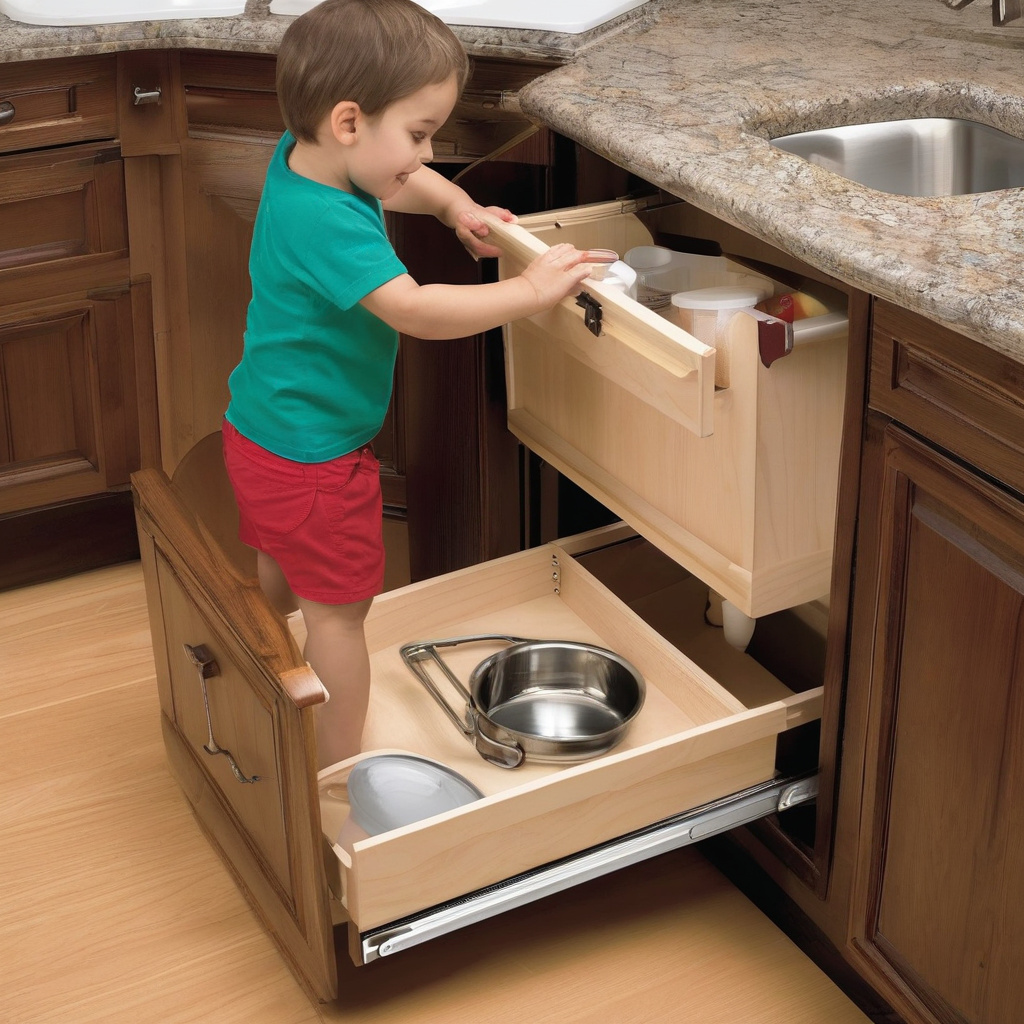
Comparison Table: Costs and Options
| Feature | Low-End Option | Mid-Range | Premium |
|---|---|---|---|
| Rounded Edges | Laminate, $800+ | Engineered Stone, $2,000+ | Granite, $4,500+ |
| Safety Locks | Plastic, $50+ | Magnetic, $150+ | Integrated, $300+ |
| Adjustable Heights | Fixed Brackets, $400+ | Hydraulic, $1,200+ | Motorized, $3,000+ |
Future-Proofing Kitchens: A Balanced Approach
As our analysis reveals, introducing child-safe features requires careful planning and balance. Homeowners must weigh the immediate need for safety against the long-term functionality and aesthetic they aim to achieve. Striking this balance is not only about meeting current codes and demands but also about creating a space that family members of all ages will enjoy for years to come.
As an actionable strategy, ensuring that you compare quotes for remodeling projects and engage in thorough consultation with design experts can significantly contribute to a successful outcome. It’s about aligning the dreams of today with the pragmatic realities of tomorrow.
Ultimately, the aim is to craft environments where safety and style coexist harmoniously, creating a home that is both beautiful and accommodating. As more families embrace this philosophy, the trend towards child-friendly kitchens is poised to redefine modern home design.
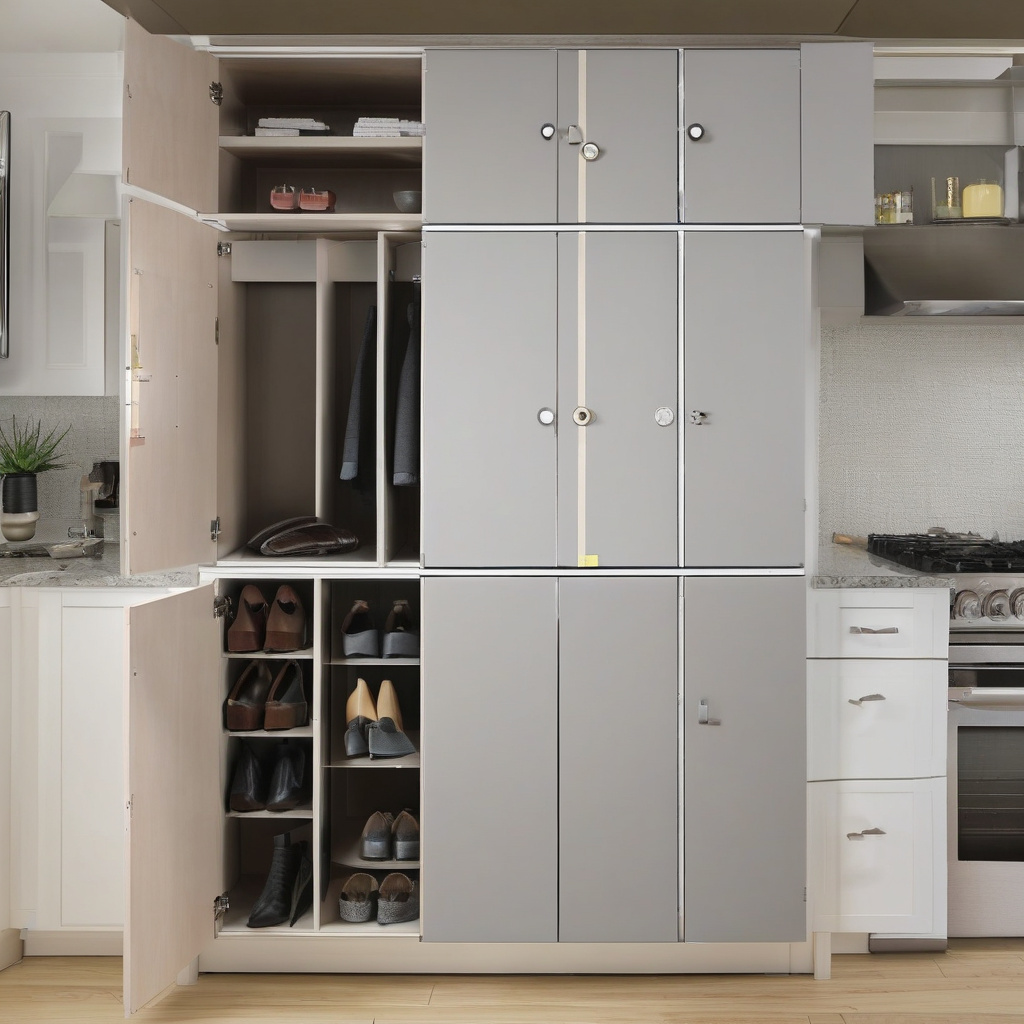
- Rounded edges and safety locks are essential for kitchen safety.
- Height adjustments cater to families with diverse needs.
- Smart material choices balance cost and design.
- Local regulations and codes must be accounted for in renovations.
- Comparing remodel quotes can lead to more informed decisions.
“`html
FAQ
Why are rounded edges important in a child-friendly kitchen?
In the bustling environment of a kitchen, accidents can happen in the blink of an eye. Many renovation experts emphasize that rounded edges on counters and tables significantly reduce the risk of injury. During a remodel of a San Francisco Bay Area home, a family opted for rounded edges on all lower cabinets and countertops after their toddler sustained a minor injury from a sharp corner. It’s a small adjustment, but it can make a massive difference in creating a safer environment for children. Homeowners often consider this feature indispensable once they’ve witnessed its effectiveness. Understanding these nuances can be essential for creating spaces that serve both aesthetics and safety.
How can safety locks benefit a kitchen with young children?
Safety locks play a pivotal role in securing cabinets and drawers from inquisitive little hands. In many Los Angeles renovations, families have integrated lock systems into their kitchens to prevent access to cleaning supplies and sharp utensils. These systems can be discreetly installed yet provide robust security. A common oversight is underestimating the number of compartments needing locks—practically, if it’s within reach, secure it. It’s worth consulting with a renovation professional to identify all vulnerable points adequately.
What are the cost considerations for updating a kitchen to be more child-friendly?
The costs involved in making a kitchen child-friendly can vary significantly based on the scale and specifics of the renovation. In practice, updating countertops with rounded edges, installing safety mechanisms, and adjusting cabinet heights can range from a few hundred to several thousand dollars. During a Sacramento renovation project, homeowners initially underestimated the cost of custom cabinet heights, which ended up being a significant portion of their budget. It’s pivotal to prioritize changes based on immediate needs while consulting with experts who can help navigate these choices. For personalized advice and cost estimates, consider reaching out to renovation specialists.
What typical mistakes do homeowners make when child-proofing their kitchen?
Many homeowners underestimate the reach and ingenuity of young children, often focusing too narrowly on obvious dangers. In Orange County, a couple learned this hard lesson when their toddler accessed a drawer containing cooking spices, which seemed harmless at first. Real renovation experiences show it’s essential to consider every accessible space and consult with professionals who have an eye for detailing potential hazards. By considering broader implications and taking comprehensive measures, families can create safer and more functional kitchen environments.
How do child-friendly height adjustments benefit both children and adults in the kitchen?
Child-friendly height adjustments can remarkably improve the functionality and safety of a kitchen. In many Southern California homes, countertops and storage spaces are modified to allow better accessibility for children while ensuring adults can continue their routines without interference. Adjusting kitchen elements such as shelves and sinks ensures that a child can engage in supervised activities safely. Balancing these adjustments requires careful planning, often best executed with the guidance of an experienced renovation contractor who understands ergonomic design.
What are the pros and cons of investing in a child-proof kitchen?
One of the primary advantages of child-proofing a kitchen is the peace of mind it brings to parents. Knowing the environment is designed to prevent accidents eases daily stresses and allows children to explore safely. However, some argue that the initial financial and time investment can be a potential downside, especially if not expertly planned. In several Californian remodels, families debated these points, ultimately feeling assured by the long-term value of safety over the upfront costs. Weighing these considerations carefully can help ensure you’re making the best decision for your family’s needs.
How can I efficiently maintain child-proof features in my kitchen?
Maintaining child-proof features primarily involves regular checks and updates when necessary. Safety locks can become loose, and rounded edges may wear down—I once saw a family in Santa Monica who realized a few edges needed refurbishing when their toddler grew more adventurous. Keeping a routine check and involving professional services for minor adjustments ensures these features remain effective. For ongoing support in maintaining a safe home, check with professionals in your area. Contractors can offer valuable assistance for updates, ensuring that your kitchen continues to be a secure environment for all its users.
What installation specifics should I consider when renovating for child safety?
Installation specifics often make or break the effectiveness of child-proofing measures. It’s not just about the safety locks and rounded edges, but how these elements are integrated. In many Sacramento retrofits, a seamless installation was achieved by ensuring cabinet locks were tamper-proof yet easy for adults to operate. An often-missed point is ensuring that all installations adhere to existing kitchen designs without compromising daily usability. Discussing these considerations with an expert can guide you through the intricate details. For professional insights, you might want to explore options through a personalized consultation.
“`