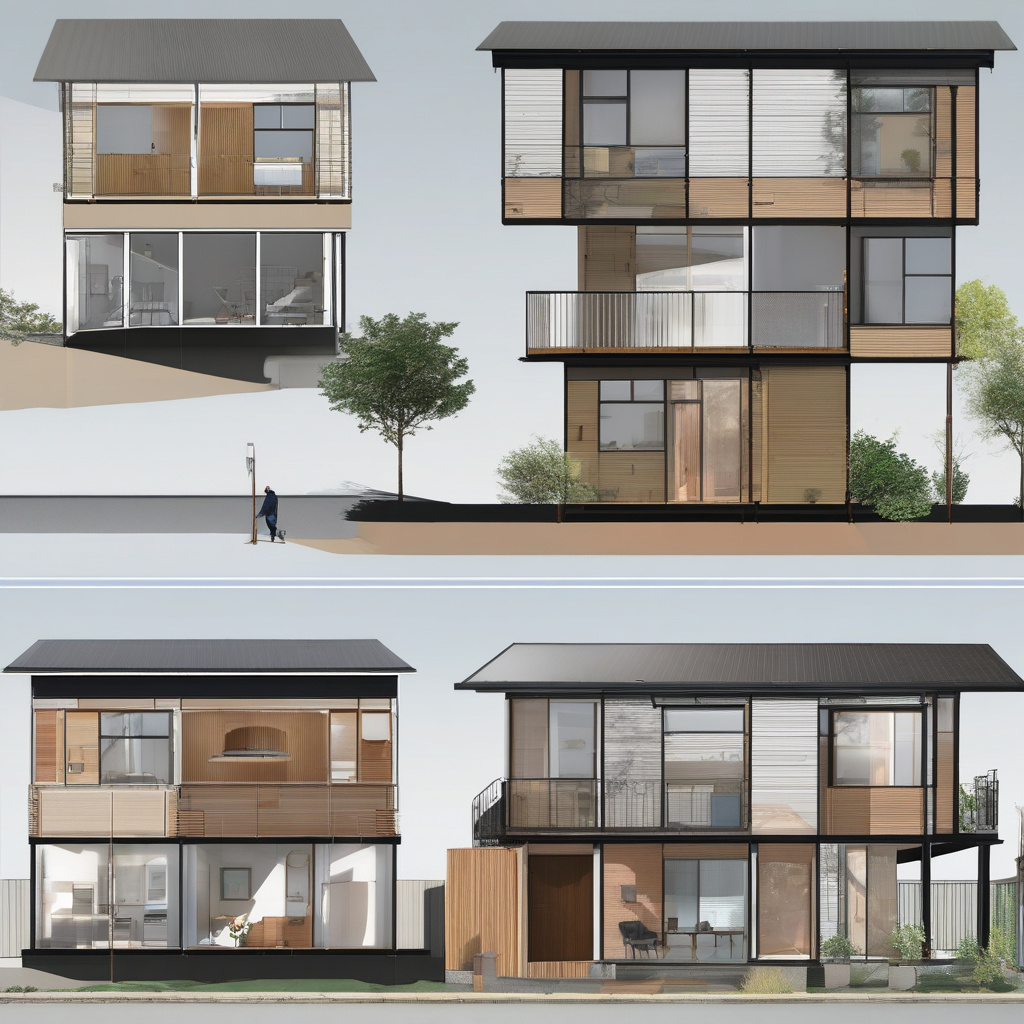
In the sprawling labyrinth of Los Angeles’s housing landscape, the quest to legalize unpermitted additional dwelling units (ADUs) stands as both a Herculean endeavor and a symbol of the city’s evolving embrace of density. Whether a homeowner has inherited an unapproved backhouse or a tête-à-tête with the city inspector is impending, aligning these renegade accommodations with stringent municipal standards is more than a matter of paperwork—it’s a strategic dance across bureaucratic, structural, and financial minefields.
Brief summary: Legalizing an unpermitted addition or ADU in Los Angeles requires aligning with city regulations through structural upgrades and code corrections. This article navigates the risks and rewards of converting unauthorized spaces into compliant living quarters. It draws insights from industry experts, compares renovation costs, and provides actionable guidelines for homeowners.
The Heart of the Permitting Maze
Los Angeles, with its sun-drenched patios and eclectic streets, also harbors a subterranean ecosystem of unpermitted dwelling spaces. The harsh reality is, these cozy nooks, unbeknownst to many well-meaning homeowners, could invite costly legal repercussions and safety concerns. While the city progressively leans towards embracing creative urban expansions, the mandate to ensure they meet stringent safety and habitability standards remains uncompromised.
Pioneering through this daunting terrain involves a thorough structural assessment—a first and critical step in obtaining the city’s nod. Homeowners must grasp the essence of local zoning laws, which dictate permissible spatial configurations and requisite infrastructure enhancements. A seasoned construction expert becomes indispensable, translating bureaucratic jargon into actionable insights.
Perhaps more daunting than the formality of paperwork is the specter of structural revamps. Cracks in foundations, outdated electrical systems, and non-compliant exits are common culprits unearthed during these audits. Without addressing these, the path to legalization is barred.
Yet, for those brave enough to venture, the rewards can be profound. Successfully converting an ADU not only alleviates personal liability but also significantly boosts property value, often serving as a lucrative rental or Airbnb opportunity. Understanding this, many Angelenos find the energy to champion this cause.
Ultimately, navigating LA’s permit labyrinth requires endurance and a deft touch with real estate artisans, but the destination, a legal and lively ADU, can be well worth the journey.
Unearthing the Secrets of Structural Compliance
An integral piece of the legalization puzzle is ensuring that your ADU stands on firm legal ground. Before delving into physical renovations, homeowners must familiarize themselves with the intricate fabric of LA’s zoning codes. These dictate not just what can be done but also how it should be executed, ensuring safety and resilience.
Costs here diverge significantly based on the scope of non-compliance. A simple electrical overhaul to align circuit standards may cost less than addressing foundational imbalances, meaning those with older constructions might face higher barriers. Engaging a reputable contractor early can streamline the process, negating potential future headaches.
Moreover, safety upgrades take center stage. Sprinkler systems, proper ventilation, and egress windows for emergency escapes are non-negotiables. A common pitfall is underestimating these expenses, which can balloon unexpectedly if not properly accounted for upfront.
Nevertheless, setbacks come with silver linings. It’s often during this investigative phase that homeowners realize untapped potential for additional renovations or even expansions. Through meticulous planning and expert guidance, what began as a legal necessity can transform into an opportunity for enhancing both aesthetics and functionality.
In sum, recognizing core structural needs and aligning them with the city’s safety protocols paves the way for successful permit procurement and peace of mind.
Peeling Back the Layers of Upgrade Feasibility
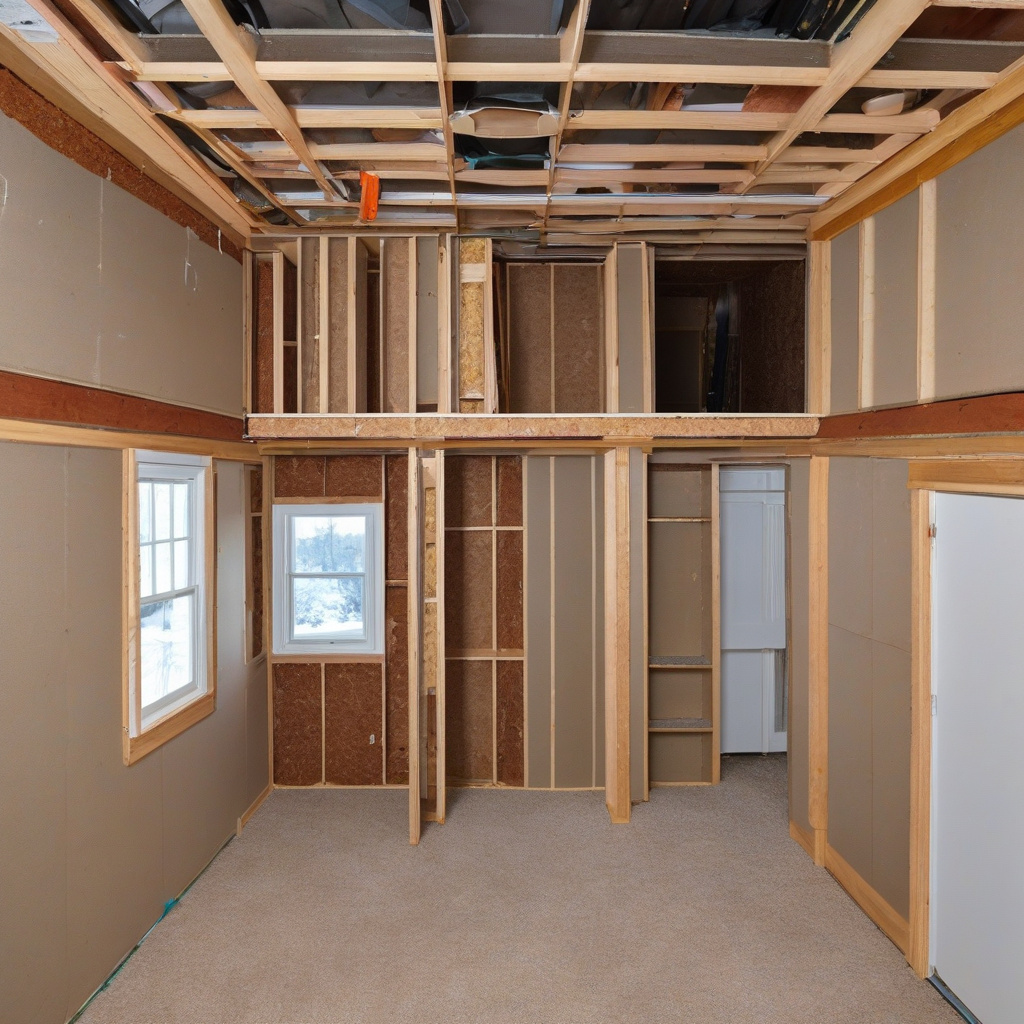
Perhaps the most eye-opening aspect for many is tackling the tangible improvements required for compliance. Renovators often face a slew of code corrections—each met with its own time and budget constraints. Tackling these head-on with a prioritized approach helps navigate the process efficiently.
Homeowners often find that once the skeletons are removed from their ADU closets, the space’s truth shines brighter. It’s in this light that planning for optimal functionality and aesthetics can finally proceed, without fear of retribution. After all, in LA’s real estate market, compliance not only guarantees peace but also profitability.
Understanding the Financial Implications
As any good Angeleno knows, renovating an unpermitted ADU is not just an investment of time—it’s also a considerable financial undertaking. Between hiring expert consultants and securing permits, costs can quickly escalate, necessitating a clear budget plan from the outset.
Depending on the existing conditions, ADU legalization can run from a modest few thousand dollars to tens of thousands. Surprises lurk in the form of unforeseen repairs or required upgrades, snapping at the heels of the unprepared homeowner. An early engagement with financial advisors or seasoned renovators can shield against these pitfalls, ensuring costs stay manageable.
For those attuned to current housing policies, another layer of financial complexity emerges. Tax implications, potential for increased property value, and rental income forecasts are best dissected early, with tangible strategies for each laid out methodically.
A study by the Terner Center for Housing Innovation reveals that in California, legalized ADUs can elevate property value by as much as 20% on average.
Ultimately, balancing the books requires more than a spreadsheet; it demands an informed approach blending legal foresight with realistic economic planning.

Table: Cost Comparison for ADU Legalization in Los Angeles
| Aspect | Cost Range | Considerations |
|---|---|---|
| Structural Upgrades | $5,000 – $20,000 | Foundation and electrical system enhancements |
| Permit Acquisition | $1,000 – $5,000 | City fees and inspections |
| Safety Requirements | $3,000 – $10,000 | Sprinklers, ventilation, emergency exits |
Building for the Future, One Brick at a Time
An overlooked yet crucial factor in ADU legalization is ensuring the choice of materials aligns with future longevity goals. As sustainability becomes a concurrent theme in LA’s architectural discourse, the demand for greener materials and approaches rises. This is where forward-thinking home renovators find overlap with aspirational city policy.
Materials not only define the character and aesthetics of a space but also its maintenance and energy efficiency. Those diving into renovation projects should consider options that extend the lifecycle of their investment without recurring extensive repairs.
Moreover, versatile designs that cater to various needs, from pet-friendly layouts to environmentally conscious upgrades, stand as a testament to conscientious urban living.
According to the U.S. Green Building Council, buildings employing sustainable design practices see operational cost savings of nearly 20% over five years.
Therefore, every choice made during the upgrade process should balance immediate appeal with long-term practicality, ensuring that the ADU remains a cherished asset for years to come.
Risk vs Reward: The ADU Dilemma
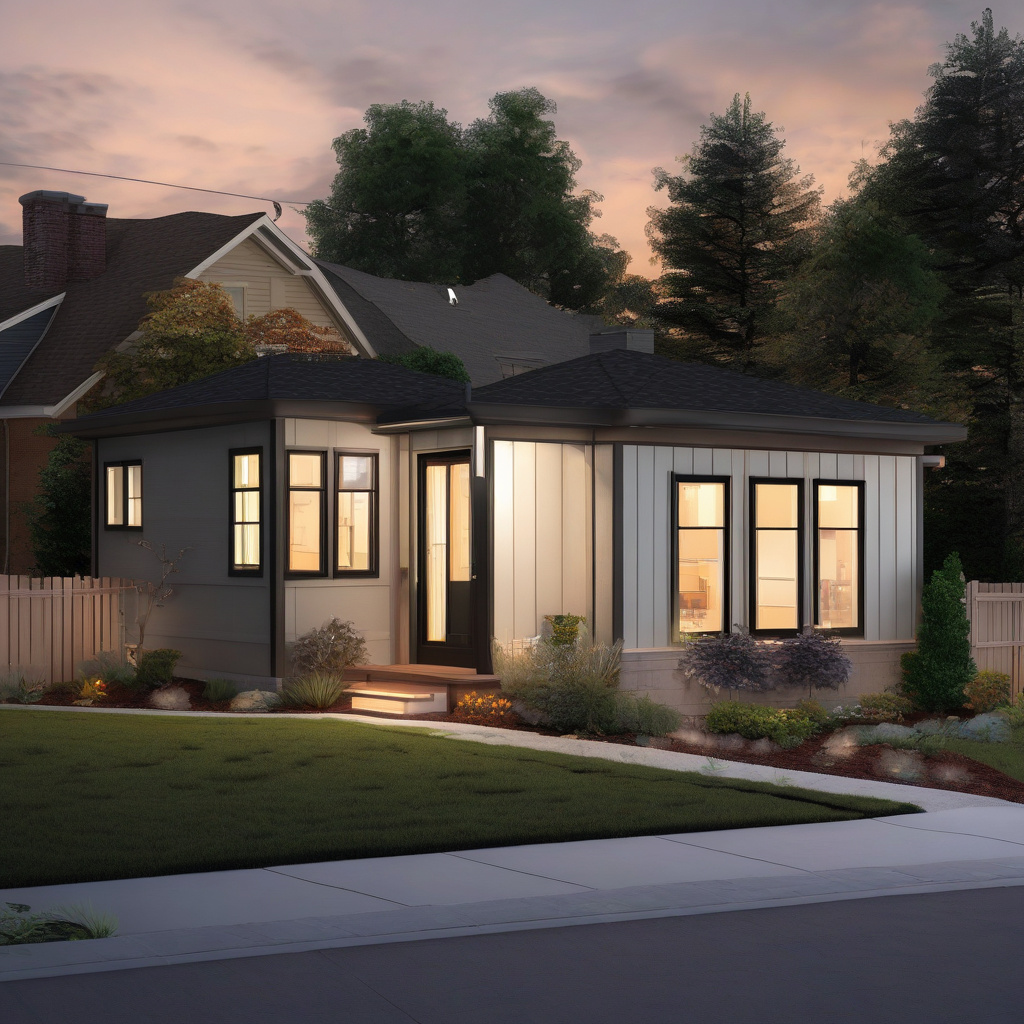
As with any investment, the route to ADU legalization is littered with its own set of risks and rewards. Risks include potential overspending owing to unforeseen repair needs, ongoing maintenance costs, and the bureaucratic soul-crushing of navigating city approvals. Despite these hurdles, the rewards are significant.
The promise of increased dwelling space, potential rental income, and a boost in resale value can outweigh the initial financial and emotional costs for many. It’s a journey of transformation that turns unauthorized inconveniences into sanctioned brilliance.
Paving the Way for Even Greater Opportunities
Successfully legalizing an unpermitted ADU can open doors to countless opportunities, further accentuating the joys of homeownership. It begins as merely a corrective measure but has the potential to be the cornerstone of a residential renaissance.
As climate-sensitive designs gain traction, converting ADUs into self-sufficient units with efficient water and energy usage turns this challenge into a modern urban solution. The convergence of ambition with sustainability yields spaces that are as cutting-edge as they are practical.
An expert from the Urban Land Institute notes: “A legalized ADU adds depth to urban living, providing financial flexibility and fostering community in dense cityscapes.”
In essence, for those ready to commit, the road from an unpermitted storage nightmare to a fully realized living space is not an end but rather the gateway to even bigger dreams.
The Final Decision: Is It Worth the Effort?
Undertaking the challenge of legalizing an unpermitted addition isn’t for the faint-hearted, but for those who do venture, Los Angeles offers real prospects for transformation and growth. Comprehending the intricate dance of city regulations, structural upgrades, and financial planning paves the way for a successful outcome.
Enlistments of seasoned experts—ranging from architects and contractors to financial planners—become invaluable partners in this end-to-end journey. The enlightened homeowner will recognize that the array of potential hurdles and victories is part of the holistic experience that ADU legalization provides.
Conclusively, this endeavor, ingeniously plotted, remains one of the most pragmatic yet inspiring ventures in residential transformation today. Embrace it with openness and strategic vision, and the rewards await.
- Understand LA zoning requirements for ADU legalization.
- Ensure all structure and safety upgrades are meticulously planned.
- Engage experts to traverse costs and bureaucratic hurdles efficiently.
- Weigh financial implications against potential ROI.
- Strategically integrate sustainability to enhance future value.
“`html
FAQ
What does legalizing an unpermitted ADU or addition in LA entail?
Legalizing an unpermitted ADU or addition in Los Angeles is more than just filing paperwork. It typically involves correcting any code violations, ensuring structural integrity, and upgrading safety features like smoke detectors. In practice, homeowners often find hidden surprises, such as outdated wiring or improper plumbing work, which need rectification to meet current city standards. Engaging with experienced contractors familiar with LA codes can streamline this process, preventing unforeseen setbacks and aligning your renovations with local regulations efficiently.
How do I start the process of legalizing an unpermitted space?
To begin legalizing an unpermitted space such as an ADU or addition, you start by contacting the local building department to understand specific requirements for your area. A professional assessment is critical; many homeowners underestimate the complexity without expert insight. During this phase, a contractor experienced with LA’s stringent codes can conduct a thorough inspection, ensuring your plans comply with all structural and safety standards. It’s essential to establish a clear roadmap to address noted discrepancies methodically.
Why is legalizing these spaces important?
Legalizing spaces like ADUs or home additions is crucial for safety, market value, and peace of mind. On one hand, it ensures that any improvements meet current safety standards, protecting inhabitants from potential hazards. From a real estate perspective, legalized spaces can significantly increase property value, appealing to prospective buyers or tenants. However, the process can be time-consuming and costly, a factor often debated among homeowners assessing the necessity versus the financial and effort investment required.
What are common mistakes to avoid during legalization?
A frequent pitfall is underestimating the time and financial investment needed for legalizing additions in LA. Homeowners often believe minor fixes suffice when major adjustments are necessary. Ensuring all electrical and plumbing work meet code is paramount as these areas commonly fall short in unpermitted spaces. Another oversight is neglecting to involve city inspectors until late in the modification stage, which can lead to additional corrections and delays. Early consultation with professionals helps mitigate these issues effectively.
What does the legalization process cost?
Costs for legalizing an unpermitted addition or ADU in LA can vary widely, based on the scope of code corrections required and size of the space. Basic permits and fees often start at a few hundred dollars, with additional expenses for materials and contractor labor rapidly increasing the total. Many industry experts recommend budgeting extra for unexpected repairs, as pre-existing violations often surface. For a precise estimate tailored to your unique situation, it can be invaluable to have a detailed consultation; contact us for nuanced advice and support from seasoned specialists.
Are there benefits to legalizing an unpermitted addition or ADU?
Legalizing an unpermitted addition or ADU brings a host of benefits including compliance with safety regulations, which can prevent liabilities for accidents or injuries. It also prevents potential fines from local authorities for non-compliance. Financially, it often enhances property value and expands marketability. Nevertheless, these advantages come with upfront costs and requires a commitment to following intricate regulatory paths. A thoughtful evaluation of both the short-term efforts versus long-term gains can provide homeowners a clearer vision of undertaking this endeavor.
What are the structural verification requirements?
Structural verification is an integral part of the legalization process, ensuring the addition meets safety standards. This usually involves a detailed review by a structural engineer, assessing the foundation, framing, and load-bearing elements for compliance. In older LA homes, particular attention might be needed for seismic reinforcement, a concern many homeowners overlook until an expert evaluates. Correcting structural issues is critical to obtain final approvals, ensuring that your renovations provide safe and durable living conditions.
How do safety upgrades play a role in this process?
Safety upgrades are pivotal when legalizing an unpermitted space, enhancing both livability and compliance. This includes installing modern smoke detectors, carbon monoxide alarms, and ensuring exits meet egress requirements. In real-world remodeling, incorporating these elements often takes precedence once basic structural and aesthetic updates are complete. Many contractors prioritize this stage, as compliant safety features not only align with regulations but are critical for occupant protection. Investing thoughtfully in high-quality devices ensures longevity and aligns with evolving safety standards.
“`