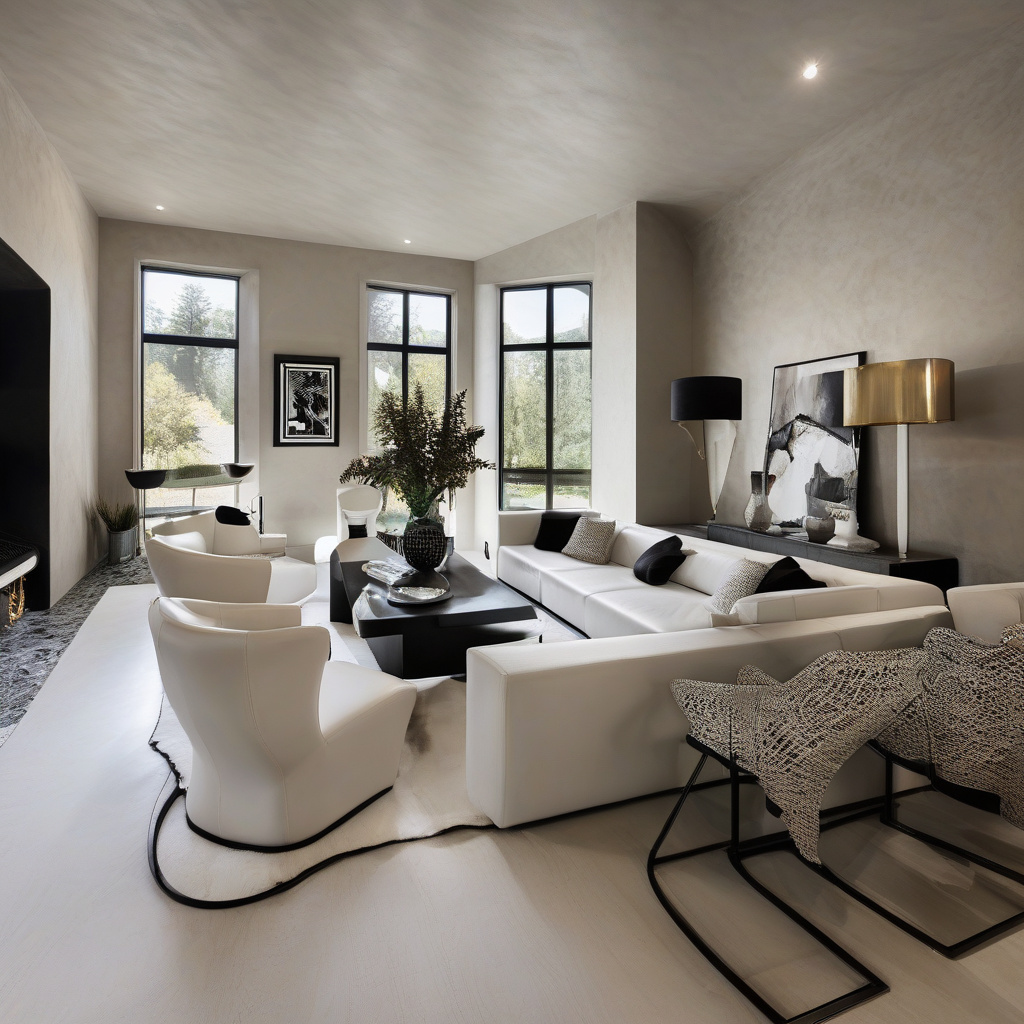
In the ever-evolving landscape of home design, the use of textured paints is a trend that both intrigues and perplexes homeowners and designers in Los Angeles. These paints add dimension and style to a room, masking imperfections while transforming bland walls into dramatic features. However, this sophisticated option is not without its downsides, particularly in terms of maintenance and practicality.
Brief summary: Textured paints offer a stylish way to enhance the visual appeal of walls by hiding imperfections and adding dimension. While ideal for feature areas, they present challenges in repair and maintenance, making them less suitable for high-traffic zones. This article explores the advantages and drawbacks, with insights from real renovation projects in Los Angeles.
Understanding the Allure of Textured Paint
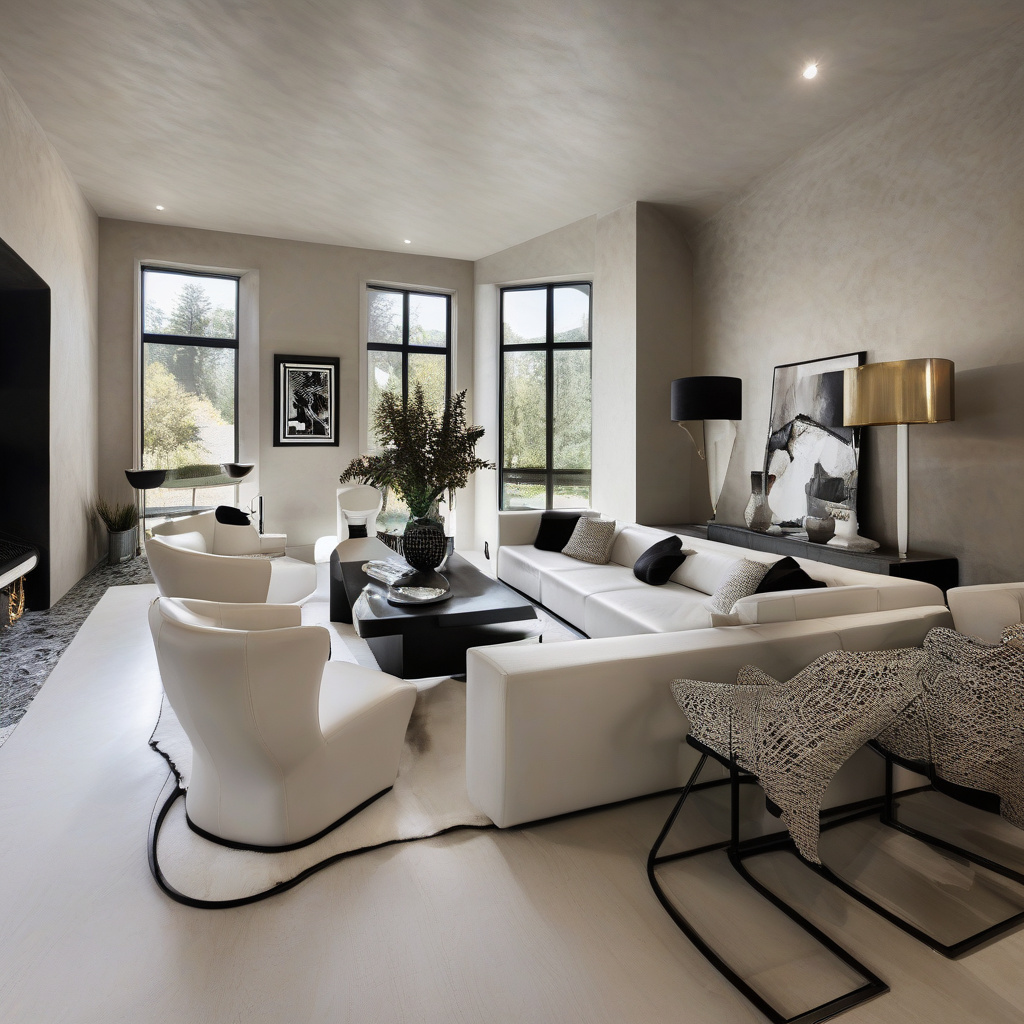
Textured paint is much more than a mere decorative choice—it’s a statement. Homeowners in Los Angeles often opt for these tactile surfaces to reflect a personalized touch in their living spaces. With an array of techniques and finishes available, from soft suede to rustic sand, textured paint allows for creative expression and can conceal minor wall blemishes that otherwise detract from a room’s aesthetics.
In Los Angeles, where style meets innovation, textured paint can transform any ordinary room into a visual masterpiece. Many designers emphasize the paint’s ability to create dynamic shadows and an illusion of depth which standard paints can never achieve. This quality makes it particularly enticing for feature walls and artistic décors.
On the flip side, preparing for a textured paint project involves more than just picking up a brush. As noted in resources about background on renovation paints in California, it requires specific tools and techniques, which means more effort and sometimes more cost upfront.
Despite the additional preparation, the growing demand for individuality in home interiors continues to push textured paint into the limelight. As one local client recounted, their decision to use textured paint in their vintage-inspired living room brought a new level of authenticity and charm. Yet, even with such success stories, awareness of the complexity involved remains key.
Comparing Costs and Technical Challenges
The financial considerations surrounding textured paint are more intricate than many initially perceive. In Southern California, the cost of undertaking such a project can vary widely, depending on the materials and techniques involved. While traditional flat paints are relatively inexpensive, the unique mixes and compounds required for textures can significantly increase expenses.
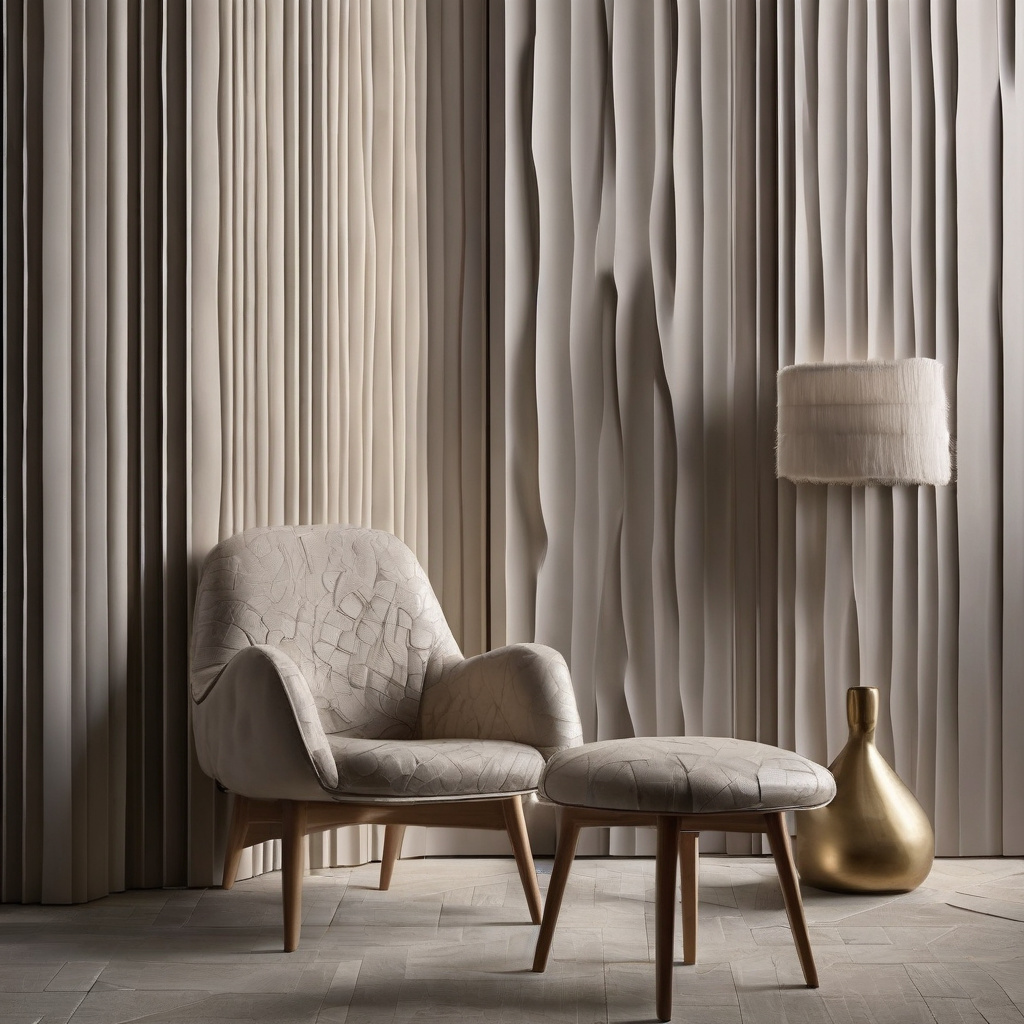
This is particularly relevant when contrasting the overall value against plain paint, and the tangible impact it can have on both the wallet and the remodeling timeline. According to analysis provided by industry experts, the price can leap anywhere from 20% to 50% more than conventional options. However, the visual payback is considered priceless by those passionate about bespoke living environments.
Scheduling and executing these projects also demand careful planning. According to data from a leading local scheduling advisor, opting for textured paint requires aligning skilled labor and availability of specific materials, potentially extending project duration significantly.
In conclusion, while the upfront challenges in cost and time may deter some, the aesthetic benefits and potential home value enhancement provided by textured paints remain a formidable allure for many homeowners committed to making a bold statement.
The Art of Selecting the Right Finish
When it comes to textured paints, variety is the spice of life—or so the saying goes. Whether adorned in a subtle sanded finish or a bold slap brush style, each texture carries characteristics that render them suitable for different spaces.
In high-style neighborhoods like Beverly Hills, the selection process becomes an intricate dance of balancing luxury and livability. Homeowners often choose to highlight certain areas like alcoves, fireplaces, or central walls in living spaces, transforming them into conversation pieces.
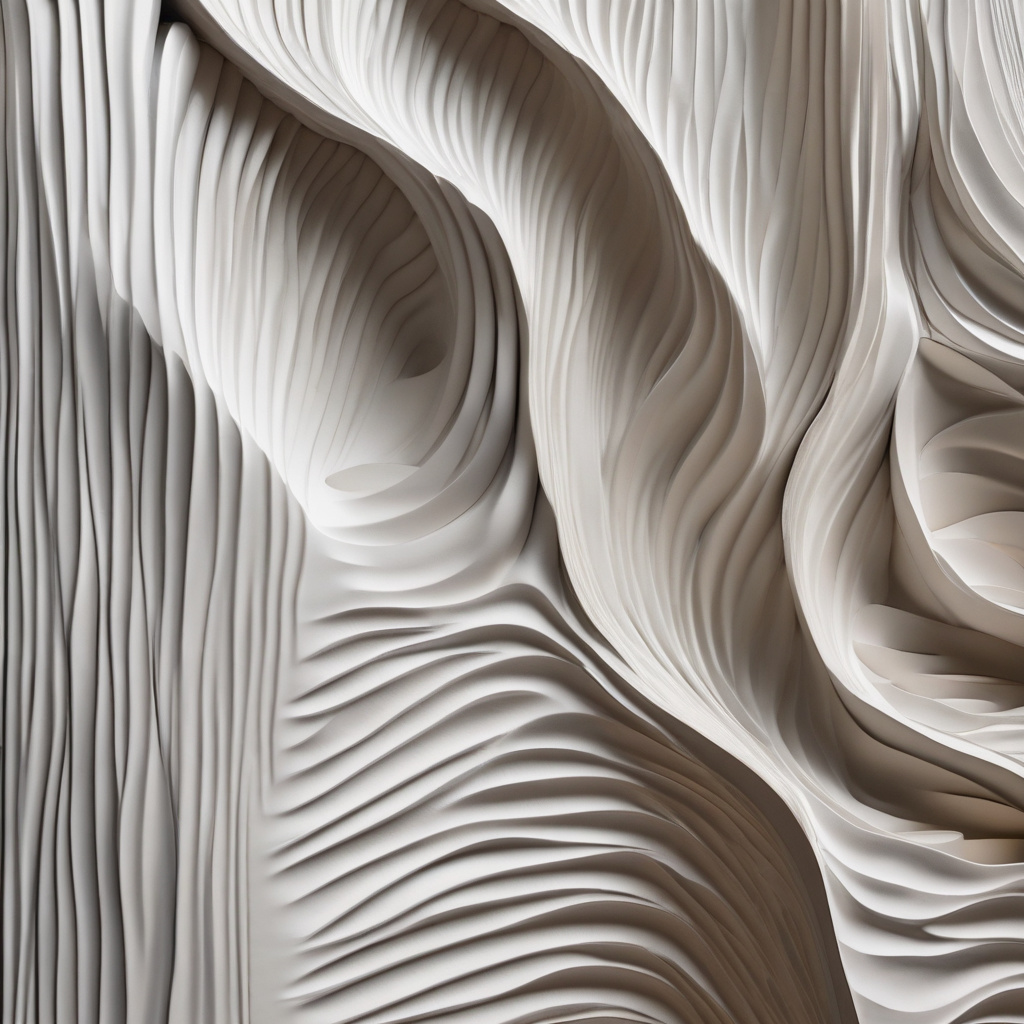
However, experts advise caution against employing heavy textures in high-traffic zones like hallways due to the difficulty in cleaning and potential damage repair. Considering unique accents helps in making informed decisions that align function with form.
To summarize, the choice of finish can reflect personal taste while navigating practical constraints, making it imperative to consider how different textures play under varied lighting and usage conditions.
Maintenance: A Cautionary Tale
Textured walls may look stunning, but maintaining their allure is a tale of vigilance and precision. Everyday bumps and scrapes that would go unnoticed on a flat wall can become magnified on a textured one. Los Angeles homeowners have discovered this firsthand and often need to weigh the ease of maintenance against their desire for striking aesthetics.
Furthermore, repairing a gouge or stain can prove to be a challenging prospect. Recreating the exact texture and paint mix used can quickly become an arduous task, often requiring professional intervention.
“Textured walls require more attention to detail in maintenance but offer unmatched visual impact when well-kept,” notes Robert Hidalgo, a seasoned local contractor.
This precedent illustrates the ongoing commitment needed for textured paint projects. Maintaining their pristine condition frequently involves protective measures and meticulously matching repairs to avoid any disparities.
In summary, while textured paints command visual attention, the commitment to preserving their condition is certainly more involved than their smooth-painted counterparts.
Balancing Pros and Cons: An Analytical Approach
Textured wall paints undoubtedly offer a unique charm and the ability to transform spaces, but they also come with strings attached. To help summarize their benefits and pitfalls, let’s analyze key factors in a concise format.
| Advantages | Disadvantages |
|---|---|
| Adds depth and visual interest | Can be costly and complex to repair |
| Conceals wall imperfections | Not suited for all environment types |
| Versatile in creative designs | Labor-intensive application |
| Increases perceived real estate value | Higher material costs |
For homeowners and design enthusiasts alike, understanding both sides of the textured paint coin is crucial. The driving passion for stylistic flair must be tempered with awareness of the long-term practicalities.
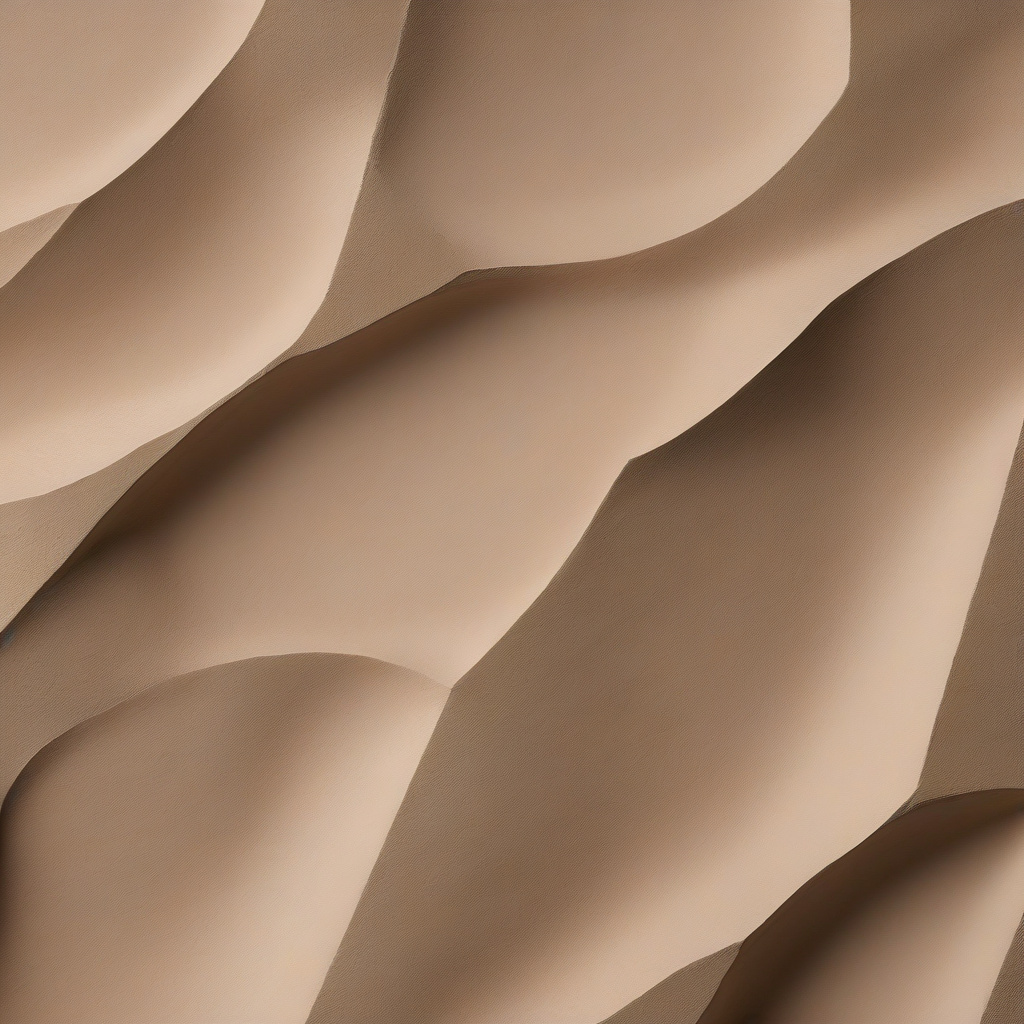
Ultimately, informed decisions about whether or not to embrace textured walls hinge on individual priorities and the specific needs of each project. While the practical challenges should not be understated, the transformative potential remains a powerful motivator.
Expert Tips for Successful Texturing
Successfully applying textured paint demands a combination of artistry and methodology. Preparing walls thoroughly and choosing the right tools is paramount. Here are essential tips for those keen on diving into this domain.
Preparation is Key
The foundation of any successful textured paint application lies in the preparation. Cleaning and priming walls are the first steps to ensure the texture adheres properly. A smooth base is critical in allowing the unique textures to truly shine.
Test in Small Sections
To avoid costly mistakes, consider testing the chosen texture in inconspicuous areas. Observing how the paint reacts under lighting changes or with furniture present can save time and resources later on.
“A small-scale test run offers valuable insights into how a texture performs in real-world conditions,” suggests Lisa Tran, a local interior designer known for her meticulous attention to detail.

Invest in Quality Materials
The quality of materials significantly impacts the project’s longevity and finish. Skimping on base compounds or brushes can result in a substandard outcome. Investing in the right tools and paints can make all the difference. Consulting practices for safe and effective painting is also advised to ensure the most desirable results.
In conclusion, while textured paints undoubtedly provide an avenue for creativity, their successful application requires a strategic plan and a willingness to engage with the technical intricacies involved.
Conclusion: Weighing Impact Against Effort
Ultimately, the decision to use textured paints involves balancing distinct advantages and inherent challenges. Embraced thoughtfully, these sophisticated paints can dramatically enhance a space’s aesthetic and feel. The stories from Los Angeles homes reveal that when applied with expertise and care, textured paints transform perceptions, creating an environment where personality and style flourish.
However, the converse is equally true. Without sufficient research, preparation, and consideration of maintenance demands, these projects can morph into time-consuming endeavors. It’s the duality of desire and reality that makes textured paint both a revered and reviled art form.
In the final analysis, making the right choice hinges on the depth of one’s commitment to design intricacies and willingness to tackle the complexities they bring.
- Textured paints bring unmatched dimension and style to walls.
- They require careful selection of materials and application techniques.
- The cost of textured paint can exceed traditional options.
- Maintenance presents a unique set of challenges due to its complexity.
- Thorough preparation and planning are key to successful project outcomes.
“`html
FAQ
What are the main advantages of using textured paints for walls?
Textured wall paints can dramatically transform a space by adding visual depth and interest. In real renovation projects, homeowners find them particularly useful for concealing imperfections such as small dents or cracks. The texture creates a rich dimension that flat or satin paints simply can’t offer. This makes them ideal for feature walls or spaces where you want to create a focal point. By playing with different textures, you can achieve a wide range of styles, from rustic to modern chic. This adaptability in design makes textured paints a favorite among interior designers.
Are there any disadvantages to using textured wall paints?
While textured paints offer visual appeal, they also come with challenges. For one, these paints are notoriously difficult to repair. Unlike flat paints, where you can simply retouch a spot, fixing a damaged textured wall often requires redoing a section to match the existing texture precisely. Homeowners frequently underestimate the skill and time involved in creating seamless repairs. Moreover, due to their intricate nature, cleaning textured walls can be more cumbersome, as dust and dirt tend to settle within the grooves more easily than on a smooth surface.
How does one decide where to apply textured paint in a home?
Deciding where to apply textured paint requires balancing aesthetics with practicality. High-traffic areas, like hallways or children’s rooms, may not benefit from textured finishes due to wear and tear. Instead, consider using them in living rooms, master bedrooms, or dining areas—places where you entertain or relax. These paints can beautifully accentuate fireplaces or frame art pieces, functioning as a subtle backdrop that enhances room features. Additionally, textured paints work wonders in single-family homes with older properties, adding character and hiding wall flaws typical of age.
What typical mistakes should be avoided when using textured paints?
A common pitfall is underestimating the skill required to apply textured paints evenly and attractively. Many homeowners assume they can achieve professional results without experience, leading to uneven coatings or patchy textures. Another mistake is not sample testing the texture and color in different lighting conditions, which can drastically alter a room’s appearance. Additionally, failing to properly prepare the wall surface can negate the texture’s ability to cover imperfections, resulting in a bumpy, unappealing finish. Use primer and repair major blemishes before applying textured paint for best results.
How do textured paints compare in cost to regular wall paint?
Textured paints generally cost more than their flat counterparts, a factor that homeowners should consider during the planning phase. The price differential isn’t just due to the paint itself but also owing to the application process. Many prefer hiring professionals because achieving a uniform texture requires skill, which raises labor costs. However, for smaller projects, DIY enthusiasts might find it a worthwhile endeavor, although they should factor in the costs of tools like rollers, sponges, or special brushes necessary to create the desired effects. It’s crucial to budget both time and money effectively when choosing textured paint options.
What maintenance should I expect with textured wall paint?
Maintenance is a crucial consideration with textured wall paint. In real homes, cleaning these surfaces can be more tedious than flat walls. Textures trap dust and dirt, requiring more frequent dusting and occasional washing with gentle, non-abrasive cleaners to prevent paint damage. If a section gets damaged, repairs can be complicated, needing a precise match of the original texture. To avoid such issues, place textured walls away from areas likely to suffer from spills or high physical contact like entryways or kids’ playrooms. Regular inspection and custom cleaning tools adapted for textures can help maintain their appearance.
When does it make the most sense to choose textured paint over flat paint for walls?
Textured paint is an ideal choice for feature walls and accent areas where you wish to create a dramatic effect. For Californian homeowners, especially in dry regions, the added dimension can evoke a natural, earthy atmosphere that complements both modern and rustic aesthetics. Textured finishes are also practical in older properties, where wall imperfections are more common. They can be used strategically to guide the eye away from blemishes. If you are considering such a project but need guidance, you can consult renovation specialists who can assist with practical advice tailored to your home’s needs.
What factors should influence the choice of textured wall paint in a newer build?
In newer builds, selecting textured wall paint should align with the home’s overall design and color scheme. It’s important to consider how the texture will interact with existing architectural features—does it complement or clash with moldings and fixtures? The choice of texture should also be practical, avoiding overly intricate patterns in areas with bright, direct sunlight, which can amplify texture, making certain characteristics overly dominant or busy for the eye. Additionally, evaluating the effect of lighting—both natural and artificial—on texture helps in achieving a balanced and cohesive space.
“`