Los Angeles, with its sunny skies and seismic quirks, presents unique challenges for outdoor tile installations. Homeowners are drawn to tiles for their beauty and durability, but the LA climate demands special consideration to avoid the all-too-common cracking. Selecting the right outdoor tile involves understanding material properties, installation techniques, and the local environment.
Brief summary: This article explores the best outdoor tile options for Los Angeles’ climate, focusing on their resistance to cracking. We discuss important factors such as substrates, mortars, and frost safety. Insights into costs, materials, and installation methods provide homeowners with practical information for successful renovations.
Understanding Los Angeles Climate Challenges for Tiles
In a city where sunshine seems eternal, weather conditions might still surprise. It’s not rare for outdoor environments to experience temperature fluctuations, from warm afternoons to cooler evenings. The thermal expansion and contraction cycle can put a strain on tiles, especially those lacking flexibility. This unpredictable weather is a key reason why homeowners must consider climate-smart tiles.
Furthermore, Los Angeles rests on a mesh of fault lines. Earthquakes, rare but impactful, challenge all construction, particularly flat and brittle surfaces like tiles. Tiles must be securely anchored yet possess some degree of elasticity to withstand tremors. Professional guidance from experienced renovation experts is invaluable when planning changes.
Despite these hurdles, many Los Angeles homeowners find tiling an attractive option. The selection of tiles extends beyond simple visual appeal and involves meticulous preparation and choice of substrates and mortars. Done right, a tiled area can enhance property value and offer long-term satisfaction.
Preparation is key; tiles chosen without regard for environmental challenges may be doomed to fail. Planning thoroughly, using robust materials, and opting for cutting-edge installation techniques can greatly reduce the risk of unsightly cracks.
According to the Building Industry Association of Southern California, using the proper materials can decrease the risk of tile breakthroughs by 30%.
Selecting the Right Materials
When it comes to outdoor tiling, not every material is created equal. Porcelain, natural stone, and concrete tiles each have their fans, yet it is crucial to select those specifically rated for outdoor use. Homeowners must deliberate carefully on the material that best fits both their aesthetic preferences and environmental resilience requirements.
Advantages of Different Tile Materials
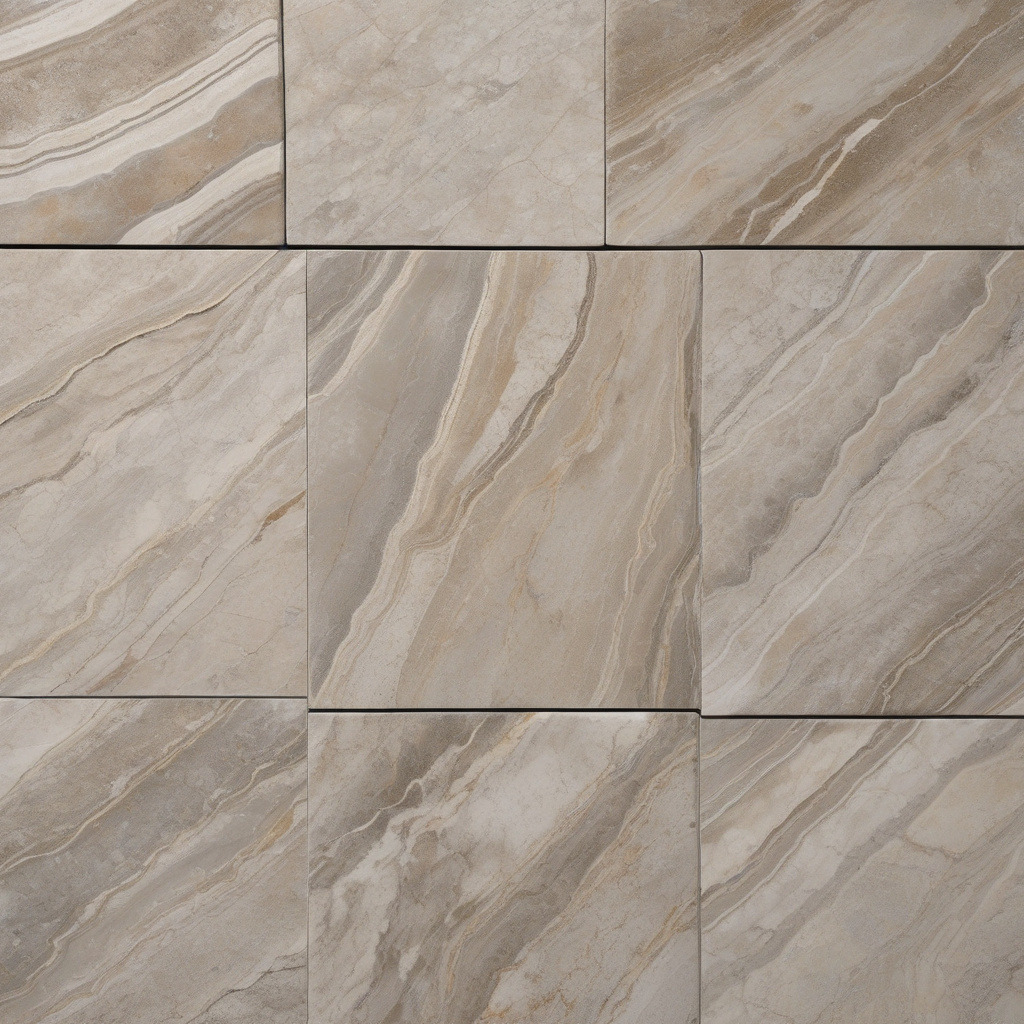
Porcelain tiles are often celebrated for their durability and low porosity, which makes them resistant to moisture penetration and thus climate-proof. Meanwhile, natural stone tiles, like travertine and slate, can also excel in outdoor settings, offering a luxurious finish to any backyard oasis.
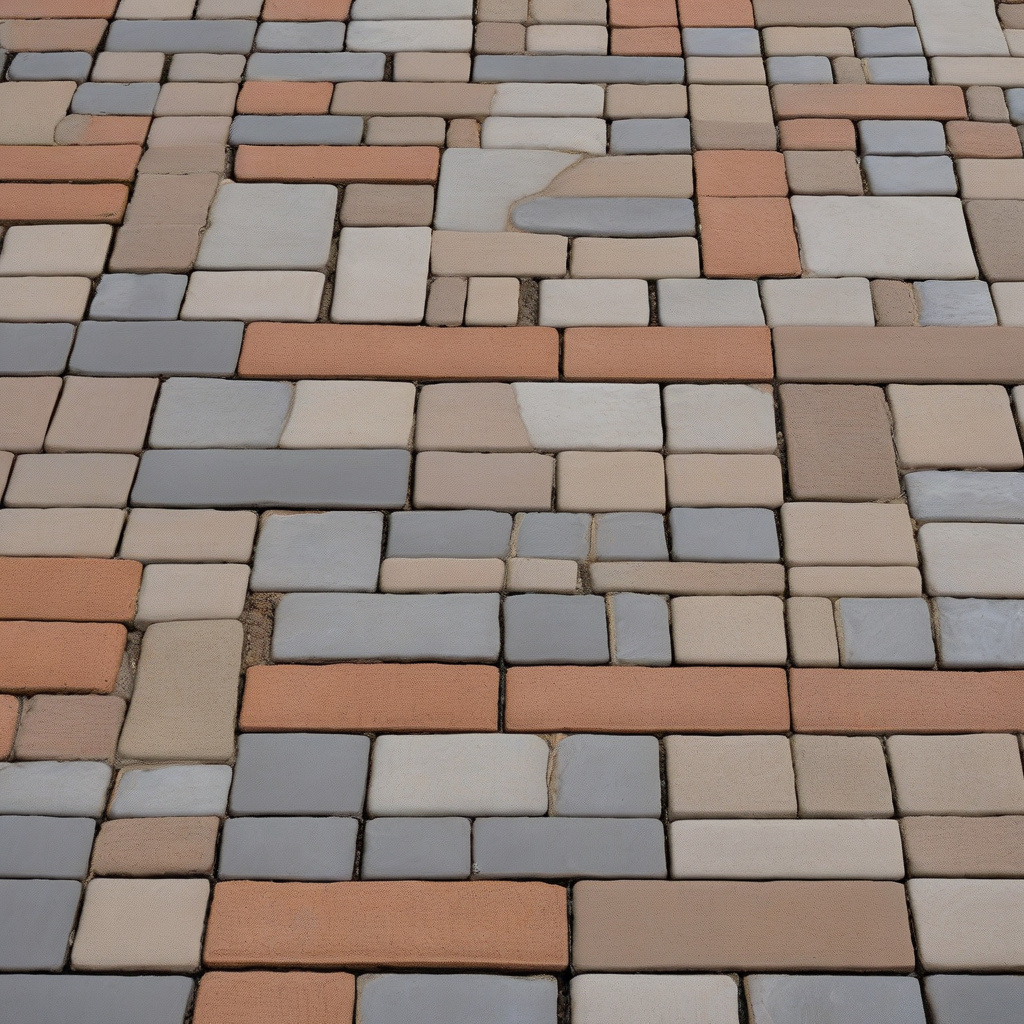
Concrete tiles add an industrial chic flair and are highly adaptable, which attracts those seeking a customizable look. Their modular nature enables easy repairs and replacements, a feature appreciated by those conscious of long-term maintenance.
However, the initial installation cost and time commitment can vary across these options, often being influenced by material choice. These considerations, alongside environmental factors, determine the ultimate selection and success of any tiling project.
John Smith, a leading landscape architect in Los Angeles, explains: “Choosing the right tile material is like choosing an outfit for the weather; you wouldn’t wear a winter coat in summer. Similarly, select tiles that can ‘wear’ the climate effortlessly.”
Expert Installation Practices
Choosing the right materials is only half the battle; proper installation is crucial in extending the lifespan of your tiles. One must consider substrates, which provide the critical foundation. Concrete slabs are a popular choice, offering a solid and stable base, helping mitigate any shifting from seismic activity.
The use of flexible mortar adds a layer of protection, adapting to any movement while preventing the cracking of brittle tiles. This can be especially crucial in earthquake-prone zones where structures are predisposed to various kinds of shifting.
Installing tiles is a meticulous process that often exceeds the skill set of the average DIY enthusiast. Despite the temptation to reduce costs, seeking professional help in installation can pave the way for long-lasting satisfaction and fewer headaches down the road.
An often overlooked aspect is the grouting process; ensuring it complements the tiles’ properties prevents moisture ingress and helps maintain integrity across the seasons.
A study by the UCLA Department of Engineering highlights that professionally installed tiles, using the latest techniques, offer a 20% reduction in maintenance costs over five years.
Design and Safety Considerations
Apart from material durability and resistance, the design cannot be disregarded. Safety features, such as slip-resistant surfaces, are paramount, especially around pools and areas prone to moisture build-up. With rain being unpredictable in the region, slick surfaces might lead to accidents before one can say “lawsuit.”
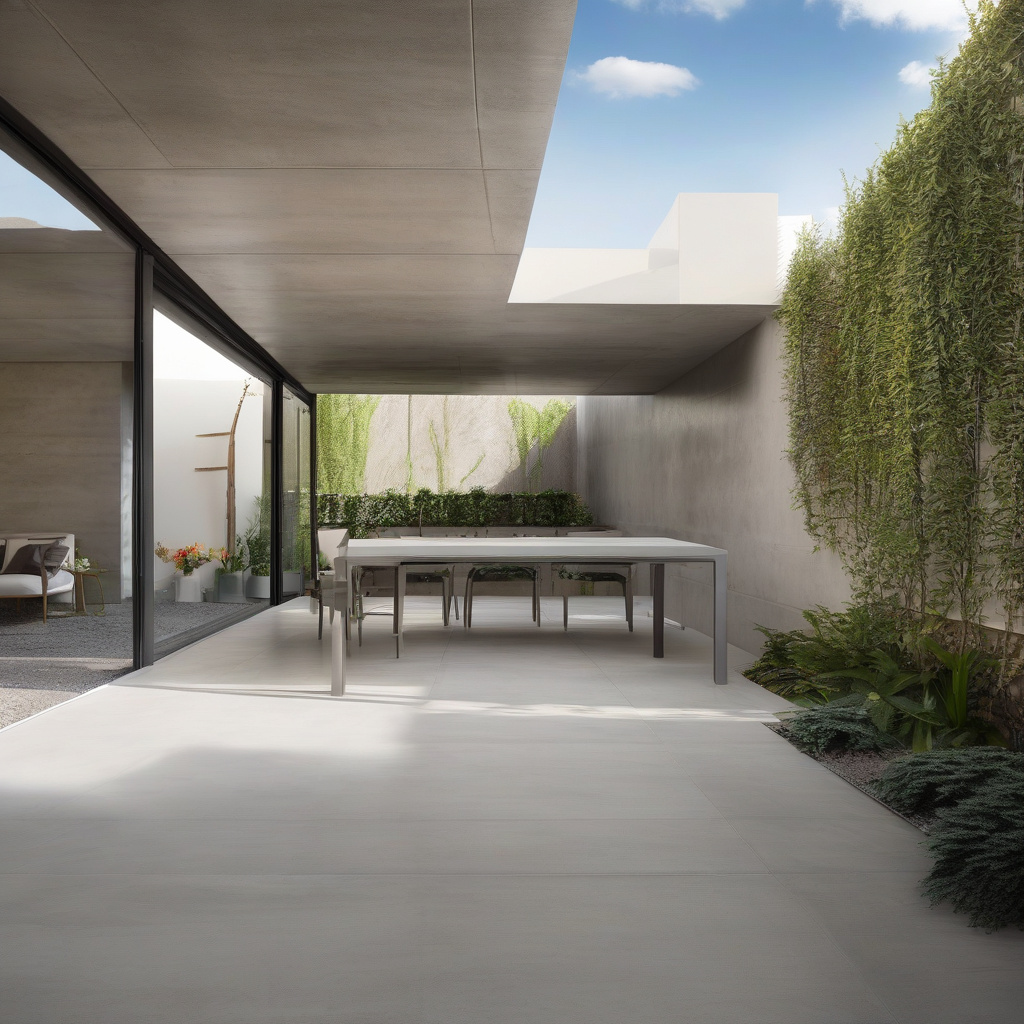
Incorporating suitable railing and stair safety measures lets homeowners enjoy their spaces worry-free. Blend safety features gracefully with overall aesthetics because who says a safety-first approach can’t be visually appealing?
Design considerations must accommodate foot traffic, desired use, and existing decor. Harmonizing these elements can transform a simple patio into a stunning extension of a living space.
Ultimately, a successful design marries function with form, pushing boundaries while respecting local mandates and the unpredictable California landscape.
Cost Implications and Value
No discussion of renovation is complete without addressing costs and benefits. The truth is, good tiles come at a price, but so does the cost of frequent repairs. Investing in quality materials upfront often proves far more economical than dealing with continual maintenance.
Balancing Cost and Quality
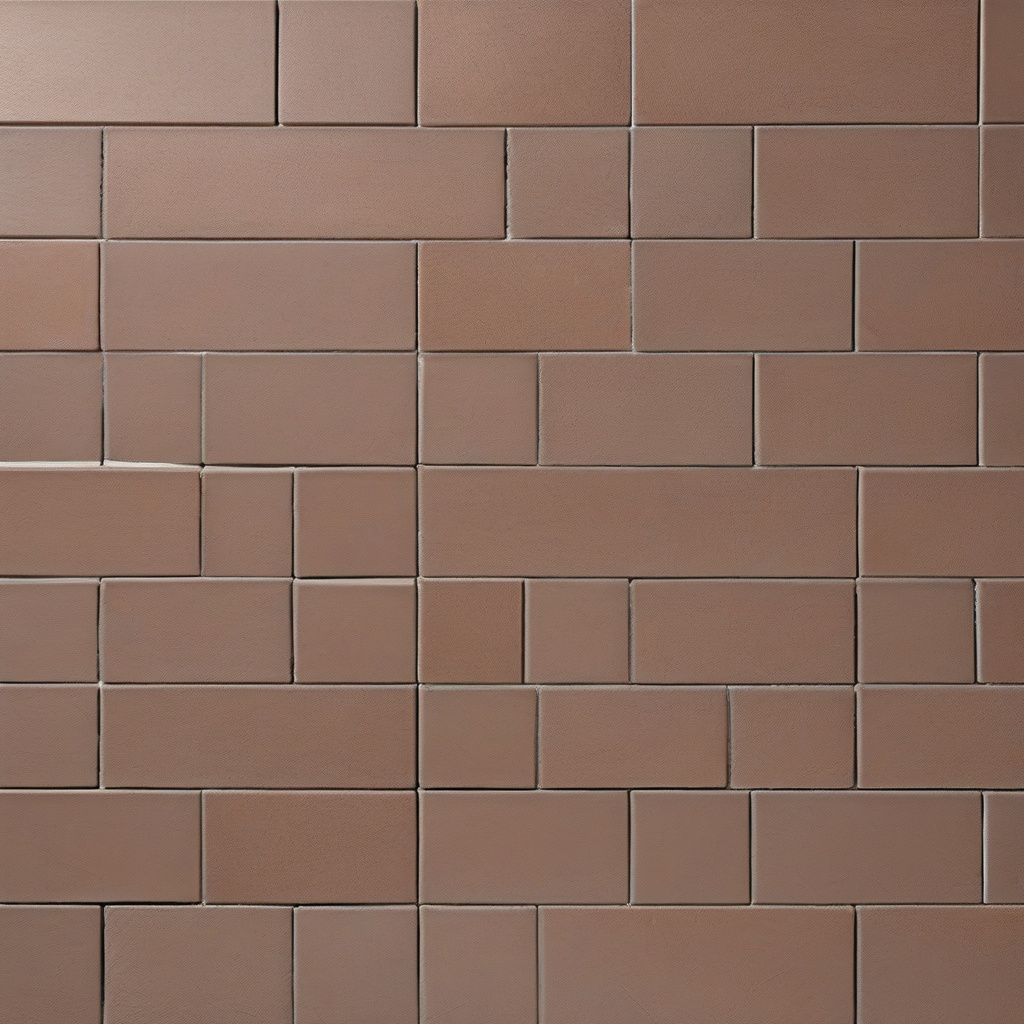
Choosing premium tiles and skilled labor might initially set you back more than expected, but consider it a worthwhile venture that amplifies your property’s appeal and value. But fear not; budget-friendly options exist, provided the user does their homework.
Data suggests that opting for quality concrete slabs as a tiling foundation represents both a financially and environmentally sustainable choice. Understanding the precise investment-reward ratio fortifies your decision.
Moreover, be aware that time constraints can affect not only costs but project timelines. Allow for lead times to secure the best materials and expertise.
Long-Term Assessment
After examining various factors contributing to tile stability, it is apparent that choices should not be left to chance or impulse. Only a thorough analysis bridging materials with technique guarantees a satisfactory outcome. Be proactive and let foresighted decisions benefit both your personal well-being and property landscape.
Your tiles are much more than a floor or aesthetic touch—view them as an extension of your home’s personality. Whether your goal is to walk barefoot in zen-like bliss or host glamorous soirées, well-chosen tiles stand the test of time.
Do not default on quality for what expectedly becomes an integral part of day-to-day life. In sum, decisive planning and informed selections pave the way for exceptional patios loyal to LA’s ever-shifting conditions.
- Select the right tile material for LA’s climate, considering both aesthetics and durability.
- Ensure professional installation focusing on robust substrates and flexible mortars.
- Prioritize safety features, like slip-resistant surfaces, around moisture-prone areas.
- Invest in quality materials and skilled labor for long-term maintenance savings and home value enhancement.
- Use comprehensive planning to synchronize design, function, and safety for gratifying home spaces.
FAQ
What types of outdoor tiles are best suited for the LA climate?
In Los Angeles, the weather can be quite variable, ranging from sunny and dry to unexpectedly damp. Porcelain tiles come highly recommended for their durability and minimal water absorption rate, making them resistant to cracking, especially during cooler nights. While visiting a tile showroom in LA, imagine selecting tiles that withstand a seasonal sprinkle as well as the bright, consistent sunshine. Many experts argue that with the right choice, maintenance becomes significantly easier over time. Homeowners should also look into frost-resistant features when considering tiles for even moderate temperature drops typical in elevated areas.
How do I choose the right substrate for outdoor tile in LA?
Selecting a stable substrate is crucial to prevent tile cracking. In real renovation projects, it often becomes clear that substrates like concrete offer superb support due to their strength and even surface. However, many forget to ensure the concrete is properly cured before tile installation, which can lead to future issues. Consider using isolation membranes to mitigate risks from any underlying movement or shifts in the substrate. Planning adequately for such layers can significantly extend the life of your outdoor installations. Don’t rush the installation process; always allow the base to set thoroughly.
What type of mortar should be used for outdoor tiles in LA to avoid cracking?
Flexible mortars are your best bet in LA’s climate. They allow for slight movements without compromising the integrity of the tile installation. This flexibility can handle the fluctuations between day and night temperatures that are typical in Southern California. Many experts point out that the use of additives can enhance this property. While mixing your mortar during an installation, ensure it’s well-blended to avoid future cracks. Pay attention to adjusting mixtures according to manufacturer guidelines for optimal performance. A seasoned constructor once explained that overlooking this step leads to more post-installation repairs.
When is the best time to install outdoor tile in the Los Angeles area?
Spring and early fall are ideal for outdoor tile installations in LA. The weather is typically dry and mild, which creates perfect conditions for tiles to set without the interference of too much moisture or extreme heat. It’s a common mistake to schedule installations during high summer or winter, which can introduce too much moisture or frost. Plan ahead and consult with local experts to optimize timing and conditions. Scheduling in the off-peak seasons allows installers more flexibility and often results in better deals.
What are the pros and cons of using outdoor tiles in Los Angeles?
Outdoor tiles offer durability, aesthetic appeal, and a low-maintenance option for LA homeowners. Many homeowners love the customized look they bring to patios and pool areas. However, one should consider that certain tiles may become slick when wet and can heat up significantly under direct sunlight. The fluctuation in temperature, albeit not extreme, can also put pressure on installations without proper substrate and mortar. While tiles resist chipping and scratching better than other materials, the initial cost and proper selection process are important considerations. Consulting with a local expert may help balance these benefits and limitations better.
What are common mistakes to avoid during outdoor tile installation?
A frequent pitfall is skimping on the quality of grout and seals, which can lead to water penetration and mold. Homeowners often underestimate the significance of acclimating materials to outdoor temperatures before installation. Skipping this step can cause unexpected contraction or expansion once installed. Make sure to follow proper leveling techniques to avoid uneven surfaces that may lead to discomfort and potential tile cracks. Research and understand each product’s specific needs—this takes meticulous planning and attention to read through guides that manufacturers provide. For professional input, consider reaching out to a specialist; you might find helpful contact options here to further discuss installation queries with experts in your area.
How does Los Angeles’ climate affect the maintenance of outdoor tiles?
Outdoor tiles in LA barely experience harsh winter conditions; therefore, everyday maintenance is straightforward. Yet, this doesn’t mean neglecting routine upkeep. Make sure to clear debris and wash the tiles periodically to prevent residue build-up, which can attract more dirt and degrade the material. Homeowners often overlook sealing the grout, especially in regions with some periodic rainfall. Select appropriate sealants designed for exterior use and ensure it’s applied according to climate conditions and material specificities. Always prioritize maintenance based on local weather forecasts, which play a pivotal role in preserving tile appearance and performance over several seasons.
What are cost considerations when choosing outdoor tiles for Los Angeles homes?
The cost of outdoor tiles can significantly vary based on material and design preferences. Porcelain tiles typically cost more upfront but save money in the long run due to their lifespan and ease of maintenance. Many experts highlight that cheaper alternatives can lead to increased costs down the line from frequent repairs or replacements. It’s wise to consider total project costs, including installation, substrate preparation, and potential sealing. Naturally, pricing from various suppliers should be compared. Homeowners should also mind local tariffs or delivery fees if sourcing tiles from non-regional distributors. Investing in quality initially can prevent much larger expenditures later on.