Exterior Color and Heat Control
Dark exterior colors can work on a Southern California home without creating unnecessary heat buildup, but color cannot be considered alone. The most effective strategy combines a verified solar-reflective coating, selective placement on shaded or less exposed walls, a compatible substrate, sound insulation, and lighter treatment of surfaces that receive intense afternoon sun.
A dark gray, charcoal, brown, navy, or near-black facade will generally absorb more solar energy than a comparable light finish unless the coating uses pigments designed to reflect more near-infrared radiation. Even then, reflective paint does not replace wall insulation, attic improvements, exterior shading, ventilation, or correction of an already overheated building envelope.
Practical answer: Use dark paint selectively rather than assuming the whole exterior must be one color. Compare published solar-reflectance data for the exact product and color, because visible darkness alone does not reveal thermal performance. Give the most exposed walls, roof-adjacent areas, garage doors, and other heat-sensitive surfaces extra attention before approving the palette.
Can a House Be Painted Dark Without Overheating?
Yes, but no dark exterior paint can guarantee that a home will remain cool. Wall color influences how much sunlight the exterior surface absorbs, while indoor temperature is also shaped by roof performance, insulation, air leakage, glazing, wall construction, shading, orientation, ventilation, and mechanical cooling.
The goal is therefore not to make a dark wall behave exactly like a white wall. It is to reduce avoidable solar absorption and prevent the color decision from worsening weaknesses elsewhere in the building envelope. Solar-reflective dark coatings can help because specialized pigments reflect part of the near-infrared energy that people cannot see, allowing some dark-looking products to stay cooler than conventional coatings of a similar visible color.
Performance must be verified for the actual product. Marketing terms such as “heat resistant,” “sun reflecting,” or “cool color” are not substitutes for measured radiative properties. Ask for the product’s published solar-reflectance information and confirm that the listed value applies to the exact color being considered.
Planning dark exterior painting for California homes should begin with the building elevations, not the fan deck. A shaded north-facing wall and a west-facing garage door exposed to late-afternoon sun do not experience the same thermal stress.
Reflective Dark Coating
Uses pigments intended to increase solar reflectance while preserving a dark visible color, but performance varies by product and shade.
Selective Dark Placement
Concentrates the deepest colors on recessed, shaded, or architecturally defined areas rather than every sun-exposed surface.
Envelope Improvements
Addresses insulation, air leakage, windows, attic heat, and shading when paint alone cannot solve indoor overheating.
How Solar-Reflective Dark Paint Works
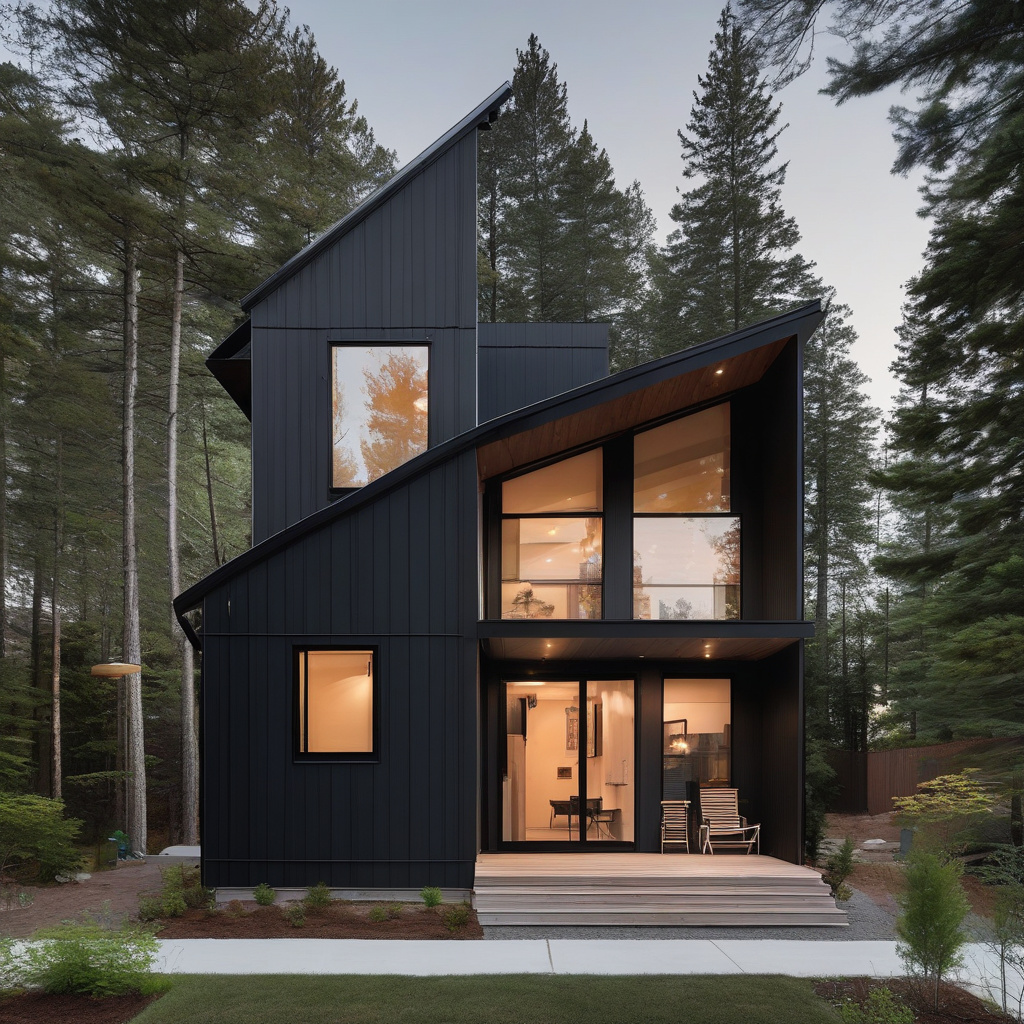
Visible color and solar reflectance are related, but they are not identical. Conventional dark pigments absorb much of the sunlight that reaches the wall. Some newer pigment systems are formulated to reflect more near-infrared radiation while maintaining a charcoal, brown, blue, green, or other dark appearance in the visible spectrum.
This distinction explains why two paints that look similar on a color card may reach different surface temperatures in direct sun. The comparison should use measured product data rather than assumptions based on Light Reflectance Value alone. LRV describes visible-light reflection and is useful for understanding brightness, but it does not fully describe how a coating interacts with the complete solar spectrum.
Solar reflectance indicates the portion of incoming solar energy reflected by the surface. Thermal emittance describes how effectively a surface releases absorbed heat through thermal radiation. Both properties can influence surface behavior, although the practical effect on a specific home depends on the complete wall assembly and local exposure.
Do not assume that every product line offers reflective technology in every color. A manufacturer may provide tested data only for selected coatings or shades. The written specification should identify the product line, finish, color code, approved primer, substrate, and any application conditions required for the published performance.
Practical note: A high LRV usually indicates a lighter-looking color, but LRV alone is not a complete heat-performance rating. For a dark facade, request solar-reflectance information for the exact coating and color rather than relying only on the paint chip.
Where Dark Color Creates the Least Thermal Risk
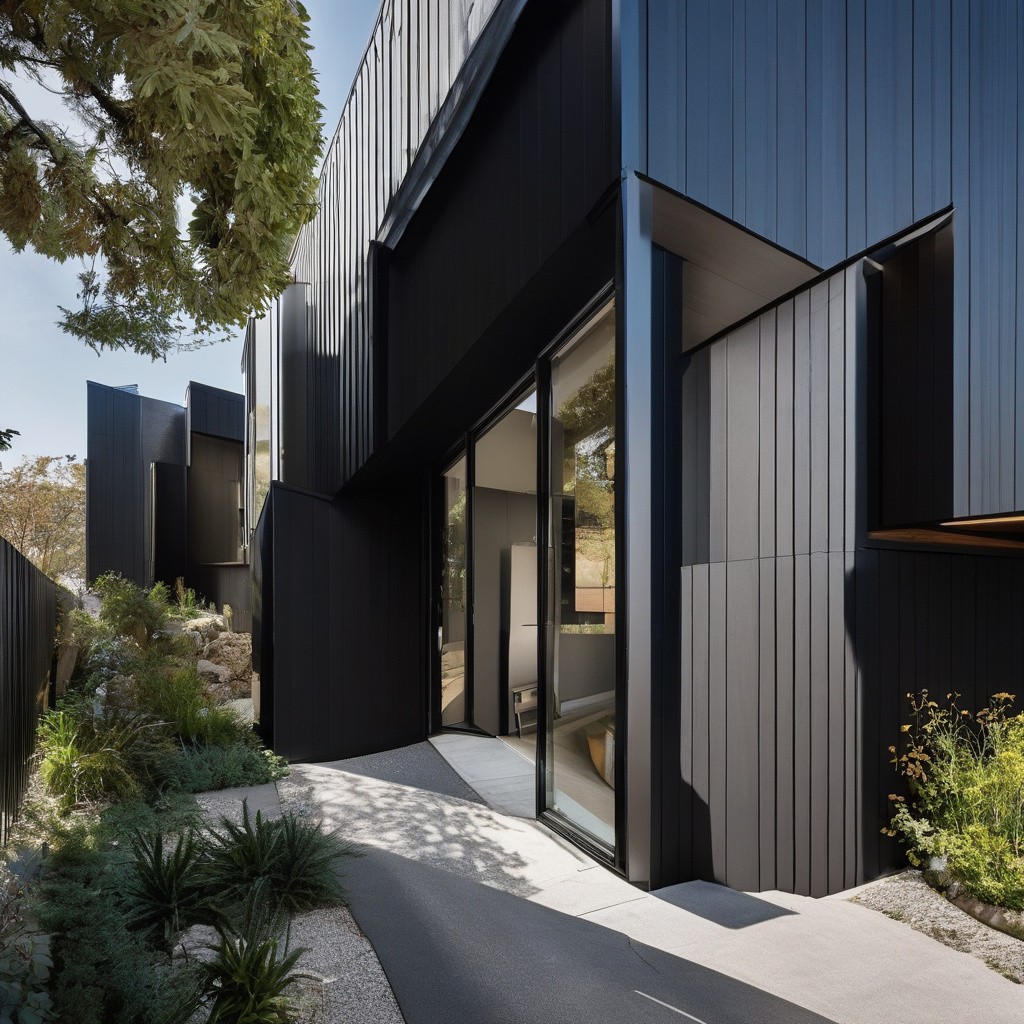
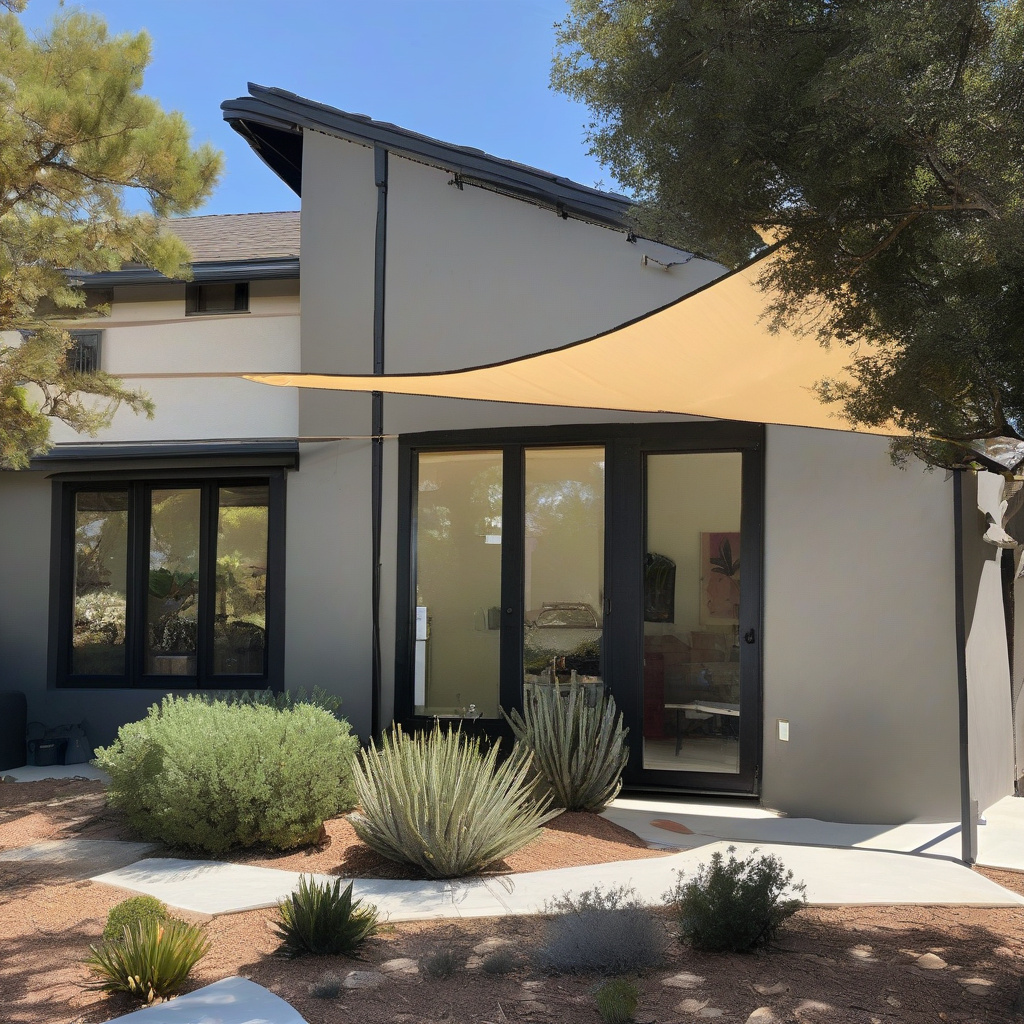
The safest way to use a dramatic exterior palette is to place the darkest color where solar exposure is naturally reduced. Recessed entries, porch walls, shaded courtyards, protected upper-story sections, covered patios, and walls beneath deep overhangs may receive less direct radiation than exposed west- or south-facing planes.
Orientation should be documented before the design is finalized. East-facing surfaces receive strong morning light, while west-facing walls can remain exposed during hotter afternoon hours. Nearby buildings, trees, roof overhangs, balconies, and topography can modify that pattern, so generalized orientation rules should not replace an on-site review.
Deep colors can also be limited to architectural elements instead of entire elevations. A dark entry volume, window surround, gable, vertical siding section, or lower wall zone can provide contrast without placing maximum solar absorption across every square foot of the facade.
Traditional architecture needs a different balance than a modern box-shaped home. For stucco residences with tile roofs, arches, wood details, and warm masonry, review Spanish-style exterior color palettes before replacing the entire composition with an undifferentiated charcoal scheme.
Dark Color Works Better Here
Use it on shaded recesses, protected entry walls, selected siding fields, architectural projections, and surfaces where contrast clarifies the home’s form without dominating every elevation.
Use More Caution Here
Evaluate exposed west-facing walls, large metal garage doors, poorly insulated wall sections, roof-adjacent surfaces, and areas with no shade before applying the deepest available color.
Which Exterior Surfaces Need Special Attention?
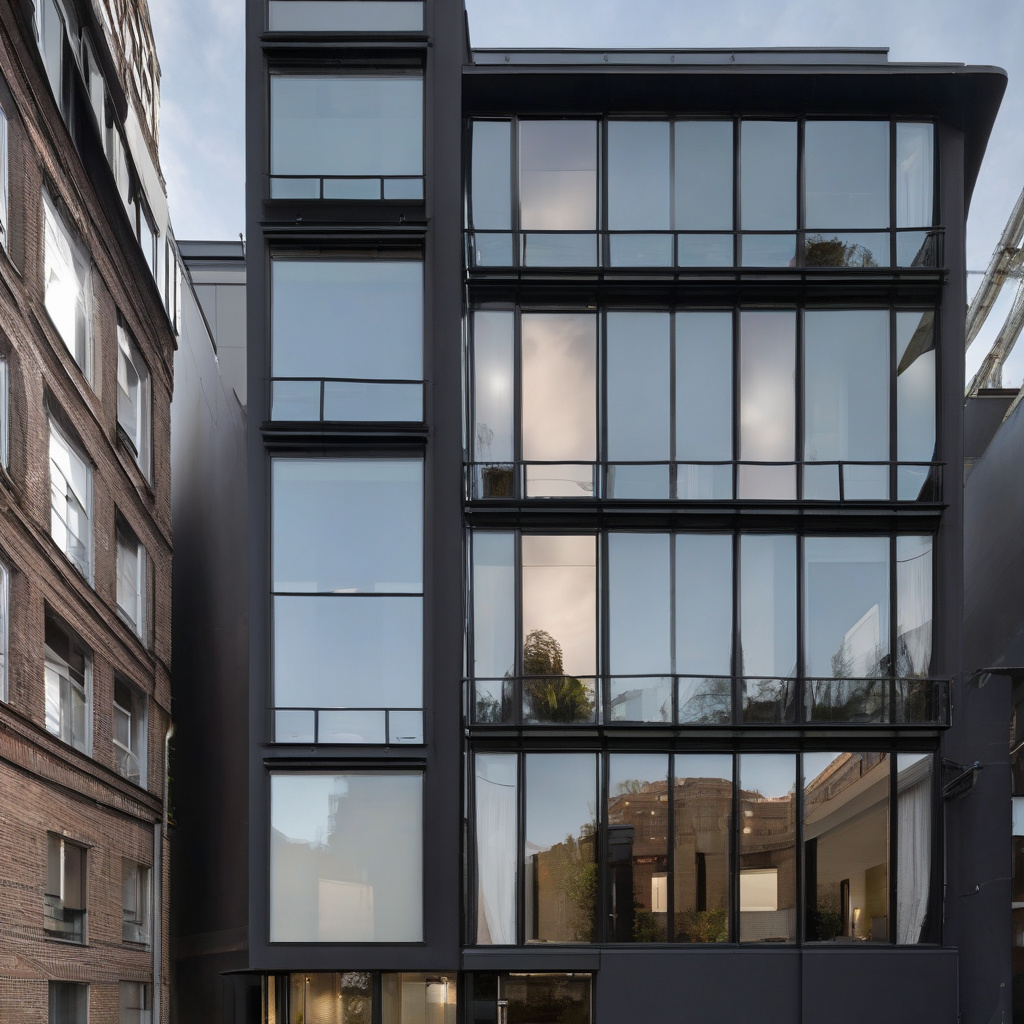
The same dark coating does not behave identically on stucco, fiber-cement siding, wood, masonry, vinyl, metal, or a garage door. Each substrate has different preparation requirements, dimensional movement, existing finish conditions, manufacturer limitations, and heat-related concerns.
Stucco is common in Southern California and can support dark palettes when the surface is sound and the coating is compatible. Cracks, chalking, efflorescence, moisture staining, patched textures, and failed previous coatings must be addressed first. Dark color can make uneven texture or repair boundaries more visible under strong side light.
Wood and engineered siding products may have specific color restrictions or coating requirements. Dark finishes can increase surface temperature and dimensional stress, so the siding manufacturer’s current technical documentation and warranty terms should be checked before changing to a much deeper color.
Metal doors and panels can become very hot in direct sun, while vinyl and other heat-sensitive products may have limits on acceptable color depth or approved reflective formulations. The original component manufacturer should confirm whether the proposed coating is suitable.
| Exterior Surface | Main Heat or Finish Concern | What to Verify |
|---|---|---|
| Stucco | Cracks, chalking, patch visibility, and moisture-related failure | Surface stability, compatible primer, and approved masonry coating |
| Wood siding | Dimensional movement, weathering, and hidden moisture | Substrate condition, preparation, and coating-system compatibility |
| Fiber-cement siding | Manufacturer finish requirements and joint detailing | Approved paint type, color limitations, and current instructions |
| Vinyl siding | Heat-related distortion or unsuitable color change | Manufacturer-approved color range and reflective formulation |
| Metal panels or doors | High surface temperature and visible application defects | Metal primer, coating adhesion, exposure, and application conditions |
| Masonry or concrete | Moisture movement, alkalinity, and uneven porosity | Curing condition, moisture source, primer, and breathable system |
Balance Dark Paint With Shading and a Strong Building Envelope
Exterior color controls only the outermost surface. If heat already enters through an under-insulated attic, leaky windows, unsealed penetrations, or sun-exposed glass, reflective wall paint may make only a limited difference to indoor comfort.
Roof exposure deserves particular attention because the roof commonly receives more direct solar radiation than vertical walls. The interaction between roof color, roof assembly, attic conditions, wall color, and insulation should be considered as one system. Reviewing how dark surfaces affect heat gain helps prevent a facade decision from being evaluated separately from the home’s largest exposed surface.
Architectural shade can reduce direct solar loading before sunlight reaches the coating. Roof overhangs, awnings, recessed openings, covered porches, pergolas, shutters, and appropriately located vegetation may help, provided they suit the architecture and do not create moisture, maintenance, or fire-safety problems.
Interior comfort complaints should be investigated before repainting. A room that overheats may be affected by window orientation, inadequate shading, duct problems, insulation gaps, air leakage, or equipment performance. Painting the outside wall dark with a reflective coating does not diagnose or correct those conditions.
Map Solar Exposure
Record which walls, garage doors, trim sections, and roof-adjacent areas receive prolonged direct sun.
Review the Envelope
Check whether existing comfort problems relate to insulation, windows, air leakage, attic heat, or mechanical systems.
Assign Color by Zone
Use the deepest tone where shade and architecture support it, and moderate the palette on highly exposed surfaces.
Approve a Field Sample
Apply the complete coating system to a representative exterior area and inspect it in direct sun and shade.
What Affects the Cost of a Heat-Conscious Dark Exterior?
The cost difference is not determined by color alone. A dark exterior may require a specialized product, additional sampling, stronger preparation, more precise application, or changes to the original design when the substrate or exposure is unsuitable.
Written proposals should separate coating work from repairs and building-envelope improvements. Reflective paint, insulation work, shading, siding replacement, crack repair, and moisture correction solve different problems and should not be grouped under a vague “heat-control exterior” description.
- Condition and porosity of existing stucco, siding, masonry, wood, or metal
- Removal or stabilization of peeling, chalking, cracked, or incompatible coatings
- Availability of the approved dark color in a tested reflective product line
- Number and size of field samples required to confirm color and coverage
- Access to upper stories, hillside elevations, narrow side yards, or complex facades
- Additional shading, insulation, sealing, or repair work identified during inspection
Application Timing Matters on Hot Exterior Surfaces
Exterior paint should be applied within the temperature, moisture, and weather limits published for the specific product. Air temperature alone is not enough. A dark wall or metal door in direct sun can become much hotter than the surrounding air, causing the coating to dry too quickly for proper flow and leveling.
Rapid drying may contribute to lap marks, uneven sheen, poor film formation, or visible differences between adjacent sections. The painter should monitor substrate conditions, work around direct exposure, maintain a wet edge, and follow the manufacturer’s instructions for primer, spread rate, drying, and recoating.
Deep colors may also need careful container mixing and consistent application to avoid noticeable color or sheen variation across large walls. Samples should use the proposed primer, number of coats, and application method rather than a quick patch that does not represent the final system.
Product selection should account for substrate and exposure as well as color. Compare documented specifications when reviewing exterior paints for Southern California, since one manufacturer may offer several exterior lines with different approved surfaces and application requirements.
Common Mistakes That Increase Heat or Shorten Coating Life
The most common mistake is choosing the darkest swatch and assuming any premium exterior paint will provide reflective performance. A conventional dark color and a tested cool-colored coating can look similar while responding differently to solar exposure.
Another mistake is painting a heat-sensitive component without checking its restrictions. Vinyl siding, factory-finished panels, composite products, garage doors, and other manufactured components may require approved colors or specific coatings. Ignoring those requirements can create performance problems unrelated to ordinary wall paint.
Painting over cracks, chalking, moisture staining, or loose coating also creates risk. Dark color may make defects more visible and can increase surface-temperature swings, but it does not cause every existing failure. The substrate should be inspected so the new finish is not blamed for damage that began underneath it.
Finally, an all-dark scheme can weaken the architecture. Windows, rooflines, entries, and material transitions may disappear into one large mass. Studying exterior colors that improve curb appeal can help distribute dark and light tones according to the home’s proportions rather than current fashion alone.
Questions to Resolve Before Approving Dark Exterior Paint
- What solar-reflectance data is available for the exact product, sheen, and color?
- Which elevations receive the strongest direct sun during hotter afternoon hours?
- Does each siding, door, panel, and trim manufacturer permit the selected color?
- Are cracks, moisture stains, chalking, and failed coatings included in preparation?
- Will the field sample show the complete primer and finish system on the actual substrate?
When the Heat Problem Needs More Than Paint
Homeowners can safely observe the path of sunlight, note which rooms overheat, inspect paint from ground level, and compare product documentation. They should not assume that wall color is the main cause of uncomfortable indoor temperatures without evaluating the rest of the building.
Professional assessment is appropriate when the exterior shows widespread peeling, recurring cracks, moisture staining, damaged siding, distorted components, failed sealant joints, or suspected hidden water intrusion. These conditions may require repair before any new coating is applied.
An energy or building-envelope evaluation may be more useful when overheating is concentrated near windows, upper floors, vaulted ceilings, attic spaces, or additions with uncertain insulation. Paint can reduce solar absorption at the wall surface, but it cannot replace missing insulation, repair an air leak, shade exposed glass, or correct a defective roof assembly.
The final palette should follow both the technical inspection and a full exterior sample. A dark facade is most successful when heat control, material compatibility, architecture, and maintenance are resolved before the first full wall is painted.
- Dark exterior colors are safest when reflective coatings and selective placement are combined.
- Solar reflectance matters more than the visible color name alone.
- Do not apply deep colors to manufactured siding without checking restrictions.
- Persistent overheating or moisture damage requires more than a paint change.
- Approve the exact coating system on a sun-exposed field sample first.
Frequently Asked Questions
Do dark exterior colors always make a house hotter?
Conventional dark surfaces usually absorb more solar energy than comparable light surfaces, but indoor temperature is not controlled by paint color alone. Solar exposure, wall construction, insulation, windows, air leakage, roof performance, and shading also matter. A dark coating with verified near-infrared-reflective pigments may absorb less solar energy than a conventional product of similar appearance, although it will not automatically match the performance of a much lighter finish.
What is cool-colored exterior paint?
Cool-colored paint uses pigments designed to reflect more solar energy, particularly in the near-infrared portion of sunlight, while still appearing dark or saturated to the eye. Product performance varies, so the term should be supported by published radiative data for the exact coating and color. A general claim on a brochure does not confirm how every charcoal, brown, navy, or black option performs.
Is LRV enough to choose a heat-reflective dark paint?
No. LRV describes how much visible light a color reflects and helps indicate whether it appears light or dark. Solar heat also includes energy outside the visible range. Two similarly dark colors can therefore have different solar-reflectance performance. For heat-conscious selection, review the exact color’s measured solar reflectance and any available thermal-emittance data in addition to LRV, substrate requirements, and manufacturer instructions.
Which side of a house is riskiest for very dark paint?
Walls receiving prolonged direct sun deserve the closest review, particularly elevations exposed during hotter afternoon periods. The actual risk depends on orientation, trees, neighboring structures, overhangs, hillside conditions, wall assembly, and local shading. Observe the property throughout the day rather than assigning color from a floor plan alone. A shaded elevation may accept a deeper tone more comfortably than an exposed garage door or broad stucco wall.
Can vinyl siding be painted charcoal or black?
Only when the siding manufacturer and coating manufacturer permit the specific color and system. Darker coatings can raise surface temperature, and unsuitable colors may contribute to distortion in heat-sensitive siding. Some paint lines offer colors formulated for vinyl, but that does not make every deep shade acceptable on every product. Check current manufacturer documentation, existing siding color, condition, warranty terms, primer requirements, and approved application methods before painting.
Will reflective dark paint lower air-conditioning use?
It may reduce solar heat absorbed by exposed walls, but the effect on cooling use depends on climate, wall area, orientation, insulation, shading, windows, air leakage, roof conditions, thermostat settings, and mechanical efficiency. No specific savings should be assumed from color alone. Compare the reflective coating with the existing finish and evaluate whether walls are a major source of heat gain before treating paint as an energy upgrade.
Do dark exterior colors fade faster in California sun?
Deep colors can make fading, chalking, uneven weathering, and touch-ups more noticeable, especially on elevations with strong ultraviolet and solar exposure. Actual color retention depends on pigment stability, coating quality, substrate preparation, film thickness, moisture conditions, application, and maintenance. Review the manufacturer’s technical information for the selected color and inspect full-size samples, because appearance can change significantly between shaded and sun-exposed walls.
Should every wall use the same dark exterior color?
Not necessarily. A zoned palette often provides better thermal and architectural control. The deepest color can define a recessed entry, selected siding area, or shaded volume, while lighter tones protect highly exposed elevations and clarify trim, windows, and rooflines. Using one dark color everywhere may flatten the architecture and place the most absorptive finish on surfaces where it provides little design benefit.