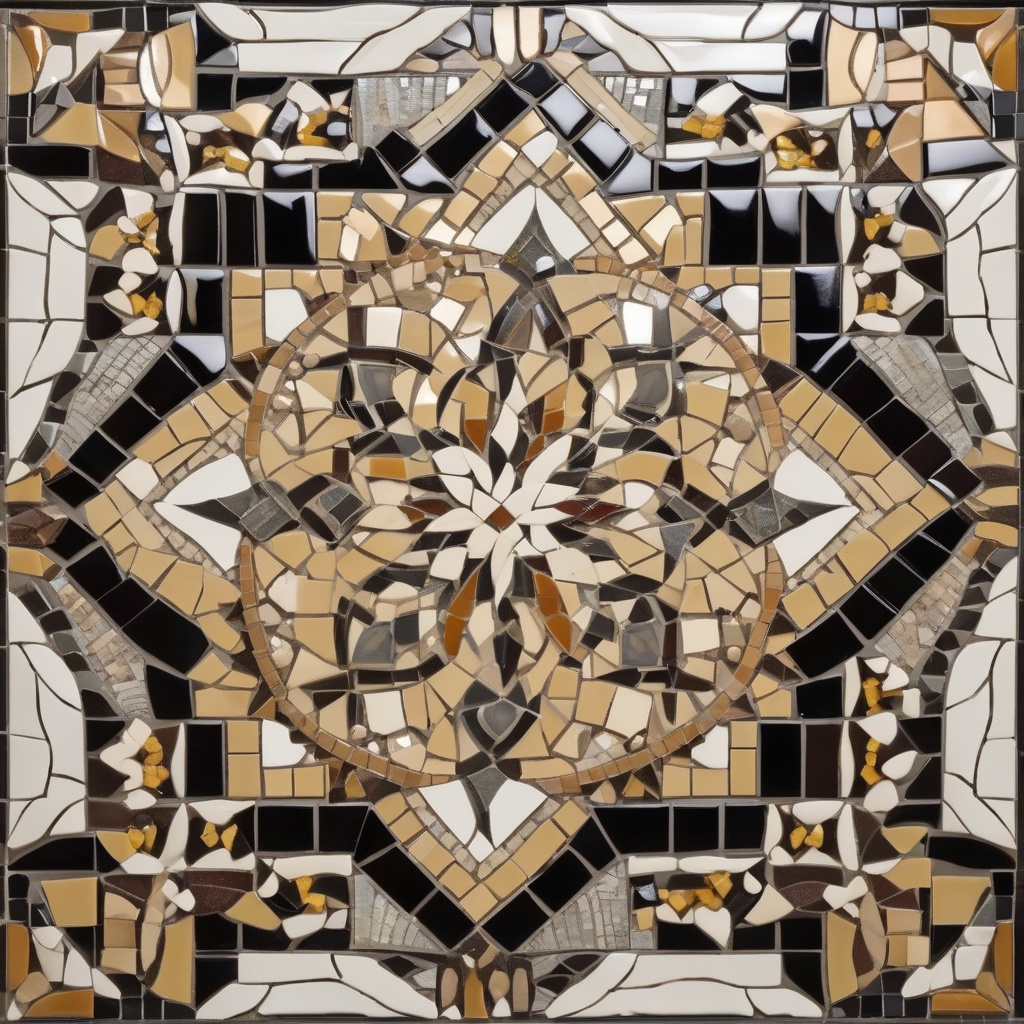
When contemplating the keystone of a kitchen renovation, homeowners often find themselves at a crossroads with backsplash options. Among these choices, tile and slab backsplashes stand out, both waving their banners of unique benefits. Each option offers distinct aesthetic qualities and practical considerations, tailored to varying lifestyle requirements and budget constraints. Yet, the ultimate decision often boils down to how these factors interplay with the envisioned culinary haven.
Brief summary: Tile and slab backsplashes present contrasting benefits in kitchen renovations, affecting areas like cost, maintenance, and visual appeal. This article explores these differences, shedding light on how homeowners can choose the best option based on personal and practical needs.
The Cost Conundrum
Costs inevitably lie at the heart of renovation decisions, particularly in a city like Los Angeles, where economic balance is key. Understanding cost dynamics in kitchen remodeling can strongly influence whether one chooses tile or slab. Typically, tile backsplashes give the budget-conscious renovator a bit of breathing room. Opting for tiles means dealing with an array of affordable options ranging from ceramic to porcelain. However, these savings might be slightly eclipsed by the installation costs or the long-term maintenance of grout lines.
In stark contrast, slab backsplashes, often crafted from luxurious materials such as marble or quartz, usually carry a heftier price tag. Yet, they present a seamless finish that many find worth the initial investment. For homeowners who want a show-stopping finish and have the financial leeway, slabs offer an investment that could potentially elevate the home’s market value.
It’s crucial to weigh these initial costs against long-term benefits. A tile backsplash may afford immediate savings, but the ongoing maintenance or potential repairs down the line could tilt the cost-effectiveness scale. Conversely, while slabs demand a steep upfront fee, they promise durability and low maintenance, a virtue especially appreciated by busy Los Angeles families.
Ultimately, this price dichotomy reflects both immediate financial capacities and long-term intentions, ensuring homeowners can make a decision that aligns comfortably with their economic reality.
Visual Impact: The Artistic Angle
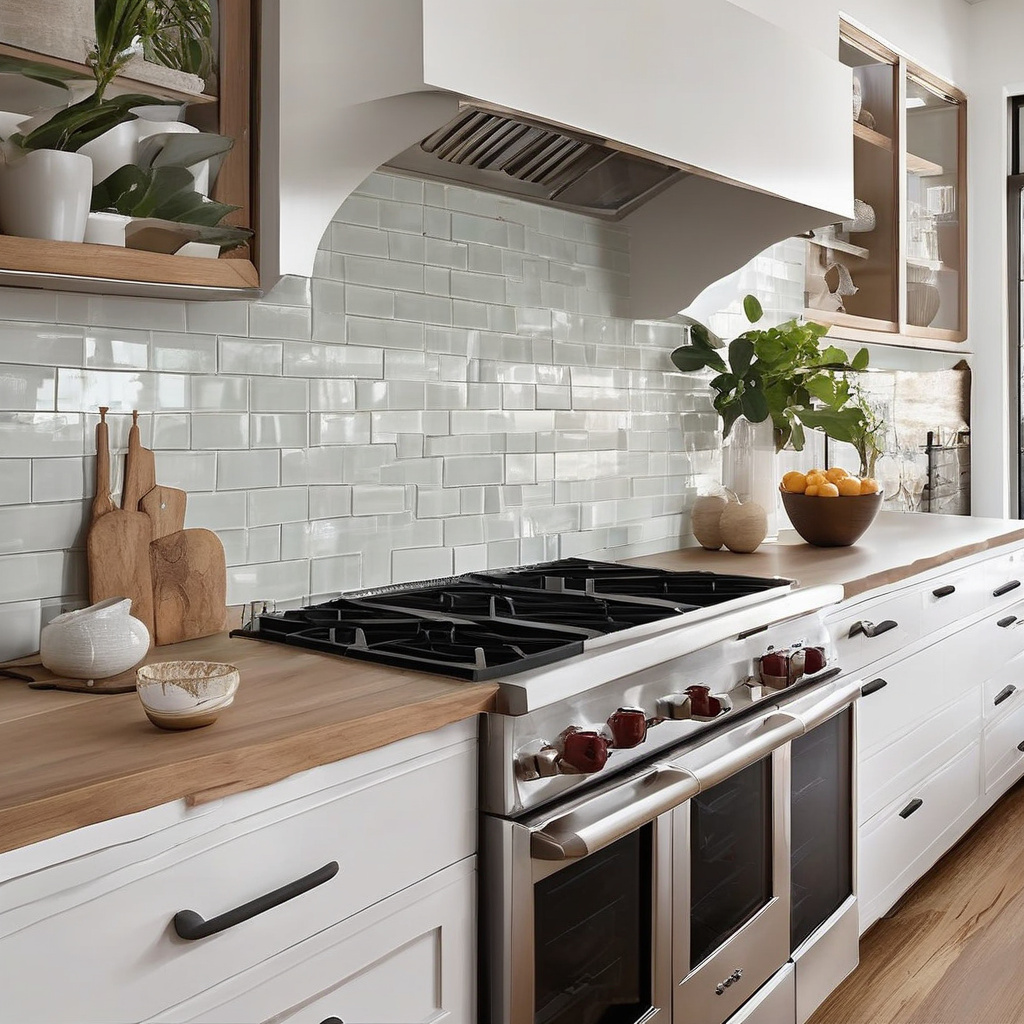
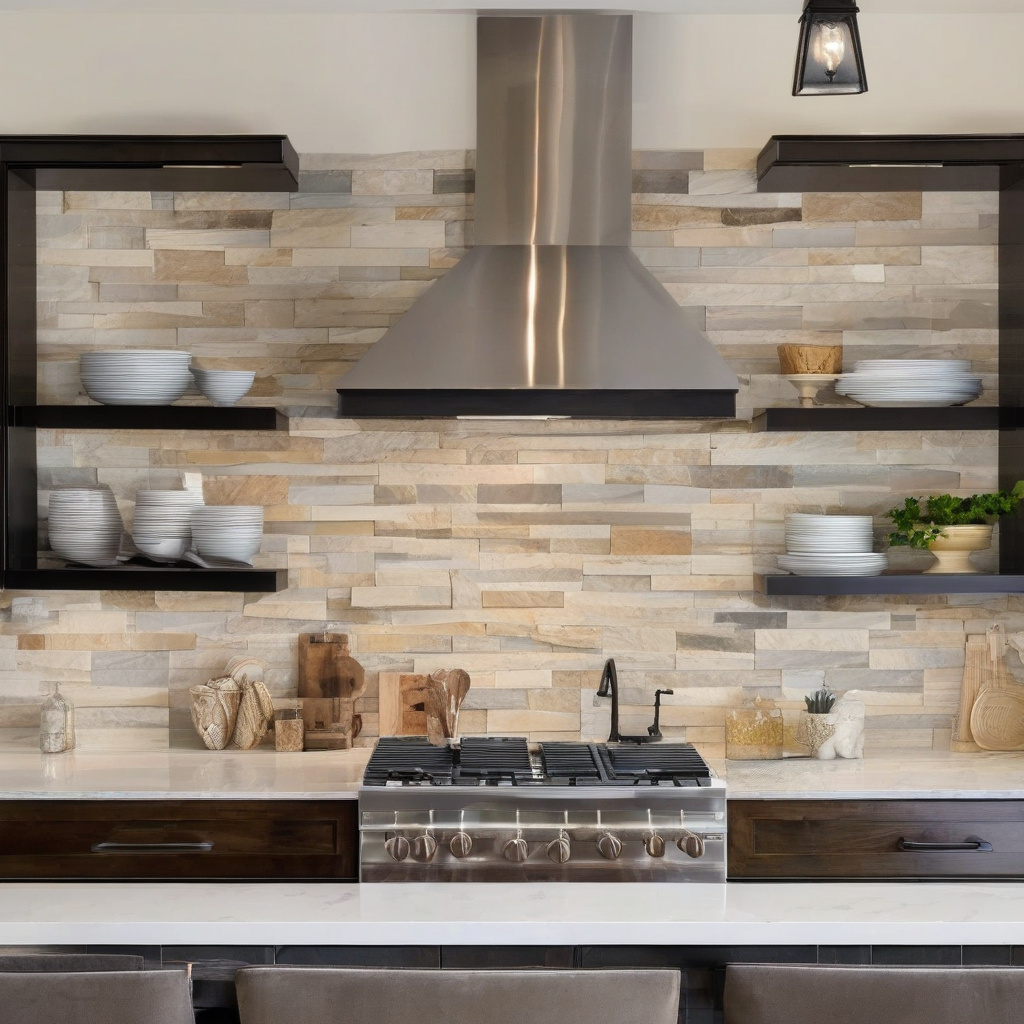
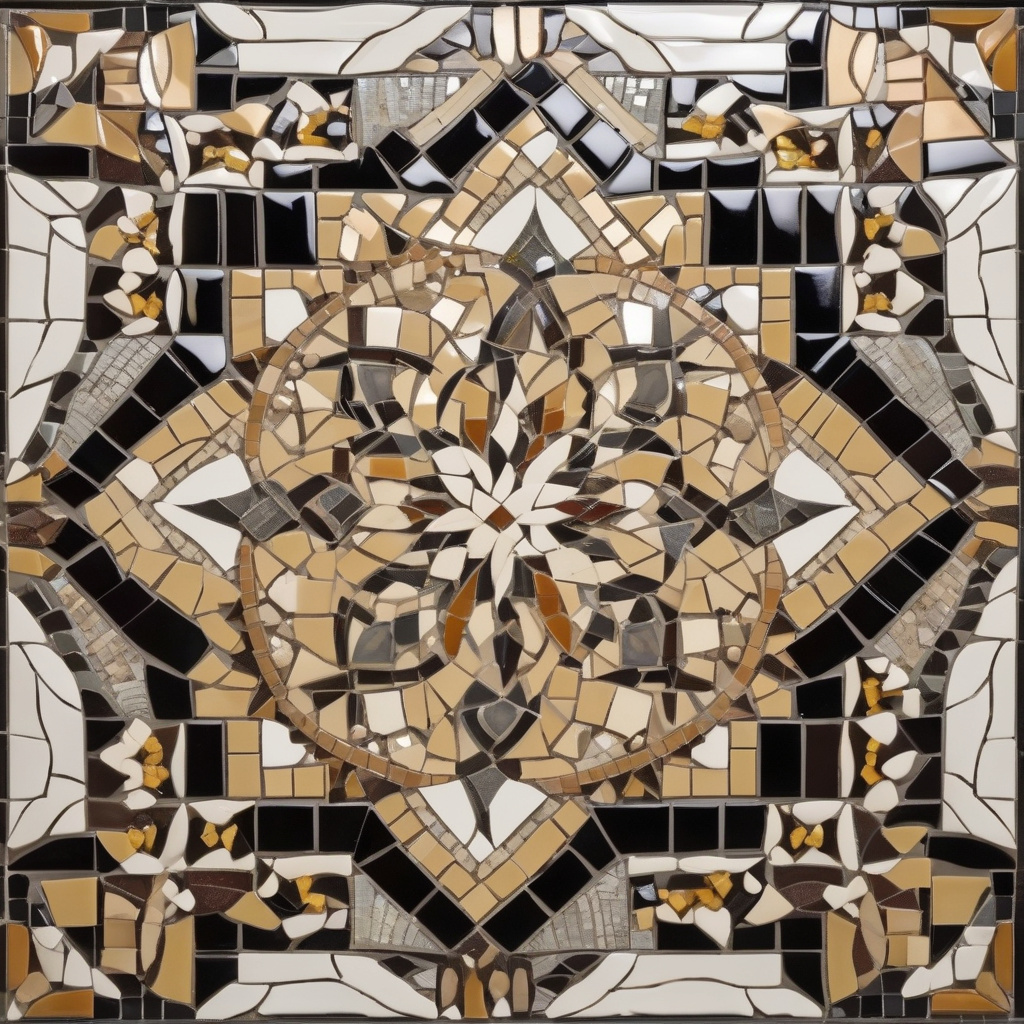
Los Angeles kitchens are not just functional spaces; they’re canvases for aesthetic expression. Examining the visual footprint of tile versus slab backsplashes reveals a playground of design potential. Tile backsplashes afford a diverse palette, where creativity is expressed through an assortment of colors, shapes, and patterns. They can act as the kitchen’s centerpiece, introducing intricate designs or soothing symmetry through subway tiles or intricate mosaics.
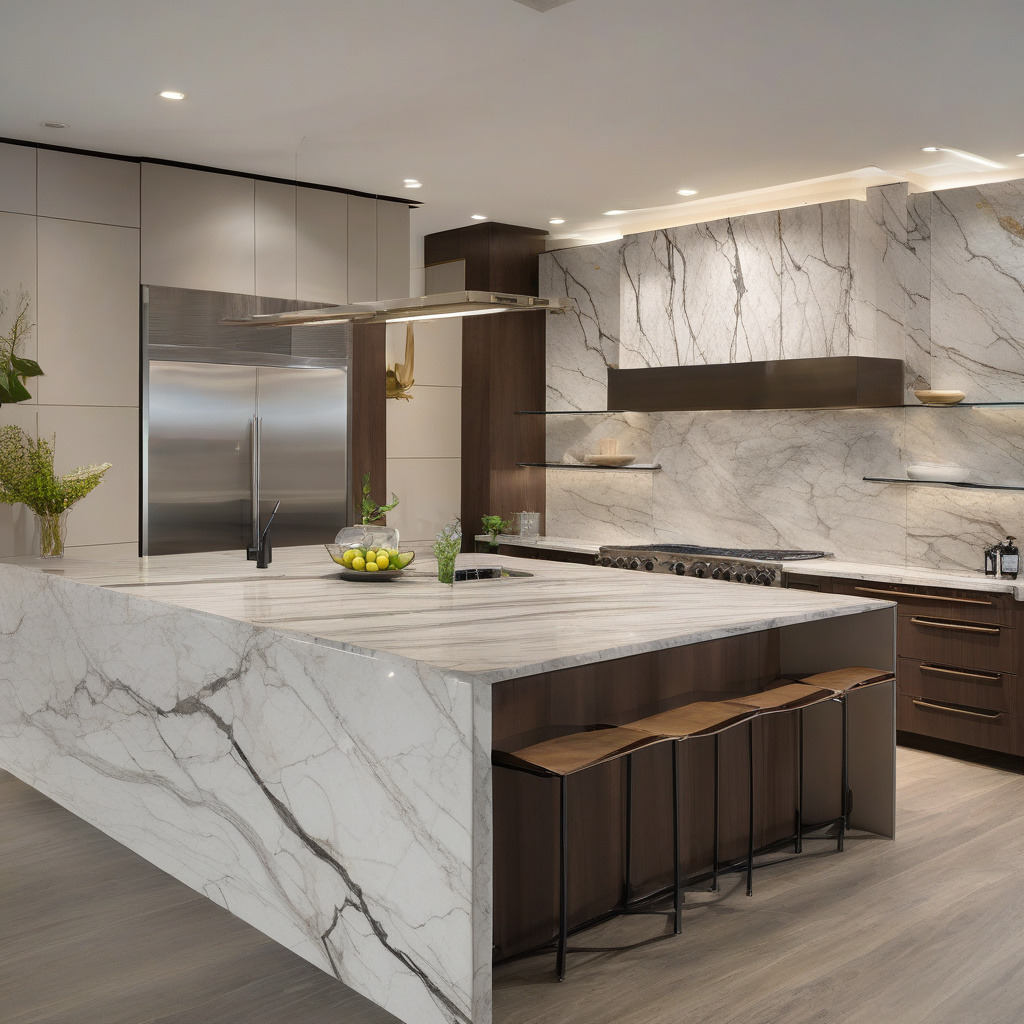
With slabs, simplicity meets grandeur. Their seamless expanse creates a clean, modern aesthetic, free from the interruption of grout lines. This minimalist backdrop complements the streamlined designs popular in Southern California, often blending naturally with the sleek lines of modern cabinetry and appliances.
However, the visual impact is not just about form—it’s also about harmony with other design elements. Whether it’s ensuring adequate lighting or matching cabinetry styles, the backsplash plays a vital role. Home renovators should be mindful of common lighting mistakes that could diminish the impact of their chosen backsplash.
Thus, the choice between tile and slab is not merely aesthetic but also philosophical, representing a commitment to a vision that transforms the kitchen into both a functional and artistic space.
Maintenance Realities
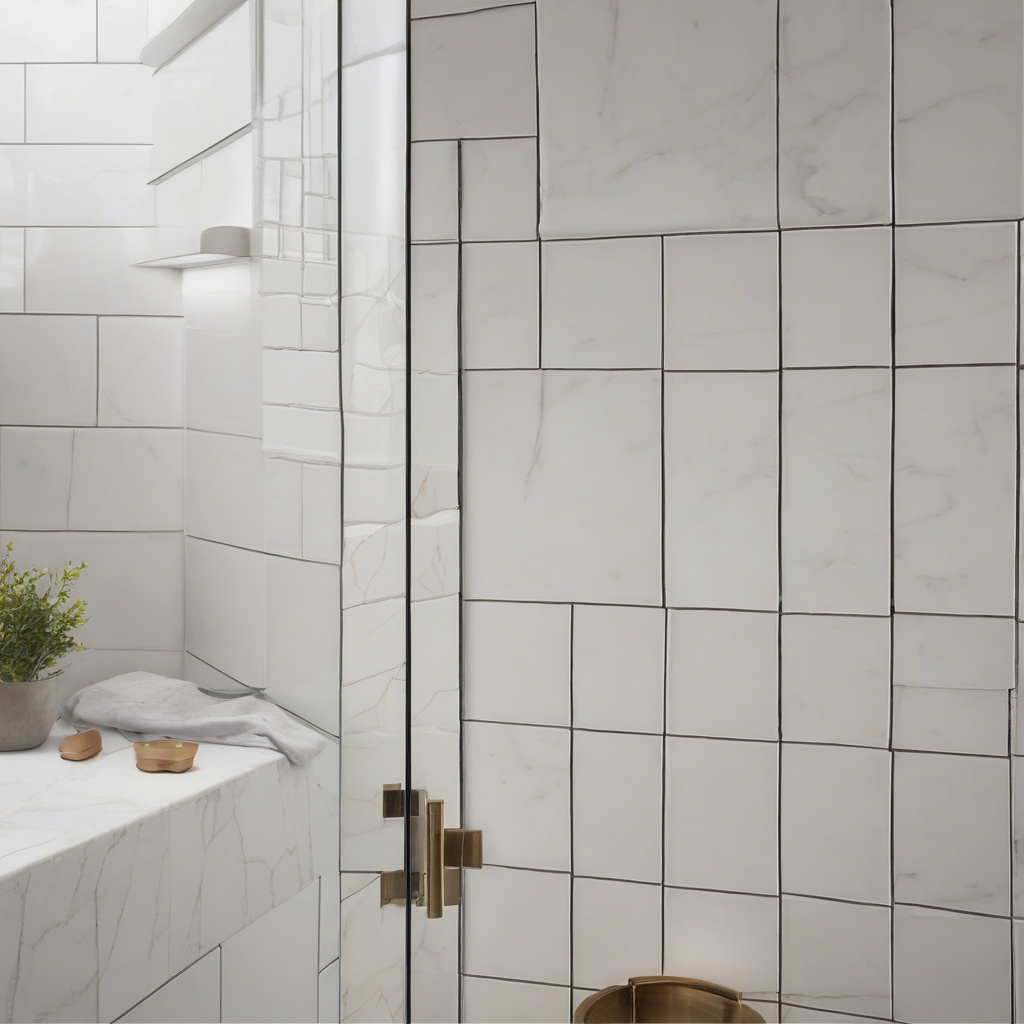
The rigors of daily kitchen activity spotlight the practical dimension of backsplash maintenance, an essential factor for consideration. Tile backsplashes, although economically appealing, bring along their Achilles’ heel: grout maintenance. Over time, grout lines are susceptible to discoloration and mildew, necessitating periodic cleaning and resealing to maintain their luster.
Industry sources indicate that tiled surfaces often require maintenance every 6 to 12 months, a commitment that resonates with households keen on upkeep.
On the flip side, slab backsplashes boast a maintenance ease that appeals to many Southern California homeowners. Their seamless design minimizes crevices where debris can settle, streamlining the cleaning process to a simple wipe-down. This characteristic is particularly advantageous in high-use kitchens, mitigating the efforts needed to maintain a pristine environment.
The maintenance consideration is pivotal in the longevity and satisfaction derived from a renovation, favoring slab backsplashes for those prioritizing effortless upkeep.
Ultimately, the right choice hinges on how much time and effort a household is willing to devote to maintenance, juxtaposing upfront costs with future peace of mind.
Material Matters and Its Influence
In a city blessed with proximity to the ocean, the influence of coastal design aesthetics cannot be overlooked. The choice of materials for a backsplash not only speaks to durability but also harmony with broader design themes. Guiding coastal design principles suggest that material choices can create the feeling of airy openness and innate elegance typical of Southern California homes.
Tile backsplashes offer varying materials like ceramic, porcelain, and even glass, each with its distinct flair and suitability for different kitchen themes. Ceramic and porcelain excel in flexibility and affordability, while glass tiles present a modern twist with their reflective properties. Each material lends itself to personalization, giving homeowners a terrace of choices to match their vision.
Conversely, slab backsplashes, often hewn from natural stones like granite or marble, exude an organic, timeless quality that’s hard to replicate. Their robust durability complements coastal themes, where natural elements are celebrated and contrasted against tech-savvy modernity.
Experts assert that the integration of natural materials is essential in designing spaces that resonate with both indoor comfort and outdoor inspiration.
By understanding how each material interacts within a kitchen’s ecosystem, homeowners can ensure their chosen backsplash performs both functionally and stylishly.
Planning the Transition
The journey of selecting a backsplash is a multifaceted one, underscoring the importance of careful planning and consideration. In terms of execution, transitioning from old to new requires strategic vision and logistical grace. It’s here that the debate between tile and slab becomes not just aesthetic or financial, but also logistical.
Tile installations offer flexibility in scheduling, often allowing for phased installations that can accommodate ongoing kitchen use. This step-by-step approach can also localize disruptions, a significant factor for homeowners juggling work and home life.
- Determine the budget and scope.
- Choose the material that aligns with the vision.
- Schedule installation phases, considering family activities.
- Ensure harmony with existing kitchen elements.
- Enhance with proper lighting solutions.
In contrast, slab installation demands intricate planning and precise execution, often requiring a brief yet impactful disruption that promises outstanding results. The comprehensive design and measurement process ensures the slab seamlessly integrates as a singular aesthetic feature.
Navigating the logistical nuances of each option equips homeowners with assurance and insight, bolstering confidence in transitioning plans.
Evaluating Risks vs. Rewards
As many Southern Californian homeowners observe, kitchen renovations embody both a leap of faith and strategic investment. The risks and rewards of choosing between tile and slab backsplashes can significantly influence the home renovation experience, often reflecting broader aspirations and lifestyle adaptations.
According to recent studies, kitchens with high-end finishes can potentially enhance home resale values by up to 20%.
For those choosing tile, the risks may involve the ongoing maintenance of grout, along with ensuring design elements do not date rapidly. However, the rewards lie in customization, variety, and sometimes achieving a dramatic aesthetic impact within budget constraints.
Slab aficionados seek reward in its longevity and premium appeal, with the risks focused on the considerable initial investment and the need for precise installation. Yet, with these risks come a sense of assurance and a potential boon to property value.
Planning to avoid budget pitfalls can further smooth these waters, providing a clear path to realizing spectacular kitchen renovations without fiscal missteps.
In conclusion, the choice between tile and slab backsplashes encapsulates more than mere preference. It embodies an intersection of style, practicality, budget, and lifestyle. Each option offers a distinct pathway to transforming a kitchen into a personal sanctuary that echoes the grandeur of its Southern Californian setting.
- Tile backsplashes offer cost-effective customization.
- Slab backsplashes promise a seamless, low-maintenance finish.
- Material choice impacts both aesthetic and practical outcomes.
- Planning helps balance costs, appearance, and functionality.
- Assessing risks and rewards ensures long-term renovation success.
FAQ
What are the main differences between tile and slab backsplashes?
In real renovation projects, the debate between tile and slab backsplashes often boils down to cost, maintenance, and aesthetics. Tiles are usually more affordable and offer a rich variety of styles, colors, and materials. However, their numerous grout lines require more maintenance, which is a common oversight by homeowners. Slabs, on the other hand, offer a sleek, seamless appearance with minimal joints, reducing cleaning time. Professionals often underline that while slabs can be more costly initially, they provide a luxurious look with less visual clutter, which appeals greatly in modern designs.
How should I choose between tile and slab backsplashes for my kitchen?
Many experts point out that the choice largely depends on your renovation budget and design goals. In older properties undergoing a facelift, tiles might be a better option due to their affordability and adaptability to vintage styles. Conversely, in newer builds with a modern flair, slabs can enhance the sleek, uninterrupted look you might be aiming for. It’s crucial to consider the kitchen’s overall style and your willingness to maintain grout. For personalized advice and to ensure your choice fits your specific needs, it might be worth discussing your project with a professional.
When does it make sense to invest in a slab backsplash?
Investing in a slab backsplash makes perfect sense if you’re renovating a space where a clean, modern aesthetic is desired, and the budget allows for such a feature. Slabs provide an opportunity to showcase materials like marble or granite without interruptions, adding an air of sophistication to any kitchen. Homeowners in California, in particular, appreciate this option to boost property value in an ever-competitive market. However, one must remember that while slabs reduce maintenance work over time, the up-front cost is significantly higher, which is well worth considering during project planning.
What common mistakes do homeowners make when selecting a backsplash?
A frequent blunder is underestimating the importance of cohesion with the existing kitchen design. Many homeowners select a backsplash based solely on aesthetics, only to later find it clashes with cabinets or countertops. Another classic pitfall is neglecting grout maintenance concerns, especially with tile options. It’s crucial to consider the practical side; for example, intricate tile patterns might appeal initially but could become a cleaning nightmare. Renovators should always weigh the long-term implications of their choices, ensuring the backsplash not only looks good but also complements everyday use.
What are the cost considerations for tile vs slab backsplashes?
When planning your renovation budget, it’s essential to understand the cost variables of tile and slab options. Tiles generally offer a more budget-friendly solution, with prices further influenced by material choice, be it ceramic, porcelain, or natural stone. Installation costs also vary if complex patterns are chosen. Slabs, while more expensive, include materials like quartz or granite, which recommend themselves for their timeless appeal. Many experts suggest factoring in the long-term savings potential with slabs, since they require less frequent upkeep than tile surfaces. Balancing initial investment against ongoing maintenance is key.
What are the pros and cons of tile backsplashes?
Tiles are celebrated for their versatility, offering countless designs that can fit nearly any kitchen’s aesthetic. A pro is the relatively lower cost, which many homeowners find attractive. However, the con lies in grout lines, which can be especially prone to staining and require regular cleaning to maintain their appearance. In real home settings, this translates to a commitment that many may not initially consider. Additionally, if not installed properly, tiles can crack or chip – a factor that underscores the importance of choosing a reputable installer.
What maintenance is required for slab backsplashes?
The maintenance of slab backsplashes is often cited as a significant advantage. These are more straightforward to clean due to their smooth, gap-free surfaces that resist grime accumulations common with tile grout lines. Homeowners love the benefit of simply wiping down surfaces with a damp cloth to preserve their look. However, it’s important to periodically check for any sealant wear, especially for natural stones, since this impacts stain resistance. Despite the higher upfront cost, the reduced upkeep can be a saving grace in busy households.
Can both tile and slab backsplashes work in the same kitchen?
Yes, combining tiles and slabs can create a dynamic visual contrast that serves both aesthetic and functional purposes. For instance, you might use a slab behind the stove for easy clean-up of splatters, paired with decorative tiles elsewhere for a splash of color and texture. This approach allows homeowners to leverage the advantages of both materials, but it requires a keen design eye to ensure the elements complement, rather than compete with, each other. Consulting with a design expert can provide insight into achieving a harmonious blend.