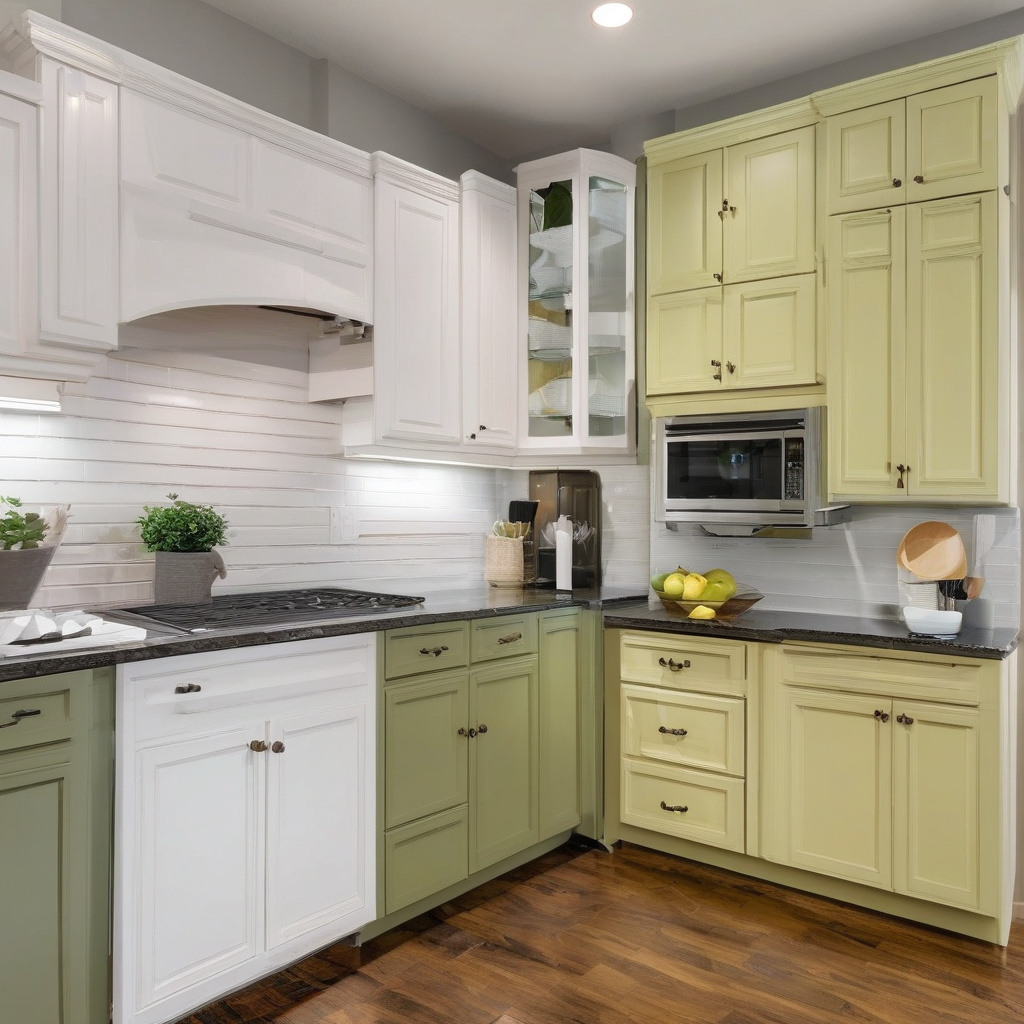
In the bustling metropolis of Los Angeles, where trends in renovation change almost as swiftly as the seasons, homeowners are perpetually searching for the most effective ways to invigorate their spaces without overwhelming their budgets. One of the most decisive debates is whether to paint or replace kitchen cabinets. With modern, durable enamel finishes at their disposal, homeowners can refresh their kitchen’s aesthetic while avoiding the substantial cost of a full reconstruction.
Brief summary: Explore the cost-effective option of painting kitchen cabinets as an alternative to replacing them, focusing on homeowner experiences in Southern California. Compare costs, materials, timelines, and provide renovation insights from industry experts.
A Fresh Coat Versus a Fresh Start: The Battle of Renovation
Before diving into the nitty-gritty details of costs and planning, it’s crucial to establish why some homeowners in Los Angeles are leaning towards refreshing their cabinets with paint rather than replacing them. For many, it isn’t just about the dollars and cents, though that plays a critical role; it’s about breathing new life into a kitchen without the upheaval that a full remodel brings.
Painting kitchen cabinets offers a significant facelift with significantly less hassle. A layer of professionally applied paint can transform even the most dated kitchen into a chic, contemporary space. Moreover, there are distinct environmental benefits. Replacing perfectly functional cabinets with new ones contributes to landfill waste, a concern that’s increasingly top of mind in eco-conscious California.
The choice between painting and replacing is not merely aesthetic; it touches on practicality and cost. Many locals discover that a fresh coat of a durable enamel finish can last several years, keeping the kitchen stylish and protected from everyday wear and tear. Plus, with the myriad of color options available, customization is virtually limitless.
In conclusion, a practical preference for many is to opt for paint, prioritizing not just savings but also personal expression. This alternative aligns well with the laid-back yet stylish lifestyle emblematic of Southern California.
The Cost Dynamics: Weighing Budget Against Benefit
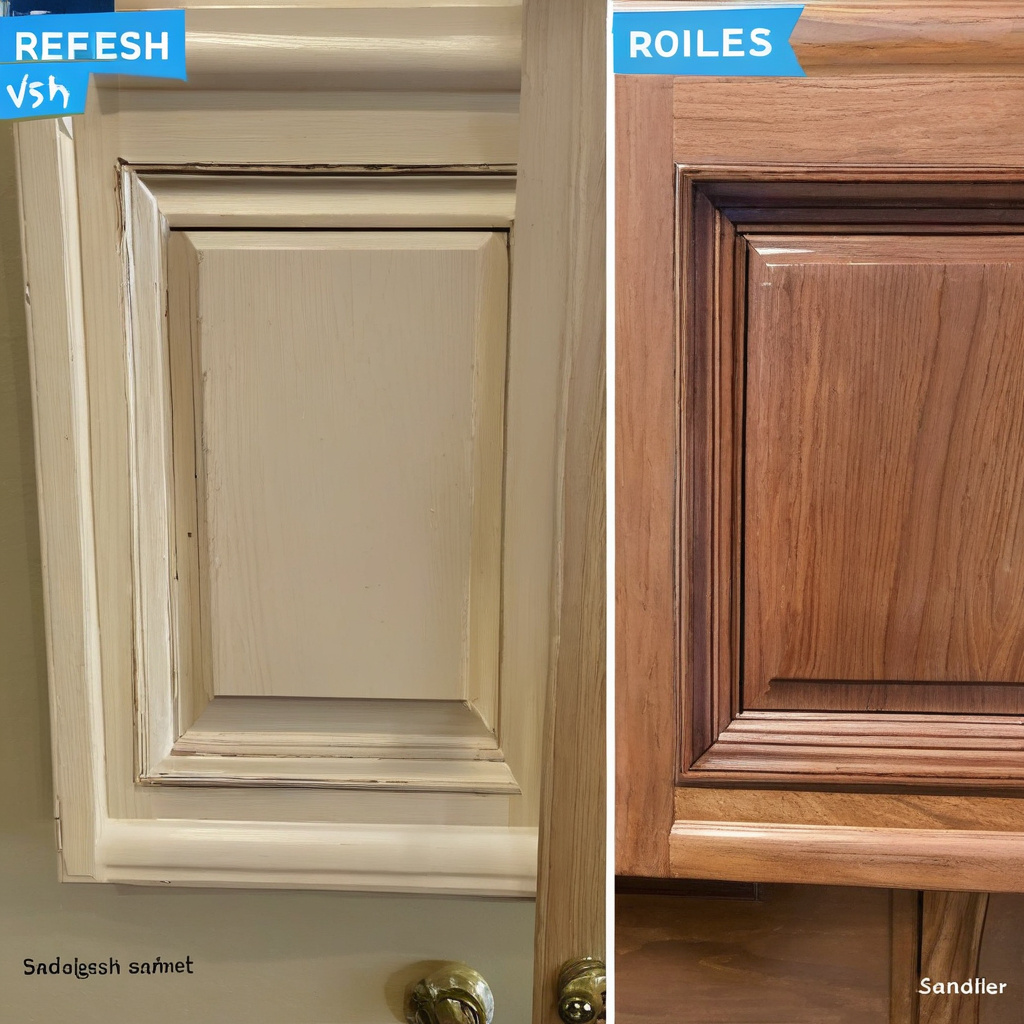
When it comes to cost, the differences between painting and replacing kitchen cabinets are substantial. In Los Angeles, the typical expense to paint kitchen cabinets professionally can range from $1,200 to $7,000, depending heavily on the kitchen’s size and the type of paint used. On the other hand, replacing cabinetry can push costs upwards of $10,000 to $20,000 or more, especially if customization or high-end materials are at play.
This price disparity stems from several factors. Painting requires less labor and fewer materials. The main costs involve hiring experienced painters and purchasing high-quality enamel paints. Homeowners often choose sustainable and non-toxic paints, ensuring that indoor air quality remains safe for their families.
In contrast, new cabinets involve extensive material costs. From the woods or composites used to fabricating and fitting, the steps involved multiply quickly. Additionally, the installation itself can add weeks to the process due to potential need for structural adjustments.
Thus, for those budget-conscious homeowners looking to balance style and expenditure, painting offers a savvy advantage. It’s a route that presents not only financial prudence but also aligns with efficient timelines.
According to the National Association of Home Builders, a kitchen remodel can see a return on investment of nearly 80% through increased home value.
Material Choices: Navigating Quality and Durability
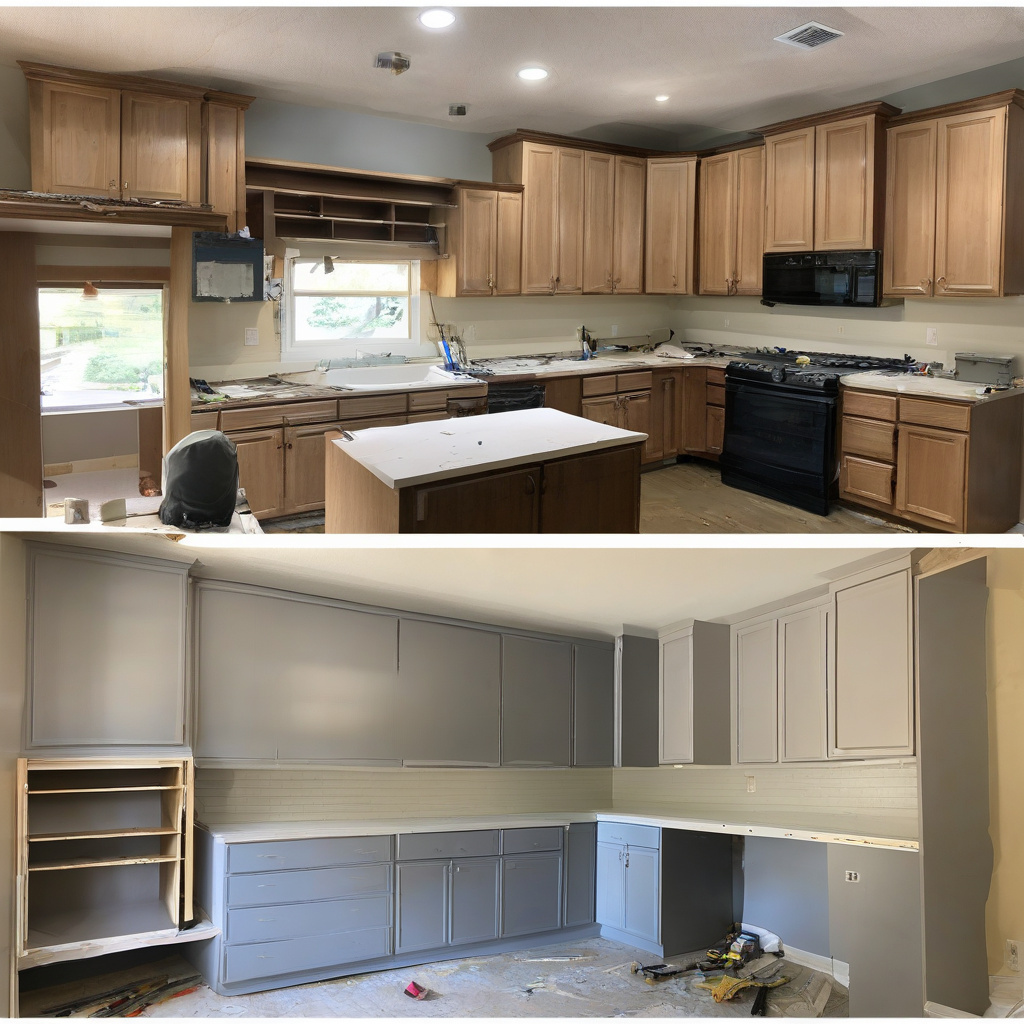
The materials one chooses can dramatically influence both the experience and outcome of their kitchen renovation. Enamel paint has emerged as a frontrunner for cabinet painting, prized for its durability and finish. It offers a simple elegance, withstanding the demands of a busy kitchen’s unpredictable environment.
When discussing the truth about single-coat paint solutions, industry experts have mixed opinions. While it saves time and effort, some argue that it compromises the richness of color and longevity of the finish. For homeowners seeking lasting impact, comprehensive preparation and application methods are recommended.
Conversely, new cabinetry opens a world of possibilities in terms of material selection. From rustic oak and charming maple to sleek laminates, the options can cater to any design aesthetic. However, each material brings its own set of challenges, from susceptibility to moisture to maintenance requirements.
Ultimately, choosing the right materials is a balancing act of style, function, and future resilience. Homeowners need to educate themselves on these nuances to make informed decisions, ensuring that their investment fulfills their expectations.
A study by Houzz found that nearly 45% of kitchen renovations revolve around cabinet modification or replacement.
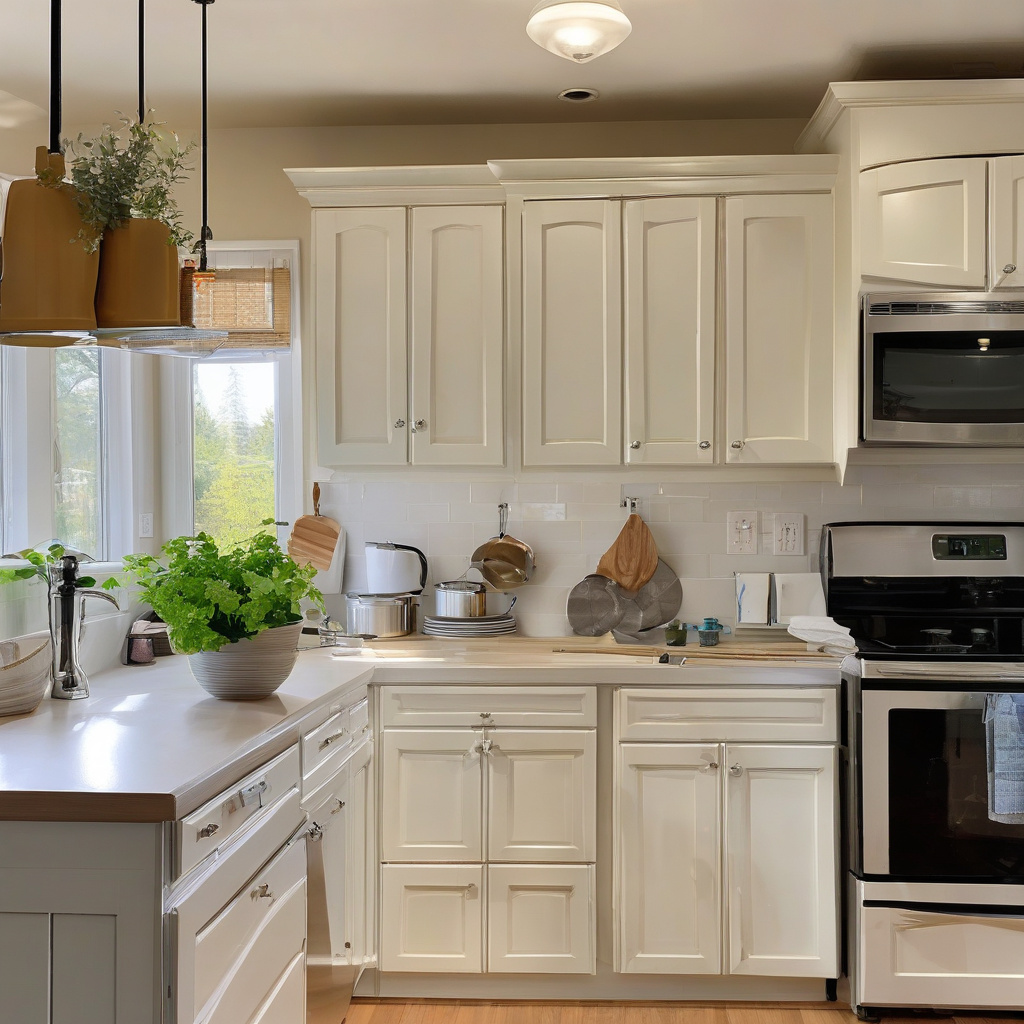
| Aspect | Painting | Replacing |
|---|---|---|
| Cost Range | $1,200 to $7,000 | $10,000 to $20,000 |
| Process Duration | 1 to 2 weeks | 3 to 6 weeks |
| Environmental Impact | Lower | Higher |
| Customization Options | High | Very High |
The Art of Decision Making: Choosing the Right Path
So, how does one make the choice between painting and replacing? For many Los Angeles homeowners, this becomes a question of weighing their priorities against their budget. It’s essential to consider future resale value, the current state and style of the existing cabinets, and personal timelines.
Engaging with renovation specialists can provide valuable insights. According to local experts, prioritizing proper planning and understanding of project scope can avert unnecessary costs and delays. They advise booking consultations to gather professional input on feasibility, style compatibility, and accurate budgeting.
Some opt for a mixed approach. By painting some elements, such as cabinetry frames, while replacing others, like doors or hardware, homeowners can enjoy the best of both worlds—combining cost savings with style upgrades. This hybrid solution often emerges as a favorite among those looking to modernize their kitchens without breaking the bank.
With various pathways available, it’s clear that the decision-making process necessitates thorough deliberation. Ultimately, those who plan diligently and remain open to expert guidance can navigate their renovation with confidence.
Comparing Benefits: The Pros and Cons Unveiled
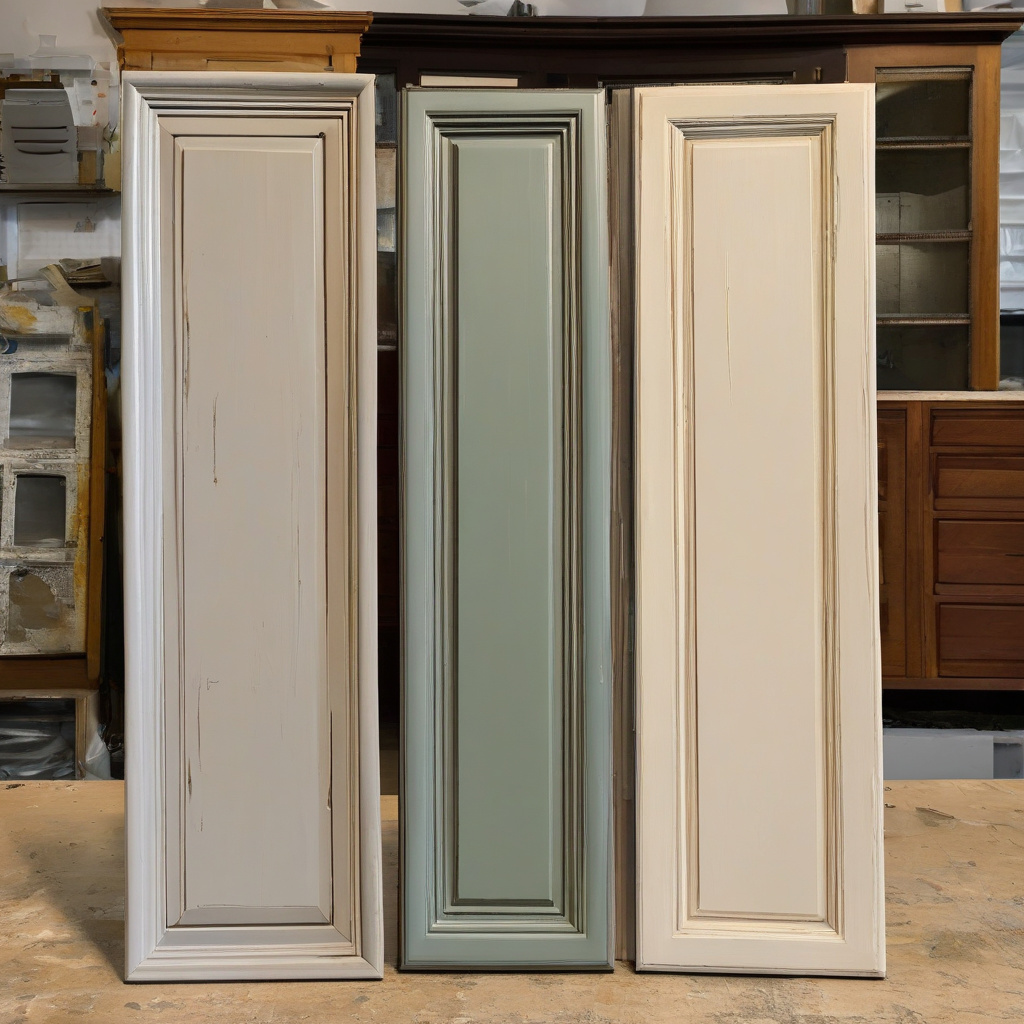
As with any renovation endeavor, understanding the tangible benefits alongside potential drawbacks is vital. Painting cabinets provides an immediate facelift, often characterized by minimal disruption to daily life. It also offers the advantage of a swift process—ideal for those with limited time to dedicate to their project.
However, the need for meticulous prep work and the potential for uneven application can be deterrents for some. Choosing the right professionals mitigates these risks, emphasizing the value of selecting experienced painters.
Replacing cabinets, meanwhile, promises a completely new look, unmatched by simple airbrushing. It also eradicates concerns about underlying structural damage that paint might merely conceal. On the downside, the higher costs and longer downtime are non-negligible factors which might deter budget-conscious renovators.
In the end, weighing these pros and cons is as much an exercise in personal values as it is in finance. California homeowners consistently find themselves leaning towards options that blend economic practicality with aesthetic ambition.
“A successful renovation requires critical thinking and the patience to improve essentials before whims,” suggests Frank Peters, a renowned LA interior designer, pointing out the importance of core priorities in remodeling.
The Next Steps: Unlocking Your Renovation’s Potential
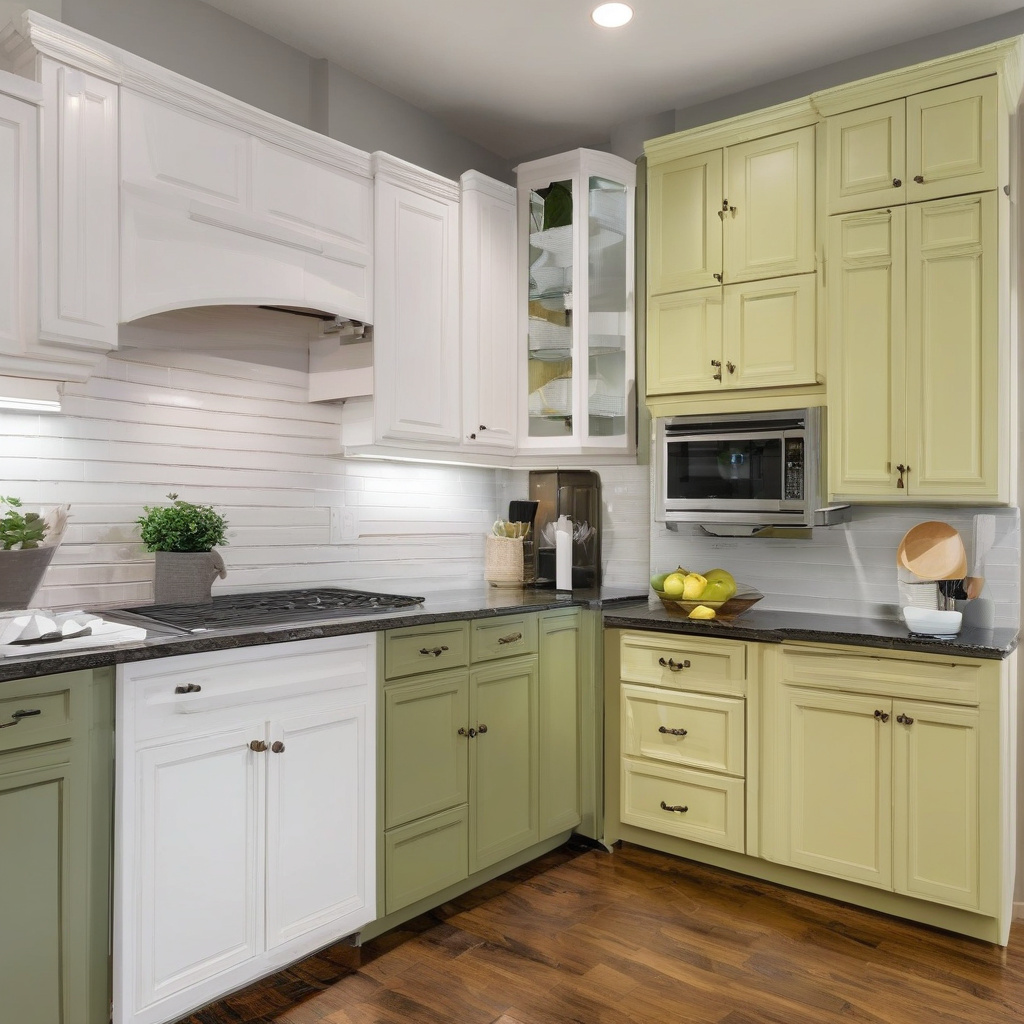
With a clearer understanding of the painting versus replacing dilemma, residents poised to embark on kitchen updates are equipped to make astute decisions. But where to begin? Ensuring surfaces are prepared properly is paramount. Resources like professional preparation guides can offer crucial insights into the nuances of successful renovation.
Engagement with a spectrum of local contractors provides tangible benefits. From selecting the finest materials to achieving seamless installations, collaboration with industry insiders accelerates progress, elevating the final output by marrying expertise with creativity.
Moreover, homeowners shouldn’t shy from integrating personal touches. Whether through innovative hardware choices or multifaceted finishes, these personal elements afford individuality that transforms spaces into true reflections of their inhabitants.
As many local homeowners notice, those who align their aspirations with methodical preparation consistently enjoy renovations that surpass expectations, leaving them both delighted and triumphant.
- Painting kitchen cabinets offers budget-friendly, environmental benefits.
- Professional guidance enhances renovation success.
- Material choice significantly impacts longevity and aesthetics.
- Combining painting with selective replacement maximizes value.
- Thoughtful planning underpins satisfactory remodeling outcomes.
FAQ
What are the cost differences between painting and replacing kitchen cabinets?
In real renovation projects, homeowners often face a significant cost decision between painting and replacing kitchen cabinets. Painting can be a cost-effective choice, potentially saving up to 75% compared to replacement. This is especially true in California, where labor and material costs tend to be high. Many experts point out that painting with durable enamel finishes refreshes the look without the extensive work and expense of full replacements. On the other hand, if cabinets are severely damaged, replacement might be the best option despite the higher expense. It’s crucial to assess the current condition of your cabinets before deciding.
How do I choose between painting and replacing my kitchen cabinets?
Deciding between painting and replacing kitchen cabinets often depends on the overall condition of the existing structure. For cabinets that are still sturdy and well-constructed, painting is an excellent option to revitalize the decor. In contrast, if the cabinets are outdated or structurally compromised, replacement should be considered. Homeowners frequently underestimate the impact of cabinet doors and hardware on their decision; choosing the right modern finishes or replacements can significantly affect the kitchen’s aesthetic and functionality. Consider the long-term impact and not just immediate costs when making your choice.
When is it better to replace kitchen cabinets rather than painting them?
Replacement is a more fitting option when cabinets are worn, damaged, or no longer functional. In older properties undergoing major renovations, replacing outdated cabinetry can add more value to the home. For instance, if you’re dealing with water damage or warping due to humidity, newer builds with modern materials provide a resistant and aesthetically pleasing solution. Additionally, replacing allows for a chance to reconfigure the layout, which isn’t possible with painting. Before deciding, inspect for signs of damage that painting cannot remedy.
What are the common misconceptions when deciding to paint kitchen cabinets?
One common misconception is that any paint can be used for kitchen cabinets. Homeowners often overlook the importance of selecting durable enamel finishes. These specialized paints withstand the kitchen’s heat, moisture, and frequent cleaning. Another mistake is underestimating the time and effort required for proper surface preparation, such as sanding and priming. Without these critical steps, the paint may not adhere well, leading to disappointing results. Consulting with professionals can provide clarity and prevent mistakes during the decision-making process. Learn more about how professionals can guide your project by visiting this helpful page.
What are the benefits and limitations of painting kitchen cabinets?
Painting kitchen cabinets offers a budget-friendly way to update the aesthetic of a kitchen without the disruption of complete replacement. It’s an environmentally conscious choice that often appeals to those with older homes looking to preserve original features. However, the process requires fine attention to detail to ensure a smooth, even finish, and must be done with high-quality, durable products for longevity. One downside is that painting doesn’t solve structural issues or allow for layout reconfiguration. A careful evaluation of current cabinet conditions is essential to weigh these pros and cons.
How can I ensure a long-lasting finish when painting my kitchen cabinets?
Achieving a durable finish begins with thorough preparation. In real renovation settings, this means removing all hardware and cleaning surfaces carefully to eliminate grease and grime. Sanding is crucial to help the primer and paint adhere properly to the surface. Many experts recommend applying an enamel or a high-quality cabinet-grade paint to withstand the kitchen’s environment. Between coat drying times should not be rushed; patience helps achieve a professional, resilient finish. Lastly, reattach hardware carefully to prevent damaging the new paint job.
What are the typical mistakes made during the cabinet replacement process?
A critical pitfall is not considering how new cabinets will fit with existing kitchen elements, such as appliances and countertops. In some cases, homeowners overlook necessary rewiring or plumbing adjustments that new designs may entail. Another common misstep is choosing style over substance; focusing on aesthetics without ensuring that the materials can withstand daily use is a mistake. Hiring an experienced contractor who considers both form and function is vital. Remember, replacing cabinets isn’t just a design decision; it’s an investment in your home’s usability and value.
Can painting kitchen cabinets add resale value to my home?
Yes, painting kitchen cabinets can indeed add resale value, albeit not as much as complete replacements in some cases. It’s a cost-effective way to enhance visual appeal, modernizing the kitchen without the extensive time and cost involved in replacements. Potential buyers often appreciate a fresh look, which might tilt decisions in your favor during a viewing in competitive markets like California. However, if the cabinets were previously in poor condition, even a quality paint job may not hide structural issues. Evaluating the condition and potential buyers’ expectations is suggested to make the most informed decision.