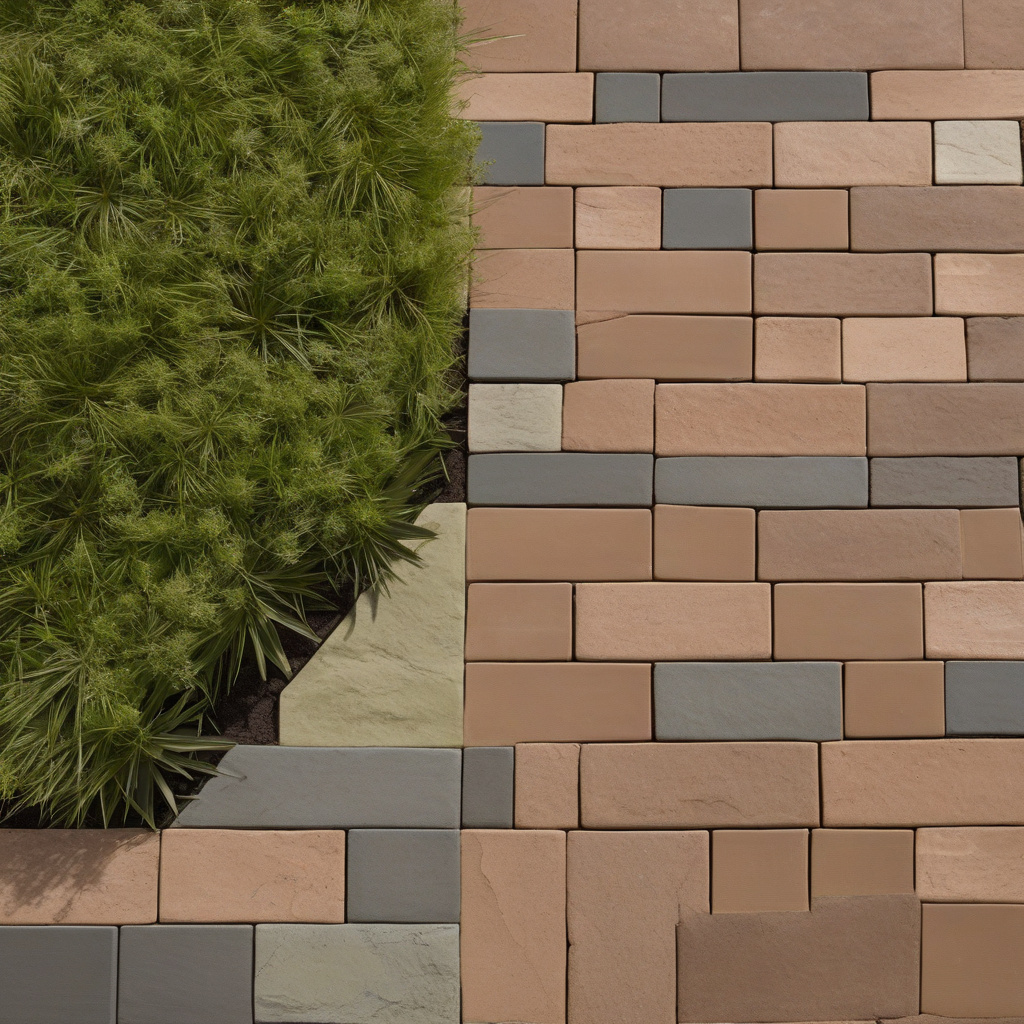
Transforming your patio into the crown jewel of your home’s exterior is a mission many Los Angeles homeowners are embracing, and for a good reason. The right mix of color and design can convert an underutilized space into a vivid extension of your living area. Color combinations for patio hardscapes and house exteriors are paramount in creating a seamless flow that enhances both curb appeal and the richness of outdoor experiences. In Southern California, this means marrying warm neutrals with coastal grays, and harmonizing them with complementary house tones.
Brief summary: Explore how thoughtful color schemes can elevate patio hardscapes and house exteriors amidst the lively landscape of Southern California. This article delves into renovation trends, real-life examples, and practical tips for homeowners looking to blend function with aesthetic pleasure in their outdoor spaces.
Choosing Colors: The Vision and Its Vibrancy
Setting the stage with the right colors for your patio can elevate the ambiance significantly. In Los Angeles, where summer days stretch luxuriously long, selecting hues that highlight natural light and outdoor charm is key. Warm neutrals, like soft beiges and muted browns, provide a solid foundation, often sought after for their ability to complement any blooming garden with ease. These hues seem to ground the space, offering a comforting backdrop against which life can unfold.
Coastal grays and lighter tints, meanwhile, introduce a hint of breezy elegance. Reflective of Southern California’s sunlit coastlines, these shades evoke relaxation while lending sophistication to your exterior. When paired with complementary tones from your house, they can seamlessly integrate your outdoor area with the main building, reflecting a unified look that’s pleasing to the eye and spirit.
To dive deeper into how local trends and materials can define your patio’s style, a comprehensive overview can be found in this insightful analysis of patio makeover essentials. By tailoring selections to your environment, you create a space that feels both personal and reflective of the wider landscape.
Ultimately, color is more than an aesthetic choice—it’s an artistic stroke that ties the intent of your outdoor space together. As many homeowners notice, achieving a harmonious palette can be the differentiator that leaves a memorable impression. A balanced mix of colors ensures that your patio is more than just an outdoor area; it becomes an experiential extension of your home.
Landscape Meets Architecture: A Harmonious Blend
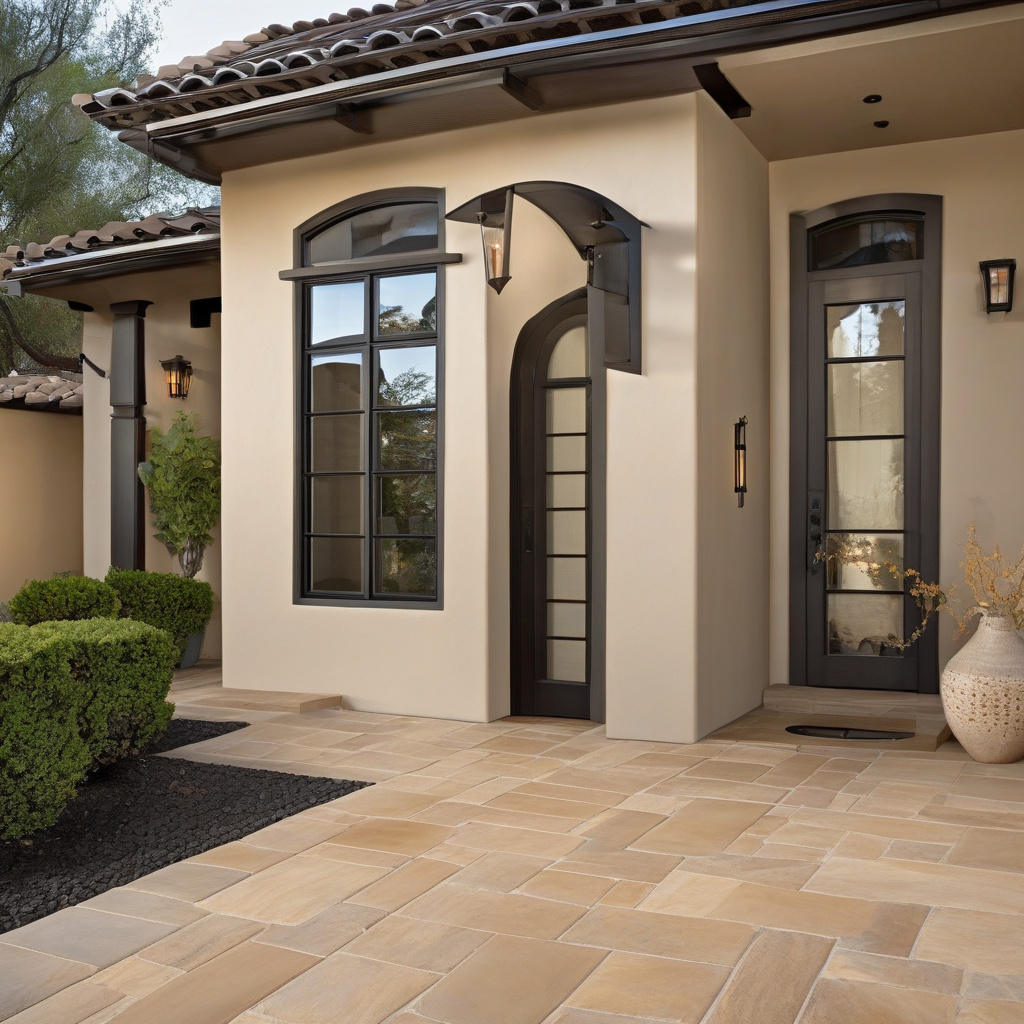
The integration of patio hardscapes with house exteriors is not just about aesthetics but also involves strategic design choices that reflect an understanding of architectural harmony. In regions such as Southern California, where homes are an amalgamation of various architectural styles, matching patio designs with the home’s architectural cues is essential. The colors and materials chosen should capture the essence of the surrounding design not only to maintain continuity but also to enhance the home’s value.
One practical approach for combining patios with existing architectural elements is to focus on transitions. The visual transition must be seamless—think about using similar textures and color palettes that reflect the prominent features of your house, such as the roof tiles or window trims. This harmonization ensures that when guests step into your outdoor space, they feel the connection between the indoors and outdoors.
Real homeowners in the region have effectively used this crafting method. For instance, a local couple, the Garcias, managed to meld their modern home’s slick lines and cool tones with a blend of gray and brown slates in their patio design, creating a continuity that echoed their home’s exterior precisely.
If you’re considering a transformation that elegantly ties together these design elements, do take a moment to explore these creative solutions for elevating your exterior spaces. These resources offer designs that are creatively engaging yet complementary to various architectural styles.
The synergy between materials and colors evolves beyond mere aesthetics into a realm that highlights architectural prowess. While the pursuit of harmony is vital, it’s the subtle choices that often speak volumes about the design’s intent and execution, echoing a true sense of completeness.
Material Selection: Quality Meets Craftsmanship
From natural stones to contemporary composites, the choice of materials in patio design significantly impacts both appearance and longevity. In Southern California, where environmental factors such as sun exposure and occasional rainfall play a crucial role, selecting materials that withstand the region’s climate is imperative. Different materials offer unique textures and colors that can influence your patio’s look and feel.
Natural stones like travertine and slate are prized for their earthy elegance and durability, while composite materials provide flexibility with color choices and require less maintenance. Each material brings a distinct character, enabling homeowners to personalize their patios without compromising on quality or resilience.
When budgeting for your materials, it’s wise to consider not just the upfront costs, but the potential savings in long-term maintenance. Investing in high-quality materials often translates to fewer repairs and replacements, offering substantial savings over time. Explore expert insights on choosing and budgeting for outdoor materials with this resource on smart outdoor material investment.
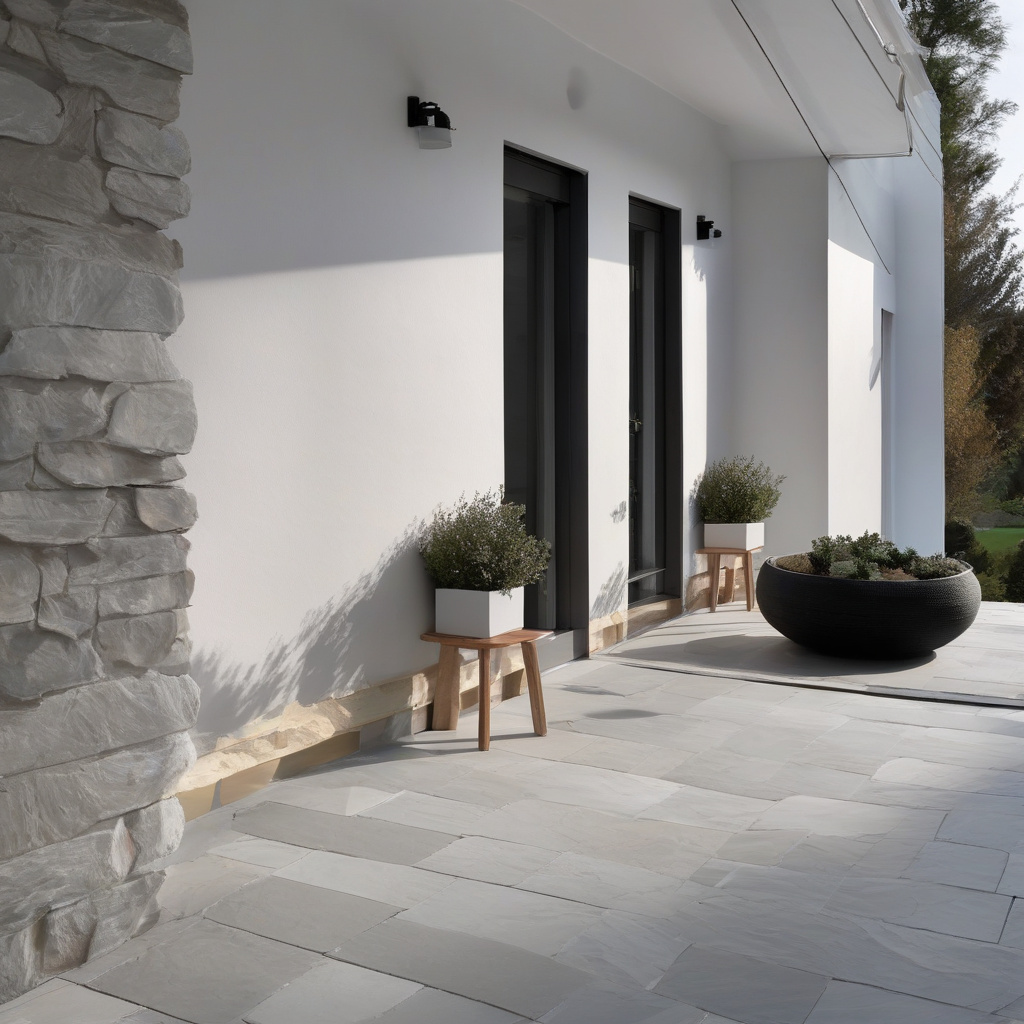
Ultimately, the material’s choice reflects a balance between aesthetics and functionality, crafting a space that serves as a testament to quality and craftsmanship. As industry experts suggest, selecting the right materials helps ensure that your patio remains a cherished retreat for many years to come.
Innovations in Design: Trends to Transform
Los Angeles continues to be a hotspot for innovative design trends that push the boundaries of traditional patio design. Homeowners and designers alike are exploring new layouts, bold structures, and eclectic color mixes that challenge conventional expectations. The modern emphasis is on creating spaces that are both visually stunning and functionally efficient.
The emergence of mixed-material designs allows homeowners to blend natural and artificial components, generating dynamic vistas that surprise and delight. Bold color choices, when done right, can accentuate these distinctiveness traits, making your patio a topic of conversation and admiration.
Similarly, sustainability has become a key consideration in these ambitious designs. Incorporating sustainable practices not only benefits the environment but can also increase the home’s value. By integrating eco-friendly materials and energy-efficient installations like solar lighting, homeowners make proactive contributions towards sustainability while maintaining a trendy edge.
Accompanying these innovations is the need to adjust and optimize patio layouts that consider space utilization, ensuring all corners of your outdoor area are effectively employed. Useful insights on executing these modern layout concepts can be accessed through a detailed guide on smart layout planning.
With evolving trends continually redefining the field, staying adaptable is key. As witnessed in many creative remodels across the city, those willing to embrace the blend of tradition and innovation often find themselves ahead of the curve, profoundly satisfied with their unique creations.
Hardscaping Costs: Balancing Budget and Beauty
Developing a patio in a city like Los Angeles requires a keen eye not only for aesthetics but also for cost control. Budgeting is perhaps one of the most intricate aspects when planning a patio renovation, as numerous factors—from design choice to material selection—directly impact the financial outcome.
Labor costs and timelines can fluctuate based on varying project scales and complexities. Initial costs can become a burden if not carefully managed through effective pre-planning techniques. Overall, setting realistic budgets while understanding where to allow for flexibility is vital. The upfront investment often predicts maintenance ease and aesthetic satisfaction in the long run.
According to a recent industry report, adding a well-designed patio can increase property value by upwards of 15%, making it one of the best ROI improvements a homeowner can undertake.
Cost considerations bend along two lines: upfront and ongoing maintenance. A frugal approach might save initially but lead to higher expenses down the line. Ensuring robust planning and strategic investment in high-quality projects provides fruitful rewards. Explore further with more insights into managing hardscaping budgets effectively.
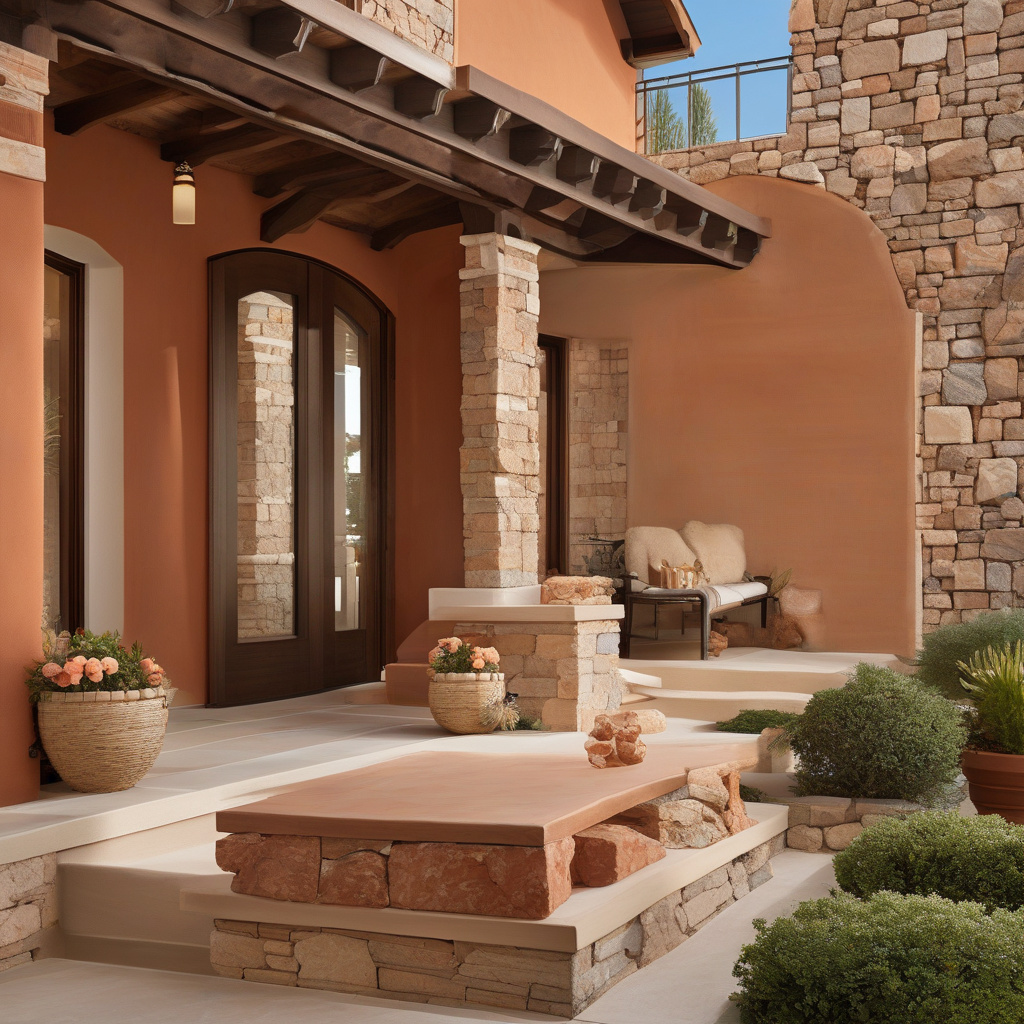
While the reward of a beautifully completed patio is its own pleasure, the financial savvy put forth in its creation adds long-term assurance. Balancing these dynamics offers both homeowners and their patios a path to longevity and delight.
The How-To of Patio Preparation
When contemplating a patio redo, beginning with a meticulous planning approach ensures each stage achieves optimum results. Whether it’s a modest refresh or a complete overhaul, preparation remains the cornerstone of success in any renovation endeavor.
Start with a vision board and outline your goals clearly. Gather inspiration from design magazines, local projects, or online resources. Consider current trends that resonate with you, but be sure to anchor your vision with a touch of personal style.
Next, measure your space accurately. An exact understanding of dimensions helps in choosing suitable designs and delineating budgetary considerations. Don’t forget to factor in furniture and functional installations like grills or fire pits.
Following spatial awareness, create a detailed plan that lists proposed materials, estimated costs, and a projected window for project completion. Flexibility is critical here—leave room for minor tweaks and unpredictive challenges.
A landscape architect in Los Angeles recently remarked that “properly preparing the foundational elements of a patio remarkably prolongs the space’s life and quality.”
Lastly, consult with industry professionals for insights. Expert advice can open avenues for cost-saving alternatives while maintaining quality, especially useful if sticking to a budget is a priority.
By understanding and systematically applying this procedure, you embark on a smooth-sailing journey towards achieving your envisioned outdoor transformation.
Natural Lighting and Ambiance: Boost the Bliss
The power of natural lighting in transforming outdoor spaces cannot be overstated. For patios, taking advantage of Southern California’s abundant sunshine is a strategic move that enhances garden aesthetics and promotes a warm, inviting atmosphere.
Thoughtfully positioned lighting, whether natural or artificial, provides depth and character. Installing strategically placed lighting fixtures can spotlight key aspects of your patio, complementing them in ways that daylight cannot fully achieve. Solar lighting options align with eco-friendly practices, requiring minimal maintenance while promoting sustainable energy use.
Consider integrating outdoor ambient lighting that aligns with your hardscape’s components. Subtle lights along pathways or around seating areas imbue coziness, especially useful for evening gatherings or quiet moments under the starry sky.
Simple enhancements like these encourage frequent use, redefining your patio from a mere extension of home to a favored retreat. The illumination choices made here continue to define your space long after the sunsets, ensuring every moment on your patio captures intrinsic warmth.
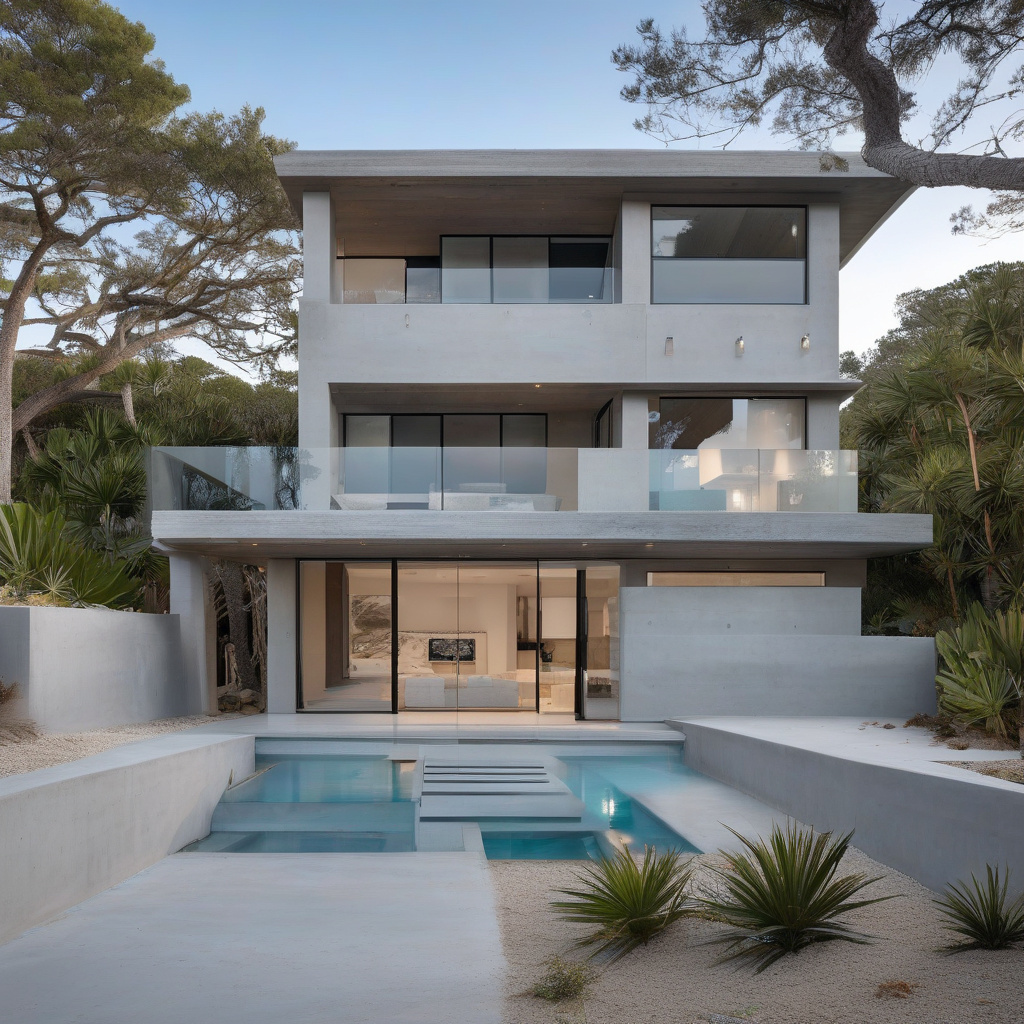
Dive deeper into the magic of lighting and learn more about practical guides tailored to enhance your next redesign.
“A well-lit patio becomes an extension of your home, inviting friends and family to linger longer,” states a leading interior decorator known for her extensive work in outdoor transformations.
Whether starting anew or revamping an existing design, investing in optimal lighting and ambiance refinement adds layers of richness to any outdoor experience.
Summary and Final Thoughts
Embarking on a patio transformation is an adventure brimming with potential. By leveraging smart design principles, color harmonization, material selection, and cutting-edge lighting techniques, homeowners can create envy-inducing exteriors unique to their architectural DNA. Each decision is a step toward unveiling a singular piece of outdoor artistry that echoes the vibrant spirit of Los Angeles living.
Balancing these elements with economic sensibility spells success—not just in visual allure, but in the longevity of the space as a true extension of home. Future endeavors can build on the foundations laid, as savvy planning and inspired design open doors to further possibilities. The canvas that is your patio awaits the artist’s touch; let it be a masterpiece forged in thought, commitment, and beauty.
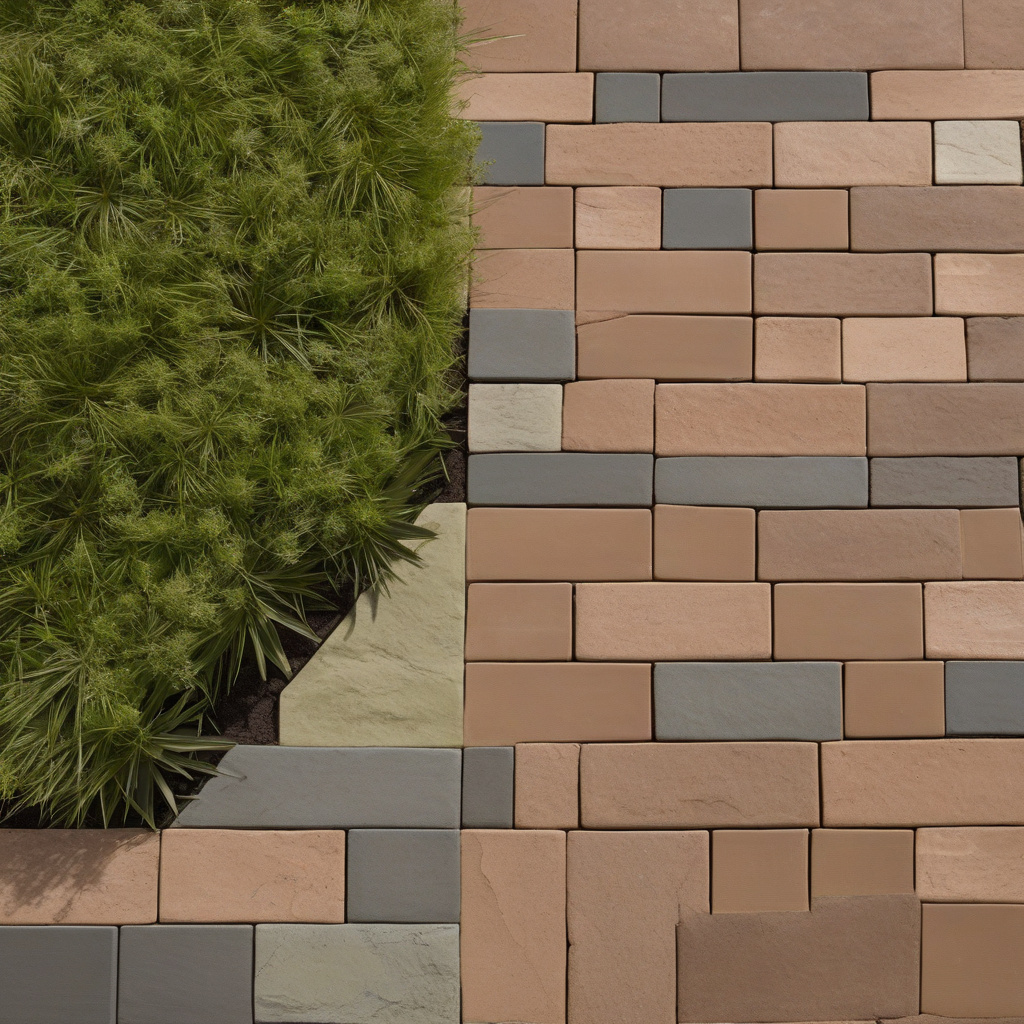
With these insights and the ever-present Californian spirit, your next patio redesign can undoubtedly become the highlight of your home’s outward expression, inviting joy and a zest for the good life, Los Angeles style.
- Choose colors that blend with natural lighting to create vibrant, welcoming patios.
- Harmonize your patio with the home’s architecture for a seamless outdoor experience.
- Explore innovative material options that suit your budget and enhance durability.
- Invest in lighting solutions to elevate ambiance and enrich evening use.
- Proper planning and execution ensure every element complements the broader setting.
“`html
FAQ
How do patio hardscape color choices affect home curb appeal?
In actual renovation projects, color choices for patio hardscapes significantly influence curb appeal by either harmonizing with the house exterior or clashing uncomfortably. Many experts highlight that matching warm neutrals and coastal grays with existing house tones can unify the outdoor aesthetic. A well-integrated color palette, for instance, often implies meticulous attention and boosts property value. Landscapers note that even a modest investment in cohesive colors pays dividends in overall home perception.
What are the best color combinations for older home renovations?
For older homes, it’s crucial to respect the property’s historical context while adding modern appeal. Many renovators point out the effectiveness of using warm neutrals blended with earthy tones, which can evoke a timeless elegance. This approach respects the aged bricks or original wood sidings, knitting new elements seamlessly. However, it’s often a mistake to ignore the architectural style of the home, as mismatched hues may disrupt the historical aesthetic. In real-life projects, the goal is blending these colors into the existing palette to refresh the exterior without losing character.
What mistakes do homeowners make with hardscape color selections?
Homeowners frequently underestimate the interplay of light and color which leads to poor hardscape choices. For example, dark colors may appear inviting at night under warm patio lights but can become overwhelmingly hot during sunny afternoons. Similarly, ignoring the natural surroundings can truncate natural aesthetics. Real-world projects often suffer when the color transition from hardscape to landscape isn’t seamless. To avoid such pitfalls, always test color samples in different lighting and ensure they align with both natural settings and home architecture.
How can color choices enhance outdoor ambiance?
Color plays a pivotal role in shaping outdoor ambiance. In practical applications, a patio adorned with coastal grays might evoke a serene, seafront vibe, promoting relaxation. In contrast, warm neutrals can create an inviting, earthy atmosphere that might suit family gatherings well. It’s about crafting an environment that reflects the intended use of the space. Misjudging this can lead to environments that feel disjointed or uncomfortable. Ultimately, the choice of colors should resonate with the lifestyle and moods you wish to cultivate outdoors.
When should a neutral palette be used in patio design?
A neutral palette is often advised when versatility is paramount. In real homes, especially those undergoing renovations or preparing for sale, neutrals offer a blank canvas that seamlessly matches diverse design elements and landscapes. This choice provides a harmonious background that doesn’t challenge the house’s exterior aesthetics or distract from features like vibrant landscaping. Conversely, using a neutral palette may not suit bold personalities seeking vibrant expressions. The decision hinges on desired flexibility, personal taste, and expected changes in landscaping over time. To consult further on design plans, visit the advice section.
What are the cost considerations for choosing hardscape colors?
Choosing hardscape colors involves more than aesthetic appeal—it affects project budgets significantly. In practice, premium colors or finishes like stamped concrete or imported stone slabs naturally increase costs. While many homeowners are drawn to exotic hues, experienced renovators advise balancing desires with the budget constraints often faced. Economically, sticking with local, readily available materials in complementary shades can yield substantial savings, blending both cost-effectiveness and visual pleasure. Such strategic planning ensures the renovation doesn’t overshoot financial limits while still achieving a desired look.
What are the pros and cons of using bold colors in patio hardscapes?
Bold color choices in patio hardscapes offer a unique opportunity to inject personality and vibrancy into the outdoor space. The pros include creating a distinctive look that stands out, potentially increasing home appeal for certain buyers. However, the cons may include quick fading under harsh sunlight, as often seen in southern climates like California. Additionally, it limits flexibility if future design changes aim for more subdued aesthetics. Real renovation stories often illustrate regret from homeowners who, after a few years, found bold choices limiting or costly to change. The balance lies in evaluating the long-term vision for the property.
How should homeowners maintain the vibrancy of their chosen hardscape colors?
Maintaining the vibrancy of hardscape colors in real homes demands regular attention. A common maintenance routine involves sealing hardscape surfaces annually to protect against weather-related fading and staining. Adopting such practices not only preserves colors but also extends the life of the material. Experts frequently stress the importance of using high-quality sealers appropriate for specific materials, as generic products can lead to unsatisfactory results. Temporary coverings during extreme weather or seasonal shifts can also mitigate color degradation, ensuring that your outdoor spaces remain lively and fresh year-round.
“`