
In the kaleidoscopic world of home renovation, one of the most vital yet overlooked decisions is selecting the right color palette. Whether you’re sprucing up a single room or embarking on a full-scale remodel, the way colors interact with light, space, and furnishings can profoundly impact the final outcome. The choice to work with a color consultant or go it alone leaves many homeowners in Los Angeles pondering: is the professional touch worth it, or is DIY the way to go?
Brief summary: This article explores the complexities of color selection in home renovation, contrasting the expertise of color consultants with the confidence of DIY homeowners. It delves into local renovation trends and costs in Los Angeles, providing practical insights into making informed decisions for successful color applications.
The Art and Science of Color Consultancy
Color consultants are not just advisors; they are artists with a keen understanding of how various shades and hues interact. These professionals bring a wealth of knowledge to the table, analyzing undertones and lighting interactions with a precision that few DIY enthusiasts can match. Homeowners in Southern California, where natural light can fluctuate dramatically throughout the day, often find this expertise invaluable.
Indeed, many renovation projects in Los Angeles begin with consulting a professional to fine-tune the aesthetic vision. As many local residents and design experts note, a color consultant can prevent costly mistakes and ensure the design remains cohesive. For those investing significantly in their homes, this expertise often proves its worth in gold.
Yet, the decision to hire a consultant is not without its considerations. Costs can vary widely depending on the scope of the project and the consultant’s experience. Some homeowners, particularly those with smaller projects or tight budgets, may find this service unnecessary, choosing instead to rely on robust research and personal style.
Ultimately, whether it’s the vibrant bohemian vibes or sleek modern aesthetics, a consultant’s guidance often brings a fresh perspective to projects, turning homes into harmonized sanctuaries that reflect the regional charm and individual personalities. For those weighing their options, exploring professional painting options in California can serve as a helpful starting point.

The Color Marketing Group, an international association for color design professionals, has noted that color decisions can affect mood, behavior, and overall aesthetic satisfaction in interior spaces.
In conclusion, the art of color consultancy goes beyond picking shades; it’s about creating a cohesive and inviting environment that stands the test of time.
Going Solo: DIY Color Selection
For the intrepid DIY enthusiast, choosing colors independently can be both exhilarating and liberating. It speaks to a growing trend among homeowners who value personal design direction over professional input. This approach allows individuals to explore their creativity fully, turning inspiration into personalized spaces.
Los Angeles has become a hub for those who prefer the DIY path, embracing eclectic styles that range from colorful vintage bohemian to minimalist elegance. With endless resources at their fingertips, including online platforms and virtual color tools, homeowners feel empowered to make choices that reflect their taste unequivocally.
However, this path is not without its pitfalls. The untrained eye may overlook complex undertones or fail to predict how a color will appear under different lighting conditions—factors that can transform a space’s mood significantly. Additionally, the sheer abundance of choices can be overwhelming, leading to decision fatigue and potential missteps.
Despite these challenges, the decision to undertake color selection independently often results in a deeper sense of satisfaction and ownership over the space. As many DIY aficionados in Southern California will testify, experiencing the transformation firsthand is a rewarding journey.
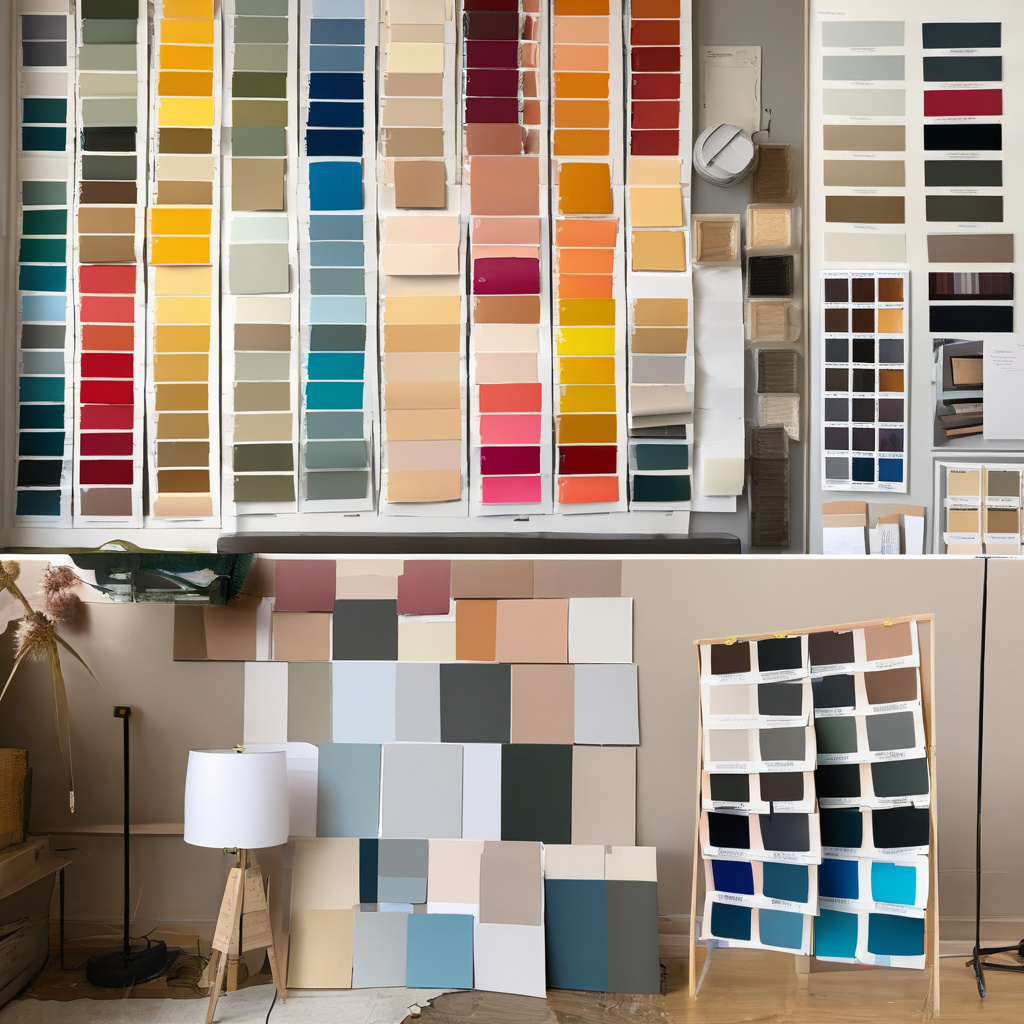
A study by the National Home Improvement Council found that 62% of homeowners chose colors based on personal preference rather than current trends, highlighting the importance of individual taste in home projects.
The freedom of DIY color selection offers homeowners the chance to personalize their spaces creatively, often with unexpectedly delightful outcomes.
Planning and Execution: Choosing the Right Path
As the line between hiring a professional and DIY continues to blur, planning becomes an essential component in the decision-making process. For those considering a home project, understanding the intricacies involved in color choice is paramount to success.
Homeowners must weigh the benefits of engaging an expert against their personal capabilities and artistic vision. Consultants provide a level of finesse and predictability that can greatly enhance a project, whereas the autonomous route allows for more intimate, standout results. Both paths offer unique opportunities to create beautiful spaces that resonate with residents.
Furthermore, for those who might be interested in extending their expertise to accessory dwelling unit (ADU) interiors, exploring ADU interior color guidance specifically tailored for such spaces can provide both inspiration and practical insights.
No matter the route, clear and cohesive planning is crucial. Homeowners who start with a solid plan and consider factors such as lighting, space usage, and desired atmosphere often find their efforts rewarded in the long run.
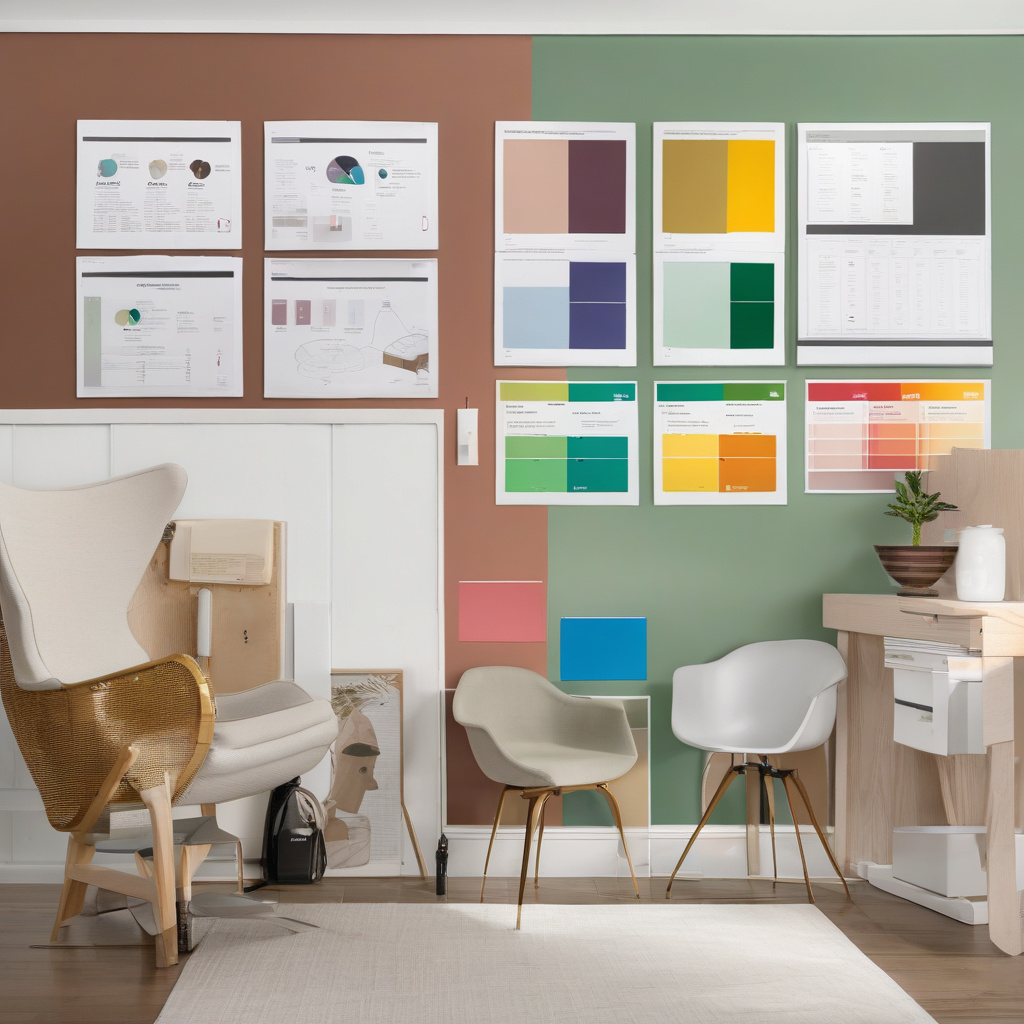
Careful preparation and thoughtful consideration are the blueprints to achieving stunning, personalized home environments that adhere to both functionality and form.
Cost and Materials: A Closer Look
The financial implications of color selection are as varied as the palettes themselves. Understanding the costs associated with professional versus DIY approaches is essential for making an informed decision. Generally, hiring a consultant involves a higher upfront cost, justified by their expertise and the potential savings on corrections and adjustments down the line.
DIY projects, while potentially less costly, often incur unforeseen expenses due to trial and error. Additionally, high-quality materials, such as paint finishes and application tools, can raise total expenditures. As many Los Angeles homeowners discover, balancing cost with quality is a recurring theme in achieving satisfactory results.
According to a survey by Houzz, homeowners typically spend between $800 and $2,500 on painting a single room when engaging a professional, compared to an average of $200 to $500 for DIY efforts.
A practical consideration is whether to embrace the latest home design trends, such as matte black frame accents, which are gaining popularity in contemporary decors. These details can enhance the modernity and sophistication of a space, often complementing neutral tones or bold statement colors.

Ultimately, understanding the trade-offs of cost, quality, and contemporary appeal ensures that homeowners make the most of every renovation dollar.
| Aspect | Consultant | DIY |
|---|---|---|
| Average Cost | $800 – $2,500 per room | $200 – $500 per room |
| Time Investment | 4-6 weeks | 8-12 weeks |
| Material Quality | High-end | Variable |
| Design Cohesion | High | Depends on skill |
Considering these variables helps ensure that homeowners choose a path that aligns with their budget and vision for their space.
Pros and Cons of Engaging a Color Consultant
When weighing the options between hiring a color consultant and taking the DIY approach, it helps to consider the potential advantages and disadvantages inherent in both choices.
- Consultant Pros: Expert guidance, reduced risk of costly mistakes, cohesive design results that reflect personal tastes aligned with practical functionality.
- Consultant Cons: Elevated costs, potential lack of personal touch, reliance on professional’s schedule and availability.
- DIY Pros: Deep sense of achievement, fully personalized outcomes, budget-friendly experimentation.
- DIY Cons: Potential for errors, overwhelming choice volume, time-intensive with possible need for corrective actions.
These considerations offer a nuanced understanding of how each option can shape the renovation experience.
Step-by-Step Color Selection for the DIY Enthusiast
For those drawn to the DIY route, embarking on a color project requires meticulous planning and methodical execution. A successful endeavor hinges on several key steps, each contributing to the final aesthetic harmony.
The initial phase involves researching current styles and identifying the desired look and feel of the space. This step includes creating mood boards to visualize color schemes effectively. Next, selecting samples and testing them in various lighting conditions will illuminate how colors shift throughout the day.
Homeowners should proceed with a test area, assessing how the chosen shades coexist with existing furnishings and fixed elements. The final steps involve purchasing quality supplies and applying the paint with attention to detail and technique.
This process, guided by both thoughtful strategy and an experimental spirit, ensures that DIY projects achieve professional-caliber results. Those undertaking more extensive projects, such as a complete home repaint, may find inspiration in a detailed whole-house repaint plan to guide their vision.

In the end, the joy of seeing a vision come to life with one’s own hands is immeasurable, a testament to the power of personal creative expression.
Conclusion: Crafting Your Color Story
Ultimately, color is more than a decorative element; it’s a powerful narrative tool that shapes our living spaces and reflects our personalities. Whether through the discerning eye of a color consultant or the heartfelt creativity of a DIY approach, crafting a color story is a cornerstone of home renovation in Los Angeles.
As homeowners consider their options, they must blend personal taste with practical considerations, ensuring that their homes exude both beauty and functionality. It’s a journey that offers not just a refreshed environment but a renewed sense of home.
For those ready to transform their spaces, the decision lies in choosing the path that aligns with their vision and resources, paving the way for a vibrant and lasting living space.
- Understand the importance of color in shaping home aesthetics and mood.
- Explore the benefits and costs of hiring a color consultant versus DIY approaches.
- Plan carefully for color projects, considering light, space, and existing decor.
- Embrace personal creativity while maintaining design cohesion.
- Make informed, cost-effective choices for lasting renovation impact.
FAQ
What is a color consultant and what do they do?
A color consultant is a professional who specializes in choosing palettes for homes based on aesthetics and functionality. They assess numerous factors such as lighting, room size, and the dominant undertones in your furnishings. In real renovation projects, color consultants often reveal potential pitfalls that the untrained eye might miss. For instance, a homeowner may love a particular blue on a swatch, only to find it looks washed out under their dining room’s natural light. Many consultants emphasize the importance of testing paint samples in different lighting conditions around your home, a step often overlooked during solo selections.
How do I choose colors myself without professional help?
Choosing colors independently involves understanding your home’s existing elements, such as furniture, flooring, and decor, to ensure harmony. A practical approach is to start with a color you love, then explore its complementary shades. Homeowners frequently experiment with paint samples, applying them to poster boards to observe how each hue interacts with different lighting throughout the day. Remember, vibrant colors can become overwhelming when used in abundance. A common mistake is underestimating the cumulative effect of multiple bold shades, which can lead to a chaotic feel. Referencing design magazines or trusted online sources can guide you in developing a coherent palette.
When does it make sense to hire a color consultant?
Hiring a color consultant is particularly beneficial when you’re dealing with complex renovations or color transitions in open-plan areas. If you own a California single-family home with diverse architecture and historical nuances, a consultant can seamlessly integrate modern colors while respecting the property’s character. For those planning to sell, consultants can select neutral tones that maximize appeal, potentially increasing your home’s market value. Consulting a professional may seem like an investment up front but can actually save money by preventing costly repaints due to trial and error.
What are the pros and cons of hiring a color consultant?
The primary advantage of hiring a color consultant lies in their expertise in creating cohesive and aesthetically pleasing palettes tailored to your home’s specifics. They offer insights into trends while customizing choices to suit individual tastes and needs. On the downside, their services can be costly, and some homeowners might feel their personal style is compromised if not communicated clearly. The key is to engage in an open dialogue, ensuring your tastes steer the direction, balanced by the consultant’s expertise. Moreover, the peace of mind from having a professional touch often outweighs the initial expense for many homeowners.
What should I consider regarding costs when deciding on a color consultant?
Color consultant fees can vary widely, typically ranging from a few hundred to several thousand dollars, depending on the scope. It’s crucial to weigh these costs against the potential savings from reducing paint waste and avoiding expensive design mistakes. Consider consultants as an investment, especially for large projects where color choices significantly impact overall satisfaction and resale value. Many experts advise obtaining quotes from multiple consultants to understand the range of services and fees. Factor in the longevity and enhancement of your property value as a return on this investment, making it a financially strategic decision in the long run.
Can lighting truly affect color choices, and how?
Absolutely, lighting profoundly impacts how colors appear in your home. Daylight, fluorescent, and incandescent lights can alter a hue’s perception. For instance, natural sunlight enhances cooler tones, making them more vivid, while artificial lighting might give them a muted feel. This is a common pitfall where colors chosen under store lighting seem entirely different at home. In real scenarios, many homeowners discover that their chosen beige becomes unexpectedly yellow under warm incandescent bulbs. Testing paint swatches in each room at various times can prevent dissatisfaction and ensure colors complement your home’s lighting conditions.
What are common mistakes homeowners make when choosing colors without a consultant?
One frequent error is underestimating the effect of undertones; a gray might carry blue hues that clash with warm beige fixtures. Many homeowners overlook this, leading to disharmony in their space. Another mistake is ignoring how colors transition between rooms, especially in open-plan concepts. This can create visual discord, interrupting the flow of your home’s design. In practice, conscientious planning, such as sketching a color map that plots the flow and interaction of colors between rooms, can mitigate these issues. Resources like contacting professional services can offer additional guidance to ensure your design is cohesive and reflects your vision.
What are the benefits vs limitations of DIY color selection?
DIY color selection can be empowering, offering complete control over the design process and allowing you to express personal style freely. It can also be cost-effective for smaller projects or homes where professional fees might outweigh benefits. However, DIY projects run the risk of misjudged undertones, lighting impacts, and unforeseen color clashes. It’s crucial to conduct extensive research and obtain sample swatches to test at home. Consulting resources or reaching out to professionals digitally can mitigate limitations, providing an informed foundation for your decisions without relinquishing personal oversight.