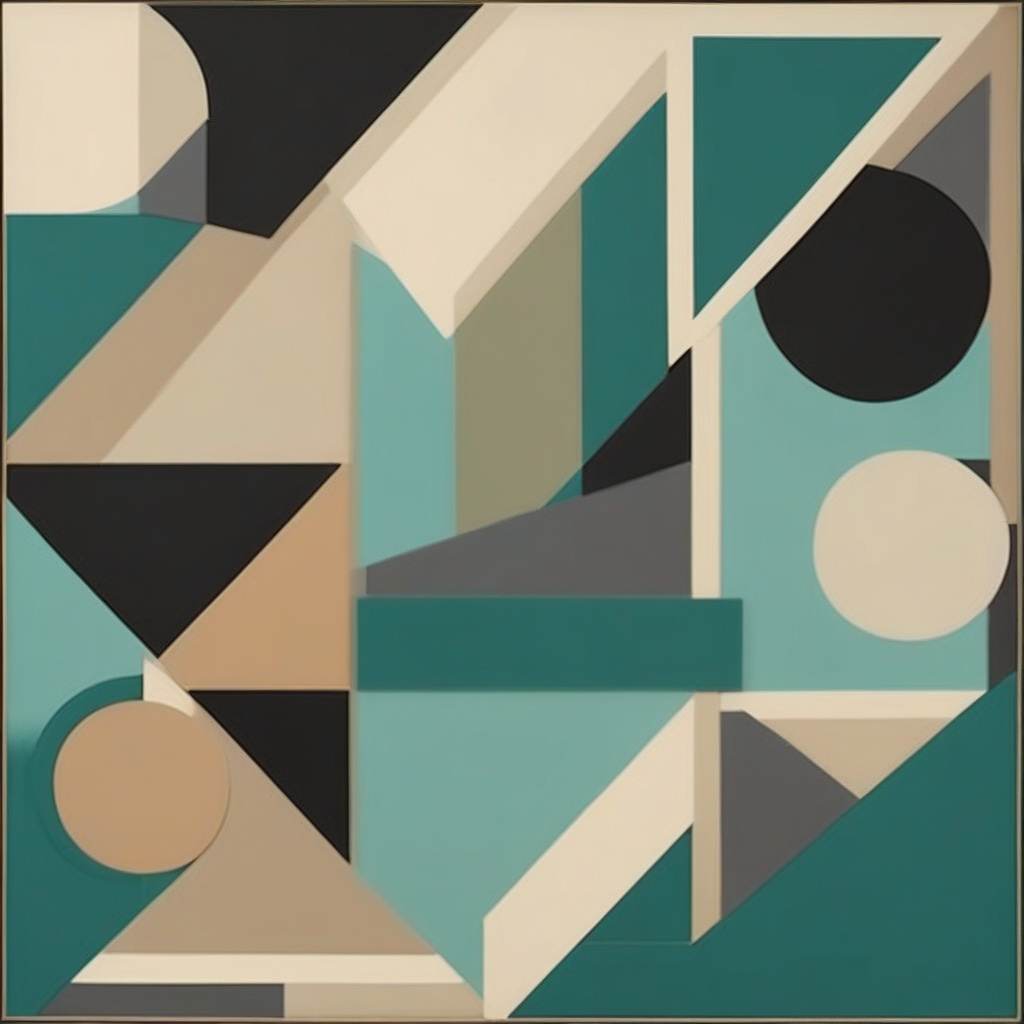
Los Angeles, a city renowned for its architectural vibrancy, boasts a captivating collection of mid-century modern homes. These residences, nestled in leafy neighborhoods, are a testament to a bygone era of design evolution. Famed for their clean lines, expansive glass windows, and integration with nature, these homes are making a grand comeback with a twist of contemporary panache. A critical element in capturing the essence of the past is through the palette of colors chosen for renovations, utilizing hues that echo the original architectural intent.
Brief summary: This article explores paint ideas for mid-century modern homes in Los Angeles. It dives into color choices like earthy neutrals and retro blues, exploring how these can rejuvenate homes while respecting their vintage essence. Considerations include costs, materials, and local trends, offering insights for homeowners planning renovations.
An Era of Earthy Neutrals and Bold Statements
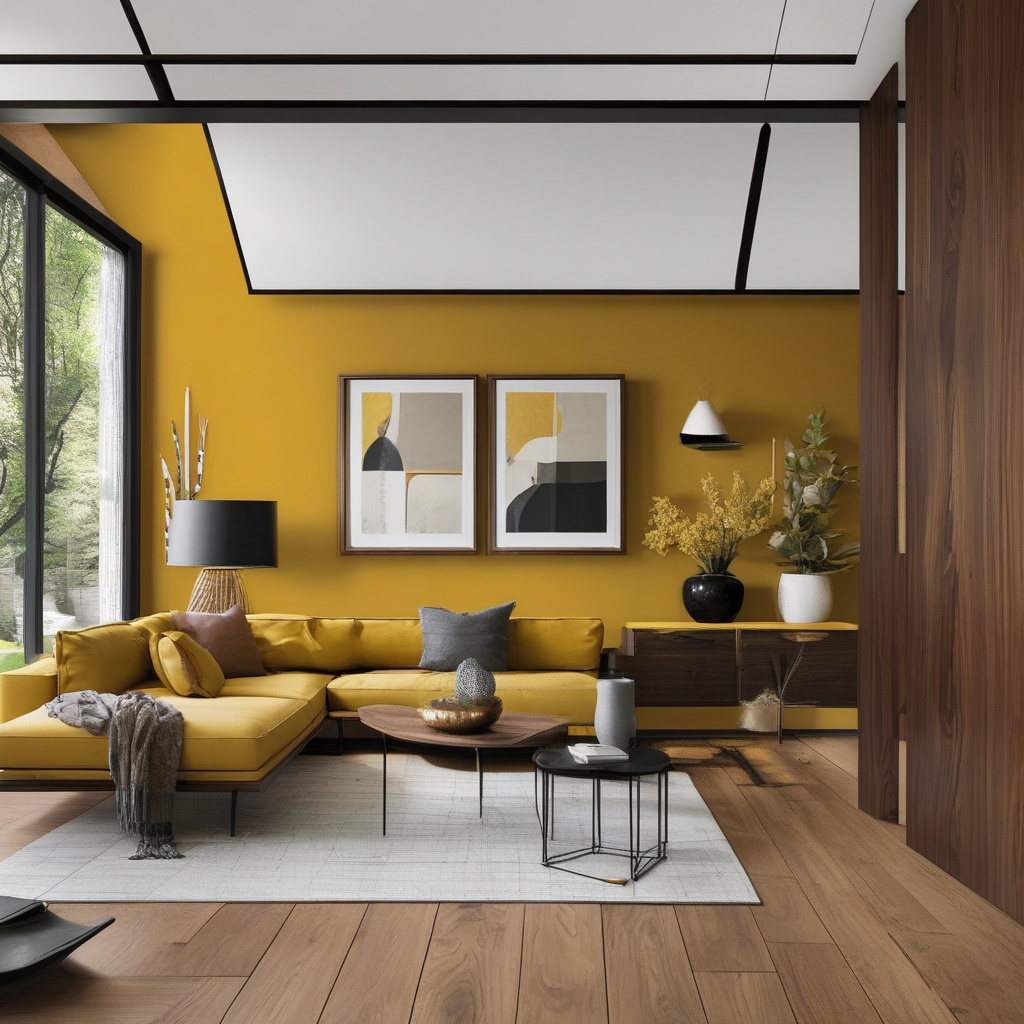
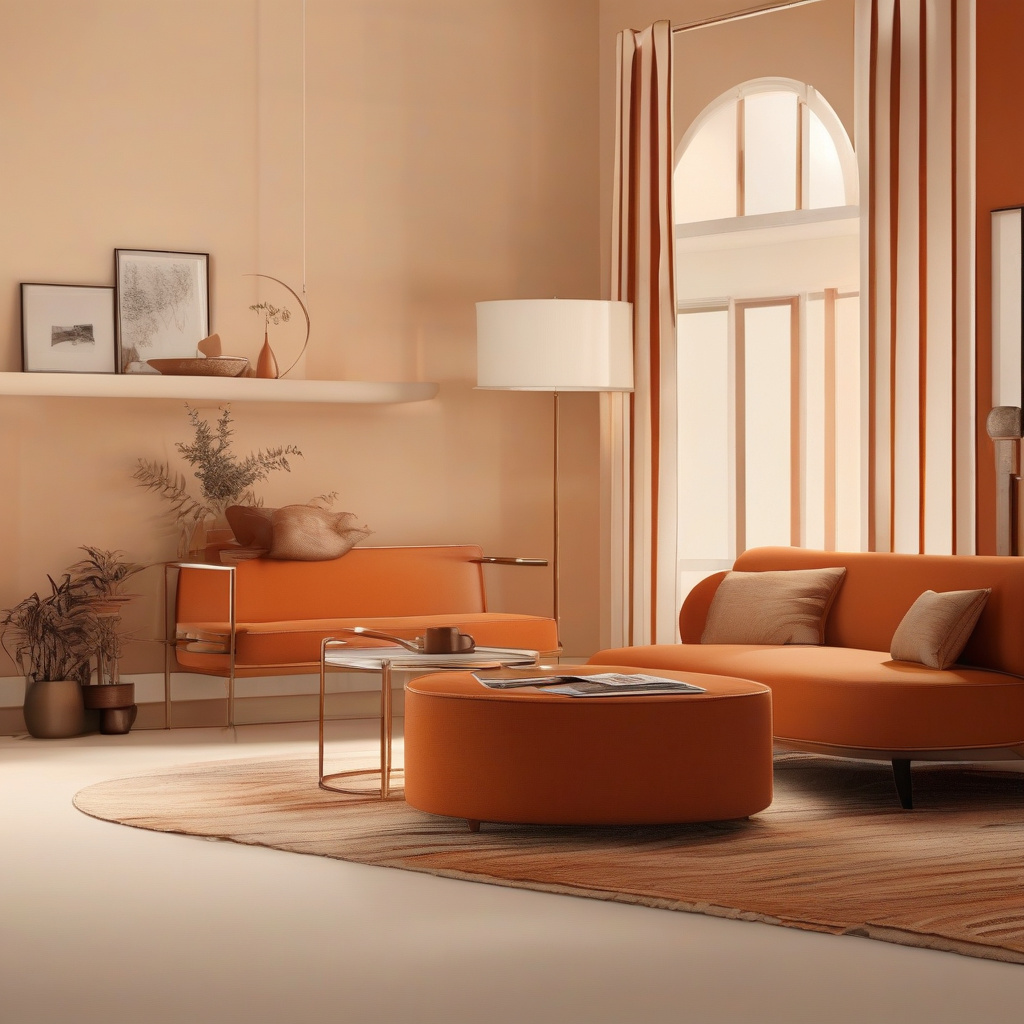
Mid-century modern homes in Los Angeles primarily bask in a palette of earthy neutrals, soft oranges, and blues that reflect the natural landscape of Southern California. These colors not only ground the homes in their natural surroundings but also highlight architectural features like exposed beams and stone façades. When embracing color psychology in home renovation projects, LA homeowners often find that earthy tones induce a sense of warmth and relaxation, essential for an urban oasis.
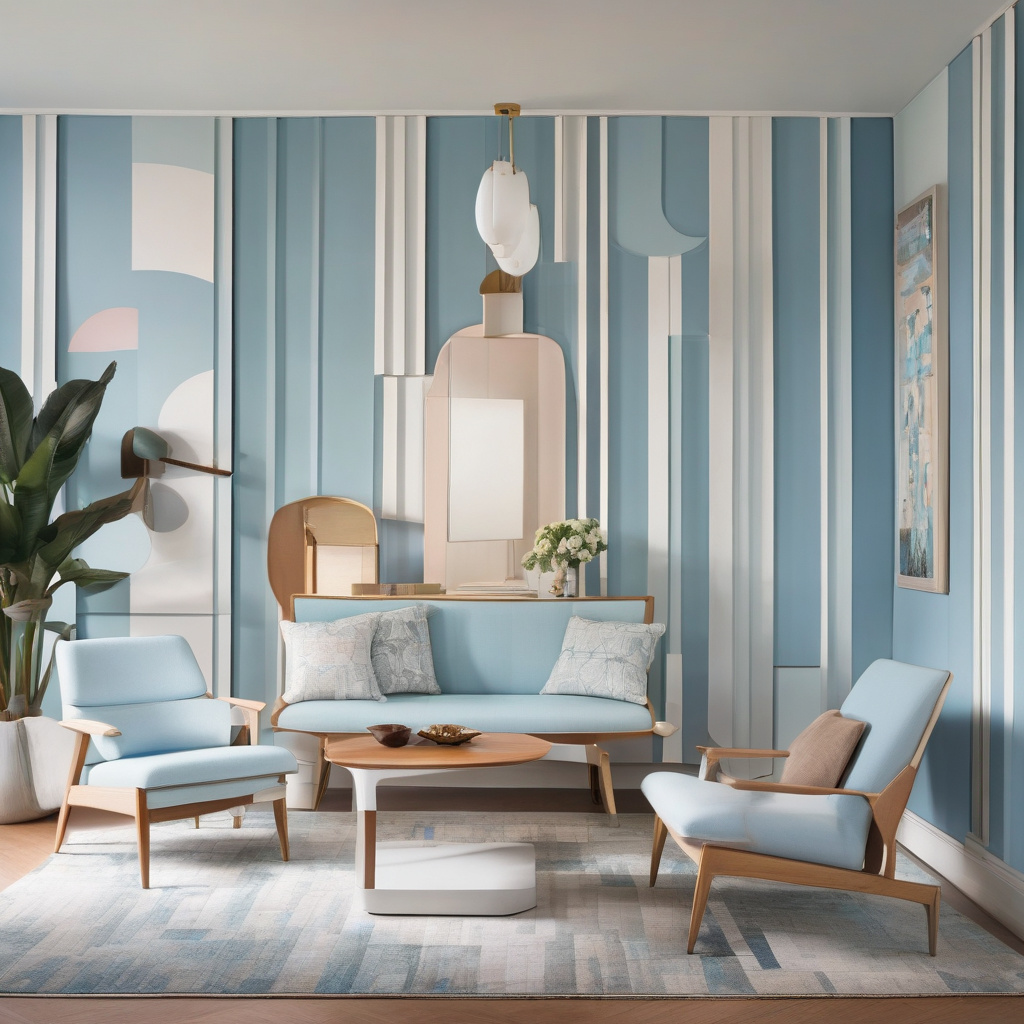
The dusty hues of taupe and beige act as ideal foundations, allowing accent colors to shine. A statement wall in muted terracotta can draw the eye towards unique architectural elements and serve as a conversation piece. Meanwhile, the infusion of retro blues, reminiscent of the Pacific Ocean’s hues, adds depth and variance that feels at once nostalgic and refreshingly modern.
These colors connect the home to the region’s landscapes, embodying a natural synergy that many local homeowners cherish. Coupled with thoughtful interior styling, these muted hues offer an understated elegance that echoes mid-century ideals, marrying aesthetic fidelity with contemporary comfort.
As many Los Angeles renovators observe, incorporating these color trends not only revitalizes spaces but also respects the historical integrity of their homes. By choosing an era-consistent palette, homeowners can achieve a harmonious balance between past and present design philosophies.
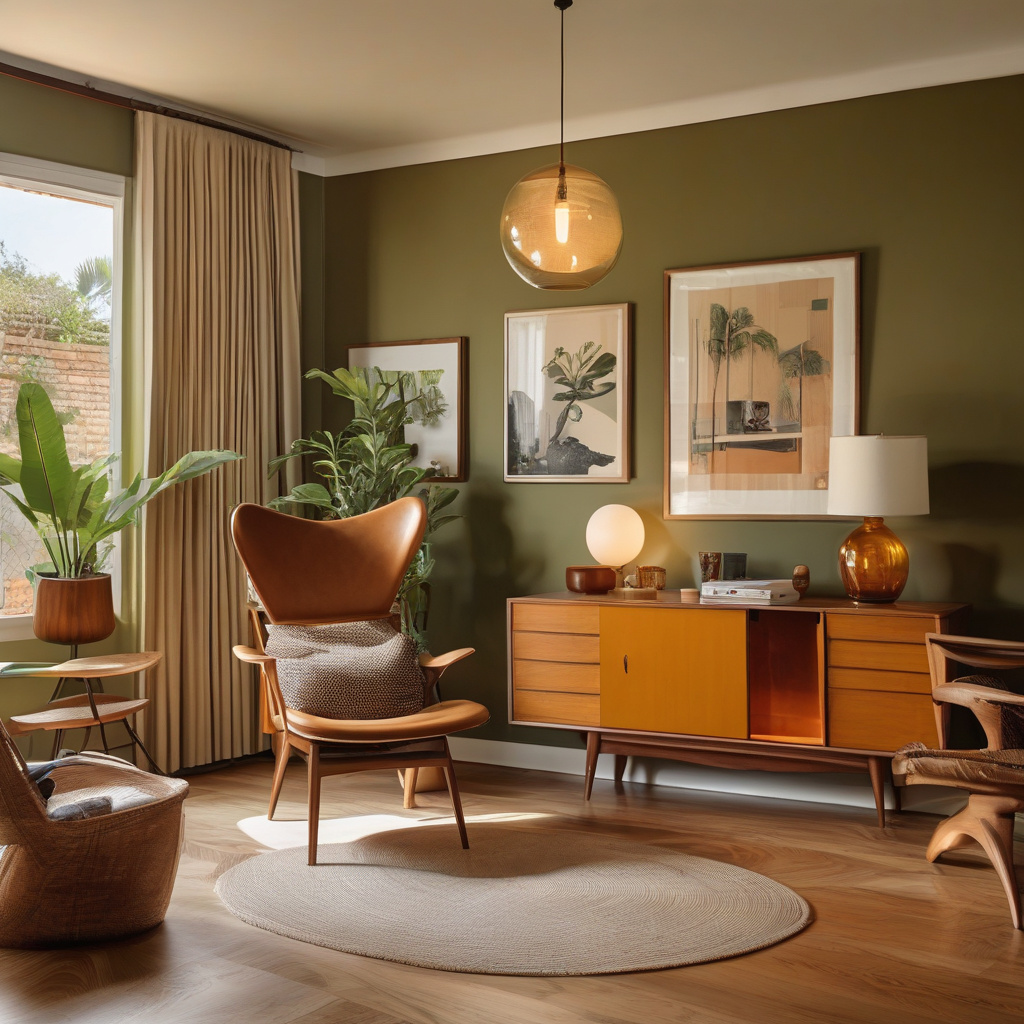
To summarize, earthy neutrals and bold blues infuse mid-century homes with warmth and authenticity, fostering a cozy yet vibrant living space.
Cost and Craft: Bringing Mid-Century Magic on Budget
The cost of renovating a mid-century modern home in Los Angeles can vary widely based on scope, materials, and expertise required. Savvy homeowners often start their projects by consulting local experts and gathering estimates. Embracing a comprehensive approach, such as a holistic repainting strategy, can provide cost efficiencies and a cohesive aesthetic.
One way to manage costs without compromising on style is through selective boldness. Painting a singular architectural feature such as the front door or a prominent interior beam in a deep, rich color can deliver impactful results at a fraction of the cost of a full-scale repaint. Expert insights suggest that focusing on high-quality, durable paints designed specifically for architectural applications mitigates long-term maintenance costs.
Homeowner anecdotes abound of choosing to splurge on professional-grade materials for exterior surfaces, while opting for more budget-friendly solutions indoors. Such strategic decision-making aligns with the mid-century modern ethos of functional beauty, reflecting both practical and aesthetic considerations in home renovation.
According to industry experts, using premium paint can extend the lifespan of painted surfaces by up to 50% compared to conventional options, ensuring a smart long-term investment.
Effectively managing renovation costs while maintaining design integrity calls for foresighted planning, a critical component in any renovation journey. Ultimately, this balance allows for the mid-century magic to shine through without breaking the bank.
Choosing the Right Paint: Considerations for Health and Style
The selection of paint is not merely a matter of color. In Los Angeles, where sustainability and environmental considerations are paramount, choosing paints that are both beautiful and safe is crucial. Many homeowners today look for paints that are free of volatile organic compounds (VOCs) to minimize indoor air pollution.
When considering the repainting of mid-century modern homes, it’s wise to explore family-sensitive paint options that are eco-friendly and durable. These paints merge the needed aesthetic with health-conscious living, particularly important for families with young children or pets.
The technical composition of low-VOC paints does not compromise on quality. Advances in paint technology have enabled these products to deliver the same vibrant hues and long-lasting finishes as their more traditional counterparts. Thus, engaging with local painting experts who are cognizant of these innovations can offer tailored solutions to marry style with substance.
Recent studies indicate that interior environments free from VOCs contribute to a 20% improvement in indoor air quality, enhancing overall health outcomes for residents.
Homeowners increasingly appreciate the dual benefits of choosing smart, sustainable paint solutions. This modern approach respects the health of both the residents and the environment, without sacrificing visual appeal.
Ultimately, the thoughtful selection of materials fosters a safe, stylish, and sustainable home environment for years to come.
The Practical Timeline of a Mid-Century Modern Renovation
Understanding the timeline of a home renovation project is essential, especially within the context of a bustling city like Los Angeles. The process of revamping a mid-century modern home typically unfolds over several months, with natural variances based on project scope and unforeseen discoveries during renovation.
Homeowners usually kick off projects by creating detailed plans that map out timelines, budgets, and resource allocations. For optimal results, it is advisable to engage with professionals who can foresee and mitigate potential pitfalls, ensuring the renovation proceeds smoothly.
While the actual painting may take a few weeks, preparation stages such as surface cleaning, repair, and priming are crucial for a high-quality finish. Moreover, homeowners should consider seasonal factors when planning painting projects, as LA’s climate can impact drying times and paint adhesion.
Incorporating buffer time for potential delays, such as weather or supply chain disruptions, is also wise. This foresighted approach ensures homeowners are pleasantly surprised with results that meet—or exceed—expectations and enhances satisfaction with the final outcome.
In essence, a thorough understanding of the renovation timeline, from planning to execution, anchors a successful project that stands the test of time.
Restoring Facades: Painting Made Simple
The exterior of a mid-century modern home serves as its calling card. Here, artistry meets utility in ensuring that the façade not only dazzles but withstands environmental pressures. With a focus on streamlined aesthetics, these homes often feature unconventional materials that require specific painting techniques.
Before beginning any exterior painting, homeowners should conduct a comprehensive façade assessment to identify necessary repairs and surface preparations. As many local renovators can attest, paying attention to detail in this phase pays dividends in the final appearance and durability of the paintwork.
A recommended approach is to invest time in garage door transformations as a starting point. Given their large surface area and street-facing position, garage doors offer a high impact-to-investment ratio. Using a robust, weather-resistant paint can refresh the look of a home dramatically with relatively little effort.
Enthusiastic homeowners seeking guidance can benefit from professional advice regarding paint application techniques suited to a variety of materials, ensuring a uniform finish that highlights architectural details.
Construction industry professionals note that meticulous surface preparation accounts for 40% of the success of exterior paint jobs, underscoring the importance of groundwork for achieving a lasting aesthetic.
In conclusion, restoring a mid-century home’s façade requires a thoughtful blend of technique and creativity, with results that can significantly enhance curb appeal and property value.
Conclusion: Balancing Tradition with Innovation
In the quest to revive mid-century modern homes in Los Angeles, paint plays a pivotal role in bridging the past with the present. It’s an artful endeavor, melding nostalgia with contemporary flair, and catering to the discerning tastes of today’s homeowners. By thoughtfully selecting colors, budgeting wisely, choosing health-adapted materials, and allotting adequate time for projects, Mid-century home renovators can craft living spaces that honor historic charm while accommodating modern lifestyles.
This meticulous approach not only rejuvenates physical spaces but also empowers homeowners to inhabit homes that resonate with their cultural and aesthetic roots. As Los Angeles continues to celebrate its mid-century architecture, these environments will persist as beacons of design ingenuity, fostering personalized expressions within the architectural language they embody.
| Option | Cost | Material | Timeline | Long-term Value |
|---|---|---|---|---|
| Selective Feature Painting | $500–$1,000 | High-Grade Acrylic | 1–2 Days | Moderate |
| Whole-House Repainting | $5,000–$10,000 | Eco-friendly Latex | 3–4 Weeks | High |
| DIY Touch-ups | $100–$500 | Standard Latex | 1 Day | Low |
- Revitalizing mid-century homes in LA involves embracing earthy tones for warmth and elegance.
- Strategic planning and material choice can balance renovation costs and design quality.
- Focus on eco-friendly materials enhances home health without compromising style.
- Understanding timelines and techniques ensures a successful renovation outcome.
- Combining tradition with modern innovation crafts immersive living experiences.
“`html
FAQ
What defines the color palette of mid-century modern LA houses?
In real renovation projects, the essence of mid-century modern LA houses often shines through in their color palettes. Earthy neutrals create a serene backdrop, while soft oranges inject warmth reflective of California’s sunsets. Retro blues offer a nod to the ocean, enhancing the nostalgic yet fresh feel that homeowners love. It’s significant to balance these colors, ensuring they complement each other seamlessly. Many experts point out that understanding the historical context and regional influences is a common oversight among homeowners, which can otherwise result in an uninspired palette lacking character.
How can I choose the right paint for my mid-century modern home?
When selecting paint for a mid-century modern home, it’s crucial to combine historical accuracy with personal taste. In many renovation scenarios, starting with a neutral base is advisable, allowing for customization with bursts of retro colors on accent walls or trim. Be mindful of the natural light in each room, as this influences how colors appear. Homeowners frequently underestimate the variable impact of light on color, which can alter the intended vibe. Test paint samples on different walls before committing. This approach often uncovers surprising interactions between elements that might not seem obvious initially.
When is it appropriate to modernize a mid-century color scheme?
Modernizing a mid-century color scheme makes sense when the original palette doesn’t resonate with your lifestyle or décor. A fresh coat of paint can update the space while preserving the home’s architectural integrity. However, it’s easy to overdo modern hues, which can overshadow the period’s distinctive aesthetic. Evaluate existing decorations and architectural elements beforehand – this helps retain harmony between past and present. In homes with open plans, ensuring color transitions feel organic is critical to maintaining aesthetic flow.
What are some typical color-related mistakes in renovating mid-century homes?
A common pitfall in renovating mid-century homes involves applying a monochrome color scheme that strips away original charm. It’s crucial to capture the spirit of the era rather than adopting contemporary trends blindly. Remember that mid-century design emphasized the harmony between natural elements and man-made structures. This often meant using color to accent architectural shapes rather than overwhelming them. In practical terms, prioritizing color cohesion – where each hue complements structural nuances – helps maintain this balance without overpowering the design.
How do paint choices affect the cost of renovating a mid-century modern LA home?
Paint choices can significantly impact renovation costs, as quality materials often come at a premium. While budget-friendly paints might seem attractive, investing in high-quality options ensures durability and a professional finish that respects the home’s character. Cost considerations should also account for prep work; original surfaces may need filling or priming to handle fresh coats effectively. Considering the variable climate of California, choosing paints designed to withstand intense sunlight and temperature shifts is a practical step for long-standing results. For personalized guidance based on project scope, consider reaching out through this expertise connection.
What are the pros and cons of using earthy neutrals in my renovation?
Earthy neutrals offer timeless appeal and versatility, acting as a flawless backdrop to the striking lines characteristic of mid-century architecture. They allow homeowners to incorporate bold furniture without visual overcrowding. However, there’s a risk of sterility if the palette lacks complementary accents or textures. Integrating wood elements, textural fabrics, or vibrant accessories can elevate the understated elegance, adding depth to the design. On the contrary, neglecting these aspects might result in a space that feels muted and uninviting.
What should I consider for the long-term maintenance of painted surfaces?
Maintaining painted surfaces in mid-century modern homes goes beyond regular cleaning. Selecting semi-gloss or satin finishes for high-traffic areas can enhance durability and make surfaces easier to wipe clean. Keep in mind that walls showcasing heavy natural light may require more frequent touch-ups to combat fading. Many experts point out that investing in UV protective finishes is worthwhile for prolonging the paint’s vibrant appearance. Consider professional color consultations to harmonize maintenance needs with your home’s aesthetic requirements, ensuring both durability and visual appeal.
Is it possible to achieve a curated vintage character without repainting entirely?
Absolutely, achieving a curated vintage character without overhauling the entire paint job is possible and often preferable for preserving original elements. Instead of repainting, focus on updating trims, window frames, or key accent features with period-appropriate colors to inject character. Incorporating vintage décor elements, like light fixtures or artwork, can accentuate mid-century themes. Many believe that such strategic additions often harmonize modern needs with nostalgic aesthetics, striking a balanced atmosphere that resonates with historical precision. Such thoughtful integration respects the past while inviting the present.
“`