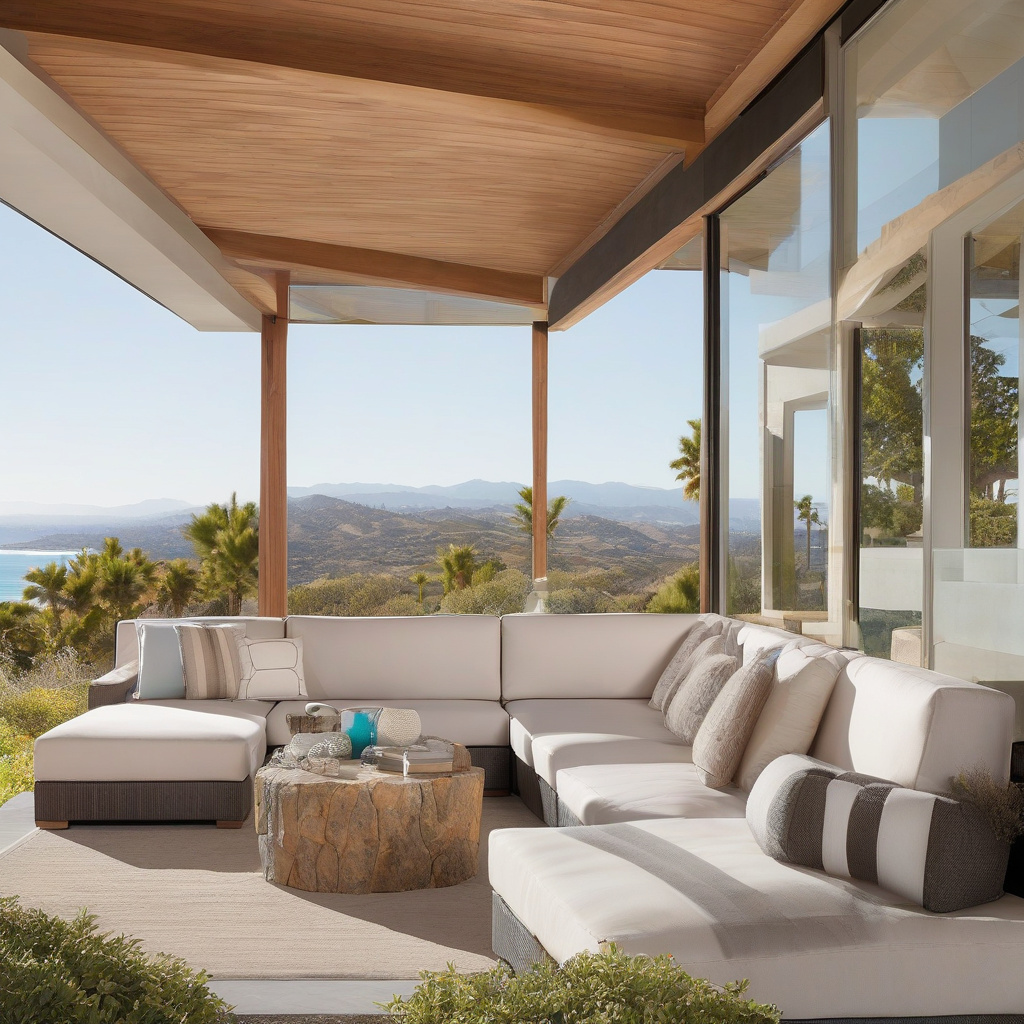
Choosing the right outdoor furniture and fabrics for Los Angeles spaces isn’t just about aesthetics—it’s a dance with the elements. With the glorious backdrop of sunshine, coastal breezes, and the occasional quirky weather twist, finding furnishings that balance style with resilience is pivotal. The mandates? UV-resistant fabrics, corrosion-proof frames, and user-friendly surfaces that stand firm against both the heat and coastal air, all while ensuring comfort remains uncompromised.
Brief summary: Explore the complexities and considerations when selecting outdoor furniture in Los Angeles. Key factors include choosing UV-resistant and rust-proof materials that thrive in coastal climates, while maintaining comfort and style. The article provides practical insights, real homeowner experiences, and expert analysis to help you make informed choices for your LA outdoor oasis.
Navigating the Sunlit Maze of Los Angeles Outdoor Spaces
Picture this: your dream patio under a vivid Californian sun, effortlessly blending into the vibrant tapestry of Los Angeles life. The secret to achieving this dream? It all starts with understanding the unique demands Mother Nature places on outdoor furnishings in this region. Many local homeowners find themselves caught between the allure of plush outdoor comfort and the imperative of durability.
One critical aspect to consider is UV-resistance. The intense sun exposure in LA can be unforgiving, causing fabrics to fade and become brittle. Solutions like Sunbrella fabrics custom-made for these conditions have gained popularity. They offer sunshade without compromising on the feel or look of luxury.
But it’s not just about the fabric. Frame materials must also be scrutinized. Opt for rust-resistant metals like aluminum or stainless steel, which promise longevity in the salty coastal air. Alternatives like teak not only boast a natural resistance to weather conditions but also bring an air of timeless sophistication.
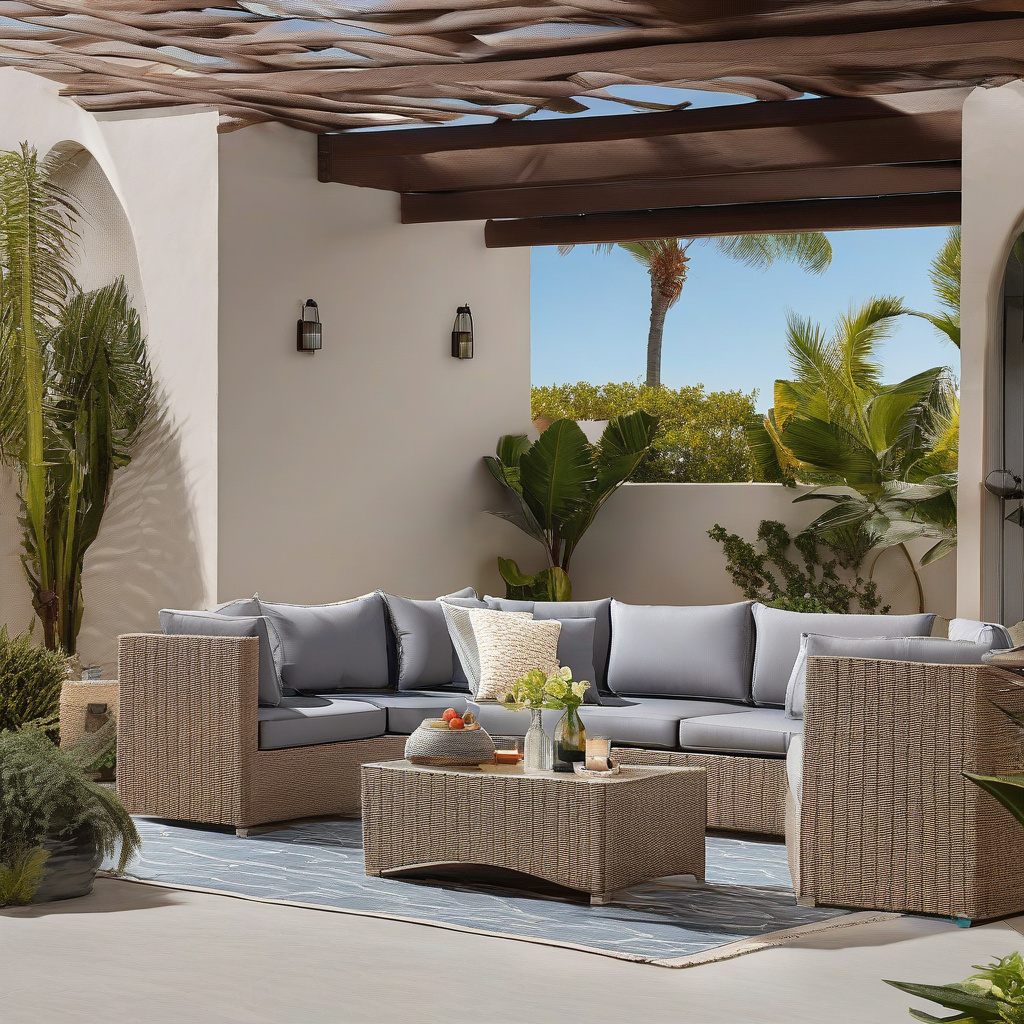
Ultimately, creating an enchanting yet functional outdoor space involves marrying style with practicality. It’s an artful science best approached with both enthusiasm and diligence.
For a deeper dive into creating a patio that embodies this balance, visit our comprehensive patio planning guide.
The Critical Role of Fabric: Elevating Style Meets Function
As any seasoned renovator will tell you, fabric choice is paramount when designing an outdoor haven. It’s not merely about the color or pattern—it’s about finding a fabric that can endure the sunny wrath and sporadic rains of Southern California without faltering.
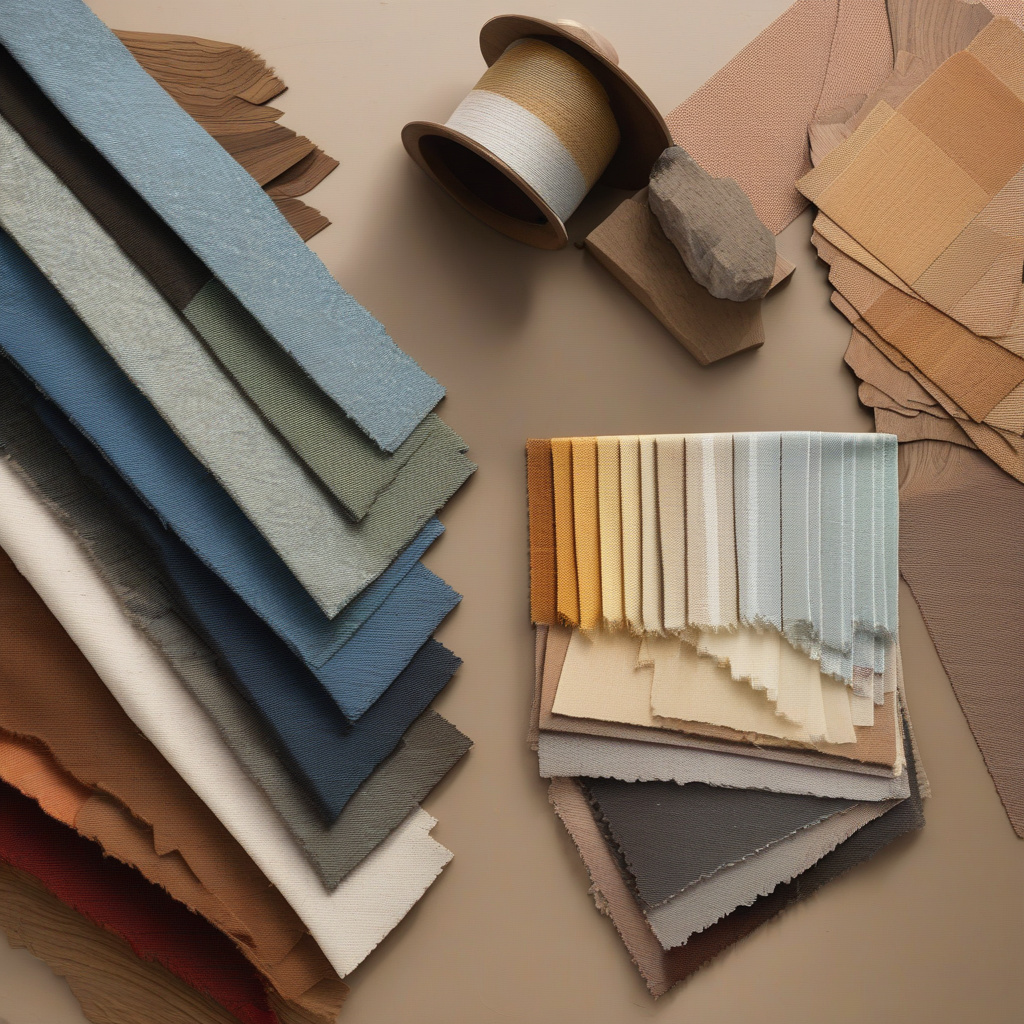
In LA’s varied microclimates, opting for breathable, water-repellent, and UV-resistant fabrics is a necessity rather than a choice. Fabrics like Olefin, known for their durability and weather resistance, have risen in favor. Meanwhile, threading options like solution-dyed acrylics provide the double benefit of brilliant colors that cling stubbornly to their vibrancy under duress.
While fabrics must be resilient, they should also feel inviting. Soft textures that evoke comfort without sacrificing ease of maintenance are critical. As many homeowners testify, cushion covers that zip off for easy cleaning can be a game-changer.
Statistic: According to a 2022 industry report, Sunbrella fabric saw a 25% increase in sales in coastal states like California, indicating a strong preference for UV-resistant solutions.
Indeed, your choice of fabric can elevate an outdoor space from ordinary to extraordinary, ensuring it becomes a sanctuary, not just a statement.
Layouts and Materials: Crafting with Conscious Choices
The strategic placement of furniture can transform any outdoor area, be it a sprawling garden or a cozy balcony. Homeowners often find that an understanding of space utilization can significantly boost comfort and aesthetics.
Gone are those days when oversized pieces occupied disproportionate real estate. Instead, minimalist designs now take center stage, reflecting a shift towards mindful living. Consider, for example, modular seating that adapts to varying guest numbers and occasions without crowding the area.
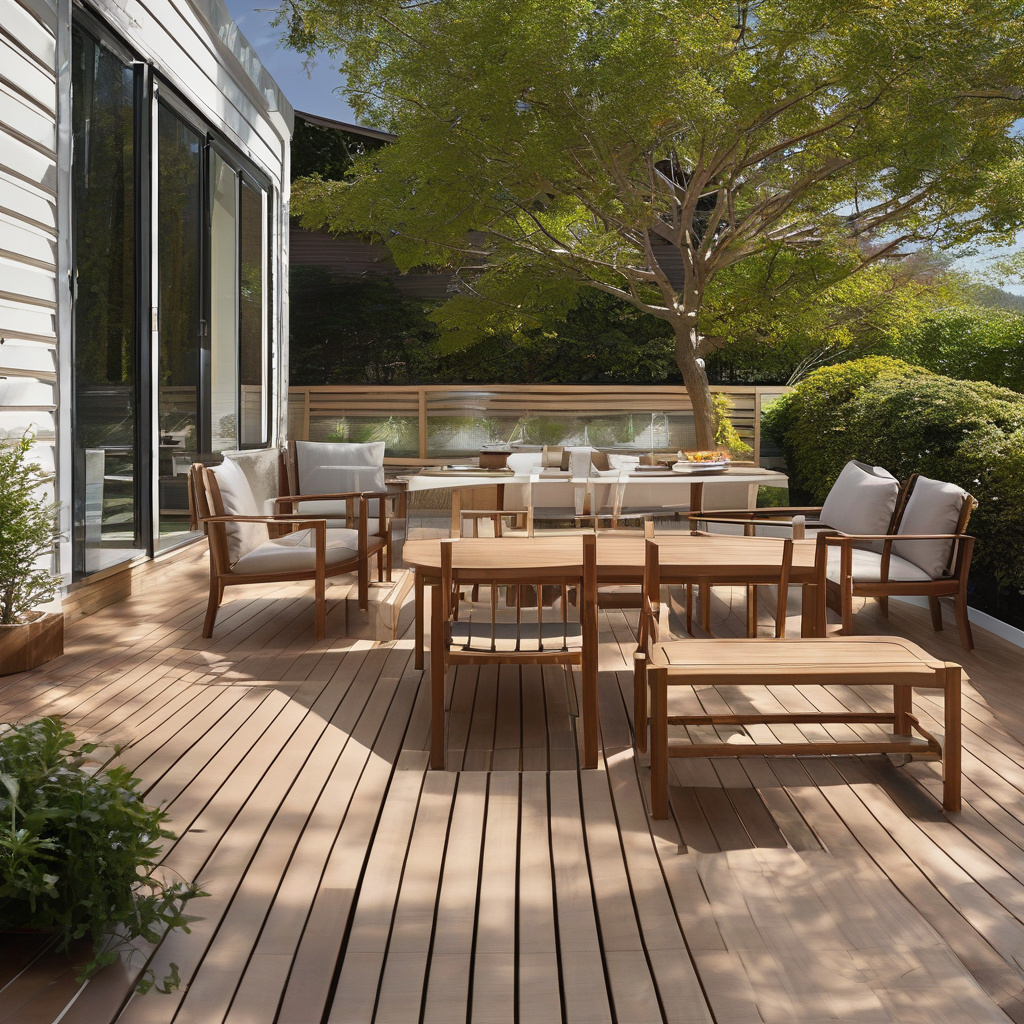
The materials you select are equally decisive. Coastal conditions demand metal pieces that resist corrosion, while wooden elements like Brazilian ipe wood, known for its dense durability and earthy allure, remain perennial favorites.
Crucially, opt for pieces that encapsulate both style and substance but don’t shy away from customized settings that echo personal taste. To understand the trend of minimalist deck designs and how you can incorporate them seamlessly, including practical insights, check out this informative guide.
In summary, careful selection and strategic placement of furniture can maximize the functional enjoyment of your outdoor area while making a sophisticated visual statement.
Cost and Value: Balancing Investments and Returns
With dreams of ideal outdoor retreats often come hefty price tags. The question of cost efficiency looms large as prospective renovators delve into planning an outdoor space. It’s about striking a balance—investing in quality without overextending financially.
Tackling the challenge means understanding the variety of available materials and their intrinsic value. While teak offers unparalleled longevity, alternatives like PE rattan present an affordable option without compromising on aesthetics.
Similarly, examining cost in terms of durability and maintenance is pivotal. Stain-resistant and quick-dry fabrics, for instance, might present higher initial costs but provide savings on upkeep should they stand the test of time against relentless sun exposure and occasional downpours.
Aligning initial cost and long-term value can be challenging but rewarding. Considering your intended timeline for remodelling projects and long-term aesthetic goals can guide you towards smarter decisions.
Industry Insight: Remodeling Magazine estimates that a homeowner can expect to recoup about 70% of their investment in high-quality outdoor furniture if they choose suitable materials and designs.
To better protect your deck and ensure your furniture lasts, consider these protective strategies and best practices.
Homeowner Insights: Real-Life Transformations
Transforming an outdoor space is not merely a change in environment but a pivot in lifestyle. Many LA homeowners find themselves in search of flexibility and functionality that mirror their indoor experiences outdoors.
Consider this tale: a Pacific Palisades couple wanted an outdoor living room that allowed them to bask in sunset views. Their journey involved integrating features that enhanced versatility, like a retractable canopy and a fire pit that doubles as a coffee table, introducing both warmth and distinctive charm.
As outdoors enthusiasts often discover, integrating personal taste with practical elements like built-in heating or themed lighting can add unique character while fulfilling essential needs.
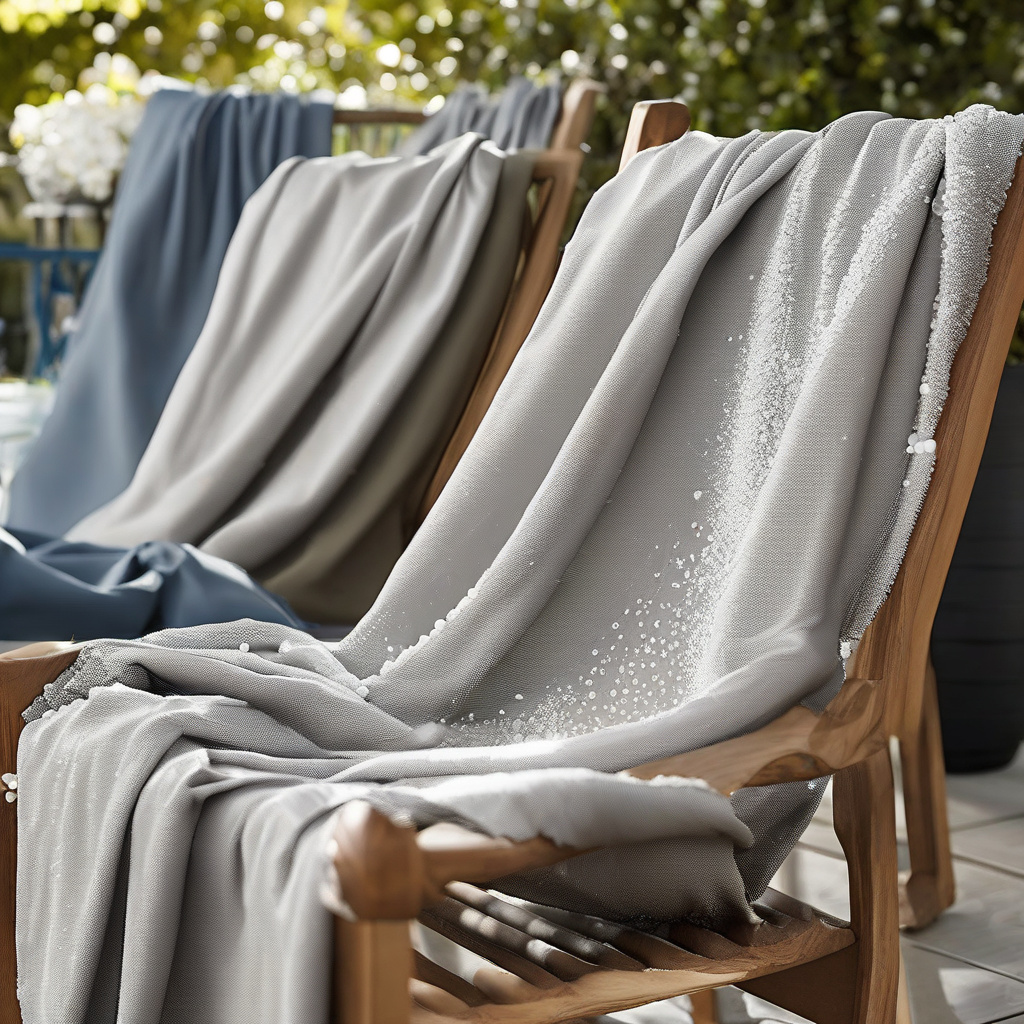
The beauty of these projects is their uniqueness—telling a story that reflects personal journeys and family life, yet capturing the essence of LA’s dynamic and diverse culture.
Design Observation: A study by the National Association of Home Builders found that 87% of homeowners need more outdoor living areas, pushing the trend towards personalized, multifunctional designs.
Ultimately, the best transformations leverage creativity alongside mindful design, resulting in a harmonious and personalized oasis.
Future Trends and Next Steps in Outdoor Design
As we look to the future, what’s next on the horizon for outdoor spaces? The convergence of technology with sustainability is where innovation meets traditional design. Solar lighting and energy-efficient heating solutions continue to redefine the boundaries of outdoor comfort.
Furthermore, sustainability has permeated the choice of materials, with eco-conscious consumers favoring pieces crafted from recycled materials or responsibly-sourced woods—a trend that speaks to an era where environmental responsibility matches design ambition.
The push towards creating functional designs intertwined with modern conveniences like outdoor kitchens marks another significant step. It’s all about transforming outdoor spaces into multifunctional hubs that seamlessly blend relaxation with entertaining possibilities.
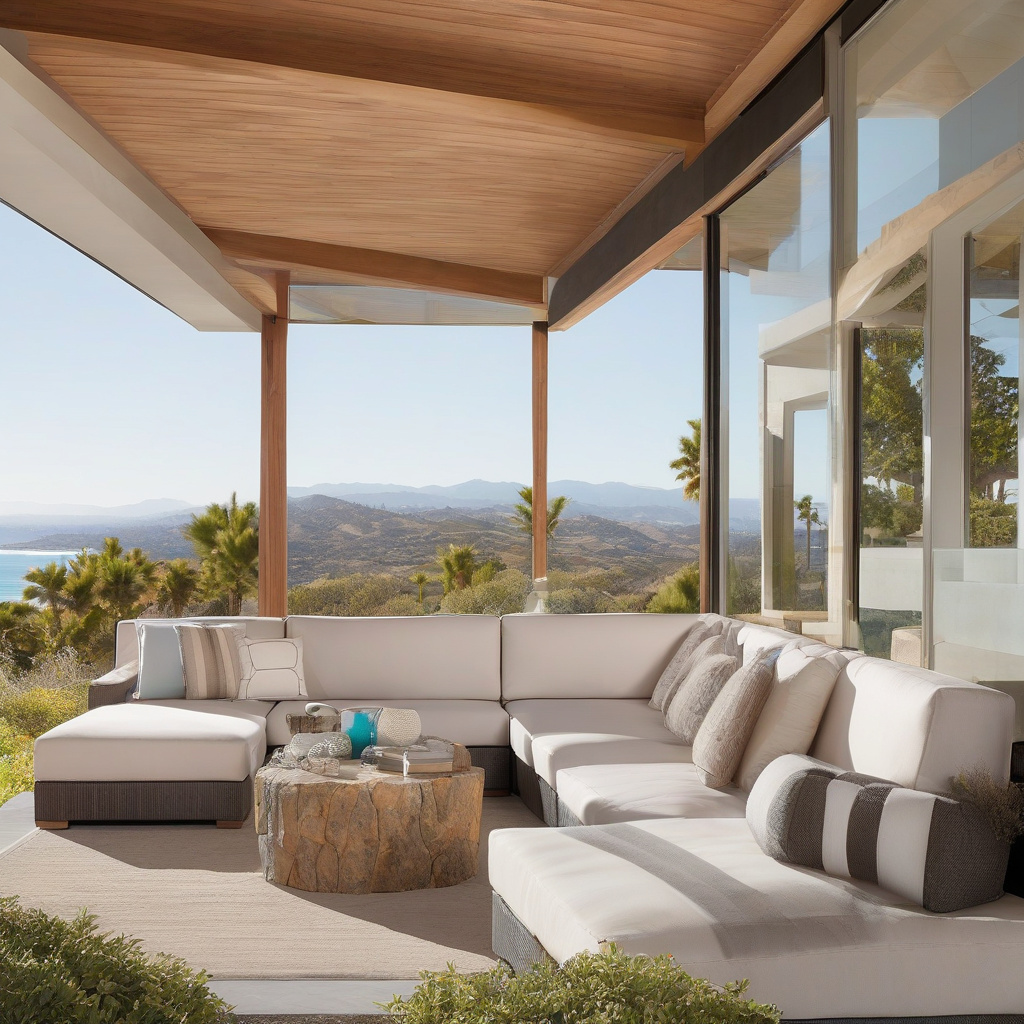
For those ready to embark on the next phase of their outdoor journey, exploring inspired outdoor bar design concepts can be an excellent inspiration, bringing a taste of modern versatility to your space.
In conclusion, the future of outdoor design in LA means embracing the full spectrum from innovation to tradition, ensuring your space is as contemporary as it is comfortable.
- UV-resistant and rust-proof materials are essential for LA’s sunny, coastal climate.
- Thoughtful fabric selection can enhance the durability and aesthetic appeal of outdoor spaces.
- Balancing initial cost with long-term value ensures smart investments in outdoor living areas.
- Real-life transformations highlight the blend of personal taste with practical design.
- Future trends focus on sustainable materials and the integration of modern conveniences.
“`html
FAQ
What are the essential features of outdoor furniture for LA spaces?
In real-life LA renovations, the nuances of the local climate often require specialized outdoor furniture. You’ll want UV-resistant fabrics because the intense sun can quickly fade or weaken materials. Rust-proof frames are crucial given the coastal air, which speeds up corrosion. Easy-clean surfaces are a must due to occasional marine layer moisture and dust, helping to maintain aesthetic appeal without daily scrubbing. As observed when examining typical homes in Southern California, overlooking these elements can lead to increased upkeep and more frequent replacements, costing homeowners significantly more in the long run.
How do you choose the right fabrics for outdoor furniture in coastal areas?
Selecting the right fabrics for coastal zones involves more than just aesthetic appeal. Many homeowners are surprised to learn that fabric durability and its resistance to UV rays, mold, and salty air are critical factors. For example, in many renovation projects, solution-dyed acrylic is a go-to choice because of its ability to retain color while resisting harsh conditions. However, a common mistake is opting for cheaper, untreated polyester, which often leads to mold growth and fabric degradation. A practical tip is to feel the fabric’s texture; if it seems brittle or thin, it likely won’t withstand the local climate well.
When is it advisable to invest in high-quality outdoor furniture?
Investing in high-quality outdoor furniture makes sense immediately if you’re in LA, given the environmental wear factors at play. In real residential settings, low-quality furniture requires frequent replacement due to fading, rust, or damage from coastal air. Many homeowners renovating in the area have found that while initial costs are higher, the longevity and reduced maintenance ultimately offer substantial savings. Opting for quality pieces also enhances enjoyment; imagine lounging on a sturdy, comfortable setup during those lush LA evenings. The key takeaway is long-term value over short-term savings.
What are the typical mistakes when selecting outdoor furniture?
One prevalent mistake homeowners make is prioritizing looks over practicality. In real renovation stories, we’ve seen many choose furniture based solely on design, not realizing the upkeep challenges ahead. Often, lightweight aluminum sets are thought to be easy to move but tend to blow over in strong coastal winds. Another error is neglecting proper measurements—ensuring furniture fits well in the living space is crucial. Blend functionality with aesthetics: choose heavier materials for windy areas and measure twice to avoid crowded spaces or inadequate seating.
Are there financial considerations when choosing outdoor furniture?
Budgeting for outdoor furniture involves balancing initial investment with longevity. In LA, while high-quality options require a steeper upfront cost, they’re less prone to the frequent replacements necessary for cheaper alternatives affected by UV damage and rust. It’s a decision that resonates with savvy renovators who see value in durability. A wise financial strategy observed by many is setting a budget for quality over quantity. Think of it as an investment; spending slightly more at the outset reduces replacement costs and enhances outdoor living enjoyment over many years.
What are the pros and cons of different material choices for outdoor furniture?
When choosing materials for outdoor furniture, aluminum stands out for its rust-resistant properties and lightweight build, but can lack the heft needed for windy areas. Conversely, teak offers excellent durability and a classic look, receiving praise from renovation experts for its longevity under harsh conditions, but is costlier. Plastic is budget-friendly and weather-resistant but lacks the sophistication and might degrade faster under the sun. Observing various home adaptations in practice, blending materials can often yield functionality balanced with style, catering to both budgetary and climatic considerations.
What are some maintenance tips for extending the life of outdoor furniture?
Proper maintenance can greatly extend your outdoor furniture’s life span. Regular cleaning is essential; using mild soap and water prevents dirt buildup. Real-world experiences underscore how protective covers can shield from unpredictable weather. For metal frames, applying a protective coat of car wax adds a shield against corrosion caused by salty air. Homeowners often overlook the importance of storing or covering cushions during extremes of heat or rain. By adopting a systematic maintenance routine observed in homes, you minimize wear, preserving both function and appearance.
How does coastal air influence the choice of outdoor furniture?
Coastal air can be deceptively harsh on outdoor furniture. It accelerates rust; hence, materials like aluminum or stainless steel are favorable due to their resistance. In prior renovation experiences, houses near the coast that opted for non-treated metals faced increased deterioration rates. Similarly, fabrics absorb salt-laden air, leading to quicker wear. Therefore, choosing UV-resistant and treated materials can deeply influence longevity. If you are looking for tailored advice considering your proximity to the coast or specific queries on suitable materials, you might want to reach out to an expert from the California renovation network for personal recommendations.
“`