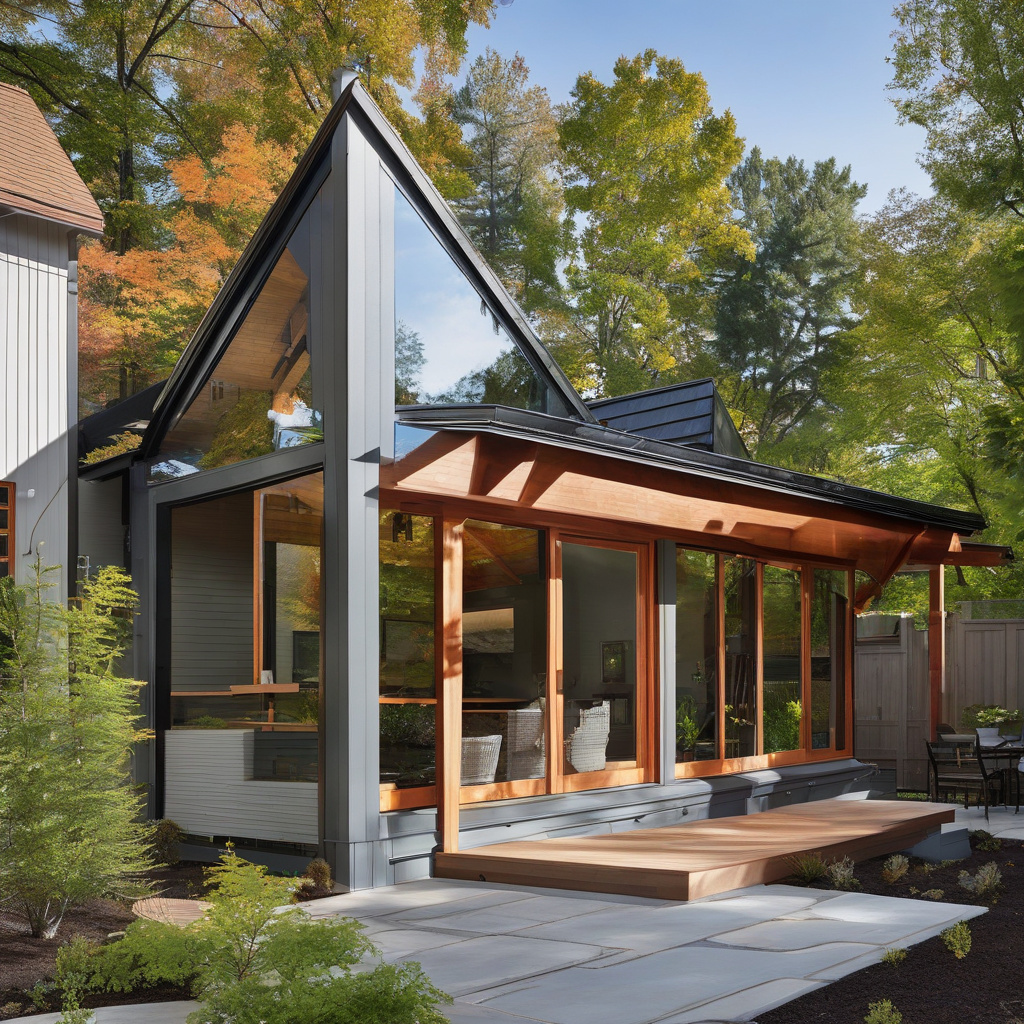
Renovation trends in Los Angeles are anything but static, with homeowners constantly balancing the allure of modern design against the enduring charm of traditional styles. This dynamic has become particularly pronounced in home additions, where new spaces must meld seamlessly with existing structures or deliberately enhance them with sleek modernity. Whether you’re aiming to complement the historical aesthetics of your neighborhood or inject a fresh dose of contemporary chic, understanding these styles’ nuances is crucial to achieving your ideal home transformation.
Brief summary: This article explores the contrasting trends of modern versus traditional design styles when adding new spaces to homes. It discusses how each style influences construction elements, the practicalities homeowners face in Los Angeles, and offers insights from the renovation industry to help navigate these critical choices.
Understanding the Aesthetics
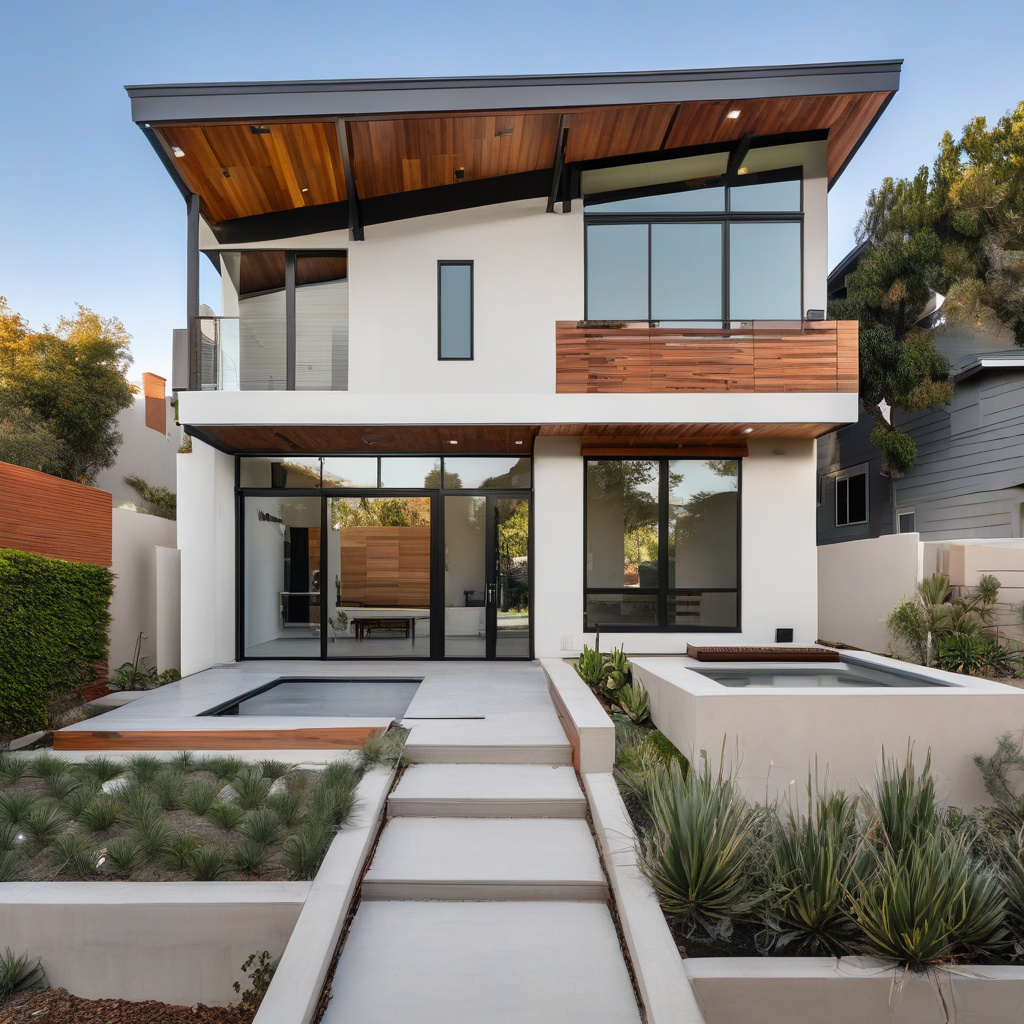
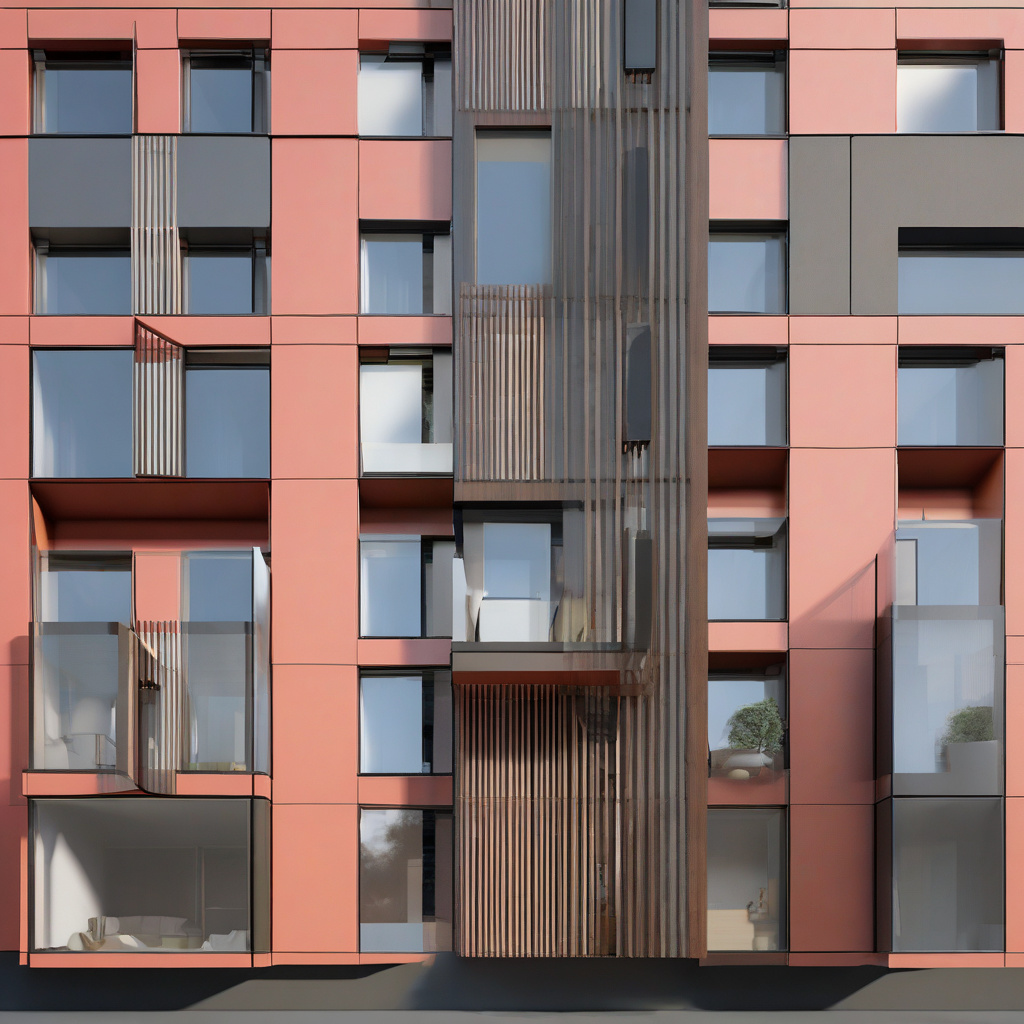
Modern design, with its clean lines and minimalistic approach, offers a breath of fresh air in densely packed Los Angeles neighborhoods. The preference for open spaces and abundant natural light caters to a contemporary urban lifestyle. Meanwhile, traditional design, rich with ornate details and classical symmetry, offers a connection to heritage and history. Both styles advocate for unique aesthetics, and the choice largely hinges on personal preference and the architectural language of existing structures.
Los Angeles, a city steeped in varied architectural styles from Craftsman homes to Mid-Century Modern marvels, provides a fascinating canvas for these design explorations. Homeowners often face the challenge of preserving historical authenticity while integrating modern comforts. As such, the decision between modern and traditional styles often involves careful consideration of a home’s intrinsic character and the architectural statements it aims to make.
Home expansion projects in Southern California reflect the nuanced interplay between these styles, leading homeowners to juxtapose or blend elements as needed. This process sometimes involves compromises — revitalizing traditional interiors with modern fixtures or creating entirely new spaces that spiritually and aesthetically reflect one’s vision.
Thus, understanding how each style influences the broader design and functional decisions becomes imperative. Ultimately, selecting between modern and traditional styles involves evaluating individual desire for creativity against the backdrop of community aesthetics.
In conclusion, the aesthetics chosen should resonate not only with personal taste but also with the broader architectural narrative of each neighborhood.
Planning Your Addition
Embarking on a new home addition requires an understanding of more than just aesthetic preferences. Practical aspects such as planning regulations, budget constraints, and spatial dynamics will heavily influence the final outcome. In Los Angeles, where property lines are often tight, making the most of available space is imperative, and choosing the right style can significantly affect layout decisions.
The modern style typically leans toward a minimalist approach, utilizing open floor plans that reduce barriers and encourage flow. Traditional design, however, often incorporates separate, defined spaces, cherishing each room’s distinctive function. When planning your addition, it’s essential to consider how these layouts will interact with and enhance your existing structure.
Consulting with architects familiar with both styles can pave the way for more informed decisions. As many local homeowners notice, engaging professionals early on can result in smoother project evolution, navigating through permits and structural modifications more seamlessly.
Given the intrinsic challenges of such projects, especially in dense neighborhoods, exploring creative layout strategies is paramount. This can mean balancing both open and intimate spaces, capturing traditional coziness without sacrificing modern fluidity.
Ultimately, thoughtful preparation ensures that any addition, whether modern or traditional, integrates harmoniously with the existing home narrative.
Materials and Costs: What to Expect
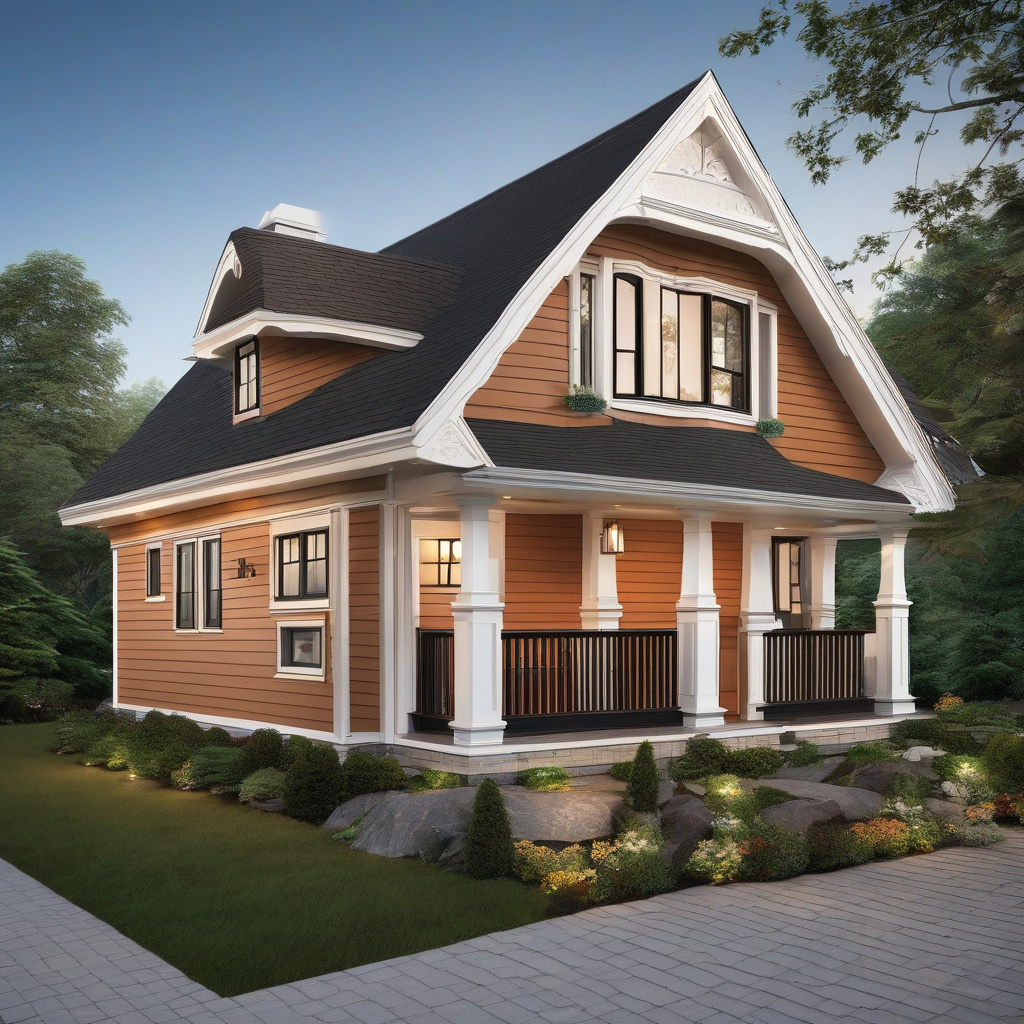
When it comes to the nitty-gritty of materials and costs, modern and traditional styles further delineate their paths. Modern additions often favor materials such as steel, glass, and concrete, prioritizing sustainability and sleek appeal. Traditional additions rely heavily on wood, brick, and antique finishes, offering warmth and timeless allure.
In Los Angeles, these material choices reflect broader environmental and architectural trends. Opting for a modern style might bring marginally higher initial costs associated with cutting-edge materials and techniques, but with potential savings on energy efficiency in the long run. In contrast, traditional styles might bring benefits in resale value due to their more universal appeal.
A look into cost breakdowns provides homeowners with a clearer picture, enabling better planning and funding allocation. It’s worth considering that traditional styles often allow for phased renovations, spreading costs over time, while modern designs might require a more upfront investment.
This decision-making process should also account for labor costs, particularly in a place like Los Angeles where construction expertise varies widely. Local contractors familiar with regional architectural styles can offer vital insight, helping mitigate potential problems or unexpected expenses.
At the end of the day, selecting materials and managing costs efficiently is fundamental to successfully completing any addition project, aligning with personal goals and financial constraints.
Recent studies have shown that modern home improvements can yield a 80% return on investment, particularly when sustainable materials are used in the renovation process.
Comparing Renovation Timelines
In a city known for its yearning to fast-track lifestyle changes, understanding renovation timelines becomes crucial. Modern designs, which rely on prefabricated elements and modular methods, often promise quicker turnarounds. Traditional designs, emphasizing craftsmanship and detailing, can extend project timelines significantly.
Managing these timelines effectively involves significant planning and vendor coordination. It’s not uncommon for homeowners to face delays due to unexpected design complexities or sourcing of specific materials, particularly for traditional styles.
The involvement of experienced professionals can aid in mitigating these potential pitfalls. Los Angeles’s vibrant renovation scene provides ample opportunities for such collaborations, where choosing the right partners plays a decisive role.
The timeline considerations for any project, as observed by industry veterans, are also entwined with budget expectations. Longer timelines might strain finances with continuing living expenses and potential disruption, compelling homeowners to weigh time against monetary outlay.
In essence, deliberate timeline management can prevent avoidable setbacks, ensuring the desired addition dovetails into the existing structure efficiently.
Weighing the Pros and Cons
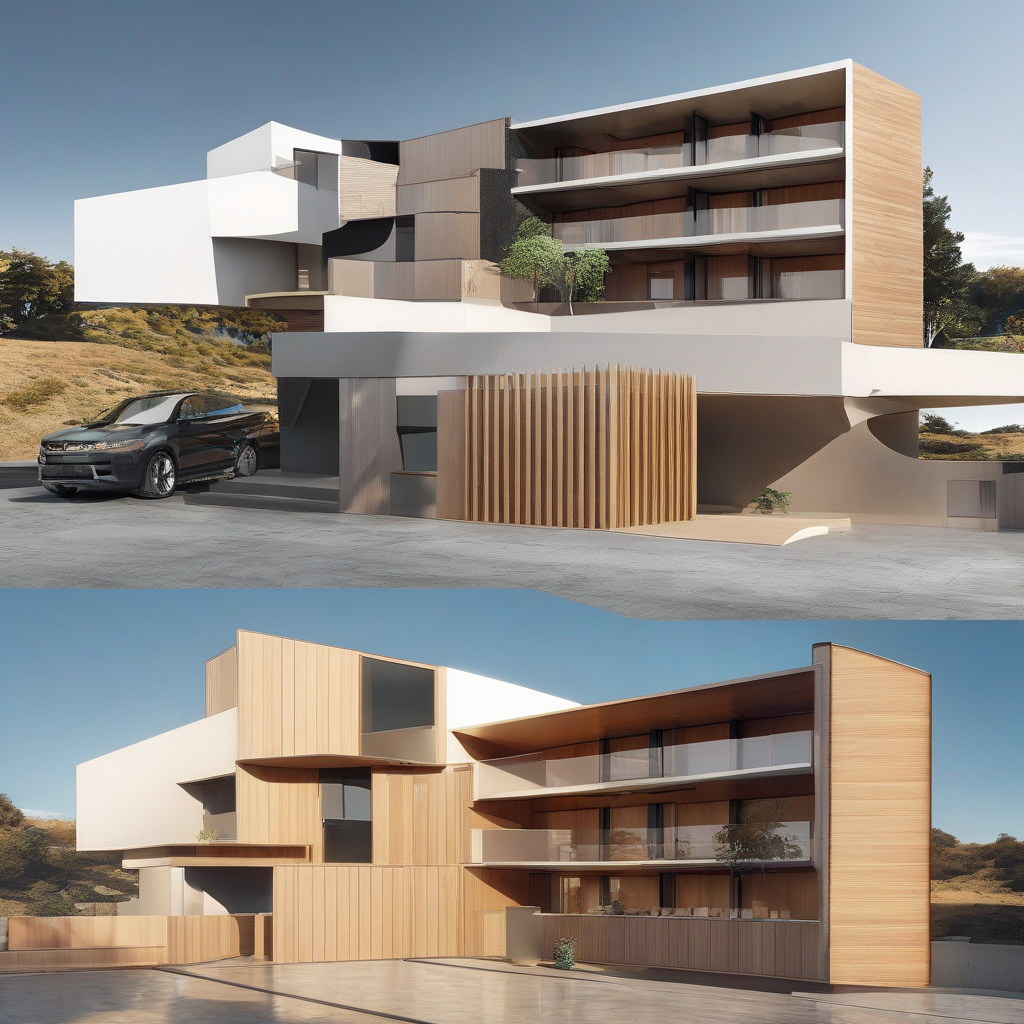
Both modern and traditional styles for home additions come with their own sets of advantages and disadvantages. Modern updates offer streamlined efficiency, improved energy usage, and broad creative potential. On the other hand, traditional design often appeals to nostalgia and cultural continuity; it reinforces historical context and often blends more readily with existing structures.
For those caught in the debate, key considerations should include lifestyle preferences, family needs, and the projected future of the property. It’s helpful to consider specific design elements that can improve day-to-day functionality, from modern laundry conveniences to practical storage solutions.
Ultimately, the decision revolves around the specific goals the homeowner hopes to achieve with the addition, considering both immediate effects and future impacts on property value.
These choices underscore the balancing act between personal expression and practicality, ensuring the new space not only meets immediate needs but resonates well into the future.
Future-Proofing Your Home
Creating a home addition with an eye towards the future requires consideration beyond immediate aesthetic satisfaction. The choice between modern and traditional styles rests not only in personal preference but in the long-term adaptability and functionality of the home.
As technology integrates increasingly into daily life, modern design may offer more straightforward pathways for smart home systems and sustainability measures. Yet, traditional homes can also embrace these advancements without sacrificing their cultural essence.
Decisions should ideally focus on longevity, ensuring that the addition remains a valuable aspect of the home regardless of evolving trends. This can include flexible layouts, sustainable material use, and design elements that adapt easily to new necessities.
Preserving the balance between maintaining a home’s character and integrating future needs requires vision and meticulous planning. Homeowners armed with comprehensive design insights can rest assured that their investments will weather time’s relentless march.
In summary, the true value of an addition lies in its ability to harmonize present desires with forthcoming developments, cementing the home’s legacy in both personal memory and market viability.
Final Thoughts
Both modern and traditional design styles offer profound pathways for enhancing home additions. They cater to distinct needs and desires, each reflecting particular lifestyles and anticipations for the future. Whichever path one chooses, the essence of a successful renovation lies in its ability to enrich daily life while celebrating the home’s unique narrative within the thriving Los Angeles landscape.
Ultimately, whether opting for a bold, modern aesthetic or a charming, traditional appeal, the key is to create a space that resonates personally while fulfilling practical needs.
In the evolving narrative of L.A.’s architectural tapestry, these home additions stand not just as physical spaces but as enduring stories of personal aspirations and cultural homage.
In embracing both the past and the future, homeowners confirm that adding to their homes is less about what is built and more about what each space will continue to inspire and nurture through the years ahead.
According to expert architects in Southern California, a thoughtfully designed addition can significantly boost a home’s livability and resale value by up to 25%.
- Consideration of style should harmonize personal taste with neighborhood aesthetics.
- Early engagement with architects is crucial for informed design planning.
- Budgeting for material and labor costs benefits from strategic foresight.
- Timelines should be managed judiciously to prevent project delays.
- Future-proofing your home ensures long-term value and adaptability.
“`html
FAQ
What are the key differences between modern and traditional design styles for home additions?
Modern design is characterized by its minimalistic approach, featuring clean lines and a simple form, while traditional design often emphasizes intricate details, ornate trims, and more complex shapes. In many real renovations, modern designs might employ materials like steel and glass, creating a sleek, open feel, whereas traditional styles might focus on wood and stone, providing a warm and cozy atmosphere. Homeowners need to consider how these elements align with the existing structure to ensure a cohesive look.
How do I choose between a modern or traditional style for my home addition?
Choosing between modern and traditional styles often depends on personal preference, the existing architecture of your home, and neighborhood norms. In practice, it’s vital to walk through your home and visualize how each style can harmonize with the existing rooms. A modern update may suit newer buildings with contemporary systems, adding value through a sleek transformation. However, if your home’s charm lies in its historical design, maintaining a traditional style can enhance its character and appeal. For specific guidance tailored to Californian homes, consider reaching out to local experts who understand the nuances of both styles [here](https://californiarenovation.top/contact/).
When is a modern addition style more appropriate than a traditional one?
A modern addition is ideal when seeking energy efficiency, as many contemporary designs integrate sustainable materials and technologies. This is especially true for those living in heavily urbanized areas or neighborhoods already exhibiting modern aesthetics. In real-world scenarios, many homeowners of new builds appreciate the seamless transition and increase in property value that a modern addition provides. It pays to assess how a modern design can revitalize an older structure, potentially transforming it into a standout statement that still feels welcoming and practical.
What are the common mistakes homeowners make when choosing a design style for an addition?
Homeowners often overlook the importance of consistency between their home’s existing elements and the planned addition. For example, pairing a modern, minimalistic addition with a highly traditional interior might result in a disjointed flow, reducing property appeal. Additionally, many underestimate the impact of landscape design on the overall aesthetic. A practical tip is to include both interior and exterior harmony in the plan, ensuring the addition complements the whole property rather than starkly contrasting it.
What cost considerations should I keep in mind for modern vs traditional home additions?
Costs can vary significantly between modern and traditional designs. Modern additions might initially seem costlier due to advanced materials like large sliding glass doors or technology integrations, but their energy efficiency can offer long-term savings. Traditional additions often involve labor-intensive detail work, which can increase immediate costs. To balance the budget, homeowners should prioritize core features that elevate both style and function while considering potential future savings from energy-efficient designs or historically accurate restorations.
What are the pros and cons of modern vs traditional design styles for home additions?
Modern additions offer clean lines and a fresh appearance, often enhancing energy efficiency and appealing to buyers seeking contemporary environments. However, they can feel cold or clinical if not integrated carefully with warm elements. Traditional designs present timeless elegance and warmth, potentially increasing the home’s charm but could hinder resale if the market leans towards modern aesthetics. Recognizing the balance between personal taste, the current market, and the home’s existing style can guide a successful decision.
Are there specific maintenance requirements unique to modern or traditional home additions?
Modern additions often utilize materials like metal and glass that may require specialized cleaning or treatments to maintain their appearance and functionality. In contrast, traditional additions might demand upkeep of wooden trims and paintwork to prevent wear. Each style requires distinct attention; homeowners must assess these needs early to avoid unexpected maintenance issues. Routine inspection and timely interventions can preserve the addition’s aesthetic and structural integrity over time.
Can modern and traditional styles be combined in a single home addition?
Yes, merging modern and traditional styles can create a unique, personalized ambiance when executed thoughtfully. This often involves using traditional forms or elements, like crown molding, within a modern framework featuring clean lines and open spaces. For instance, integrating a rustic stone fireplace within a predominantly minimalist room can blend both styles, offering comfort with sophistication. In practice, achieving this balance requires a well-considered design plan to ensure cohesion, highlighting the importance of professional input to achieve the desired outcome.
“`