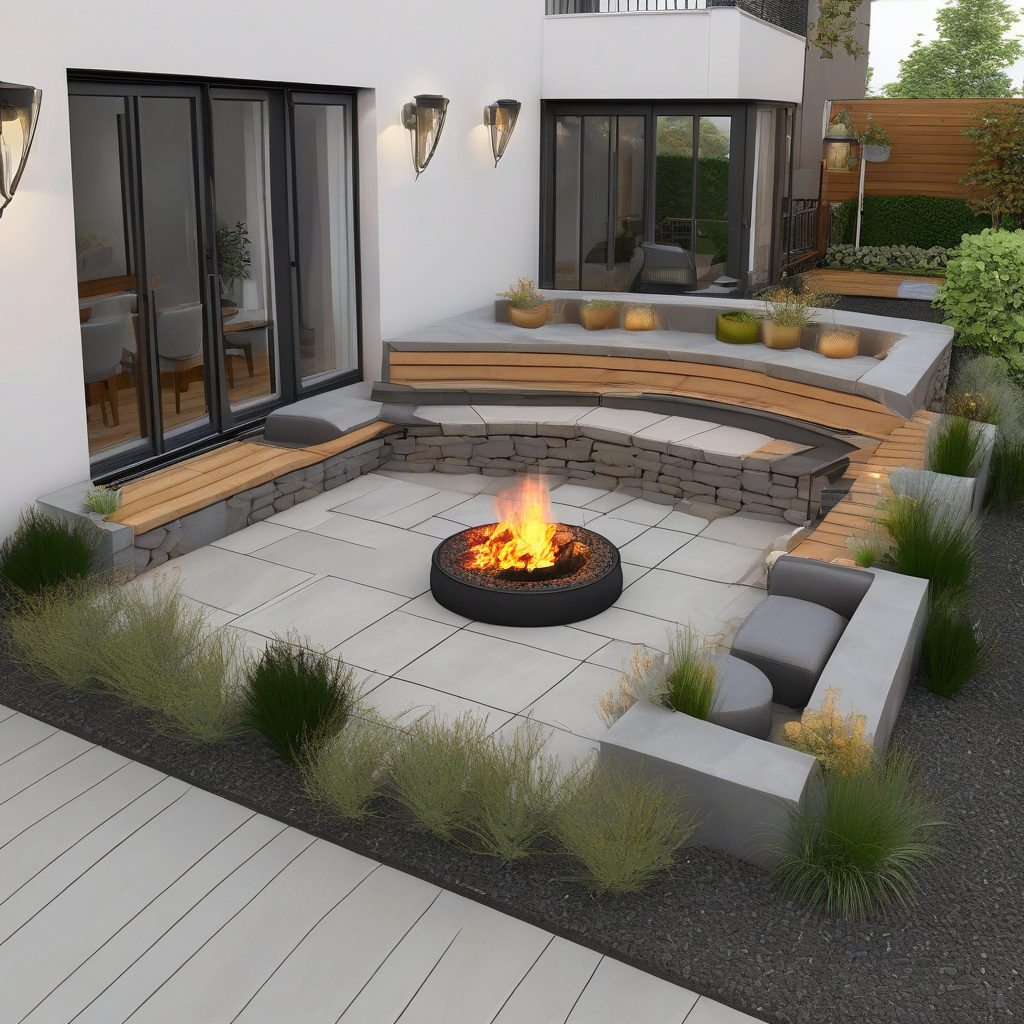
As the sun dips below the Los Angeles skyline, there’s nothing quite like gathering around a fire pit on a cozy patio to savor the evening warmth. For many Southern California homeowners, the challenge lies in seamlessly integrating a fire pit into a small patio space without feeling cramped. Utilizing compact designs, innovative seating arrangements, and heat-proof materials, residents can transform their limited outdoor areas into inviting sanctuaries that maximize style and comfort.
Brief summary: Integrating a fire pit into a small patio involves strategic design that balances space, comfort, and aesthetics. By employing compact designs, heat-proof materials, and efficient layout planning, homeowners in Southern California can transform limited outdoor spaces into cozy, stylish retreats.
Sizing Up the Challenge
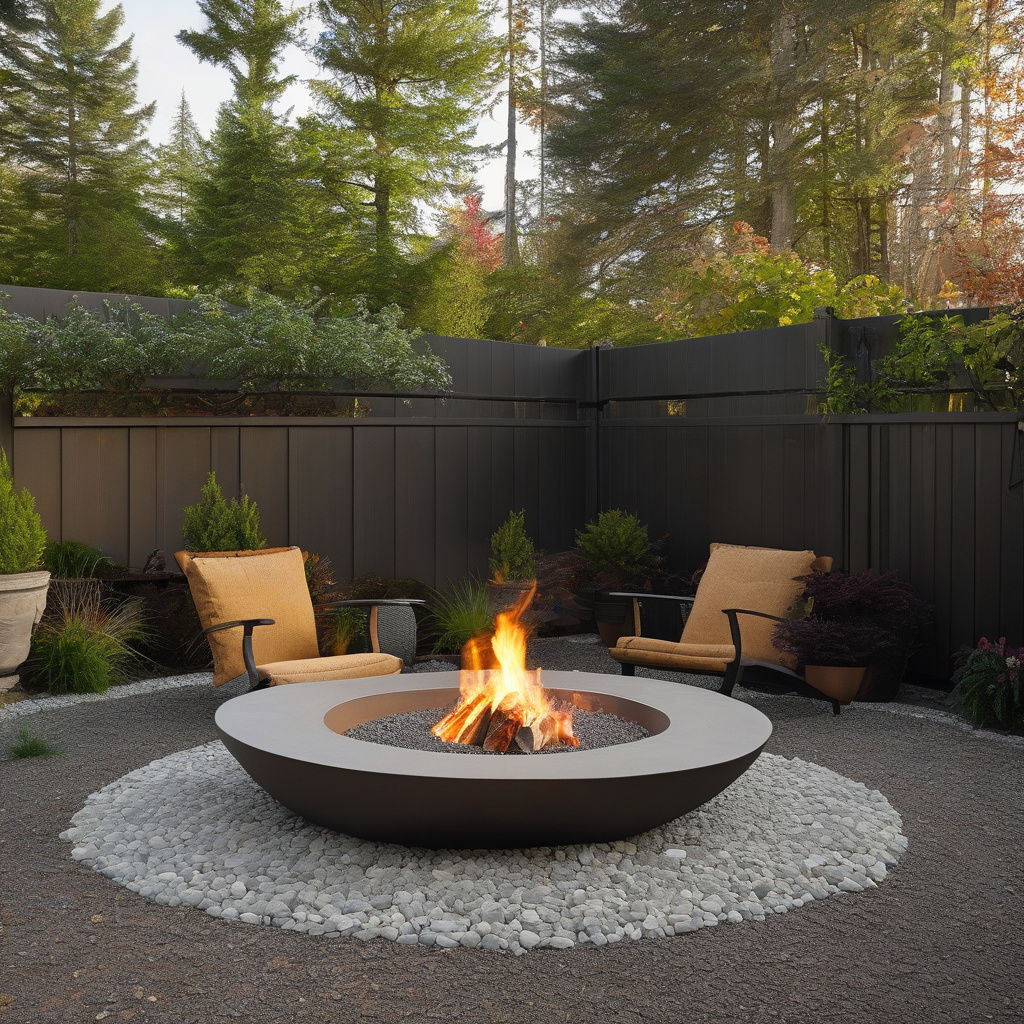
When considering a fire pit for a small patio, size matters significantly. Many homeowners in LA have had to reconcile their desire for an outdoor fire feature with the practical constraints of space. In compact environments, every square foot should serve a purpose. Opting for a smaller fire pit design allows for an efficient use of space without sacrificing the functionality of the patio.
Most local renovators advocate for circular or square designs that sit neatly in the corner of a patio, leaving room for foot traffic and additional patio features. Investing in a portable fire pit could also provide flexibility, allowing residents to adapt their space based on the season or occasion. The goal is to ensure the fire pit enhances the patio rather than dominating it.
An additional consideration is the type of fuel used. While wood-burning pits have a classic appeal, many LA homeowners opt for gas or bio-ethanol models, known for their cleaner burn and flexibility in design.
Regardless of shape or fuel type, the right fire pit can elevate a small patio by creating a focal point that draws people together. As one local enthusiast noted, “a fire pit is about ambiance just as much as warmth.”
According to the American Society of Landscape Architects, 71% of consumers see fire pits and fireplaces as a top outdoor design element.
Strategic Layout: Finding the Perfect Spot
The placement of a fire pit can make or break its success on a small patio. Practical layout planning is critical to ensure safety and functionality coexist harmoniously. One approach is to position the fire pit on the patio perimeter, which helps define the seating area while maintaining an open central space.
Considerations such as wind direction, proximity to structures, and distance from seating should guide the layout. Homeowners often conduct a safety assessment to ensure optimal fire pit positioning, which is crucial in urban environments where patio spaces are often compacted against city buildings.
For many, an ideal spot might be a corner that connects directly to the home’s interior spaces, facilitating seamless flow between indoors and outdoors. Wall-mounted seating around the pit can help contain warmth while maximizing space efficiency.
By thoughtfully planning the fire pit layout, homeowners can create an engaging outdoor gathering area that feels spacious and inviting. After all, the essence of a fire pit is to foster interaction and comfort.
Setting the Scene: Lighting and Ambiance
Lighting plays a pivotal role in setting the mood and making a small patio more welcoming. String lights, lanterns, or even solar-powered stakes around the fire pit can heighten visual interest and ambiance. A well-lit patio also enhances safety, particularly for steps or uneven surfaces.
Material Considerations: Safety and Style
Material selection can significantly impact both the safety and aesthetic appeal of a fire pit installation. Durable, heat-resistant materials not only ensure safety but also complement the visual narrative of the patio.
In Southern California, where fires pose a constant threat, choosing fire-proof buffers like concrete, stone, or tempered glass is essential. These materials create barriers that protect other patio elements from heat damage.
Many homeowners aim for materials that blend seamlessly with existing patio designs, whether modern, rustic, or somewhere in between. Indeed, style doesn’t have to take a backseat to safety.
National Fire Protection Association states, “The material used should withstand high temperatures and resist fire spread.”
Beyond aesthetics, investing in suitable safety railings can enhance the security of fire pits, particularly in households with children. With the right materials, a patio can be aesthetically pleasing and secure.
The right choice of materials sets the foundation for a fire pit that both dazzles and protects, ensuring the patio remains a cherished centerpiece with minimal maintenance.
A Cost Comparison: Budgeting Your Patio Upgrade
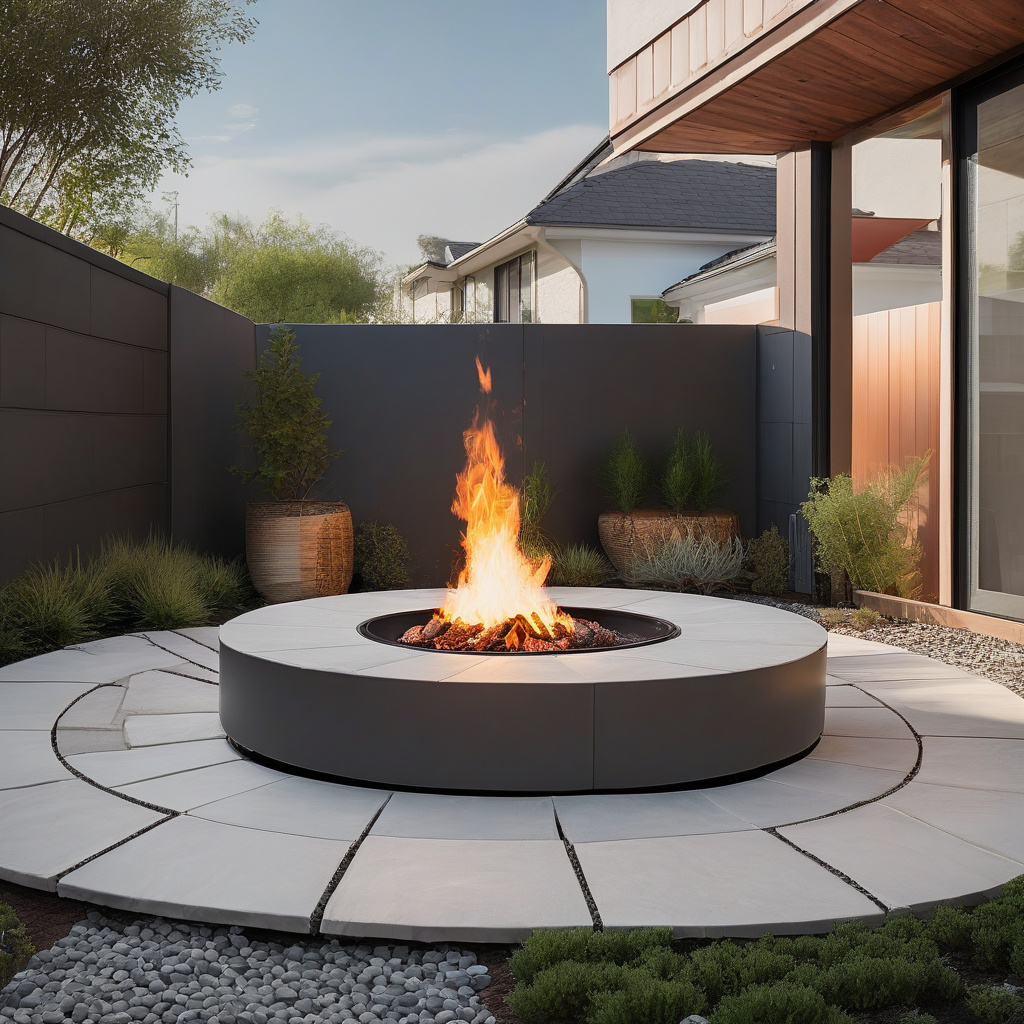
Piloting a fire pit project inevitably raises questions about costs. In Los Angeles, the cost of a fire pit ranges from modest DIY projects to elaborate custom-built setups depending on materials, complexity, and labor involved.
Residents often weigh whether to pursue professional installation or to tackle the job themselves. While DIY approaches can reduce initial expenditures, they often come at the expense of time and potential errors.
| Installation Type | Average Cost | Pros | Cons |
|---|---|---|---|
| DIY | $100 – $500 | Cost-effective, customizable | Time-consuming, potential for DIY errors |
| Professional | $1,500 – $5,000 | Expert finish, efficient | Higher cost, limited personalization |
As many homeowners have found, weighing the advantages of professional expertise against DIY craftsmanship helps in making a decision that aligns with budgetary constraints and personal preferences.
Seating Arrangements: Maximizing Comfort
A fire pit is only as enjoyable as the seating that surrounds it. Fortunately, there are multiple ways to create comfortable seating in small spaces, making the fire pit an enticing gathering point. Flexible seating solutions like benches, ottomans, and modular chairs provide comfort and adaptability to evolving needs.
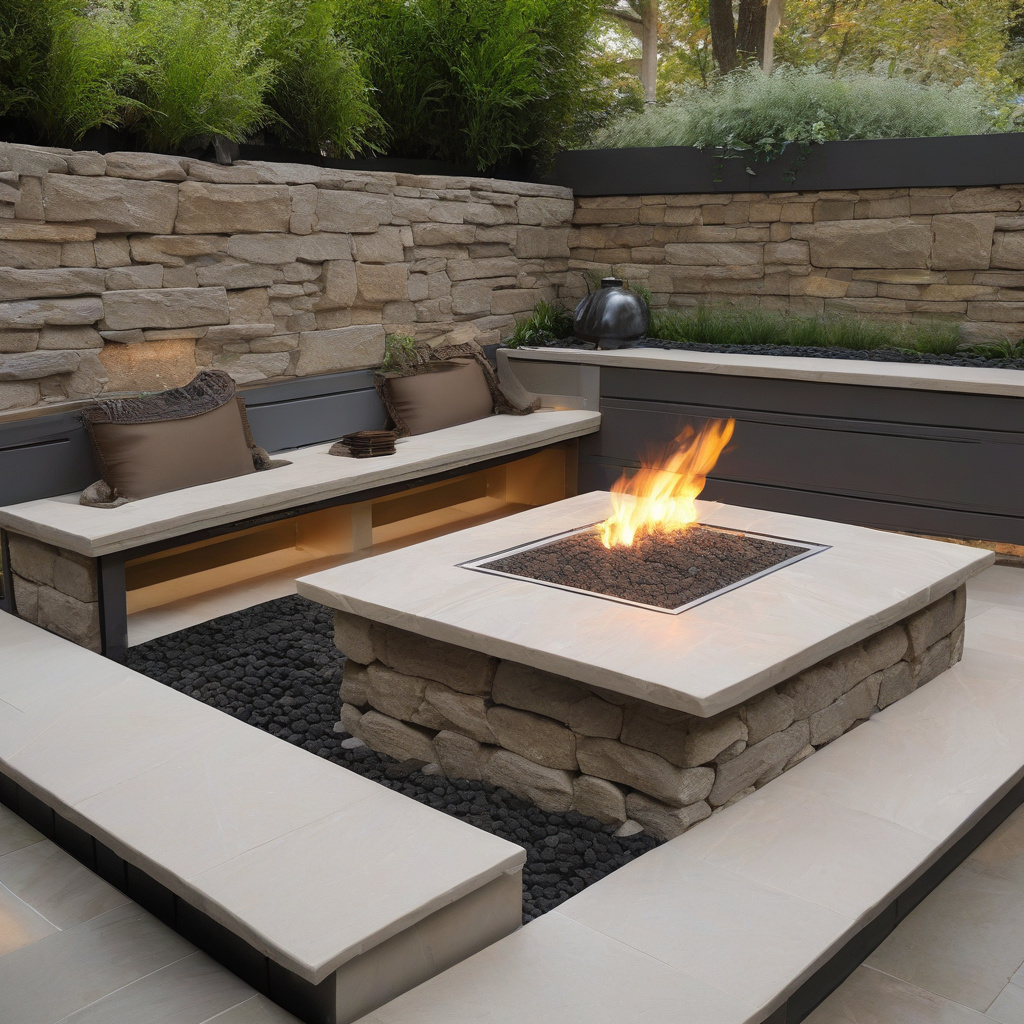
Integrated seating options, such as built-in benches, elegantly combine utility with style, freeing up floor space while allowing for plush padding or decorative pillows. These installations simultaneously serve functional and aesthetic purposes, increasing the patio’s allure.
Moreover, movable furniture pieces that can be stored or rearranged offer practical solutions for Californian weather, where weather patterns can be sporadic. As a local design consultant suggests, “Versatility in seating arrangements can redefine how space is perceived and enjoyed.”
Architectural Digest notes, “Smart seating layouts can expand usable space on small or irregularly shaped patios.”
Ultimately, strategic seating arrangements ensure that a fire pit is not just a feature but the heart of the patio, inviting warm conversations and relaxed evenings.
Future-Proofing Your Patio Investment
In the world of home renovations, planning extends beyond the current project. For Los Angeles residents, a fire pit can be an investment in the home’s future value and enjoyment. As such, incorporating resilient designs and considering potential enhancements is crucial.
Thoughtful adjustments like planning your outdoor power needs can accommodate future technologies and conveniences, from lighting control to integrated audio systems. This foresight not only enhances the fire pit’s practicality but also future-proofs the patio against evolving trends.
Maintenance is another critical aspect to plan for, ensuring that seasonal upkeep is straightforward and economical. Where applicable, establishing routine checks or employing weather-resistant materials can significantly reduce long-term costs.
Future-proofing involves blending the functional and the aesthetic while anticipating future desires and activities. A well-planned patio fire pit thus becomes a dynamic space open to growth and innovation, supporting a wide array of social and family experiences.
With thoughtful planning and execution, homeowners not only enjoy their installations now but also increase their property’s resilience and adaptable potential for years to come.
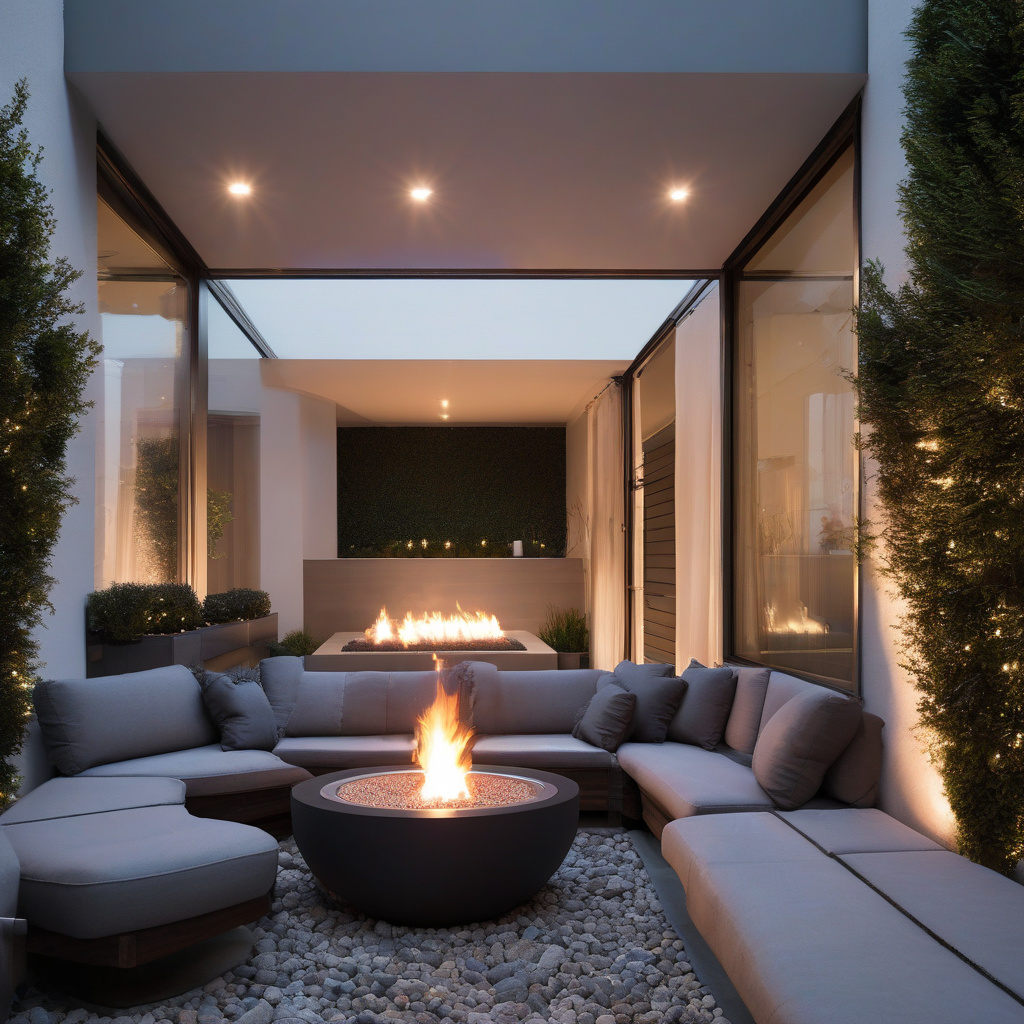
- Careful planning allows even small patios to feature fire pits without feeling cramped.
- Safety must be a priority, particularly in compact, urban environments.
- Material and fuel choices significantly influence both safety and aesthetics.
- Smart seating arrangements enhance comfort while utilizing limited space efficiently.
- Future-proofing considerations ensure the patio remains an evolving and valuable asset.
FAQ
What are the key considerations for integrating a fire-pit into a small patio?
In real renovation projects, it often becomes clear that striking the right balance between aesthetics and functionality is crucial. A compact footprint is a necessity, which means opting for a smaller fire-pit model that doesn’t dominate the space. Heat-proof buffers like special tiles or mats improve safety by preventing heat damage to patio surfaces, a detail homeowners frequently overlook. Smart seating arrangement also plays a pivotal role—arranging chairs or benches at optimal distances ensures comfort without making the space feel cramped, helping maintain an inviting atmosphere without forfeiting safety or style.
How can I choose the right fire-pit for a small patio?
Choosing the right fire-pit for a small patio involves assessing both the space’s dimensions and your usage expectations. Many experts point out that opting for a propane or natural gas fire-pit can be beneficial since they tend to require less clearance than wood-burning options. Truly competitive models offer provisions like a removable lid, which can convert the pit into a table when not in use—a key feature for maximizing utility. Moreover, a sleek, modern design can seamlessly blend with minimalist patio furnishings, thereby enhancing rather than overwhelming the available space.
When does it make sense to integrate a fire-pit into a small patio?
Integrating a fire-pit into a small patio can be an excellent choice when you frequently entertain guests or enjoy outdoor living year-round, especially in mild climates like California’s. The warmth and ambiance a fire-pit provides can extend usability of the outdoor space into cooler nights, thereby increasing your home’s functional square footage. Renovators often observe that adding a fire-pit can quickly become a focal point, encouraging spontaneous gatherings and making small patios much more charming. However, if space is restricted to a point where safety could be compromised, it may be wise to reconsider the addition.
What are common mistakes to avoid when installing a fire-pit in a small patio?
One prevalent oversight homeowners often commit is neglecting local regulations governing fire-pit installations. It’s vital to ensure compliance with any set back or height restrictions to avoid legal hassles. Many also underestimate the necessity of heat-proof materials, which can lead to costly repairs if patio surfaces become damaged. Additionally, inadequate planning regarding seating can lead to cramped spaces that detract rather than add value to the patio. Proper seating arrangements are key—consider using built-in benches to save space and create a streamlined look. If you’re uncertain about regulations, speaking with local experts can be invaluable—visit this trusted link for guidance on compliance.
What are the cost considerations when adding a fire-pit to a small patio?
Cost considerations can vary considerably. A basic propane or natural gas fire-pit designed for small spaces may start in the low hundreds, but custom-built models can rise into the thousands, especially when materials like stone or metal are used. Many homeowners often forget to account for the cost of additional elements like heat-proof mats and seating. Local labor rates can also influence overall spending, making it wise to acquire multiple quotes before proceeding with installation. While upfront costs might seem daunting, the long-term enjoyment and potential increase in home value often justify the investment.
What are the pros and cons of having a fire-pit on a small patio?
The advantages of adding a fire-pit include extended usability of your patio and enhanced ambiance, which many find inviting for social gatherings. It can transform a modest outdoor area into a cozy retreat. However, one must consider potential downsides like limited space for other patio furniture or amenities. Furthermore, there’s a recurring theme among homeowners: the required maintenance and fuel costs can add up, which is something to weigh before committing to such an installation. On balance, it often comes down to personal preference and how much value you place on outdoor living.
What maintenance is necessary for a fire-pit on a small patio?
Regular maintenance is crucial to keep a fire-pit operating safely and efficiently. For gas models, routine checks of gas lines and connections are essential to prevent leaks. Homeowners often learn the hard way that debris accumulation can cause performance issues, so regular cleaning of both the pit and any surrounding heat-proof surfaces is recommended. When utilizing a wood-burning fire-pit, ash removal should be an ongoing task to avoid buildup and potential damage. Always follow manufacturer instructions for care, and consider seasonal maintenance as part of your routine.
Can integrating a fire-pit increase the value of my home?
Indeed, integrating a fire-pit into your patio can add appeal to potential buyers, thereby boosting property value. In the context of California homes, where outdoor living space is a prized asset, a well-designed patio with a fire-pit can differentiate a property by offering a versatile and enjoyable outdoor feature. However, it’s important to ensure that the design is cohesive with the home’s existing features—misalignment in style can alienate rather than attract potential buyers. Thus, professional input can be beneficial, allowing you to capitalize on this investment.