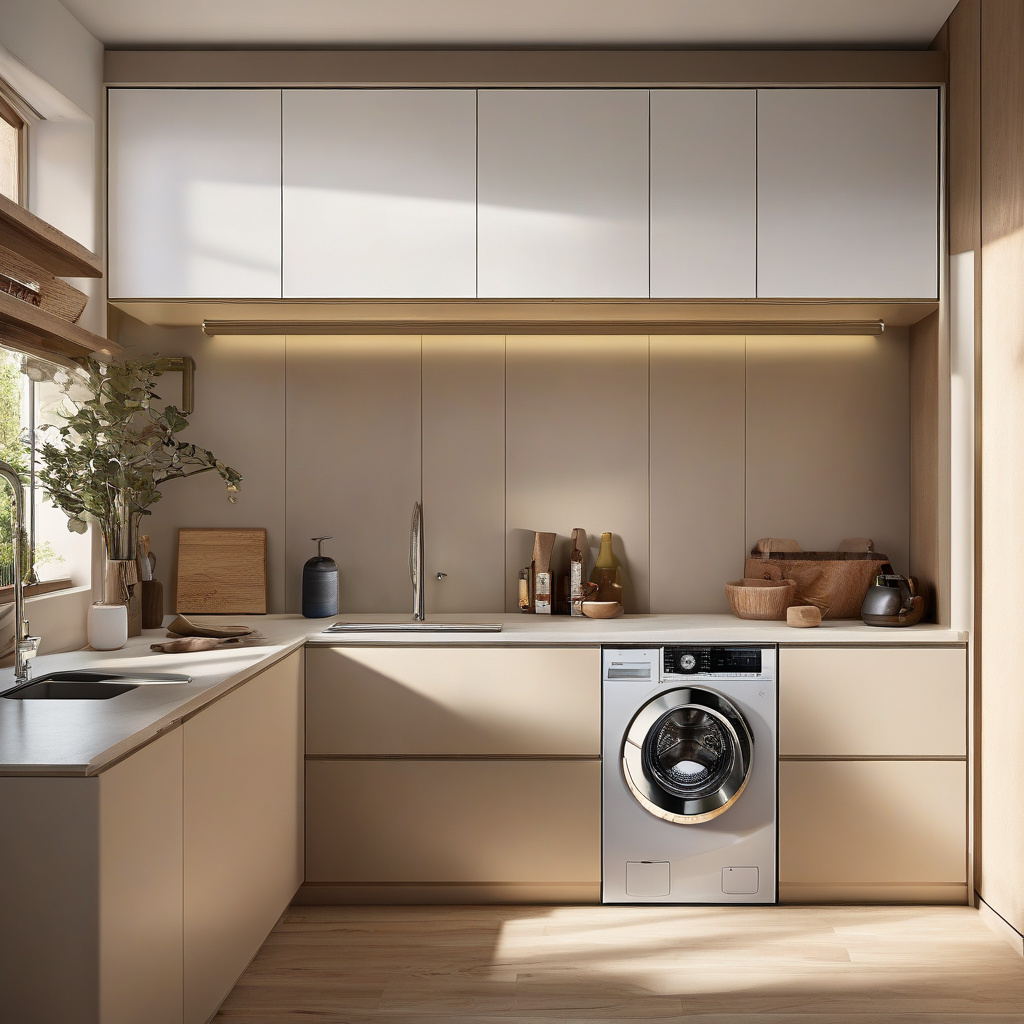
Expanding your property in sunny Southern California by adding an Additional Dwelling Unit (ADU) is a popular move among homeowners seeking to maximize utility and enhance property value. Integrating a laundry into your ADU might seem straightforward, yet it involves a delicate balance of design and function. Efficient use of limited space, compact yet effective appliance choices, and smart plumbing solutions all play crucial roles in ensuring your ADU enhances your lifestyle without cramping your comfort.
Brief summary: Discover how to seamlessly incorporate a laundry area into your ADU by optimizing space, choosing efficient appliances, and implementing smart plumbing solutions. Benefit from expert tips on compact appliance selection, strategic venting, and effective layouts suitable for Los Angeles homes.
Understanding the Importance of Compact Design
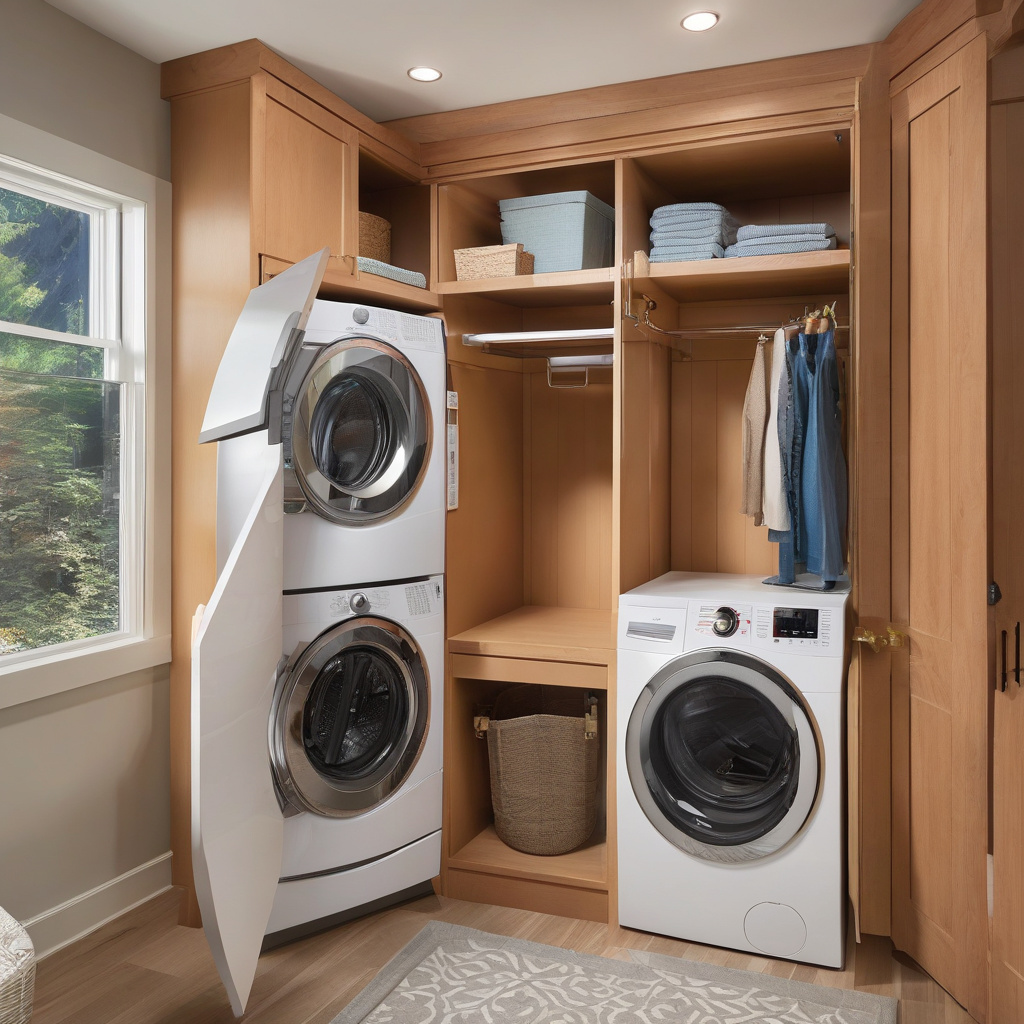
In a bustling city like Los Angeles, where every square foot is a premium, embracing compact design is not just a trend but a necessity. An ADU should enhance the existing property while remaining efficient and unobtrusive. Incorporating a laundry, thus, requires a shrewd selection of compact appliances that maximize functionality without sacrificing comfort.
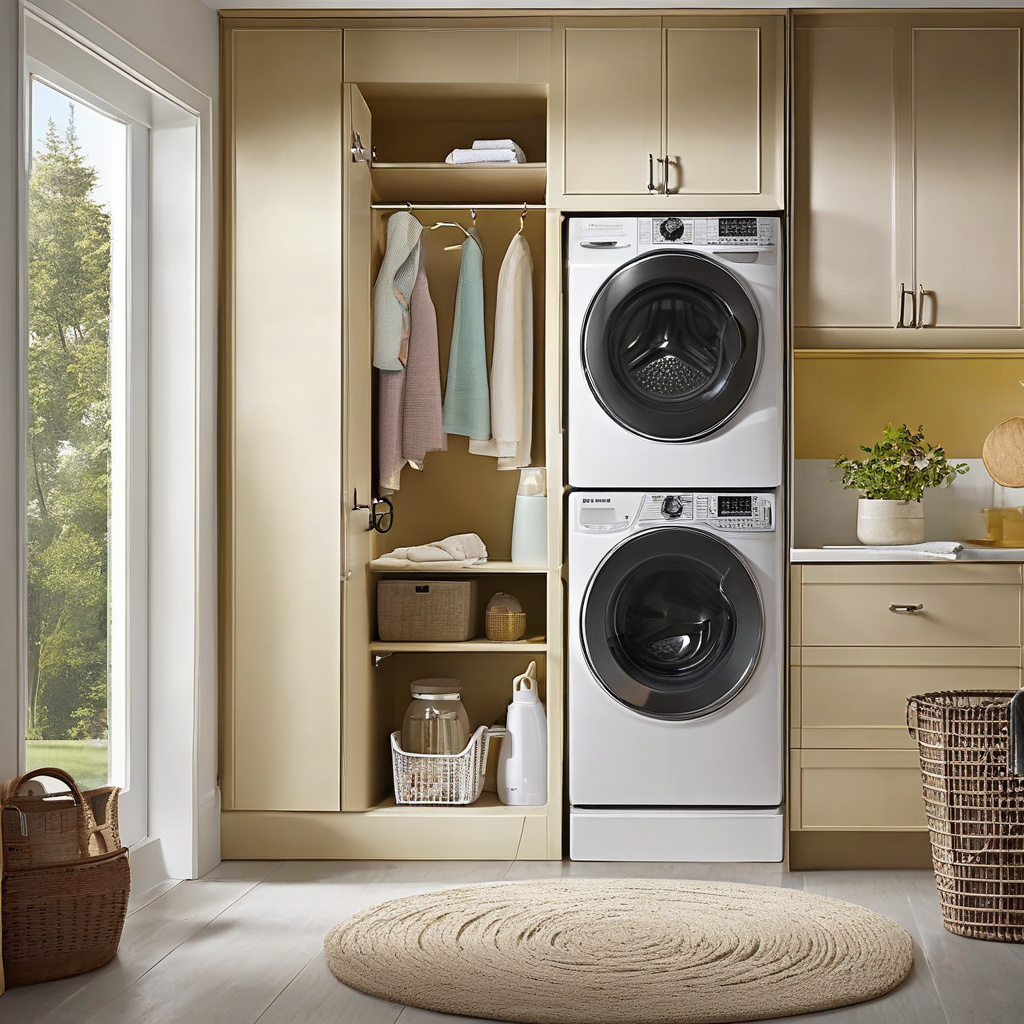
A well-integrated laundry in an ADU could include a dual washer-dryer with stackable options, or a model designed for minimal space. These solutions not only conserve room but also maintain utility efficiency. Many homeowners pivot towards such designs to free up space for other amenities like a kitchenette or a small dining area.
Additionally, local home improvement experts suggest positioning laundry units in underutilized spaces, such as beneath stairs or within redesigned closets. This smart routing ensures a functional dwelling without compromising aesthetics. To further explore transformative ADU designs, check out the process of optimizing ADU additions.
Ultimately, the goal is to incorporate modern living conveniences within a design that feels spacious and unobtrusive. Compact design, when done correctly, turns potential spatial hindrances into harmonious solutions.
Navigating the Plumbing Puzzle
The heart of successfully adding laundry facilities into an ADU lies within the intricacies of plumbing. Establishing plumbing solutions that fit a small footprint demands a cunning blend of creativity and technical expertise. In Southern California, local plumbing regulations and building codes also necessitate meticulous planning.
Plumbers often recommend leveraging existing water and waste lines to minimize disruption and reduce installation costs. By analyzing existing infrastructure, homeowners can reduce the need for extensive construction work, thus preserving much-needed space.
Understanding the nuances of plumbing in compact spaces aids in avoiding potential pitfalls. Savvy homeowners align their plumbing blueprints with existing ADU layouts, resulting in minimal interference and a seamless integration.
Careful consideration of these parameters ensures that the plumbing framework supports the new laundry while adhering to safety standards. Retrofitting plumbing should ideally start with a comprehensive site survey and engaging with experienced professionals.
An insight from the National Association of Home Builders: “Effective plumbing in ADUs can increase efficiency by up to 50%, provided space and utility align naturally.” This underscores the importance of marrying design with infrastructure.
Plumbing, when thoughtfully implemented, becomes more than a mere utility; it’s an enabler of modern convenience even within the confines of an ADU.
Ventilation: A Breath of Fresh Air
Proper ventilation in laundry spaces often floats just below the radar in design discussions, yet it is crucial for operating a unit safely and efficiently. In Southern California’s climate, adequate ventilation ensures that moisture accumulation does not pose long-term risks to both health and property.
The inherent challenges stem from integrating venting solutions without encroaching on valuable space. Compact dryers, which often lack traditional venting options, might opt for condenser technology as a space-saving alternative.
Another promising avenue is the incorporation of wall-mounted vents or strategically placed exhaust systems that conform to the area’s architectural aesthetic. This transformation echoes not just a functional upgrade but an environmental investment into a livable space.
Exploring these venting options leads to a balanced installation, combining function with form. This aspect of ADU development is as crucial as climate control and landscape adjustments in efficient urban settings, which you can delve into through climate-conscious landscape planning.
In conclusion, well-thought-out ventilation strategies enhance your ADU’s sustainability, longevity, and safety, essential features beneath the Californian sun.
Material Choices: Cost vs Benefit
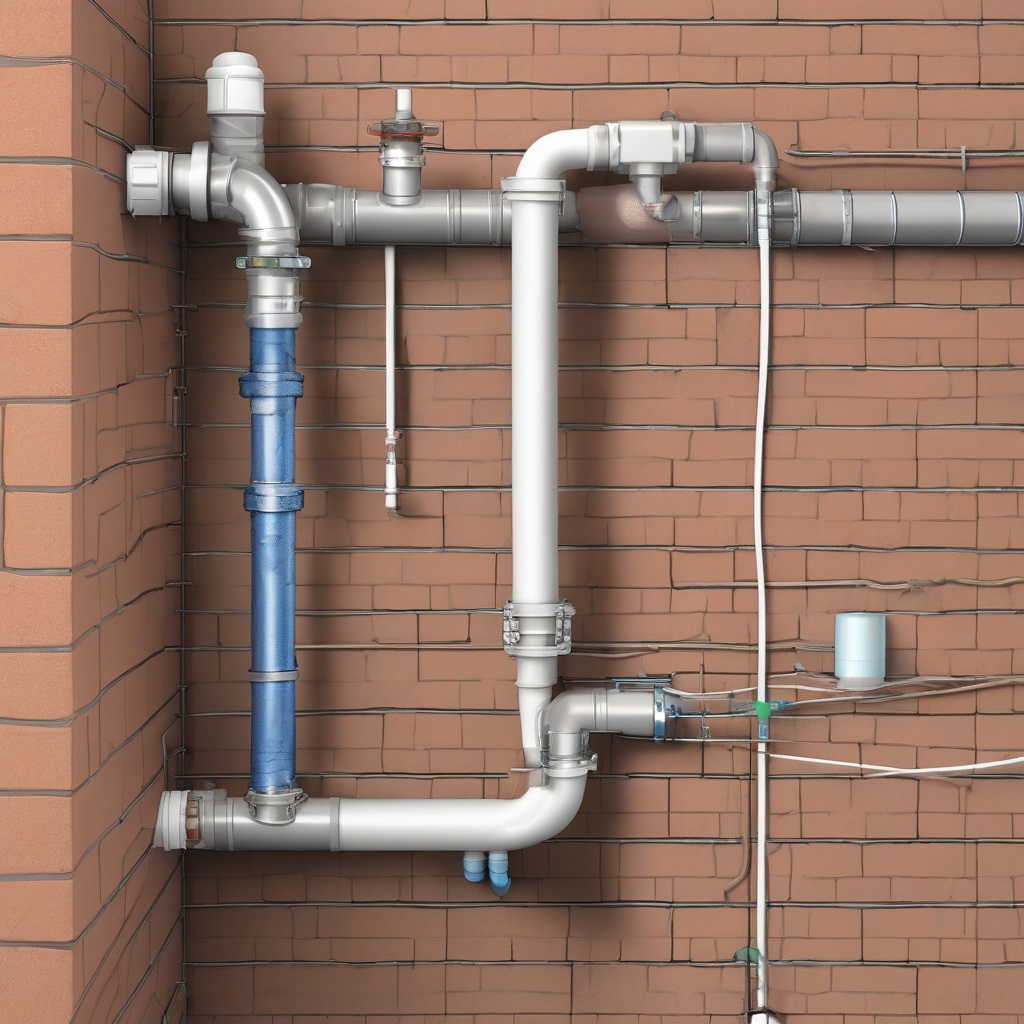
The decision matrix surrounding materials in ADU laundry installations revolves around balancing immediate costs with long-term benefits. From water-resistant flooring to high-durability countertops, each choice reflects a compromise between expenditure and endurance.
Durable, moisture-resistant flooring can prevent potential water infiltration woes, while solid countertops withstand the wear and tear of daily use. The selection process involves weighing budgetary constraints against the value these choices bring to the lasting quality of the dwelling.
Engaging with experienced contractors or a consultant specializing in home upgrades can provide invaluable insights. Additionally, reviewing similar projects can help discern the different cost implications, offering a roadmap for budget allocation.
The table below provides a brief comparison of common materials used in ADU laundry spaces:
| Material | Cost | Durability | Maintenance |
|---|---|---|---|
| Vinyl Flooring | Low | Moderate | Low |
| Quartz Countertop | High | High | Low |
| Ceramic Tiles | Moderate | High | Moderate |
Ultimately, the right combination of materials sets the tone for a project that is as practical as it is stylish. Additionally, even when the costs appear initially elevated, their resilience and efficiency often yield significant savings down the line.
An industry insight: “Around 70% of ADU renovations see increased ROI with resilient materials, enhancing both aesthetics and financial gains.”
Smart choices in material have proven time and again to influence the longevity and marketability of the space, ensuring that every dollar spent is an investment in quality and durability.
Executing a Step-by-Step Integration
Embarking on the journey of adding a laundry to your ADU demands a methodical, step-by-step approach to avoid common pitfalls and maximize value. Detailed planning is the bedrock of successful integration.
Step one involves assessing existing spaces to identify the most logical location for the new laundry. Perhaps it’s a corner that is rarely used or a storage nook that can be sacrificed for greater utility. This assessment sets the tone for the entire renovation process.
The next step is to engage a plumbing professional early on, ensuring that water lines and drainage systems align with your envisioned layout. Early-stage discussions can prevent misunderstandings and costly design reversals later.
At this juncture, many homeowners in Los Angeles opt to install compact, energy-efficient appliances. Their selection process underscores a commitment to sustainability and availability of use without compromising the core function of the ADU.
Finally, ensuring durability through quality materials as previously discussed serves as the project’s capstone. Assemble your selected contractors, synchronize the timelines, and you are set for a seamless transformation.
With proper diligence and planning, the integration of a laundry into your ADU can be an empowering project, illustrating the potential your home has to evolve and adapt effortlessly.
Beyond the Laundry: Enhancing Usability
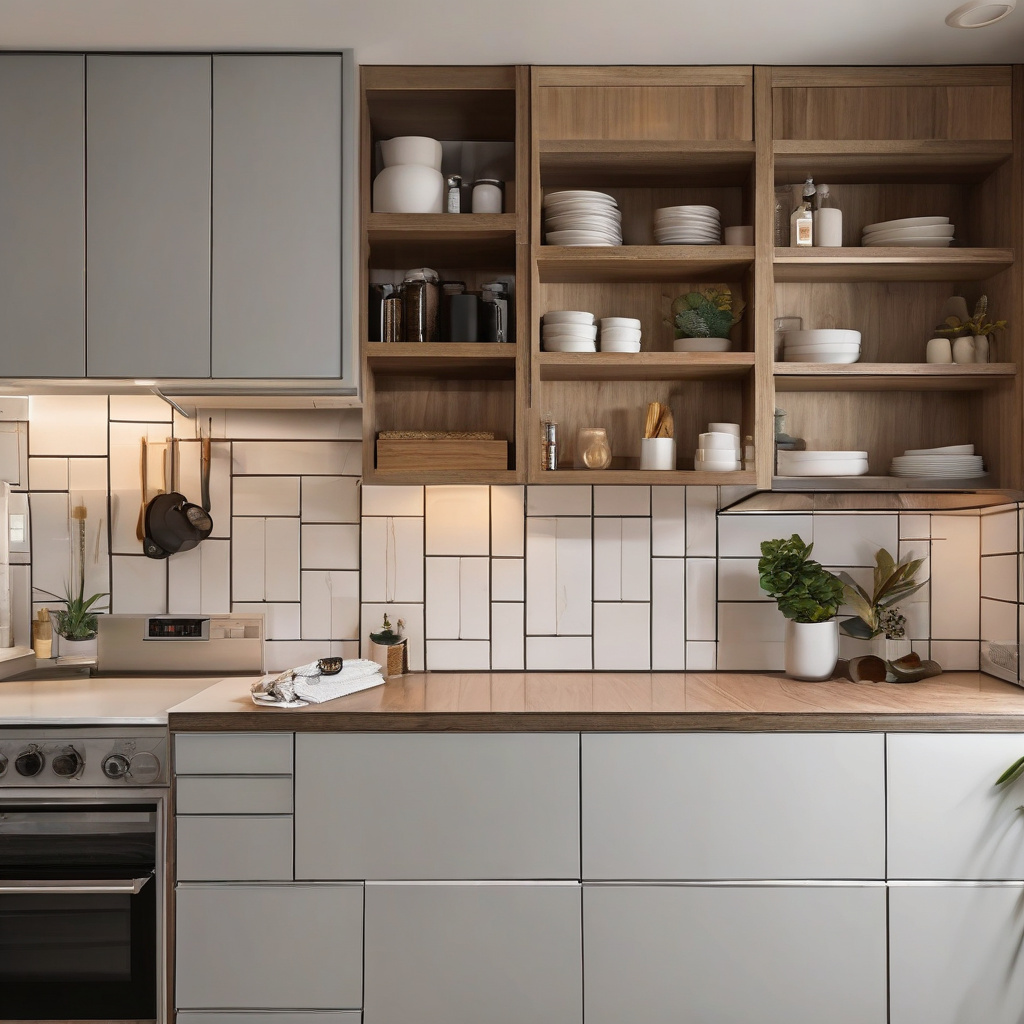
While the focus may be on creating a functional laundry space, the surrounding design possibilities offer ample opportunity to enhance the entire ADU’s usability. By considering these broader opportunities, homeowners can craft a more integrated and efficient living environment.
For instance, the area freed up by compact laundry solutions could be repurposed as a cozy home gym or a small office—a nod to modern living dynamics. Adding multi-functional furniture could further enhance these adaptations.
Strategically placed fixtures and lighting can also redefine space previously dominated by utilitarian needs alone. After all, every adjustment that breathes new life into a room adds layers of versatility and homeliness.
To truly make the most of these improvements, consider exploring curated tips on staging and design. This resource helps guide the transformation into a cohesive, inviting space suitable for various lifestyle needs, such as those found in expert design recommendations.
By synthesizing function with aesthetics, the humble laundry addition transforms into a catalyst for unlocking potential throughout your ADU, encouraging a refresh that is both inviting and resourceful.
A research-based observation: “Spaces that are designed with multi-functionality in mind increase overall living satisfaction by 40% compared to traditionally single-use areas.”
Thus, incorporating a laundry isn’t just about washing clothes; it signifies an opportunity to redefine and elevate how we utilize every inch of our homes.
- Compact design is crucial for optimal ADU functionality.
- Proper plumbing alignment reduces costs and disruption.
- Ventilation strategies are necessary to prevent moisture accumulation.
- Material selection impacts both cost and durability.
- Methodical step-by-step integration maximizes renovation outcomes.
“`html
FAQ
How can I choose the right compact appliances for adding laundry to my ADU?
Selecting the right compact appliances for your ADU requires balancing utility with space efficiency. In real renovation projects, homeowners often realize the significance of size and functionality. Many experts recommend opting for stackable washer and dryer units, which can fit in tight spaces, such as closets or under staircases. Installation ease is another factor; typically, ventless dryers are more versatile in ADU layouts due to their flexible venting needs. Consider energy-efficient models, as they contribute to long-term savings. Keep in mind the appliance’s capacity in relation to your laundry needs to avoid constant overload issues.
What are key plumbing considerations when adding laundry to an ADU?
Incorporating plumbing for a laundry unit in an ADU requires strategic planning. It’s crucial to consider the existing drain and water supply lines. Many contractors point out that routing drain lines efficiently is often a bigger challenge than anticipated. Avoid placing utility lines in places where access is difficult for repairs. Always include a shutoff valve that’s easily accessible for maintenance. If connecting units to the ADU’s main water system, ensure the pipes are insulated to prevent damage in colder climates. This practical oversight prevents common issues like leaks or freezes that can turn costly quickly.
When does it make sense to add a laundry unit to an ADU?
Adding a laundry unit to an ADU tends to make sense for homeowners looking to enhance independence for the ADU’s occupants, whether they are tenants, extended family, or guests. From experience, older properties being updated often feature shared laundry areas, which can be inconvenient. In newer builds, it’s about maximizing functionality and attracting higher rental yields. The space called for by a laundry unit should not impede the natural flow or functionality of the ADU. Striking a balance between utility space and living space remains a top priority in such installations. Do assess the size and usage patterns before making this decision.
What are some typical mistakes to avoid when adding a laundry area in an ADU?
One common mistake in adding laundry to an ADU is underestimating space requirements. Homeowners sometimes opt for full-sized units, which often leads to cramped layouts. Another error is overlooking proper venting; inadequate venting can lead to moisture issues, especially in compact ADUs. Many forget to plan for electrical demands of appliances, resulting in inadequate power supply and frequent tripping of breakers. Finally, skipping soundproofing measures may cause noise complaints, particularly when the laundry area borders living or sleeping spaces. Thorough planning prevents these practical pitfalls and ensures a harmonious addition to your home.
How does the cost of adding laundry to an ADU compare to its benefits?
The cost-to-benefit ratio of adding laundry to an ADU can vary extensively, considering factors such as appliance choices, plumbing adjustments, and potential structural modifications. While upfront costs can be significant, particularly in older homes requiring substantial plumbing work, the benefits often outweigh them. Homes in popular rental markets attract higher rent with in-unit laundry, offsetting the initial expenditure over time. Moreover, the convenience factor enhances the living experience, which is something many prospective tenants or family members highly value. Always work with a skilled contractor for accurate estimates before proceeding to avoid budget overruns.
What are the advantages and challenges of ventless dryers for ADUs?
Ventless dryers offer several advantages, particularly in ADUs where traditional venting can be a hurdle. They are relatively easier to install since there’s no need to direct exhaust outdoors, providing freedom in placing them almost anywhere. This feature is beneficial in urban settings or tightly constructed ADUs. On the downside, ventless models can be less efficient in drying time, and many homeowners find that they struggle with larger loads. They also tend to release more heat and humidity into living spaces, necessitating proper ventilation in the room. Nevertheless, for many-sized ADUs, they offer a practical compromise.
What specific installation steps are critical when configuring a laundry space in an ADU?
Proper installation of a laundry area in an ADU calls for meticulous planning and execution. First, conduct a site assessment to determine the best location with necessary water and electrical connections. Many renovation experts advise placing the laundry near the kitchen to minimize new piping costs. Next, check the flooring’s ability to support appliances and incorporate vibration pads to reduce noise. Ventless units still require condensation drainage; thus, ensure proper drainage setup. A contractor will emphasize aligning with local building codes, ensuring the installation adheres to safety standards. For further guidance, consider reaching out to renovation experts for personalized assistance by contacting us.
What maintenance tasks are essential for a laundry setup in an ADU?
Once the laundry setup in your ADU is operational, regular maintenance ensures longevity and efficiency. Start with inspecting water supply hoses for leaks or cracks every few months to prevent costly water damage. If using a ventless dryer, routinely clean the lint filter and condenser unit to maintain drying efficiency. Common issues in real homes arise from neglecting these simple checks, resulting in reduced appliance life. Additionally, if the ADU is tenant-occupied, providing clear maintenance instructions is crucial to avoid potential misuse. Regular appliance servicing not only ensures smooth operation, but also extends their service life significantly.
“`