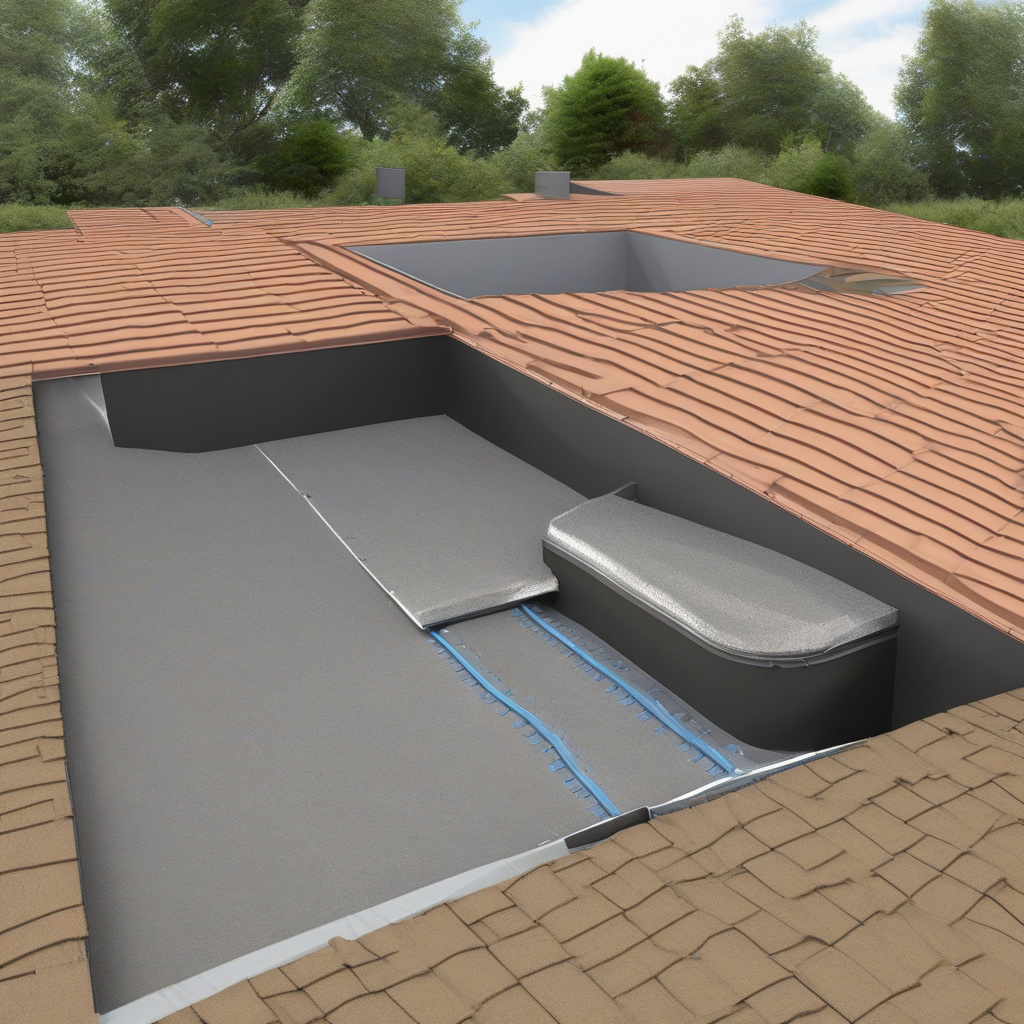
Los Angeles, known for its glamorous hillside getaways and cutting-edge architecture, has seen an increase in sleek, modern homes boasting flat roofs—a feature that demands both style and function. But what are the best roofing options for these architectural marvels? As local experts in construction and design assert, roofing decisions are not taken lightly in this sun-soaked city, where aesthetics meet the rigors of the Californian climate.
Brief summary: Discover the top roofing options for flat-roofed modern homes in Los Angeles, focusing on materials like TPO and PVC that provide heat reflection and reliable drainage. This article explores trends, maintenance tips, and practical renovation strategies for contemporary architecture.
Why Flat Roofs are a Trend in Los Angeles
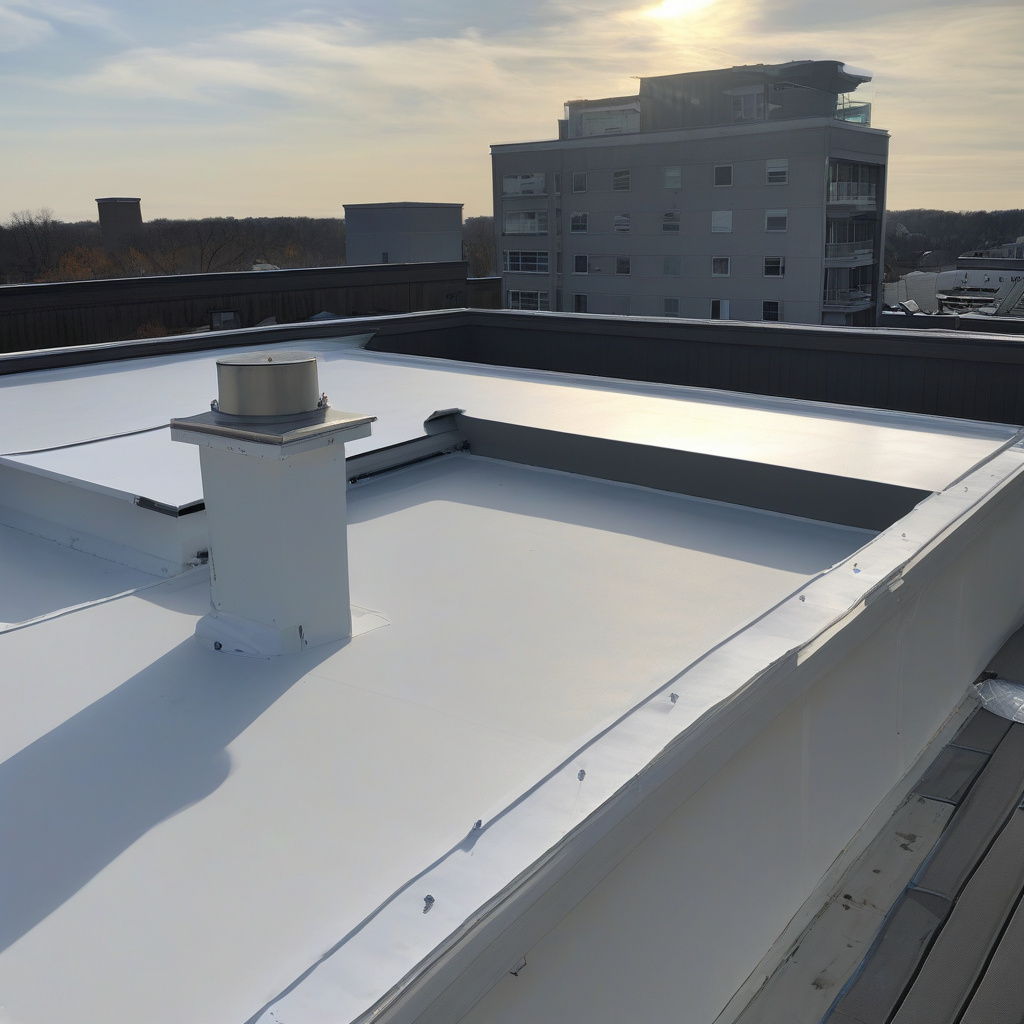
It’s no secret that flat roofs have a minimalist appeal, embodying the essence of contemporary design. In Los Angeles, these roofs are a designer’s dream, crafted to blend seamlessly with the horizon yet bold enough to stand out. The architectural passion is fueled by the desire for sustainable living spaces that are both functional and aesthetically pleasing.
As many LA homeowners have noted, flat roofs offer the opportunity to create additional outdoor spaces such as roof gardens or terraces. Heat reflection plays a critical role here, helping to keep these spaces cooler and more comfortable during the sweltering summers. To achieve this, materials like TPO (thermoplastic polyolefin) and PVC (polyvinyl chloride) are increasingly favored for their energy-efficient characteristics.
This evolving trend isn’t just about aesthetics. According to data collected by the local construction council, flat roofs can be cost-effective over time with proper installation and maintenance routines. To delve deeper into the roofing wisdom of Los Angeles, check out this expert overview of contemporary roofing solutions.
The flat roof trend not only revolutionizes the look but also paves the way for sustainable practices through energy efficiency. It’s about time the skies above LA rooftops were put to better use.
Exploring Material Options: TPO and PVC
In the realm of flat roofing, TPO and PVC are like the dynamic duo—each bringing unique features to the table, adept at handling the heat and occasional rains of Los Angeles. TPO, with its bright, reflective surface, is renowned for bouncing back the relentless California sun, making it a top choice for energy-conscious homeowners.
Meanwhile, PVC offers resilience, resisting both chemical exposure and harsh weather conditions. The durability of PVC ensures that flat roofs in LA can withstand the stress of unpredictable weather, a factor that shouldn’t be overlooked in renovation choices.
Such materials not only promise performance but also inspire confidence among homeowners facing renovation decisions. “The flexibility of PVC is unmatched,” remarks a seasoned architect known for sculpting modern Los Angeles homes. For those mapping out their roofing journey, consider the importance of frequent roof inspections to maximize material lifespan.
Between TPO and PVC, Los Angeles residences find tailored solutions to meet both design desires and environmental demands. Homeowners are encouraged to select the option that best aligns with their architectural vision.

Planning for Reliable Drainage
One challenge that flat roofs may face is managing drainage effectively. Unlike their sloped counterparts, flat roofs must be meticulously designed to ensure water doesn’t pool, preventing damage and leaks. Thoughtful planning and professional opinions are essential in such cases to avoid costly repairs down the line.
The use of coated systems can be pivotal here, and they are designed to enhance the water-shedding capabilities significantly. Combining such systems with advanced planning, including the strategic placement of drains and slopes, results in a robust roofing solution.
To achieve this, homeowners should collaborate closely with their contractors, who bring in insights from past successful projects. Precision is key, as even minor errors can lead to significant water damage. A popular addition to aid in roof efficiency is installing smart attic fans, further aiding in ventilation and moisture control.
Ultimately, preparing your flat roof to handle the elements is as much about foresight as it is about choosing the right products. With proper planning, your roof can withstand the challenges imposed by LA’s climate.
Comparing Costs and Benefits
When contemplating a shift to flat roofing or a renovation thereof, costs and benefits are central to making an informed decision. While initial costs for TPO and PVC materials can be competitive, the long-term savings offered by their energy efficiency can be significant.
| Option | Average Cost | Key Benefits |
|---|---|---|
| TPO | $5-$10 per sq ft | Energy efficiency, UV resistance |
| PVC | $6-$12 per sq ft | Durability, chemical resistance |
| Coated Systems | $4-$8 per sq ft | Improved drainage, cost-effective |
Cost analysis shows that investing in quality materials upfront can lower energy bills and reduce maintenance expenditures over time. As the saying goes, a wise investment today can pay dividends in comfort and savings tomorrow.
Ensuring Longevity and Maintenance
Another critical factor that can’t be overlooked when discussing flat roofs is maintenance. Even top-quality materials need regular checks to ensure they maintain their integrity over the years. Routine maintenance becomes the silent guardian of a roof’s lifespan.
It’s recommended that homeowners engage with contractors experienced in flat roofs, as they possess the nuanced skills required for precise upkeep. Regular inspections for wear and damage, proper cleaning routines, and timely repairs are the trifecta for longevity—much like a well-tailored suit standing the test of time.
The National Roofing Contractors Association suggests conducting roof inspections at least twice a year to prevent unforeseen damages.
Professional insights can help in navigating flat roof maintenance, ensuring homeowners enjoy their serene spaces without unexpected disruptions. For those unfamiliar with industry jargon, consider this guide to understanding roofing terminology.
The Future of Flat Roofs: Innovating Tradition
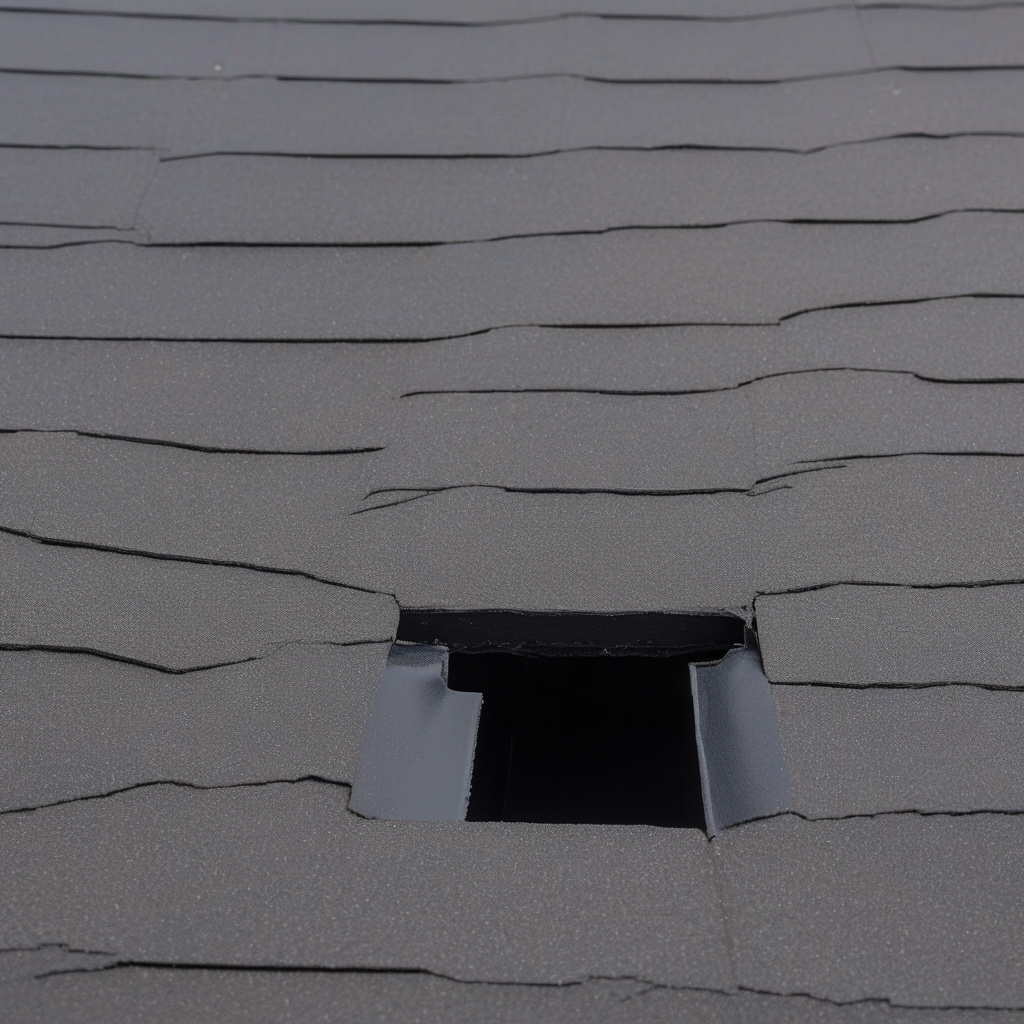
As urban landscapes evolve, the homes within them must also adapt to new trends and expectations. In Los Angeles, flat roofs represent not just a structural choice but a declaration of intent—a commitment to sleek design, environmental consciousness, and the pursuit of innovative living solutions.
Pioneering designers are continually pushing the envelope, integrating technology to enhance functionality. Solar panels, rooftop gardens, and even water collection systems are potential enhancements that adapt well to flat-roofed homes, offering more than just structural integrity.
Of course, these advancements require careful consideration and expert planning, but they promise a future where flat roofs do more than sit atop homes. They become integrated ecosystems, transforming how we conceptualize living spaces and their relationship to the natural world.
As urban planners predict, by 2030, eco-friendly building practices will dominate Los Angeles architecture, with flat roofs paving the way.
Flat roofs thus symbolize not the final word in design but the beginning of a new chapter in residential living—one where every detail is designed to serve a greater purpose.
- Flat roofs offer energy efficiency and design flexibility.
- TPO and PVC are preferred materials for modern homes in LA.
- Reliable drainage is essential for preventing water damage.
- Proper maintenance maximizes roof longevity and performance.
- The future of flat roofs leans toward eco-friendly innovations.
Here is a comprehensive FAQ block tailored to your requirements:
FAQ
What are the main roofing options for flat-roofed modern homes in LA?
For flat-roofed modern homes in LA, TPO (Thermoplastic Olefin), PVC (Polyvinyl Chloride), and coated systems like elastomeric or acrylic coatings are the predominant choices. These materials offer vital benefits such as heat reflection which is crucial for the warm Los Angeles climate, ensuring homes remain cooler and potentially reducing energy costs. In real renovation projects, many homeowners appreciate the clean lines these materials provide, complementing contemporary architecture perfectly. Often overlooked is how these systems are engineered to handle drainage efficiently, a necessity for flat roofs where water pooling can lead to costly damage. Therefore, selecting the right material not only enhances aesthetics but ensures long-term reliability.
How do I decide between TPO and PVC roofing for my home?
When choosing between TPO and PVC, consider durability, climate adaptability, and budget. PVC is praised for its robustness and resistance to chemicals, making it an ideal choice in areas with more intense sun exposure or chemical build-up. Conversely, TPO is often lauded for its cost-effectiveness and ease of installation. In practice, experts note that TPO seams are welded, providing extra leak protection, a critical feature for LA homes. Additionally, TPO’s flexibility can be advantageous on renovations where roof movement might be a factor. Ultimately, assessing your specific requirements and consulting with a roofing expert can provide the clarity needed in this decision.
When is it beneficial to use roof coatings for flat roofs?
Roof coatings offer a significant advantage when additional protection or refurbishment of the existing roofing material is needed without a complete replacement. In many LA renovations, coatings like elastomeric are applied to extend roof life and provide enhanced water resistance. The heat-reflective properties of these coatings are not just beneficial during scorching hot summers; they can significantly cut cooling costs. However, many homeowners underestimate the necessity of proper surface preparation. Neglecting this step can lead to premature failure of the coating. To avoid pitfalls, ensure a thorough cleaning and repair of the existing roof before application. Often, seeking professional applications yields the best results.
What are common mistakes to avoid with flat roof installations?
In real-world scenarios, one frequent mistake is ignoring proper drainage planning. Many homeowners only consider aesthetics, but improper drainage can lead to water pooling and eventual leakage. Another issue is choosing material based solely on cost. While budget-conscious decisions are necessary, they shouldn’t come at the expense of quality and durability, particularly in LA’s variable weather conditions. Additionally, DIY installations without adequate expertise often result in subpar execution and later costly repairs. It is crucial to consult with or hire professionals who understand the nuances of flat-roof installations to ensure a long-lasting, effective roofing solution.
What are the cost considerations for roofing options in LA?
When budgeting for flat roof materials in LA, TPO is generally less expensive upfront compared to PVC. However, the lifetime cost needs consideration as PVC can be more durable under specific environmental stresses. Coatings represent a lower initial cost and are viable for roof extensions or enhancements rather than replacements. Throughout real renovation projects, labor costs often surpass material costs due to the specialized installation flat roofs require. It’s crucial to weigh these factors, considering both immediate expenses and potential long-term savings from energy efficiency and reduced maintenance. Consulting a local expert is highly beneficial, as they can provide tailored advice regarding current market prices and installation specifics. Should you need tailored advice, you might consider reaching out to a local expert.
How often should flat roofs be maintained in Los Angeles?
Due to Los Angeles’s climate, flat roofs should be inspected bi-annually, once before the rainy season and once after. Routine inspections can prevent small issues from escalating into significant problems. Many experts emphasize the importance of clearing debris, which can obstruct drainage, leading to water pooling. Unexpected temperature swings, which are common in LA, can cause material expansion and contraction, necessitating regular checks for cracked or lifting material. Simple preventative maintenance tasks, undertaken by either yourself or by hiring a roofing professional, can significantly extend roof longevity and performance. Neglecting these inspections often results in expensive repairs that could have been avoided.
What are the benefits and limitations of TPO roofing?
TPO roofing is highly favored due to its affordability and intrinsic reflective property that helps keep buildings cool, making it advantageous in sunny Los Angeles. It is relatively easy to install, which can reduce labor costs significantly. However, its lifespan is generally shorter than that of PVC, and not all TPO products offer the same quality. Some manufacturers produce inferior products that degrade faster under intense UV exposure. Consider TPO if you need an economical option with environmental benefits, but ensure you are purchasing from a reputable source. In practice, many homeowners balance price with durability, opting for premium TPO variants when available.
Where can I find advice on selecting the right roofing material for my LA home?
Deciding on the best roofing material for your LA flat-roofed home involves factoring in climate, architectural style, and budget. While online research can provide baseline knowledge, speaking with local experts offers insights tailored to your specific scenario. Experts can offer case studies and firsthand accounts that enrich your decision-making process. Additionally, connecting with a professional accustomed to LA’s unique roofing challenges can be invaluable. For personalized advice or a consultation, consider reaching out via their contact page, which streamlines the process of receiving expert guidance.