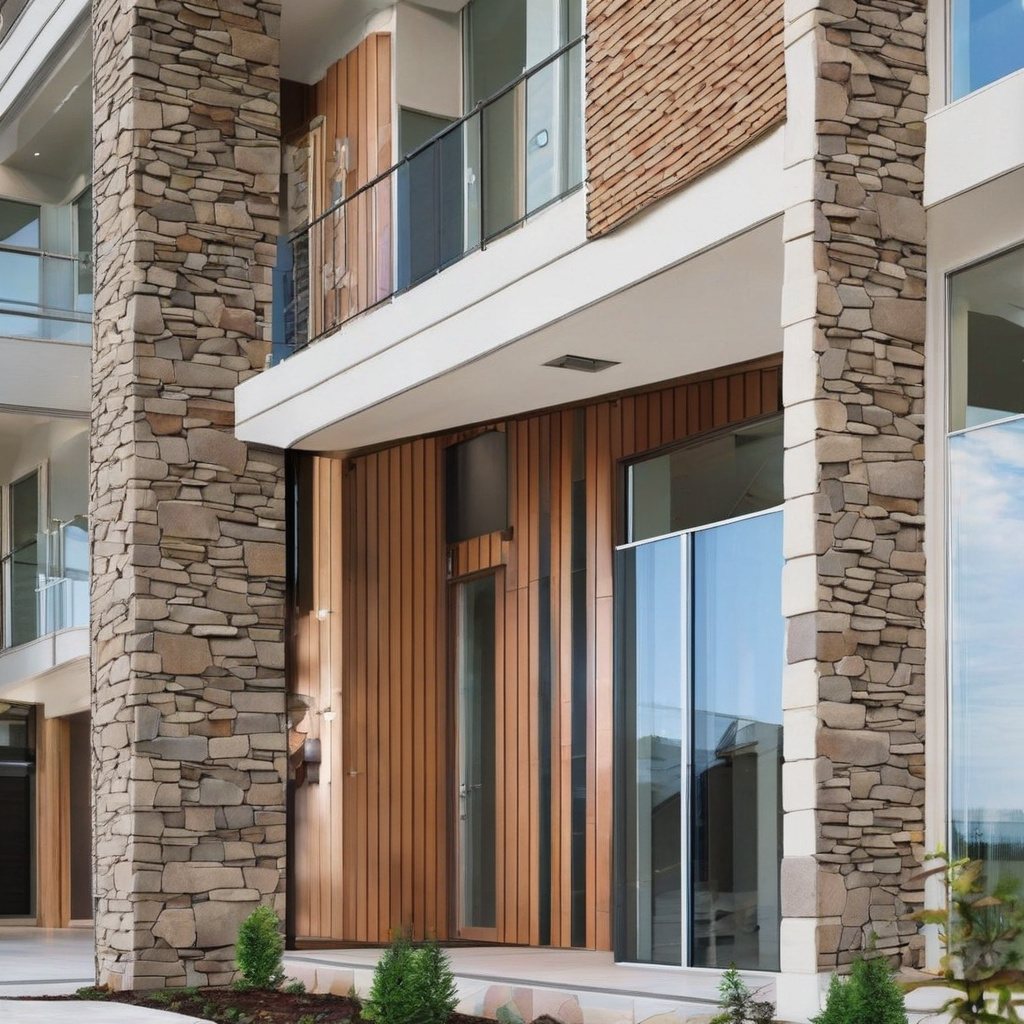
In the bustling neighborhoods of Los Angeles, where architectural trends meet Mediterranean inspiration, home exteriors attract keen eyes. As urban dwellers seek both aesthetic charm and practicality, stone-look facade panels have emerged as a favored choice. From look-alikes of rustic limestone to sleek, slate finishes, these panels offer a bouquet of styles without the heft of natural stone.
Brief summary: Stone-look facade panels blend aesthetic versatility with practical benefits for exterior decoration. They provide an array of textures and colors, aiding in energy efficiency and durability. This article explores various types, highlights key advantages, and offers a step-by-step installation guide tailored for Los Angeles homeowners.
What You Should Know About Stone-Look Facade Panels
Stone-look facade panels are not just a fleeting trend; they’re a testament to evolving home design priorities. Their rise is powered by more than just their pleasing appearance. Many homeowners notice that these panels significantly boost curb appeal. Furthermore, the installation process, often less cumbersome than traditional stone, appeals to those seeking speedy makeovers without breaking the bank.
A Los Angeles-based renovation expert remarks, “The versatility of these panels is unmatched. They cater to both contemporary designs and those looking for a classic touch.” Understanding the material compositions—typically a clever mix of concrete, crushed stone, and bonding agents—helps to appreciate their durability and resilience. Resistance to cracking, weather fluctuations, and even minor seismic disturbances endears them to Angelinos living with the occasional tremor.
Another key factor is the innovations in thermal insulation these panels bring. They serve as an unexpected energy efficiency ally, reducing the need for artificial heating or cooling and consequently, lowering utility bills. In a city blessed yet cursed with sunshine, such features are a game-changer.
The decision to invest in stone-look facade panels comes with the promise of easy maintenance. Unlike real stone that demands periodic sealing or outright replacement due to wear, artificial counterparts require minimal interference. A simple wash keeps them looking fresh for years.
Exploring the Types of Stone-Look Facade Panels
Variety is the spice of life, and in the realm of facade panels, it’s an essential ingredient. The spectrum ranges from authentic natural stone imitations to imaginations crafted with creative whims. The first type is the veneer panel, mimicking natural stone surfaces with an uncanny likeness. These are often the go-to for those fixated on achieving an authentic look without seeing costs skyrocket.
On the other hand, composite panels mix materials, delivering lightweight models that are easy to work with. These panels excel at layering textures, providing a play of depth that might otherwise be missing. “Composite models serve particularly well in contemporary homes, where simplicity and modernity are key,” observes an architect specializing in urban home transformations.
Then there are fiber-cement panels, renowned for their durability and weather-resistant nature. These options have gained traction in metropolitan areas where exposure to varying climatic conditions is a concern. Yet, they manage to offer remarkable aesthetics, challenging traditional thoughts on what industrial materials should look like.
In contrast, polymer-based panels edge toward innovation, combining cutting-edge materials with artistry in a more flexible format. This type, while newer on the scene, is quickly making a mark for its easy customization and broad range of finishes.
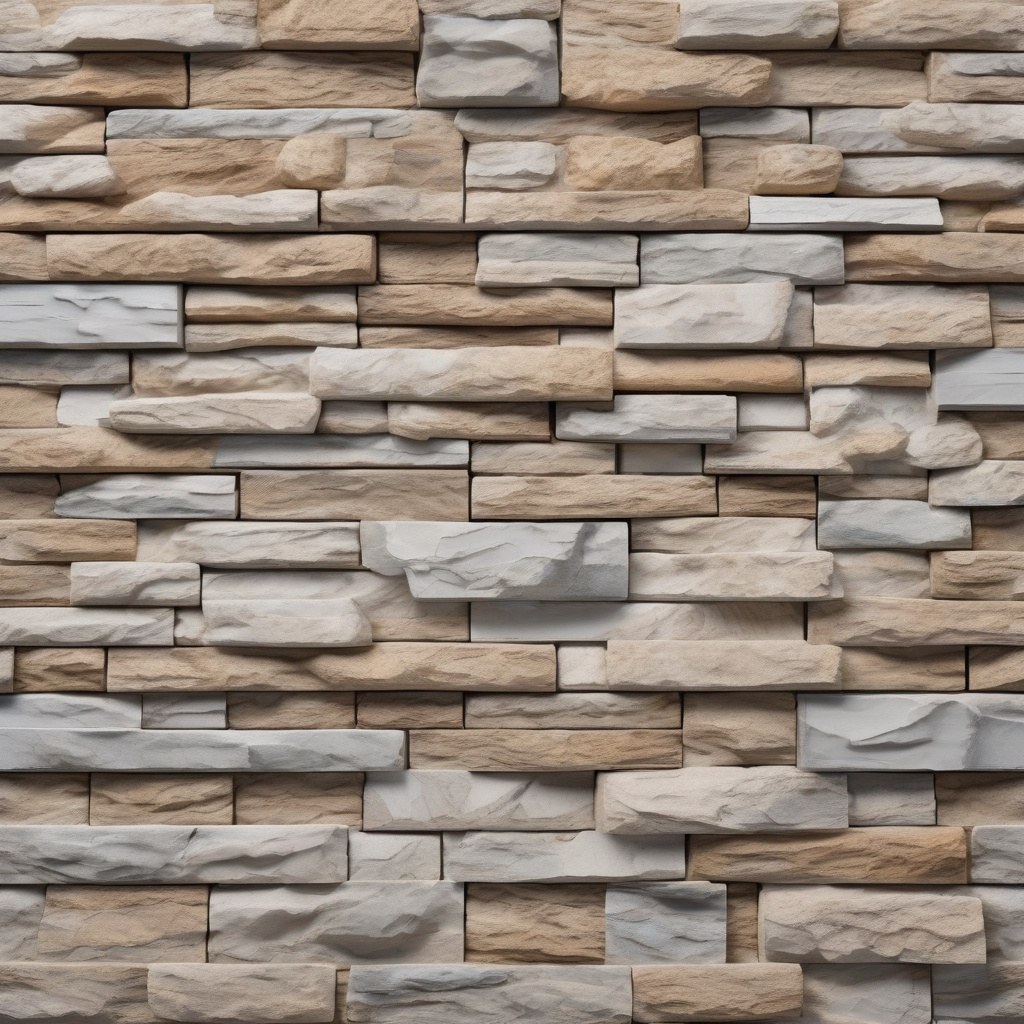
Advantages Galore: Why Consider Stone-Look Panels
There’s more than meets the eye with these faux-stone panels. Benefits extend beyond the superficial appeal of natural stone without its financial and logistical burdens. Lower weight means easier handling, fewer structural reinforcements, and reduced labor costs. It’s an inviting proposition for homeowners wary of hefty installations.
A renowned home building study noted, “Stone-look facade panels can reduce overall project costs by up to 40% compared to natural stone.”
This is particularly significant for large-scale projects or those responsible for multiple exteriors, such as property developers repositioning entire neighborhoods.
Additionally, their modular nature means repairs or replacements leave little trace, preserving the overall aesthetic. With numerous color options available, these panels can seamlessly match other building elements like metal roofing systems or sandwich panel extensions.
Given their eco-friendly construction and energy-efficiency credentials, these materials are a reliable choice for those conscious of their environmental footprint. The lifecycle impact of facade panels is relatively low, aligning with sustainability goals many homeowners aim to achieve today.
Table: Comparing Facade Panel Types
| Panel Type | Weight | Installation Complexity | Cost Efficiency |
|---|---|---|---|
| Veneer | Moderate | Moderate | Medium |
| Composite | Light | Low | High |
| Fiber-Cement | Heavy | High | Medium |
| Polymer-Based | Very Light | Very Low | High |
Installing Stone-Look Facade Panels: A Step-By-Step Guide
The charm of stone-look panels coupled with ease of installation makes them a renovator’s dream. Start by measuring the area accurately. Prepare the surface, ensuring it’s smooth and debris-free. The adage “measure twice, cut once” rings true at this stage to avoid unwelcome errors.
Next, apply an adhesive layer that will act as the bond between the surface and the panel. Whether employing a straightforward mortar or a specialized panel adhesive, this level is crucial to a secure install. Install the panels from the bottom up, securing each piece firmly in place.
As you proceed, ensure proper alignment by checking frequently. An uneven setup at this stage can lead to a skewed aesthetic that would require ages to correct. Use spacers for consistent gaps, especially around corners and edges.
Conclude the installation by securing additional brackets or anchors based on the panel model. Finish with a sealant or protective finishing coat to shield against the elements. This not only enhances durability but also adds the final touch of finesse to your facade.
When It Makes Sense to Opt for Stone-Look Panels
Selecting facade panels goes beyond visual appeal, encompassing a broader spectrum of logic and need. For Los Angeles natives, weather resilience often takes precedence. Working closely with a construction expert can hone the decision, integrating facets like budgetary constraints and style preferences.
“These panels are particularly beneficial for older properties in need of an appealing facelift,” notes a local builder versed in neighborhood transformations. By opting for stone-look panels, heritage homes are rejuvenated without diminishing historical value, blending past with the present.
Moreover, commercial establishments are leveraging these panels, pairing them with efficient drainage systems to mitigate moisture exposure on expansive building facades. Construction endeavors no longer compromise by choosing between aesthetic and function.
The lengthy endurance and low upkeep make them ideal for both residential and commercial needs, from stylish residences to expansive commercial paving solutions in bustling LA districts.
With thorough evaluation, stone-look panels stand as a compelling option, marrying beauty with durability. As diverse as the city itself, these panels reflect a commitment to both art and endurance.
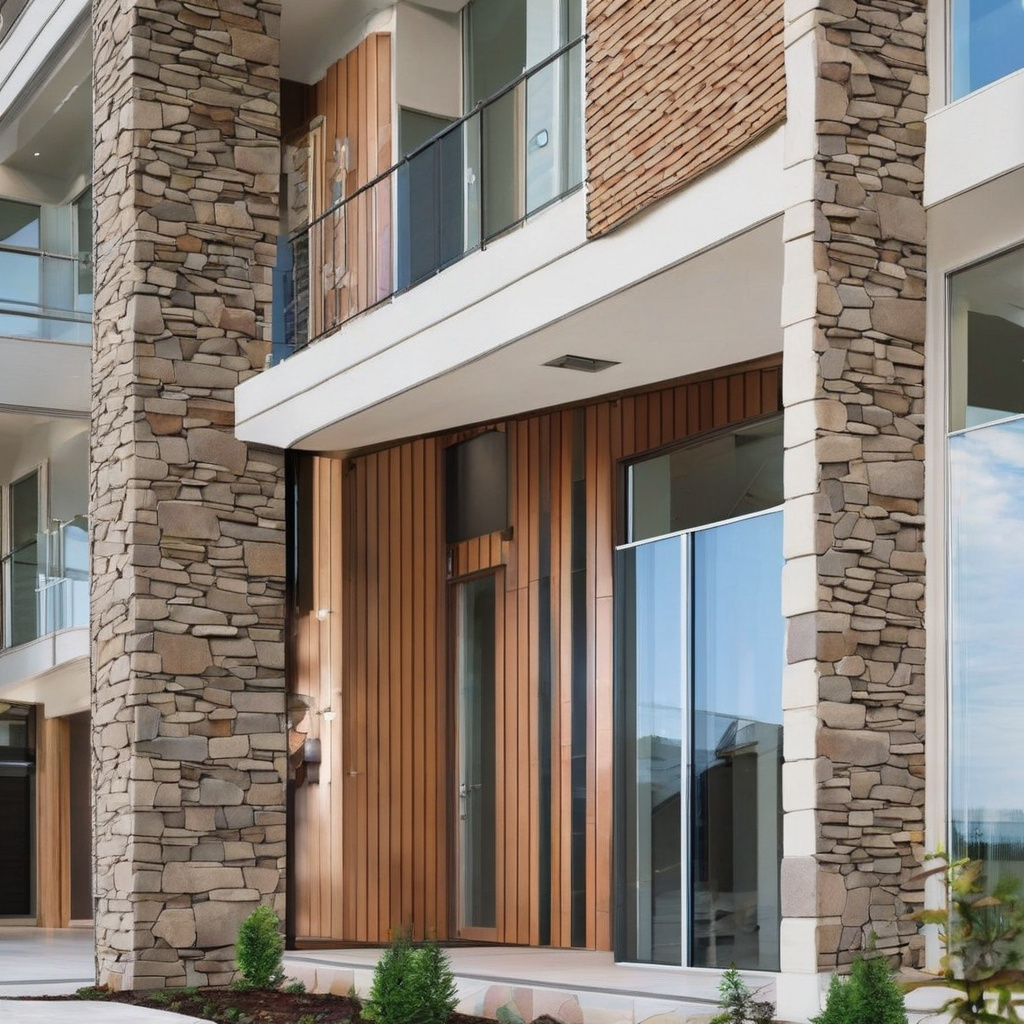
According to recent architectural studies: “Incorporating stone-look panels can increase property value, setting neighborhoods apart within a competitive real estate market.”
The future of home facades is a landscape where tradition meets innovation, each panel laid down as a testament to modern architectural elegance.
- Stone-look panels deliver style without the mass and expense of natural stone.
- Various types cater to different aesthetic and structural needs.
- Energy efficiency is a noted benefit of using facade panels.
- From measurement to aligning, steps in the installation are crucial for success.
- Expert insight confirms the benefit of facade panels in property value addition.
“`html
FAQ
What are stone-look facade panels made from?
Stone-look facade panels are typically crafted from materials like fiber cement, high-density polyurethane, or modified fiberglass, replicating the aesthetic of natural stone without the weight. In real renovation projects, these panels are chosen for their ability to mimic the look of stone walls while providing improved insulation. Many experts point out that the choice of material can affect the longevity and maintenance needs of the panels, so it’s crucial to consider the specific characteristics and durability of these materials when choosing for your home exterior. Homeowners frequently underestimate how these panels can affect the overall energy efficiency of a single-family home, particularly in climates like California.
What factors should I consider when choosing stone facade panels?
When selecting stone facade panels, consider factors like climate, architectural style, durability, and installation ease. In older properties undergoing renovation, it often becomes clear that selecting a panel that complements the existing architecture enhances the home’s curb appeal. Additionally, homeowners should evaluate the panel’s resistance to pests and weather elements—especially crucial in areas like California, where varied weather patterns can impact exterior materials differently. A practical tip is to consult with renovation experts or contact a local contractor to get personalized advice based on your specific property and needs.
When does it make sense to use stone-look facade panels?
Stone-look facade panels are particularly suitable for enhancing both new builds and older homes undergoing renovation. They make sense for homeowners looking to modernize their exterior aesthetics without the high costs and logistical challenges of authentic stone. For newer builds with modern systems, these panels provide an easy-to-install option that can effectively update the appearance while integrating well with current technologies. A common misconception is that these panels are purely decorative, but many appreciate their functional benefits, such as added insulation and durability against weather extremes.
What are the typical mistakes homeowners make when installing facade panels?
A frequent mistake is neglecting the preparatory phase before installation. In real home improvement scenarios, many ignore the importance of a weather-resistant barrier, which can lead to moisture problems. Another oversight is improper alignment and fastening, which compromises the panel’s integrity and aesthetic appeal. Engaging with certified installers or leveraging detailed step-by-step tutorials can help avoid these pitfalls. Many experts emphasize visiting actual renovation sites to observe the process firsthand, providing invaluable insights into common errors and best practices.
What costs are associated with stone-look facade panels?
The costs for stone-look facade panels can vary significantly based on material choice, brand, and installation requirements. Generally, they are more cost-effective than natural stone, both in material costs and labor, due to their lighter weight and simpler installation process. In a typical single-family home, choosing panels with built-in insulation can slightly increase upfront expenses, but they often lead to long-term savings on heating and cooling. Homeowners should also account for potential additional costs for professional installation and any unforeseen repairs or adjustments required on site.
What are the advantages and disadvantages of stone facade panels?
Stone facade panels offer numerous advantages, including aesthetic versatility, durability, and easier installation compared to natural stone. Many homeowners appreciate their lightweight nature, which reduces structural strain on older properties. However, limitations include potential fading over time in harsh sunlight, common in hot climates like California. While maintenance is generally minimal, periodic checks for structural integrity are advisable. The debate between choosing natural stone versus faux panels often centers around these trade-offs, with considerations based on specific project goals and environmental conditions.
How should stone facade panels be maintained?
Maintenance for stone-look facade panels is typically straightforward but crucial for longevity and aesthetic preservation. Regular cleaning with a mild detergent and water is recommended to prevent buildup of dirt and debris. For homeowners in areas prone to mold or mildew—often a concern in shaded, moist environments—occasional treatment with appropriate anti-fungal products may be necessary. A practical tip is to inspect panels annually for damages or shifts, ensuring the panels remain securely attached and functionally effective.
What’s the step-by-step process for installing stone facade panels?
The installation process of stone facade panels typically begins with preparing the subsurface, ensuring it is clean and level. Next, a weather-resistant barrier is applied to protect the underlying walls. Panels are then measured and cut to fit around windows and doors precisely. Aligning the first panel correctly is critical, as it sets the tone for the entire installation. Adhesive or mechanical fasteners are used to attach the panels, followed by sealing joints to prevent water ingress. Finally, homeowners should inspect their work or hire a professional to ensure a secure, visually appealing finish.
“`