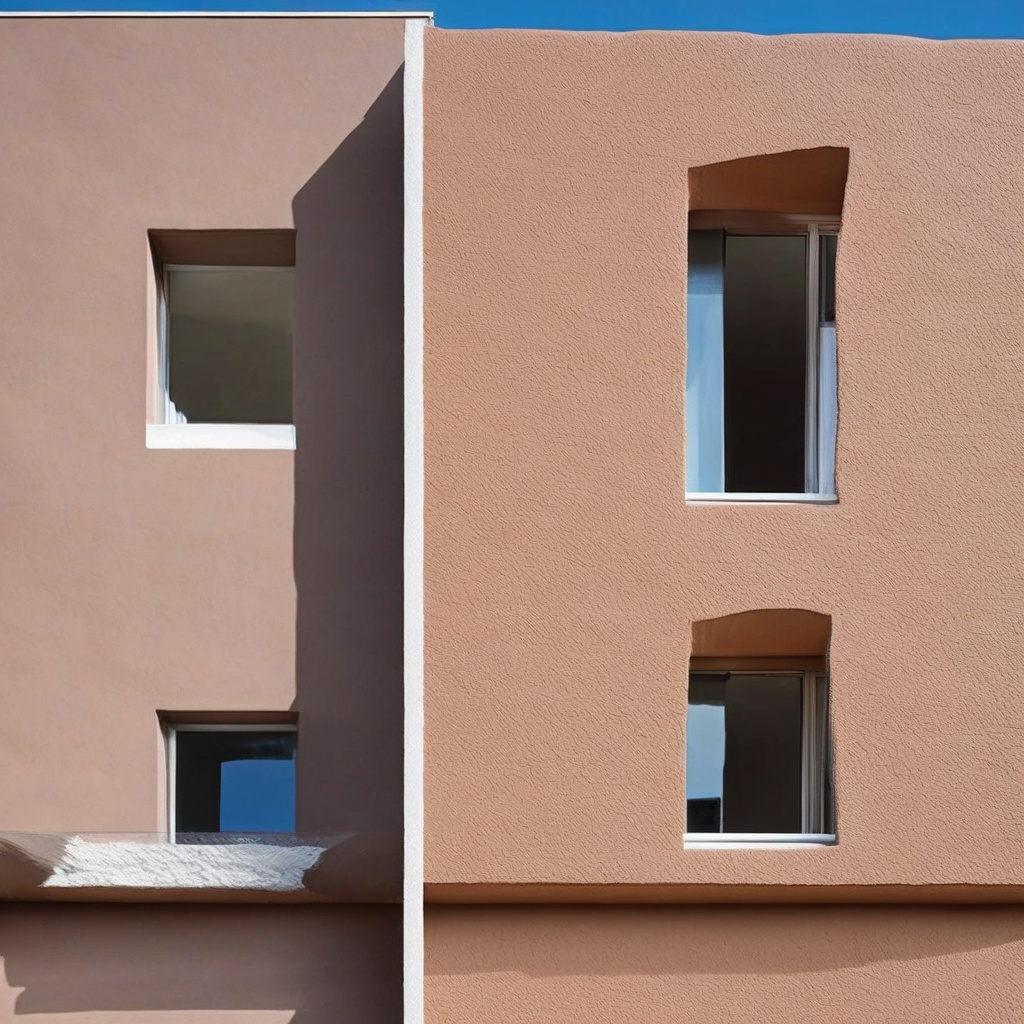
Walking down the streets of Los Angeles, it’s easy to spot the architectural shifts that define the city’s evolving landscape. Among these transformations, silicone plaster facades have emerged as a popular choice, offering both allure and functionality. But before you join the ranks of Angelenos opting for this modern finish, it’s worth exploring the benefits and potential drawbacks of silicone plaster for your home’s exterior.
Brief summary: Silicone plaster is a trending choice for Los Angeles facades, offering versatility and durability with a modern look. Understanding its benefits and challenges helps homeowners make informed renovation decisions, including cost-effectiveness and aesthetic appeal.
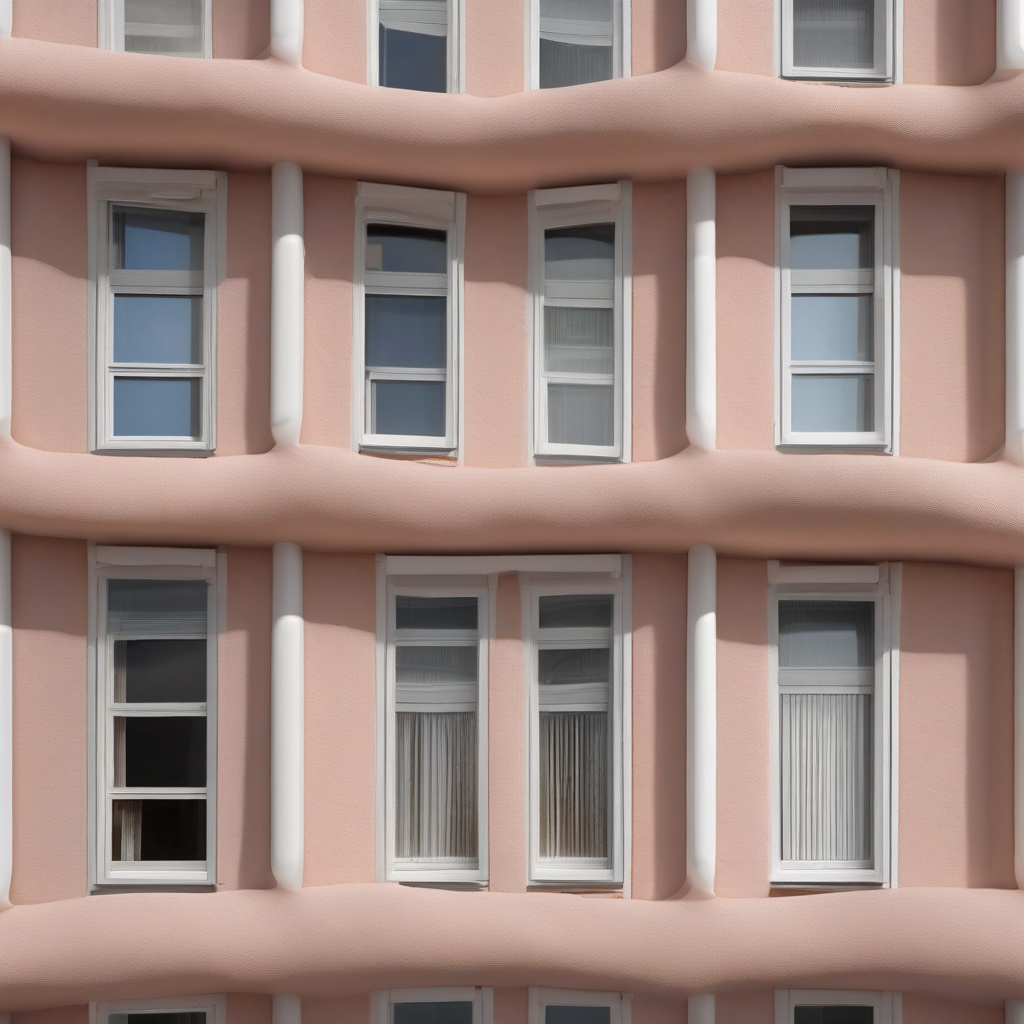
What You Should Know About Silicone Plaster
Silicone plaster is renowned for its breathability and flexibility. These characteristics make it particularly suitable for the varied climates experienced across Los Angeles. The ability to allow moisture to escape from the building envelope reduces the risk of mold formation—a point of concern for many homeowners.
Many Angelenos appreciate its stain-resistant surface, which isn’t just a luxury but a practical necessity given the city’s notorious air pollution. This quality ensures that your facade maintains a fresh appearance over time, resisting the grime and dust that often taint lesser materials.
As often happens during renovation debates, silicone plaster finds itself pitted against more traditional options. Enthusiasts argue that its ease of application and minimal maintenance needs outshine the alternatives. Advocates claim it’s an investment for both the pocket and aesthetics.
Modern homeowners are drawn to its seamless applications, enabling intricate designs and unique textures that harmonize with contemporary architecture. This makes it particularly appealing for new builds and those going for a fresh, modern look.
Ultimately, considering silicone plaster requires weighing these advantages against your specific needs and the long-term vision for your home.
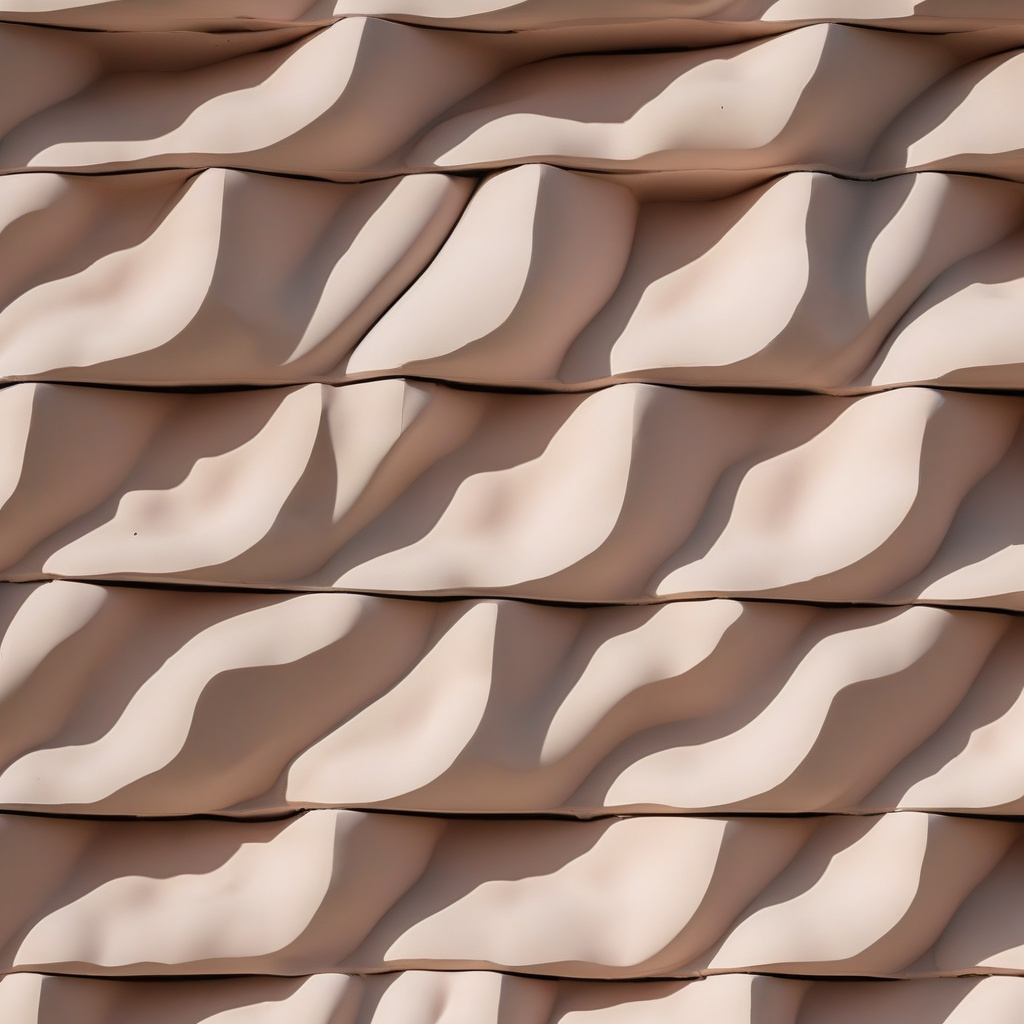
Advantages: A Facelift for Your Home That’s More Than Skin Deep
One of the standout features of silicone plaster is its durability. Silicone’s intrinsic elasticity caters to fluctuations in temperature that can lead to unsightly cracks in other materials. As many local homeowners notice, a facade that stands the test of time is worth its weight in gold.
The aesthetic versatility of silicone plaster is also highly valued, providing a range of textures and finishes. It allows for creativity and personalization, accommodating everything from smooth modern finishes to elaborate patterns that echo mid-century charm.
Its impressive water repellency is another highlight, offering a formidable defense against Los Angeles’ seasonal downpours. While this city enjoys ample sunshine, when it rains, it pours—and silicone plaster is ready for the challenge.
Moreover, the sustainability of this material dovetails nicely with the eco-conscious ethos prevalent in many LA neighborhoods. Being non-toxic, it aligns with environmentally friendly construction practices.
Conclusively, silicone plaster offers an attractive blend of functionality and aesthetic appeal, making it a strong contender in the realm of modern construction solutions.
“In construction, silicone-based treatments are praised for their longevity and ease of maintenance, proving particularly effective in urban environments.” —Industry Expert
However: Consider the Potential Drawbacks
No construction material is without its cons, and silicone plaster is no exception. The initial cost can be prohibitive compared to other finishes, which is a critical factor for budget-conscious projects.
Application can also present challenges, especially for those unfamiliar with its demands. Skilled labor is required to ensure the material’s full benefits are realized, which could add further to expenses.
The final look, while customizable, may not suit every architectural style, especially more traditional or classical designs. This limits its use in historical neighborhoods where preserving the original aesthetic is paramount.
Long-term performance is another consideration, as the material may require touch-ups or recoating, particularly if applied under less-than-ideal conditions. Preparation and application are key to longevity.
In conclusion, while silicone plaster offers numerous advantages, understanding its limitations is essential to determine if it’s the right choice for your project.
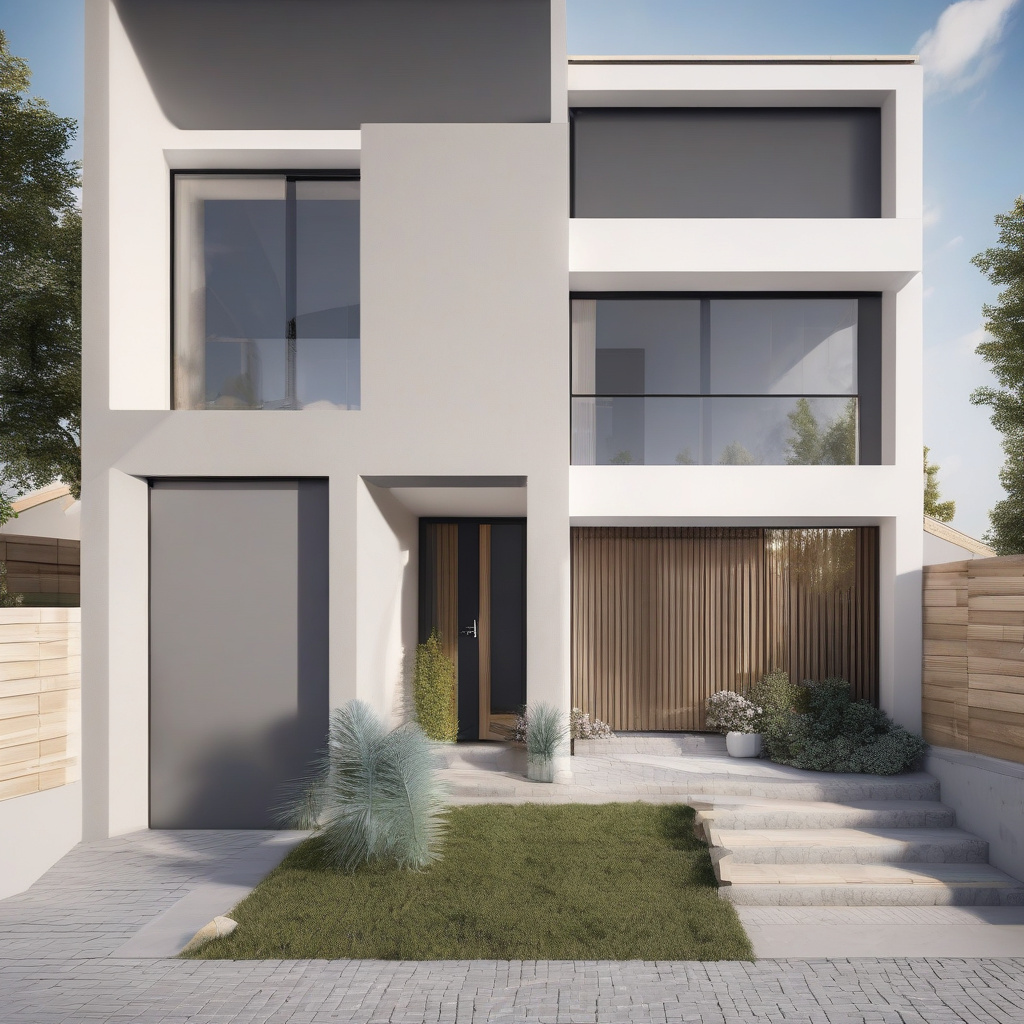
When It Makes Sense to Use Silicone Plaster
For homeowners seeking a contemporary facade with enduring appeal, silicone plaster makes perfect sense. It’s best suited for properties that aim to merge modern aesthetics with practical outcomes.
In areas prone to environmental grime and fluctuating weather, like the streets of Los Angeles, its resilient surface shines remarkably. Opting for this material means less time on upkeep and more time enjoying your upgraded home.
The material also suits diagonal or curved surfaces admirably, enabling creative architectural expressions that defy traditional design limits. This flexibility aligns well with custom builds aiming at unique visual statements.
Reflecting on its suitability, consider a silicone finish for your remodel if your primary goals include a balance of beauty, durability, and low maintenance.
Ultimately, it’s about aligning your vision with the material, ensuring a cohesive match that meets aesthetic and functional goals alike.
“A well-chosen facade not only boosts curb appeal but enhances overall property value—a key consideration for Los Angeles homeowners.” —Renovation Analyst
How to Choose the Best Facade Solution for Your Home
In navigating the myriad options for exterior finishes, a few key factors should guide your decision. Considering aesthetics, functionality, and budget constraints can lead to a sound choice.
Start with evaluating the architectural style and setting of your home. Whether you’re in Santa Monica with oceanic influences or nestled in the foothills with arid conditions, context is crucial.
Then, assess local climate challenges and potential environmental impacts on your facade. Silicone plaster is particularly advantageous for those looking to combat pollutants and weather extremes.
Cost remains an essential factor; while initial expenses may be higher, the longevity and reduced maintenance could offer savings in the long run. Compare this option against others like PVC panels or clinker thermal systems to weigh your options adequately.
Ultimately, it’s about understanding your immediate needs while planning for the future, ensuring that the choice complements your lifestyle and environmental ambitions.
Comparison Table: Silicone vs. Traditional Finishes
| Aspect | Silicone Plaster | Traditional Stucco |
|---|---|---|
| Durability | High | Moderate |
| Water Resistance | Excellent | Good |
| Maintenance | Low | High |
| Cost | Higher | Lower |
“Choosing the right facade material is as crucial as laying a solid foundation—both influence a building’s performance and appeal.” —Construction Expert
How to Apply Silicone Plaster: A Step-By-Step Guide
Applying silicone plaster isn’t just about slathering it on and hoping for the best. Precision is paramount to achieving that polished finish.
Firstly, ensure that the substrate is clean and devoid of dust or oils. This preparation step is vital for adhesion. Consider professional cleaning services if needed.
Next, mix the silicone plaster according to manufacturer specifications, paying close attention to the consistency. An uneven mix can lead to application inconsistencies later.
When applying, use a steel trowel to spread the plaster evenly, working in small sections to maintain a wet edge. This boosts cohesion and prevents visible joints or seams.
Finally, finishing touches can include gentle sponge work to add texture or a smooth trowel for a sleek finish. Patience pays off here, with precise efforts reflecting in the final look.
Incorporating silicone plaster into your renovation plans can be daunting, but understanding its properties both accelerates decision-making and optimizes long-term satisfaction.
- Silicone plaster is highly durable and water-resistant, ideal for diverse climates.
- Its aesthetic versatility is perfect for modern and custom designs.
- Despite higher costs, its low maintenance may pay off over time.
- Understanding proper application techniques ensures optimal performance.
- Comparing with alternatives helps in making informed renovation decisions.
“`html
FAQ
What is silicone plaster, and how is it used for facades?
Silicone plaster is a modern finishing material widely used for facades. It combines silicone resins with mineral fillers, enabling durability and elasticity. In real renovation projects, such as updating an older property, it often comes into play due to its resistance to cracking and weathering. This plaster provides a protective layer while allowing water vapor to escape, which is crucial for maintaining underlying structures in homes, particularly those exposed to diverse weather conditions prevalent in areas like California.
What are the key advantages of silicone plaster for facades?
Silicone plaster is praised by many experts for its elasticity, which helps prevent unsightly cracks—a common issue in older, shifting structures. It’s also noted for its self-cleaning properties, ideal for homes in urban environments with pollution. For Californian homeowners keen on sustainability, its breathability reduces moisture buildup, preventing mold growth. This sustainable approach aligns with modern eco-friendly choices in home renovation.
What are the disadvantages of using silicone plaster?
Despite its advantages, silicone plaster comes with higher costs compared to traditional alternatives like acrylic or mineral plasters. Many homeowners chasing budget renovations might initially overlook this aspect, not realizing the long-term savings on maintenance. Another potential downside is its complex application process, which often requires professional installation to achieve the best results, adding to upfront costs.
How does silicone plaster contribute to energy efficiency?
Silicone plaster can significantly enhance a building’s energy efficiency. Its insulating properties help stabilize indoor temperatures, reducing reliance on heating and cooling systems. In newer builds with modern systems, this is particularly beneficial as it complements existing thermal performance strategies, essentially working to lower utility bills—a notable advantage for Californian residents experiencing high energy costs.
What should you consider when choosing silicone plaster for your home?
Selecting silicone plaster involves assessing your home’s specific needs. Consider environmental factors; if your property is subject to harsh weather, the plaster’s durability becomes a major asset. Also, factor in the aesthetic goals—silicone plaster offers a wide range of colors and textures, ideal for achieving personalized designs. Homeowners often underestimate the importance of professional application to maximize these benefits. Consulting professionals can prevent costly errors, and if you need guidance on this, consider [contacting experts for advice on application techniques](https://californiarenovation.top/contact/).
What are common mistakes to avoid when applying silicone plaster?
A typical mistake is neglecting surface preparation. Silicone plaster requires a clean, even surface for proper adhesion. In practice, I’ve seen cases where rushing this step led to uneven finishes and compromised durability. Another error is DIY application without adequate experience, which can result in higher costs down the line due to necessary repairs or reapplications. Engaging with skilled professionals is key in avoiding these pitfalls.
What are the maintenance requirements for silicone plaster facades?
Silicone plaster is relatively low-maintenance, which is one of its selling points. Its self-cleaning nature reduces the need for frequent washing. However, periodic inspections for damage, particularly after extreme weather conditions, are advisable. Many homeowners overlook these check-ups, but they can prevent minor issues from escalating into costly repairs. Moreover, any minor cracks should be addressed promptly with professional help to maintain the plaster’s protective qualities.
Is silicone plaster more cost-effective in the long run?
While silicone plaster involves a higher initial investment compared to other types, its durable nature can lead to fewer repairs and lower maintenance costs over time. In practice, many homeowners find that, within a few years, savings on repainting and repairs offset the upfront expenditure. Longevity and reduced maintenance needs make it a savvy choice for those planning to stay in their homes for the long haul, particularly when factoring in the mild and sometimes unpredictable Californian climate.
“`