In the sprawling neighborhoods of Los Angeles, where Mediterranean-style homes blend with sleek modern designs, the challenge of dealing with sticky or hard-to-open windows is all too familiar. It’s a situation that many homeowners face, as windows, much like any part of a home, can fall prey to the ravages of time and weather. Addressing these issues not only restores the functionality of your windows but also preserves the elegance and value of your property.
Brief summary: This article explores practical, step-by-step strategies to troubleshoot sticking or hard-to-open windows commonly found in Los Angeles homes. By examining real-life scenarios, we highlight the costs, renovation trends, and expert tips necessary to tackle these ubiquitous issues. Discover how to maintain your windows effectively and ensure a seamless blend with your home’s design aesthetic.
Common Causes of Window Issues
Windows are the gateways to the soul of a home, but when they start resisting your attempts to open or close them, it’s time to roll up the proverbial sleeves. Many local homeowners notice such issues, often caused by factors like humidity, dirt accumulation, or structural shifts in the house. Here in Los Angeles, the dry to humid climate fluctuations are notorious for causing materials to expand and contract, leading to misalignment and sticking.
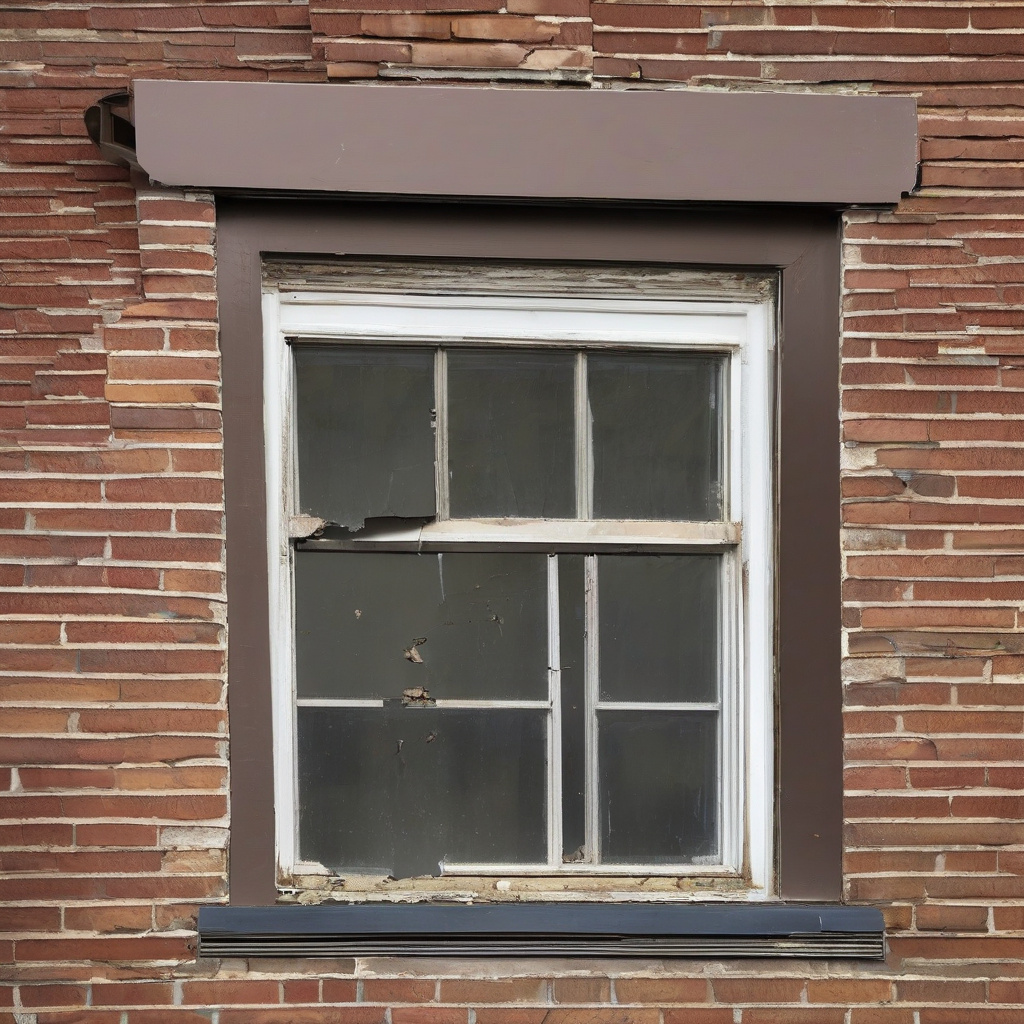
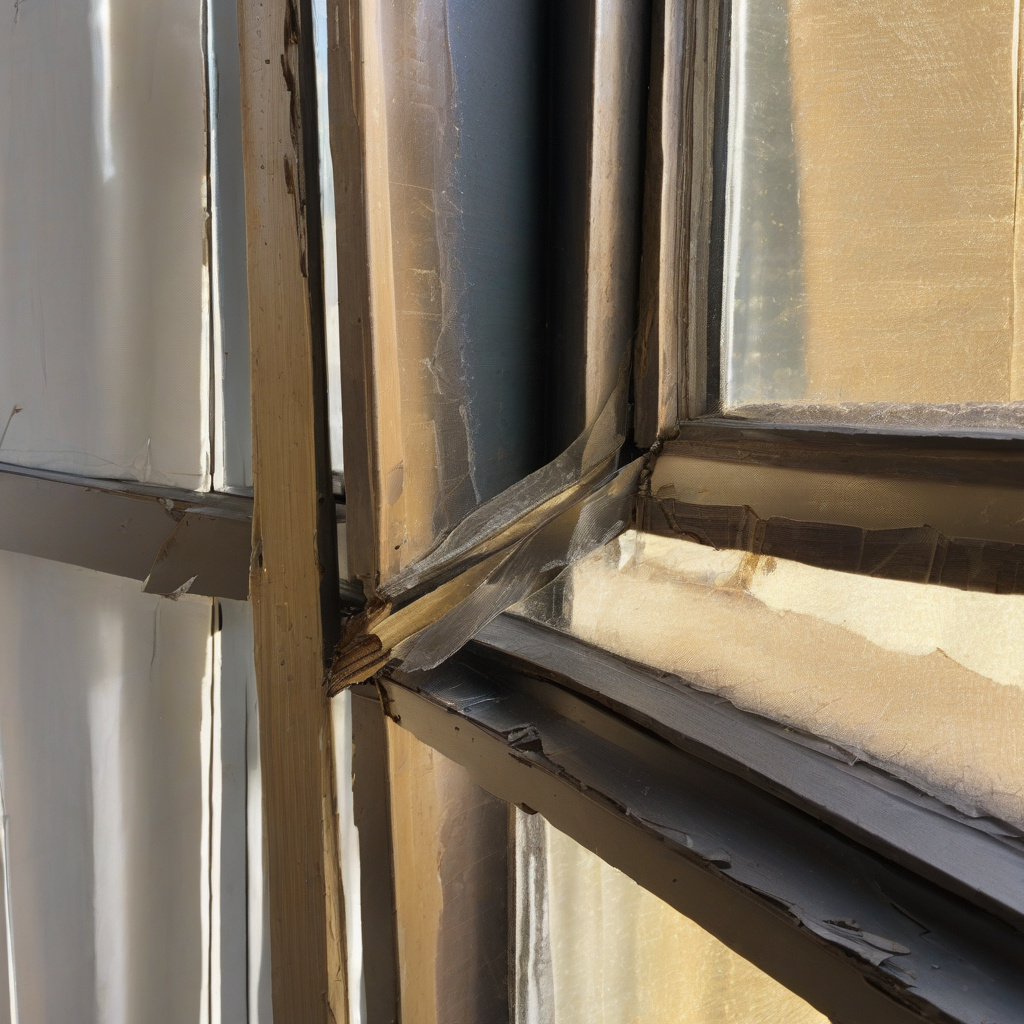
Understanding the root cause is critical. Begin by inspecting the frame and sash to note any visible damage or warping. Often, a simple lubrication using a silicone spray can reduce friction, making them glide smoothly once more. Nevertheless, a thorough cleaning is usually the first logical step. Dirt, paint build-up, and debris can act like stubborn guards, resisting the natural operation of your windows.
In some instances, the problem may stem from issues that require more than just DIY attention. A professional assessment might reveal weather stripping or alignment concerns that demand more technical interventions. Homeowners are advised to remain vigilant to early signs of damage, as prolonged neglect can lead to more costly repairs.
Be proactive in maintaining window integrity by scheduling regular check-ups. A little prevention now could save a lot of frustration later.
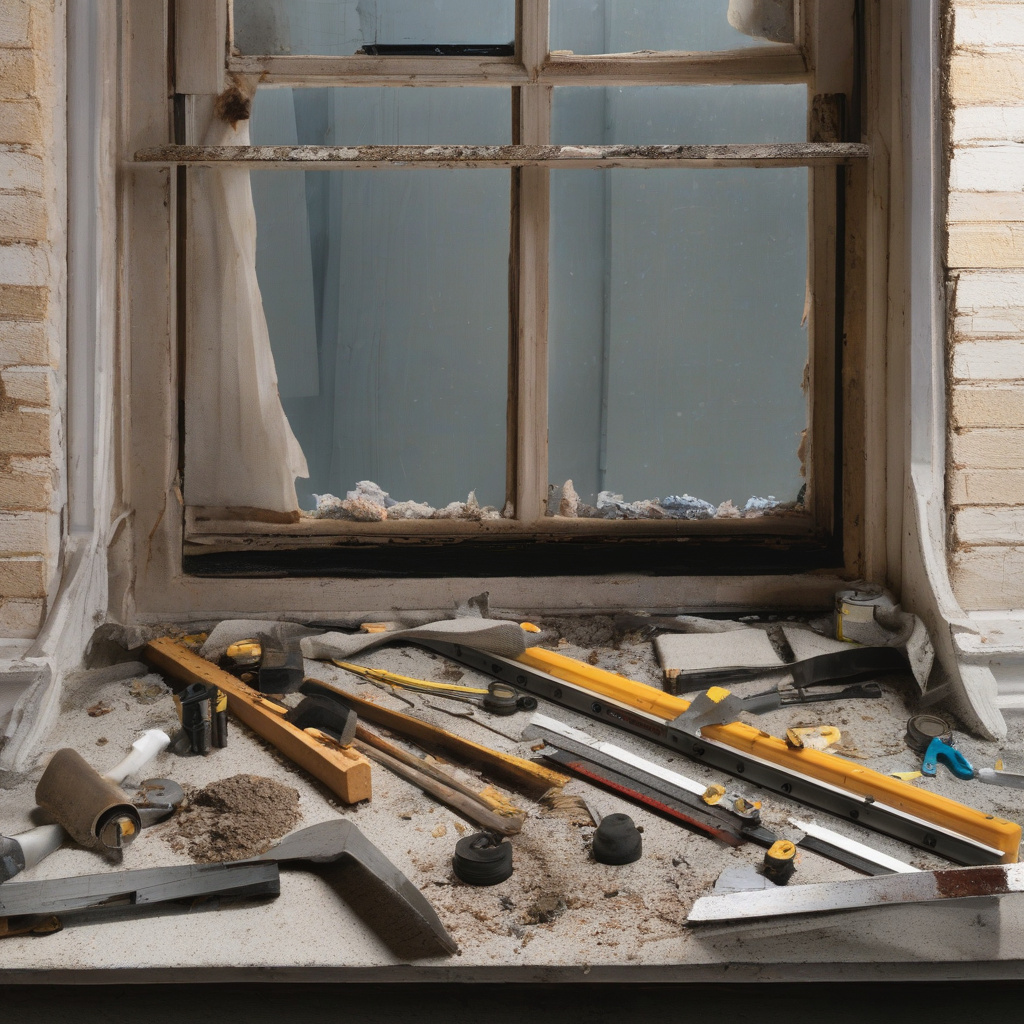
According to a survey by the Home Improvement Research Institute, 30% of window issues in urban homes are due to environmental changes impacting materials.
Identifying Structural Challenges
For the discerning homeowner, understanding the architecture of their dwelling can be vital in diagnosing window problems. Homes in Southern California, ranging from charming craftsman bungalows to minimalist contemporary abodes, face unique challenges depending on their architectural nuances. Framework swelling during the rainy seasons or settling over time can cause bindings.
Los Angeles’s diverse architectural styles often use different materials—wood, vinyl, aluminum—which react differently to weather conditions. Wood, for instance, although prized for its aesthetic appeal, can swell considerably when pitted against the infamous Santa Ana winds. Homeowners should regularly check for any indications of frame deformation or wood rot.
Gaps between the frame and sash can also be tell-tale signs of structural complications. If you’re grappling with the aesthetics of traditional windows versus the practicality of contemporary glass designs, reviewing the extensive options available can help you make an informed decision.
Once structural discrepancies are pinpointed, the subsequent step involves choosing the right corrective approach, whether it’s replacing a few components or considering a full window upgrade.
The diagnosis stage is crucial: detailed attention now will steer you clear of missteps that complicate rather than simplify the remedy process.
Exploring Repair vs. Replacement
The decision between repairing or replacing a problematic window is both practical and financial. A tale as old as time, it requires careful consideration of costs, timelines, and the desired aesthetic outcome. But as many homeowners in Los Angeles have discovered, what may initially seem like a simple repair can sometimes require more drastic measures.
Is it better to preserve the existing windows’ charm or step into the modern age with more durable, energy-efficient selections? For some, the introduction of glass railings and fixed windows offers a sleek, unobstructed view that aligns with contemporary tastes.
Assessing costs involves not only the immediate outlay for replacements or repairs but considering the long-term energy savings new windows might deliver. It’s a balancing act to keep the nostalgic appeal while maximizing performance efficiency.
Weighing up the immediate renovation costs against potential future savings makes this decision a cornerstone of responsible home ownership and aesthetic consideration.
Industry expert Jane Doe notes, “In the long run, investing in high-quality window replacements can return up to 80% of the cost in energy savings, illustrating both a financial and functional gain.”
| Option | Cost | Timeline | Materials | ROI |
|---|---|---|---|---|
| Repair | $100 – $500 | 1-2 weeks | Existing | Minimal |
| Replacement | $500 – $2,000 | 3-4 weeks | Modern/High-Efficiency | Up to 80% |
Material Considerations for a Better Fit
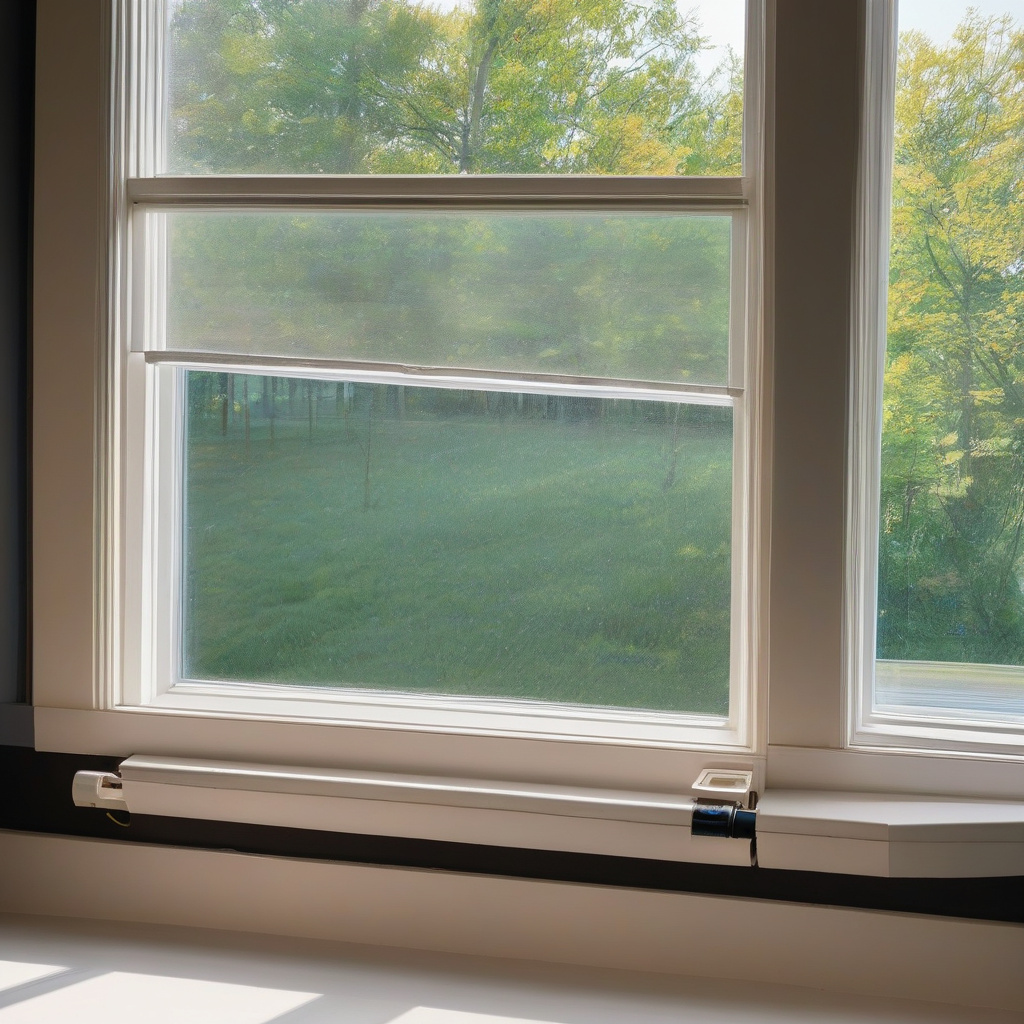
Once the decision to repair or replace has been made, one must delve into material selections. As Southern California homes continue to evolve, so too must the materials that are used to craft iconic window designs. From wood and vinyl to composite and aluminum, each material presents its own set of advantages and shortcomings.
Wood remains an evergreen choice for its warmth and visual appeal, yet it demands regular maintenance against moisture-induced deformities. Vinyl, praised for its insulation properties, offers a more budget-conscious solution though it lacks the character of its wooden counterparts.
Aluminum windows are slowly gaining traction within modern home designs due to their sleek finishes and minimal maintenance requirements. For those seeking a balance between design and durability, composite frames provide resilience without sacrificing the old-world charm.
Referencing patterned window designs can serve as a valuable guide to aligning your choice of materials with both function and flair.
A recent study highlighted that choosing energy-efficient materials can reduce heating and cooling costs by 25%, a benefaction not to be overlooked in sweltering California summers.
Risk Assessment in Window Renovations
As with any home improvement journey, undertaking window renovations bear inherent risks. It’s a tale of careful consideration where the wrong decision not only costs financially but can detract from a home’s overall value and aesthetic. Yet, the rewards often outweigh these risks when approached with informed precision.
The prime risk here is underestimating the project scope. Homeowners may venture into DIY territory without fully appreciating the expertise required to ensure precision alignment and flush installations. Often, what begins as a seemingly simple fix can spiral into a more complex replacement scenario.
However, with risks come the rewards of increased home value, improved energy efficiency, and revitalized curb appeal. Choosing the proper contractor—one versed in the nuances of California infrastructure—can mitigate many of these risks.
A little bit of research, foresight, and strategic planning turns these renovation projects from daunting to manageable.
The careful analysis of risks versus rewards positions homeowners to make judicious choices that amplify both the beauty and comfort of their living spaces.
Practical Next Steps for Homeowners
Armed with an understanding of materials, costs, and potential pitfalls, it’s essential to embark on the next phase of your window renovation journey. One that ensures aesthetic coherence and structural synergy with your existing home layout.
Evaluating complementary design elements such as trims and colors is crucial. Their role cannot be understated in maintaining the architectural harmony of your home. Exploring integrated trim and door solutions will help to ensure that any updates align seamlessly with your current aesthetic.
Consulting with professionals and leveraging local resources for advice and materials provides you with a tailored approach to your unique living environment. After all, there is something inherently satisfying about living in a home that not only looks delightful but functions at its best.
Committing to researching and planning is not just a nod to economic prudence but an acknowledgment that the heart of your home deserves the best.
- Windows in Los Angeles homes face unique wear due to local climate conditions.
- Structural integrity checks are crucial for maintaining window functionality.
- Careful consideration must be given to repair vs. replacement decisions.
- Choosing the right material can significantly impact energy efficiency and aesthetics.
- Successful window renovations enhance both home value and comfort.
“`html
FAQ
Why do windows stick or become difficult to open over time?
In many older homes, windows can become hard to operate due to material age, shifts in foundation, or seasonal changes. Wooden frames, for instance, tend to swell during humid summers. Conversely, aluminum frames might warp with continuous temperature fluctuations. Many homeowners overlook the accumulation of dirt and paint in tracks as another leading cause. Over time, these factors contribute to friction, making the windows challenging to open smoothly.
What is the first step in troubleshooting a sticking window?
Many experts suggest starting with a close inspection of the window frame and sash. In real renovation projects, it often becomes clear that visual clues like cracks, peeling paint, or debris point to the underlying problem. By identifying signs of wear or damage, you set the foundation for effective troubleshooting. Be sure to open and close the window gently to listen for any unusual noises that might indicate a specific spot causing friction.
Should I consider replacing or repairing a sticking window?
When deciding between repair or replacement, consider the window’s age and material. For instance, a modern vinyl window with a minor issue might only need a quick fix. However, if you are dealing with older, single-pane windows that frequently stick, replacement might ultimately save you money on energy bills. Many homeowners find that while repairs seem cost-effective initially, repeated fixes often match or exceed the cost of new installations over time.
How can weatherstripping help with window operation?
Weatherstripping is a practical solution for improving window functionality. It reduces energy loss and prevents drafts, making homes more comfortable. In real-life applications, self-adhesive foam strips can be easily fitted to window frames, creating a seal that not only facilitates smoother opening and closing but also reduces potential rattling during windy conditions. Properly installed weatherstripping is an inexpensive yet effective measure many homeowners often underestimate.
What are common maintenance tips for ensuring smooth window operation?
Routine maintenance is key to avoiding common window issues. Homeowners should regularly clean the tracks with a mild detergent to prevent grime buildup. Applying a silicone-based spray can help reduce friction. Additionally, checking for paint alignment after a fresh paint job and ensuring no paint seeps into tracks preserves functionality. Preventive maintenance like this not only promotes smooth operation but extends the lifespan of your windows.
Are there risks associated with DIY window repairs?
Taking the DIY route for window repairs can be rewarding but carries its own potential pitfalls. While minor issues like cleaning tracks and reapplying lubricant are relatively safe, more complex tasks, such as realigning sashes or replacing panes, can risk further damage or void warranties. Hiring professionals ensures the use of proper techniques and tools, ultimately saving both time and potential repair costs. For detailed guidance, it could be wise to consider professional help as suggested in this insightful article on contacting expert renovators.
What are the pros and cons of replacing sticking windows?
Replacing sticking windows comes with several advantages, including improved energy efficiency, increased curb appeal, and enhanced functionality. Modern windows often offer advanced features like low-emissivity coatings that help with temperature regulation. However, the upfront cost can be a deterrent for some homeowners, and the installation process may temporarily disrupt daily life. Nonetheless, weighing these pros against the persistent nuisance of hard-to-open windows often leads homeowners to see replacement as a worthy investment.
When does it make sense to call in a professional for sticking windows?
Contacting a professional becomes sensible when dealing with recurring issues that DIY methods fail to address. If you notice that previous fixes only provide temporary relief or if there is visible structural damage, expert intervention is crucial. Professionals possess the necessary tools and experience to diagnose and address deeper issues, ensuring the longevity and proper function of windows in both older homes and newer builds. Don’t hesitate to seek professional advice when needed.
“`