Choosing the perfect exhaust fan for your bathroom may seem like a trivial task, but in the sprawling metropolis of Los Angeles, where renovation dreams meet reality, it takes on an almost existential dimension. One wrong choice and your meticulously designed space could relive a foggy horror show every time the shower runs. With the stakes this high, understanding how to select the right fan size is crucial to safeguarding both your investment and sanity.
Brief summary: Selecting the right exhaust fan size for a bathroom involves assessing the room’s volume, the length of ductwork, and the moisture levels to ensure effective steam removal. This prevents damage to finishes and maintains indoor air quality, a critical consideration for homeowners in Los Angeles. Expert guidance and thorough planning prevent costly installation mistakes and enhance bathroom renovation projects.
Understanding Bathroom Dynamics: Size, Steam, and Sustainability
A bathroom is not just a room; it’s a microclimate. Steam from showers and baths can quickly turn a pristine space into a humid chamber, making it a breeding ground for mold and mildew. The right exhaust fan is more than a luxury — it’s a necessity, especially in areas like Southern California, where high temperatures and humidity add an extra layer of complexity.
Consider the volume of your bathroom. The general rule of thumb is that you need at least one cubic foot per minute (CFM) of ventilation per square foot of the room. For a small bathroom, a 50 CFM fan might suffice, but larger spaces require more powerful options. Remember, if your ceiling is notably high, the math changes.
Next comes the duct length. In Los Angeles homes, where open-plan designs are popular, the length and shape of the duct can significantly affect the fan’s efficiency. Longer ducts with multiple turns need a fan that can maintain power over distance, a crucial detail often overlooked. Investing in ductwork with minimal bends optimizes airflow, a consideration as vital as choosing the fan itself.
Lastly, contemplate moisture levels. Homes by the coast will naturally encounter higher humidity. An undersized fan in these conditions won’t just fail in its duty — it will falter spectacularly, leading to damp patches and unpleasant odors. This makes careful selection and placement of fans a non-negotiable step.
With an understanding of these dynamics, choosing a suitable exhaust fan becomes a calculable task, rather than a leap of faith.
Budgeting for Bathroom Renovations in the City of Angels
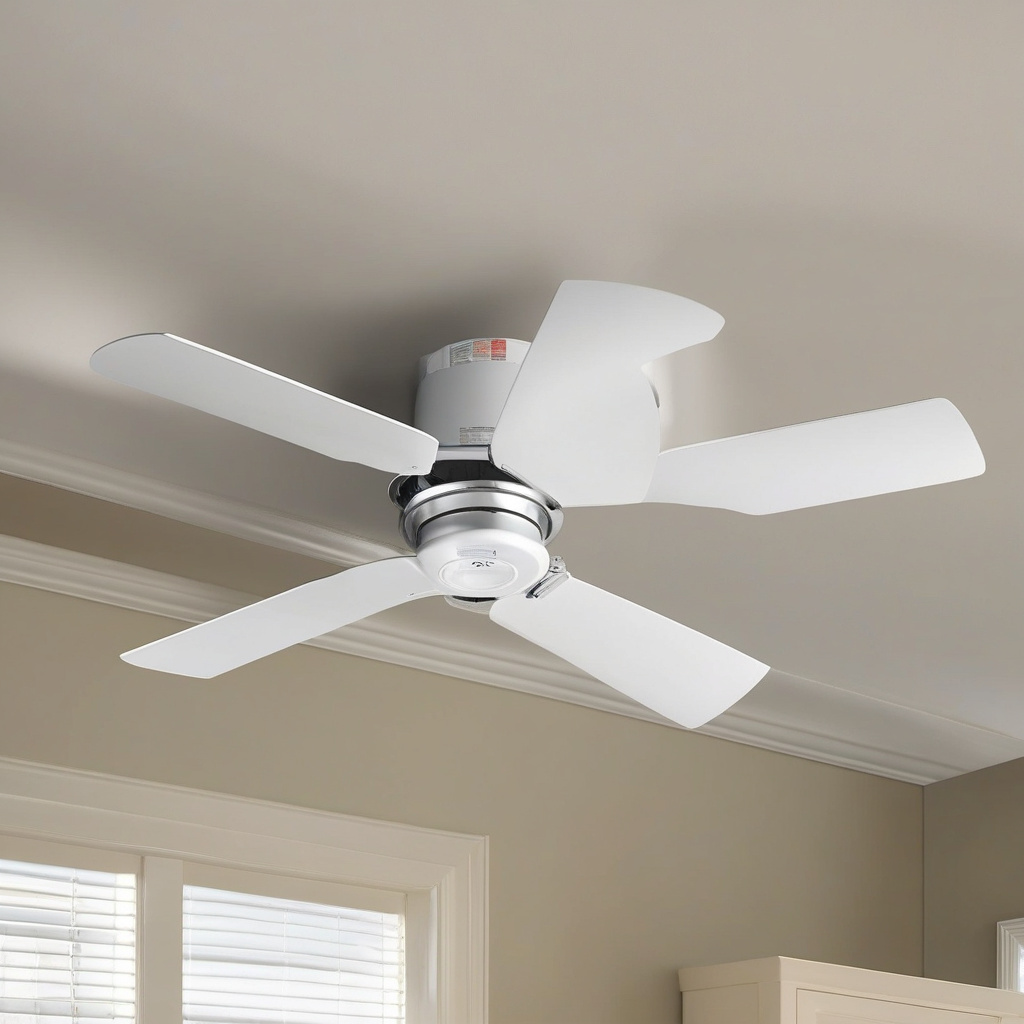
Renovating a bathroom in Los Angeles demands a well-planned budget. With the region’s diverse architecture, costs can swing wildly, often dictated by the style and specifications desired. Incorporating the right exhaust fan isn’t just a matter of ventilation, but part of the comprehensive cost that represents both practicality and style.
The cost of installing a bathroom fan can range from $200 to upwards of $500, considering the necessary fixtures and possible ductwork alterations. Moreover, consulting with professionals who understand the local infrastructure and code is paramount. It ensures installations not only meet aesthetic expectations but comply with regulations.
While fans can be surprisingly affordable, investing in quality can substantially increase their lifespan, making them truly worth the extra expenditure. As fans improve, they tend to grow quieter and more energy-efficient, features that can lead to reduced utility bills in the long run.
Given the competitive real estate market in Los Angeles, a well-ventilated bathroom not only serves functional purposes but can enhance your home’s resale value. Prospective buyers will appreciate the attention to detail, from the choice of tiles to the fixtures, when deciding on a new home.
Balancing costs with functionality is essential to avoid renovation pitfalls. For those navigating the intricate waters of bathroom renovations in Los Angeles, knowing where to allocate resources spares time and rework in the future.
Citing Trulia’s recent market analysis, “Homes with contemporary, updated bathrooms tend to see a 20–30% increase in sale value.”
Making Sense of Layouts: The Fan’s Role in Design
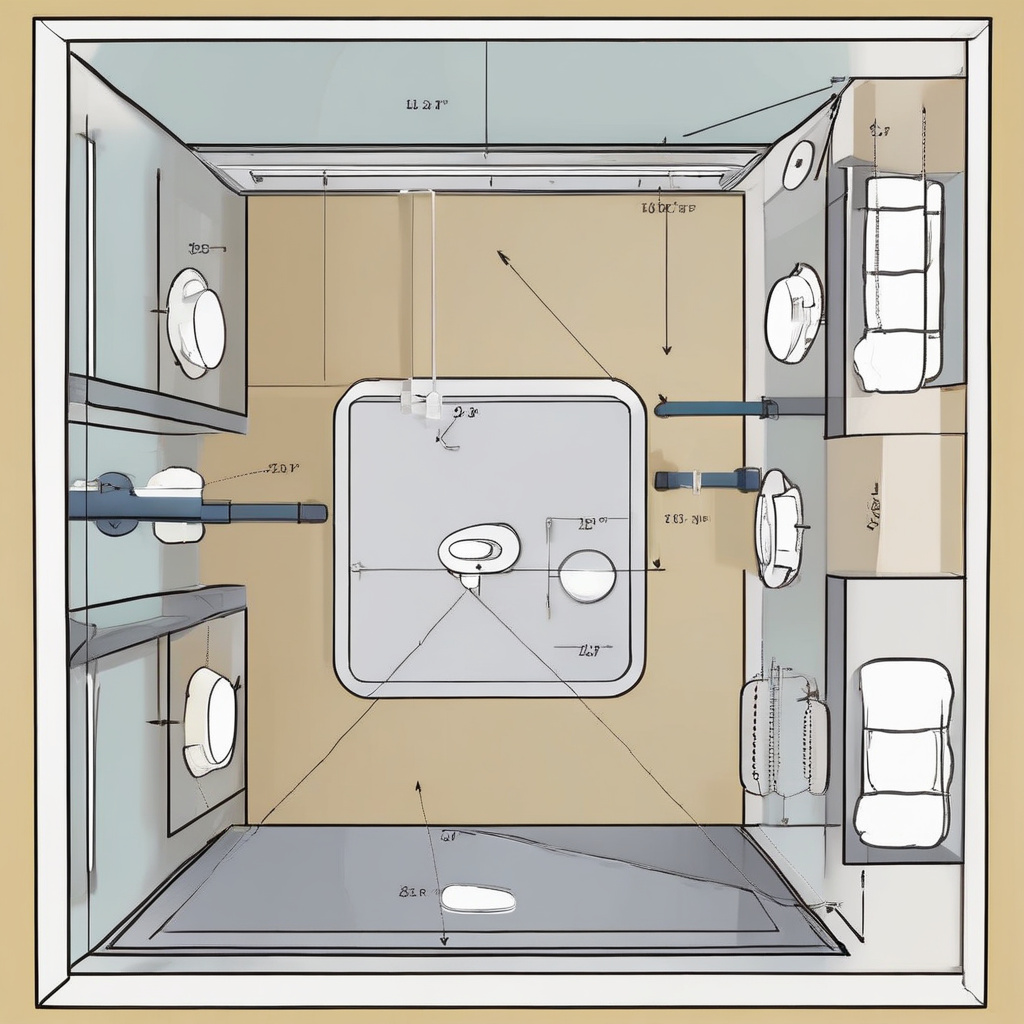
Integrating an exhaust fan within the bathroom’s design is no trivial task. A hideous, protruding vent can offset even the most elegantly arranged room. Ensuring a seamless blending of functionality and aesthetics requires an understanding of both spatial dynamics and strategic placement.
When planning your renovation, the layout of fixtures and fittings should inform the fan’s placement. Ideally, fans need to sit adjacent to showers or tubs — the primary sources of moisture. However, in designs where this isn’t feasible, it sometimes pays off to incorporate innovative architectural elements that conceal the venting, such as false ceilings or light fixtures combined with extraction fans.
In comparison, larger bathrooms might benefit from multiple smaller fans rather than a single high-capacity model. This distribution prevents cold spots and uneven ventilation scores, especially in elongated or irregularly shaped spaces typical in older L.A. homes.
The decision to go full or partial on tile installations can also influence your choice of fan. Where there’s widespread use of tile, especially on ceilings, higher CFM fans may be advisable due to increased reflection and durability against moisture. To understand when to opt for such tiling decisions, explore this detailed tile decision guide.
By aligning design principles with technical necessities, the integration of exhaust fans becomes less of a compromise and more of an art form in itself.
Designing Spaces contributor Amanda Brown notes, “Incorporating tech-smart solutions, like voice-controlled fans, has significantly transformed the contemporary bathroom experience.”
Comparative Analysis: Costs, Materials, and Longevity
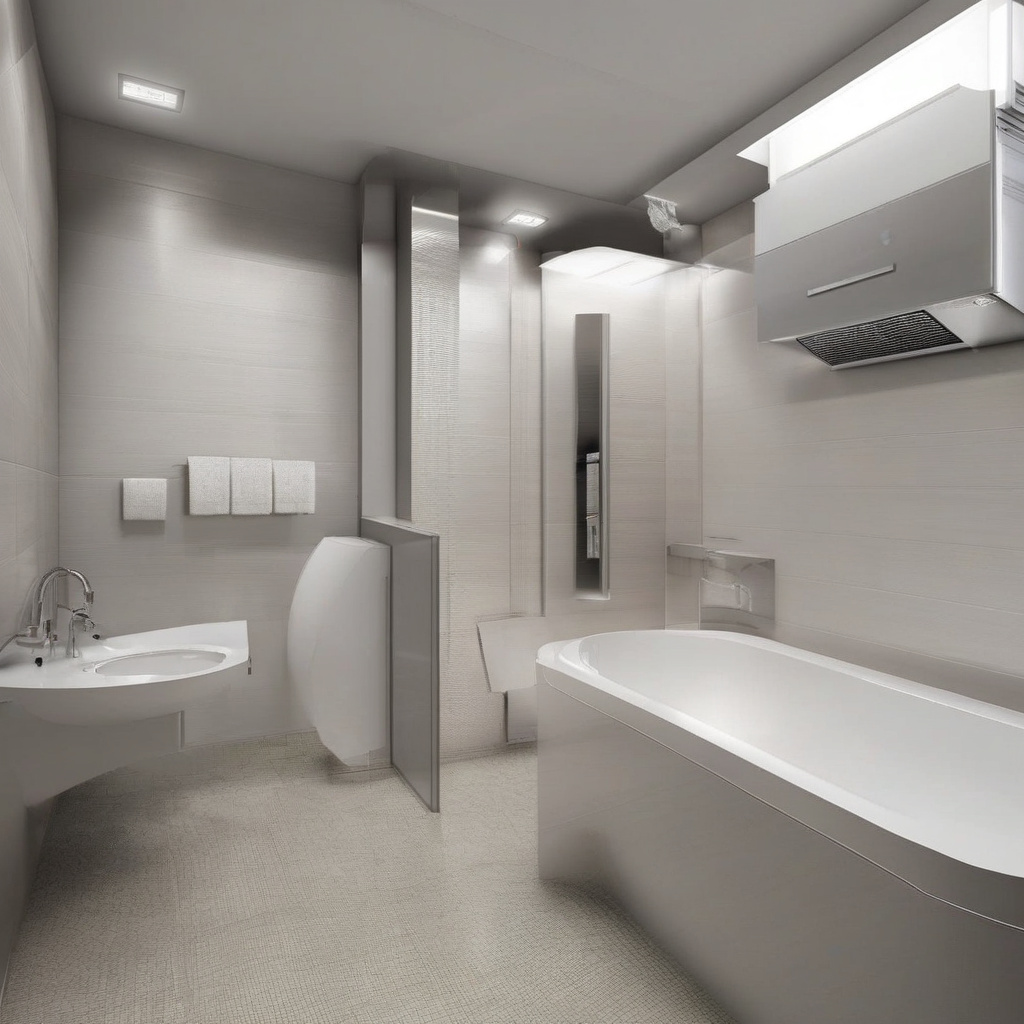
When it comes to materials and associated costs, the world of exhaust fans is surprisingly diverse. From budget-friendly models to bespoke options requiring specialized installation, how do homeowners navigate these choices?
Consider this comparison of typical fan installations:
| Factor | Low Range | Mid Range | High Range |
|---|---|---|---|
| Cost | $100 – $250 | $250 – $500 | $500+ |
| Materials Used | Basic Plastics | Stainless Steel | Custom Finishes |
| Expected Lifespan | 5 Years | 10 Years | 15+ Years |
Longevity and energy efficiency are crucial considerations. While the lower-end models may entice with their upfront affordability, mid to high-range fans offer advanced features such as humidity sensors and silent operation — characteristics that extend their work-life and enhance user experience.
Balance these features against your renovation timeline. For those uncertain about their commitments or planning multiple upgrades, it might be worthwhile to avoid the high-end fans at first. Guidance on how to avoid remodeling delays can be pivotal when balancing such factors.
Evaluating the long-term versus short-term gains is crucial for making an informed decision. Ultimately, a quality exhaust fan not only curtails mold growth but becomes a silent guardian of your bathroom, ensuring every component works in harmony.
According to Buildzine, “The return on investment for high-quality exhaust fans can exceed 70% when considering energy savings and structural integrity preservation.”
Steps to a Smooth Installation: A How-To Guide
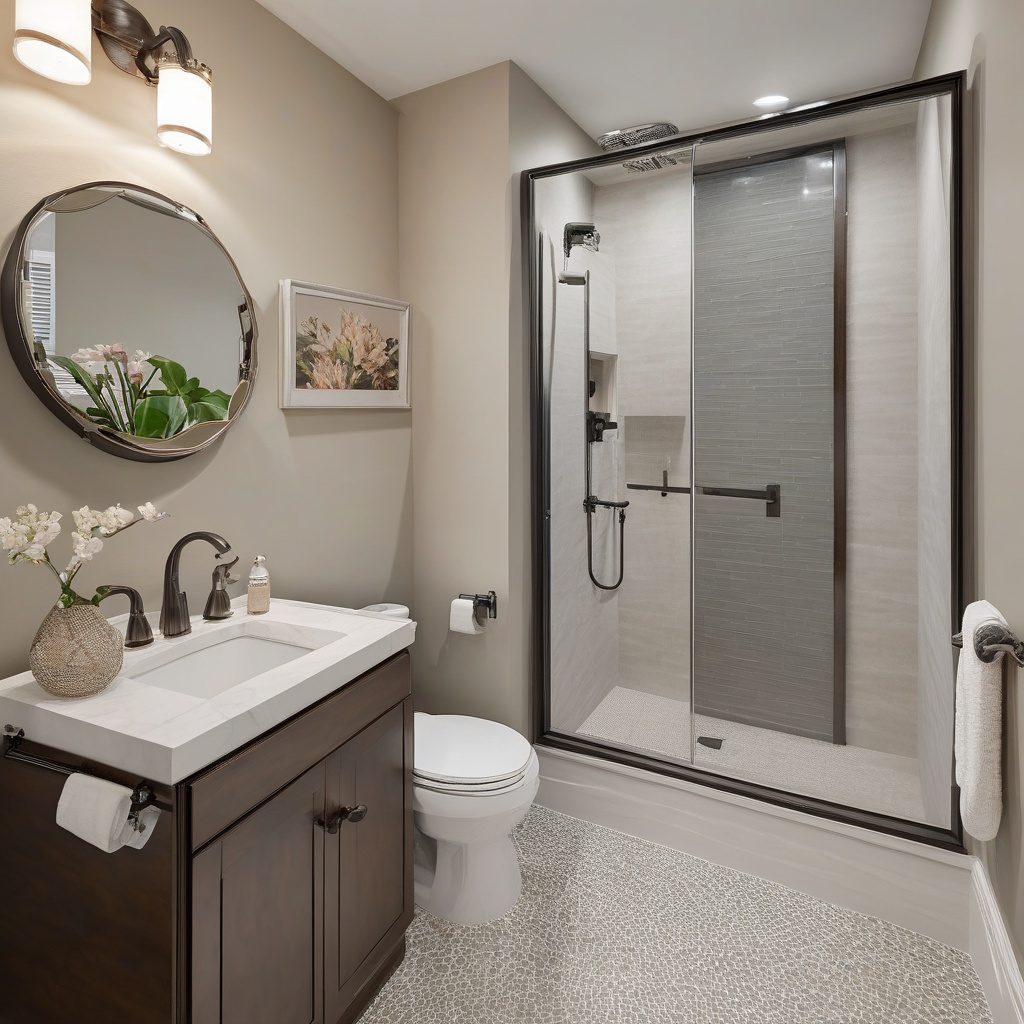
Like any successful renovation project, installing an exhaust fan requires careful preparation and methodical execution. Here’s how you can ensure your fan installation process is as seamless as the tiles in your bathroom:
- Begin with a detailed plan, identifying the layout and determining the most logical spot for fan installation.
- Research local building codes and acquire necessary permits, particularly if modifications to existing structures are required.
- Gather all needed materials, including the selected fan model, necessary ductwork, and mounting hardware.
- Hire an experienced contractor or electrician if your project involves complex electrical work – skilled professionals are indispensable here.
- Before finalizing installation, perform a dry fit to assess the fit and function of your chosen setup.
Execution of these steps can spare unnecessary stress and extra costs typically associated with do-overs or faulty installations. Ensure that the chosen professionals are well-versed with the particular challenges of Southern California homes, from potential seismic compliance to the quirks of century-old architecture.
Access reliable advice about questions to ask when contracting for renovations to make informed choices during installation.
Being methodical ensures not just flawless installation but a sense of accomplishment that turns the renovation journey from daunting to rewarding.
The Road Ahead: Preparing for Future Renovations
An exhaust fan, while often taken for granted, represents more than just clearing steam; it’s peer into the future potential of your home. Once installed, ensuring regular maintenance and upgrades becomes a commitment to sustaining your property’s aesthetics and value.
Many Los Angeles homeowners find that a carefully maintained bathroom with a high-functioning exhaust system significantly enhances daily living standards. It’s an investment in comfort and health, reducing the hidden costs associated with neglect like mold remediation or structural repair.
As technology evolves, fans with integrated smart features are becoming increasingly popular, able to adjust functionality based on real-time data. They promise even greater energy efficiency, offering more personalized and responsive experiences to homeowners.
By considering current and future needs today, you foster an environment that is not just up to design standards but capable of adapting to the changes that the coming decades will bring. Engaging with your renovation expert on the latest advancements prepares your sanctuary for the long haul.
Recognizing this foresight transforms the headache of selecting an exhaust fan size into a decisive step toward cultivating the house of your dreams.
- Proper fan sizing is based on bathroom volume and ductwork specifics.
- High-quality fans offer significant long-term value and energy efficiency.
- Installation should prioritize expert guidance to avoid maintenance headaches.
- Layout considerations are vital for seamless integration into bathroom designs.
- Regular updates and maintenance ensure ventilation effectiveness and longevity.
FAQ
How do I determine the right exhaust fan size for my bathroom?
When selecting an exhaust fan, consider your bathroom’s volume. Measure length, width, and height, and multiply these for the cubic feet. For instance, in a standard 100-square-foot bathroom with an 8-foot ceiling, you’re dealing with 800 cubic feet. Ensure your fan’s cubic feet per minute (CFM) rating matches the volume to effectively remove steam and moisture, preventing paint and fixtures from deteriorating prematurely. Also, the duct length matters; longer ducts require fans with higher CFM ratings. It’s a practical detail often overlooked during busy renovations but crucial for maintaining air quality.
What should I consider about duct length when choosing a bathroom exhaust fan?
In real renovation projects, the duct length can significantly impact fan efficiency. Longer ducts impose resistance, requiring higher powered fans. For every foot of duct and each elbow in the duct run, additional CFM is needed. Renovators in older homes often find outdated duct routes that complicate airflow. Recognizing these issues can help in choosing a fan powerful enough to move air efficiently, a detail homeowners frequently underestimate when focusing solely on room volume.
What are the consequences of choosing the wrong exhaust fan size?
Choosing the wrong exhaust fan size can lead to several issues, from inadequate steam removal to increased moisture levels. These contribute to mold growth, peeling paint, and warped wood finishes. Many experts point out that undersized fans are common culprits behind frequent bathroom repairs. Over time, this oversight can also degrade air quality, which is crucial for families with allergies or respiratory issues. The mistakes of not considering duct length and moisture are costly in the long run.
Is it worth the investment to install a high-quality exhaust fan?
Yes, it’s worthwhile to invest in a quality exhaust fan. Although initial costs are higher, these fans are generally quieter, more efficient, and longer-lasting. Cheaper models often become noisy or less effective over time, requiring replacements that could finally surpass the cost of one good fan. In older homes, installing a premium model can also streamline humidity control, preserving renovations such as new paintwork or expensive tile installations. The savings on maintenance and repair can outweigh the upfront expense.
How does moisture level influence exhaust fan selection?
Moisture level is a critical factor in exhaust fan selection. Bathrooms that experience frequent, heavy moisture—such as those with daily showers or poor natural ventilation—require fans with higher CFM ratings. Proper ventilation prevents mold and mildew, protecting your walls and fixtures. In practice, homeowners often misjudge their moisture levels, selecting fans more suited to occasional use, which can’t handle the demands of repeated heavy moisture. High humidity areas need robust fans with consistent performance over time.
What are common mistakes made during exhaust fan installation?
A common installation mistake is failing to vent the fan outdoors. Many old homes vent into attics, increasing moisture and heat in these areas, which can lead to structural issues. Additionally, incorrect sizing is another misstep, as is neglecting to seal any gaps around the fan housing, which reduces its efficiency. Hiring a professional can avert these pitfalls and ensure the venting setup is tailored to your home’s specific layout. For more detailed inquiries on installation, you might explore professional guidelines found on this helpful [contact site for home renovation insights](https://californiarenovation.top/contact/).
What are the installation specifics homeowners should be aware of?
Understand that installation isn’t merely set the fan and forget. Precise alignment with existing ductwork is necessary, and securing the unit to avoid vibrations that could loosen connections over time is vital. Homeowners often skip checking electrical compatibility, assuming existing circuits suffice, only to over-burden them. Checking code requirements for exhaust fan installation also ensures compliance and safety. In newer builds, the pre-installed infrastructure often supports seamless installation, yet verification remains crucial.
Are there specific considerations for California homeowners when selecting an exhaust fan?
California’s diverse climate calls for exhaust fans that can handle high humidity and varied temperatures, especially in coastal areas. Fans designed for energy efficiency, aligning with California’s stringent Eco regulations, are favored to maximize energy savings. With many single-family homes lacking updated systems, newer exhaust models offer dual benefits: effective moisture control and reduced monthly utility costs. Balancing these factors is key for Californian homeowners aiming for efficient, durable home upgrades.