In the bustling metropolis of Los Angeles, where every second Angeleno seems to be rediscovering al fresco brunches with their pooch, pet-friendly bathroom renovations are the numero uno trend among homeowners. The days of using dusty backyard hoses or cramped kitchen sinks are dwindling. Instead, enter the era of opulent dog washing stations, cleverly integrated into modern bathroom designs to provide an elegant solution to muddy paws and spa days for the four-legged family members.
Brief summary: This article explores the surge of pet-friendly bathroom renovations in Los Angeles, highlighting key elements like dog washing stations, anti-slip floors, and efficient plumbing. By incorporating real-life homeowner experiences and practical renovation insights, it illuminates cost-effective solutions without sacrificing style.
Why Pet-Friendly Bathrooms Are the Talk of the Town
As Los Angeles homeowners increasingly treat their pets as family, the demand for pet-friendly spaces has naturally expanded beyond just functional dog parks or cozy pet corners in living rooms. The luxury of a pet-friendly bathroom isn’t merely about convenience. It’s a symphony of design, practicality, and a nod to the ever-growing needs of urban pet owners. The typical pet-friendly bathroom includes a specialized washing station that minimizes splashes, complete with all the bells and whistles of modern plumbing. For tips on successful remodeling projects, explore these comprehensive renovation best practices.
But what’s spurring this pet-centric renovation revolution? Many local homeowners point to the aesthetic satisfaction and functionality of these spaces. Imagine returning from a hike and seamlessly transitioning to a sleek wet area where your pet gets a much-needed scrub-fest, leaving your home pristine and your dog less likely to spread paw-shaped souvenirs on your hardwood floors.
According to a study by the National Association of Home Builders, over 67% of homes now include a pet area, with Los Angeles leading the trend in creative utilities.
The trend isn’t just a love letter to pets but also a strategic investment. With rising interest in pet ownership, properties featuring such amenities often enjoy a higher resale value, weaving a narrative where happiness meets profitability. As designers and consumers alike enthuse, this isn’t just about pampering pets — it’s about enhancing everyday living quality.
Design Elements that Define Pet-Friendly Bathrooms
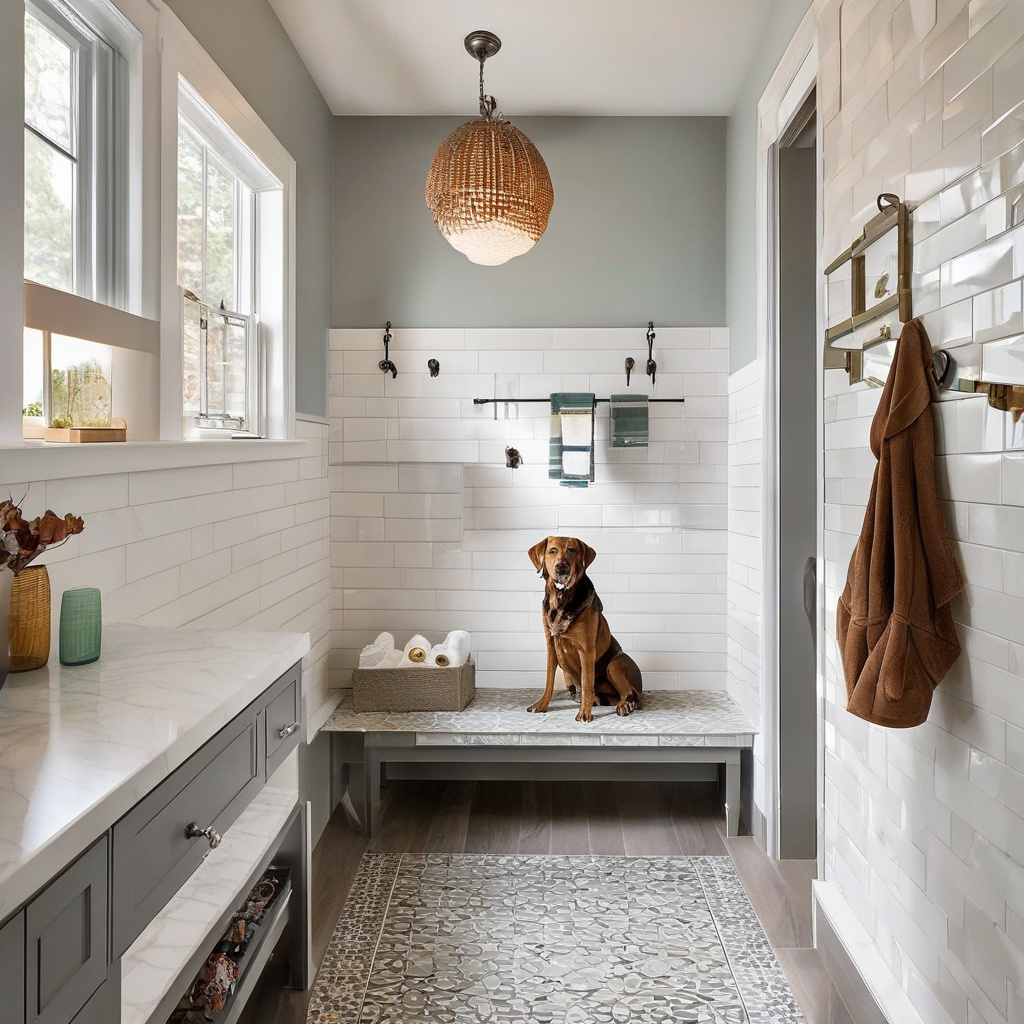
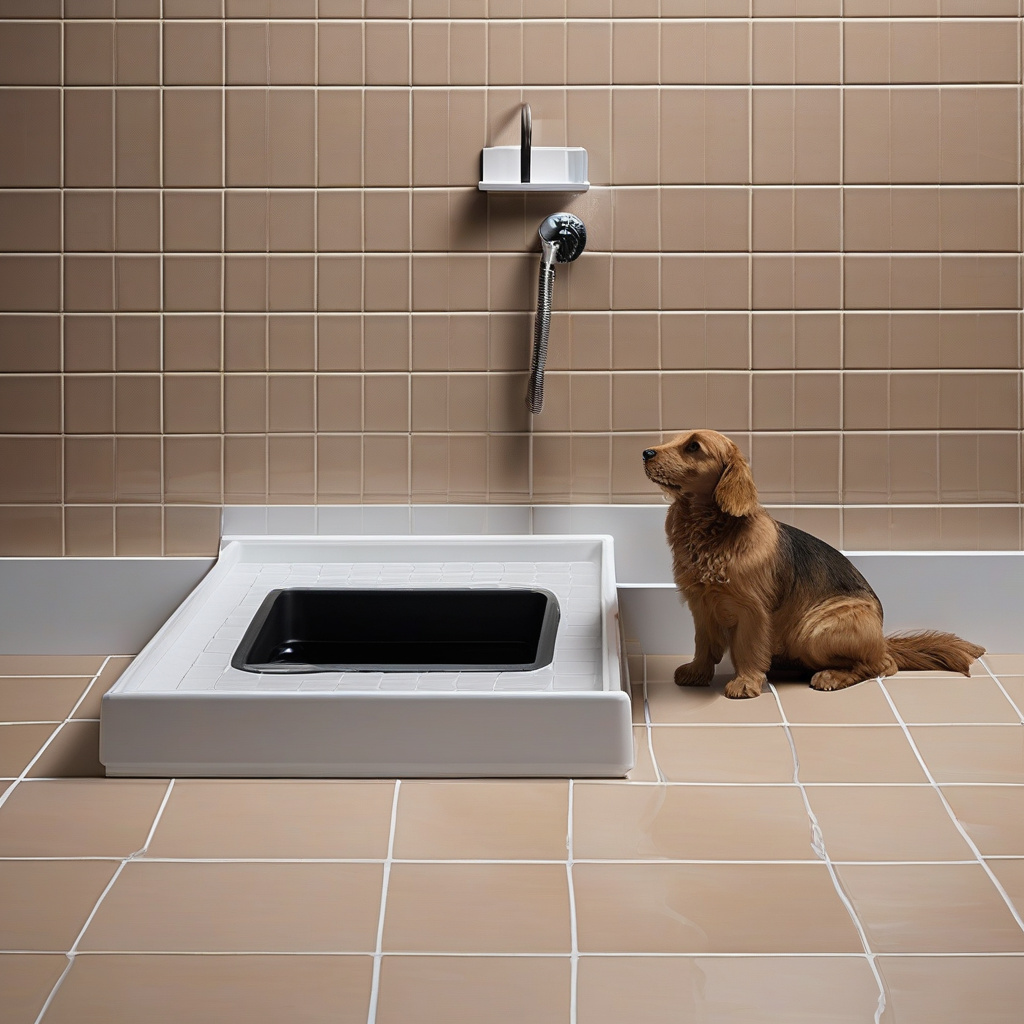
When embarking on the noble quest of crafting a pet-friendly bathroom, it’s essential to get the blueprint right. Southern California’s architects routinely highlight the need for slip-resistant floors, ensuring safety during those post-bath zoomies. Porcelain or ceramic tiles with textured surfaces are often paraded as the flooring superheroes, providing durability and traction.
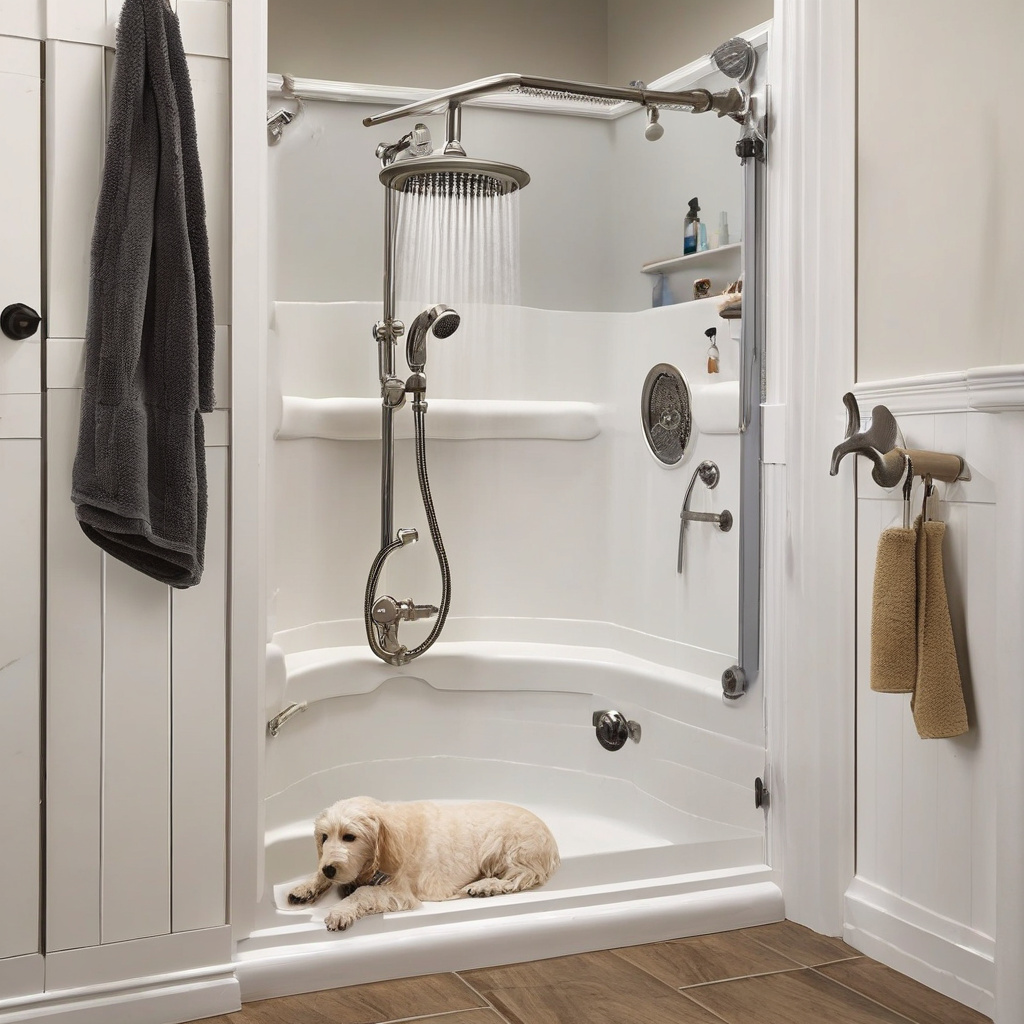
Furthermore, dog washing stations are frequently equipped with hand-held showerheads for precision and ease. These aquatic gizmos, while small, carry a significant impact, making pet grooming an experience for both pets and pet parents.
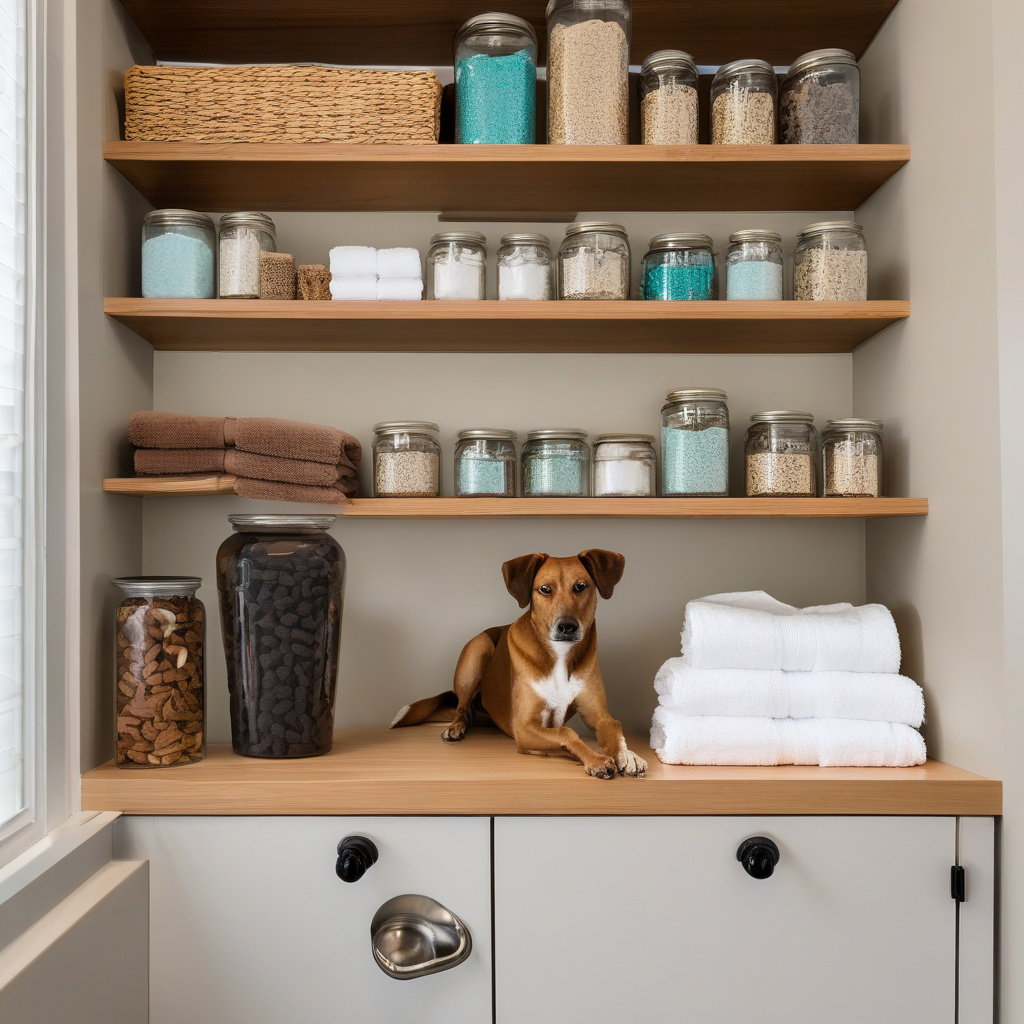
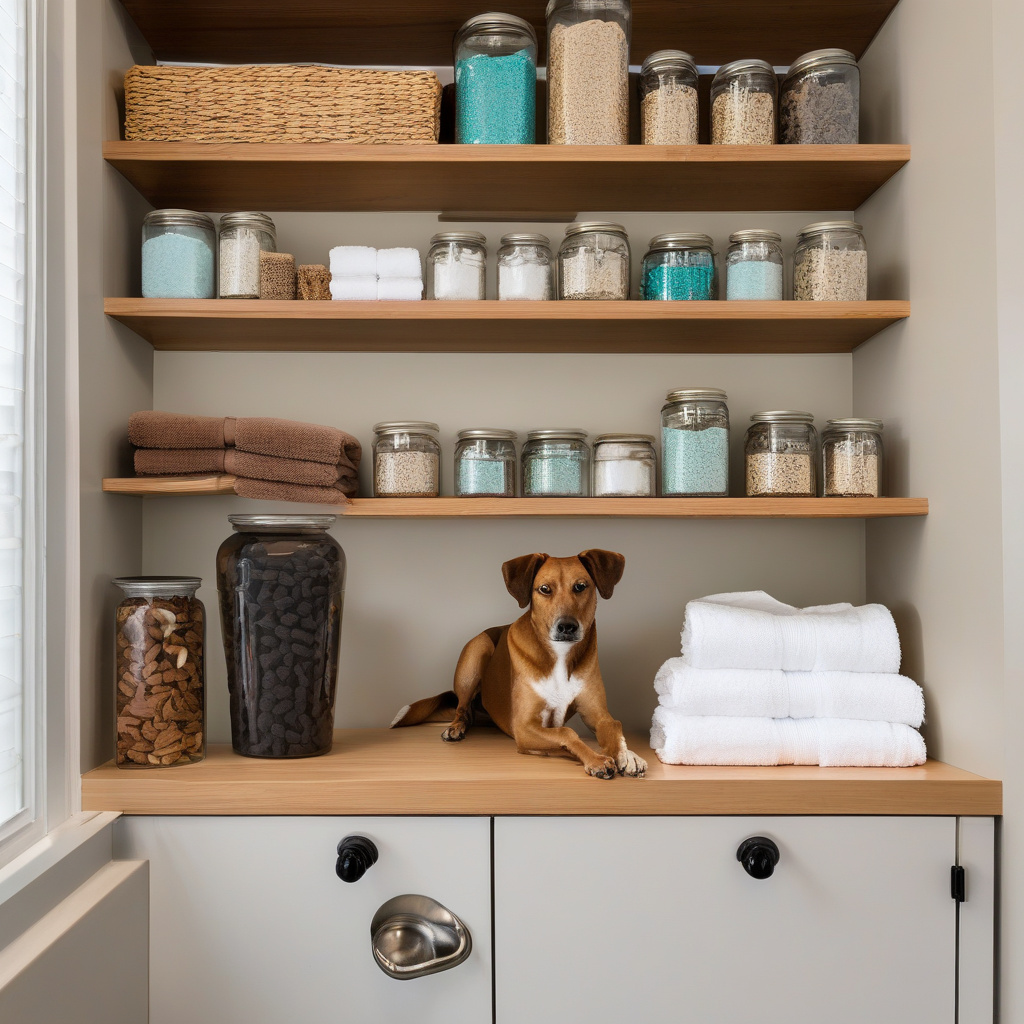
Another vital ingredient in this aesthetically pleasing concoction is storage. Clever use of vertical spaces or installation of built-in units can transform clutter into a visual symphony of neatly stacked towels and grooming essentials. Explore the nuances of maximizing space efficiency with effective storage solutions that meet your remodeling needs.
As architectural expert Laura Becker notes, “Incorporating pet-friendly elements marries practicality with luxury, capturing a growing demand for comprehensive living solutions.”
Ultimately, the union of functional aesthetics and utilitarian spaces delivers a bathroom that caters to every family member, fur and all. With a sprinkle of creativity and a focus on comfort, these spaces become a beloved zone of indulgence for pets and a mark of pride for owners.
Cost Considerations and Budget-Friendly Alternatives
Priming a space for furry companions doesn’t necessarily mean splurging on high-end fixtures. Costs can fluctuate based on the complexity of the design and choice of materials. For instance, an ultra-luxurious setup might demand marble furnishings and bespoke plumbing, ringing up an impressive bill, but there are always more wallet-friendly options. Evaluate costs and materials carefully by reviewing different renovation tips suited to your budget.
Adopting a modest approach by using laminate countertops and composite fixtures can significantly slice expenses, without under-mining the décor. Every choice counts, from a recycled tile backsplash to water-efficient faucets that subtly contribute to reduced utility costs over time.
| Feature | High-End Cost | Budget Cost |
|---|---|---|
| Luxury Tiles | $5,000 | $1,200 |
| Custom Cabinets | $10,000 | $3,000 |
| Dog Washing Station | $3,500 | $1,000 |
| Water-Efficient Showerhead | $600 | $200 |
The crux of a successful renovation lies in thoughtful planning, ensuring the home’s essence remains intact while embracing these charming additions.
Planning the Perfect Layout: Dos and Don’ts
Success stories of pet-friendly renovations are often shrouded in meticulous planning. Initiating a project without proper homework can lead to chaos, but with a calculated approach, it can feel like a gentle stroll on the Santa Monica beach. Here are some dos and don’ts observed by seasoned renovators:
Key Considerations
Do consider the flow of your space. An efficient layout allows seamless movement, preventing clutter or bottlenecks. Don’t overlook ventilation. Pet grooming can produce humidity and odors, which require adequate airflow to keep the environment fresh. Do involve your furry friends’ habits and size when designing the washing area. A large breed will need spatial accommodations differing from those of a pint-sized puppy.
The layout should also prioritize human convenience, balancing style with substance. Avoid overly complex designs that alienate functionality for aesthetics.
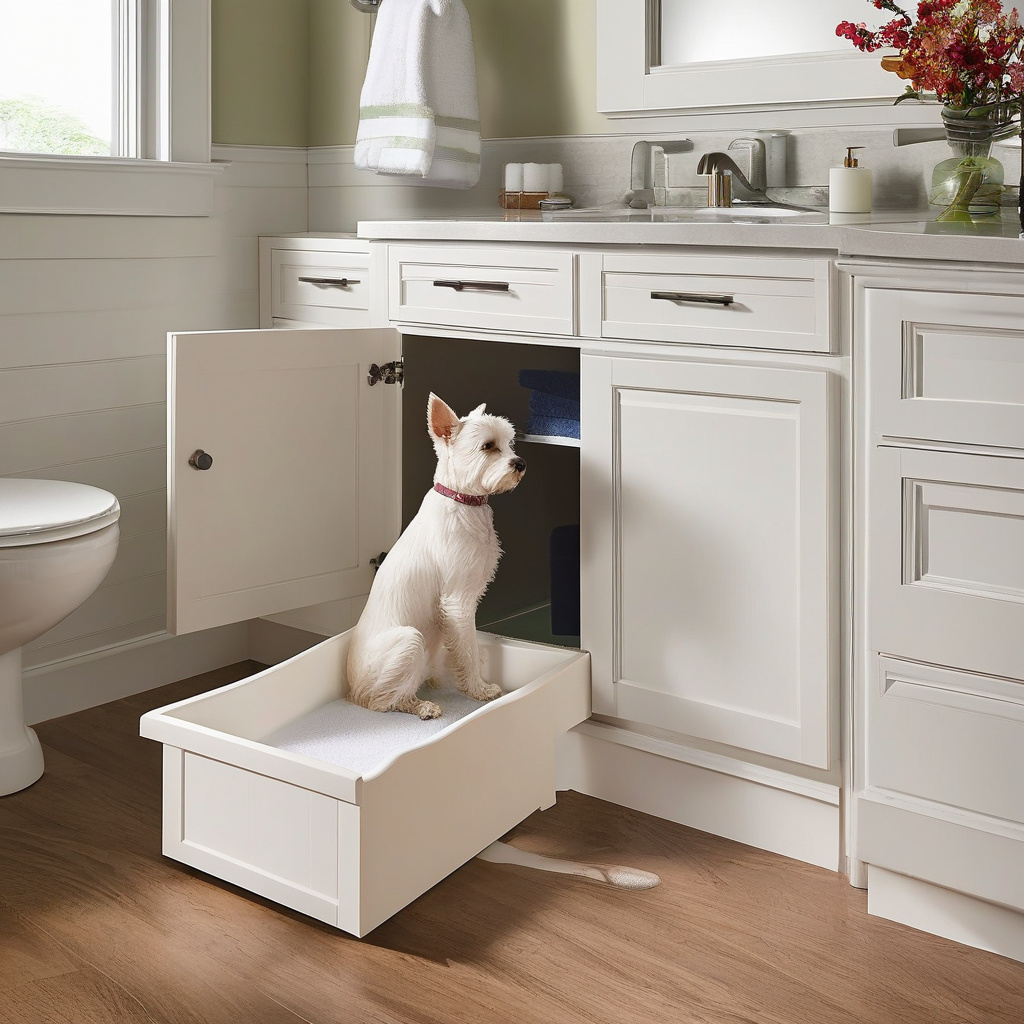
“A pet-friendly space must be user-focused, enhancing the human-pet relationship rather than complicating it,” says Tom Gutierrez, a Los Angeles-based interior designer.
Remember, the integrity of your planning process will shine through in the efficiency of your design.
Materials and Finishes: A Practical Guide
Choosing the right materials and finishes for your pet-friendly sanctuary is as crucial as picking the perfect kibble for Fido. Durability, ease of maintenance, and harmony within the home’s broader theme play pivotal roles. Opt for materials that can withstand the rigors of daily pet traffic, such as scratch-resistant finishes and easy-to-clean surfaces.
While aesthetics are undeniably significant, the practicality of a finish shouldn’t be compromised. Porous materials might retain moisture and odors, so consider treated finishes that repel both grime and odors. For further guidance on suitable materials, delve into effective waterproofing techniques essential for long-term maintenance.
Innovative Use of Materials
Advancements in technology have introduced finishes that mimic opulent textures without hefty price tags. Whether faux stone, resin-infused panels, or high-quality plastics, today’s market offers design solutions for every pocket, without cutting corners on quality or visual appeal.
According to a national survey, 54% of renovators prioritize pet-friendly features, suggesting a lasting trend rather than a momentary fascination.
Consider each component thoughtfully, as this will dictate not just the look and feel of your space but its longevity and upkeep too.
Wrap Up Your Renovation with Style and Functionality
If you’ve journeyed this far, crafting a pet-friendly bathroom looks less like a sprawling jungle and more like an approachable project. The venture is a commitment towards pet wellbeing and happy coexistence. The steps are clear — from budget-friendly planning, astute design decisions, and innovative materials, every stride reinforces the harmony between human and animal domains.
As more Angelenos highlight their homes with these inventive integrations, the market for pet-friendly spaces continues its upward trajectory, indicating an enduring embrace of companion-friendly living.
- Pet-friendly bathrooms are a rising trend, enhancing property value.
- Key design elements include slip-resistant flooring and efficient layouts.
- Budget-conscious choices balance functionality with style.
- Planning should consider pets’ habits and size for effective space use.
- Choose durable, easy-to-clean materials for long-term maintenance.
“`html
FAQ
What are pet-friendly bathrooms?
Pet-friendly bathrooms are designed to accommodate the grooming needs of pets while safeguarding the home’s finishes from wear and tear. This often includes features like dedicated washing stations, slip-resistant flooring, and plumbing that’s hose-ready. In real renovation projects, integrating these elements is usually a balance of practicality and style. Effective pet-friendly design doesn’t just make cleaning easier—it also minimizes potential water damage and keeps the area functional for day-to-day human use.
How do I choose the right materials for a pet-friendly bathroom?
The right materials in a pet-friendly bathroom can make all the difference. Experts often recommend slip-resistant tiles or waterproof laminates for flooring, which both offer durability and safety for four-legged friends. It’s crucial to ensure the materials can withstand the rigors of frequent water exposure and are easy to clean. Many homeowners underestimate this aspect, only to face issues with mold or damage down the line. Consulting with a renovation specialist is advised to tailor solutions to your specific setup and ensure compatibility with existing plumbing systems.
When does it make sense to invest in a pet-friendly bathroom?
Investing in a pet-friendly bathroom is particularly beneficial for households with multiple pets or where grooming is a frequent activity. Such renovations are also ideal during major home remodels, especially in areas like California where both space and functional design are prized. In single-family homes with older plumbing, modernizing facilities to accommodate pet needs can add value to your property and simplify your routines. Remember, it’s all about enhancing convenience and extending the life of your home’s finishes.
What are the typical mistakes to avoid when creating a pet-friendly bathroom?
One common mistake is overlooking the importance of drainage. Poor drainage can lead to maintenance nightmares. Choosing finishes that are not durable under wet conditions is another pitfall. It’s crucial to integrate elements that are both pet-specific and aesthetically pleasing for humans. Many renovators also forget to plan for proper ventilation, which can help prevent mildew—a common issue in humid environments like California. Ensuring you collaborate with professionals can prevent these costly oversights. For more professional advice and tailored assistance, visit their contact page.
What are the cost considerations for a pet-friendly bathroom?
Costs for a pet-friendly bathroom can vary widely depending on the scale of the project and material choices. Simple upgrades, like installing slip-resistant mats or a handheld showerhead, are relatively inexpensive. However, more substantial renovations, such as installing a custom washing station or updating plumbing, can represent a significant investment. Many experts highlight that while upfront costs may seem high, the longevity and practicality you gain can be worth the expenditure. It’s advisable to budget adequately and consider potential increases in property value as well.
What are the benefits and limitations of installing a dog washing station?
Dog washing stations are a popular choice in pet-friendly renovations due to their convenience. Benefits include reducing mess and simplifying the cleaning process for larger or more active dogs. The primary limitation could be the space requirement, particularly in smaller homes or bathrooms. Installation might require significant plumbing work, potentially increasing renovation complexity and cost. Despite these considerations, homeowners find the ease of use and enhanced organization appealing. Balancing space and functionality is key to making a washing station work well within your home.
How do I maintain a pet-friendly bathroom to ensure it lasts?
Consistent maintenance is crucial in ensuring the longevity of a pet-friendly bathroom. Regular cleaning is imperative to prevent buildup in drains and around fixtures. It’s beneficial to use protective coatings on tiles and finishes to guard against scratches and water damage. Many experts point out that routine checks of plumbing and ventilation systems are equally important. Staying proactive can help address minor issues before they escalate, thereby extending the life of your bathroom and maintaining its aesthetic and functional appeal.
Can a pet-friendly bathroom be integrated into an existing bathroom setup?
Yes, integrating pet-friendly features into an existing bathroom is not only possible; it’s often the most efficient approach. By assessing current layouts, you can incorporate essential elements like handheld showers or a small dog vanity without extensive structural changes. Homeowners in newer builds with modern systems find this easier to achieve. However, in older properties, some tweaks to plumbing and flooring might be necessary to accommodate new features. Proper planning is key, as well as consulting with a renovation expert to ensure that the integration is seamless and functionally effective.
“`