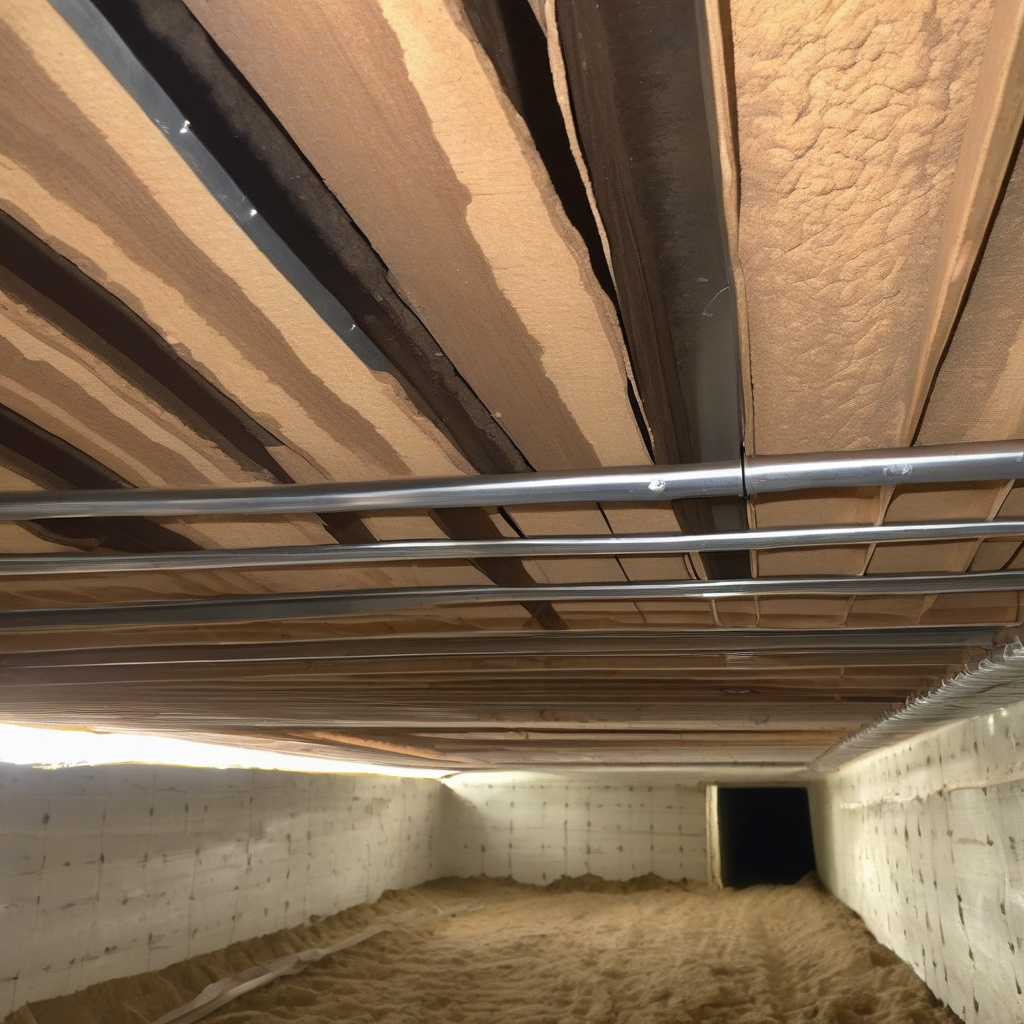
As the sun begins its spring rebirth and temperatures climb, Southern California homeowners eagerly return to their outdoor decks. Whether it’s for a tranquil morning coffee or a vibrant evening gathering, these spaces are vital for leisure. However, before diving into the sun-soaked season, a thorough deck inspection is crucial to ensure safety and longevity.
Brief summary: This article outlines a comprehensive deck inspection checklist for homeowners preparing their outdoor spaces for the summer. Focusing on Los Angeles trends, it explores practical steps and insights into ensuring the safety and aesthetic appeal of decks, addressing structural checks and material choices.
Why a Pre-Summer Deck Inspection Matters
In Los Angeles, the boundaries between indoor and outdoor living spaces are as fluid as the Pacific tides. Here, decks are more than mere wooden platforms; they are social arenas, yoga retreats, and dining areas. Yet, winter can play havoc on these structures, making pre-summer inspection essential. As many local homeowners realize, failure in maintenance can lead to severe deterioration, not just in appearance but in structural integrity.
According to a 2022 industry statistic,
nearly 20% of deck collapses occur due to failure in regular inspections and maintenance.
This startling fact underscores the importance of a systematic approach to deck care. Key elements to watch include the stability of railings, the tightness of fasteners, and the wear of the surface.
Moreover, the aesthetic appeal of your deck can significantly enhance your property’s value, available to potential buyers or renters. Incorporating such checks into your routine ensures that both safety and style are maintained. In the city of angels, where outdoor space is a coveted extension of living areas, maintaining an inviting deck is a given.
In conclusion, beyond mere aesthetics, the inspection minimizes the risk of costly repairs or accidents, proving invaluable as a preventative measure. The first step is acknowledging the necessity of the task, viewing it not as a chore but as an investment in comfort and security.
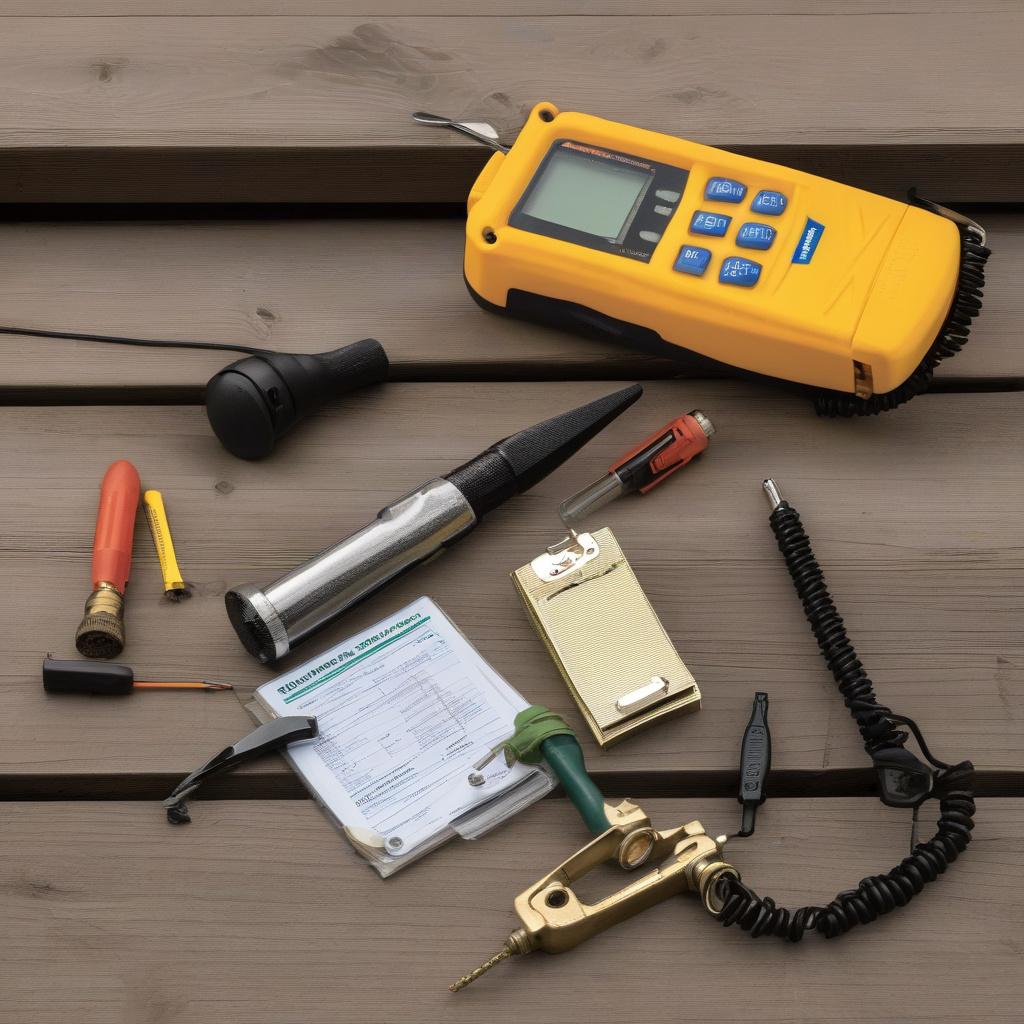
Structural Integrity: The Heart of Your Deck
To LA homeowners, decks represent freedom—a space to unwind and entertain. As a hub for social activity, a deck’s structural aspects cannot be overlooked. What does that entail? It starts with a vigilantly keen eye on fundamental structures, such as joists, beams, and posts. These unsung heroes guarantee the deck’s steadfastness against the masses drawn to its autumn allure.
First, examine the areas where your deck connects to the house. Pay particular attention to the ledger board as it is one of the most common places for structural failure. Secondly, scrutinize all load-bearing beams for cracks or rot, which could eventually compromise the entire deck.
Connection to the ground is another critical aspect. Depressed soil or unstable footings need urgent attention, a common issue given California’s erratic weather. The moisture content, affected by winter rains, causes shifts that jeopardize balance.
Los Angeles decks are often subject to unique weather conditions that can subtly, yet incrementally, affect their structural components. It is essential to apply preventive measures to counter these risks, thus preserving the deck’s fundamental role in a Californian home.
Ultimately, addressing structural integrity ensures an enduring, robust space, enabling endless opportunities for a coastal lifestyle without the structural headaches.
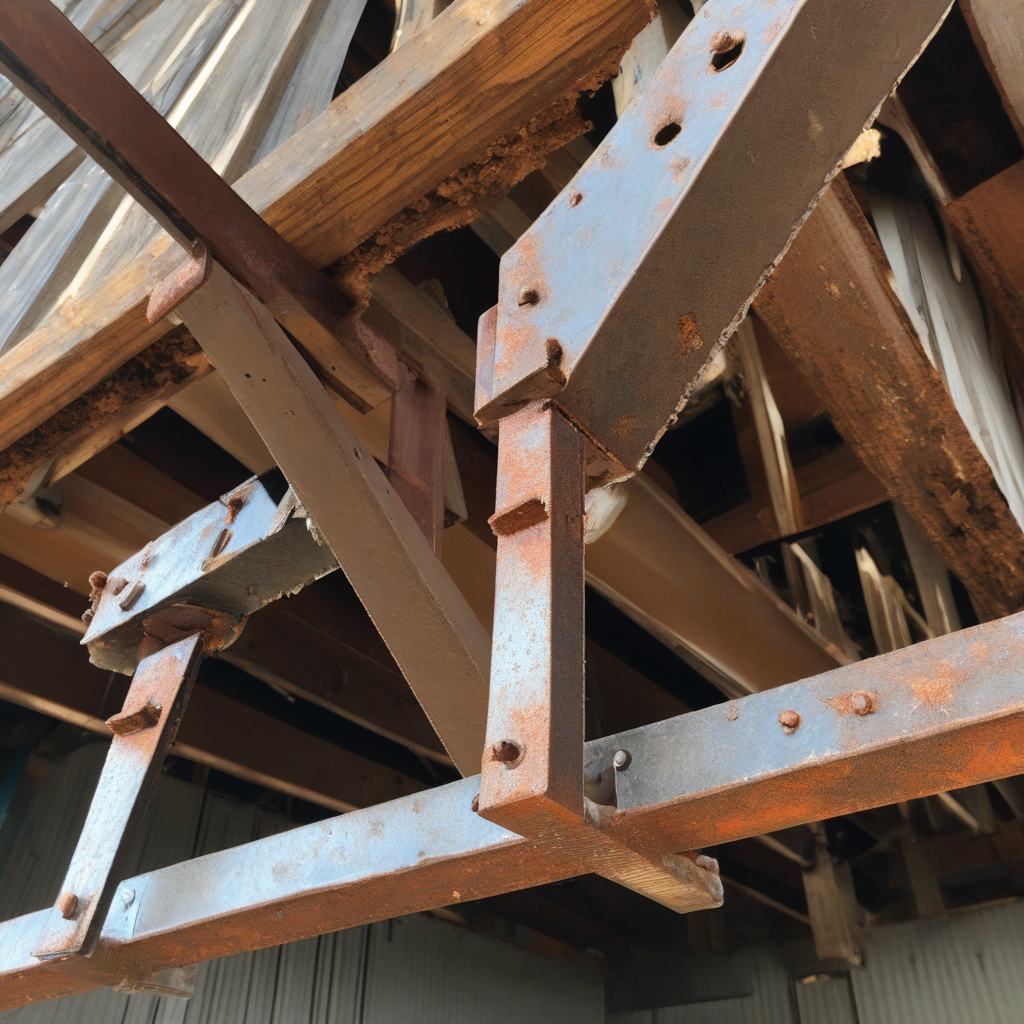
Spotlight on Railings and Fasteners
No facet of deck safety is more visible or crucial than railings and fasteners. Railings offer security, grace, and definition to your deck. They embody safety and style, merging form with functionality. For Southern California residents, where style is paramount, railings play a dual role.
Start with a thorough shake test—you’re not just mimicking wind or accidental bumps; you’re ensuring that rail holds firm. Check for rust or corrosion, common along our moist coast. Fasteners, screws, and bolts may need tightening or replacing if they have succumbed to weather-induced contraction and expansion.
Similarly, inspect fasteners for rust or wear. Stainless steel or coated fasteners offer superior resistance against the elements, an ideal choice for coastal or moist environments. Many local projects opt for these materials, noting their durability even in challenging conditions.
Railings not only protect; they frame your view. With vistas of mountains or waves, unclear railings are akin to smudged glasses. Regular maintenance safeguards these views while protecting guests and family.
Before hosting your next rooftop barbecue or star-gazing night, ensure these components secure the experience against all risks.
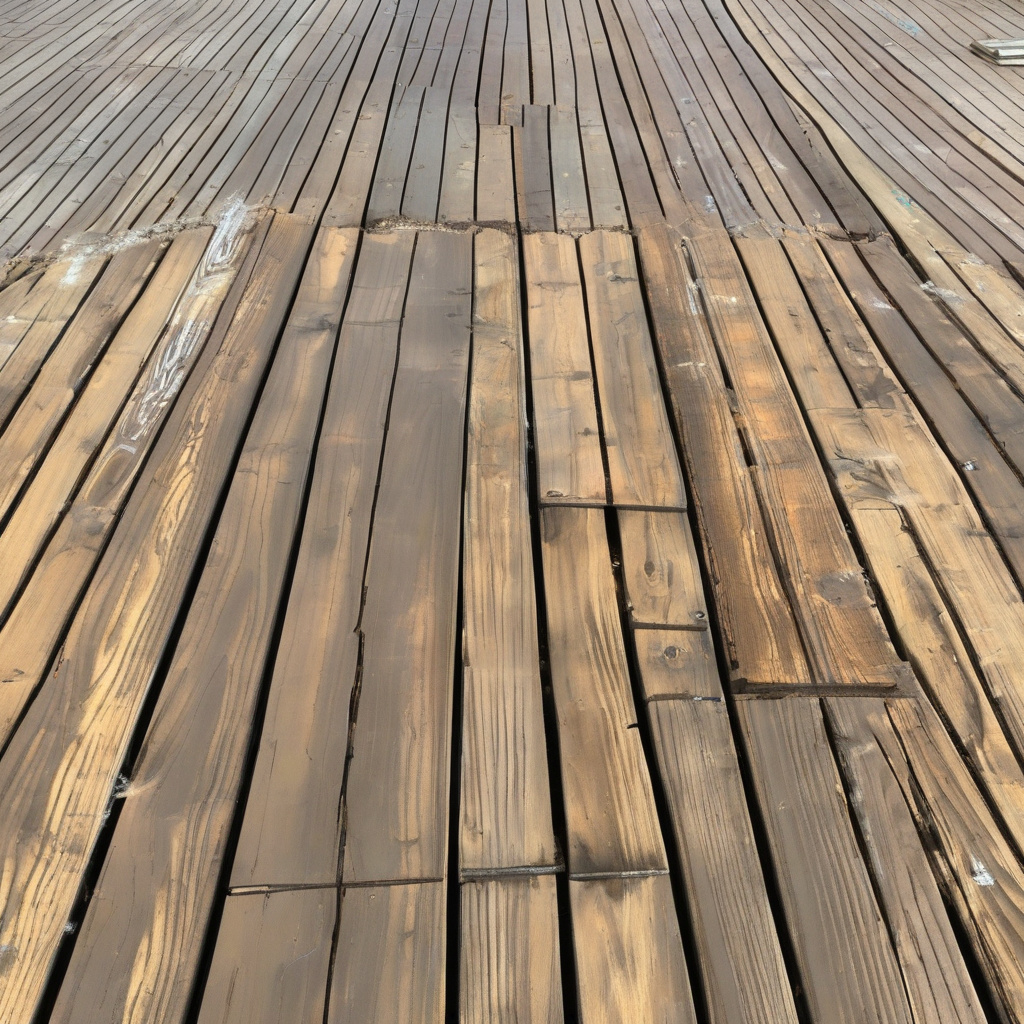
The Role of Surface and Material Choices
This brings us to decking surfaces, a vital yet underestimated component in Los Angeles homes, where the gathering spot’s ambiance unifies indoor comfort with outdoor environment. Numerous homeowners strive for balance, seeking materials that evoke elegance while promising longevity.
Surface inspection involves more than a cursory glance. Wooden decks require attention for splintering, warping, or numerous signs of aging. A professional sanding can often rejuvenate wooden surfaces, making them look as vibrant as they function.
The choice of material plays a role here too. While the charm of wood is unrivaled, composite is making headway. Composite materials offer resilient and low-maintenance options with a modern look. For a deeper understanding of the balance between indoor-outdoor setups, investigating hybrid combinations is key.
Moreover, cleaning surfaces regularly with professional solutions prevents mildew buildup and maintains luster. A sophisticated finish speaks of an owner who understands the magnificent potential of deck life beyond mere utility.
Your deck’s surface serves as the canvass, and each inspection passes the brush of refinement over its palette, enhancing the beauty for all who encounter it.
Planning for Privacy and Design Integration
Privacy is a quintessential quality of a well-thought-out deck, offering solitude amid the sprawling urban environments of LA. Designing this privacy requires smart planning and aesthetic integration; the goal is to create sanctuaries that feel open yet secluded.
Think of privacy structures—a planter coupled with a bench, for instance, not only conceals but also inserts natural charm and vibrancy. During renovation, many homeowners explore creative solutions like planter-screening privacy to curate personal havens.
Design elements take on new significance here. Planters with native flora can integrate intoxicating scents with vibrant colors, forming natural screens. Pairing this with effective layouts further enhances the charm.
Ultimately, designs reflect who we are, extending personality into every nook and cranny. Homeowners begin with a blank slate, carving out spaces that combine artistry and precision.
With privacy assured, decking spaces blossom into undisputed areas of relaxation, adding both function and visual intrigue to any Californian dwelling.
Costs and Benefits of Deck Upgrades: A Double-Edged Sword
Investing in your deck poses choices between upgrading costs and the long-term benefits of an enhanced space. Los Angeles homeowners are often confronted with the quintessential dilemma: upgraded appeal versus budget constraints.
To guide your choices, consider this simple table outlining potential renovation avenues:
| Upgrade Option | Estimated Costs | Potential Benefit |
|---|---|---|
| Basic Maintenance | $200 – $500 | Safety assurance, aesthetic upkeep |
| Partial Replacements | $500 – $1500 | Enhanced durability, material upgrade |
| Comprehensive Overhaul | $3000+ | Custom design, future proofing, adds resale value |
Upgrading sometimes demands compromise; yet, the ROI is notable. Expert estimates indicate that
exterior upgrades boast an average return of 75% on costs upon resale.
However, these stats vary based on choices.
When considering your investment, remember the benefits must outweigh initial costs; upgrading your deck today is really packing in savings for tomorrow’s market.
At the finish line, when considering an overhaul, ensure it enhances both your immediate enjoyment and future marketability—thinking long-term should never become a luxury.
Finally, for a seamless transition into deck life and beyond, dive into transformative guide platforms for modern outdoor setups. Each nugget of wisdom aids in crafting sanctuaries that bridge the divide between personal aspirations and potential.
- Regular deck inspections safeguard safety and enhance property value.
- Ensure structural components are sound to prevent costly mishaps.
- Material choice contributes significantly to deck longevity.
- Privacy and design play key roles in the overall deck experience.
- Carefully weigh upgrade costs against their long-term benefits.
FAQ
What is a pre-summer deck inspection?
A pre-summer deck inspection is a crucial step for homeowners to ensure their outdoor spaces are safe and ready for increased use during the warmer months. This comprehensive check involves examining railings for stability, inspecting fasteners for corrosion, assessing surface wear from weather exposure, and verifying the deck’s structural integrity to prevent accidents. In practice, many find that small issues left unchecked can lead to costly repairs later, so addressing them early is both practical and economical.
How do you choose the right time for a deck inspection?
Timing for a deck inspection can make a big difference. The ideal moment is right before the onset of spring, as mild weather allows for renovations without the harshness of summer heat or the dampness of winter rains. Experts often suggest early inspection to avoid the rush of contractors and to address any issues before family gatherings or recreational activities increase. It’s also practical to schedule around your landscape maintenance, ensuring both deck and surrounding plants are ready for summer.
What are common mistakes homeowners make when inspecting their decks?
Often, homeowners focus heavily on surface aesthetics and neglect underlying structural issues during deck inspections. Many assume that a coat of fresh paint will solve their problems, yet fail to check for rot or weakened fasteners that could make the deck unsafe. Additionally, not investigating the deck’s attachment points to the house can be a critical oversight. Making these mistakes can lead to serious safety hazards, illustrating the importance of a thorough evaluation.
What are the benefits and limitations of a DIY deck inspection?
Tackling a deck inspection on your own saves money and offers flexibility in timing. You gain firsthand knowledge of your deck’s condition, which can foster a sense of satisfaction. On the downside, without professional training, it’s easy to miss critical issues like subtle wood rot or compromised ledger boards. Many experts recommend pairing DIY efforts with professional guidance to ensure nothing is overlooked. Remember, missing a foundational issue could lead to costly repairs down the line.
What should be included in a professional deck inspection checklist?
A robust deck inspection checklist should cover several key components. Begin with railing integrity checks to prevent falls. Examine all fasteners for corrosion or rust, a common California issue due to salty ocean air in coastal regions. Surface conditions are crucial, noting any cracks or warping from sun exposure. Structural stability must be assessed by looking under the deck for rot or pest damage. Professionals also evaluate the deck’s connection to the house, a point many overlook. This comprehensive review helps ensure safety and longevity.
What are the cost considerations for deck inspections?
The cost of a professional deck inspection varies, often depending on geographical location and deck size. Typically, homeowners in California might expect to pay between $100 to $300. This investment is minor compared to potential repair costs incurred from missed issues. It’s a small price for peace of mind and safety. While some think they save by skipping professional help altogether, they could face much higher costs if an overlooked problem escalates. For further assistance, feel free to reach out for expert guidance.
How can regular maintenance extend the life of a deck?
Regular maintenance is the lifeline for any deck, preventing minor issues from evolving into expensive repairs. Cleaning prevents mold and wear, sealing protects against ultraviolet rays, and replacing corroded fasteners ensures structural integrity. Proactive care, like tightening loose railings or staining the wood, often catches problems early. Many homeowners mistakenly think sealed wood is maintenance-free, yet routine checks can detect and address invisible damage. This vigilance translates to countless summer seasons spent on a safe, sturdy deck.
What are the risks of neglecting a pre-summer deck inspection?
Neglecting a pre-summer deck inspection can lead to significant safety hazards and costly damage. Unseen issues like deteriorating wood or loose connections often go unnoticed until a disaster strikes, turning enjoyable gatherings into dangerous liabilities. Financially, repairs stem from cumulative neglect could far exceed the cost of regular inspections. A well-maintained deck not only enhances property value but also provides a secure environment for family enjoyment. Skipping an inspection restores neither savings nor safety, ultimately risking far more than it preserves.