
Culinary creativity often starts with a well-planned kitchen, but the cornerstone to an efficient cooking space remains the timeless principle of the kitchen triangle. Imagine a bustling day in Los Angeles—where the kitchen serves as both a personal retreat and an entertainment hub. Keeping the prep, cook, and clean zones aligned is essential to maximizing the efficiency and harmony in your everyday movements. Here, we delve into the crucial mechanics of kitchen layout optimization, avoiding the all-too-common blunders that can stifle your culinary aspirations.
Brief summary: This article explores the importance and intricacies of optimizing the kitchen triangle layout. It discusses common mistakes to avoid, the benefits of streamlined workflows, and includes insights from real renovation projects in Los Angeles. Practical tips and links to detailed resources offer homeowners guidance on improving their kitchen design both aesthetically and functionally.
The Essence of the Kitchen Triangle
The kitchen triangle, a design principle emphasizing the optimal layout between the sink, stove, and refrigerator, is pivotal in achieving a seamless workflow. In Southern California’s fast-paced lifestyle, homeowners often seek advice on modern renovation trends that incorporate this fundamental layout structure. The triangular alignment ensures that activities such as cooking, cleaning, and food preparation are uninterrupted, minimizing unnecessary movement.
The golden rule requires each leg of the triangle to be between four and nine feet, striking a balance between proximity and accessibility. In Los Angeles, where space may be limited, adapting these guidelines allows for innovative solutions. By maintaining clear pathways, homeowners ensure that cooking remains a fluid process, not a chore.
However, deviations from this rule often result in common pitfalls. A poorly planned layout can lead to bottlenecks and awkward navigational obstacles. To avoid such issues, a thoughtful evaluation of space and functionality during the kitchen’s planning phase is indispensable.
Ultimately, understanding the kitchen triangle not only enhances the cooking experience but also contributes to the increased market value of the home, an aspect not to be overlooked in today’s competitive Southern Californian housing market.
Space Allocation: A Balancing Act
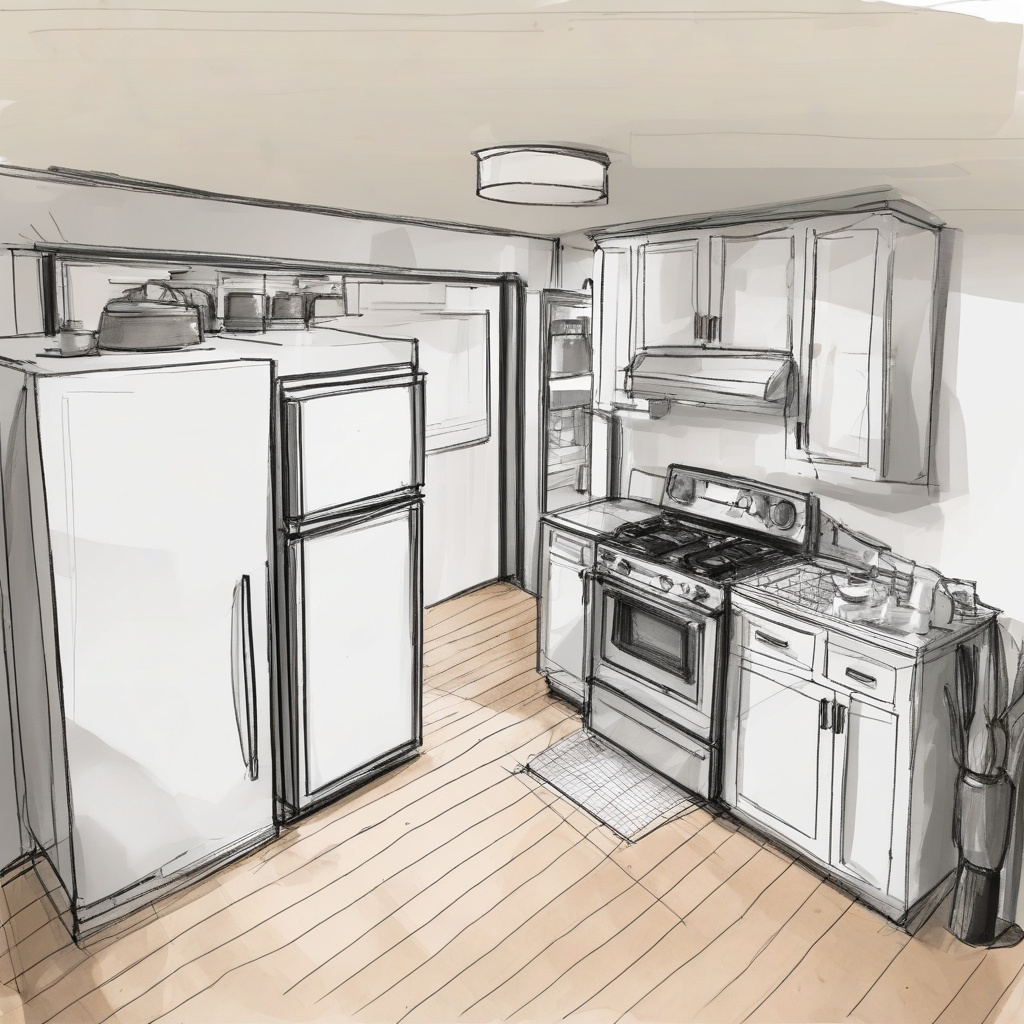
Incorporating the kitchen triangle into your layout requires a strategic approach to space allocation. It’s not merely about fitting the elements into a predefined grid but customizing the arrangement to suit individual lifestyles and spatial constraints. As many Los Angeles homeowners discover, rethinking layouts often begins with a reevaluation of daily routines and personal preferences.
Drawing inspiration from renowned kitchen designers can illuminate pathways to success. For instance, placing the refrigerator in a more accessible location can drastically improve the overall traffic flow. Similarly, ensuring the stove’s position allows for easy interaction with both the prep and cleanup areas can enhance efficiency.
Moreover, accounting for the kitchen’s overall aesthetic adds another layer to the decision-making process. The incorporation of open shelving or concealed storage options can make or break the utility and appearance of the cooking area. Every choice, from cabinetry finish to countertop material, requires careful consideration.
In essence, space allocation is an art. Each decision brings homeowners closer to a harmonious kitchen that resonates with their personal taste while adhering to the principles of efficiency and practicality.
Navigating Layout Challenges
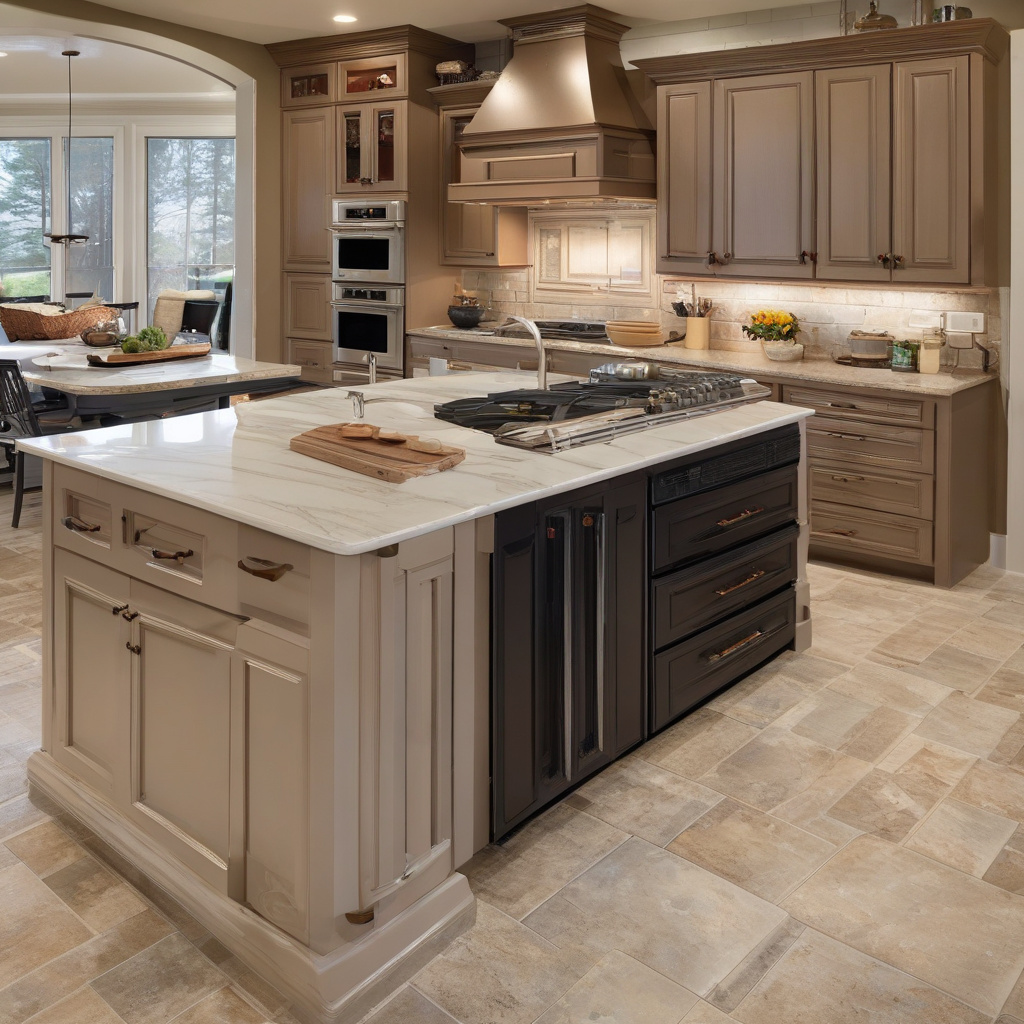
Renovating an existing kitchen often poses unique challenges, particularly when adhering to the kitchen triangle principle. Limited space and pre-existing structural constraints require creative solutions. Renters in particular find themselves in a bind, balancing improvement aspirations with property limitations.
Challenges such as relocating plumbing to achieve a better sink position or adjusting electrical outlets for optimal appliance placement necessitate both innovation and compromise. Consulting professionals who understand the complexity of rental kitchen improvements can provide feasible strategies to overcome these hurdles.
Research indicates that approximately 70% of homeowners who remodeled their kitchens saw an improvement in functionality, according to the National Kitchen & Bath Association.
Though not every change is possible, small adjustments, like upgrading lighting fixtures or integrating more efficient storage, can markedly improve space usage. These incremental improvements significantly enhance functionality while respecting any limitations imposed by rental agreements or building codes.
A well-thought-out approach in navigating layout challenges cast new light on the broader context of kitchen renovations, paving the way for innovative solutions that enhance both style and functionality.
Materials and Costs: The Investment of Renovation
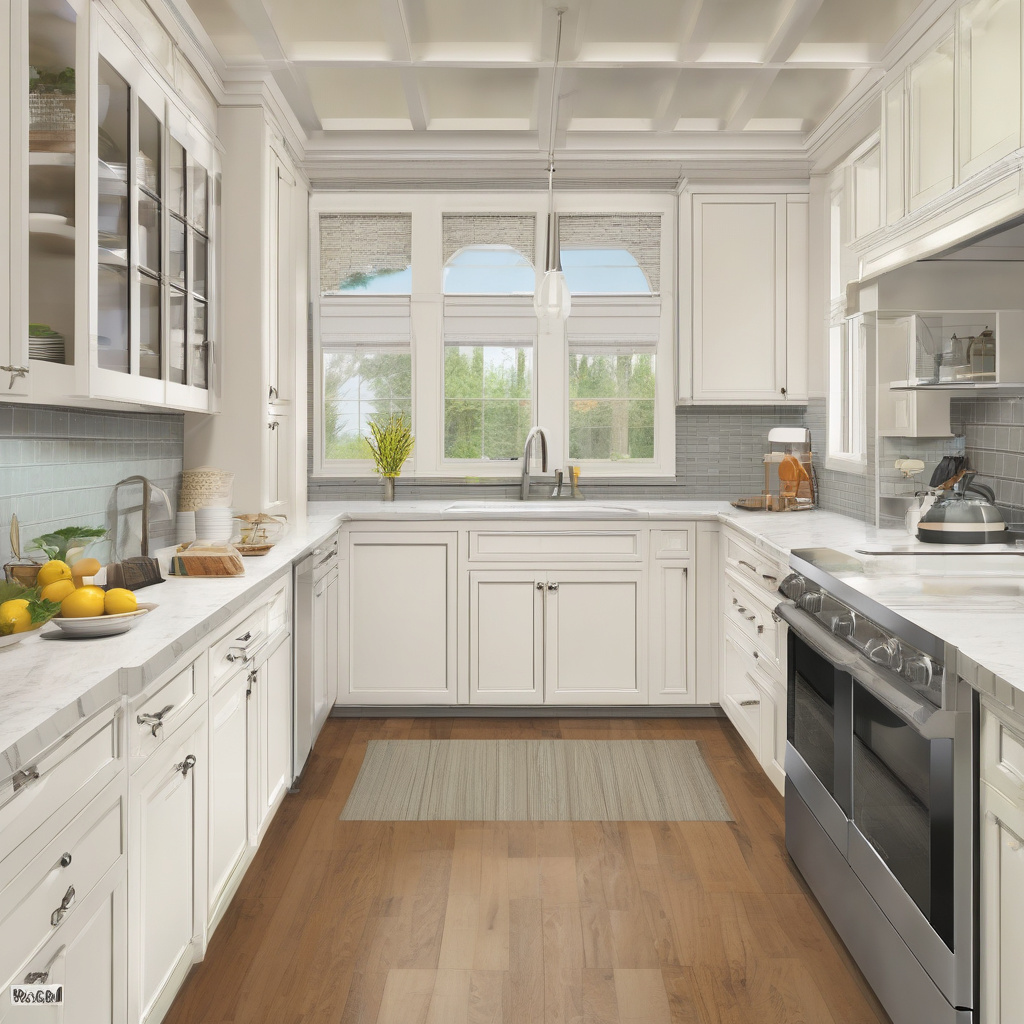
The financial aspect of kitchen remodeling in Los Angeles forms a significant part of the planning process. Here, choices about integrating kitchens with dining areas dictate not only immediate expenses but also long-term investment returns. From luxurious quartz countertops to sustainable bamboo flooring, materials carry a weight of both style and price.
Homeowners often struggle with assessing the cost-benefit ratio of using higher-end materials versus more economical options. A straightforward comparison can elucidate these differences, assisting in better decision-making.
| Aspect | Basic | Mid-range | High-end |
|---|---|---|---|
| Materials | Laminate | Granite | Quartz |
| Cost per sq ft | $8-$15 | $40-$60 | $70-$100 |
| Durability | Moderate | High | Excellent |
| Resale Value | Low | Moderate | High |
Weighing these factors carefully assures homeowners that their renovation investments align with personal preferences and financial goals. This balance is especially critical in a market as dynamic as Los Angeles, where property values constantly sway with trend vanguards and economic currents.
Planning for Practicality and Future Growth
Designing a kitchen that serves immediate needs without compromising on prospective developments is a nuanced task. In doing so, forward-thinking features such as adding a high-efficiency vent hood or planning for future smart appliance integration showcase ingenuity.
Interviews with local professionals reveal that flexible layouts are gaining traction, allowing homeowners to adapt their spaces as their needs change. Multifunctional spaces, adjustable shelving, and convertible islands are just a few examples of such pioneering concepts enhancing usability.
Statistics by Houzz demonstrate that modernized kitchens can recoup up to 80% of renovation costs upon resale.
Whether planning for distant plans or accommodating growing families, prioritizing practical elements in the kitchen design ensures longevity and adaptability. The intent is to fuse immediate functionality with the prospect of future adjustments, all while maintaining the core values of the kitchen triangle.
Thoughtful planning and foresight in kitchen design safeguard investments, facilitating not just present satisfaction but also promising future returns.
Lessons from the Heart of the Home
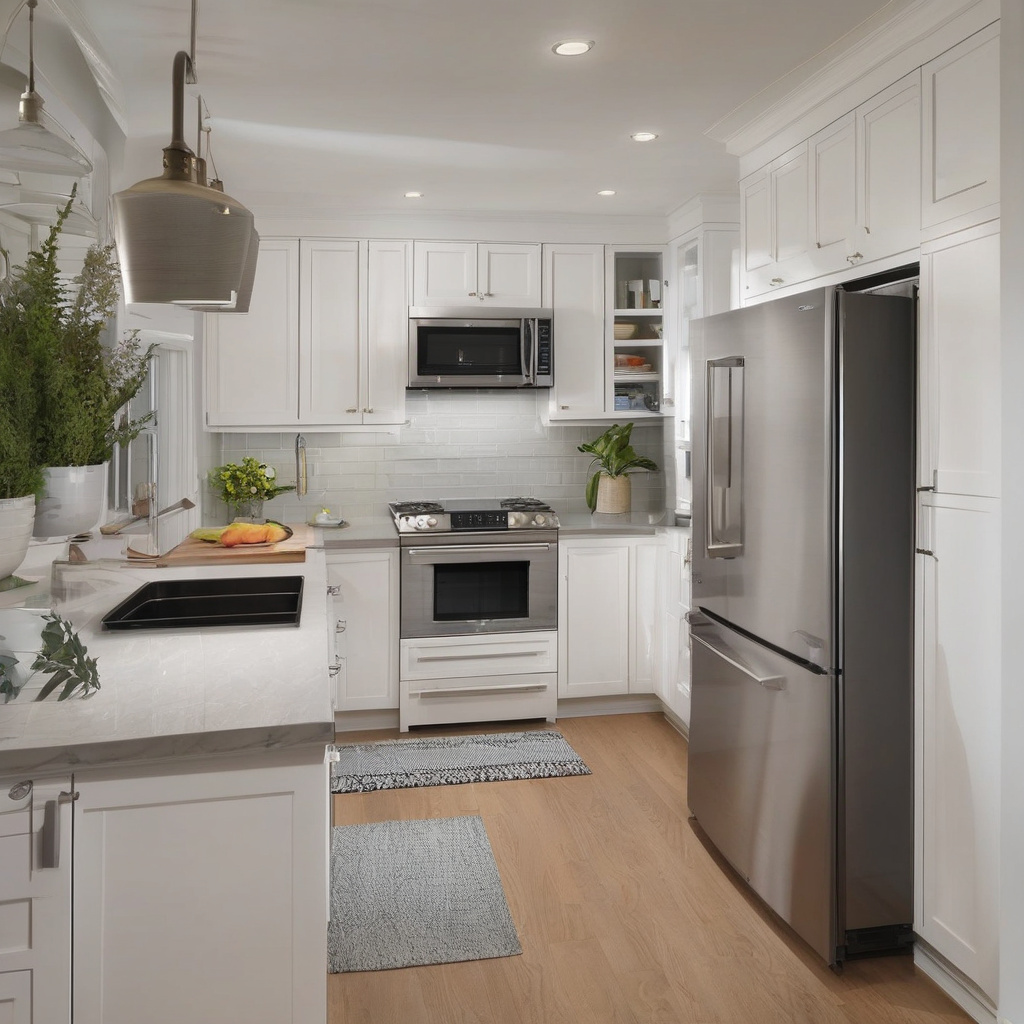
The quintessential concept of the kitchen triangle continues to resonate with Los Angeles homeowners seeking harmony and efficiency. From the layout’s simplicity arises a multitude of design opportunities that streamline daily activities while infusing aesthetic flare.
Industry experts contend that successful kitchen designs are not only visually appealing but adhere steadfastly to fundamental principles such as the kitchen triangle.
Whether embarking on a full remodel or tweaking a rental kitchen, integrating these time-tested principles helps carve out spaces that are gratifying to use and behold. Drawing on expert advice and planning with precision ensures that every renovation effort bears fruitful results.
Ultimately, the heart of the home reflects a convergence of tradition, style, and efficiency. Navigating the intricate dynamics of kitchen design can turn this central space into a haven of satisfaction, regardless of the size or scope of one’s remodeling ambitions.

- Proper kitchen workflow depends heavily on an ideal triangle layout.
- Challenges in kitchen designs can be surmounted with creative planning.
- Material selection is crucial in balancing costs and value in renovations.
- Future-oriented designs offer adaptable and efficient kitchen spaces.
- Maintaining core principles ensures a satisfying kitchen renovation.
“`html
FAQ
What is the kitchen triangle, and why is it important for kitchen layouts?
The kitchen triangle is a design principle that arranges the key kitchen areas—prep, cook, and clean—in a triangular layout. This concept emerged in the early 20th century to enhance efficiency by minimizing movement and optimizing workspace flow. In real-life renovations, experts have observed that adhering to this triangle helps prevent bottlenecks, making daily kitchen activities more seamless. For example, when cooking a family meal, the ease of moving effortlessly between the stove, refrigerator, and sink can save time and reduce chaos.
How can I choose the best kitchen triangle layout for my home?
Choosing the ideal kitchen triangle layout depends on the specific dimensions of your space and how you use your kitchen. Homeowners often lean towards U-shaped or L-shaped designs because they naturally support the triangle’s concept. In practice, it’s essential to measure the distances between your stove, fridge, and sink, ensuring no leg is too short or too long—ideally, each side should be between 4 and 9 feet. By observing family routines, you’ll notice which layout supports efficiency, such as easily reaching the fridge while preparing dinner.
When should homeowners consider modifying their kitchen layout?
Homeowners should consider modifying their kitchen layout when inefficiencies become apparent—like consistently bumping into furniture during meal prep or finding the prep space inadequate for the meals you love to cook. Many experts agree it’s also wise to re-evaluate the layout during major home renovations or if planning to sell soon, as a well-designed kitchen can significantly boost property value. Not only does this enhance usability, but it also appeals to potential buyers who prioritize a functional kitchen.
What are typical mistakes to avoid when designing the kitchen triangle?
A frequent mistake is ignoring proper spacing; too much distance between the triangle points can lead to inefficiency, while too little can crowd the space. Also, placing major pathways through the triangle is a common oversight, causing foot traffic disruptions. In older homes, renovations might encounter challenges aligning the triangle due to structural constraints. Many homeowners underestimate the impact of these mistakes until they’ve lived in the space, finding it cramped or hard to navigate daily. Careful planning with a designer can resolve these issues before they arise.
What are the cost considerations in creating an effective kitchen triangle?
Implementing an effective kitchen triangle can vary in cost based on the existing layout and the scope of changes required. Minor adjustments might involve relocating appliances or adding worktop space, whereas extensive overhauls can mean rerouting plumbing and electrical lines. Many experts suggest weighing these costs against the potential increase in home value and daily functional improvements. Consulting renovation professionals, particularly in areas like California, where permits and energy-efficient designs are crucial, can offer more insights and the best return on investment.
What are the advantages and disadvantages of adhering to a traditional kitchen triangle?
Adhering to a traditional kitchen triangle offers numerous advantages, such as streamlined cooking processes and increased safety by reducing legwork and traffic interference. However, some modern kitchens with open-plan designs challenge its limitations, as these spaces prioritize social interactions over rigid layouts. Incorporating new zones like islands might disrupt the triangle but enhance functionality for today’s multitask-centric lifestyles. It’s essential to balance personal needs with design principles, recognizing where flexibility can coexist with tradition.
How do installation specifics affect the efficiency of a kitchen triangle?
Installation specifics like the placement of plumbing and electrical outlets significantly affect the kitchen triangle’s efficiency. For example, poorly positioned sinks force more pivoting between stations, whereas strategic placement of outlets allows appliances to be moved easily without clutter. Renovators often find that during installations, adjustments arise—like realizing a slightly shifted stove position optimizes space better. Homeowners should proactively discuss these details with contractors to ensure practical insights shape the final kitchen layout.
Who can I contact for professional advice on kitchen layout design?
For personalized guidance on designing a kitchen layout that optimizes the triangle principle, contacting renovation experts is crucial. Professionals understand both the practicalities and local regulations that could affect your project, especially in specific regions with distinct codes like California. To explore tailored solutions, you may find reaching out through this helpful resource to consult professionals very beneficial. They can provide the expertise necessary to craft a kitchen that not only meets but exceeds your expectations while adhering to all necessary standards.
“`