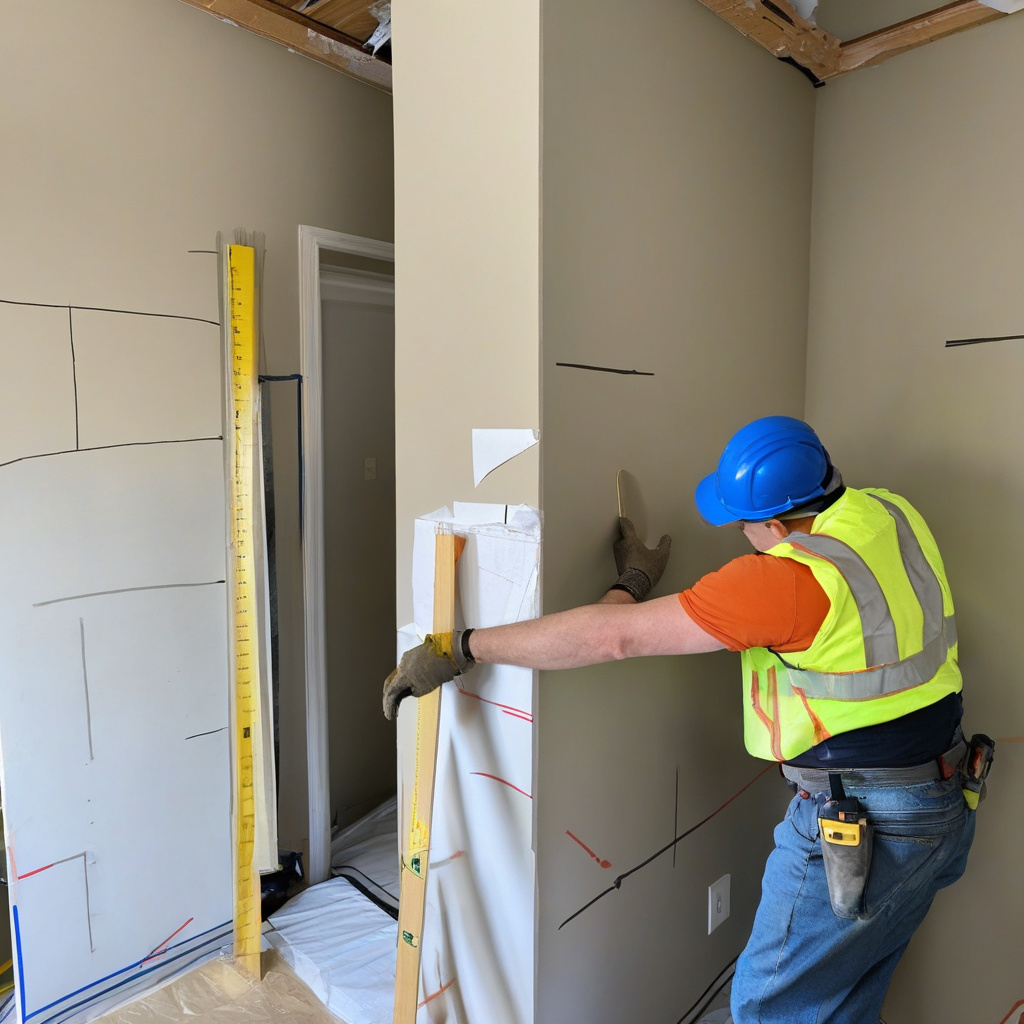
When it comes to home renovations, the dream is infused with images of sleek surfaces and pristine finishes. Yet beneath this veneer often lies a tempest of unexpected complications—rot, leaks, and troubling plumbing. For homeowners in Los Angeles and across Southern California, the narrative frequently shifts post-demolition. As walls come down, so too do the guards against reality, revealing missteps and costly repairs. How does one navigate this landscape, transforming surprise into opportunity without dismantling more than drywall?
Brief summary: Managing unexpected renovation issues such as rot, leaks, and plumbing defects is crucial for maintaining control over costs and schedules. This article explores the common challenges faced by homeowners during remodeling, highlighting practical strategies, real-life scenarios, and professional insights to tackle these hidden hurdles effectively.
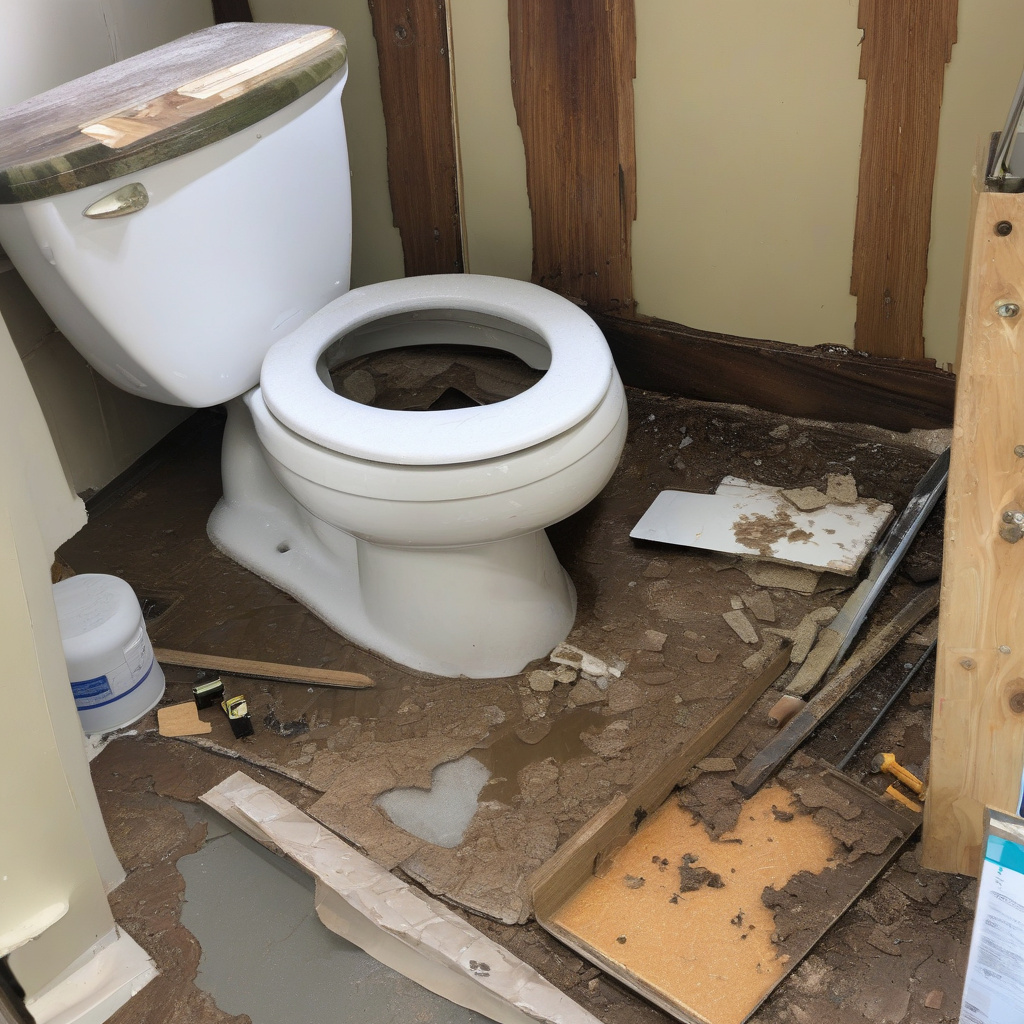
Unveiling the Unseen: Hidden Challenges in Renovation
The allure of renovation in Los Angeles often begins with an irresistible pull towards reimagining spaces. Yet, as many local homeowners have discovered, the undertaking frequently unfurls more than just fresh paint and new fixtures. Tearing into walls typically initiates a cascade of revelations—decades-old plumbing, patches of rot, and insidious leaks that threaten to derail any project.
Understanding these potential pitfalls is crucial. Homeowners often assume their new bathroom will look as impeccable as the remodel portrayed online. However, the challenges come not just wrapped in drywall and tiles but in what one can’t see until too late. Seasoned renovators stress the importance of contingency planning, beginning with comprehensive inspections.
An initial inspection can shield against budget bloat. It equips homeowners with knowledge, paving the way for informed decisions. Learning from other renovation experiences may lead to a more serene journey, preventing that sinking feeling when a contractor relays unexpected and expensive news.
Strategically incorporating these insights into a remodel forms the foundation for smoother sailing. As one builder quipped, “Plan a budget with room for hidden surprises; it’s a guarantee they’ll surface.” This approach tempers both expectations and expenditures.
Ultimately, embarking on a renovation journey with a deliberate and cautious mindset makes for an enduring process complete with lessons and victories.
The Financial Maze: Balancing Budget and Reality
Within the labyrinthine world of renovations, financial sanity can waver. Initial estimates might promise affordability, yet unforeseen issues can inflate costs drastically. In Los Angeles, the price of rectifying misaligned plumbing or eradicating dry rot can be staggering.
Consider, for instance, a meticulous budget crafted for transforming a dated bathroom. The tear-down reveals moisture damage that extends into adjacent spaces, necessitating a reevaluation. Condensation from improperly sealed tiles often escapes, leading to rotting floors and frame deterioration.
Sudden pivots in budget spend can result in hard decisions. Homeowners find themselves choosing between high-end finishes and necessary reparations. Instead of a spa-like retreat, the remodel funds find their way to plumbing repairs and mold remediation.
A study by a leading home renovation consultancy found that unexpected issues could inflate remodel costs by up to 25%, illuminating the crucial necessity for financial buffers.
Consider your financial plan not merely as a number but as a scaffold designed to support whatever comes its way. This approach harnesses pragmatic foresight, preparing one to easily adjust, repair, and advance despite obstacles.
Design Decisions: Navigating Material Options
Material selection often feels like an artist’s palette, and while aesthetics play a significant role, practicality should guide those choices. For homeowners discovering water damage, moisture-resistant materials emerge as saviors amidst the chaos.
From tile direction decisions to incorporation of water-resistant barriers, effective planning can offset many of the challenges inherent in remodeling. When thoughtfully executed, choices in materials prevent further heartache and additional repairs.
It is this confluence of beauty and durability that truly defines the success of a remodel. Planning to include versatile elements can offer a richer, more resilient living space. With careful consideration, nearly all alterations can withstand both time and unexpected occurrences.
One should fully explore practical guides on material application in advance. Doing so can dictate the future maintenance needs—or lack thereof—while ensuring the interior aligns with one’s vision.
Ultimately it’s possible to foster environments that withstand rigors of life within any Los Angeles abode by merging functionality with style.
Weighing Risks Against Returns
Interestingly, the excitement of breathing new life into space often defies the logical assessment of risks versus rewards. Homeowners venture into remodels with visions clouded by glossy magazine spreads, only encountering harsher realities later.
Renovation experts assert that robust planning and an allowance for surprises increase overall project satisfaction by 30%, according to recent field data.
Engagement with projects devoid of naïveté ensures the ability to evaluate potential dangers. A gaping chasm sometimes exists between initial optimism and final delivery—a scenario both daunting and enlightening.
Strategies that hedge against adverse outcomes, like investing in thorough inspections, do more than mitigate damage—they fortify future comfort and value. When weighed, calculated risks can indeed transform dire discovery into a return on investment.
The spirit of renovation truly lies in this act of balance, where risk mingles with reward, charting a course toward a home that speaks volumes about resilience and vision.
Professional Insights: Seeking Expert Guidance
Tapping into the veneer of what’s tactile in Los Angeles, a city saturated with dynamism and expertise, offers essential pathways to masterful remodels. Renovation professionals embody both precision and creativity; enlisting their services bridges the gap between concept and realization.
Fostering communication with reputable industry professionals is not just beneficial but necessary. Their acumen offers clarity amidst chaos, presenting strategies to tackle detected issues effectively. Collaboration brews success in remodel endeavors, abating challenges.
Moreover, engaging an expert can further the process with knowledge of cost-effective solutions and an understanding of preferred materials. Through their insights, challenges transform into cooperative achievements.
By seeking comparisons and expert consultations, owners can optimize both project scope and value, harnessing the area’s profound skill base to bring visions to life.
In summation, having the right guide lends confidence leading to informed choices—choices reinforcing every aspect of a remodel.
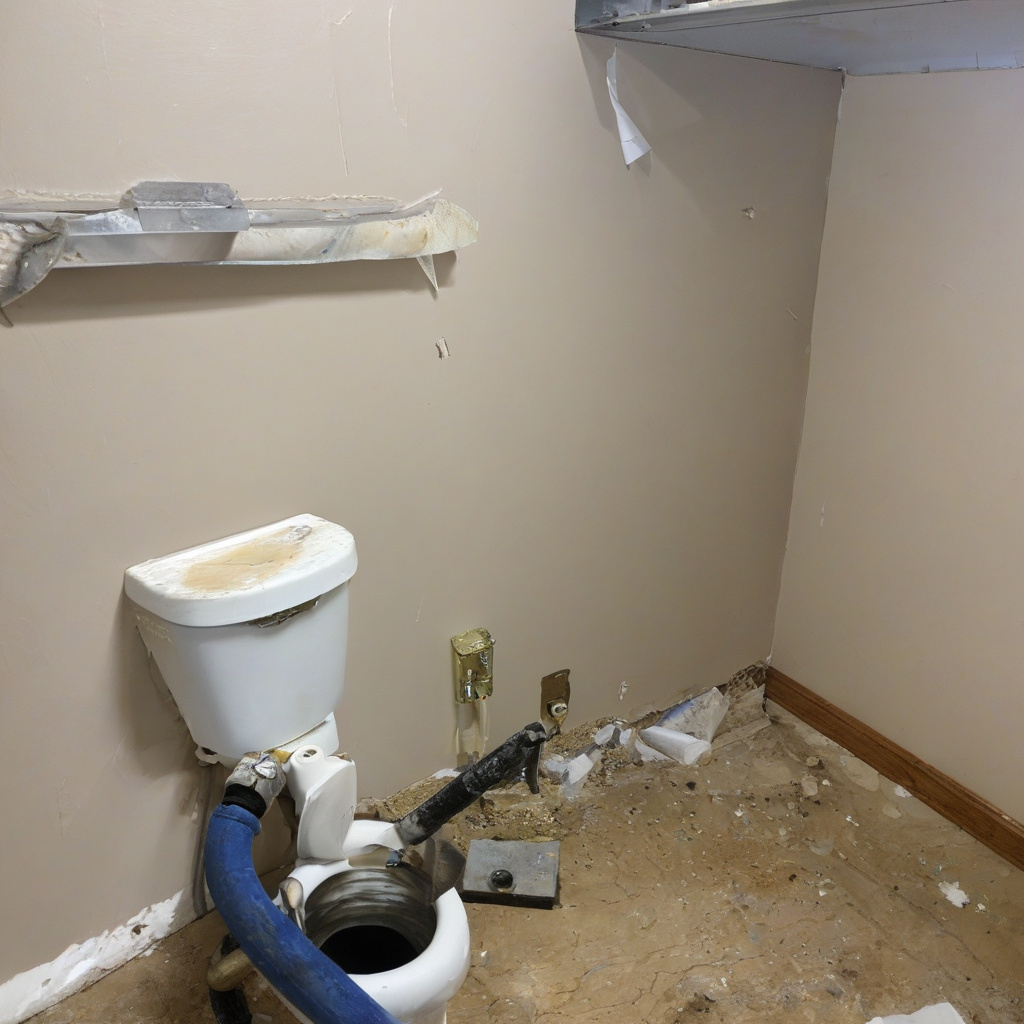
Conclusion: A Journey from Chaos to Crafted Comfort
Despite its intricacies and potential pitfalls, remodeling serves as an evocative story of transformation. The aim is to see surprise encounters as stepping stones rather than barriers. By cultivating preparedness, utilizing expert insight, and fostering flexibility, homeowners redefine their surroundings with foresight and flair.
What emerges from a comprehensive and adaptable mindset is a narrative of reclaiming space. Homeowners bring character and form together, nurturing their living spaces elegantly and effectively.
As an essential step in any forward-thinking project, having a plan fused with creativity and realism propels houses beyond mere shelter to central hubs of personal expression and serenity. Engaging resources such as a visual aid can stir inspiration, charting the course toward desired designs.
Ultimately, the creation of a home continues to play out as a dialogue between optimism and vigilance, yielding results as satisfying as they are enduring.
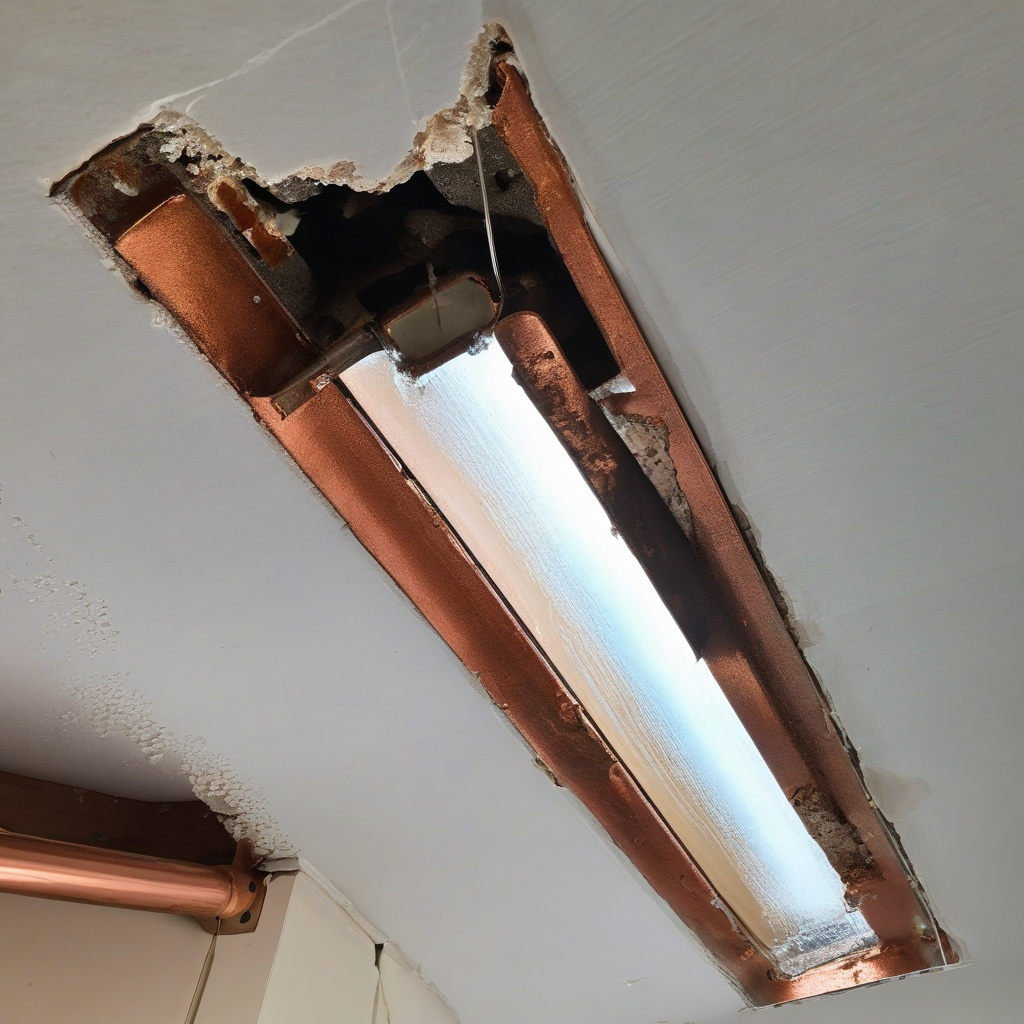
How-To: Preparing for Hidden Surprises
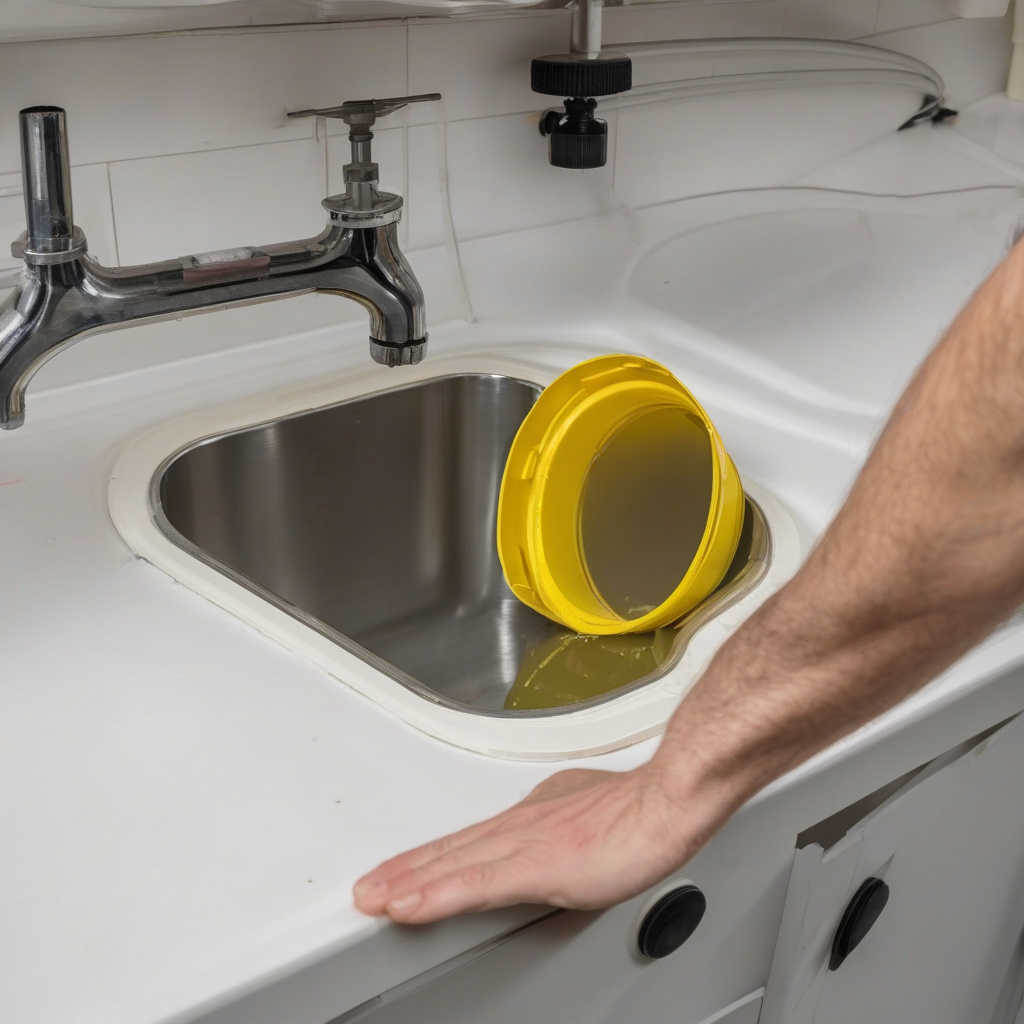
1. Initiate an in-depth inspection before starting demolition.
2. Prepare a flexible budget with at least a 20% contingency.
3. Research materials that offer durability alongside aesthetic appeal.
4. Engage professionals to conduct assessments and offer repair insights.
5. Embrace unexpected findings by reframing them as opportunities for improvement.
Practical Planning: Transforming Discovery Into Success
With preparation, the bleakness of surprising revelations fades under thoughtful planning. Consider this transition not as confrontation but evolution—a vow to dwell with design that thrives.
As you gather quotes and align expectations, it’s essential to consider the varied approaches and price points for any home remodeling effort.
| Renovation Aspect | Approximate Cost | Materials To Consider | Timeframe |
|---|---|---|---|
| Bathroom Upgrade | $15,000 – $30,000 | Ceramic tile, Waterproof barrier | 3 to 6 weeks |
| Kitchen Remodel | $20,000 – $50,000 | Quartz countertops, Durable flooring | 6 to 10 weeks |
| Whole House Overhaul | $50,000 – $150,000+ | Sustainable materials, Energy-efficient fixtures | 3 to 6 months |
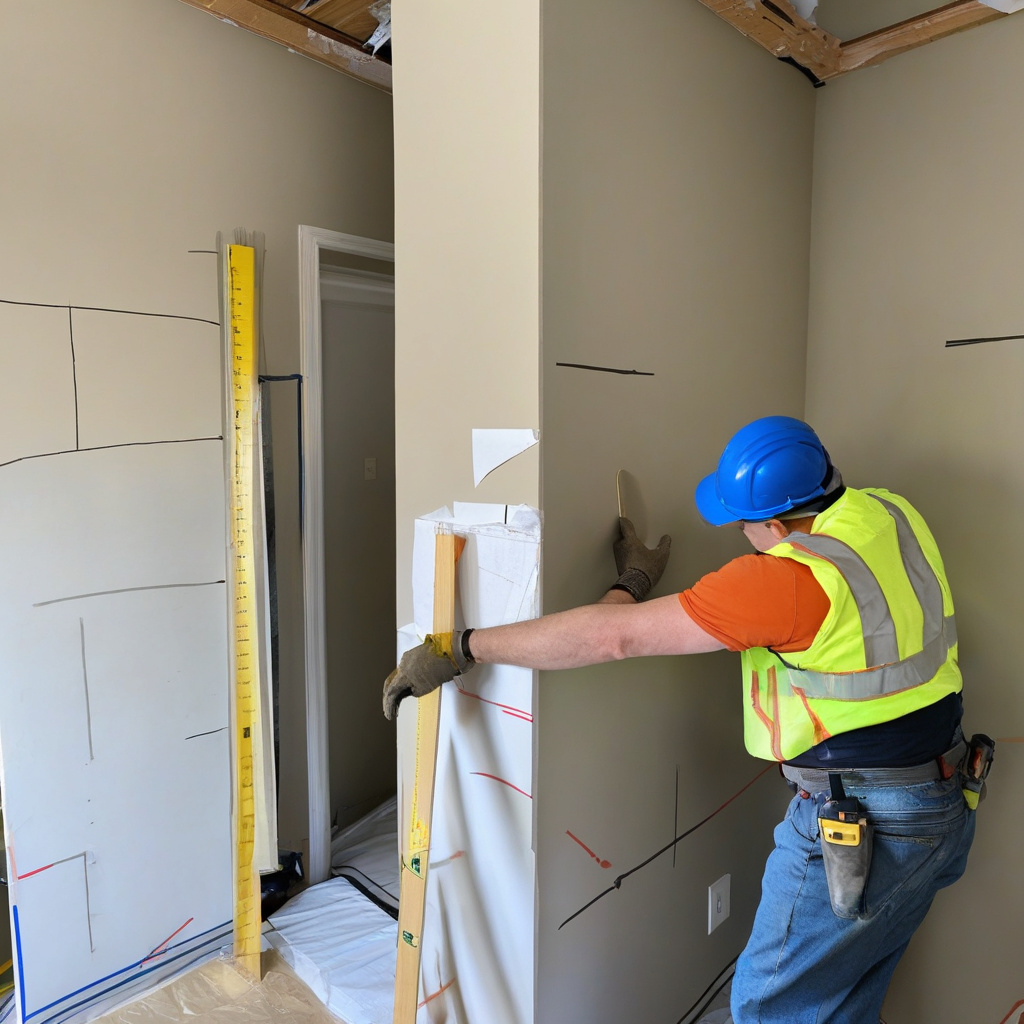
Industry experts consistently demonstrate that strategic planning may reduce unexpected renovation costs by over 15%, creating stability across timelines and expectations.
Conclusively, as homeowners spanning Los Angeles bridge aspirations of seamless elegance with the landscape of innate challenges, the journey yields a fortifying result, one emboldened by foresight and guided by reality’s hand.
- Contingency planning is essential for tackling unexpected renovation issues like rot and bad plumbing.
- Flexible budgeting and practical material choices are crucial for cost management.
- Professional insights and thorough inspections mitigate unforeseen challenges.
- Strategic planning reduces renovation costs significantly while enhancing project satisfaction.
- The renovation journey, though fraught with surprises, offers the allure of a refined and resilient home.
“`html
FAQ
What are common sources of rot in homes during a remodel?
In real renovation projects, particularly in older homes, rot commonly stems from persistent moisture exposure. This might occur due to leaks in roofing or walls, improperly sealed windows, or old plumbing systems showing signs of decay. Observations in California highlight how the state’s varied climate contributes to these issues, especially when homes are poorly ventilated. During remodels, once walls are opened, experts often discover hidden mold or decayed wood, necessitating immediate attention. Homeowners should inspect for rot during any renovation, as overlooking it can lead to more significant structural problems down the line.
How should I handle unexpected leaks during a renovation?
Encountering leaks during a renovation can be daunting, but immediate action is crucial. First, identify and isolate the source. Whether it’s a leaky pipe or roof, stopping the water flow minimizes damage. Many experts recommend hiring a professional plumber to assess and fix the issue, ensuring compliance with local building codes. In practice, a common mistake is postponing the repair, which can lead to more extensive—and expensive—damage. In California’s varied weather, addressing leaks swiftly helps maintain indoor air quality and prevent mold growth, which can thrive in moist, unchecked environments.
What are hidden plumbing defects and how can I identify them?
Hidden plumbing defects, often concealed within walls or floors, can include corroded pipes, poor joints, or outdated materials like galvanized steel. During a remodel, it’s wise to use modern tools such as pipe cameras that provide a real-time view of internal conditions. Many homeowners underestimate these issues, but identifying them early helps avoid future plumbing failures. If you’re in California, where seismic activity can affect plumbing, proactive checks are even more crucial. Consult service professionals for thorough inspections, especially when undertaking major projects. If you need personalized advice, consider reaching out to experts through this helpful guideline on approaching renovations.
What are the cost implications of dealing with rot and leaks?
Financially, addressing rot and leaks during a home renovation comprises both direct and indirect costs. Initially, repairs might include replacing decayed materials or plumbing parts and improving waterproofing. However, neglecting these issues can escalate costs significantly if structural repairs become necessary later. Many experts emphasize contingency planning in budgets explicitly for such unexpected scenarios. Californians, juggling higher labor rates and material costs, should particularly prioritize these expenditures as cost-effective preventative measures. By investing in quality repairs today, homeowners often find peace of mind and savings on potential future issues.
Why is contingency planning crucial in home renovations?
Contingency planning acts as a financial safety net, essential for any renovation project due to unpredictable problems like rot or leaks that emerge once construction begins. Experts agree that allocating around 10-20% of your budget for unforeseen challenges is wise. In practice, homeowners who skip this step often face project delays and budget overruns, ultimately compromising their renovation objectives. Addressing these challenges promptly ensures that renovations remain on track, enabling homeowners to adapt to surprises without stalling progress. For more tailored advice, consulting professionals through contact options can provide peace of mind when facing renovations.
What are the benefits and limitations of upgrading plumbing during a remodel?
Upgrading plumbing during a remodel offers several advantages, such as increased efficiency, improved water quality, and enhanced home value. Modern systems, like PEX piping, are less prone to leaks and corrosion than older materials. However, the limitations include higher initial costs and the disruption of additional construction work. Many experts point out that if your home is already under renovation, integrating plumbing upgrades can be cost-effective and timely, especially in older California homes where the original systems may be outdated. Nevertheless, balancing the upfront investment with long-term benefits is a decision that requires careful planning.
How can I prevent plumbing issues in the future?
Preventing future plumbing issues begins with regular maintenance and inspections. In practice, many homeowners benefit from annual professional evaluations, which can catch small problems before they escalate. Simple actions, such as keeping drains clear and promptly addressing moisture build-up, also help prevent issues. Experts suggest installing sensors that alert you to leaks can be especially useful in regions like California where water conservation is critical. Ultimately, being proactive in addressing minor signs of trouble can save both money and stress in the future, ensuring your home’s plumbing system remains robust and efficient.
When should I consider replacing old plumbing systems?
Homeowners should consider replacing old plumbing when it’s evident that repairs are frequent and costly, or when selling a home is on the horizon. If houses still feature galvanized pipes, for instance, replacement is advisable due to corrosion issues associated with such materials. Many experts highlight that if renovation is already underway, this is an opportune moment to upgrade, reducing future disruptions. In California, especially with increasing stringent building codes, ensuring that plumbing systems meet modern standards can also help in conserving water and energy more effectively. Timing these updates strategically during remodels often yields the best results.
“`