
Remodeling your kitchen is like opening a Pandora’s box of potential triumphs and pitfalls. Whether you aim to whip up culinary wonders or craft a delightful space for family gatherings, the stakes are high—and so are the regrets if the remodel goes awry. As countless Los Angeles homeowners have discovered, getting a new kitchen just right is as much about foresight as it is about design. The deft orchestration of elements like lighting, storage, and appliance arrangement can distinguish the sublime from the merely functional. Yet, too often, these details tend to be the parts of the remodel people end up wishing they approached differently.
Brief summary: The article explores the top 10 regrets homeowners face when remodeling their kitchens and offers strategies to avoid these common pitfalls. It emphasizes the importance of strategic planning in areas such as lighting, storage, and layout to ensure a successful kitchen transformation.
The Unforgiving Ignorance of Lighting
Lighting, often taken for granted, is a crucial aspect that can elevate your kitchen ambiance or ruin it altogether. Many homeowners in Los Angeles dive into renovations without adequately considering the lighting scheme, resulting in dim corners or harsh glares. The stark fluorescent blares reminiscent of a hospital hallway hardly inspire culinary creativity, while insufficient lighting creates impractical workspaces.
New kitchens demand a layered lighting plan that accommodates various activities, from prepping dinner to hosting brunches. Integrating task lighting under cabinets not only serves utility but can also highlight quartz countertops with a glamorous sheen. Adding ambient lighting offers a soft glow that establishes a welcoming atmosphere.
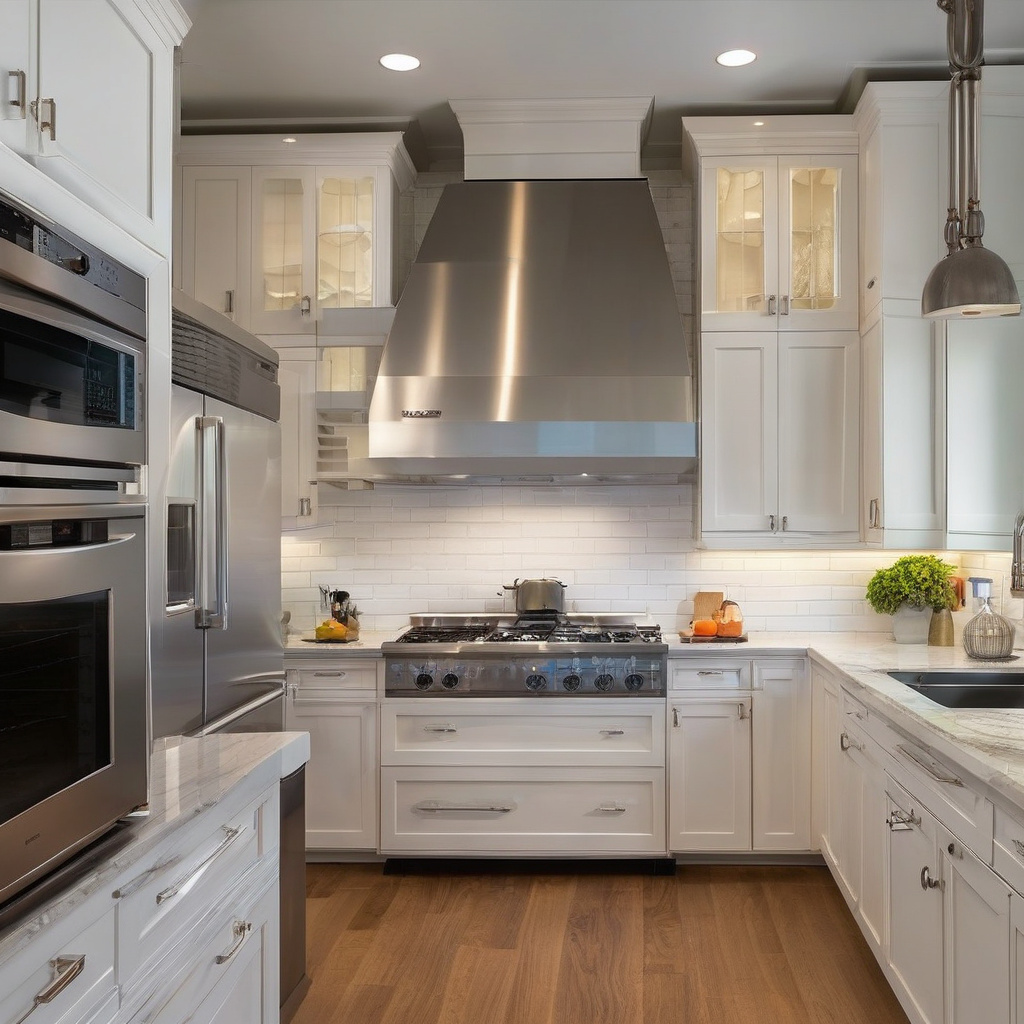
Many local lighting experts advocate for a mix of recessed lights, pendant fixtures, and wall sconces to achieve a multifunctional space. The positioning of these light sources should accentuate key areas such as islands and workstations. Comprehensive kitchen redesigns must prioritize adaptable and energy-efficient lighting solutions to mitigate energy bills and enhance the kitchen’s allure.
Ultimately, the right lighting design not only complements the kitchen’s aesthetics but enhances its functionality, rendering it both delightful and practical.
The Pitfalls of Storage Shortcomings
Picture this: you’re in the groove of preparing a vibrant kale salad only to find yourself rummaging through chaotic cabinets in search of an elusive food processor blade. Welcome to the underestimated world of kitchen storage. In Los Angeles, where every square foot is precious, inadequate storage solutions are a perennial cause of remorse for new kitchen owners.
A profound analysis of your culinary habits during the design phase can safeguard you against insufficient storage. Start by assessing everything you use—from knick-knack gadgets to heirloom mixing bowls—and work closely with your designer to tailor custom solutions. Pull-out trays, Lazy Susans, and adjustable shelves offer versatile means to maximize space and access.
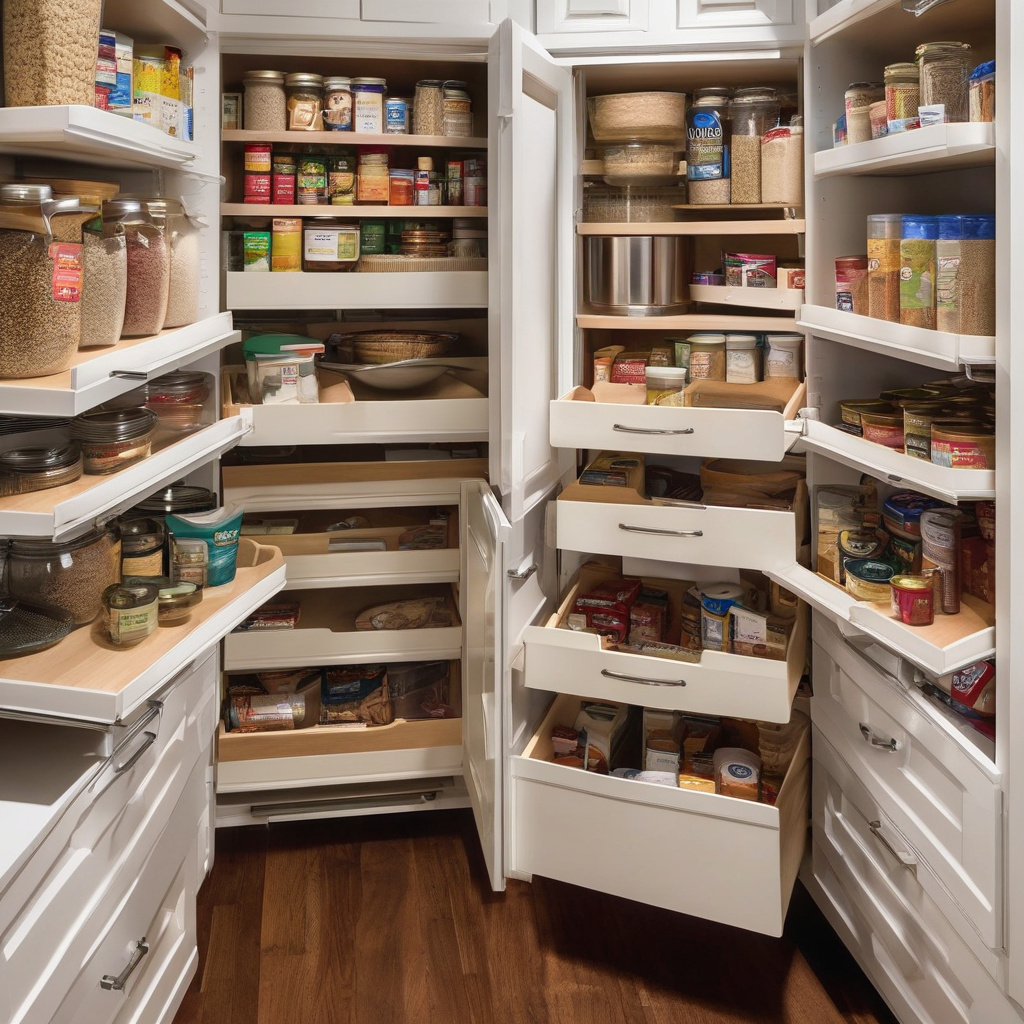
Beyond cabinetry, creative homeowners are exploring the trend of open shelving to add both functionality and visual interest. However, as maintaining pristine finishes over the long haul can be challenging, choosing durable, easy-to-clean materials is imperative.
Strategic storage planning empowers homeowners, transforming the chaos of kitchen clutter into orderly convenience.
The Awkward Dance of Malpositioned Appliances
Imagine continually side-stepping a protruding dishwasher door or dealing with the constraints of an ill-placed refrigerator. Appliance placement, when done poorly, competes for regret with the best (or worst) of them. In kitchens across Californian coastal towns, disruptions to the natural flow of meal preparation and cleaning often spark frustration.
The rule of the golden trio—the stove, the sink, the refrigerator—cannot be overstressed. This efficient triangle minimizes foot traffic and enhances ergonomics, reducing the labor of mealtime choreography. Strategic layout plans that prioritize this triad ensure that there’s a natural and intuitive rhythm to cooking.
It’s not enough to focus on the triangle alone. Added appliances, like microwaves and trash compactors, must also find their niches. Built-in solutions can free up valuable countertop space and streamline the overall aesthetic of the kitchen.
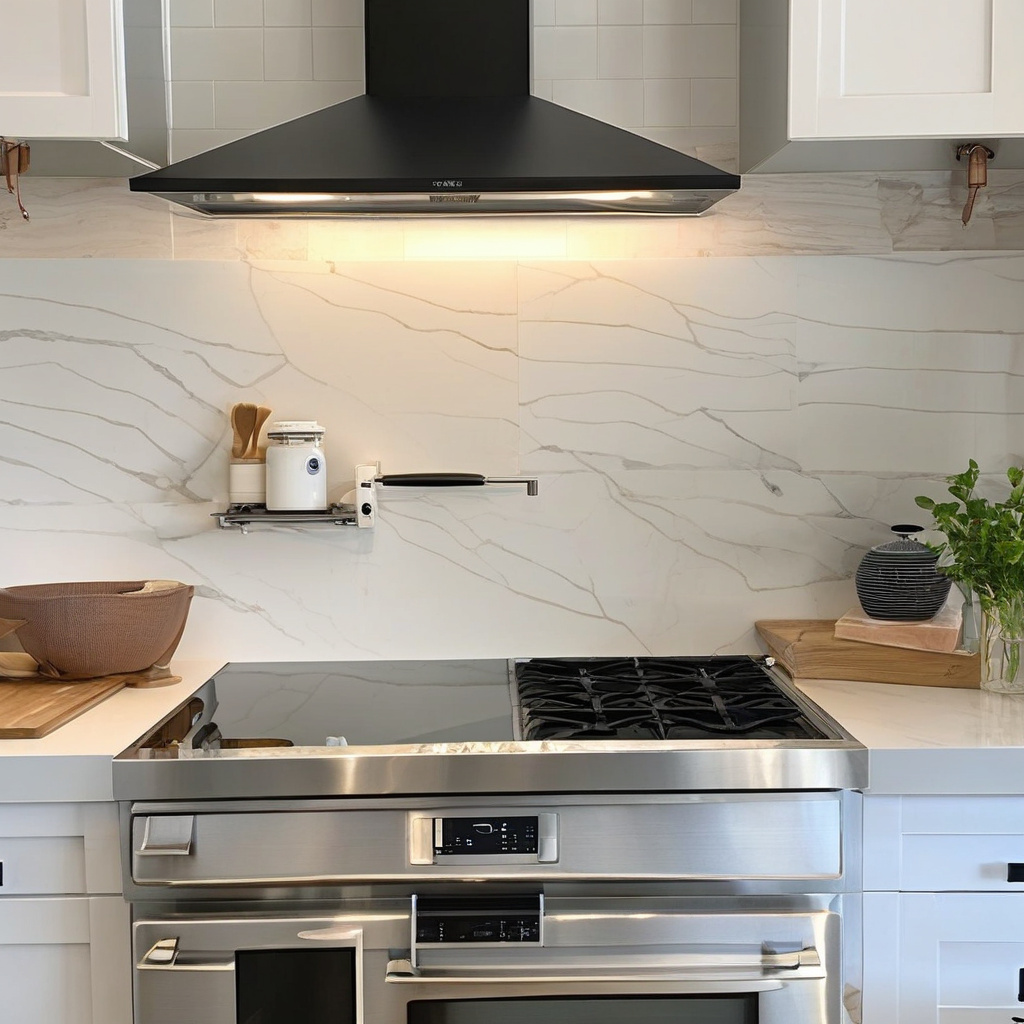
Ultimately, kitchens that excel in accommodating appliances not only reduce logistical headaches but also foster a seamless culinary lifestyle.
Compromising on Quality Materials
As many Angelenos have discovered too late, skimping on materials often leads to a world of hurt—and a hefty repair bill. While the allure of budget shortcuts might tempt homeowners, this misjudgment frequently results in countertops that scratch easily or cabinets that swell with humidity.
Selecting high-quality, durable materials is foundational to enduring kitchen satisfaction. Consider the balance of cost versus longevity; granite or engineered stone offers resilience, while solid wood cabinets withstand time’s test with timeless grace. Conducting a comparative analysis between materials can provide valuable cost-benefit insights for informed decisions.
| Material | Cost per Square Foot | Durability | Maintenance |
|---|---|---|---|
| Granite | $40 – $100 | High | Low |
| Quartz | $50 – $90 | Very High | Very Low |
Drawing upon expert insights into sustaining quality finishes over time can help evade the seeming savings of inferior materials. By aiming for durability, households can ensure the longevity and functionality of their cherished kitchen spaces.
The Demands of Modern Layouts
The kitchen is more than a place to prepare meals; it’s a hub of socialization and creativity. As such, aligning your layout with modern lifestyles involves more than mere adjacency of kitchen elements. Open-concept designs that encourage family connection while preserving workspace efficiency are in vogue.
A trap many fall into is not aligning personal lifestyle with kitchen layout. Consider variables such as foot traffic, eating habits, and entertainment needs. What looks pristine in a showroom could turn into an impractical maze at home if spatial dynamics are ignored.
Incorporating skylights can offer natural illumination, enhancing both aesthetic appeal and energy efficiency. The influx of daylight complements the open space, creating a vibrant, inviting environment.
By focusing efforts on optimizing layouts for flow and openness, you can ensure your kitchen is more a source of joy than frustration.
Chasing Trends over Timelessness
The dizzying pace of design trends beckons homeowners towards the latest styles, but following fleeting fads can quickly lead to regret. Three years down the line, that pop of emerald green may not elicit the same excitement, and what seemed bold now seems passé.
Striking a balance between modernity and timelessness is vital. Quieter, neutral palettes paired with modest accents tend to be enduring. Prioritize classic charm over transient thrill to establish a lasting, appealing aesthetic.
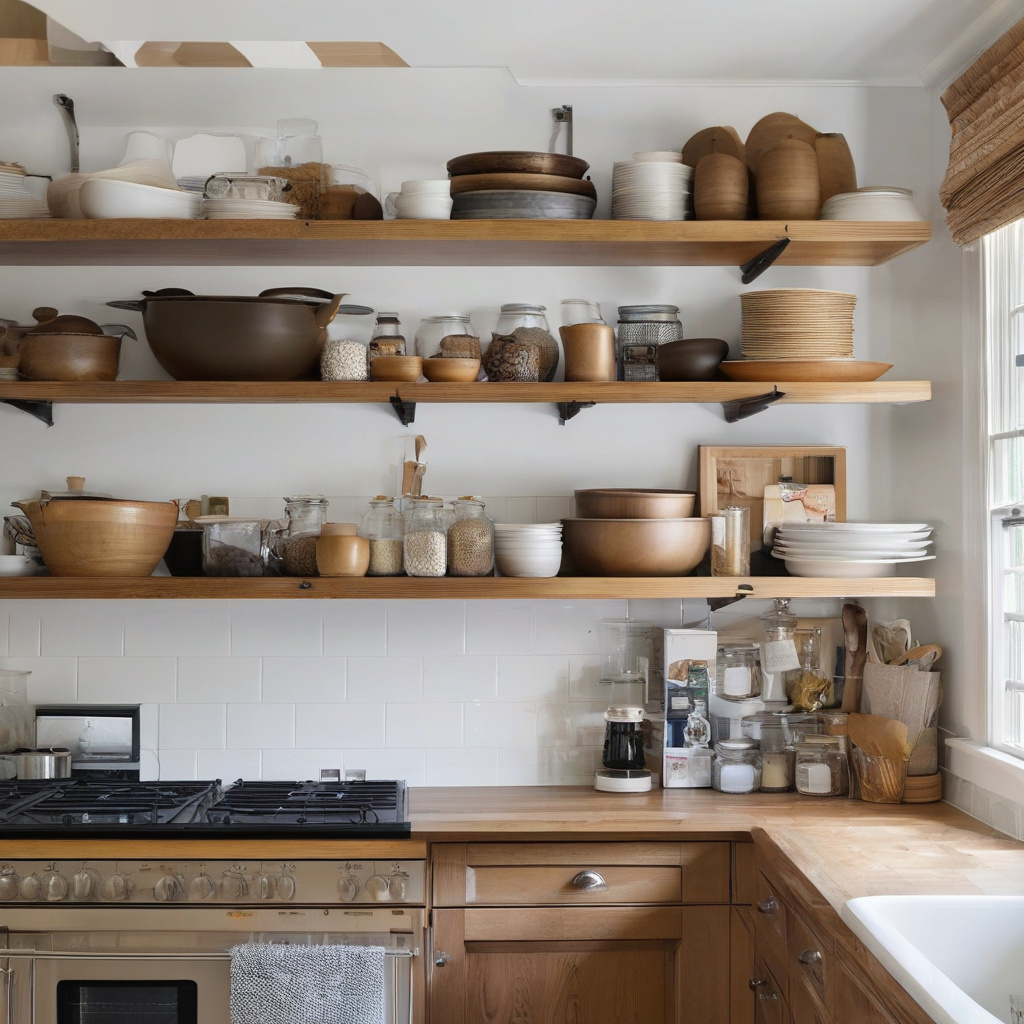
The question is often, “What will outlast fleeting fashion?” Exploring trends versus staying power offers detailed insights into informed style choices that withstand time’s scrutiny.
Ultimately, embedding timeless design elements allows kitchens not only to weather style evolutions with grace but also to enhance future resale value.
According to a recent report by the National Kitchen & Bath Association, over 40% of homeowners expressed dissatisfaction with their lighting choices post-renovation.
Construction expert John Halverson notes, “More than ever, kitchen renovations are about creating versatile spaces that reflect personal lifestyles and accommodate family interactions.”
Research indicates that investing in high-quality, durable materials enhances both aesthetic appeal and long-term return on investment, according to a study by Home Remodeling Magazine.
- Strategic lighting design enhances both functionality and aesthetic appeal.
- Comprehensive storage solutions are vital to an organized kitchen space.
- Position appliances within the kitchen to optimize workflow efficiency.
- Timeless materials and layouts ensure lasting satisfaction and value.
- Balanced trends with enduring design feature in successful kitchens.
FAQ
What are the most common regrets people have about their new kitchen?
In kitchen renovations, homeowners often face regrets like insufficient lighting, which transforms cooking spaces into dark, unwelcoming zones. Without strategic placement of overhead and under-cabinet lighting, awkward shadows can become an everyday frustration. Experienced renovators suggest incorporating task lighting early in the design phase to avoid these pitfalls. Poor storage planning also ranks high; solutions like pull-out pantry shelves can make a dramatic difference. Observations from real projects show that optimizing cabinet space with customizable organizers prevents the chaos many homeowners grapple with post-renovation.
How can awkward appliance placement be avoided in a kitchen remodel?
Awkward appliance placement often arises from initial oversight during planning. In real renovation projects, it becomes clear that considering the kitchen’s workflow is crucial. Placing the dishwasher too far from the sink, for instance, complicates daily tasks. Experts often recommend mapping out the “kitchen triangle” — the efficient placement of the fridge, stove, and sink — to streamline movement. Engaging with a professional designer can help translate these practical layouts into reality, ensuring appliances support rather than hinder kitchen activities.
Why is proper lighting critical in kitchen design?
Inadequate lighting can undermine the functionality and ambiance of even the most beautifully designed kitchen. Many experts point out that layered lighting — combining ambient, task, and accent lighting — is key to achieving a bright, inviting space. One example involves placing recessed lighting to provide general illumination, while pendant lights over an island offer focused brightness for food preparation. Ignoring these layers can lead to impractical cooking environments. Through real-world experience, renovators have seen how well-considered lighting transforms kitchens into spaces that are both functional and warm.
How can proper storage planning enhance a new kitchen?
Proper storage planning is a cornerstone of a successful kitchen remodel. Homeowners frequently underestimate the need for accessible and flexible storage solutions, which can lead to cluttered counters and disorganization. In practice, installing multifunctional cabinets or incorporating a pantry can drastically improve the kitchen’s efficiency. Innovations such as rotating shelves and deep drawers have gained popularity among seasoned renovators for their ability to maximize space. These thoughtful design decisions not only reduce daily stress but also maintain the kitchen’s aesthetic appeal.
When does it make sense to invest in a professional kitchen designer?
Investing in a professional kitchen designer often makes sense when undertaking large-scale remodels or when specific challenges, such as unusual kitchen layouts, exist. Many renovators have observed that a designer’s expertise can prevent costly mistakes and ensure a cohesive look that blends form and function. For a homeowner updating an older property, a designer’s insight into modern systems and materials can bridge the gap between the old and new. While this option adds to upfront costs, the long-term benefits, including increased home value and satisfaction, typically outweigh the expenses.
What are the pros and cons of integrating smart appliances in a new kitchen?
Smart appliances offer the convenience of remote operation and efficiency improvements, but they also come with certain drawbacks. On the one hand, features like app-controlled ovens or refrigerators with energy-saving capabilities can streamline kitchen duties and enhance energy efficiency. However, many experts caution that these appliances often require a robust Wi-Fi setup and regular software updates, which can be cumbersome. Additionally, the initial costs can be significant. Therefore, weighing the convenience against potential technical and financial challenges is vital for homeowners considering this modern upgrade.
What are typical mistakes to avoid during a kitchen renovation?
During a kitchen renovation, several common mistakes can detract from the desired results. Overlooking the need for sufficient outlets can restrict the functionality of a new kitchen, a realization that often surfaces too late. Many homeowners also misjudge space requirements, leading to cramped cooking areas. It’s essential to accurately measure and plan for walking spaces and door swings. In my experience, skipping quality on fixtures and materials is another misstep, resulting in frequent repairs and replacements. Partnering with professionals throughout the renovation can help mitigate these common errors. For more detailed guidance, consider reaching out to experts in the field through this contact page.
How does kitchen layout impact overall renovation success?
The layout is the backbone of a kitchen renovation, critically impacting functionality and flow. In real homes, an efficient layout translates into smoother daily operations and a more enjoyable experience. The kitchen triangle, a fundamental design concept, has long been a guide for efficient space utilization. Yet, a modern twist involves an open concept that seamlessly connects the kitchen with dining or living areas, enhancing social interactions. Over the years, I’ve seen successful layouts prioritize accessibility, accommodating family and guests while ensuring operational ease for the cook. Proper layout planning can transform a kitchen into the heart of the home.