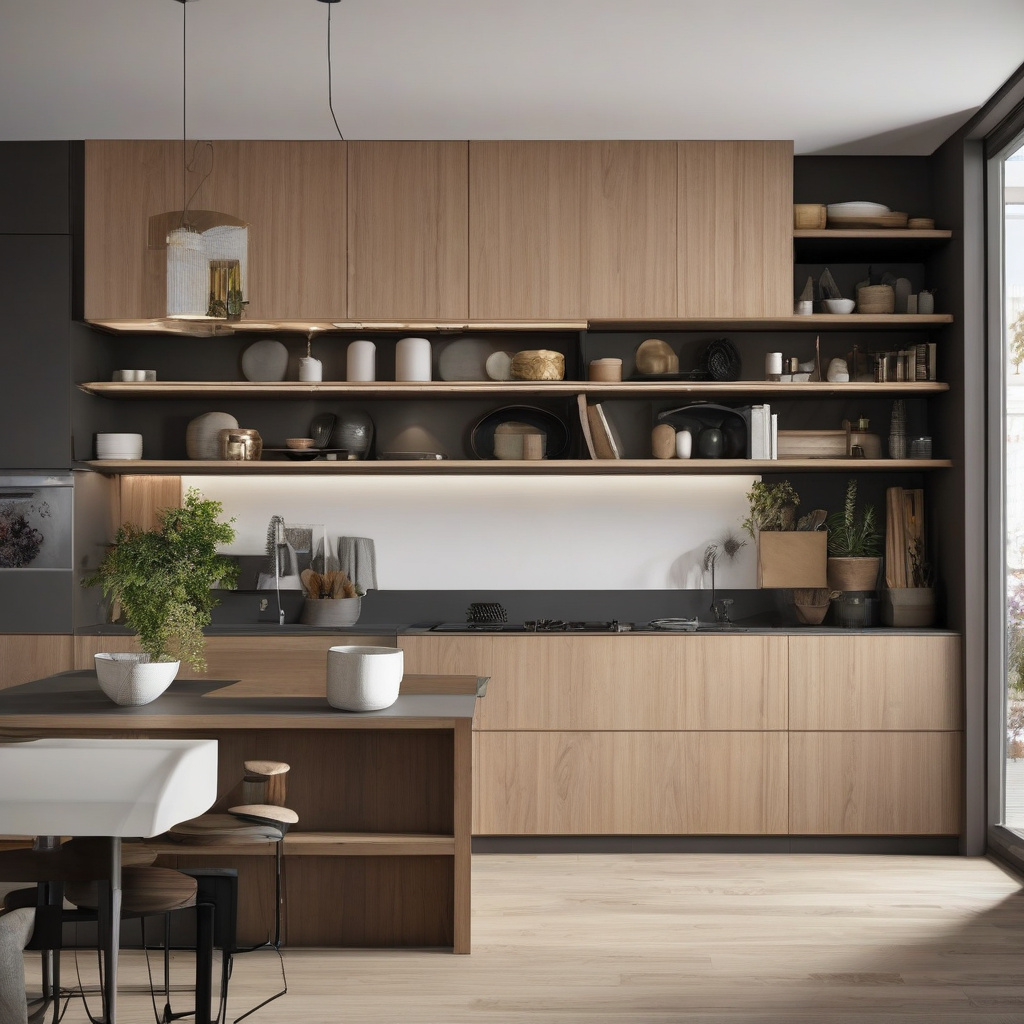
In the bustling world of home renovations, where every detail matters, the spotlight often shines on kitchen design, particularly with the growing trend of handleless kitchen cabinets. These sleek, modern installations promise streamlined elegance but demand a thorough understanding of their implications. As many Los Angeles homeowners are discovering, going handleless can be as much about aesthetic appeal as it is about a potential tug of war between maintenance and convenience.
Brief summary: Handleless kitchen cabinets offer a modern aesthetic with clean lines, popular among Southern California homeowners. However, their design poses challenges such as fingerprint visibility and precise installation requirements. This article explores such trade-offs, addresses renovation costs, and offers expert insights into making informed kitchen design decisions.
Embracing the Handleless Trend in Southern California
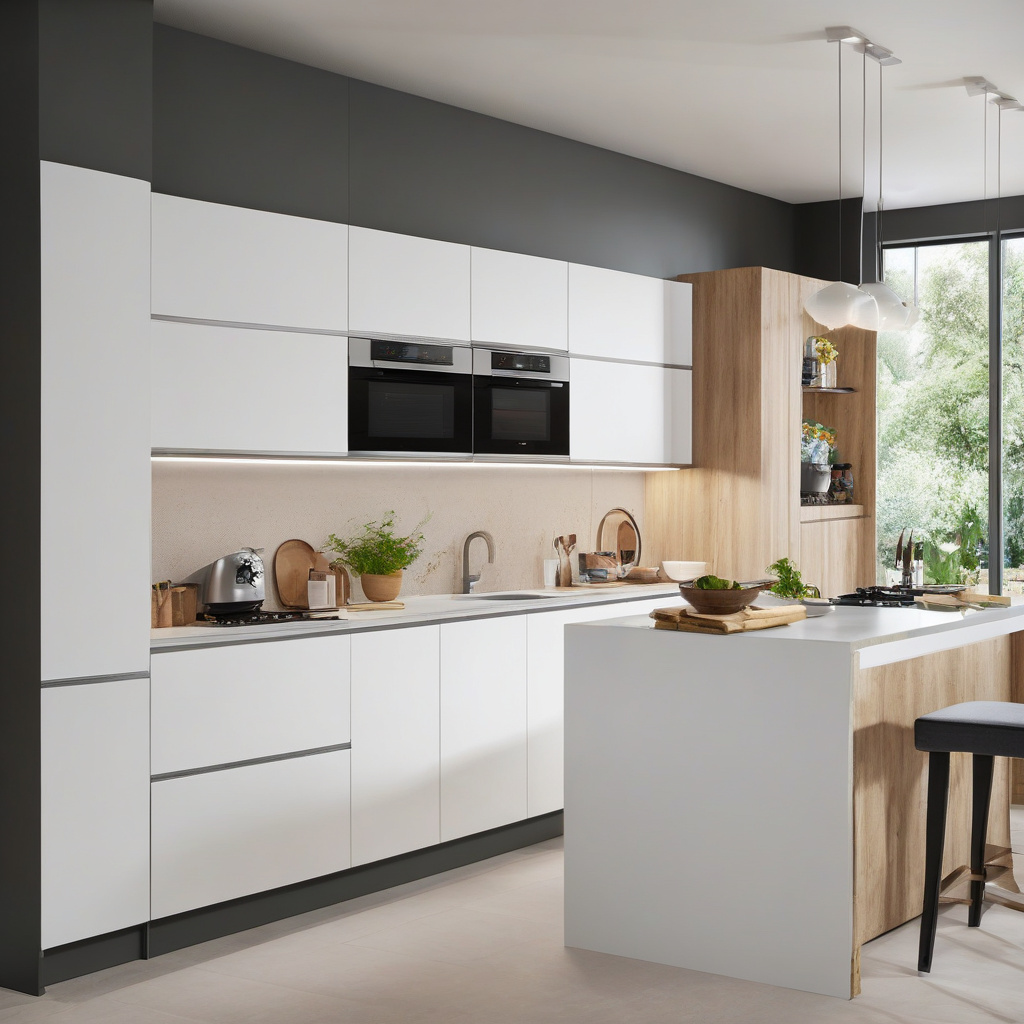
In the golden glow of Southern California, kitchens are evolving into glamorous showpieces, reflecting the lifestyles of their owners. Handleless kitchen cabinets have emerged as a symbol of contemporary elegance, an embodiment of minimalistic design that resonates with the aspirational aesthetics of Los Angeles households. Their allure is not lost on those who frequent various professional remodeling consultations, seeking the perfect blend of form and function.
This modern cabinetry trend seamlessly fits the profile of a minimalist’s dream, appealing to a clean look that features uninterrupted lines and a spacious feel. The appeal stems from their very simplicity—removing handles creates an illusion of elongated space, which is particularly beneficial in compact kitchen layouts prevalent in urban Los Angeles.
Yet, the adoption comes with its share of challenges. Without visible handles, fingerprints and smudges become far more noticeable on the polished surfaces. This requires frequent cleaning, a small but notable inconvenience that every homeowner must consider before taking this modern plunge. Such maintenance considerations are becoming an integral part of conversations among prospective renovators.
Despite these maintenance quirks, the demand for handleless designs is unwavering. Their visual appeal often outweighs minor inconveniences, reaffirming the significant pull toward embracing cutting-edge design trends. For those captivated by this allure, the handleless kitchen cabinets represent more than a choice; they are a lifestyle statement.
Ultimately, the decision to adopt handleless kitchen cabinets reflects broader renovation ambitions, weaving aesthetics with lifestyle into the fabric of a home’s identity.
Installation Precision: The Tightrope Walk
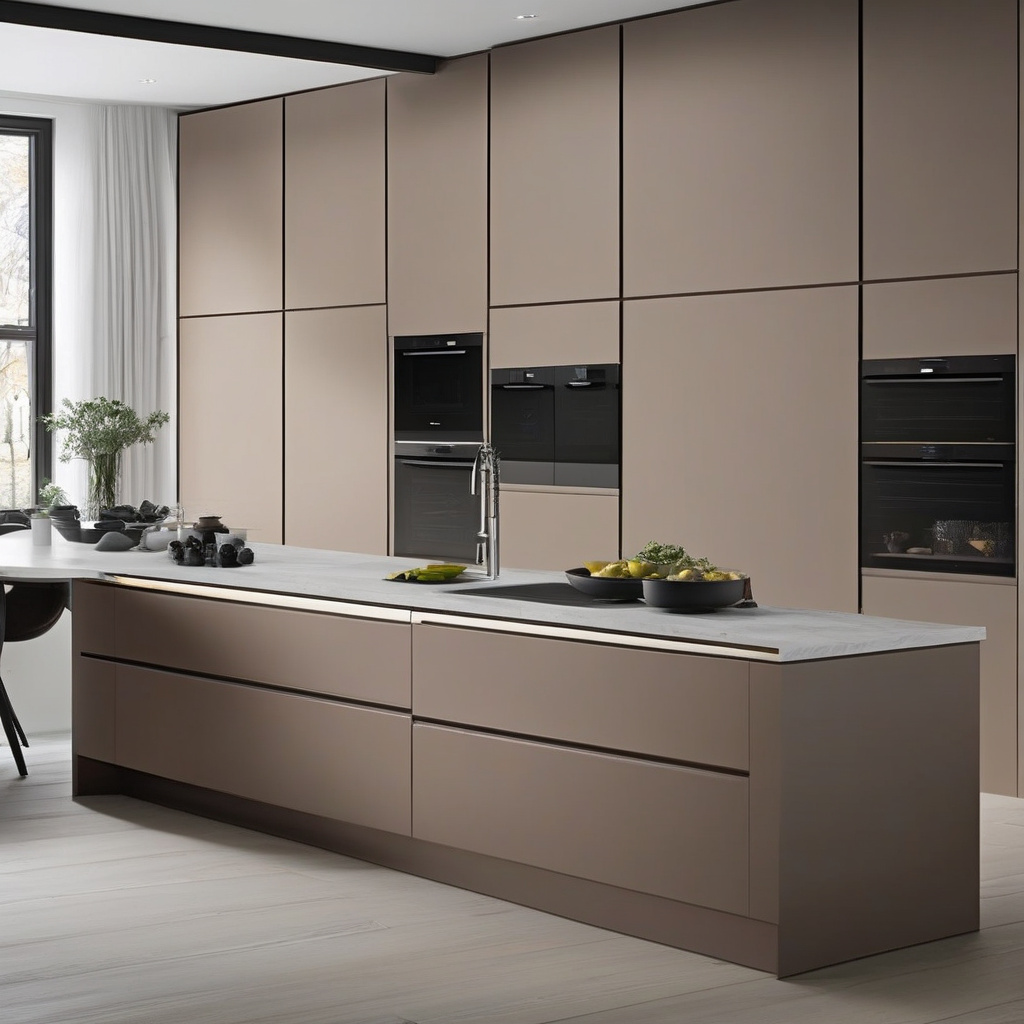
Behind the polished look of handleless cabinets lies the intricate dance of precision installation, a challenge that both daunts and fascinates novice renovators. In the vibrant heart of Los Angeles, where space optimization reigns supreme, these installations demand the highest level of craft and accuracy.
The precision involved dictates the use of cutting-edge technologies and advanced planning methodologies to ensure seamless cabinet executions. Exploring competitive remodeling quotes reveals significant variations in craftsmanship costs, as not every installer possesses the finesse to balance aesthetics with practical functionality.
Such meticulousness in installation doesn’t merely ensure aesthetic value but contributes to operational effectiveness. As any seasoned designer would tell you, the alignment and calibration of handleless cabinetry directly impact their functionality, a lesson learned through experience across numerous projects.
Despite these hurdles, for those willing to invest in skilled labor, the results can be nothing short of breathtaking. Handleless cabinets, when installed correctly, transform the kitchen into an architectural masterpiece, all while subtly enhancing the space with an aura of sophistication.
With so much at stake, the journey toward the perfect handleless setup underscores the importance of detailed planning, high-quality materials, and professional guidance to achieve the desired outcome.
According to a 2023 study by the National Association of Home Builders, precision in cabinet installation can enhance energy efficiency and lifespan by up to 30%.
Material Choices: The Foundation of Success
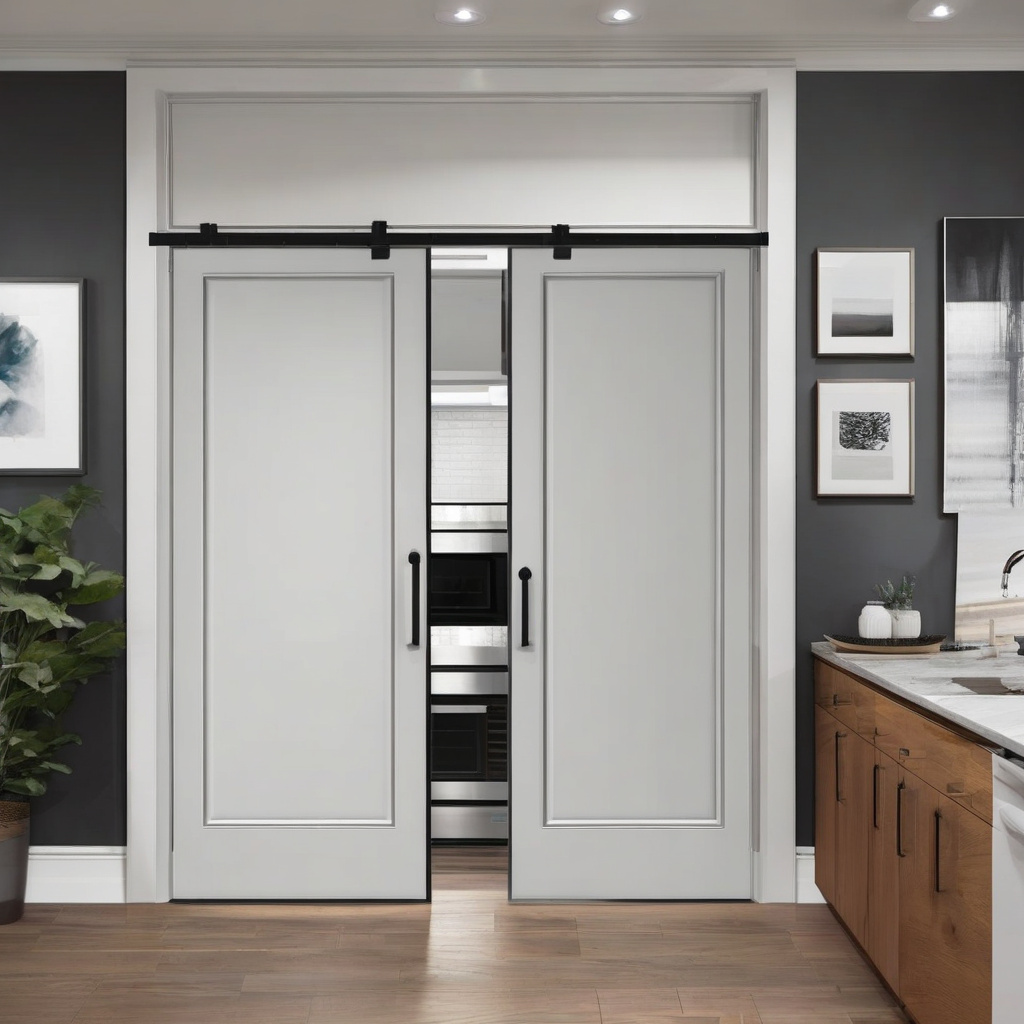
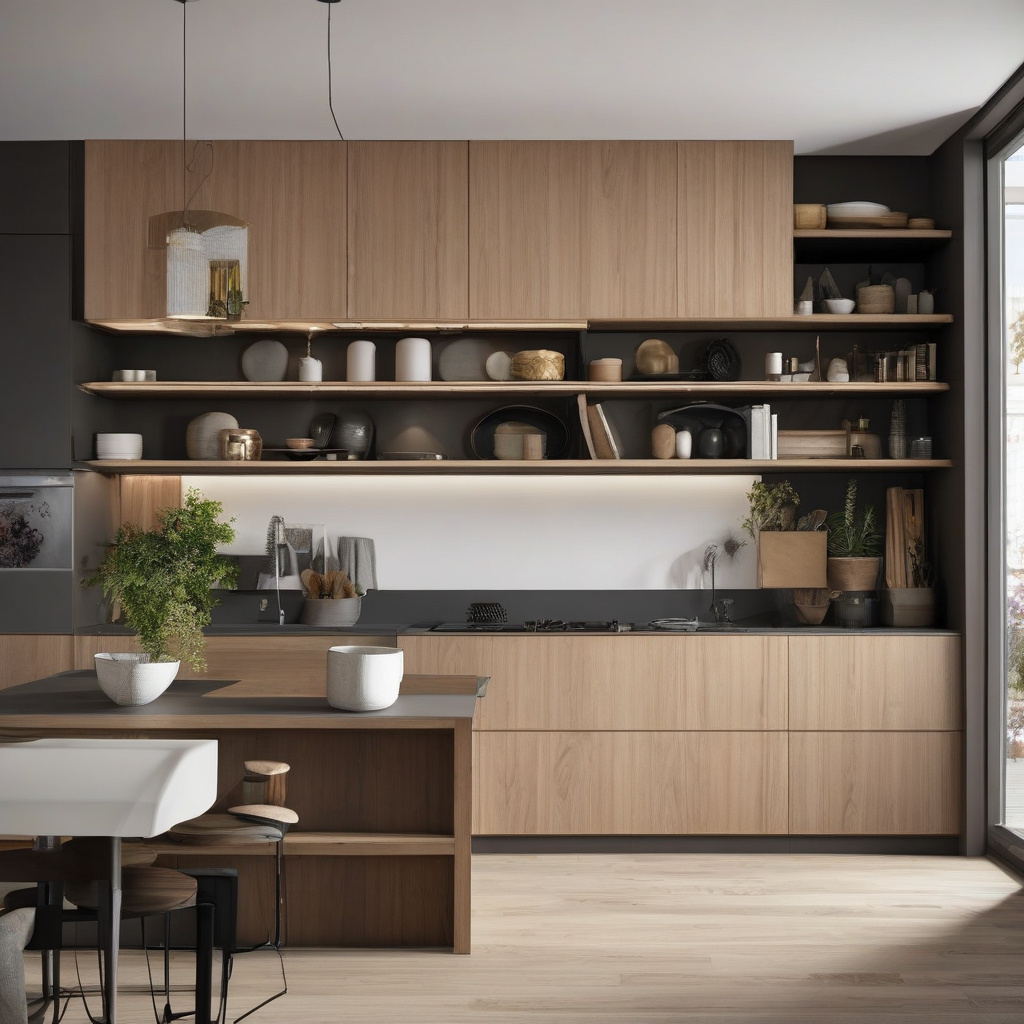
Materiality plays a starring role in determining the success of handleless kitchen installations. Amid Southern California’s thriving renovation scene, homeowners face a plethora of material options, each contributing to the unique texture and tone of their cooking spaces.
Durability and resistance are paramount concerns with the choice of materials, as handleless designs often expose cabinetry surfaces to more frequent tangential contacts. Here, high-quality laminates or ultra-matte finishes frequently emerge as favorites due to their resilience against daily wear and tear, which many experts agree, extends the life expectancy of these installations.
Equally influential are innovations in hardware technology, notably the adoption of push-to-open mechanisms that improve accessibility without compromising on aesthetic. These modern engineering feats are continuously evolving, enhancing the tactile experience offered by handleless cabinets.
Yet, navigating such a wide array of options can quickly become overwhelming, making expert advice invaluable. The maxim “quality over quantity” holds true, and discriminate choices grounded in avoiding common renovation pitfalls in kitchen remodels are crucial for delivering a flawless finish.
A well-chosen material not only elevates the visual appeal but also significantly improves the ROI, confirming the importance of thoughtful selection during the design phase.
A leading kitchen design publication highlights that using premium materials can offer up to a 20% higher resale value compared to conventional alternatives.
Advantages and Disadvantages: A Balanced Perspective
Every design choice carries with it an array of pros and cons, and handleless kitchen cabinets are no exception. As homeowners weigh their options, understanding these trade-offs becomes essential for informed decision-making.
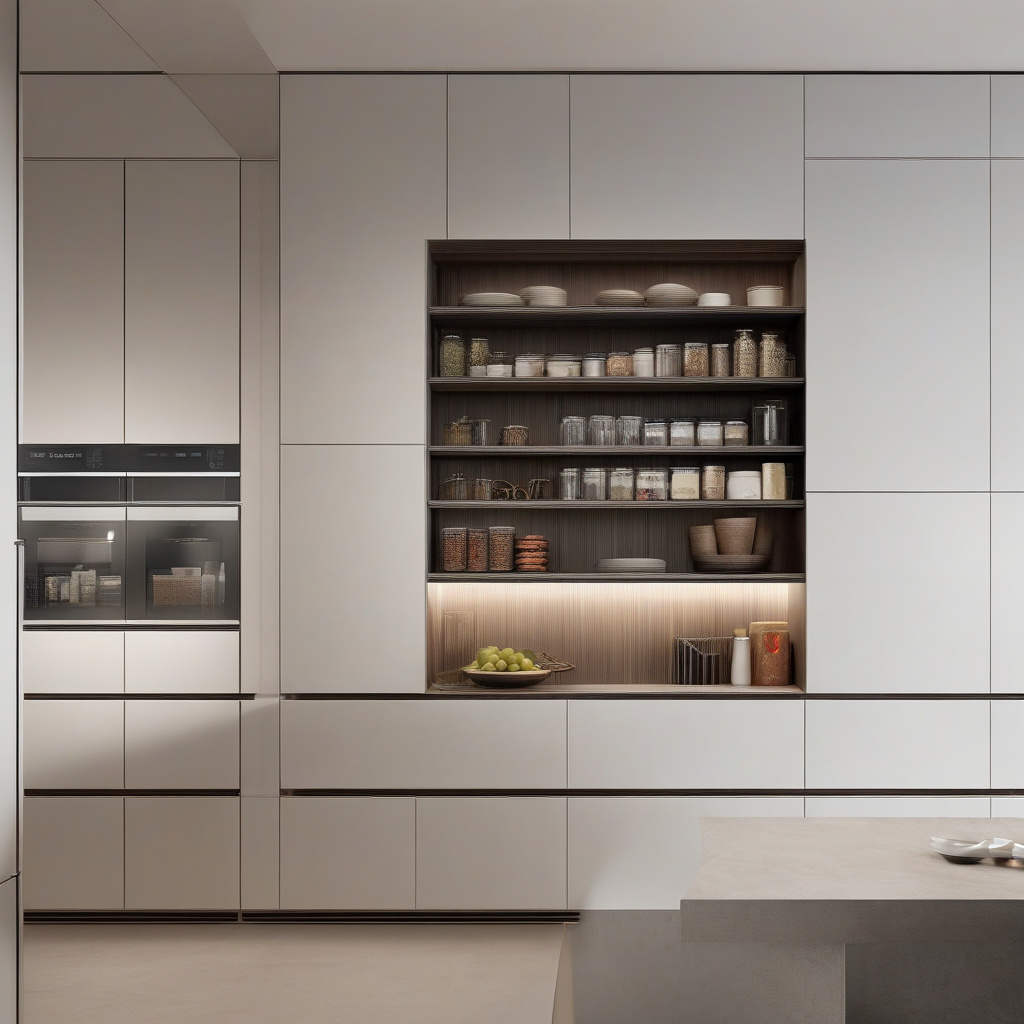
Advantages: The advantages of handleless designs are evident—minimalistic charm, enhanced space perception, and a contemporary visage that aligns with the cutting-edge aesthetics that many Southern California homes aspire to achieve. Not only do these cabinets look sleek, but their very absence of external hardware makes cleaning simpler in terms of the nooks and crannies often associated with traditional counterparts.
Disadvantages: On the flip side, the propensity for fingerprint smudging remains a notable drawback. Meanwhile, the necessity for precise, professional installation can inflate costs, a critical consideration when managing budgets. For some, the tactile sense of pulling open a cabinet without a handle can feel disconcertingly unfamiliar, perhaps counterintuitive to long-standing habits.
Such benefits and drawbacks create a nuanced picture, elucidating why some embrace handleless cabinets while others remain hesitant. Knowing these variables is instrumental in crafting a balanced and satisfactory renovation narrative.
Ultimately, the decision pivots on weighing personal tastes against the practical realities that come with embracing a modern aesthetic.
How to Navigate the Handleless Journey
For those starting on their renovation journey, it’s crucial to understand the steps involved in incorporating handleless cabinets successfully. A systematic approach will help in averting potential pitfalls and ensuring a smooth transition to a modern kitchen.
Step 1: Spawn the Vision
Before diving into installations, formulate a clear vision. Are you aiming for a chic urban kitchen echoing the sleek interiors of a downtown Los Angeles apartment, or a cozy, minimalist space that prioritizes functionality? Identifying your style guide is essential in setting the course.
Step 2: Consult with Professionals
Leverage the expertise of industry professionals who are well-versed in the nuances of handleless cabinets. Their insights into design intricacies can avert common pitfalls and align your vision with plausible execution strategies.
Step 3: Assess Material and Budget Options
A tactical evaluation of materials against budgetary constraints should follow, ensuring selections are both durable and financially prudent. The utilization of multi-generational design concepts could be practical here, catering to diverse household needs.
Visiting showrooms, reviewing case studies, and engaging in discussions with past clients are useful exercises that can lend clarity to decisions.
To cap it off, patience and meticulous attention to detail are crucial to transforming your kitchen into a seamlessly integrated modern marvel—a tribute to your commitment to style and efficiency.
| Aspect | Traditional Handles | Handleless Cabinets |
|---|---|---|
| Cost | Low to Medium | Medium to High |
| Maintenance | Moderate | High |
| Installation Complexity | Simple | Complex |
| Aesthetic Appeal | Classic | Contemporary |
Insights from design experts suggest that handleless cabinetry can lead to a 15% increase in time spent on cleaning, highlighting the need for strategic planning.
- Handleless kitchens combine modern aesthetics with practical challenges.
- The installation demands precision for optimal results.
- Material selection significantly impacts the longevity and appeal.
- Comparing pros and cons ensures informed decision-making.
- Step-by-step guidance aids in seamless renovations and timeless design.
“`html
FAQ
What are handleless kitchen cabinets?
Handleless kitchen cabinets are characterized by their sleek, smooth façade which allows for a streamlined, modern look. In practice, they achieve this through mechanisms like push-to-open hardware or integrated handles such as J-pulls. This design is particularly popular in contemporary or minimalist homes where clean lines are desired. However, overlooking the ergonomics can be a pitfall, as some homeowners may find them less user-friendly, especially in busy kitchens or for children. When considering these cabinets, be sure to assess both form and function in your choice.
How do you choose the right handleless cabinets for your kitchen?
Choosing the right handleless cabinets involves balancing aesthetics with practicality. Many experts advise focusing on the layout and the type of mechanism you prefer, whether it’s push-to-open or a recessed pull design. For instance, in older homes undergoing renovation, retrofitting handleless cabinets might require more customization which can add to the cost and complexity. Evaluate how often a surface is likely to be touched, as some finishes resist fingerprints better than others. Consulting a design specialist can help match the cabinets to your lifestyle and kitchen use, emphasizing both style and ease of maintenance.
When is it sensible to install handleless kitchen cabinets?
Installing handleless kitchen cabinets makes the most sense in modern or newly built homes where sleek design is a priority. This style complements open-concept spaces by emphasizing seamless transitions. For single-family homes in California, where open layouts and sunshine are abundant, handleless cabinets can underscore the airy aesthetic many homeowners seek. However, if you frequently cook large meals or have a bustling family, consider the practicalities of this design. Prioritize where these cabinets will be most used and consider blending with traditional cabinetry in high-use areas to maintain both utility and style.
What are the typical mistakes made with handleless cabinets?
One common mistake is underestimating the importance of precision in installation. Handleless cabinets require exact alignment for both aesthetic and functional purposes; if improperly installed, this can lead to doors that don’t open smoothly or uneven panel gaps. Many homeowners also miss considering how these cabinets will interact with kitchen lighting. A well-planned lighting scheme can mitigate fingerprint visibility and enhance the cabinet finish. To avoid these pitfalls, enlisting a professional installer who understands the nuances of handleless systems is generally recommended. Additionally, rely on practical user reviews and material samples to guide your choices.
What should be considered in terms of cost when opting for handleless kitchen cabinets?
Cost considerations for handleless cabinets can be multifaceted. The initial cabinet cost may be similar to traditional ones, but the unique mechanisms, such as push-to-open features, can add to the total expense. Installation can also be pricier due to its precision requirements. In real renovation projects, homeowners often face the choice between high-gloss finishes and more durable, scratch-resistant materials, which can further impact costs. Thus, it’s worth budgeting not only for materials and installation but also for potential long-term maintenance, especially in high-use kitchens. For customized advice on such projects, consider [reaching out to a local renovation expert](https://californiarenovation.top/contact/).
What are the pros and cons of handleless kitchen cabinets?
The major advantage of handleless kitchen cabinets lies in their aesthetic appeal, offering a seamless, modern look that can significantly elevate the appearance of your kitchen. This uncluttered design is especially suitable for minimalist and contemporary styles. On the downside, many homeowners encounter issues such as visible fingerprints and smudges, particularly on glossy finishes. Handleless cabinets also demand more meticulous installation procedures, which can increase initial costs and potentially require higher maintenance. Balancing these pros and cons is essential for making an informed decision that aligns with both your design vision and practical household needs.
What specific maintenance requirements come with handleless kitchen cabinets?
Maintenance for handleless kitchen cabinets includes frequent cleaning to manage fingerprints and potential smudges. This is particularly true for high-gloss finishes, where every touch can leave a mark. Many experts point out that homeowners should invest in microfiber cloths and gentle cleaning solutions specifically designed for the cabinet material. Regular checks to ensure the opening mechanisms are functioning smoothly are also recommended. Over time, you might encounter minor issues such as misalignment due to regular use, which requires periodic adjustments. Proper care can significantly extend the life and appearance of handleless cabinetry, preserving their sleek look.
Are handleless cabinets suitable for all kitchen sizes?
Handleless cabinets can be adapted for kitchens of various sizes, but the layout and workflow should guide the decision. In smaller kitchens, they may enhance the perception of space due to their minimalistic, unobtrusive design. However, in larger kitchens, the convenience of accessing storage without handles might become an operational drawback for some, as cupboards and drawers heavily reliant on push-to-open mechanisms may not be practical in high-traffic households. Therefore, during a kitchen redesign, consider your space and how you interact with it daily. Tailoring your cabinet choices to your lifestyle can optimize both functionality and aesthetic appeal.
“`