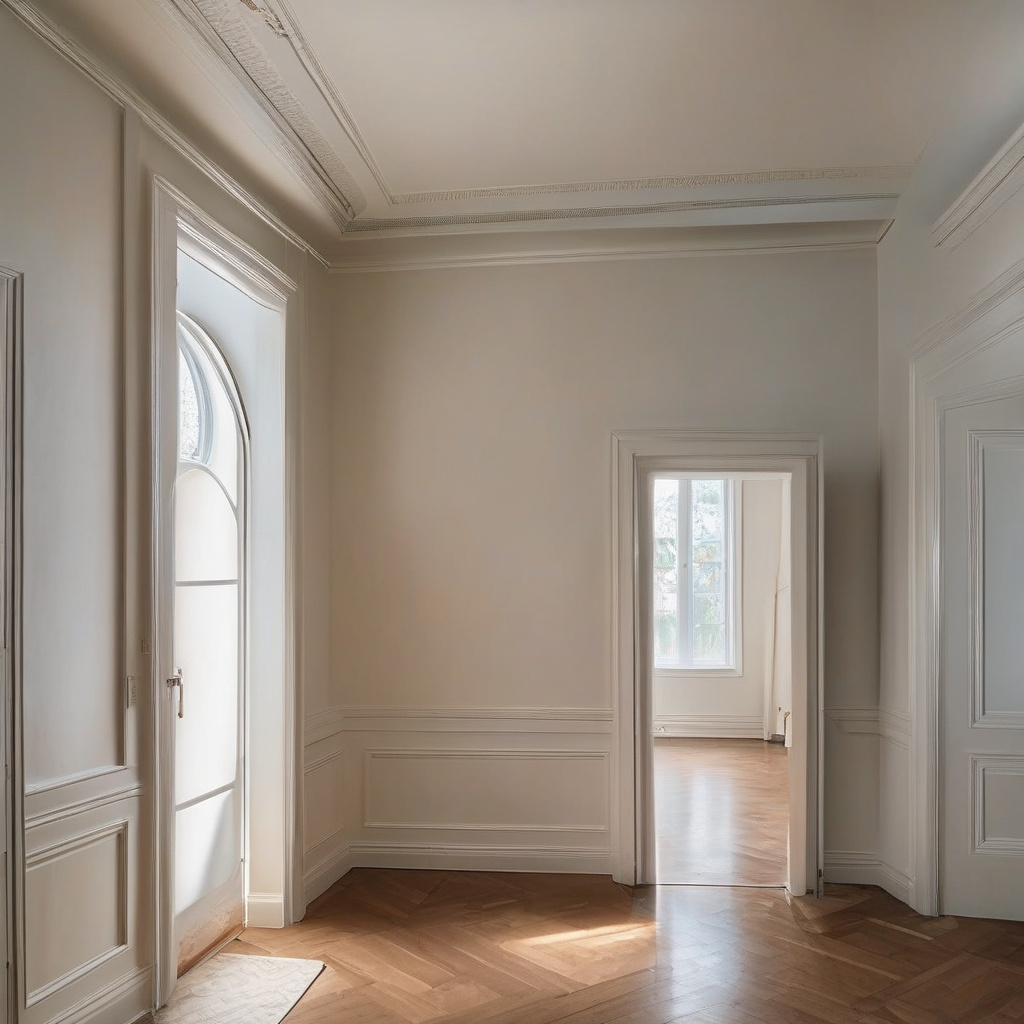
Painting the walls of your home can be compared to choosing the perfect outfit; it’s all about setting the right tone and mood for your living space. In Los Angeles, where style meets substance at every corner, the care regimes for newly painted walls have emerged as an essential practice for homeowners. With color setting new renovation trends, it’s vital to understand how to maintain that fresh paint look that echoes the neighborhood’s vibrant yet understated charm.
Brief summary: This article explores the intricacies of caring for newly painted walls, focusing on gentle cleaning techniques and the importance of curing time. It offers insights into maintaining vibrant wall colors, including expert advice and real-life examples from Los Angeles homes, ensuring your walls stay pristine longer.
Decoding the Color Code: Selecting Paints That Last
When embarking on a painting project, choosing the right type of paint is as crucial as selecting the color itself. The sun-drenched homes in Southern California demand paints that can withstand UV rays and seasonal changes. Homeowners often prefer high-quality, durable options that assure longevity and resilience against fading. According to industry experts, paints that provide a “double defense” against environmental factors are becoming increasingly popular among the style-conscious residents of Los Angeles.
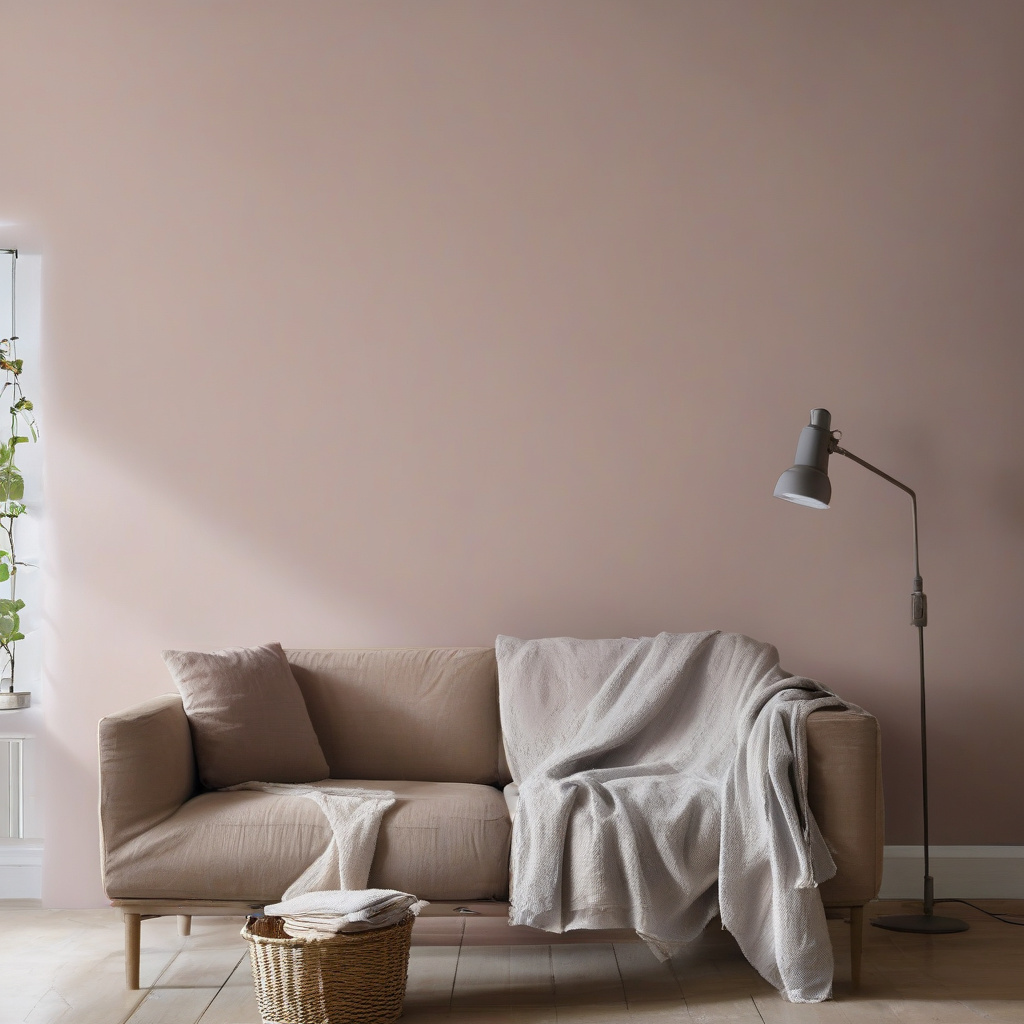
But paint selection isn’t just about durability. As many local homeowners notice, it’s also about aesthetic harmony. That’s where expert tips from seasoned painters often guide homeowners, emphasizing the balance between visual appeal and material robustness. The art of selecting paints is evolving, and the newest professional insights into paint choice cover eco-friendly options that deliver both sustainability and style.
Choosing the right paint can indeed be the difference between a quick touch-up and an enduring masterpiece. This decision sets the foundation for ease in subsequent care and maintenance, ensuring homes remain picturesque.
Recent data shows that high-performance paints can reduce maintenance frequency by up to 30%, translating to significant cost savings and less environmental impact.
Offering a palette of choices, industry experts agree that informed decisions lead to vibrant and lasting results, with color selection being the heart of design sensibilities.
Curing the Walls: The Art of Timing and Patience
The exhilaration of a freshly painted home is often tempered by the patience required during the curing process. Properly curing paint is more than allowing time to dry; it involves a meticulous wait that ensures the paint bonds seamlessly to the wall surface. In the lively neighborhoods of Los Angeles, where renovations are as constant as the city’s sunshine, waiting for the moment the paint cures is a necessary indulgence.
Many homeowners underestimate the significance of curing time, rushing to add hasty wall hangings or touch the pristine surfaces too soon. As shared by a local painting expert, “Patience is not just a virtue here; it’s a requirement for those seeking a flawless finish that lasts years.” Complete curing minimizes the risk of cracks, chips, and other blemishes that may disrupt the aesthetic flow of a room.

Simple yet effective methods to determine full curing include checking for odor reduction and touch dryness, but definitive results require waiting at least two to three days, with up to two weeks for optimal outcomes. This step-by-step patience ensures that the beauty bestowed by color remains uncompromised. A sensible painting schedule enhances both appearance and durability without compromising timelines.
A well-curated finish underscores the longevity of paintwork, promising delight every time a room is entered or admired.
Gentle Touch: The Subtle Art of Cleaning Painted Walls
After the patience of curing comes the gentleness of care. Maintaining freshly painted walls involves soft care techniques that preserve color and integrity without overwhelming abrasive methods. In residences scattered throughout Beverly Hills or the eclectic zones of Los Angeles, cleaning takes an artful, subtle approach.
Regular upkeep involves a few straightforward practices, like using soft, damp cloths and dabbing rather than scrubbing to remove fingerprints or minor scuffs. Industry experts recommend natural, environmentally friendly solutions such as diluted vinegar or mild dish soaps mixed with water to gently wipe down surfaces.
Considering the right materials and tools can make a significant difference in preserving the harmonious look of painted surfaces. This intentional care sustains the vibrancy and achieves a long-term finish that embodies both beauty and function.
An architectural review indicates that homeowners who implement gentle cleaning methods witness a 20% enhancement in the lifespan of their wall finishes.
With prescribed care, walls transform into canvases that chronicle and conserve daily life’s ebbs and flows.
The Reward of Clean Walls: Maximizing Aesthetic and Value
Aesthetics and functionality merge in the vibrant tapestry of Southern California homes. The beauty of lovingly maintained painted walls goes beyond mere appearances; it subtly increases property value. With soaring real estate markets, ensuring paintwork remains pristine can be a beneficial strategy for eventual resale.
The kitchen, living rooms, and exterior exteriors simply glow with well-performed maintenance, offering a captivating gaze to potential buyers. This not only reflects attention to detail but enhances the perceived value, playing a consequential role in any home’s appraisal.
Indeed, homes with neutrally painted and meticulously cared-for walls are often perceived as well-maintained properties, fostering trust and increasing competitive market edge. Keeping aesthetics in check creates an ambiance that resonates with buyers, leading to more successful transactions. As outlined in this guide on market appeal, these strategies are effective.
Research highlights that well-maintained interior paint contributes to a 5-10% increase in perceived home value during resale.
Homeowners, by focusing on aesthetic continuity and coherent color schemes, can successfully leverage their investments to yield beneficial returns.
Table of Painting Maintenance Tips
| Tip | Benefit |
|---|---|
| Use high-quality paint | Long-lasting color and finish |
| Allow ample curing time | Minimizes cracking and chipping |
| Opt for gentle cleaning methods | Preserves paint integrity |
Conclusion: The Symphony of Care
In the grand concert of home renovation, every wall speaks a piece of its owner’s creativity and care. Maintaining newly painted walls requires skill, patience, and knowledge, an endeavor that unfolds as both art and science in the dynamic city of Los Angeles. As we understand the rewards of meticulous attention to detail, the payoff is not only visual delight but also a fortified investment in property value and personal satisfaction.
Whether you’re safeguarding a contemporary abode or a classic mansion, these techniques express dedication to both aesthetic harmony and functional excellence. From choosing the best paint to the diligent care required afterwards, these steps harmonize to create an enviable atmosphere in any home.
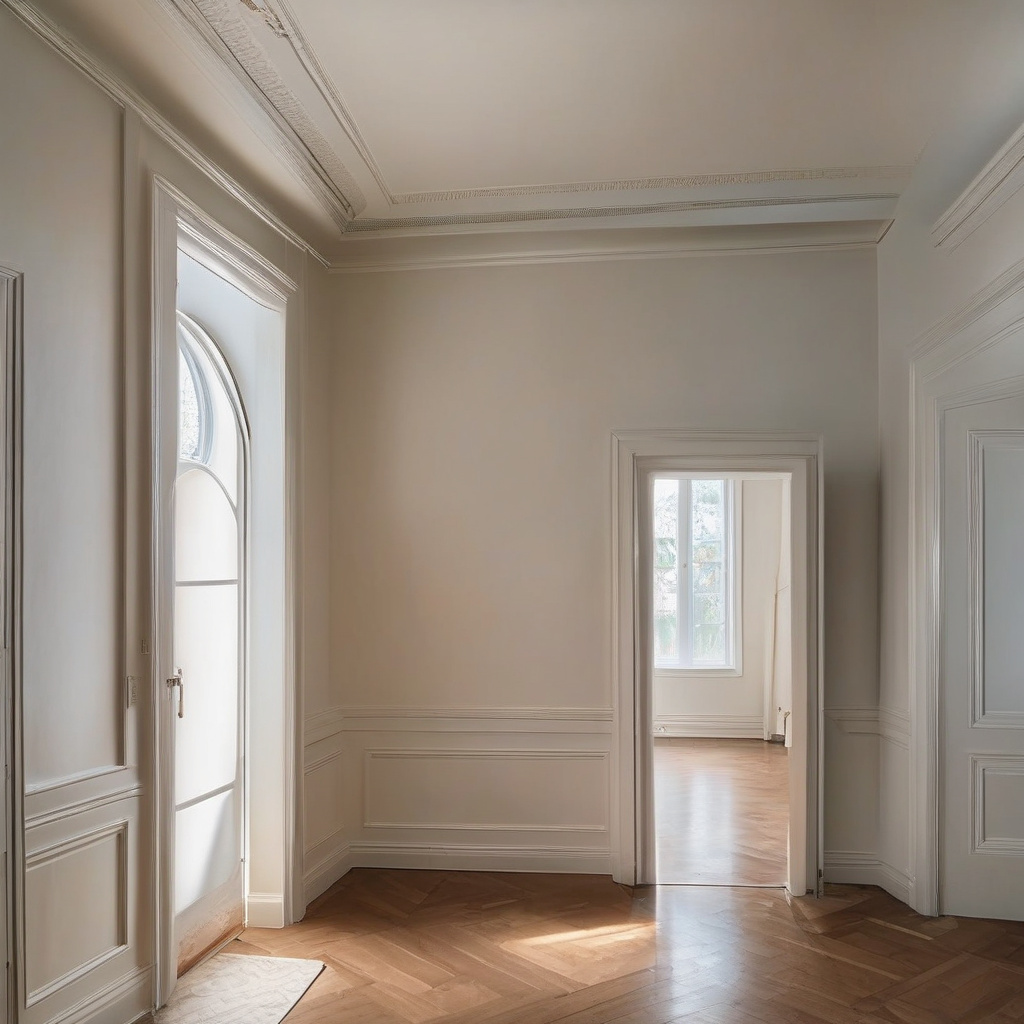
- High-quality paint choices are crucial for enduring freshness.
- Patience in curing ensures long-term paint integrity and appearance.
- Gentle cleaning methods enhance the lifespan and vibrancy of paint.
- Properly maintained walls can increase home value significantly.
- Strategic maintenance harmonizes the home aesthetic with functional investment.
FAQ
How long should I wait before cleaning newly painted walls?
In real renovation projects, it often becomes clear that patience pays off with freshly painted walls. Homeowners should ideally wait at least two weeks before initiating any cleaning process. This allows the paint to cure properly, ensuring the surface is resilient against wear. In many instances, families eager to redecorate or put back wall hangings underestimate the curing period, leading to premature wear or even paint removal. Allowing paint to settle not only ensures durability but also maintains the vibrant sheen that you initially adored.
What cleaning materials are safe for newly painted walls?
Many experts point out that the gentler the cleaning approach, the better it is for your walls. For newly painted surfaces, a soft microfiber cloth lightly dampened with water is typically sufficient for removing dust and minor smudges. Avoid abrasive sponges or harsh cleaning agents. In homes where kids might inadvertently mark walls, a diluted vinegar solution can be effective for spot cleaning without compromising the paint’s integrity. The goal is to clean without stripping away the sheen or color, ensuring your walls remain stunningly vibrant.
Can cleaning too soon affect the finish of my wall paint?
Absolutely, cleaning too soon can disturb the curing process of your paint, leading to streaks or even paint removal. Many homeowners make the mistake of trying to clean smudges right away, not realizing that the paint has not set fully. In older homes undergoing renovation, where walls might settle differently, paint can be particularly susceptible to early washing. Patience, here, becomes a virtue. By allowing ample curing time, usually at least two weeks, the paint reaches a hardened state capable of withstanding gentle cleaning, preserving its finish and longevity.
What are common mistakes when cleaning newly painted walls?
Homeowners frequently underestimate the impact of using improper techniques on their new walls. A recurring mistake is using scrub pads or cleaning agents with bleach, which can abrade or stain the paint. Another common error involves soaking the walls with too much water, which can seep under the paint and cause peeling. In single-family homes, where kitchens and children’s rooms are commonly repainted, these errors can necessitate expensive and time-consuming touch-ups. Instead, a gentle hand and a damp cloth can solve most cleaning issues without compromising wall integrity.
Is it better to use a damp cloth or a dry dusting cloth on newly painted surfaces?
The consensus among seasoned renovators leans towards using a dry dusting cloth for regular maintenance. This approach prevents unnecessary dampness from affecting the paint’s adhesion to the wall. In newer builds, particularly in regions like California where humidity fluctuates, careful dusting can maintain cleanliness without unintended consequences. However, for more stubborn markings, a lightly dampened cloth is preferred, applied with care to avoid leaving water marks. Both methods can be appropriate depending on the wall’s exposure and use, but starting dry is typically the safer bet.
How does the type of paint used affect maintenance?
Different types of paint demand different care strategies. For instance, high-gloss and semi-gloss paints are more resilient to cleaning and thus might withstand a bit more pressure during dusting or spot cleaning. In contrast, matte or flat finishes can show marks more easily and might require gentler treatment to avoid altering the appearance. Painting experts often recommend testing cleaning methods on a hidden area first, especially if you opted for specialty paints. The choice of paint not only influences durability and aesthetic but also the type and frequency of maintenance required, adding another layer of decision-making for any homeowner.
What are the pros and cons of hiring a professional for cleaning painted walls?
Hiring professionals for cleaning can save time and ensure techniques match the type of paint and wall condition. On one hand, experts possess knowledge about materials and solutions that are safe for each type of paint, thereby reducing risks of damage. On the downside, this option is certainly more costly than doing it yourself. In California, where service prices can be higher due to demand, this might be a deterrent for some. Conversely, professionals also bring convenience and peace of mind, especially for those with busier lifestyles or large homes who wish to maintain pristine wall conditions consistently. Should you need personalized advice about professional cleaning, consider reaching out for expert perspectives through this contact point.
Are there seasonal considerations for maintaining painted walls?
In the context of regions like California, where seasonal weather can range dramatically, seasonal care becomes significant. For example, during the damp winter months, newly painted walls may be prone to moisture absorption, necessitating dehumidification in certain areas or reducing ambient humidity levels. Conversely, the dry summer season pairs with higher dust levels, creating a need for more regular, gentle dusting routines. Awareness of such seasonal impacts allows homeowners to adjust maintenance routines accordingly, safeguarding the aesthetic appeal and integrity of their freshly painted walls all year round.