
When it comes to home ownership in Los Angeles, maintaining a sound roof over your head isn’t just an old saying, it’s a fundamental necessity. As anyone who has battled surprise leaks during a rare Southern California downpour can testify, choosing a qualified roofer is not something to be taken lightly. A crucial aspect of hiring a roofer is ensuring they are properly licensed and insured, which not only serves your legal protection but also ensures the job meets California’s stringent regulations.
Brief summary: Discover the vital questions to ask your roofer about insurance and licensing, ensuring legal compliance and financial peace of mind when undertaking roofing projects. Understand the intricacies of roofing in Los Angeles, from unexpected costs to homeowner safeguards, enhancing your renovation journey.
Understanding Licenses: Are They Really Necessary?
In California, requiring a license for contractors is non-negotiable. Roofers are mandated by law to hold a local license which signifies that they have met standardized requirements for expertise and professionalism. Engaging a licensed roofer ensures that the contractor is answerable to regulatory authorities, which can provide some recourse should disputes arise. This is a crucial first step before engaging someone to embark on a roofing project that could easily cost a homeowner between $5,000 and $10,000 for an average Los Angeles home.

For many homeowners, emphasizing license verification seems bureaucratic. However, renowned architects and builders stress the point that overlooking this aspect can lead to compliance issues and even financial loss. It’s the framework of trust—knowing your roofer adheres to codes that protect your investment.
Perhaps the simplest yet most overlooked advantage of a licensed contractor is their obligation to follow industry safety standards, a guarantee aligned with service quality. Ensuring licensing upfront is akin to a safety net, safeguarding against mishaps our city’s unique climate could spawn.
Conclusively, license verification is not a mere formality, but a foundational check that anchors subsequent expectations and negotiations, ensuring that you don’t end up with a ‘hole’ where your roof—and trust—once was.
The Insurance Essentials: Why They Matter
Insurance is more than just a catchphrase used by contractors; it’s an essential aspect that shields both the homeowner and the contractor from unforeseen circumstances. Learn more about how roofing insights help protect your Los Angeles home from unnecessary liabilities. Imagine this scenario: a roofer slips, equipment falls, damage occurs. Without adequate insurance, the financial burden falls on you, turning an ordinary roofing job into a fiscal fiasco.
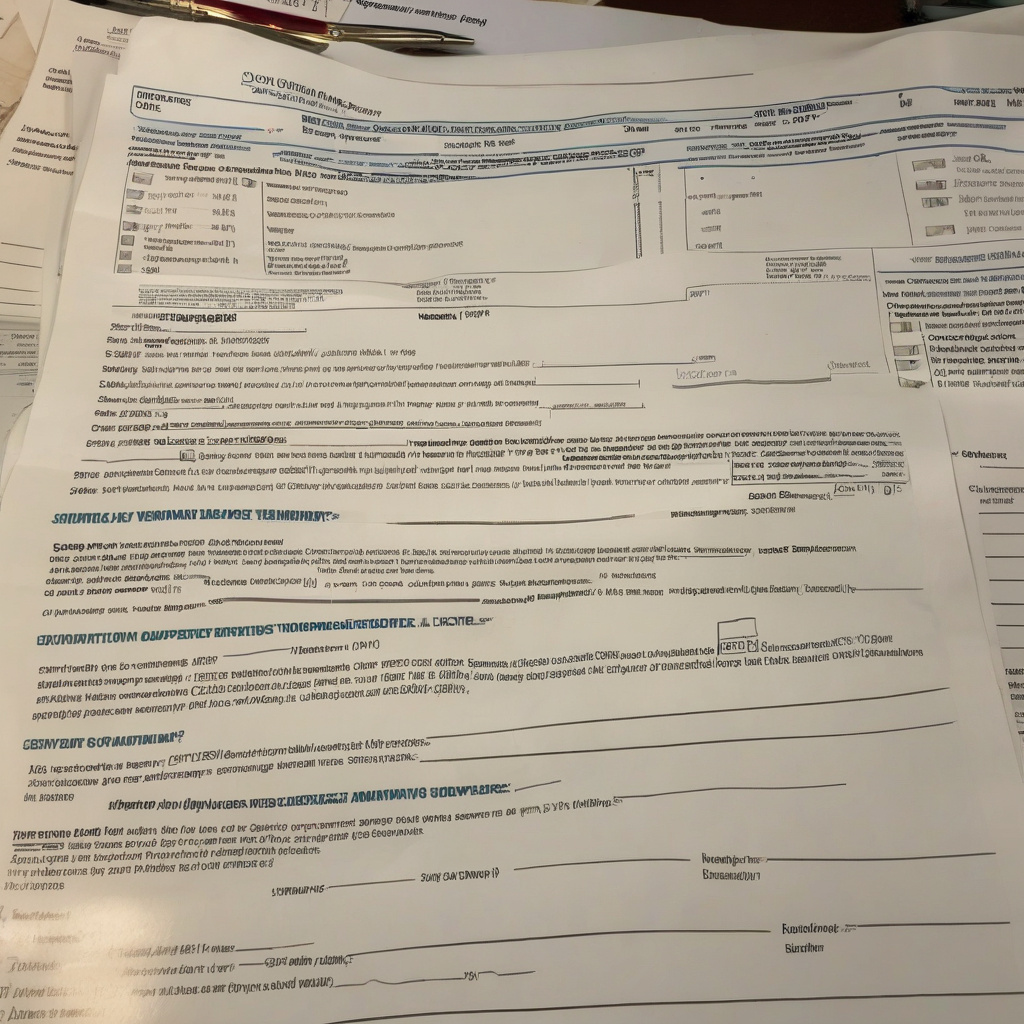
Before any work begins, ask for proof of both liability insurance and worker’s compensation. These cover the gamut from property damage to personal injury, safeguarding your estate and your financial standing. A seasoned contractor won’t bat an eyelid when asked for this documentation; rather, they welcome it as a display of their professional commitment.
Industry Statistic: “Nearly 75% of homeowner insurance claims related to roofing projects involve unlicensed or uninsured contractors — a risk no one can afford.”
Moreover, demanding insurance proof not only reveals accountability but also experience—a roofer unable to offer it may be either new to the field or skirting legal standards. Your diligence in reviewing these documents signifies a wise strategic approach, crucial for avoiding potential pitfalls.
Conclusively, solidifying your choice with insured professionals is not merely a protection act but an intelligent investment towards a secure, durable roof over your home.
Evaluating Costs: More Than Just Numbers
Roofing costs in Los Angeles can vary significantly based on numerous factors including materials, labor complexity, and of course, the season. Californians have observed a volatile trend in renovation areas, often fueled by material deficiencies or price inflations. Find out how planning your stay during roofing can contribute to an efficient process.

A typical homeowner might weigh up a complete makeover against the short-term gains of patch repairs. Depending on the existing architecture, retrofitting can provide a more eco-friendly and cost-effective solution. Generally, re-roofing a typical suburban home lies within the $12,000 to $15,000 range. A knowledgeable contractor will guide you through these figures with transparency, offering a detailed quote before commencement.
The Material Debate: Which Roof is Right?
Choosing the right roofing material is more complex than shopping for shingles. While traditional asphalt remains a tried-and-tested choice, the eco-conscious wander towards materials like metal or even recycled synthetics which boast durability and environmental benefits. Advanced options reflect higher upfront costs but promise longer lifespans that render them cost-effective in the long haul. Expert insights demystify why aluminum roofs might just yield the best ROI in regions favored by sunny climates.
A contractor’s role here extends beyond technical expertise to advisory support, ensuring you select a product that suits your budget without compromising quality or curb appeal.
Dealing with Disruptions: When Roof Work Starts
Roof renovations bring with them not only excitement but a fair share of disruptions—from noise to the instability of living arrangements. For those delving into these improvements, the noise factor often tops concerns, especially in pet-friendly households. Tips for managing pets during the acoustic chaos will aid considerably in maintaining household harmony during construction phases.
Many can find themselves unprepared for the upheaval roof work entails. Sound becomes a constant companion, prompting some to temporarily relocate. Proper planning, coupled with scheduling, can significantly mitigate such inconvenience. When discussing project timelines, a clear understanding of daily routines helps contractors predict potential disturbances and adjust their work accordingly.
Research Insight: “72% of residents remain home during roof projects; strategic scheduling reduces the perceived impact by nearly 50%.”
Ultimately, equipped with the foreknowledge and understanding of your roof work’s scope means you can harness the benefit of improvements while disrupting your life as minimally as possible.
Comparing Roofing Options: A Practical Guide
Here’s a straightforward table comparing different roofing types and their long-lasting impacts on your home. Selecting an appropriate option reflects your home’s character, and investing wisely ensures aesthetics align with functionality.
| Material | Average Cost | Lifespan | Environmental Impact |
|---|---|---|---|
| Asphalt Shingles | $5,000 – $10,000 | 15-20 years | Moderate |
| Metal Roofs | $9,000 – $15,000 | 40-70 years | Low |
| Recycled Materials | $10,000 – $20,000 | 25-50 years | Low |
Your choice eventually needs to echo both durability and design, contributing positively to your living experience. Consider these factors as part of your decision-making process for ultimate satisfaction with your roofing investment.
Next Steps: From Understanding to Execution
Once you’ve grasped the full spectrum of roofing possibilities, translating understanding into action requires strategic planning and consultation. Your journey doesn’t end with a single coat of shingles or a confirmed insurance document—it truly begins when you survey a job well done. As you consider options such as exploring flat roof coatings that extend durability, the process of improving your home becomes more grounded in choices that pay off over decades.

Professionals often stress to homeowners the importance of ongoing maintenance post-installation. This enables adaptations to unexpected shifts in weather or other external factors. As society moves towards sustainable living, investments like solar integrated roofs gain traction, aligning cost-saving measures with environmental consciousness.
Expert Insight: “Incorporating renewable technologies in roof designs combats energy costs—turning rooftops into assets rather than overhead liabilities.”
With these considerations in mind, engage with your contractor, align expectations, and watch your roofing plans transform from paper to precious shelter, symbolizing perhaps both protection and peace.
Your meticulous attention to licensing, insurance, and material selection underscores a commitment beyond aesthetics. You’re engaging a crafted balance of security, durability, and sophistication—ultimately delivering a roof that complements the well-equipped sanctuary beneath it.
- Always verify your roofer’s licenses and insurance before work begins to protect your investment and ensure compliance with local laws.
- Understand the full scope of roofing costs and options available, factoring in material benefits and longevity against immediate expenses.
- Prepare for potential living disruptions during renovation by planning schedules that reduce household impact.
- Explore modern roofing enhancements like flat roof coatings and solar integrations for long-term savings and environmental benefits.
- Engage with knowledgeable professionals to transform roofing projects into secure, valuable home improvements.
FAQ
Why is it crucial for a roofer to have insurance?
In real renovation projects, the importance of a roofer having insurance becomes evident when unforeseen accidents occur. Suppose a worker slips on a wet slate or a tool drops during the job. Without insurance, homeowners might be liable for damages or injuries. Many experts stress this point: insurance is not just a safety net—it’s a legal protection. It covers potential jobsite issues, ensuring that if something goes awry, there’s a framework in place to handle it. This protection is particularly vital in areas like California with strict building regulations, where compliance is mandatory.
How can I verify a roofer’s licensing compliance in California?
Checking a roofer’s licensing compliance in California can safeguard your project. Homeowners frequently underestimate this step, only to face issues down the line. Start by asking for the contractor’s license number and verify it through the California Contractors State License Board (CSLB). It’s a straightforward process but crucial because a licensed contractor proves the roofer has met certain educational and operational standards. Licensing is a mark of legitimacy and professionalism, ensuring they adhere to statewide building codes and regulations.
What questions should I ask about a roofer’s insurance coverage?
When talking to a roofer, delve into specifics about their insurance coverage. Start by asking if they have both general liability insurance and worker’s compensation. Many homeowners make the mistake of not distinguishing between these two. General liability covers property damage and injuries on site, while worker’s compensation takes care of injuries to the crew. Ask for proof of insurance and ensure the coverage limits are adequate for potential risks in the project. Remember, sufficient insurance is not just about compliance; it’s about peace of mind for both you and the workers.
What are the risks of hiring an unlicensed roofer?
Hiring an unlicensed roofer might save cost initially but poses significant risks. For one, if a project doesn’t comply with California regulations, you could face legal hurdles. Unlicensed contractors often lack proper training and may not carry insurance, exposing you financially. If damages or injuries occur, you could be held liable. Additionally, without the oversight legitimate licensing provides, the quality of work might be subpar, leading to expensive repairs down the road. These risks underline why ensuring a roofer’s credentials is a critical step in protecting your home and investment.
How does verifying insurance and licensing affect the cost of roofing services?
Verifying a roofer’s insurance and licensing might influence the overall cost, but it often pays off. Licensed and insured roofers can sometimes charge more, reflecting their compliance with regulatory standards and the overhead of carrying insurance. However, the real cost-saving comes from avoiding potential liabilities and ensuring quality workmanship. In real renovation projects, unforeseen disruptions can be expensive; proper credentials serve as a safeguard against such surprises. It’s a classic case where investing a little more upfront saves significantly in the long term.
Why might some homeowners choose unlicensed contractors despite the risks?
In many cases, homeowners seek to reduce costs and view unlicensed contractors as a budget-friendly option. However, many experts point out this choice can lead to bigger issues later, including subpar work that doesn’t comply with regulations. The appeal of a lower initial bid overshadows potential problems like lack of insurance, liability for accidents, and noncompliance penalties. In older properties undergoing renovation, these risks are even more pronounced due to the complexity of older systems needing skilled handling. Think of it as not just buying a service but investing in the safety and integrity of your home.
What potential issues can arise from inadequate insurance coverage?
Inadequate insurance coverage is a ticking time bomb. If a contractor’s policy has low coverage limits, it might not cover extensive damage or expensive lawsuits. Imagine a scenario where severe accidents happen, and damages exceed the roofer’s insurance—homeowners might have to shoulder the extra costs, which could be financially debilitating. In newer builds with modern systems, such costly errors can affect not just immediate repair costs but future mortgage or resale value. It’s crucial to cross-check the adequacy of a roofer’s insurance with project needs. For specific guidance, consider reaching out to professionals through their contact page.
Are there benefits to hiring a licensed and insured roofer beyond compliance?
Beyond regulatory compliance, hiring a licensed and insured roofer offers substantial benefits. First, it ensures that the contractor is up-to-date with local codes, utilizing materials and methods that align with industry standards. This attention to detail often results in higher quality workmanship. Furthermore, insured roofers provide peace of mind as any mishaps during the project are covered, preventing personal liability. Homeowners report smoother project experiences and better communication, reducing stress. In essence, you’re paying for professionalism, expertise, and a hassle-free renovation journey.