In the sprawling urban landscape of Los Angeles, where design and functionality intersect amid an atmosphere of sunlit glamour, the bathroom has become a focal point of innovation. As homeowners grapple with balancing aesthetics and utility, the debate between open-shelf and closed-cabinet storage takes center stage. These two storage styles shape not only the visual narrative of a bathroom but also its functional integrity, playing into the broader movements of bathroom remodeling trends sweeping across Southern California.
Brief summary: This article explores the pros and cons of open-shelf versus closed-cabinet storage in Los Angeles bathrooms. It highlights renovation trends, costs, and materials, offering practical insights and local homeowner experiences. The piece also suggests strategic resources for homeowners considering bathroom upgrades.
The Aesthetic Appeal and Practicality of Open Shelving
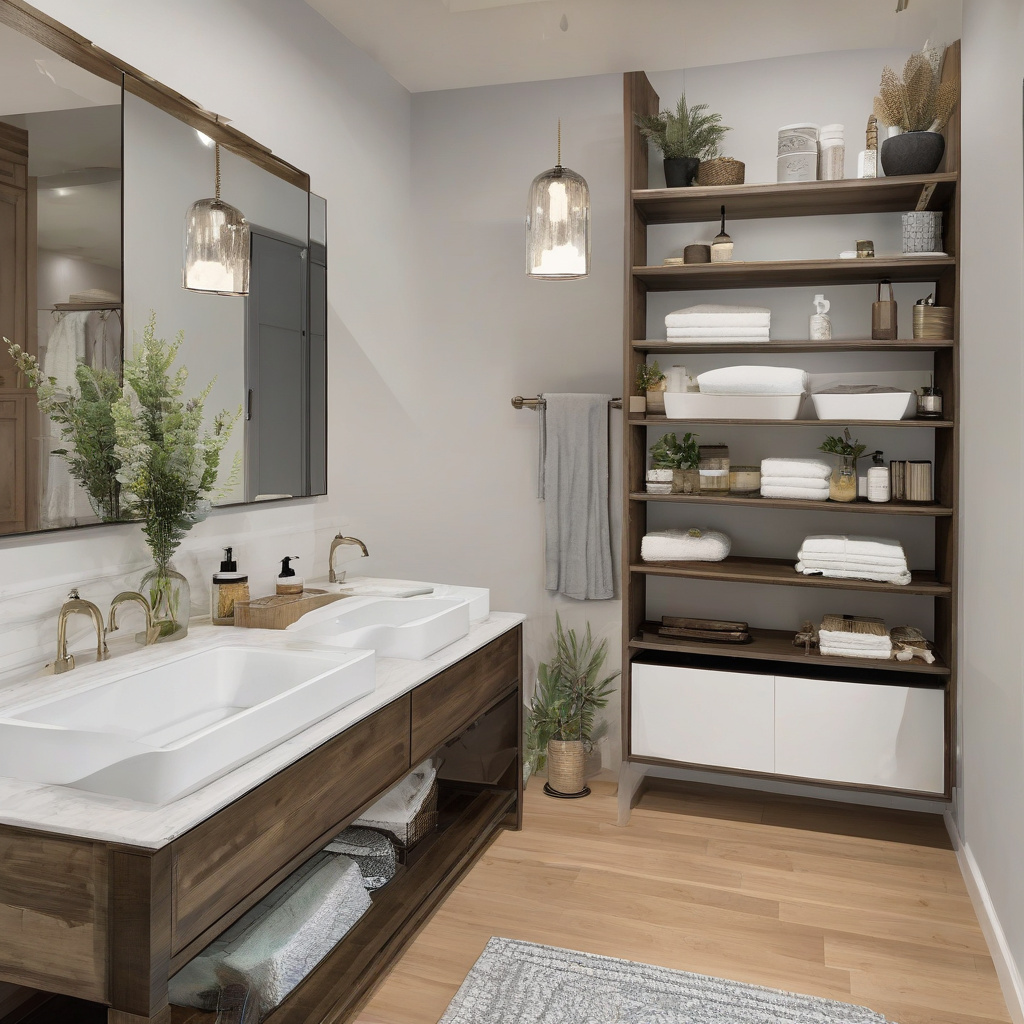
Open shelving in bathrooms is more than just a trend; it’s a testament to modern minimalism. As many local homeowners notice, open shelves allow easy access to everyday items while showcasing decorative pieces that personalize the space. The transparency of this design approach invites a sense of openness and airiness, particularly valuable in the compact urban bathrooms of Los Angeles.
However, while open shelving does provide an appealing visual display, it requires a level of discipline. Homeowners must strike a precarious balance between aesthetic placement of items and the potential chaos of clutter. One misplaced shampoo bottle can disrupt the serene vignette sought after in these open spaces.
The open-shelf style also challenges homeowners with dust accumulation and constant organization. Unlike closed cabinets that hide a multitude of sins, open shelving demands maintenance and an eye for design, which can become a chore rather than a delight for some.
Yet, this style remains desirable for those willing to embrace its challenges, offering an unmatched visual lightness and a platform to express individual taste. As shown in related remodeling projects, homeowners find that embracing open shelves transforms their morning routines into a curated experience.
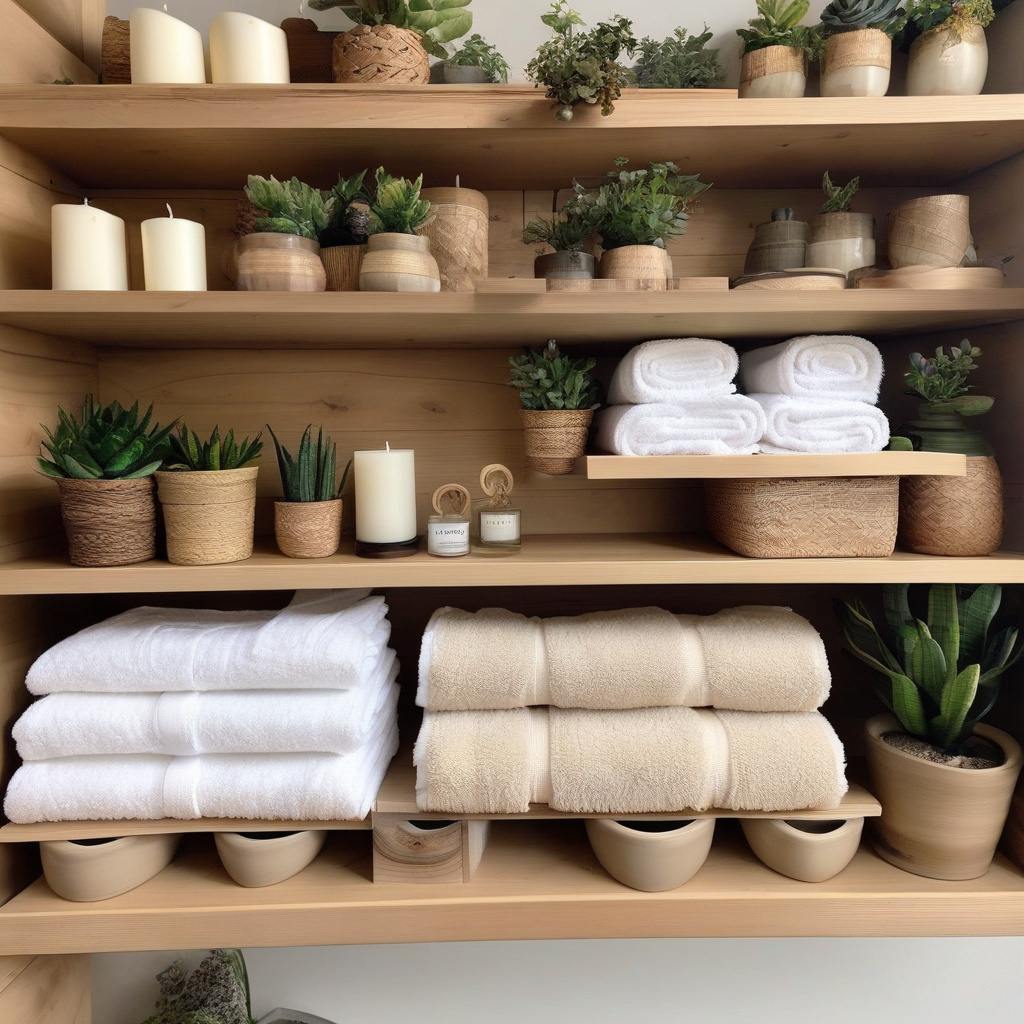
Ultimately, open shelving in a bathroom can elevate and liberate, but it isn’t for everyone, requiring a mix of artistic flair and organizational prowess.
Closed Cabinets: The Masters of Concealment and Order
In contrast, closed cabinets represent an embodiment of practicality, offering a sanctuary for privacy and protection. Closed-cabinet storage options conceal messes, providing a clean, unified appearance. For those living busy lives in the fast-paced atmosphere of Southern California, this style allows for quick cleanups and an overall tidy appearance.
The elegance of closed cabinets comes at the cost of easy access; they require extra steps to retrieve items. However, many predictability-driven homeowners cherish the sense of order and control these cabinets cultivate. They offer a clutter-free environment that can rejuvenate homeowner mentalities amidst the chaos beyond their front doors.
Advances in technology, such as soft-close hinges and moisture-resistant materials, enhance these units’ functionality and durability. Moreover, recent shifts in design trends within the city encourage pairing closed cabinets with open shelving to leverage both options’ benefits.
Homes featured in recent design consultations have shown a marked preference for these hybrid spaces, balancing old-world order with modern accessibility.
A key insight gathered from local design experts: “With the correct balance of open and closed storage, a bathroom can truly become a sanctuary in your home.”
Closed cabinets are thus ideal for those who prioritize function and discretion over display, presenting an opportunity to rest easy in an organized oasis.
Cost Considerations: A Tale of Materials and Labor
Cost is a crucial factor influencing storage choices in bathroom renovations. Open shelving often presents a more affordable option due to lower material costs and simpler installation methods compared to their closed-cabinet counterparts. This affordability can align with various budgetary concerns, especially for cost-conscious homeowners in Los Angeles.
In contrast, closed cabinets generally require more expensive materials such as MDF or solid wood, alongside professional installation to ensure sturdiness. This adds to their allure yet increases their cost. A breakdown of these costs can assist homeowners in planning their renovations.
| Storage Option | Material Cost | Labor Cost | Maintenance |
|---|---|---|---|
| Open Shelves | Low | Moderate | High |
| Closed Cabinets | High | High | Low |
Decisions about storage solutions are driven not just by the aesthetic or function but an intricate dance with their financial implications.
The Role of Material Choices
Material choices influence both the style and longevity of bathroom storage. For open shelving, lighter materials such as tempered glass and metal brackets are popular for their modern touches and reduced visual weight. Meanwhile, traditionalists may prefer the steadfast solidity of oak or walnut for closed cabinets, offering reassuring permanence.
However, incorporating humidity-resistant materials into either option is essential, especially given the moisture-prone environment of bathrooms. Insights from local experts suggest investing in humidity-resistant finishes to guard against warping and mildew—a common concern for bathrooms near the oceanfront.
A savvy choice of materials promises not just an aesthetic gain but a practical leap in forward-thinking design in the bathroom’s inner sanctum.
Navigating Trends and Timelines in Southern California
Renovation timelines significantly impact homeowners’ choices between open shelves and closed cabinets. Open shelving potentially shortens the remodeling timeline due to straightforward installation, permitting quicker access to completed renovations—a vital consideration for busy Angelenos eager to return to their normal routine.
Conversely, closed cabinets often demand a longer timeline, from carefully measuring custom units to the skilled carpentry required for their installation. Homeowners must weigh this time investment against the enduring utility these cabinets offer.
Observationally, many Southern Californian homeowners aim to harmonize these timelines with environmental concerns. Implementing smart home technologies integrated into storage solutions can lead to more efficient renovations and sustainable practices.
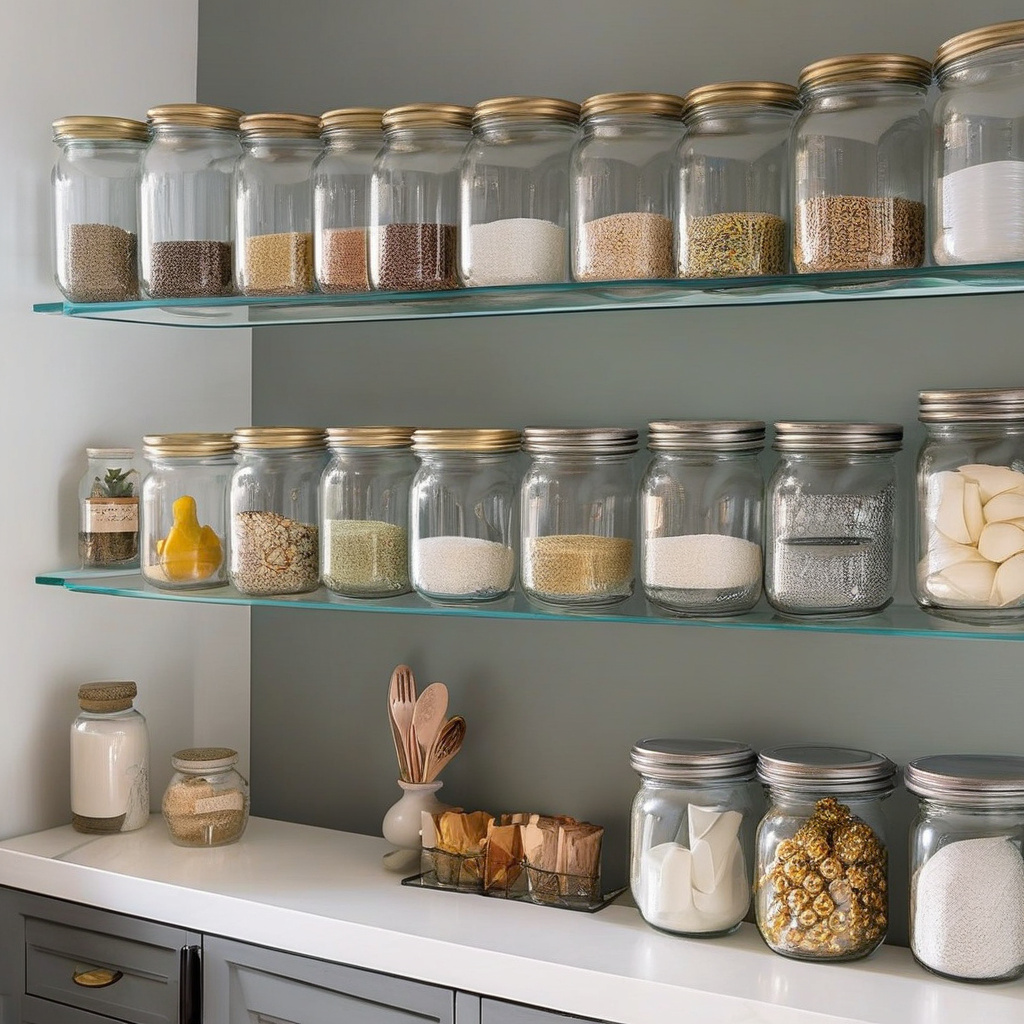
Research shows that “Integrating eco-friendly technology in home renovations can increase property values by up to 10%.”
Embracing these technological and environmental innovations ensures that renovations reflect not just personal taste but the pragmatic and ecological aspirations of contemporary homeowners.
The Risks and Rewards: Planning for the Future
Deciding between open shelving and closed cabinets extends beyond immediate preference, bearing implications for future resale values and lifestyle adaptations. Open shelving boasts a contemporary, trend-driven appeal, which may draw potential buyers seeking a fashionably minimalist home.
Yet, the lack of concealment may deter those concerned about upkeep or preferring traditional styles. While closed cabinets might lack the cutting-edge allure of open shelves, they promise enduring functionality and a timeless aesthetic that can appeal to a broader audience.
Efficient planning and honest evaluations of lifestyle needs can guide homeowners as they navigate such decisions. Consulting with renovation specialists and assessing family dynamics can also help shape choices, ensuring a home that evolves with its occupants.
Whether opting for open shelves, closed cabinets, or a well-thought-out combination, homeowners can infuse their spaces with character while preparing for life’s changes.
Making Your Bathroom Vision a Reality
Bringing a bathroom vision to life requires strategic planning, a keen understanding of current trends, and appropriate resources. Consider the following steps as a guide for integrating open shelves, closed cabinets, or both:
Step-by-Step Path to Storage Selection
- Assess your current bathroom layout and storage needs to determine whether you require more display or containment.
- Research recent trends in Southern California, assessing compatibility with your personal style and market demands.
- Consult with professional remodelers to gather insights into costs, materials, and timing specific to your vision.
- Take into account practical next steps like integrating smart technologies that can enhance functionality and economic value.
- Finalize a design plan and begin transforming your space into a reflection of both aesthetics and function.
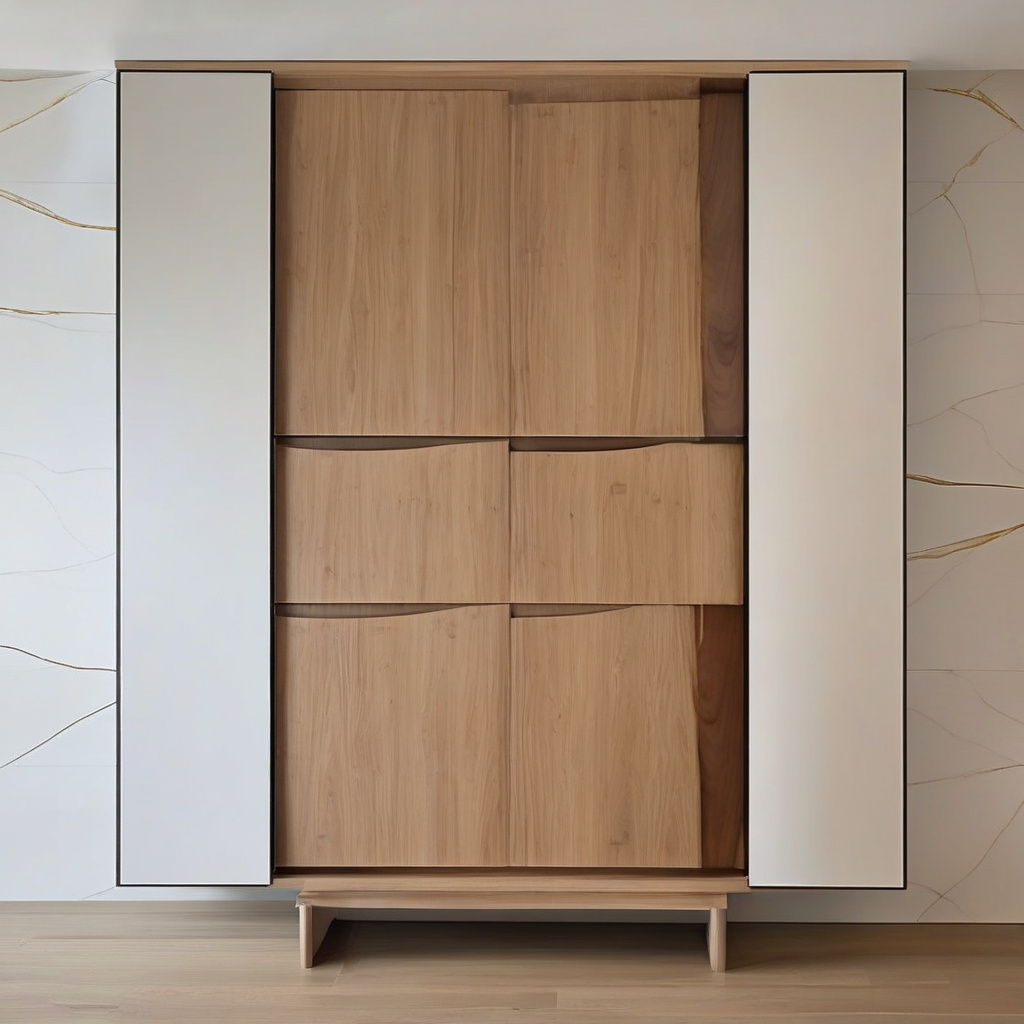
An expert in bathroom design states: “The best bathroom renovations consider both current needs and future flexibility, ensuring longevity in style and function.”
As bathrooms become personalized sanctuaries, understanding these choices allows homeowners to create beautiful, functional spaces that enhance daily life and future-proof their investment.
- Open shelving offers visual appeal but requires diligent organization and maintenance.
- Closed cabinets provide privacy and order, demanding higher material and labor costs.
- The combination of both styles can balance aesthetic and functional needs.
- Choosing the right materials and technologies can elevate the value and lifespan of bathroom storage solutions.
- Smart planning supports a cohesive renovation that adapts to lifestyle changes.
“`html
FAQ
What are the main differences between open-shelf and closed-cabinet storage in a bathroom?
In real renovation projects, it often becomes clear that open-shelf storage offers an airy and accessible feel, akin to what you might find in California homes designed for that breezy, laid-back style. Open shelving allows homeowners to display decorative items and frequently used products, adding a personal touch to the space. Closed cabinets, on the other hand, are kings of concealment, providing a cleaner, more streamlined appearance by hiding away clutter. This is especially beneficial in older homes where space might be at a premium and visual clutter can feel overwhelming. Choices often come down to personal preference and the specific needs of a family, including how much they value ease of access versus tidy aesthetics.
How do you decide between open-shelf and closed-cabinet storage?
Deciding between open-shelf and closed-cabinet storage involves considering both functionality and aesthetics. Many experts point out that open shelving offers quick access to everyday items—a real boon in busy family households. However, if your priority is maintaining a minimalistic and clutter-free look in your bathroom, as is often desired in modern urban settings, closed cabinets might be the better option. An important consideration is the amount of natural light your bathroom receives. Open shelves can help distribute natural light better, making smaller bathrooms appear larger and more welcoming. Weighing these factors helps tailor a choice that meets both practical and stylistic needs, ensuring that functionality doesn’t come at the expense of comfort.
When does it make sense to use a combination of both storage types?
A combination of open-shelf and closed-cabinet storage can make sense in bathrooms where versatility is key. For instance, in a single-family home undergoing renovation, this approach allows you to balance the display of attractive toiletries on open shelves with the practicality of concealing cleaning supplies or personal items behind closed doors. Many designers recommend this for households that enjoy both display capabilities and discretion. This hybrid strategy not only enhances visual interest but also adapts to various functional needs, making it ideal for families with diverse routines. You can learn more about tailored renovation strategies by exploring assistance options through expert consultation services.
What are some typical mistakes homeowners make with bathroom storage?
Homeowners frequently underestimate the importance of proportional storage relative to their bathroom size. In many projects, the mistake lies in either overloading small spaces with bulky cabinets, leading to a cramped feel, or underusing available space, which causes inefficient storage use. A common trick seen in seasoned renovations is the use of adjustable shelving, which provides flexibility as storage needs evolve over time. Moreover, failing to consider moisture-resistant materials can lead to premature damage, especially in humid environments. Selecting the right kind of ventilation and suitable finishes for your cabinets ensures durability, an aspect many initially overlook but later come to appreciate in a bustling household.
What are the cost considerations for installing bathroom storage?
When budgeting for bathroom storage, whether opting for open-shelf or closed-cabinet designs, installation costs can vary significantly. In newer builds or remodeling projects, materials for open shelves tend to be less expensive than custom cabinetry, which often involves detailed craftsmanship. However, if you prefer the storage capacity and organization that cabinets offer, be prepared for a higher upfront investment. Consider DIY installation for open shelves to save costs if you’re handy with tools, while professional installation might be necessary for more complex cabinetry. Also, keep in mind that quality materials can demand a higher price but contribute to long-term durability and style consistency across living spaces.
What are the pros and cons of open-shelf storage in bathrooms?
Open-shelf storage offers numerous benefits, including easy access to items and increased design flexibility, allowing homeowners to showcase favorite decorative pieces. However, it also presents challenges such as the need for regular maintenance to avoid clutter and dust accumulation. In practical scenarios, open shelving can make a bathroom feel more spacious and light-filled, which is particularly advantageous in homes with smaller or windowless bathrooms. On the downside, if organization is not maintained, these shelves can quickly become a source of visual chaos. Thus, open-shelf storage is best suited for individuals who are diligent about tidiness and seek a more relaxed, casual atmosphere.
What maintenance is required for bathroom cabinetry and shelving?
Maintenance of bathroom cabinetry and shelving entails regular cleaning and occasional checks for signs of moisture damage—a frequent issue in humid bathrooms. With open-shelf configurations, dust buildup is more apparent, demanding consistent dusting or wiping down. Closed cabinets might require inspections for peeling or warped surfaces due to moisture exposure. It’s advisable to use moisture-resistant finishes or sealants to extend the life of the materials. Implementing efficient ventilation systems can also mitigate potential dampness, enhancing longevity. As observed in many Californian homes, paying attention to small details like secure mounting can prevent accidents over time, ensuring both safety and storage efficiency.
What are the pros and cons of closed-cabinet storage in bathrooms?
Closed-cabinet storage in bathrooms is favored for its ability to conceal clutter, offering a clean and organized look. This storage option keeps personal items and cleaning supplies out of sight, important for maintaining a serene and tidy atmosphere. However, while closed cabinets excel in hiding everyday chaos, they can also limit accessibility to items, becoming a nuisance in busy households needing quick reach solutions. Additionally, installation can be more costly and might require professional services. It’s important to balance aesthetics with practicality, and in many residential cases, combining closed cabinets with open shelves creates a harmonious balance of functionality and style.
“`