In the bustling, sun-drenched corridors of Los Angeles, where trends are as ephemeral as a Santa Ana breeze, landlords find themselves in a perpetual race against time and budgets when it comes to refurbishing rental properties. With the incessant clamor for durability and low maintenance, the quest for the best replacement windows becomes crucial.
Brief summary: Explore the best replacement windows suited for rental properties, emphasizing durability, maintenance, and cost-efficiency. The article highlights options in LA, focusing on practical renovation tactics and potential return on investment for landlords.
The Importance of Choosing the Right Windows for Rental Properties
Los Angeles landlords grapple with the constant juggle of minimizing expenses while enhancing tenant satisfaction. Amidst the flurry of renovation tasks, windows stand out as pivotal elements. Their role extends beyond aesthetics, impacting energy efficiency and overall property appeal. As such, landlords must tread wisely when selecting replacement windows that promise longevity without breaking the bank.
Durability is a leitmotif in this narrative. Given the city’s climate—swinging from balmy to scorchingly arid—windows must withstand the test of extreme weather and tenant turnover. The litmus test for many landlords is finding windows that align with budget constraints while offering resilience. So, what are these miracle windows?
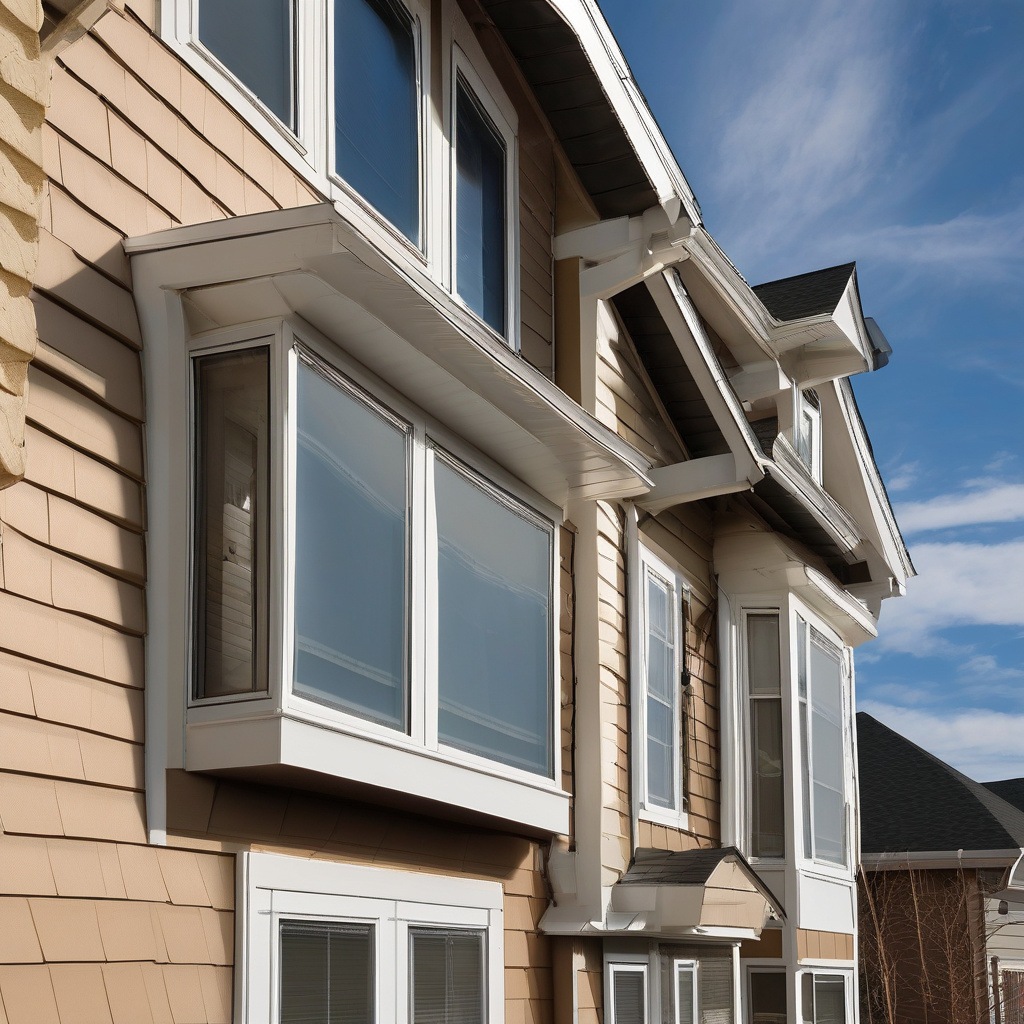
Vinyl windows have emerged as frontrunners. Lightweight yet robust, they demand minimal maintenance. Their excellent insulation properties make them particularly appealing in a region where HVAC systems often run overtime. For comprehensive insights, one can delve into the specifics of window choices that cater to Californian peculiarities.
Ultimately, the right windows fortify a property’s value, reduce energy costs, and more subtly, contribute to an enhanced living experience—key components that keep rental units competitive in a bustling market. As many local homeowners notice, these factors also position properties to better withstand the demands of time and tenancy.
A Closer Look at Materials: Wood vs. Vinyl vs. Aluminum
Material choice remains a significant consideration in window replacement. While wood exudes a certain classic charm and offers excellent insulation, it demands vigilant upkeep, detracting from its practicality for landlords. The appeal of wood often faces the harsh reality of susceptibility to warping and termite attacks in the variable LA climate.
Vinyl, as previously hinted, checks many boxes for practicality. It’s cost-effective, less prone to environmental wear, and versatile in flexibly complementing a variety of aesthetic preferences. It’s no wonder that it has steadily become a favored choice among property investors aiming to balance cost and benefit.
Aluminum windows, in contrast, boast of sturdiness and minimalist appeal. However, they’re less efficient as insulators, which can crank up the energy bills—a consideration landlords might wish to ponder upon when plotting refurbishment costs.
According to a recent report, vinyl windows, thanks to their durability and energy efficiency, yield an average 74% return on investment for property owners in Southern California.
To assist landlords in navigating these choices, a carefully designed plan that evaluates ROI based on material selection can be invaluable in grounding decisions in pragmatic foresight. Ultimately, balancing upfront investment with long-term savings and satisfaction is the true art of renovation.
In the mishmash of conflicting needs, the wise landlord picks the material that offers the most in terms of value, endurance, and adequacy to tenant expectations.
Style Considerations: Blending Aesthetics with Function
Beyond endurance and cost, the aesthetic impact of window styles cannot be overlooked. Large picture windows, though striking, can complicate energy management, while casement windows offer better airflow with a more discreet footprint.
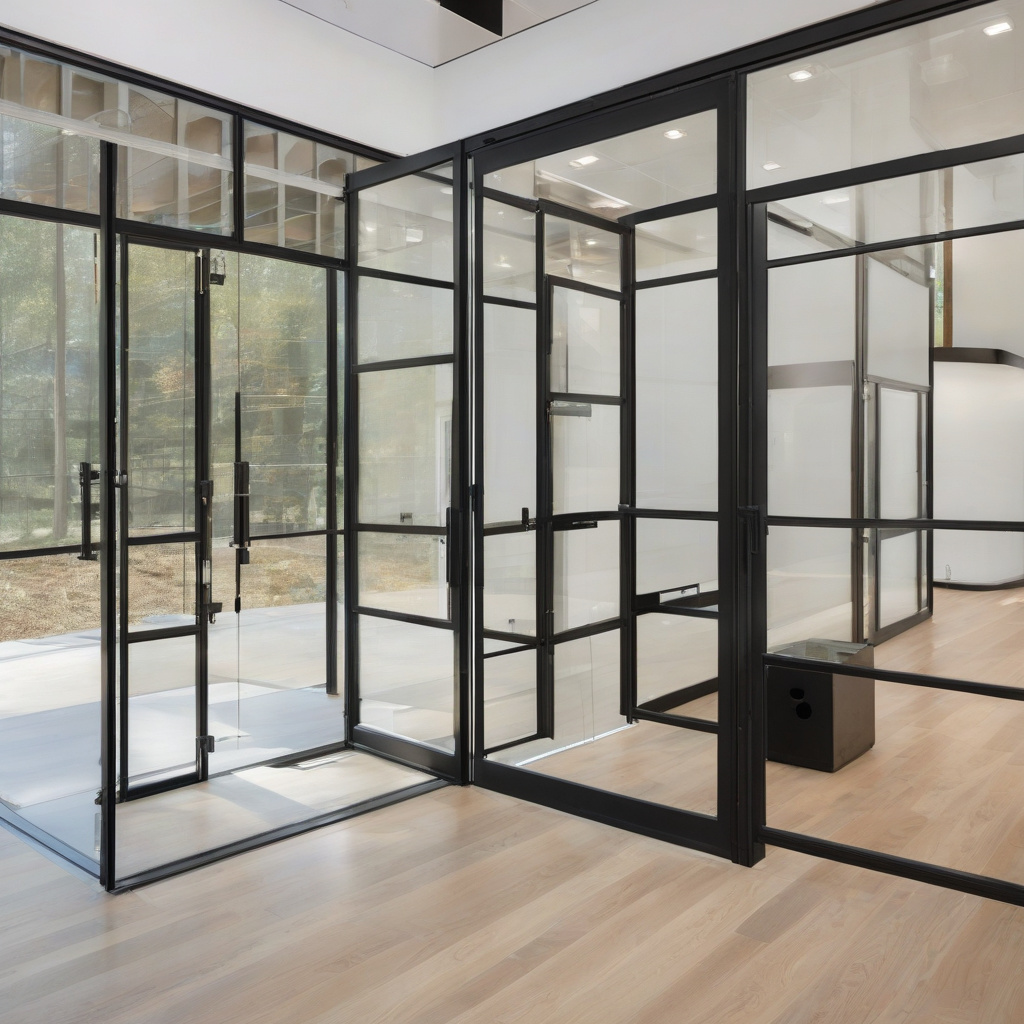
Numerous landlords are drawn to the contemporary allure of black-framed windows. Popular for their chic lines and contrasting elegance, they do for rental spaces what a Southwest breeze does for a dusty L.A. afternoon—invigorate and refresh. For those landlords venturing down this path, black interior frames can transform properties into more desirable units.
Observing Trends and Making Practical Choices
The rise in popularity of such aesthetic choices reflects a broader trend where functionality meets style, addressing both tenant desires for modernity and landlords’ needs for efficiency. It’s about meeting the market’s demand with a savvy eye for design.
Expert opinion suggests that strategically chosen window designs can elevate a property’s market position by enhancing kerb appeal and tenant satisfaction.
In an ever-fluctuating rental market, a keen eye for trending styles positions a property favorably, maximizing its appeal and uptime.
Function mingles with flair in Southern California, translating into windows that carry substantial conversational weight and commercial clout.
Risk vs. Reward: Calculating the Costs and Benefits
Embarking on a window replacement journey entails a sagacious evaluation of risks and rewards. Initial expenses often daunt landlords, especially when anticipating potential structural adaptations or disruptions.
The financial outlay, while sizable, offsets future liabilities and repairs, translating into tangible benefits over time. Improved energy efficiency leads to lower utility bills, and enhanced tenant satisfaction reduces turnover risks—a crucial factor in areas like North Hollywood and Echo Park, where competition is fierce.
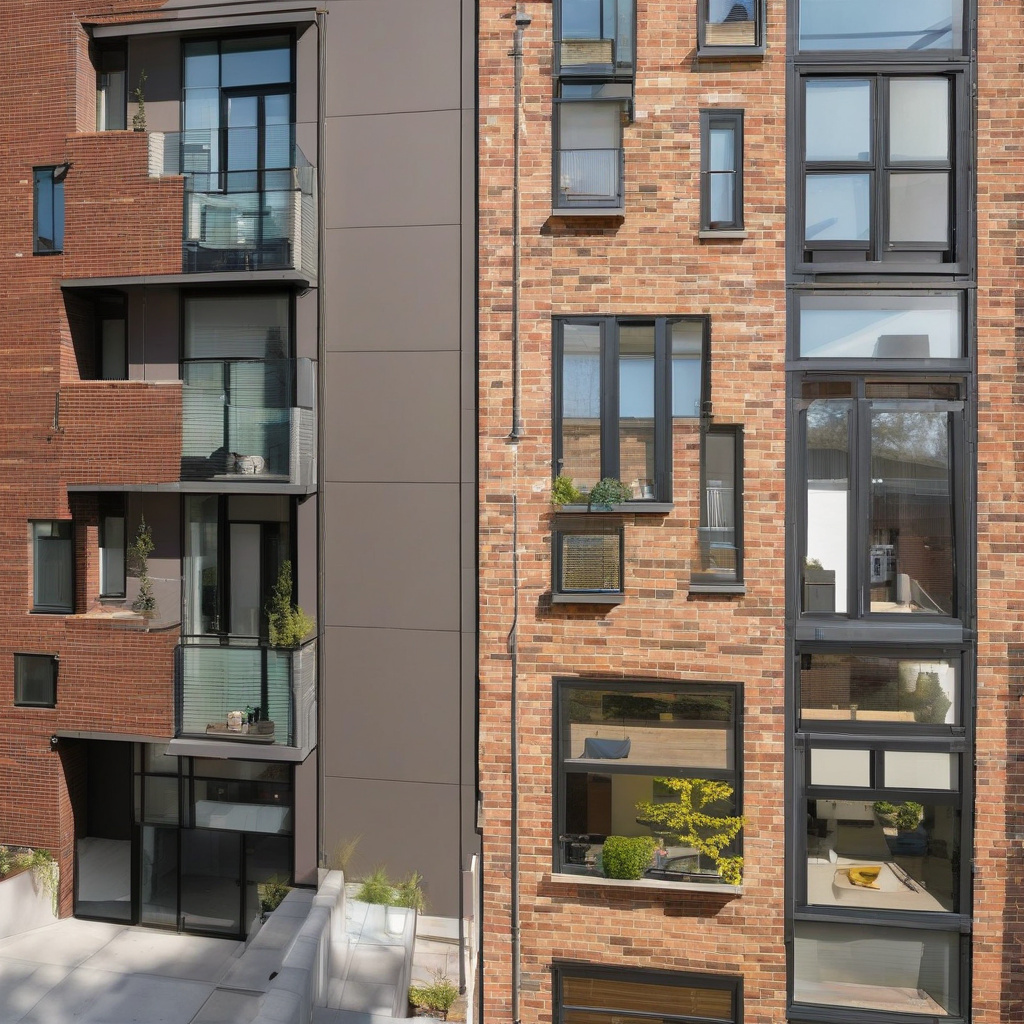
A timely replacement eliminates the need for short-term band-aid fixes, securing the property against the capriciousness of weather and tenant demands. These efforts, seen at first as an onerous investment, culminate in safeguarded property values and contented renters.
Studies indicate that updated windows contribute significantly to tenant retention and satisfaction levels, a critical metric for landlords optimistic for sustainable rental income.
In weighing the options, landlords are advised to consider both tangible and intangible returns. Long-term gains generally tip the scales in favor of well-executed renovation undertakings, primed to protect the landlord’s bottom line and project rental viability into the future.
How to Execute a Seamless Window Replacement
The path to a faultless window replacement is paved with careful planning and methodical execution. The first step is to define one’s objectives clearly—whether they lean towards cost-efficiency, energy conservation, aesthetic appeal, or all three.
Once goals are established, selection of the right contractor is paramount. A seasoned professional can offer insights into efficient installations, reducing the likelihood of complications down the road. Always demand a detailed quote, ensuring no hidden surprises lurk once work begins.
When installation day arrives, preemptive measures save time and potential hiccups. Remove window treatments and obstacles to provide clear access for workers. As a proactive preparation guide suggests, adequate site preparation translates to seamless operations and satisfied final inspections.
The culmination of these efforts is a smoothly run project that not only enhances a property’s charm but also delivers it with the efficiency today’s competitive rental market demands.
By following these guidelines, landlords ensure that their investments yield expected results in both the short and long term.
Final Thoughts: The Long-Term View on Window Replacements
In a city enveloped in architectural dynamism and tenant flux, Los Angeles landlords must constantly evaluate their renovation strategies. Window replacements, albeit a single aspect of property management, carry significant weight. Through careful selection of materials and styles, landlords can enhance both property value and tenant satisfaction.
The process, although layered with initial complexities and costs, promises rewards that far exceed immediate discomforts. Not merely an act of maintenance, but a strategic positioning of a property towards enduring desirability and operational efficiency.
As rental trends evolve, so must landlord strategies. The true art is in melding design inspiration with practical foresight, ensuring that properties not only meet contemporary demands but encapsulate the spirit of Los Angeles—robust, enduring, and ever-magnetic.
In choosing rightly today, landlords sequester dividends that amplify over time, defining both the skyline and the bottom lines of the vibrant city they call home.
- Replacement windows significantly impact rental property value and tenant satisfaction.
- Vinyl windows emerge as a durable, cost-effective choice in Southern California.
- Balancing style with function is crucial in competitive rental markets.
- A thorough approach to window replacement ensures long-term benefits and fewer headaches.
“`html
FAQ
What makes a replacement window ideal for rental properties?
In real renovation projects, an ideal replacement window for rental properties often combines durability with minimal maintenance demands. Tenants may not always maintain windows diligently, so landlords need windows that are resilient. Vinyl windows often emerge as a popular choice due to their ability to withstand environmental stresses without needing frequent touch-ups or rigorous cleaning. Moreover, selecting windows with a higher energy efficiency rating can lead landlords to significant savings on property utility bills, an often-overlooked aspect that appeals to cost-conscious managers.
How should a landlord choose the right replacement windows?
Choosing the right replacement windows is all about understanding the specific needs of your rental property. In older properties, double-hung windows might offer a classic look while newer properties often opt for casement or sliding options which provide a modern touch. Durability and ease of operation should guide your decision. Landlords often forget to consider the installation process, which plays a crucial role in the final outcome. Consulting with an expert at the planning stage is wise, and a good first step could be to reach out to a reliable renovation professional to discuss your specific needs.
When is the best time to replace windows in a rental property?
Timing the replacement of windows can significantly impact both the budget and tenant satisfaction. Ideally, landlords should aim to replace windows during the spring or fall in California, when weather conditions are mild. This avoids freezing or excessively hot temperatures that could complicate installation. Additionally, coordinating replacements during tenant turnover periods can reduce disruptions. Many experts point out the importance of inspecting windows annually and planning replacements during scheduled maintenance to optimize both tenant experience and budget allocation.
What are common mistakes made in replacing rental property windows?
A frequent pitfall is underestimating the importance of local climate on window choice. For example, single-glazed windows might seem cost-effective upfront but do not perform well in areas like California with their temperature fluctuations. Another common error is neglecting professional installation, which can lead to poor sealing and drafts. Homeowners frequently overlook the benefits of opting for windows with coatings that offer UV protection, leading to premature furniture and carpet fading inside the rental properties.
What cost considerations should landlords keep in mind?
Budget is understandably a top concern for landlords considering window replacements. While initial costs may be higher for windows with better insulation properties, this can lead to more substantial savings in the long term through reduced energy bills. Many experts stress the importance of factoring in lifetime maintenance costs, where options like vinyl windows excel. It’s also wise to explore any local rebates or tax incentives for energy-efficient home improvements which can help offset initial expenses and make higher upfront costs more palatable.
What are the pros and cons of vinyl replacement windows for rental properties?
Vinyl replacement windows are popular among landlords for their durability and low-maintenance nature. They won’t peel or rot, which is particularly advantageous in humid conditions or areas prone to weather changes. However, while they are generally cost-effective, some argue that they may not always offer the same aesthetic appeal or resale value as wood or fiberglass alternatives. It’s critical to weigh the balance between the upfront cost benefits of vinyl versus the potential added value and curb appeal of more expensive materials in terms of long-term investment in rental property upgrades.
What maintenance tips should rental property owners follow?
Maintenance demands can determine the longevity and performance of windows, so following a regular cleaning schedule is imperative. Many experts recommend inspecting seals annually to prevent air and moisture leaks. Encourage tenants to report any drafts or operational issues promptly. Moreover, landlords might overlook the benefits of applying a light coat of silicone spray to moving parts, which can keep windows operating smoothly. Regular maintenance not only prolongs window life but also enhances the overall energy efficiency of the rental units.
What should landlords know about installation specifics?
Understanding the installation specifics is as critical as choosing the window itself. Improper installation can lead to significant energy loss and operational issues. A situation frequently encountered in older homes is the misalignment of window frames, where previous settlements have taken place. Here, customization during installation becomes necessary. Many professionals assert the value of engaging a licensed and experienced installer to ensure frames are properly fitted and sealed. It’s beneficial to inspect the installer’s prior work and seek references to avoid unexpected complications down the line.
“`