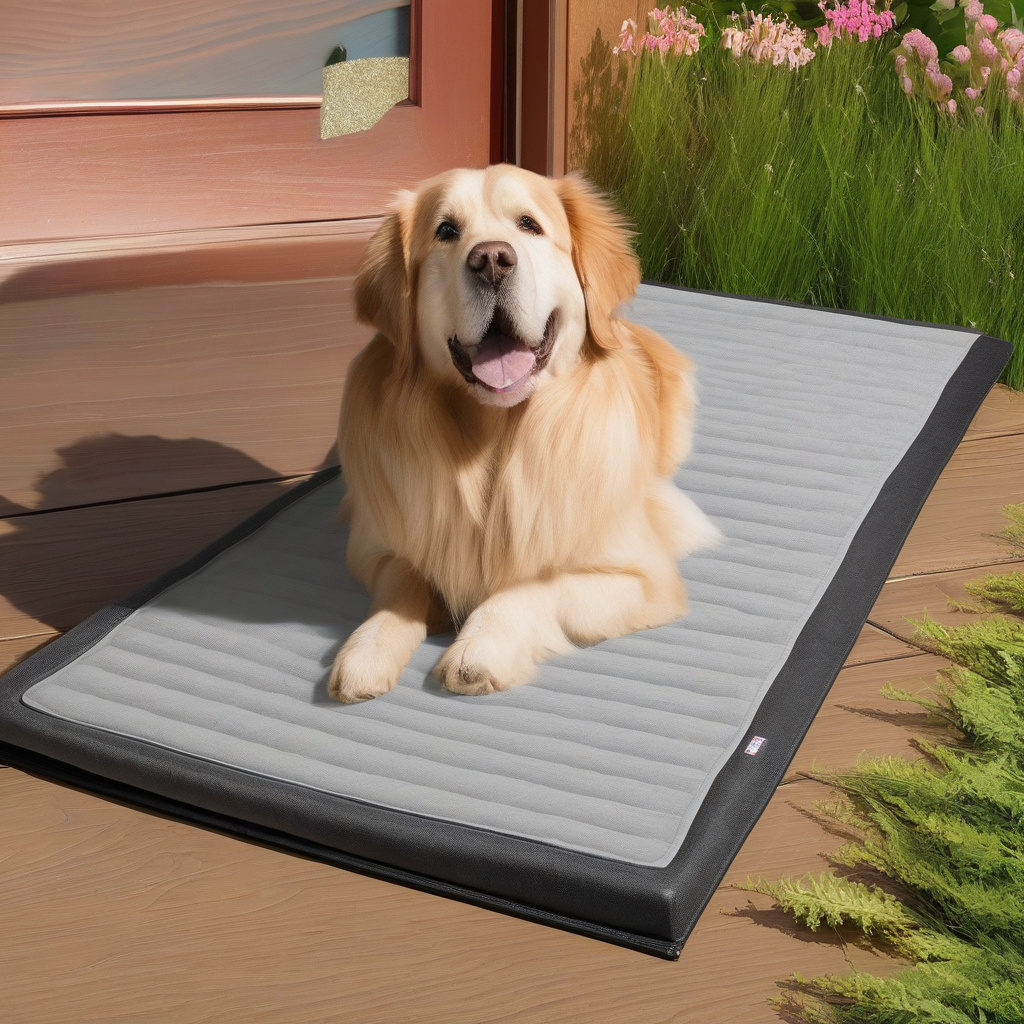
When planning a pet-friendly deck in Los Angeles, you’re not just thinking about aesthetics; you’re creating a space that balances human enjoyment with animal comfort. Southern California’s homeowners have a unique opportunity to blend design with their pets’ needs, weaving in elements that are as functional as they are delightful. From scratch-resistant surfaces to shaded retreat spots and textures designed for easy cleaning, a well-thought-out deck can transform outdoor living for both pets and their owners.
Brief summary: This article explores pet-friendly decking options in Los Angeles, focusing on materials and designs that cater to both aesthetics and functionality. It covers scratch-resistant surfaces, shaded areas, easy-clean textures, and includes insights from local homeowners and renovation experts. Tips on creating comfortable and low-maintenance outdoor spaces for pets are also discussed.
Embracing Pet-Friendly Materials
In crafting a deck that welcomes foot and paw traffic alike, the choice of materials becomes paramount. Many Los Angeles homeowners are turning to high-durability composite materials, which offer scratch resistance and longevity without sacrificing style. Unlike traditional wood, composite surfaces hold up against claws, reducing noticeable wear over time while being easy to clean, which is a bonus for pet owners.
This isn’t just about resilient surfaces. Many deck builders advocate for the integration of slip-resistant finishes that provide added traction for pets, an essential feature given Southern California’s tendency towards sudden weather changes. Enhanced grip prevents accidents during playtime, ensuring peace of mind for owners.
Moreover, composite decking’s ability to mimic real wood without the maintenance woes appeals to those seeking a natural look. Innovations in manufacturing mean these materials come in a myriad of textures and finishes, allowing for customization that considers pet-friendliness as much as personal style.
Ultimately, the focus on material choice reflects a broader trend in home renovations—ones that prioritize sustainability and convenience without compromising on design integrity.
An estimated 60% of recent Los Angeles renovations now incorporate sustainable materials, reflecting a growing consumer demand for eco-friendly living.
Designing for Comfort and Safety
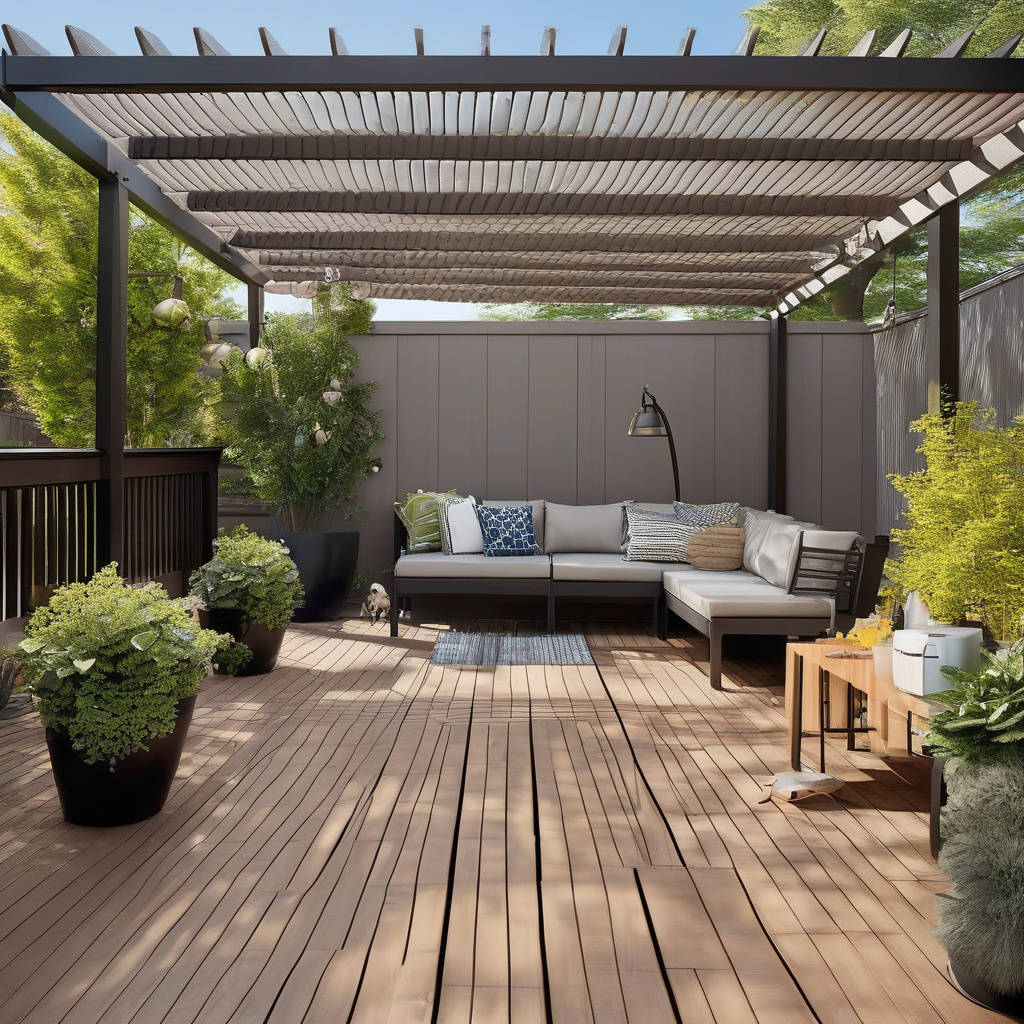
The ideal deck isn’t just durable; it’s a sanctuary. Providing shaded areas through strategic design ensures that pets can enjoy the outdoors without overheating. Many local experts suggest incorporating pergolas or retractable awnings as practical solutions. These features not only supply shade but also create inviting spaces for humans.
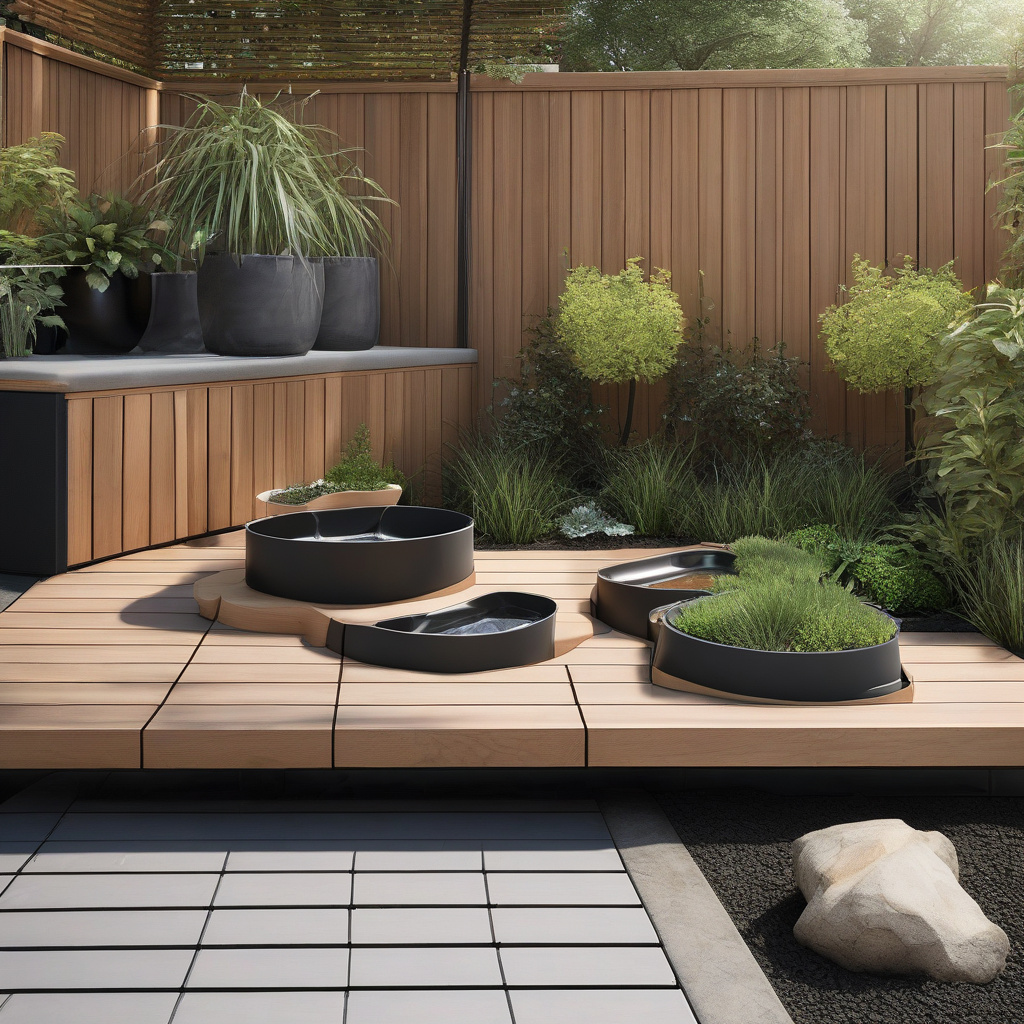
Some Los Angeles residents have also adopted built-in planter boxes, which not only enhance aesthetics but provide natural cooling and privacy. As an additional benefit, these features can serve as a natural deterrent for pets prone to destructive digging, steering them towards more productive play.
Additionally, creating zones within the deck allows for multipurpose uses. Areas specifically designed for pet activities, such as sandboxes or enclosed lounging corners, can help keep pets entertained and content.
Ultimately, thoughtful design can lead to safer, more enjoyable experiences for all deck users. When comfort and safety are prioritized, the deck becomes an extension of the home rather than just a structure.

Navigating Cost Considerations
Cost is always a consideration in any renovation project. Pet-friendly decking can range significantly in price, depending on the materials and design complexity. A comparative analysis reveals that while initial costs for premium composite decks may be higher, the long-term savings in maintenance and replacement make them a viable choice.
Incorporating features like planter benches for privacy can elevate both function and aesthetic at a relatively low cost. Homeowners often find that these elements not only enhance curb appeal but also increase overall property value.
For budget-conscious renovators, mixing natural elements with synthetic materials can achieve a balanced aesthetic without breaking the bank. After all, a creative approach often outweighs cost when it comes to impactful design.
Ultimately, the key to a successful renovation lies in understanding personal priorities—whether it is a silky engine of relaxation or a durable playground for pets.

| Option | Cost Estimate | Pros | Cons |
|---|---|---|---|
| Composite Decking | $50-$70 per sq ft | Durable, Low maintenance | Higher initial cost |
| Natural Wood | $35-$50 per sq ft | Natural aesthetic | Requires frequent upkeep |
| Synthetic Turf | $8-$12 per sq ft | Pet-friendly, Low maintenance | Artificial feel |
Architectural trends in Southern California increasingly focus on multifunctional outdoor spaces, reflecting the shifting demands of modern living.
Planning and Execution
A successful deck project often begins with careful planning, taking into consideration the usage patterns and needs of all family members, including the furred and feathered ones. Many Los Angeles homeowners turn to professional guidance to navigate the complexities of design and compliance with local regulations.
Initiating the process with a clear understanding of objectives can streamline the decision-making process, ensuring all elements serve a functional purpose. For instance, utilizing multilevel designs can visually section off areas, providing separate zones for relaxation and play.
Interior designers often advocate for fluid transitions between indoor and outdoor spaces, promoting a seamless experience. Techniques such as aligning indoor flooring with deck surfaces help in achieving this fluidity, as seen in many local remodeling projects.
Understanding the nuances of design and strategic planning can ultimately save time and prevent costly errors, making the dream of a perfect deck a feasible reality.
Expert Planning Tips
- Engage professionals early in the process to assess the feasibility of your design.
- Consider environmental factors specific to your location, such as sun exposure patterns.
- Explore material options that match your functional requirements and aesthetic goals.
- Always factor in the future usage of the deck—it should accommodate evolving needs over time.
“Planning for future flexibility can turn a good deck into a great investment,” notes a local renovation expert.
Aligning Indoor and Outdoor Spaces
The boundary between interior and exterior is becoming increasingly blurred in modern deck designs. It’s not uncommon to see homeowners integrating concepts from their living rooms or kitchens into their outdoor spaces. From sleek, minimalistic lines to the incorporation of smart technology, today’s decks mirror the seamless transitions favored in hybrid living areas.
Aligning decks with indoor decor themes or using materials similar to indoor finishes can create a harmonious flow. Clear sliding doors and large windows further enhance this integrated experience, drawing the outdoors in and vice versa.
Many Southern California homeowners have embraced this approach, favoring decks as extensions of their indoor living areas. This not only boosts aesthetic appeal but also amplifies the utility of the space, perfect for entertaining guests alongside their furry friends.
For those considering a renovation, exploring options for creating a harmonious indoor-outdoor balance can lead to stunning results that go beyond expectations.
To delve further into aligning your indoor and outdoor designs, consider checking out local guides on how to achieve this seamless integration.
The Future of Pet-Friendly Decks
As Los Angeles grows and evolves, so too does the vision for what pet-friendly decks can be. Modern decking not only enhances outdoor living spaces with practicality and style but also anticipates future needs. Whether it’s incorporating eco-friendly materials or ensuring that every feature serves a dual purpose, the trend is unmistakably towards intelligent and inclusive design.
Looking ahead, technological advancements promise further integration of smart features into outdoor spaces. This might include temperature-regulated flooring or motion-activated lighting, elevating the comfort level for pets even further.
Ultimately, building a pet-friendly deck is about more than just accommodating an animal. It’s a commitment to creating a living space that respects and enhances everyone’s quality of life.
Embrace these current trends to make your outdoor areas not only stylish and functional but also truly welcoming for your beloved companions.
- Opt for scratch-resistant and easy-clean deck materials to enhance longevity and maintenance.
- Include shaded and designated play areas for comfort and safety.
- Invest in smart planning for a seamless indoor-outdoor transition.
- Adopt innovative features for future-proof designs.
- Balance initial costs with long-term savings in maintenance and durability.
FAQ
What are the key features of pet-friendly deck surfaces?
Pet-friendly decks prioritize scratch-resistant materials, shaded areas, and easy-to-clean textures. In real renovation projects, it often becomes clear that opting for composite boards not only minimizes scratches but also reduces maintenance needs. For example, while a traditional wood deck might require frequent refinishing, composites maintain their look with minimal effort. Comfort is another consideration, with experts recommending materials that stay cool under the paws of our furry friends, which is particularly crucial in warmer regions. Homeowners frequently focus on aesthetics, but ensuring comfort and practicality for pets can greatly enhance the outdoor space.
How should I choose the right pet-friendly deck material?
When selecting deck materials for a pet-friendly space, consider durability and ease of maintenance. Many experts point out that composite materials are especially well-suited for homes with pets. They resist scratches, which is a common issue with more traditional wood. Another aspect is safety—avoiding materials that can splinter is essential. Homeowners should also think about the climate; in California, materials that manage heat well will keep pets comfortable. Finally, non-slip surfaces can prevent accidental slips, which is ideal for both pets and people.
When should you consider building a pet-friendly deck?
A pet-friendly deck should be considered during renovations or new builds when pets are a central part of the home. In older properties undergoing renovation, transforming your deck into a pet-friendly zone can merge aesthetics with functionality seamlessly. It also becomes a valuable feature when you frequently entertain guests with pets. Creating shaded areas and using durable materials can vastly improve the life quality of both pets and humans in an outdoor setting. If you’re unsure about the design or materials, talking with a specialist might provide clarity. For more tailored advice, consider reaching out through our expert consultation page.
What are common mistakes when designing a pet-friendly deck?
Common mistakes in designing a pet-friendly deck include neglecting proper shade and using inappropriate materials. In real-life remodeling scenarios, homeowners frequently underestimate the necessity of a shaded rest area, crucial for keeping pets cool and comfortable. Overlooking these factors can lead to wear on both the deck and your pets’ enjoyment. A practical tip is to incorporate shaded regions using retractable canopies or pergolas. Additionally, choosing surfaces like smooth stones or non-slip pavers can prevent injuries for playful pets. Overlooking these measures often leads to higher maintenance costs and pet discomfort.
Are there cost considerations when building a pet-friendly deck?
Building a pet-friendly deck involves both initial investment and long-term considerations. Upfront costs may be higher when opting for high-quality composite materials, but many experts note their longevity and low maintenance needs—their durability against pet-related wear can save money over time. Balancing short-term costs with long-term savings is a savvy financial plan. However, budget constraints may lead homeowners to choose cheaper options like treated wood, despite needing more frequent maintenance and potential repairs from pet scratches and weathering. It’s essential to weigh the pros and cons of each material carefully.
What are the pros and cons of composite decking for pet-friendly surfaces?
Composite decking offers notable advantages for pet-friendly surfaces, including scratch resistance and low maintenance needs. Homeowners find that these surfaces withstand the wear and tear of pet activities better than wood. They’re also less likely to splinter, which reduces injury risks. However, some drawbacks include potentially higher initial costs and the fact that they can retain heat, posing discomfort on sunny days. Adding rugs or providing shaded areas can mitigate this heat retention issue. Evaluating your specific needs against the characteristics of composite decking can guide an informed decision, custom-fitted to your home.
How can pet-friendly deck designs support maintenance simplicity?
Pet-friendly deck designs can streamline maintenance by choosing materials and features that naturally withstand pet activity and environmental wear. In practical scenarios, decks with non-porous surfaces resist staining and are easier to clean when pets bring in mud or debris. Implementing synthetic turf in designated potty areas ensures easy clean-up, a common fixture homeowners embrace. Additionally, using railings with durable finishes prevents unnecessary repainting. Many decks include built-in watering systems that not only serve landscaping needs but ensure surfaces are washed down regularly with minimal effort. These elements together significantly reduce upkeep, blending convenience with functionality.
What installation specifics should I consider for a pet-friendly deck?
When installing a pet-friendly deck, consider safety and durability in every aspect. Many homeowners discover the importance of flush, smooth edges to prevent snagging on paws or claws. Installing sturdy railings can offer both safety and peace of mind, especially for elevated decks. Pay attention to fasteners; hidden fastener systems maintain smoother surfaces, reducing injury risk. The foundational layout should allow for water drainage to avoid pooling, which keeps areas dry and less slippery. Thoughtfully integrating these specifics into your plan ensures your deck is well-built to cater to both human and pet use.