California’s egress window requirements for bedrooms are not just about compliance; they’re about safety and the peace of mind that comes with knowing your home meets essential safety standards. In Los Angeles and across Southern California, where home renovations are as common as palm trees, understanding these requirements is crucial. For homeowners embarking on a renovation journey, egress windows present both technical challenges and opportunities for stylish design updates that enhance property value.
Brief summary: This article explores the egress window requirements for bedrooms in California, focusing on compliance with safety standards, the impact on renovation projects, and the benefits of integrating these windows into modern home design in Southern California. Key aspects such as proper sizing, costs, and homeowner experiences are highlighted.
Understanding Egress Window Requirements
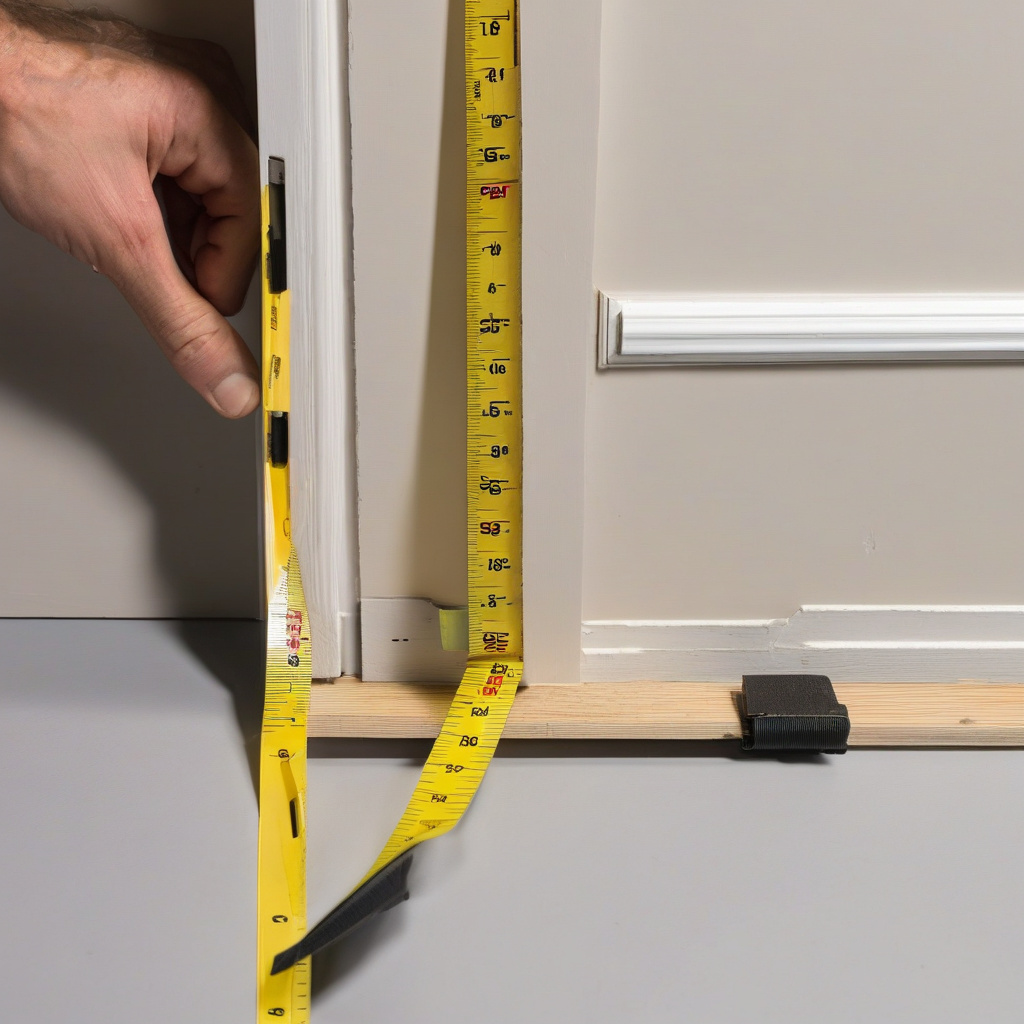
In California, egress window requirements are specified under the state’s building code to ensure safe exits in case of emergencies like fires. These regulations dictate not only the minimum size of the windows but also their operability and location within a bedroom. The California Building Code specifies that an egress window must have at least a 5.7 square foot net clear opening, be no more than 44 inches off the floor, and have an opening width of at least 20 inches.
Los Angeles homeowners looking to renovate should be aware that these requirements are not just legal formalities, but critical safety measures. The reasoning behind such detailed specifications is straightforward: in the event of an emergency, occupants need to exit quickly and efficiently. Many local experts point out that meeting these requirements is not only about compliance but also about enhancing the overall safety and value of the property.
For those diving into the world of home improvement, it’s important to understand that these windows can be a pivotal part of your renovation strategy. By incorporating egress windows into a redesign, homeowners can ensure that each bedroom in the house is both beautiful and safe. This combination of aesthetics and functionality often improves the home’s marketability and attractiveness to prospective buyers.
Ultimately, understanding and implementing California’s home window regulations is crucial for any remodeling project. The right approach not only aids in compliance but also elevates the design aspect of any renovation, ensuring safety without compromising on style.
Egress Window Challenges and Solutions
While the benefits of egress windows are clear, implementing them involves overcoming several challenges. In older homes, especially those in historic districts of Los Angeles, existing window frameworks may not accommodate the necessary dimensions prescribed by the building code. This can require substantial structural modifications, which can disrupt the original aesthetics of the home.
The Cost of Compliance
The financial implications of adapting to these regulations can be significant. Renovation costs vary based on materials, labor, and the complexity of the existing structure. On average, Los Angeles homeowners might expect to invest anywhere from $3,000 to $5,000 per window to meet the necessary standards. However, these adjustments do more than meet legal criteria; they can drastically alter the living space for the better, often leading to an increase in home value.
In tackling these challenges, homeowners need to foster careful planning and precise execution. Collaborating with experienced contractors and designers familiar with local building codes can make a significant difference. Moreover, employing innovative products that blend seamlessly with older architectures can preserve the home’s charm while meeting safety requirements.
Renovations involving egress windows, when carefully planned, not only ensure compliance but also contribute to the overarching goal of creating safe and beautiful living environments. Addressing these fundamental aspects early in the planning phase can lead to a smoother and more cost-effective process.
Integrating Design and Functionality
Sophisticated design in egress window installation doesn’t happen by accident. A keen eye for detail and an understanding of the latest trends in building materials guide many successful remodels. Striking a balance between function and facade is the cornerstone of any successful renovation project. In Southern California, this is particularly crucial given the emphasis on indoor-outdoor living spaces.
Materials and Trends
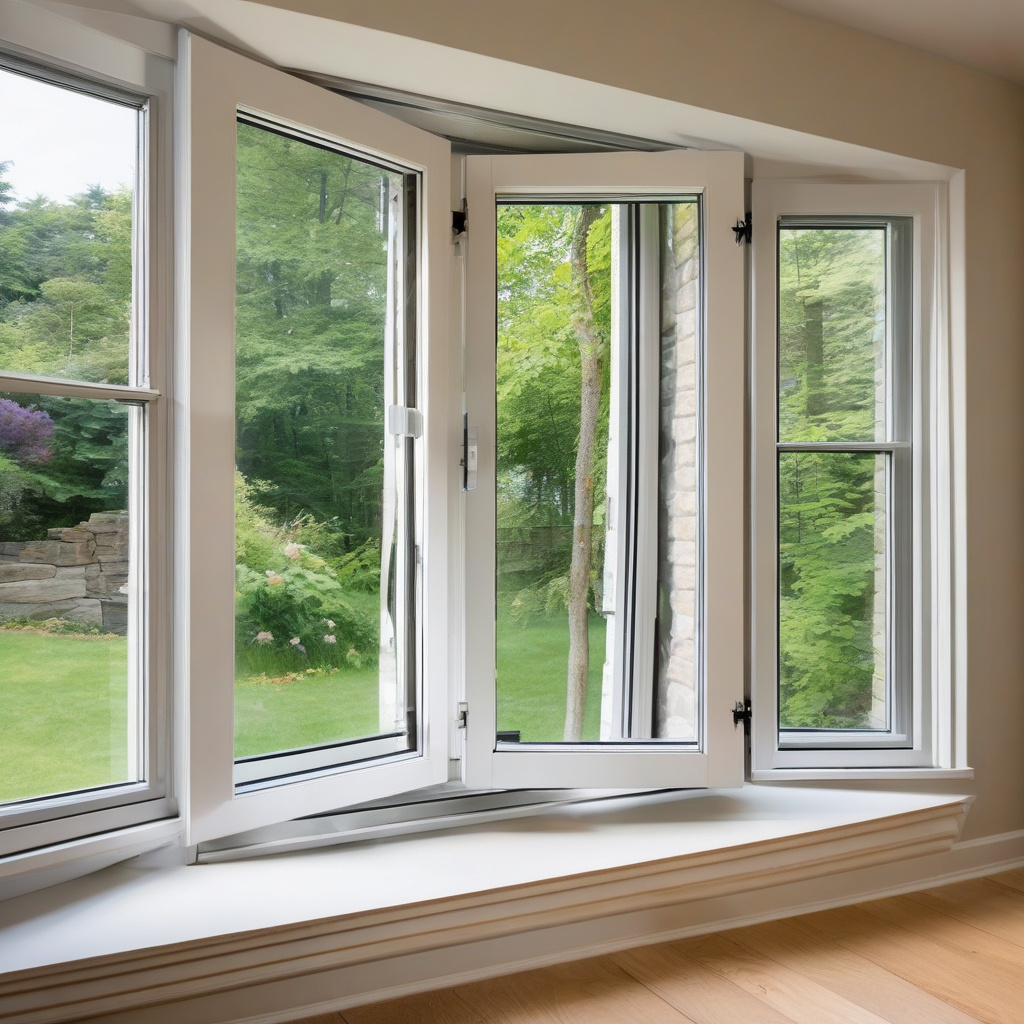
One emerging trend is the use of minimalist yet elegant window frames that blend into contemporary aesthetics while satisfying all egress requirements. The popularity of black window frames has surged, as they offer a sleek look that complements various architectural styles. From a practical standpoint, these windows often use materials that improve energy efficiency, reduce noise, and enhance security.
Egress windows are no longer merely a last resort exit strategy; they are now a key architectural feature. Homeowners and builders are increasingly opting for larger glass panels that maximize natural light, reducing the need for artificial lighting and creating a more inviting ambiance. Such features are known to have a profound effect on a home’s spatial dynamics, with strategic placement serving dual purposes of comfort and safety.
Ultimately, the blend of material choice and stylistic implementation can revitalize a living space, turning constraints into opportunities. By pushing the boundaries of traditional window design, homeowners can create striking visuals that still meet all necessary safety standards.
According to recent statistics, homes with updated, code-compliant windows have seen a 10% increase in property values.
Planning Your Renovation
Planning is a crucial phase in any renovation, especially when upgrading windows to meet egress requirements. Whether it’s a small fixer-upper or a large-scale overhaul, effective planning can significantly streamline the process. This involves a clear understanding of both the desired outcomes and the local regulations governing home improvements.
Key Planning Considerations
Engaging with your homeowner’s association (HOA) is essential if you live in a condominium or a planned community. Many HOAs have additional constraints on window modifications. It’s beneficial to collaborate proactively with your HOA to avoid conflicts and ensure that your renovation proceeds smoothly.
Another consideration is the time frame necessary for execution. This type of renovation can typically be completed within a few weeks if all goes according to plan. However, any unforeseen structural issues can extend this timeline, so it is prudent to be prepared for potential delays.
Engaging professionals who specialize in egress systems can be advantageous. Their expertise can help preempt delays and ensure that installations meet both aesthetic and functional standards. A well-coordinated effort can integrate egress windows seamlessly into the project’s overall vision, adding value and appeal.
When it comes to the actual implementation, a step-by-step process typically starts with an assessment of existing structures, followed by drafting schematic plans, securing necessary permits, and executing the installation.
Comparing Renovation Approaches
When approaching a home renovation involving egress windows, there’s no one-size-fits-all answer. Each methodology has its advantages and drawbacks, depending largely on the unique characteristics of the home and the homeowner’s goals. To navigate through these choices, it’s helpful to compare the various options available.
| Approach | Advantages | Disadvantages |
|---|---|---|
| Traditional Build | Proven methods, predictability | Potentially higher cost, slower implementation |
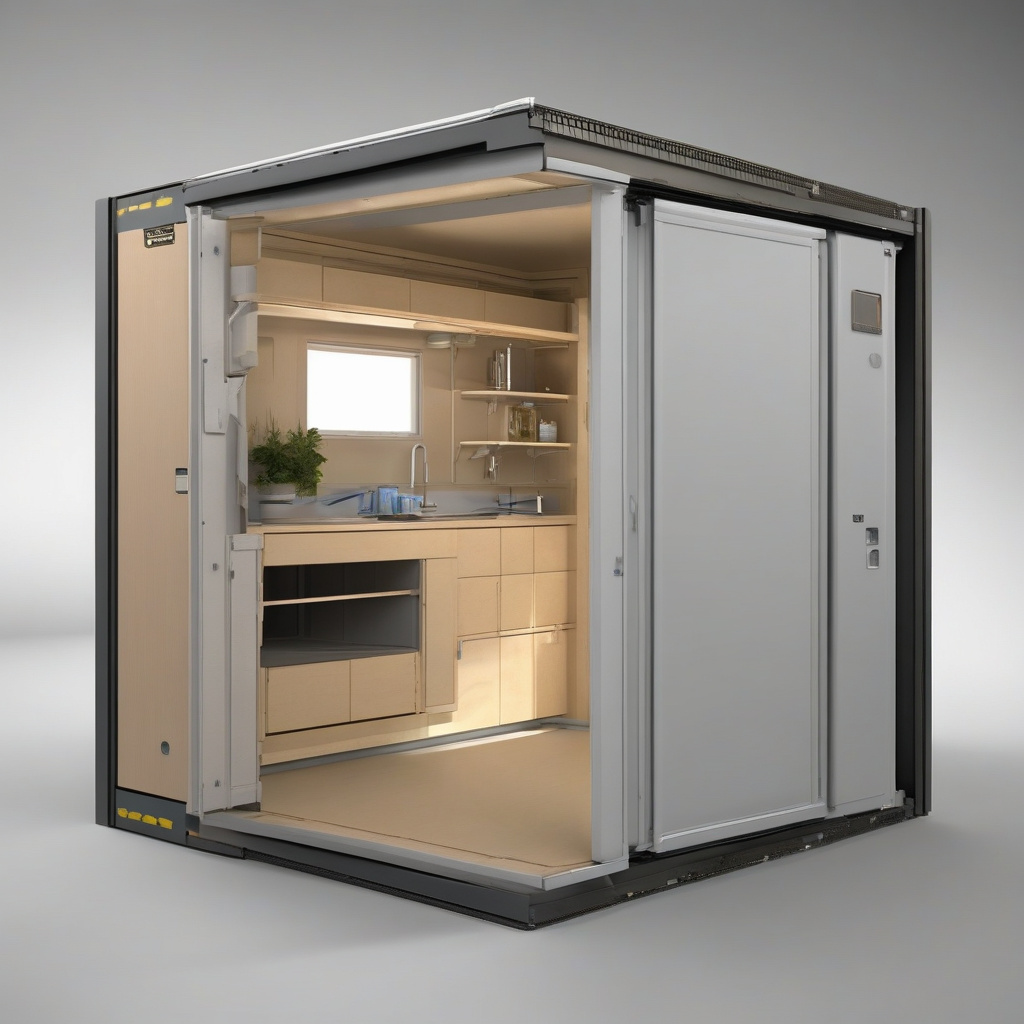
| Modular Installation | Cost-effective, reduced installation time | Limited customizability |
| Custom Design | Tailored aesthetics, modern solutions | Higher planning requirements, extensive approval process |
Assessing different approaches aids in making informed decisions that align with both budget and design preferences. Opting for a custom design might be more taxing initially but may yield the most satisfying results in terms of style and value.
Engaging in a methodical evaluation process will inherently reduce risk and ensure the renovation enhances both safety and aesthetic appeal. Balancing between traditional practices and innovative techniques can often yield the best outcomes.
Industry experts assert, “Choosing the right approach for window installations can enhance safety while significantly boosting a property’s appeal.”
Practical Tips for Maintaining Egress Windows
Once installed, maintaining egress windows ensures they remain functional and compliant. Regular maintenance checks should be part of a homeowner’s routine, especially in areas like Los Angeles where seasonal conditions can affect building materials over time.
Maintenance Best Practices
Ensuring windows operate smoothly and without obstruction is critical. Homeowners should frequently inspect and clean window tracks to avoid buildup of debris that could hinder quick opening during an emergency. Applying lubricants specific for window components can also contribute to ease of use.
Conducting annual assessments of the window frames and adjoining walls should help detect any moisture damage or signs of wear and tear early. If any deficits are identified, immediate remediation is advised to prevent further structural damage.
Understanding the typical lifespan of different window materials is also integral. This knowledge helps schedule timely replacements and plan future renovations aligning with upgrades or technological advancements in window designs.
Adopting a proactive approach to window maintenance is a small commitment compared to the overwhelming benefits it represents. It assures a continuous compliance with safety standards while promoting an aesthetic just as durable as it is appealing.
Research highlights that regular maintenance increases the operational efficiency of home egress systems by up to 25%.
- California egress window regulations are designed to prioritize safety and compliance.
- Innovative window designs can enhance home aesthetics while ensuring emergency readiness.
- Proper planning and selection of materials can streamline the renovation process.
- Regular maintenance maximizes the lifespan and functionality of egress windows.
- Collaboration with experts and HOAs can facilitate smoother project execution.
“`html
FAQ
What are the basic egress window requirements for bedrooms in California?
In California, egress window requirements are shaped to ensure safety and accessibility during emergencies. The California Building Code stipulates that for a bedroom, each egress window must have a minimum opening area of 5.7 square feet. Additionally, the minimum opening height and width should be 24 inches and 20 inches respectively. In practical renovation scenarios, homeowners sometimes overlook the need for the bottom of the window opening to be no higher than 44 inches from the floor. This misunderstanding can lead to costly adjustments during inspections. Achieving compliance not only ensures safety but adds value to the home, thereby protecting your investment.
Why is it important to comply with egress window rules?
Complying with egress window rules is crucial as they are designed with occupant safety in mind. In the event of a fire or another emergency, a properly installed egress window provides an essential escape route. In real renovation projects, homeowners frequently prioritize aesthetics over functionality, but failure to meet these requirements can lead to not only increased risk but also potential legal issues. Many experts point out that while it may seem like an added initial cost, investing in an egress-compliant window is an invaluable safety feature that enhances the habitability and resale value of your home.
How do you select the right egress window for a bedroom renovation?
Choosing the right egress window involves balancing compliance, design, and budget. Many experts suggest starting with a window that complements the architectural style of your home. In older properties, maintaining historical aesthetics can be a priority, while newer builds might benefit from sleek, modern designs. Consider the ease of operation as well; casement windows are popular for their user-friendly mechanisms. It’s essential to review California’s local building codes or consult with a professional to ensure the chosen window meets all necessary specifications. For tailored advice that suits your unique needs, you might visit the contact page for expert guidance.
Can older homes accommodate modern egress windows?
Incorporating modern egress windows into older homes poses unique challenges but is generally feasible. The key lies in conducting a careful assessment of the existing structure to decide the best location and type of window. Many renovation experts note that while older homes often have non-standard wall thicknesses or structural limitations, creative solutions like adjusting the frame or selecting a smaller window style that still meets egress standards can work well. Structural integrity should never be compromised, though, so consulting with a specialist familiar with both historical preservation and current codes can help navigate potential pitfalls effectively.
What are common mistakes in egress window installations?
A frequent mistake in egress window installations is neglecting to follow precise measurements, which can result in non-compliance with local codes. Homeowners might underestimate the importance of the sill height, often making it too high or low, which affects ease of escape. Another error is neglecting proper water sealing, leading to leakage problems post-installation. In real renovation projects, minor errors here can lead to significant consequences, such as safety hazards or structural damage. To avoid such mistakes, it’s advisable to consult with professionals who have experience navigating both the aesthetic and functional aspects of window installations.
Are there cost considerations to keep in mind with egress windows?
When budgeting for egress windows, there’s more to consider than just the window unit itself. Homeowners often forget the possible need for wall adjustments, additional labor, or new hardware which can add to costs. While standard egress windows may range from $300 to $700, installation expenses might climb due to structural modifications, especially in older homes. However, investing in quality windows and professional installation promises peace of mind and a durable escape route during emergencies. Many experts emphasize that while upfront costs can be significant, they pay off by enhancing safety and adding to property value.
What are the pros and cons of various egress window styles?
Each egress window style offers distinct advantages and disadvantages. Casement windows, for instance, open fully and easily, making them a popular choice for meeting egress requirements efficiently. However, their outward opening design can be a limitation in tight space scenarios. Sliding windows, while limited in opening area, tend to be less intrusive. Double-hung windows may cater better to traditional aesthetics but might fall short on the ease of egress. In renovation projects, selecting a style often involves weighing these options against home design constraints and family needs, aiming for a balance between functionality and aesthetic integration.
How do egress windows affect home resale value?
Egress windows significantly influence the resale value of a home, particularly by enhancing safety features, which are crucial selling points for families and safety-conscious buyers. In real estate markets, having well-installed, compliant egress windows gives a competitive edge, often speeding up sales and potentially raising the property’s market appeal. Many realtors emphasize that prospective buyers appreciate the security and functionality these windows provide, and the clear compliance with legal safety standards. This attribute can lead to increased buyer confidence, ultimately translating into improved resale prospects and potentially higher offers.
“`