Amid the dazzling sunshine of Los Angeles, the bright glint of freshly painted fences and gates often tells a story of diligent upkeep and an ever-ready battle against the sun’s harsh rays. Maintaining these vibrant structures in the perpetually sunny backdrop of LA is not just a matter of aesthetic appeal—it’s a veritable necessity. The relentless sunshine can wreak havoc on painted surfaces, causing fading, peeling, and even structural damage if left unchecked.
Brief summary: This article explores how to maintain painted fences and gates under the intense Los Angeles sun. It discusses practical strategies like using UV-resistant paints, offers insights into routine inspections and cleaning, and addresses the costs and benefits of different maintenance methods. Homeowners’ insights and expert recommendations are included to provide a comprehensive guide.
The Dilemma of Sun-Drenched Surfaces
Los Angeles is well-known for its sunlit days, which residents celebrate—and lament when it comes to home maintenance. The sun poses a specific challenge to exterior structures like fences and gates. Fences that once bore a vibrant hue can find their colors washed away into drabness if they aren’t shielded from the UV’s unyielding assault. Many local homeowners have learned the hard way that a simple coat of paint is insufficient. The need for a UV-resistant coating has become apparent, not just to protect but to preserve the aesthetic longevity of home exteriors.
Industry experts recommend employing high-quality, UV-resistant paints and finishes. Such coatings not only defend against the intense sunlight but also offer a layer of protection against the moisture that occasionally accompanies the rare rainy day. According to the expert resources on painting techniques, these coatings are often the first line of defense in maintaining the aesthetic and functional integrity of wooden structures exposed to elements.
Nevertheless, it’s not merely about slapping on some UV-resistant paint. Effective protection also depends on how expertly these materials are applied. It’s a craft akin to artistry, where each brush stroke must be laden with precision and care to ensure the longevity of the protection offered.
The sun’s influence can also lead to wood warping and cracking—a predicament that deteriorates not only the appearance but also the underlying structure’s stability. Thus, the early investment in high-quality paint and meticulous application is often a worthwhile endeavor in the long run.
Conclusively, while the sun shines on in LA, strategic paint application and protective measures offer a practical solution to an otherwise persistent problem.
Navigating the Costs: Investment or Overspend?
The cost of keeping fences and gates in pristine condition can initially seem daunting. Those looking into renovation options must consider whether investing in high-quality materials and expert application is economical or an unnecessary extravagance. Some homeowners report feeling overwhelmed by the plethora of choices, each with varying costs and promises of longevity.
To aid in such decisions, comparing the upfront costs against the potential long-term savings can illuminate the path forward. The cost of repainting or replacing parts frequently due to inadequate protection can quickly exceed the cost of initial investment in robust solutions.
A simple yet effective strategy is to illustrate the overall value through a comparative analysis. Here’s a brief example:
| Option | Initial Costs | Longevity | Average Annual Cost |
|---|---|---|---|
| Basic Paint | $500 | 2 years | $250 |
| UV-Resistant Paint | $800 | 5 years | $160 |
This table highlights the practicality of investing early, showing that while UV-resistant options might demand a higher initial outlay, they often prove more economical over time due to decreased frequency of repaints.
In summary, savvy homeowners recognize the benefit of investing in quality materials and labor as a hedge against future expenditures.
Routine Inspections: A Needle in Time
Much like a well-oiled machine, fences and gates require regular attention to remain in peak condition. Routine inspections enable homeowners to identify and remedy minor issues before they escalate into costly repairs. Inspections reveal more than the visible wear and tear; they can uncover underlying problems such as wood rot or pest infestations.
As numerous expert advisors attest, conducting at least biannual inspections can significantly extend the lifespan of a painted surface. Homeowners equipped with a keen eye can often undertake these inspections themselves, looking for telltale signs of wear such as peeling paint or visible cracks.
According to the American Society of Home Inspectors, regular maintenance can extend the lifespan of painted wooden structures by up to 50% compared to neglected ones.
Moreover, these checks can inform homeowners of early-stage color fading, allowing for timely repaints where necessary. In a city where aesthetics often parallel value, maintaining the appearance of fences can considerably enhance curb appeal.
In essence, routine inspections act as a preventative measure that can safeguard against larger headaches, fortifying the home’s defenses against the elements.
Cleaning: The Unsung Hero of Fence Maintenance
Incorporated into the routine, cleaning is another crucial pillar of maintenance. While it might seem like a rudimentary task, regular cleaning can indeed prolong the life of a painted fence. Failure to clean can lead to the accumulation of dirt and algae, which retain moisture and lead to further deterioration.
Using gentle cleaning solutions that remove grime without eroding the paint is vital. The choice between DIY solutions and commercial options often comes down to personal preference and scale. When considering larger projects, professional cleaning services provide a thorough and efficient approach, often coupled with protective treatments.
For those entertaining a hands-on approach, employing a soft brush and a mild detergent usually suffices. Ensuring a clean surface is paramount before painting or sealing, as trapped dirt can cause suboptimal paint adhesion.
Cleaning, in tandem with routine inspections, weaves a robust maintenance framework, ensuring that painted surfaces remain both aesthetically pleasing and structurally sound.
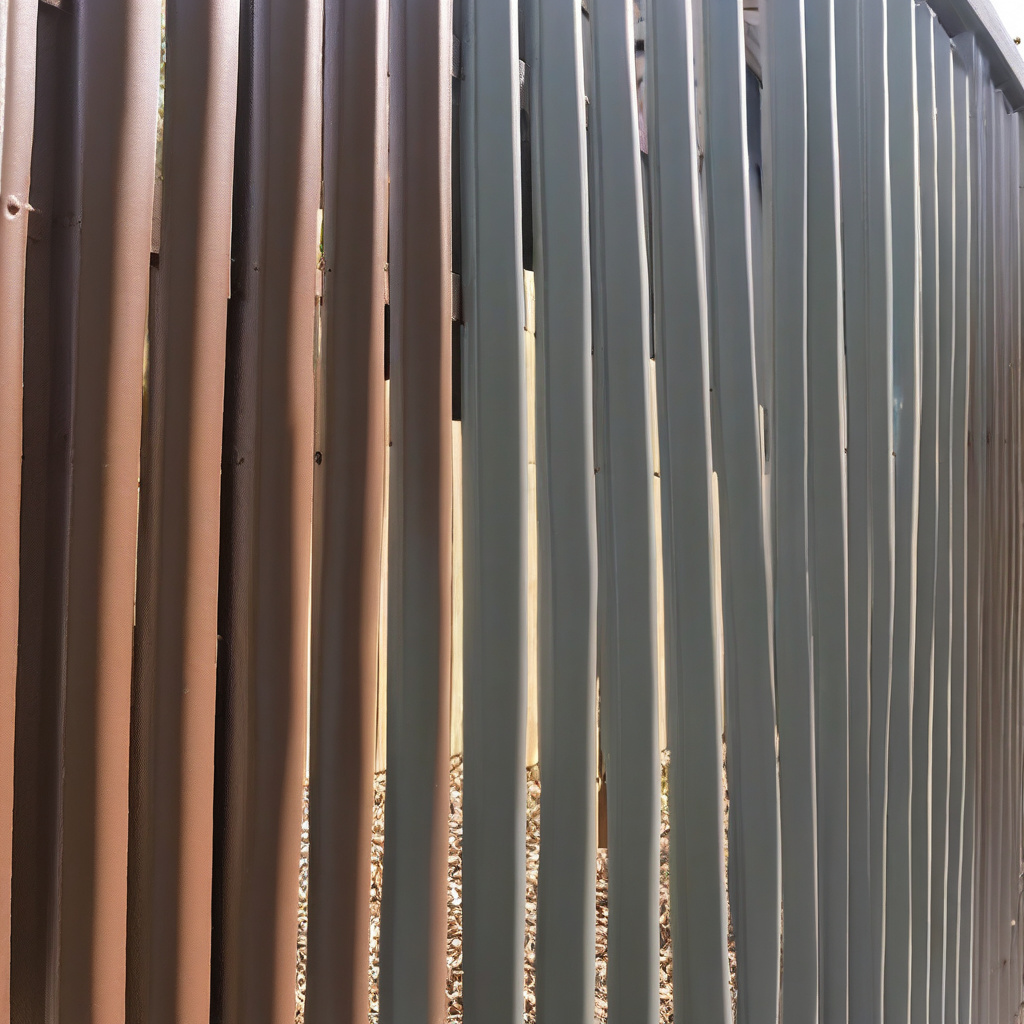
Concisely, cleanliness contributes to a surface’s ability to resist degradation and maintain its allure amidst the relentless Los Angeles sun.
Strategic Planning: Design with a Purpose
Thoughtful planning forms yet another axis of painted structure maintenance, especially in strenuous environments like LA. Homeowners are encouraged to contemplate not just the visual appeal but also the positioning and material choice of fences and gates. This planning element often involves weighing logistics, budget, and personal inclination.
Aligning design choices with the home’s architectural style can enhance structural compatibility and longevity. Expert consultations provide invaluable insights, occasionally suggesting unexpected materials or innovative solutions. Design consultations often cover aspects as varied as color palettes and earth-friendly options.
Positioning fences to optimize shade while providing coverage from the elements can lessen sun exposure. Thoughtful layouts can also foster a seamless transition between the home’s exterior and its natural surroundings, contributing to an integrated design that elevates both aesthetics and function.
In this spirit of curiosity and collaboration, strategic design can not only complement the home’s present architecture but also anticipate future shifts in taste and environmental conditions.
Through planning, homeowners imbue their properties with resilience and forethought, ensuring harmony between design and durability.
Consultation: Expert Guidance vs. DIY
When contemplating the best material or design, many homeowners face the ubiquitous question: to consult or not to consult? Engaging a professional consultant can sometimes feel like an unwarranted expense; however, the return on this investment can manifest in material savings and design harmony. Engaging a color consultant can bring unexpected enlightenment, unveiling palettes and materials previously unconsidered.
Conversely, the DIY route appeals to those with a penchant for hands-on involvement, offering the freedom to cultivate personal aesthetics. However, it demands a steep learning curve and a commitment to continual research and experimentation.
Ultimately, the choice hinges on personal preference and project scope. Yet, the balance of leveraging professional expertise with DIY enthusiasm can result in a polished yet personal outcome.
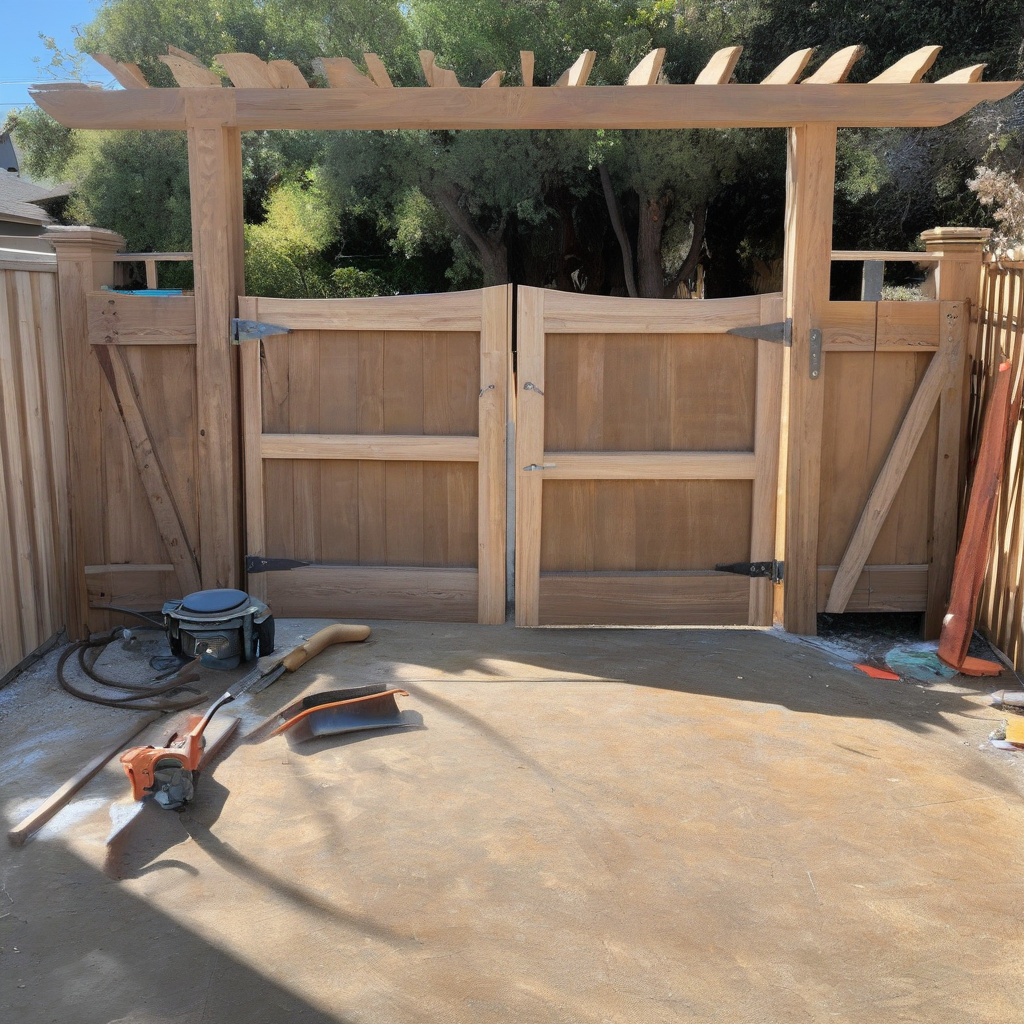
Deciding on this balance of consultation versus DIY influences not only the final look but its lasting power against LA’s sunny disposition.
Risks and Rewards: The Balancing Act
One of the foremost considerations when maintaining painted fences is negotiating the balance between risk and reward. Choosing the appropriate materials and methods restores the fence’s protective sheen while minimizing future risk of damage.
Rewards are found in the enhanced curb appeal, longevity, and preserved integrity of a home’s boundaries. However, they’re not without their risks, often tied to misjudgments in quality or application. Improper material selection can lead to high costs and potential revisiting of the project far sooner than desired.
Homeowners are advised to weigh these factors with due diligence and expert guidance, steering towards informed, strategic decisions that mitigate risk while amplifying rewards.
In conclusion, understanding the full spectrum of commitment and benefit enables homeowners to straddle this line effectively, maintaining structures that are as durable as they are decorative.
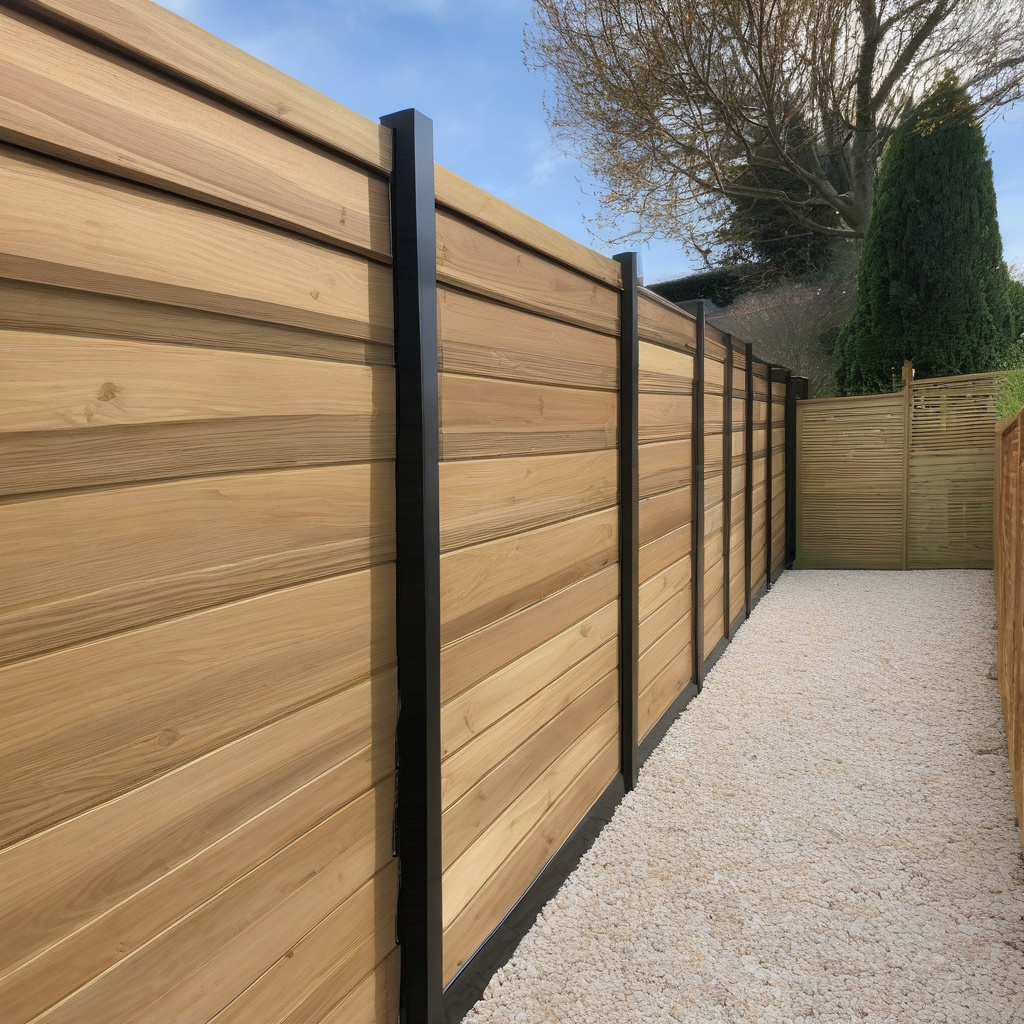
An independent survey showed that over 70% of LA homeowners recognized increased property value after investing in exterior maintenance.
Practical Steps Moving Forward
To transition theory into practice, homeowners are encouraged to integrate a set of straightforward, actionable steps into their home maintenance regime. The importance of selecting UV-resistant products cannot be overstated, nor can the value of proper application. As many local renovators recommend, preparation is also critical, encompassing surface cleaning and priming to ensure the best possible paint adhesion.
Step-by-Step Best Practices
1. Assess current fence condition: identify any immediate repairs needs.
2. Choose appropriate paint and coatings: prioritize UV resistance and quality.
3. Prepare the painting surface: clean and prime to enhance application.
4. Apply paint with precision: utilize quality brushes and techniques.
5. Schedule regular maintenance: plan for routine inspections and cleanings.
Ventilation also comes into play—keeping air circulating during painting minimizes issues associated with paint fumes. For more tips on handling paint fume ventilation effectively, homeowners can explore practical resources for ensuring a healthy painting environment.
Ultimately, these tried-and-true methods will fortify fences against environmental challenges, preserving both their function and visual appeal.
Leading design journals suggest that an integrated approach—combining aesthetic choices with sustainability measures—can lead to increased homeowner satisfaction.
- Invest in UV-resistant paints for long-term savings and durability.
- Implement regular inspection and cleaning to prolong fence life.
- Weigh the costs and benefits of professional consultation versus DIY approaches.
- Consider ventilation and eco-friendly options for healthier maintenance.
- Balance aesthetics with practicality to enhance property value.
“`html
FAQ
What is the best way to protect painted fences from the intense LA sun?
In sunny Los Angeles, protecting your painted fences goes beyond just choosing any paint; you’ll need a UV-resistant coating to prevent fading and deterioration. Many experts point out that a high-quality outdoor paint specifically formulated to withstand intense sunlight is crucial. Opt for paints that offer UV blockers, ensuring they reflect rather than absorb light. In real renovation projects, homeowners sometimes overlook the importance of this, often to the detriment of their beautiful fences. It’s also wise to conduct regular inspections for any signs of wear and address issues before they escalate, ensuring your efforts in preserving the wood don’t go in vain.
How often should painted fences in LA be inspected and cleaned?
Routine inspections and cleaning are crucial for maintaining the integrity and aesthetics of painted fences in LA’s climate. In my experience, conducting inspections at least twice a year is effective. During these inspections, look for peeling paint, mold, or mildew, which are signs of deeper issues. Many homeowners frequently underestimate the power of a simple cleaning process. Biannual cleaning using a mild detergent and water can help remove pollutants and prevent moisture build-up, reducing the likelihood of damage. This preventative care goes a long way in extending the life of your fence, ultimately saving time and money on future repairs.
What mistakes do homeowners often make when maintaining painted fences in the LA sun?
A common mistake homeowners make is using indoor paint or simply the wrong type of exterior paint, thinking all paints are created equal. The lack of suitable UV protection often leads to quick fading and peeling. Another frequent error is neglecting seasonal inspections, which can allow minor issues to develop into major problems. In real maintenance scenarios, it’s sometimes evident that tasks like re-painting are delayed until visible deterioration sets in, rather than being done proactively. Developing a habit of consistent, proactive maintenance can prevent costly overhauls and keep your fences looking vibrant year-round.
Are there any cost considerations for maintaining painted fences annually?
The costs associated with maintaining painted fences can vary, but one should expect around $100 to $300 annually for materials and minor repairs, depending on size and extent of maintenance. Investing in high-quality UV-resistant paint can seem costly upfront, but it pays off by reducing the frequency of re-painting and repairs. In real budget assessments, opting for cheaper paints often results in additional costs due to more frequent maintenance needs. Considering long-term savings over initial expenses is vital when planning fence maintenance. If you’re unsure about budgeting or techniques, don’t hesitate to reach out for a professional consultation.
What are the pros and cons of using UV-resistant coatings on fences?
UV-resistant coatings are a worthwhile investment for any LA homeowner looking to preserve their fences. On the pro side, these coatings extend paint life by shielding wood from harmful sun rays, which can otherwise cause fading and cracking. Additionally, they help maintain the visual appeal of your property and potentially increase its value. However, the downside lies in the initial cost, as these specialized coatings are often more expensive than standard paints. Some homeowners also face the challenge of finding the right product amid a plethora of options. Despite these cons, the enduring benefits of UV protection typically outweigh the drawbacks in sunny regions like LA.
How does moisture impact painted fences, and what can be done to prevent it?
Moisture is the silent adversary of painted fences, often leading to wood rot and mildew if left unchecked. In humid conditions, moisture can seep into even the tiniest cracks. To combat this, experts often use sealants in addition to UV-resistant paint. These sealants create a barrier against water, safeguarding the wood underneath. Many homeowners don’t realize that even in LA, morning dew or occasional rain can impact unprotected fences significantly. During routine maintenance, look for bubbling or blistering paint, as these can be early indicators of moisture problems needing attention.
When does it make sense to replace a painted fence instead of maintaining it?
Deciding to repair or replace a fence depends on its condition and age. If the wood is significantly warped, rotten, or the structure is unstable, replacement might be the best option. In older properties, fences over 15 years old may require more frequent costly repairs, where replacement becomes more cost-effective in the long run. Conversely, for minor cosmetic issues, maintenance through repainting and resealing would suffice. In practice, if you find yourself constantly patching up new problems every year, it’s worth consulting a professional to evaluate your fence’s longevity, potentially saving time and cost by investing in a new one.
What should homeowners expect when hiring a professional for fence maintenance in LA?
Hiring a professional for fence maintenance ensures that the job is done with expertise and precision. Professionals will typically conduct a thorough inspection, identify potential issues, and offer tailored solutions based on your fence’s material and condition. It’s a scenario where quality often outshines DIY attempts, particularly when dealing with specialized UV coatings and repairs. Costs for professional services can vary, but they generally include the paint, labor, and the use of professional tools and techniques. For first-timers, it’s beneficial to get quotes from multiple contractors in LA to compare pricing and services offered. This can help in opting for a service that aligns best with your needs and budget.
“`