Glass windows are an architectural mainstay in Los Angeles, a city where sun-drenched vistas and sleek modernism are as prized as its famous coastline. Yet, amid the elegance, a crack can send a shiver down a homeowner’s spine, raising the pressing question: what’s actually covered under a typical window warranty? With Southern California’s distinct weather considerations and urban density, understanding window warranties becomes a crucial exercise for homeowners aiming to safeguard their investments.
Brief summary: This article explores what types of glass breakage are covered under typical window warranties. It delves into the nuances of coverage, the responsibilities of homeowners, and practical insights for residents of Los Angeles and Southern California. The discussion includes comparison of materials and options for enhanced protection.
Deciphering the Small Print: What’s Typically Covered?
When navigating the intricacies of window warranties, it’s vital for homeowners to understand the fine print. Most manufacturers offer coverage against defects in materials and workmanship, but this coverage typically excludes accidental damage or improper installation. This is a critical point for anyone embarking on a renovation or new construction project in Los Angeles, where sophisticated window designs often demand precise installation.
One important aspect is the focus on seal failure. Most warranties cover seal failures for a prolonged period, which is a common issue that can lead to fogging or moisture ingress. Yet, the terms can differ significantly across suppliers. Homeowners are advised to refer to resources like comprehensive window guides to avoid any contractual oversight.
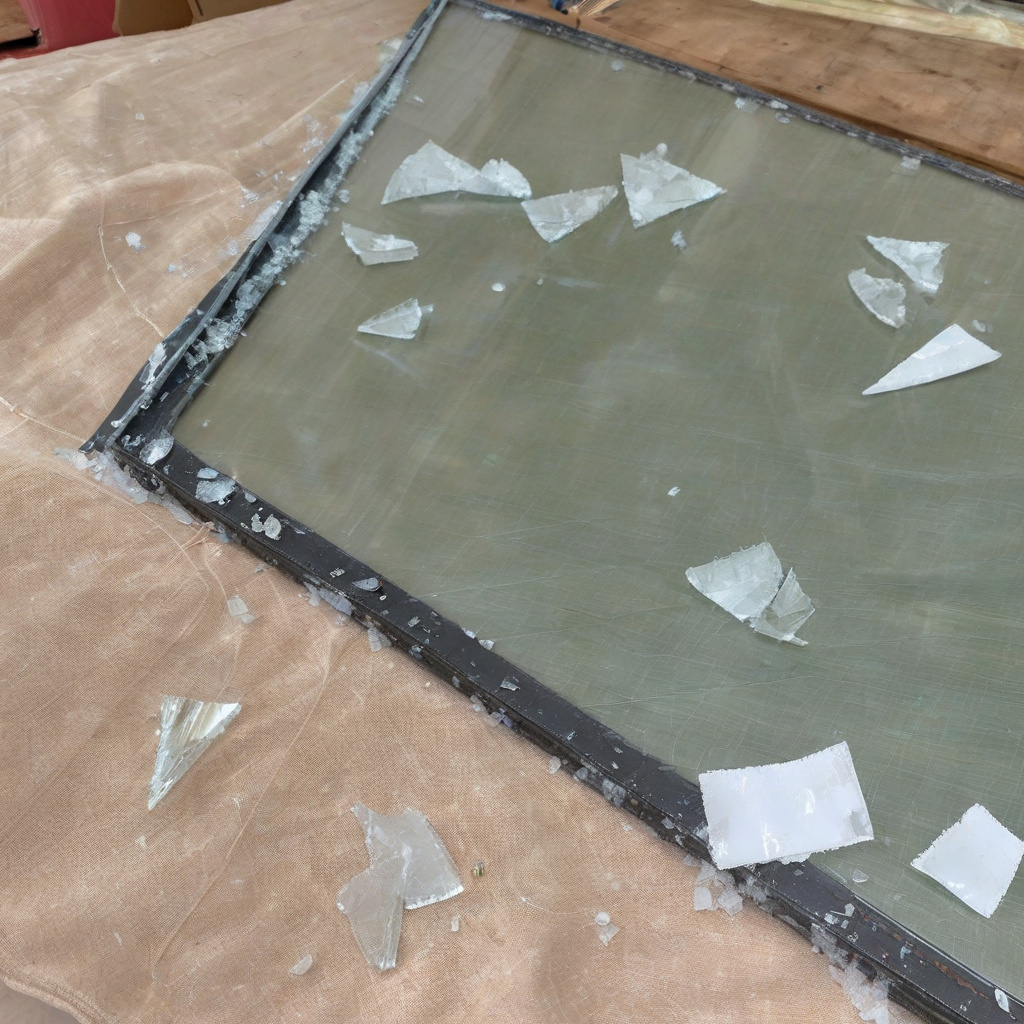
Surprisingly, glass breakage often falls outside standard coverage. Despite the susceptibility to external impacts or high winds, many homeowners mistakenly assume general coverage protects them fully. This misunderstanding can lead to unexpected costs that disrupt renovation budgets.
Ultimately, clear communication with manufacturers is key. Assessing whether coverage can be extended to include accident or impact-related breakage is a prudent step. Such informed decisions ensure a harmonious blend of design and practicality.
Understanding the nuances of warranty coverage can mean the difference between peace of mind and a costly surprise down the road.
Preparing for the Unpredictable: Homeowner Responsibilities
While warranties provide a safety net, they don’t absolve homeowners from their responsibilities. Routine maintenance and timely repairs are essential to uphold the terms of any warranty. In a city as vibrant and volatile as Los Angeles, proactive strategies become indispensable.
Homeowners are often advised to document maintenance efforts meticulously. This can range from regular cleaning schedules to prompt repairs of any minor damages. By retaining records, such homeowners have a solid ground to challenge potential warranty disputes.
Moreover, the choice of contractors plays an integral role. Opting for certified professionals minimizes risks associated with improper installation, a common exclusion clause in most warranties. The decision to enlist skilled labor can significantly impact the longevity and aesthetic integrity of window installations.
An interesting layer is added by properties governed by historic conservation regulations, which may require bespoke approaches and materials. Navigating these rules demands comprehensive planning and foresight.
Preparing for the unpredictable is as much about foresight as it is about adaptability. Avoiding financial pitfalls requires a proactive and informed approach.

Choosing the Right Materials: A Tactical Approach
When selecting window materials, Southern California homeowners must weigh options carefully. Factors such as energy efficiency, cost, and durability often dictate choices, especially against the backdrop of California’s stringent building codes.
Glass types can dramatically influence both aesthetics and functionality. From tempered to laminated varieties, each offers unique characteristics. Laminated glass, for example, provides superior resistance to breakage, making it an attractive choice in high-risk zones.
Recently, the debate between security film versus laminated glass has gained attention. Each has its merits regarding cost and protection level, and homeowners must evaluate their specific needs to determine the right fit.
Industry experts note that while security films can be cost-effective for existing windows, laminated glass offers a higher ROI due to its inherent strength and longevity.
Considering these elements within the context of a renovation project can streamline decision-making. The right materials not only enhance a home’s beauty but also bolster its resilience.
The choice of materials is as much about durability and compliance as it is about style and vision.
Balancing Risks and Rewards: An Informed Perspective
Homeowners face a delicate balancing act when weighing the risks and rewards of glass choices and warranty terms. While initial costs can be substantial, their long-term advantages often justify the investment.
According to recent research, investing in high-quality, break-resistant glass can increase home value by up to 7%, a statistic that resonates with many property value-focused Los Angelenos.
The risk of opting for cheaper glass alternatives is significant, particularly in an area prone to seismic activities. Homeowners may save upfront costs, but future repair expenses could eclipse initial savings.
Conversely, spending on advanced window technology enhances both safety and energy efficiency. Details like UV-protection films contribute to long-term savings, particularly in California’s sunny climate.
Considering the environment’s unpredictability, weighing these factors is crucial for long-lasting peace of mind.
Effectively balancing risks and rewards empowers homeowners to make informed decisions that protect their investments and enhance their living spaces.
Strategic Planning: Steps to a Successful Renovation
Renovating with foresight involves strategic planning and a deep understanding of the implications of each decision. For novice renovators, the journey can be daunting, yet with the right approach, it transforms into an opportunity to realize one’s vision.
Begin by establishing clear objectives. What are the priority areas? Is it enhancing natural light, reducing noise pollution, or improving insulation? Answering these questions provides direction.
Once objectives are defined, selecting the right contractors becomes paramount. Evaluating credentials and past projects can mitigate risks of improper installation and subsequent warranty disputes.
Budgeting is another cornerstone. Allocating funds wisely, including contingency plans for unforeseen expenses, is an art. Savvy homeowners know that a transparent, well-defined budget is as valuable as the renovation itself.
Lastly, staying informed about essential considerations like potential hazards (such as lead paint) can prevent costly mistakes.
Each step in the planning process contributes to a successful, stress-free renovation. With thoughtful strategy, ambitions become reality.
Expanding Horizons: Post-renovation Considerations
Once the project concludes, homeowners often overlook the power of ongoing monitoring and adaption. As structures settle, unexpected issues can arise, requiring prompt attention and resolution.
Embracing a proactive approach ensures that new installations remain in optimal condition. Regular inspections and swift addressing of minor wear prevent escalation into significant problems.
For those managing rental properties, these factors acquire added dimensions. Consider visiting resources on improving rental property window systems to enhance tenant satisfaction and property value.
In the competitive Los Angeles property market, maintaining high-quality features is a game-changer in tenant attraction and retention.
Understanding post-renovation maintenance isn’t just about preserving current conditions; it’s about preparing for future opportunities by enhancing property appeal.
Ultimately, the window warranty landscape demands both strategic insight and a proactive mindset to navigate effectively, ensuring homeowners remain shielded from pitfalls while basking in their renewed spaces.

- Typical window warranties cover materials and workmanship but often exclude incidental damage.
- Proper maintenance and record-keeping can safeguard warranty benefits.
- Choice of high-quality materials positively impacts property value and safety.
- Strategic planning and informed choices are crucial in balancing costs and long-term benefits.
- Post-renovation monitoring ensures sustained property appeal and functionality.
FAQ
What types of glass breakage are typically covered under window warranties?
In the realm of window warranties, manufacturers often cover defects resulting from manufacturing errors, but here’s where it gets tricky: not all breakages fall under this safety net. For instance, if a window shatters due to an improper installation technique—a common oversight in many DIY efforts—expect that repair to come out of your own pocket. Warranties typically cover spontaneous cracks in the glass, often caused by thermal stress. Yet, the brutal honesty of many real-life renovations reveals that accidental impact or attempts to open swollen window frames during humid seasons can leave homeowners financially responsible. Always review warranty terms closely, ideally before purchase, to understand your protection boundaries.
How should homeowners choose the right warranty based on glass breakage coverage?
The process of selecting an appropriate window warranty is often perceived as straightforward, but experienced homeowners will tell you it’s quite the opposite. Start by assessing the risk factors specific to your home—do nearby construction work or active neighborhood baseball games raise the likelihood of accidental breakages? Many experts suggest opting for warranties that specifically mention comprehensive breakage coverage. Moreover, consulting with a window installation professional can provide insights into which manufacturers offer the most robust protections. Remember, a robust warranty isn’t just about potential damage—it reflects the manufacturer’s confidence in their own product quality, serving as an indicator of overall reliability.
When does it make sense to invest in additional window protection measures beyond standard warranties?
In real renovation projects, many California homeowners find themselves in the unique position of dealing with intense weather patterns—think seismic activity and wildfires. These unpredictable conditions can prompt an investment in supplemental protection, such as impact-resistant windows or film coatings. While a standard warranty might cover basic glass defects, it rarely extends to these types of extreme scenarios. If you’re situated in a high-risk area or within a bustling urban landscape prone to vandalism, the extra expenditure secures peace of mind that a standard warranty might lack. It’s also worth noting that insurers can sometimes offer premium reductions for homes with enhanced glass safety features.
What are typical misconceptions about glass breakage coverage in window warranties?
Homeowners frequently underestimate the nuances within their window warranties. A common misconception is the idea that all forms of glass breakage are covered, no questions asked. However, regular exposure to renovation projects suggests otherwise. For instance, damage inflicted due to homeowner negligence—like failing to maintain the window frame or ignoring small cracks that eventually expand—typically voids warranty coverage. Additionally, many assume warranties extend indefinitely, but in reality, time limits often apply, with coverage potentially tapering after several years. This oversight underscores the importance of reading the fine print and discussing terms with the manufacturer before commitment.
How much do homeowners usually have to pay for repairs not covered under warranties?
Cost considerations for window repairs can catch homeowners off-guard, particularly when damages fall outside warranty coverage. For a single-family home, repairing a standard-sized window might range from $200 to $500 in California, depending on the glass type and accessibility. Real-life examples from renovation forums frequently highlight anecdotes where impacts from severe weather or simple accidents necessitate out-of-pocket expenses. Budget-conscious homeowners often seek estimates from multiple repair services, and some explore insurance claims as a financial buffer. However, these claims might lead to increased premiums. As always, preventive maintenance helps minimize the frequency of these expensive surprises.
What are the pros and cons of relying solely on window warranties for glass breakage protection?
Relying solely on window warranties for breakage protection offers both advantages and significant limitations. On the plus side, a warranty can provide coverage for certain types of defects and spontaneous glass failure due to natural causes without extra cost after purchase—an appealing prospect for budget-conscious homeowners. However, many seasoned renovators warn that this reliance creates a false sense of security. Warranties typically exclude accidental or deliberate damage, compelling owners to foot repair bills in a surprising number of scenarios. Moreover, problems with window installation or subsequent frame deterioration generally fall outside standard coverage. Diversifying your glass protection strategy, with additional insurances or protective films, often fills these gaps.
How do installation practices affect window warranty claims?
Many experts point out that warranty claims can falter not due to defective glass, but because of amateur installation. In older properties undergoing renovation, improper sealing or failure to account for frame expansion often leads to damage that warranties simply don’t cover. For instance, a homeowner replacing windows in a vintage Californian bungalow might overlook aligning the installation with modern standards, resulting in stress fractures over time. Ensuring professional installation is critical, as manufacturers often require proof of compliant installation for warranties to remain valid. Essentially, the expertise invested during installation determines both the lifespan of your windows and the credibility of eventual warranty claims.
What maintenance practices are crucial to prevent glass issues that warranties do not cover?
Maintenance plays a pivotal role in extending the life of your windows and avoiding costly repairs outside warranty coverage. Regular cleaning is vital—not just for transparency, but to prevent buildup that can trap moisture and lead to frame warping. Inspecting seals and caulking for wear keeps drafts and leaks at bay, a particularly important practice for owners of modern builds with pressure-sensitive glass. Moreover, many property owners are surprised to learn that neglecting hardware, such as locks and hinges, can affect glass stability over time. Engage in seasonal inspections or connect with a renovation team for guidance on maintaining your specific window type or questions about warranty limitations through their dedicated contact line.