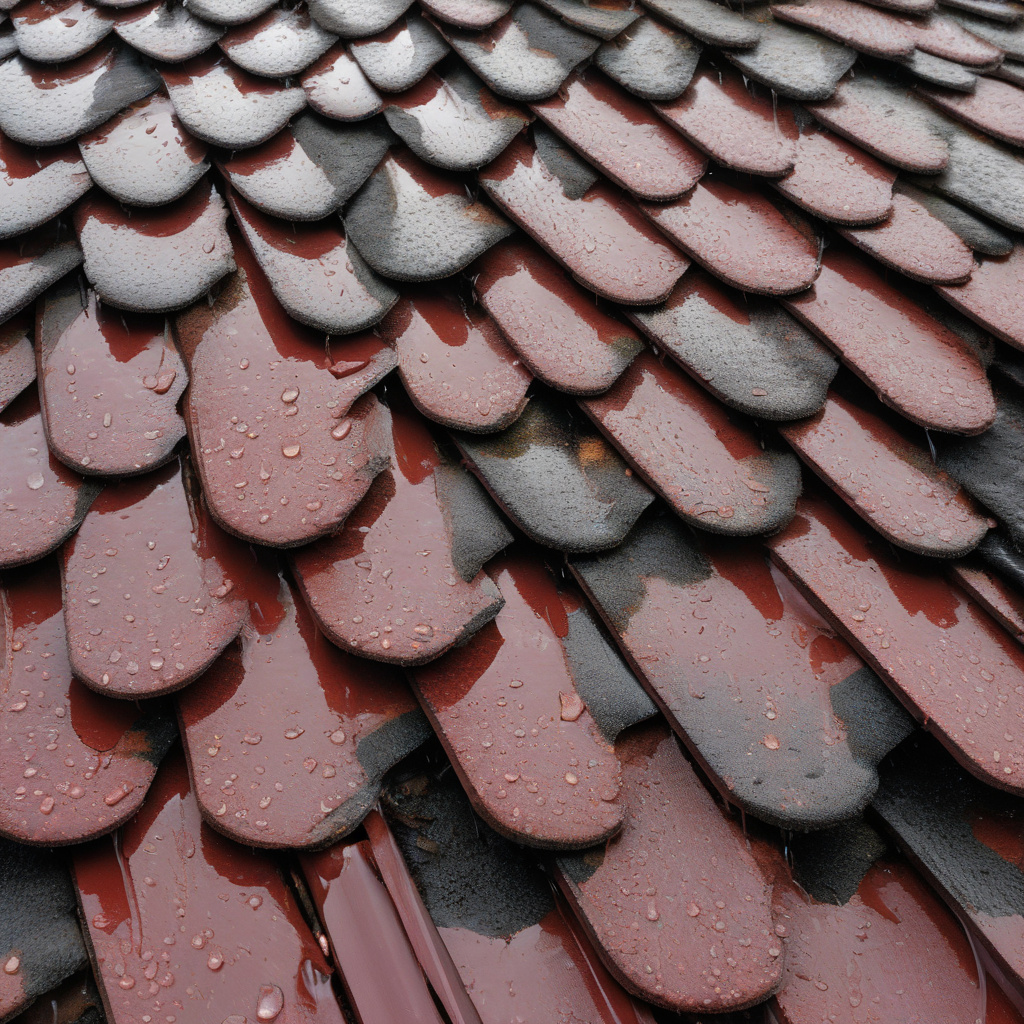
If there’s one thing Los Angeles homeowners can count on, it’s the sun relentlessly scrutinizing their rooftops day after day, testing every tile and shingle with its unwavering blaze. Yet, even in this land of perpetual sunshine, myths about roofing reign supreme, perhaps more stubborn than the infamous Los Angeles traffic. From the illusions of maintenance-free tile roofs to the misbelief that cool roofs can send air conditioners into early retirement, these notions often lead to headaches more severe than a Hollywood divorce settlement.
Brief summary: This article demystifies common roofing misconceptions among Los Angeles homeowners, highlighting the realities behind cool roofs and tile roof maintenance. It explores the financial and practical consequences of these myths while offering insights into renovation trends and reliable practices. Homeowners are guided through informed decision-making to avoid costly surprises.
The Myth of Maintenance-Free Tile Roofs
Picture this: the quintessential Southern California home, basking under the sun, adorned with iconic terracotta tiles that whisper stories of charm and endurance. For many, tile roofs are synonymous with elegance and permanence. However, the myth that they require zero upkeep could not be further from the truth. Regular attention is essential to prevent these tiles from sliding out of place or cracking under pressure. Homeowners are often lulled into a false sense of security until they realize their stunning Italianate masterpiece has transformed into an inadvertent rendition of modern art.
Contrary to popular belief, Los Angeles, despite its arid essence, is not immune to the cunning wrath of nature. Over time, wind, rain, and even occasional seismic activity contribute to the wear and tear of tile roofing, begging the question: Isn’t it better to conduct regular inspections than to face a larger rebuilding bill? Many experts advocate for annual check-ups, ensuring that both aesthetic and structural integrity remain intact. For more guidance, consider reading in-depth tile maintenance insights that offer practical advice.
Neglecting tile roofs can escalate into significant problems, turning what could have been a simple repair into an extensive overhaul. It’s crucial to discern between the romanticized image of timeless tiles and the reality of their care requirements. Regular washes, grime removal, and moss treatments can elongate a roof’s lifespan, promising many more sun-drenched years ahead.
Ultimately, a diligent approach to maintenance is far more cost-effective than facing the repercussions of neglect. This proactive stance can safeguard both wallet and aesthetic charm while providing peace of mind amidst those famous LA sunsets.
According to a recent industry analysis, routine maintenance can extend the life of a tile roof by up to 30% while reducing unforeseen repair costs by almost 50%.
Cool Roofs: Chilling the Exaggerations
In a city that embraces green initiatives almost as zealously as it does flash flooding alerts, cool roofs have emerged as the savior of sustainability, hailed for their ability to reflect more sunlight and absorb less heat. Yet, some homeowners might simply install one, expecting the AC to join the ranks of obsolescence. Despite their benefits, cool roofs are part of a larger ecosystem of energy efficiency, rather than a panacea.
Cool roofs indeed lower the average roof temperature, potentially diminishing the need for constant air conditioning use. However, it’s crucial to recognize that these systems work best alongside a more comprehensive approach to home energy efficiency. Many local experts suggest pairing these modern marvels with enhanced insulation and energy-efficient windows to truly optimize indoor temperatures.
One must also consider that while cool roofs reduce heat absorption, they do not entirely eliminate the need for air conditioning, especially during those aggressively warm Santa Ana days. This can be a myth many homeowners learn the hard way, abruptly reminded of reality when faced with escalating utility bills during a heatwave.
Therefore, while investing in a cool roof is unquestionably beneficial, understanding its role within the broader spectrum of home improvements remains key. Combined with other energy-saving measures, these roofs can significantly contribute to a more sustainable and cost-effective household.
A recent survey among Los Angeles homeowners revealed that 79% of those with cool roofs noticed a reduction in energy bills, although only 45% reported a significant decrease in AC use.
Decoding the Costs of Roofing Materials
As anyone who’s ventured into the world of Los Angeles real estate knows, every upgrade translates to a dance of dollars. When it comes to roofing, the choice of materials plays a starring role in determining not only the costs but also the longevity and reliability of a renovation project. The materials selected can drastically influence budget forecasts and timelines, so making informed decisions is imperative.
For those contemplating a rooftop renaissance, consider diving into the detailed analysis of how different materials impact expenses. This could save you from budgetary ambushes while guiding you towards choices that align with both style and durability standards.
| Material | Average Cost per Sq. Ft. | Lifespan | Maintenance Needs |
|---|---|---|---|
| Asphalt Shingles | $3 – $5 | 15-30 years | Low |
| Tile | $8 – $14 | 50+ years | Moderate |
| Metal | $7 – $10 | 40-70 years | Low to Moderate |
Whether considering the budget-friendly nature of asphalt or the enduring charm of tile, understanding each material’s nuances can help homeowners make decisions that meet both aesthetic dreams and financial realities. While upfront costs are an essential consideration, the long-term savings from choosing a more durable material often justify the investment.
Choosing the right material can be as consequential as choosing the right neighborhood, ensuring your home not only looks its best but also stands resilient against the years that follow.
Reports from the National Roofing Contractors Association highlight that investing in higher-quality materials often results in reduced long-term costs due to decreased need for frequent repairs.
Evaluating the Risks and Rewards of Rooftop Renovations
Embarking on a roofing project is no small feat and involves navigating a sea of potential pitfalls and payoffs. One of the most frequently forgotten truths is that risks and rewards co-exist in any renovation endeavor. While the allure of a newly polished rooftop could promise enhanced curb appeal and potentially increased property value, it’s vital to weigh this against the realities of the process.
Los Angeles homeowners must consider local factors such as seismic activity and unique weather patterns when planning a renovation. Certain roof types may offer superior resilience against the tremors felt along the San Andreas fault line. Choosing the right contractor is equally crucial; working with a trusted professional reduces the likelihood of encountering unwelcome surprises.
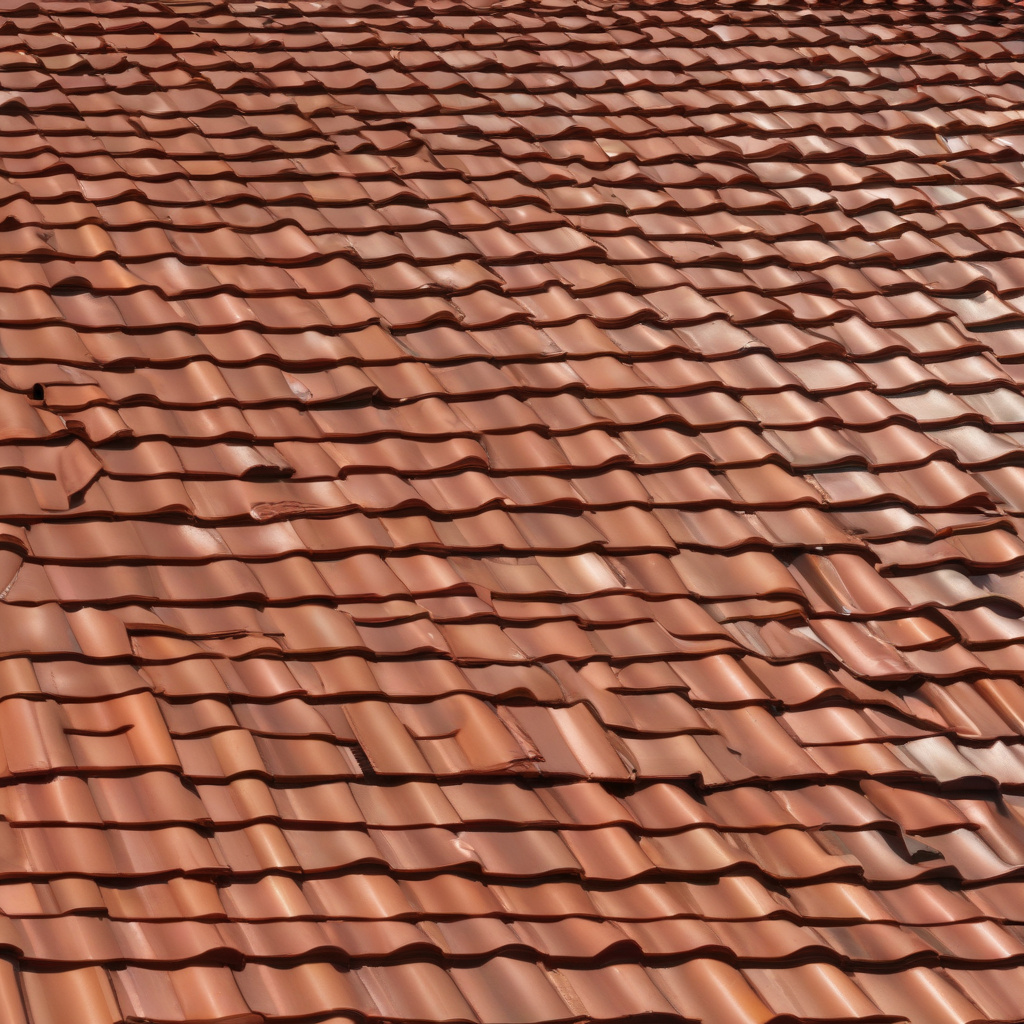
Furthermore, while the rewards of a successfully executed roofing project are many, the spectrum of potential risks is not to be overlooked. Proper planning and execution can mitigate these risks, maximizing the value of the investment and securing the living conditions within.
The balance lies in informed choices and awareness of the involved responsibilities. These decisions can ultimately shield against potential financial setbacks, allowing more focus on enjoying the newfound aesthetics.
A Practical Guide to Roofing Decisions
Making the right roofing choice involves more than just selecting a color that matches the house. It calls for a strategic approach, considering everything from regional demands to personal preferences. Here’s a step-by-step guide to ensure you make the right decision:
First, assess the specific requirements of your property. Is the landscape prone to certain weather extremes, like wind or unexpected rainfall? Understanding your property’s unique conditions is critical for selecting an appropriate roofing material.
Step 1: Understand Your Climate
The climatic demands of Los Angeles significantly influence the roofing process. With its characteristic dry heat interspersed with sudden downpours, roofing solutions should account for these variances. Homeowners should prioritize materials that protect against moisture while providing insulation against heat.
Step 2: Budget Wisely
Budgetary constraints will naturally influence decisions, dictating whether one tilts towards economical asphalt or the more extravagant tile. Evaluating long-term costs against upfront expenses can offer a clearer financial perspective, allowing for more thoughtfully directed spending.
Step 3: Research and Consult
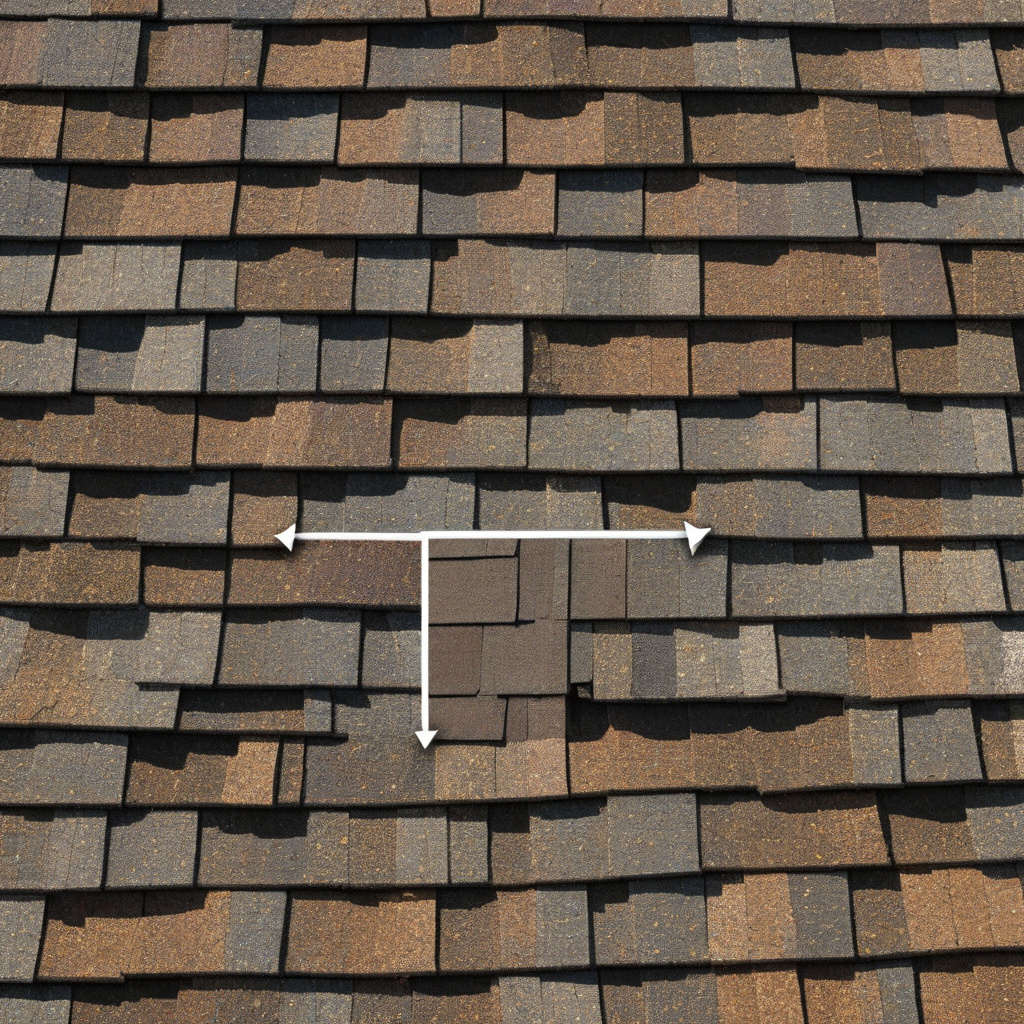
Finally, research is paramount. Drawing comparisons such as those between different types of shingles can provide valuable insight. Consulting with professionals offers clarity, especially when balancing potential solutions against the project’s intricacies.
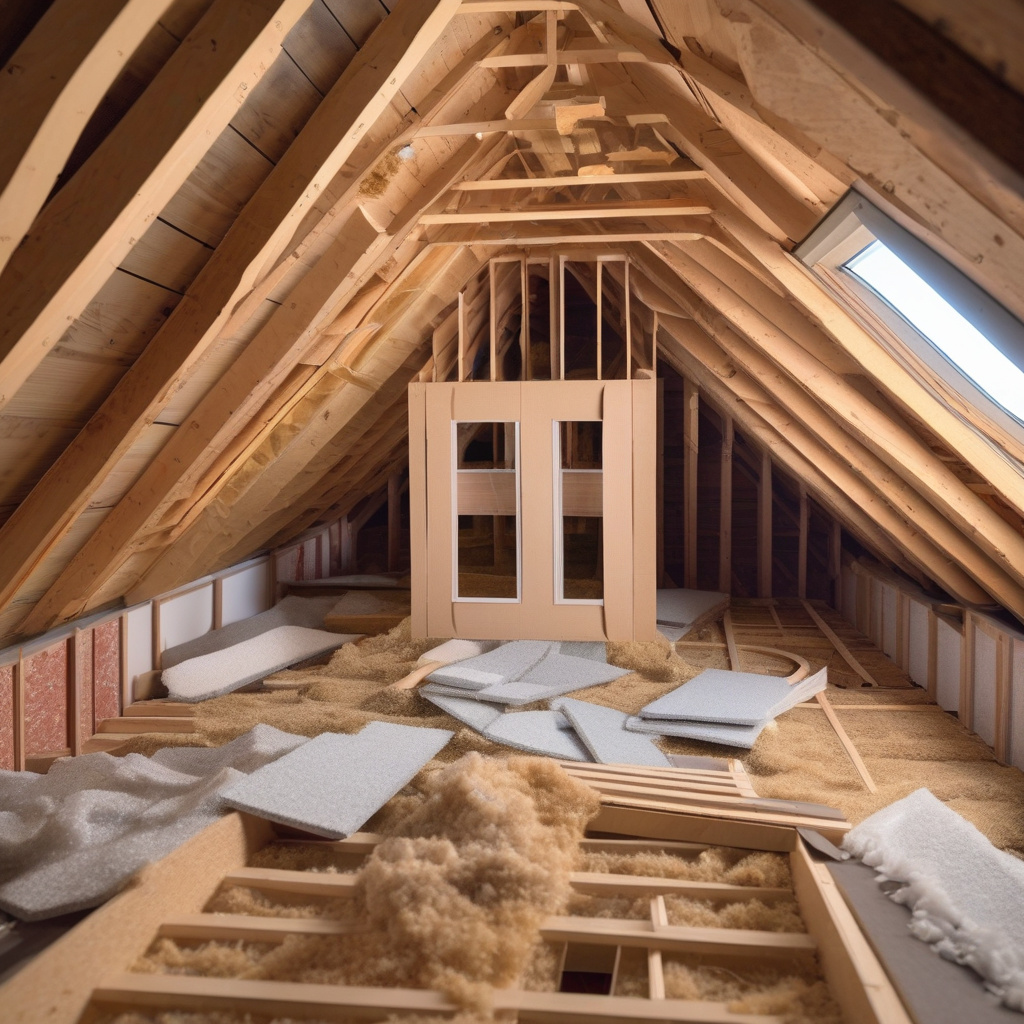
With each step carefully considered, the end result not only reflects a home that is aesthetically pleasing but also safely shields its inhabitants from the unpredictabilities of life and weather.
The Road Ahead: Reflection and Reality
As Los Angeles homeowners continue to embrace renovation projects, each choice resonates with both historical and practical implications. While myths may serve as starting points for discussion, dispelling these misconceptions opens doors to informed decisions and enhanced living conditions.
Recognizing the importance of maintenance and the benefits of innovative materials empowers homeowners. It allows them to transform their rooftops into not just aesthetic statements, but enduring shields against the ever-shifting weather of the city.
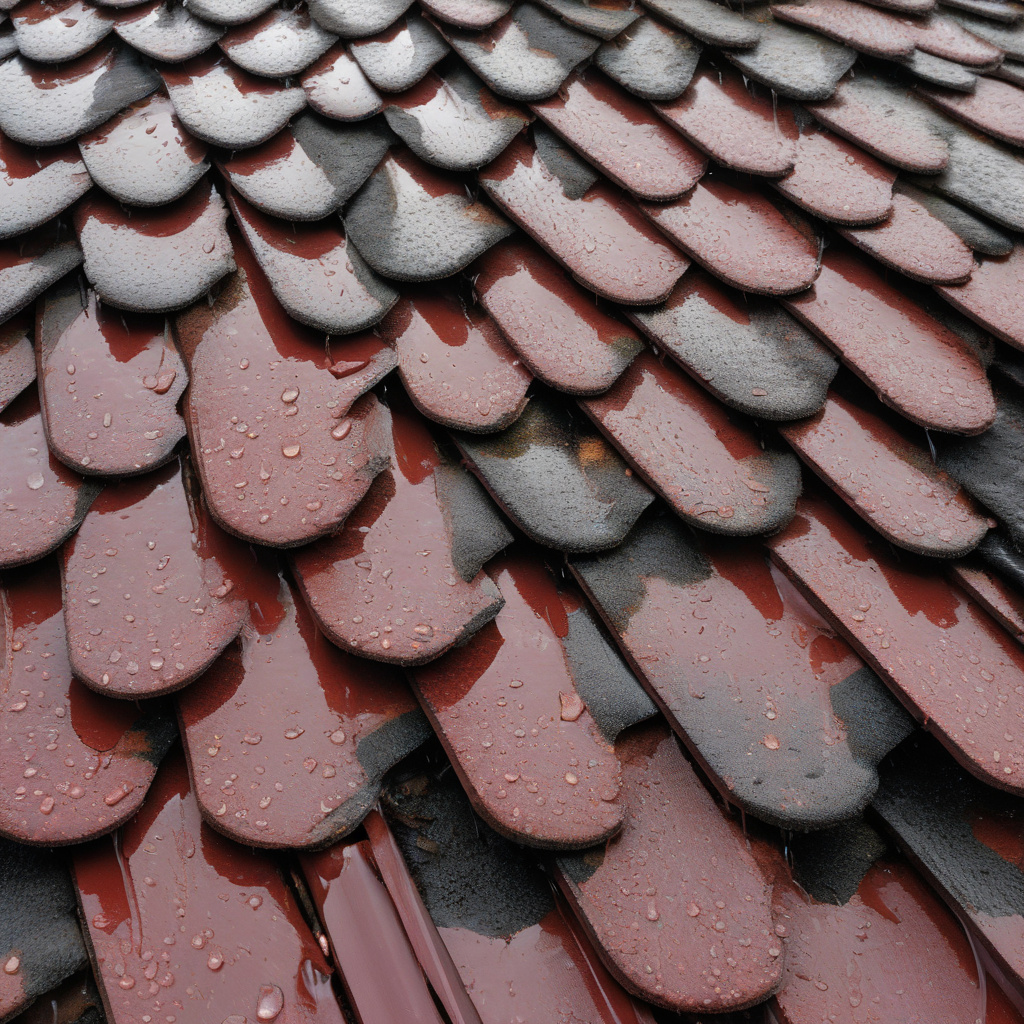
In the end, the goal remains simple: create a space that complements both the nuanced expectations of L.A.’s architectural beauty and the practical realities of everyday resilience.
- Regular roof maintenance can prevent major unforeseen damage.
- Cool roofs help with energy efficiency but don’t replace AC needs entirely.
- Understanding material costs and benefits is crucial for decision-making.
- Weighing risks and rewards mitigates potential renovation challenges.
- Thorough research and expert consultation enhance project outcomes.
“`html
FAQ
Do cool roofs eliminate the need for air conditioning in LA homes?
While cool roofs are designed to reflect more sunlight and absorb less heat than a standard roof, they do not entirely eliminate the need for air conditioning. In real renovation projects, it becomes evident that cool roofs significantly reduce cooling costs, but are most effective when combined with proper insulation and ventilation. The climate in Los Angeles can still reach sweltering temperatures, necessitating some AC use. Many experts recommend considering cool roofs as a component of an overall energy-saving strategy, rather than a standalone solution.
Are tile roofs truly maintenance-free?
Tile roofs, celebrated for their longevity and aesthetic appeal, are often misconceived as maintenance-free. However, in practice, even the most durable materials require occasional upkeep. Homeowners frequently underestimate the impact of strong winds and debris, which can dislodge tiles. Regular inspections to check for cracked or missing tiles can prevent costly water damage. Furthermore, the underlying components, such as the underlayment, decay over time. It’s wise to inspect these elements every few years, particularly in older properties.
What are the main benefits and limitations of a cool roof?
Cool roofs provide several benefits, including reduced energy bills due to lower air conditioning needs and increased indoor comfort during hot months. They also contribute to urban heat reduction, enhancing environmental sustainability in cities like Los Angeles. However, one limitation is the initial cost, which can be higher than traditional roofs. Another consideration is that while cool roofs perform well in hot climates, they may not provide the same energy savings during cooler months, potentially affecting overall energy balance in mixed climates.
Why do some homeowners in LA choose not to upgrade to a cool roof?
In many cases, homeowners may refrain from upgrading to a cool roof due to budget constraints or satisfaction with their current roofing performance. Renovation experts point out that some homeowners are unaware of the long-term savings cool roofs offer or overestimate the disruption involved in replacing an existing roof. Additionally, architectural aesthetics and historical preservation concerns play a significant role, particularly in regions with older properties. It’s crucial to weigh these factors against potential energy savings and increased comfort.
What common mistakes do homeowners make about roofing maintenance?
A frequent error homeowners make is neglecting regular maintenance due to the false belief that modern roofs are self-sufficient. Another oversight is delaying minor repairs that can escalate into significant issues, like leaks during the rainy season. Real-world observations reveal that drains and gutters often go unchecked, leading to blockages that compel water back onto the roof surface. To mitigate these mistakes, homeowners should schedule semi-annual roof check-ups and clean out debris buildup from storm events promptly.
How does a tile roof compare to a shingle roof in terms of cost and maintenance?
Tile roofs usually incur higher upfront costs than shingle roofs, but many experts point out that they can outlast their counterparts by decades with proper maintenance. In terms of upkeep, shingle roofs may need more frequent repairs and replacements, since shingles are prone to curling and weather damage. In contrast, tile roofs, though more durable, can be cracked by impact or shifted by strong winds. This makes them ideal for winding neighborhoods but often requires occasional tile replacement. When deciding between the two, consider the climate conditions and aesthetic preferences.
What is the financial return on investing in a cool roof?
Investing in a cool roof often comes with an appealing financial return due to reduced energy bills. The savings usually become noticeable within a few years, especially given the high air conditioning costs common in Los Angeles. Many construction managers say that homeowners with a comprehensive approach, including proper insulation and ventilation, see the most substantial returns. While the initial cost can be steep, various rebates and incentives help reduce the financial burden, making it an economically feasible choice for many looking to minimize long-term expenses.
How can I determine if my roof needs maintenance or replacement?
Determining whether a roof needs maintenance or replacement can be complex. In consultation with many renovation experts, one practical approach is to inspect for visual signs such as missing or curling shingles, cracked tiles, and moss growth. Inside the home, water stains on ceilings or walls may indicate leaks. Age is a significant factor too; if your roof is over 20 years old, it might be time for a closer evaluation. For a detailed assessment tailored to your specific situation, feel free to get in touch with a professional who can provide an expert inspection and advice.
“`