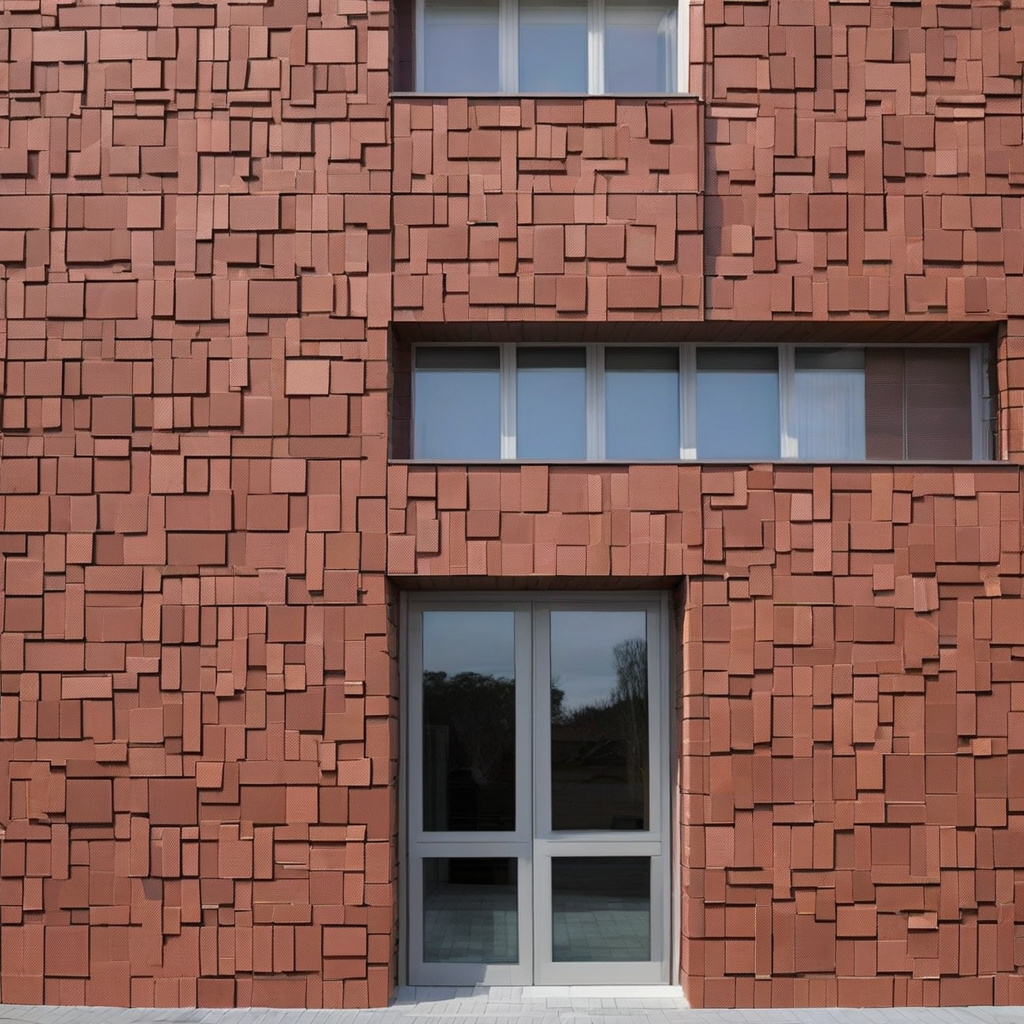
Trudging through the vibrant streets of Los Angeles, it’s hard not to notice the myriad of architectural styles reflecting the city’s diverse spirit. Among them, one renovation trend is quietly sweeping the scene: facade thermal panels with clinker tiles. These modern marvels of construction not only promise elegance but also whisper sweet financial savings to every wary homeowner’s ears. But, are these panels truly the upgrade they seem, or is the devil in the details?
Brief summary: Facade thermal panels with clinker tiles offer both aesthetic appeal and cost efficiency but come with their own set of installation challenges and maintenance needs. This article examines the benefits and drawbacks of these panels and offers insights on proper installation techniques for homeowners in Los Angeles.
What you should know about facade thermal panels
Facade thermal panels have swiftly become a staple for exterior renovations, particularly in cosmopolitan areas like Los Angeles. They’re adored for their dual ability to insulate homes while providing a chic veneer that mimics more traditional materials. Homeowners frequently rave about their ability to cut down energy costs by as much as 30%, a figure that’s both impressive and engaging enough to toy with your home improvement budget.
Indeed, the allure stretches beyond mere savings. The panels offer a customizable aesthetic, allowing a blend of old-world charm and modern efficiency. Designed to replicate the appearance of brick, stone, or wood, these panels offer a level of flexibility that rivals even the most bespoke design elements.
Yet, as with every architectural advancement, there are nooks of complexity hidden beneath the surface. Installation can be a labyrinthine endeavor, best left to professionals who appreciate its nuanced intricacies. Unsurprisingly, without proper oversight, the risk of void spaces or thermal bridging becomes a considerable concern.
Despite these hurdles, thermal panels remain a formidable choice for transforming mundane facades into envious works of design. Embracing this option means inviting a wave of innovation into your home’s sanctuary.

According to a recent study, energy-efficient home renovations can increase property value by up to 10-15%, proving that style coupled with savings creates a lasting appeal.
Advantages of clinker tile thermal panels
One of the primary attractions of clinker tile thermal panels is their remarkable energy efficiency. In Los Angeles, a city notorious for its sunlit vibrancy, keeping indoor temperatures regulated without excessive reliance on air conditioning systems feels like a win in every homeowner’s manual. Not to mention, clinker tiles themselves are inherently robust, with durability that laughs in the face of harsh weather conditions.
Aesthetically, clinker tiles impart a timeless elegance akin to a classically designed face. Their rich color palette is bound to resonate with homeowners seeking a nostalgic connection amid modernity. Additionally, these panels serve as a commendable deterrent against mold and mildew, allowing facades to retain their pristine condition year-round.
Adding to the armory of advantages is simplicity in maintenance. These panels demand minimal upkeep, saving time—and more crucially—saving precious Sunday afternoons from the drudgery of constant cleaning. The sound insulation they’ve been designed to provide is simply the cherry on top, transforming urban chaos into muted serenity.
The value proposition culminates in reduced utility bills coupled with aesthetic enhancement—a long-term vision for residents ready to invest in sustainable living. Emphasizing these elements, clinker tile thermal panels squarely position themselves within intelligent home improvement.
Real-life application: A Los Angeles homeowner’s experience
Consider the tale of one Los Angeles homeowner who embarked on wielding these panels in a historic downtown residence. Faced with unpredictable weather swings and an intrinsic urge for architectural relevance, this choice quickly fortified home security while aligning with city regulations. Neighbors observed a burgeoning interest in the thermal panels, inspired by their seamless journey from installation to integration.

How to choose between different installation methods
Selecting the appropriate installation technique for clinker tile thermal panels is akin to picking the right gear for a mountaineer. These panels, while seemingly user-friendly, require deliberate consideration of various factors. Opting for professional installation is often recommended, ensuring accurate alignment and enhancing durability.
Some homeowners, emboldened by the spirit of DIY, might choose to brave the installation themselves. However, this path is riddled with potential pitfalls—misalignments and incomplete seals could jeopardize energy efficiency. Researching the installation intricacies or consulting skilled contractors could mitigate such risks.
For those contemplating the endeavor, thorough site preparation is paramount. Ensuring a level base and adequate insulation underlayment can prevent common issues like moisture infiltration and uneven surfaces. Local resources in Los Angeles, including specialized asphalt and paving services, can bolster the installation process.
Ultimately, aligning your technique with your home’s specific architectural needs, and leveraging professional expertise or detailed DIY guides, will define the success of your façade’s transformation.
An industry veteran once quipped, “Proper preparation prevents poor performance,” which rings true in the arena of facade renovations. Tenacity coupled with tepid oversight will see your project realized with finesse.
Disadvantages that must be acknowledged
No exploration of facade thermal panels would be complete without acknowledging the proverbial rain cloud to these silver linings. Installation costs can escalate if additional groundwork or environmentally-friendly materials are required. Potentially daunting upfront costs can deter even the most enthusiastic renovators.
Opponents of these panels often cite challenges around compatibility with legacy building designs. In historic districts scattered around LA, balancing modern materials with culturally significant aesthetics might necessitate custom solutions or compromise entirely. Such compromises can ripple through a project budget, testing patience and wallets alike.
Maintenance, though minimal, is not nonexistent. Periodic examinations for any potential damage, especially post-storm, should become a routine practice for vigilant homeowners. Additionally, replacement costs for damaged panels, though infrequent, remain a financial caveat.
Despite its allure, the clinker tile thermal panel must be acknowledged for its shadowed side. Informed buyers navigate their purchase path through these disadvantages, emerging with an educated choice concerning their home’s beloved facade.
Comparing renovation methods
| Method | Pros | Cons |
|---|---|---|
| Thermal Panels | Energy-efficient, aesthetically pleasing | Installation complexity, high upfront cost |
| Traditional Brick | Classic look, durable | Heavy, expensive |
| Wood Siding | Natural aesthetic, eco-friendly | Maintenance intensive, less durable |
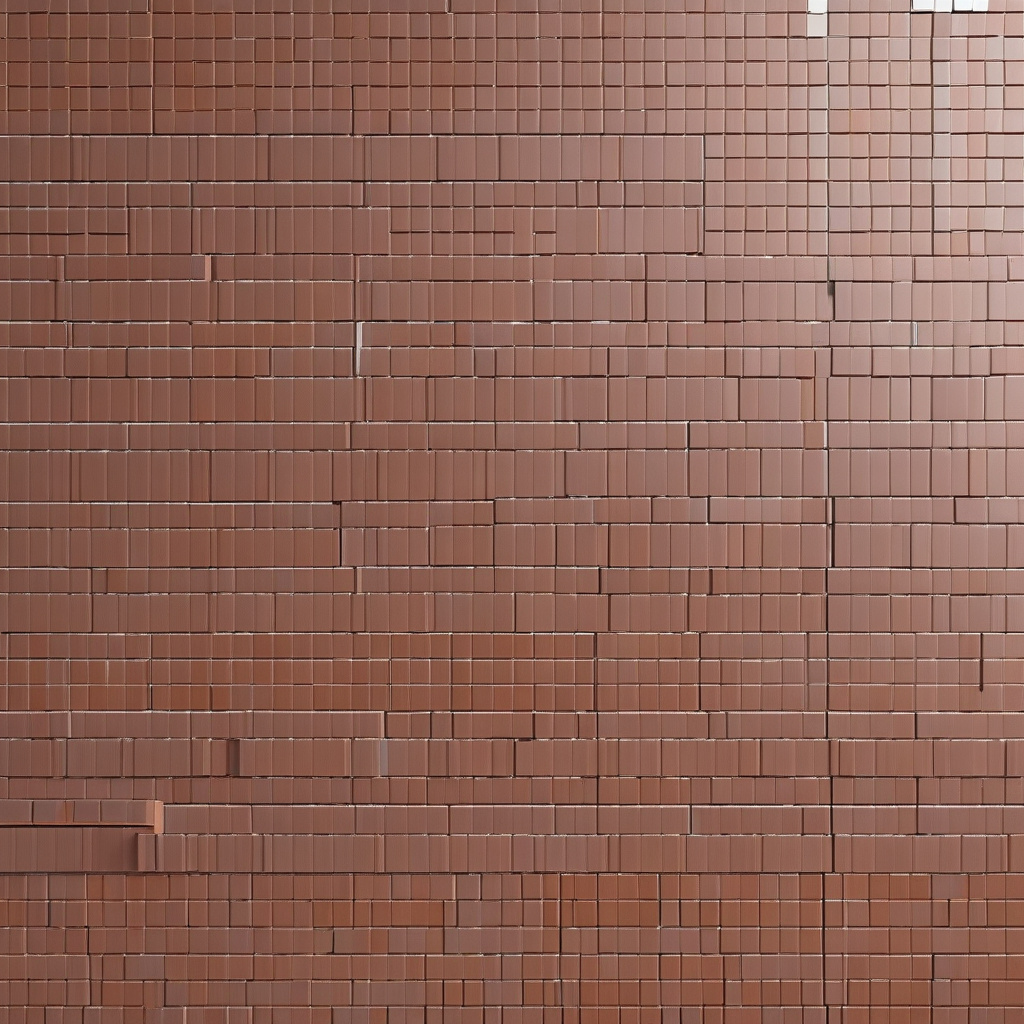
Installation tips for a flawless facade
Embarking on the journey of installing clinker tile thermal panels necessitates a meticulous plan ensuring every step is carefully executed. The quest for a flawless facade begins with choosing high-quality panels. Evaluate product specifications closely and survey manufacturer reviews to sidestep common pitfalls.
Preparation is indeed half the battle. Make your architecture a canvas; clean surfaces of debris and ensure smoothness, diminishing the risks of unsightly gaps. Professional installers in Los Angeles consistently emphasize this preparatory phase, echoing its invaluable contribution to success.
Next, adhere to a strategic layout process. Mapping panel placements prior to application minimizes errors and allows for coherent design continuity. Only then should panels be secured, firmly locked into place, echoing the kind of precision that turns heads and wins accolades.
Finally, apply protective coatings or joint fillers as recommended during installation. Familiarizing oneself with proper procedures through step-by-step guides like those offered at jointing facade tiles can enhance your installation’s longevity and aesthetic appeal, resulting in jubilant neighborhood admiration.
“Good design is obvious. Great design is transparent,” wrote the legendary Joe Sparano. This parallels our efforts to make facade enhancements seem effortless but undeniably impactful.
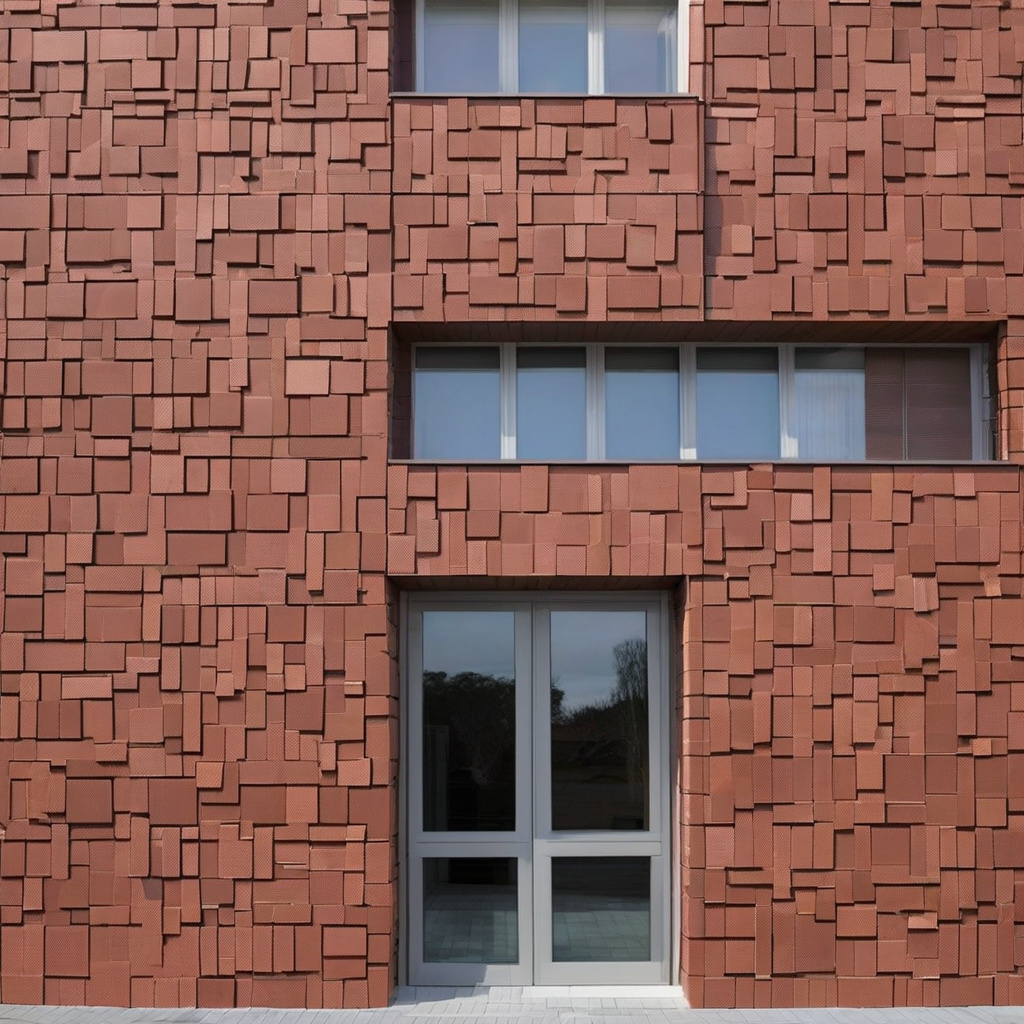
Conclusion: Balancing renovation choices
Facade thermal panels with clinker tiles undoubtedly offer a compelling case for modern renovations, especially under the California sun. They marry the allure of efficiency with undeniable beauty, creating an irresistible siren call for the environmentally conscious homeowner. Yet, as with any renovation endeavor, informed decisions are imperative.
With a deep understanding of their merits and demerits, homeowners venture into a world of possibility, armed with a foundation cushion guide or insights into facing brick selections, enriching their architectural lexicon. Whether installing for enhanced appeal or energy savings, evaluating individual needs against market trends ensures informed choices are made.
Beyond the drawing board, it’s imperative to accept that each renovation path weaves both risks and opportunities. By minding this intricate dance of construction mastery, blending the old with the new, and remaining steadfast amidst challenges, homeowners sculpt not just residences, but havens.
- Facade thermal panels with clinker tiles are popular for energy efficiency and elegance.
- Installation complexity and upfront costs are significant considerations.
- Effective installation requires meticulous site preparation and strategic planning.
- Comparing other facade options can reveal diverse pros and cons tailored to specific needs.
- Properly installed facades can significantly increase property value and aesthetic appeal.
“`html
FAQ
What are facade thermal panels with clinker tiles?
Facade thermal panels with clinker tiles combine insulation materials with a decorative finish that resembles traditional brickwork. In many renovation projects, homeowners find these panels attractive because they improve energy efficiency while achieving a classic look. Acting as both a thermal barrier and a visual enhancement, they’re often chosen for older properties looking to add both style and modern efficiency. This dual-purpose capability makes them a smart choice for many Californian homes, where regulations increasingly demand heightened energy performance.
What are the advantages of using thermal panels with clinker tiles?
The primary advantage of these panels is their enhanced insulation properties, leading to lower energy bills and increased comfort. Many professionals appreciate the quick installation process, which reduces labor costs and time. Homeowners often admire how these panels handle weather extremes—maintaining appearance and performance. Moreover, the clinker tile surface is durable and low-maintenance, rarely requiring more than an occasional wash. In real renovation projects, it’s clear that their combination of aesthetics and functionality is unmatched.
Are there any disadvantages to consider?
Despite many benefits, these panels can sometimes pose challenges. For instance, their initial cost can be higher than simpler siding options. There’s also the need for precise installation—errors can lead to moisture issues. It’s a common misunderstanding that any contractor can install them. However, precision is key. In real projects, inexperienced installers may overlook necessary details, leading to costly fixes. Thus, it’s crucial to hire specialists who are familiar with these products.
How do I choose the right facade thermal panels for my home?
Selecting the perfect panels involves evaluating both aesthetic preferences and performance needs. Consult with a renovation expert to assess the climate impact on your property—California’s unique weather patterns demand considerations for UV resistance and insulation. Many homeowners find success by matching panel types to their existing architecture to maintain coherence throughout the property. Reviewing samples in person also ensures texture and color meet expectations under natural light. For personalized advice, consider connecting with renovation professionals for tailored guidance.
When does it make sense to invest in facade thermal panels?
Investing in thermal panels is particularly advantageous when upgrading older homes lacking modern insulation. They are ideal for single-family homes aiming to boost energy efficiency while renewing their exterior. Many Californians elect these panels during large-scale renovations or when compliance with new energy regulations is necessary. It’s clear from numerous remodels that panels offer both immediate and long-term returns by reducing heating and cooling needs significantly.
What common mistakes should be avoided during installation?
One prevalent mistake is underestimating the importance of surface preparation—ensuring the wall is dry and free from any old adhesive or imperfections is crucial. Misaligning panels can lead to gaps, undermining both aesthetics and insulation. It’s not uncommon for DIY enthusiasts to neglect the necessary gap around windows and edges for expansion. Homeowners should always opt for skilled professionals to handle the install to avoid these pitfalls. In practice, professional installers ensure all elements align correctly—avoiding buckle and warp issues over time.
How do installation costs compare to other facade options?
Installation costs for facade thermal panels with clinker tiles may initially appear higher than standard siding options due to material quality and the skilled labor required. However, when factoring in long-term energy savings and reduced maintenance requirements, many conclude that they offer superior value. Real case studies from renovations show a notable balance: while upfront investment is considerable, the extended lifespan and efficiency dividends often offset this over time, making them a financially wise choice.
What are maintenance tips for these panels?
While clinker-tile thermal panels are durable, regular inspections can prevent potential issues. Checking for loose tiles or signs of water ingress, especially after heavy rains, helps maintain integrity. Cleaning the surface with a gentle power wash every couple of years is advisable to keep them looking pristine. In my experience, ignoring small troubles like chipped corners can lead to bigger repairs down the line. Keeping up with simple routine checks ensures longevity and protects your investment well.
“`