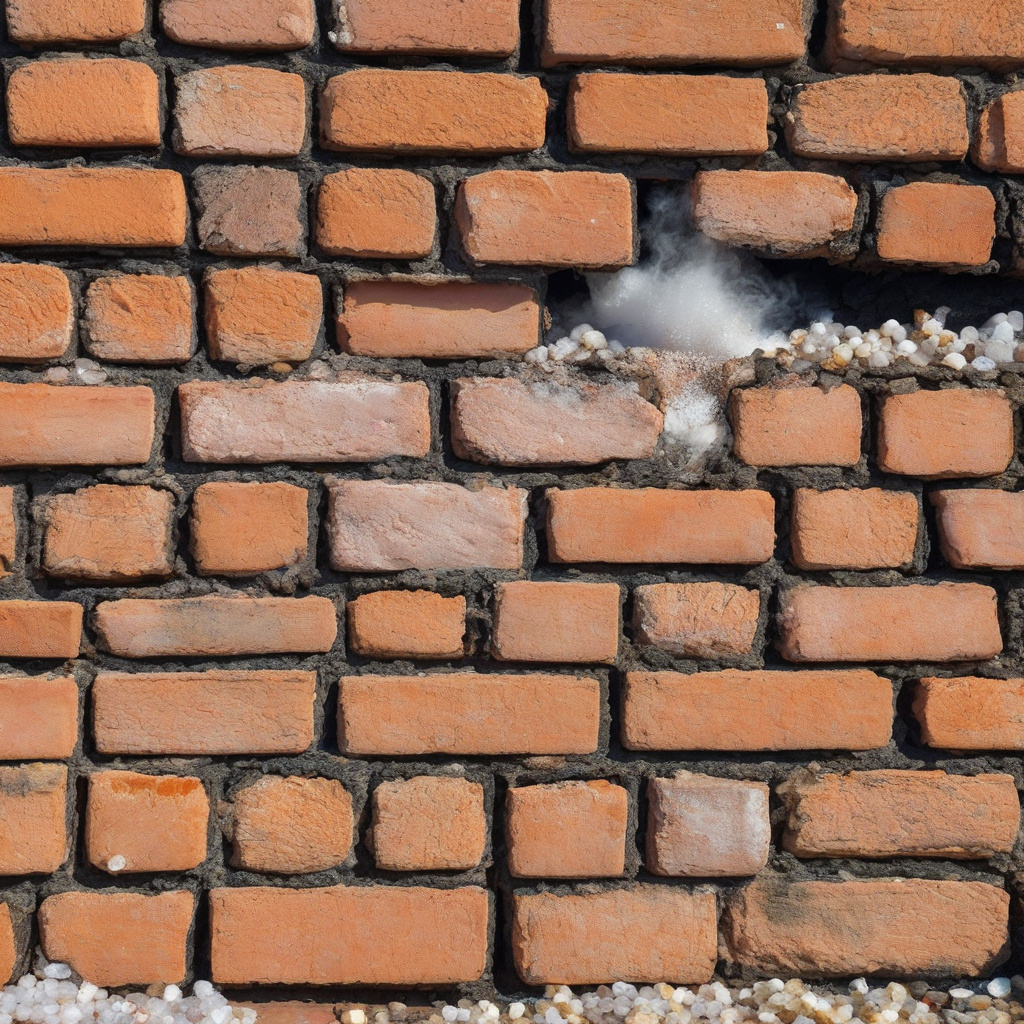
Efflorescence, the powdery white substance that mysteriously appears on brick walls, is a common nuisance faced by homeowners and renovators alike. In the vibrant neighborhoods of Los Angeles, where the aesthetic appeal of bricks is often a hallmark of vintage charm and modern design, dealing with efflorescence becomes particularly pressing. Understanding both why it occurs and how to tackle it is essential for preserving the visual and structural integrity of your brickwork.
Brief summary: Unravel the mystery of efflorescence—its causes, impacts, and solutions—in the context of Los Angeles homes. This article delves into practical DIY strategies to manage and prevent this common issue, ensuring your property retains its charm and functionality.
What you should know about efflorescence
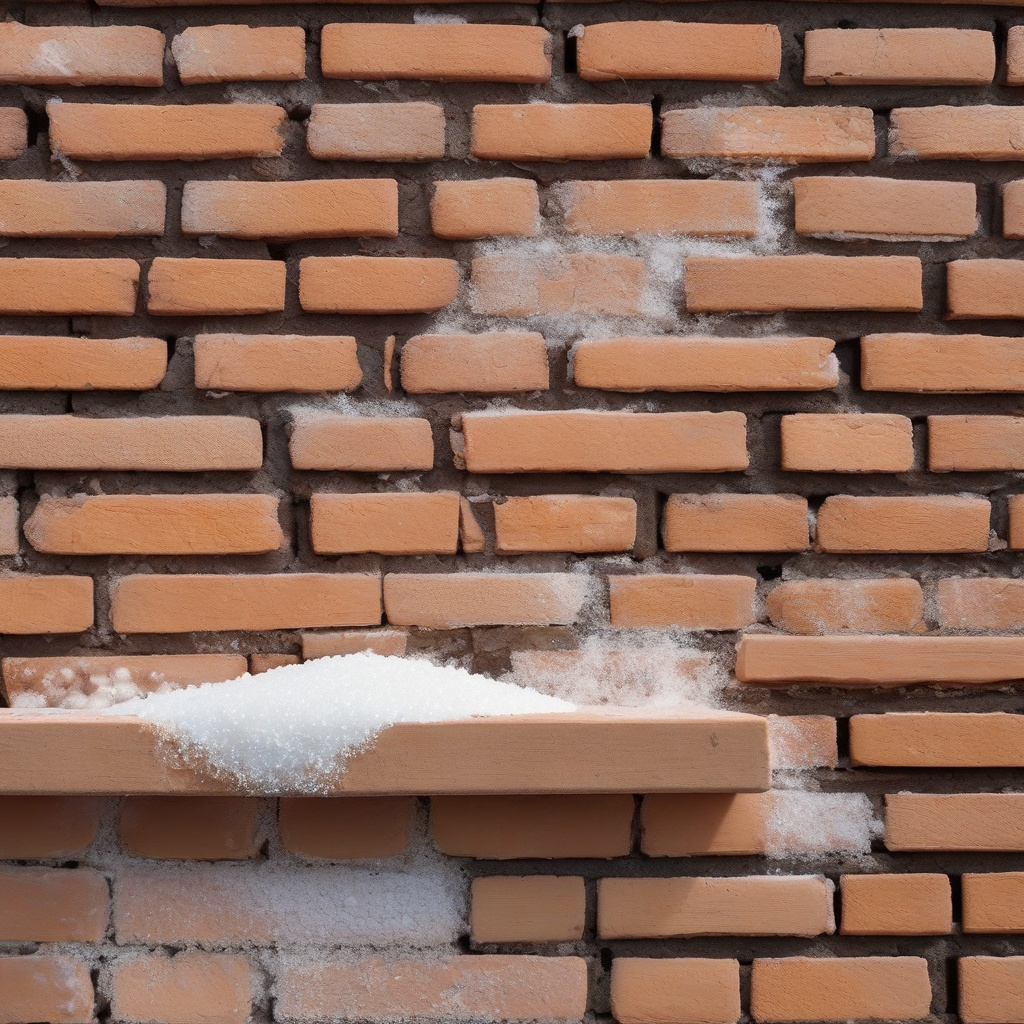
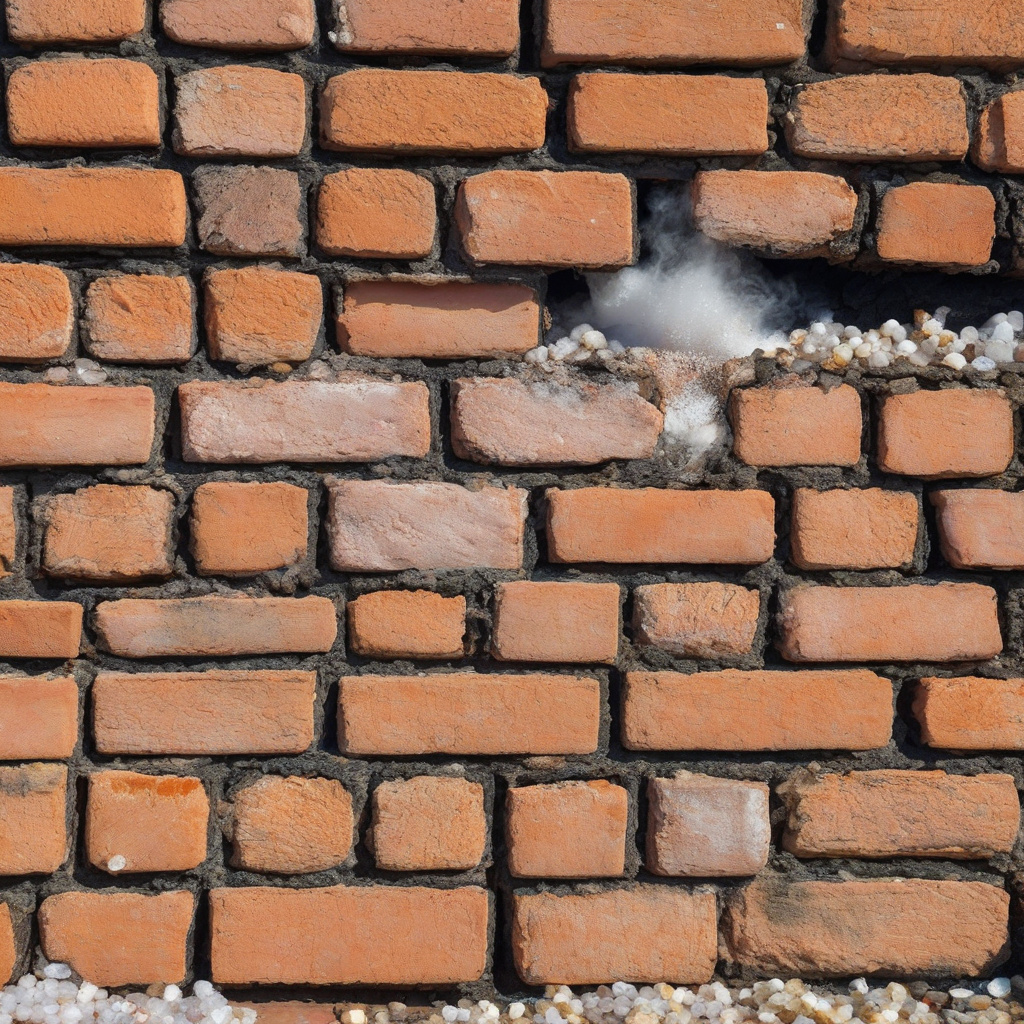
Efflorescence occurs when water-soluble salts seep through brickwork. As the water evaporates, it leaves behind a chalky residue. This phenomenon isn’t just an eyesore; it can indicate broader moisture problems within the masonry. In Los Angeles, characterized by its unique mix of coastal and dry climates, understanding this process is vital for maintaining your home’s aesthetic and structural robustness.
The salts originate from the various materials embedded within or around your brickwork, including cement, mortar, and brick themselves. As precipitation or groundwater infiltrates the masonry and then evaporates, it draws out these salts to the surface. Such occurrences surge when seasons change, especially during the wet winter months turning into spring.
For anxious homeowners keen on preserving the value of their property, especially in a competitive real estate market like Southern California’s, dealing with unchecked efflorescence is non-negotiable. It could be an early signal of underlying issues such as improper drainage or the absence of effective moisture barriers—problems which, if unresolved, might lead to more serious structural damages.
Recognizing efflorescence not merely as a superficial problem but a potential harbinger of greater concerns transforms prevention from optional to essential. Acknowledging this ahead of tackling the issue can ease both costs and efforts in the long run.
Identifying the signs and underlying causes
Efflorescence shows itself through much more than a fleeting powdering on your walls. It emerges as a story of your masonry’s health and the environmental interplay. Spotting salt residues at not only ground level but also where masonry meets roof or window seals can indicate where moisture is maliciously collecting.
In Los Angeles, the typically mild winters and dry summers exacerbate particular issues, making understanding the full spectrum of causes crucial. Factors such as improper ventilation, high groundwater tables, or poorly placed sprinklers contribute to moisture saturation, fueling efflorescence.
An efficient approach begins with a thorough home inspection. Check sealants, joints, and gutters to detect potential points where water ingress might occur. This first line of investigation is pivotal in not only cleaning but also preventing recurrence.
Effective tools such as moisture meters can provide insights into problem areas. Being proactive in these discoveries can alleviate greater future repairs and help protect your home’s fundamental integrity.
Role of climate and environment
The dance between Los Angeles’ arid and humid conditions makes climate a significant player in efflorescence formation. Coastal areas, in particular, contend with salt-laden sea breezes, potentially compounding salt deposits already present in your bricks.
However, urban microclimates—those little pockets where concrete meets nature—can alter even these common patterns. Homes surrounded by lush landscaping or heavy irrigation systems are more susceptible to persistent moisture presence, mounting soil salinity, and subsequent efflorescence.
Understanding your environment’s specific role is critical. Adapting preventative measures to mitigate these local challenges can dramatically improve your fight against efflorescence.
The broader context of environmental impact deserves a look, especially if your property resides in a pivotal area like the San Fernando Valley, where plenty of paving projects can influence water flow and drainage dynamics.
Efflorescence versus property values
An often overlooked aspect is the impact of efflorescence on property value. Potential buyers in upscale Los Angeles neighborhoods scrutinize every facade detail, and visible efflorescence may signal neglected maintenance or hidden damages.
In a hyper-competitive real estate market, with homes that epitomize both luxury and history, tackling such visible blemishes is essential in protecting both aesthetic allure and marketworthiness. Realtors and buyers frequently see it as a negotiation lever, proving its influence transcends mere appearance.
Tackling efflorescence preemptively keeps control in your hands. Re-establishing brick integrity not only preserves your home’s visual charm but also fortifies its market position against a savvy backdrop.
Remember, taking action now can potentially save thousands in decreased sales value later—a short step today for a solid leap of benefit tomorrow.
DIY methods to combat efflorescence
Many homeowners opt for DIY solutions, readily available for those willing to invest time and effort into the battle against efflorescence. The process begins with dry brushing to remove loose salts, a gentle yet effective preliminary step.
Afterwards, washed brick using a specialized efflorescence cleaner that’s readily available at hardware stores helps dissolve and rinse away stubborn deposits. Ensuring bricks dry fully before proceeding further is essential to avoiding reoccurrence.
Furthermore, preventative measures include sealing exposed areas with a masonry sealer post-cleaning. This invisible layer acts as a waterproofing barrier, protecting your surfaces against future salt travel.
Lastly, it’s vital to fix sources of excessive moisture. Address irrigation missteps and enhance drainage—all pivotal preparative actions that curb the overarching issue rather than periodically addressing it.
Expert analysis: Tools and techniques
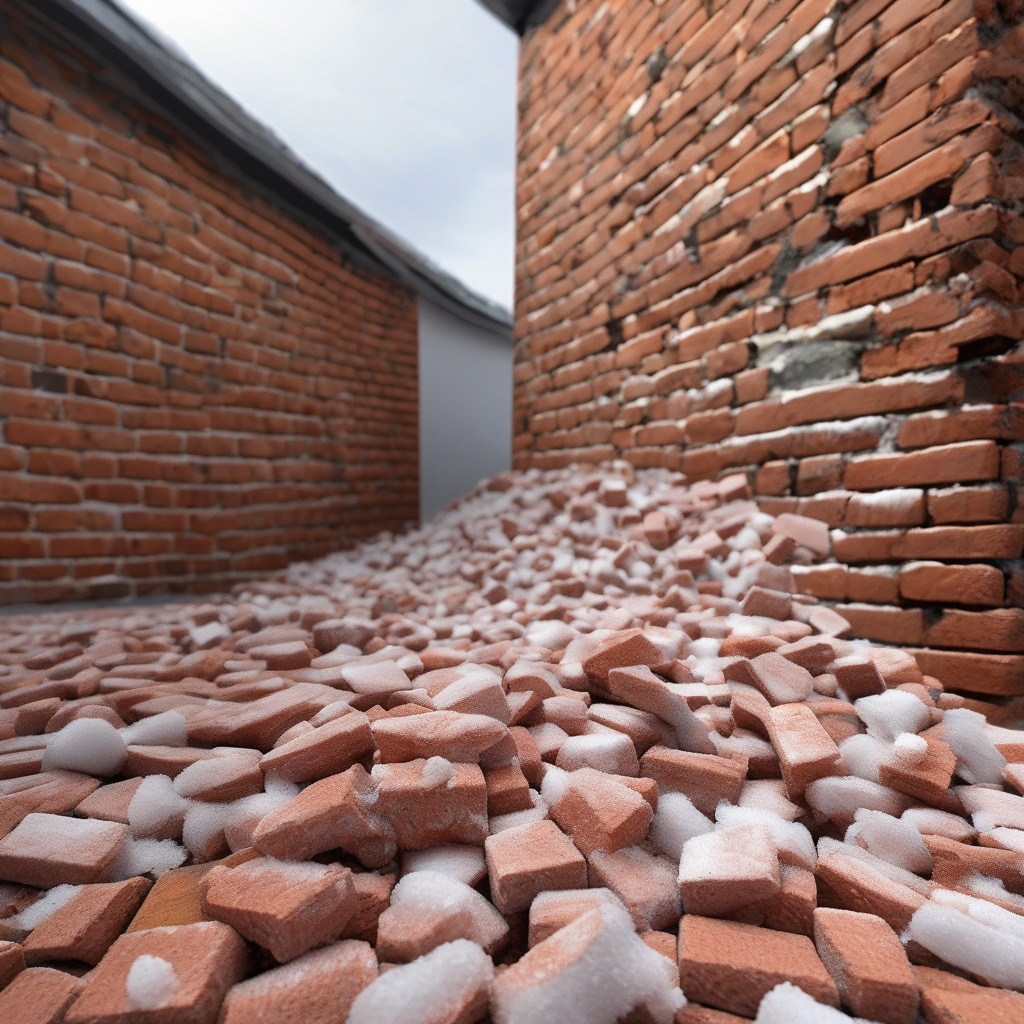
The architectural community extensively debates the best methods for addressing efflorescence. Some experts swear by acid-based cleaners, while others favor the less abrasive, eco-friendly water-and-vinegar solution. Selection might depend on your home’s exposure or historical value.
A methodical approach often wins, utilizing various tools progressively as needed. A wire brush, plastic spatula, or sponge vary in use depending on deposit thickness or wall fragility.
“Consistency and patience are virtues in mildew prevention,” advises Los Angeles renovator Greg Mensha, emphasizing regular maintenance schedules.
Taking notes from other fields like concrete waterproofing or advanced facade technologies enriches your strategy against pervasive efflorescence.
| Method | Advantages | Disadvantages |
|---|---|---|
| Dry Brushing | Non-invasive, no chemicals. | May not remove all deposits. |
| Chemical Cleaning | Effective at removing stubborn stains. | Potentially harmful to landscaping. |
| Professional Sealing | Long-lasting protection against moisture. | Higher initial cost. |
When it makes sense to call professionals
Sometimes, despite best DIY efforts, efflorescence persists or recurs, compelling homeowners to admit that professional intervention might be necessary. Engaging experts ensures not only the right techniques but also access to specialized products often unavailable to the public.
Professional treatments are thorough, often extending beyond the cosmetic to address fundamental structural issues. They deploy advanced tools like power washers and inject long-lasting sealants—solutions critical in combating efflorescence at its roots.
Moreover, seasoned contractors bring a wealth of experience, having encountered myriad situations across varied properties. They can spot nuanced signs an amateur might miss, tailoring their approach to your specific home needs.
Therefore, in challenging cases or for those seeking peace of mind, expert involvement is well worth the investment. Working alongside professionals can also uncover broader improvement ideas, leading naturally into opportunities like woodwork enhancements or even larger projects.
Industry insights and best practices
According to recent findings published by the Brick Institute of America, maintaining appropriate humidity levels inside and outside your home substantially reduces efflorescence risk. This highlights the importance of environmental control in addressing brick health.
“Efflorescence can decrease by as much as 70% with proper drainage and climate management,” notes California-based masonry expert Erin Blake.
Additional best practices emphasize routine checks, timely fixes, and integrating improvements into broader home care systems. Understanding where efflorescence fits into the grand scheme of property maintenance is invaluable, aligning it with energy efficiency and structural fortification initiatives.
Ultimately, this awareness forms part of a growing trend in Los Angeles—homeowners becoming proactive, tech-savvy stewards of their heritage-rich properties, ensuring longevity and resilience in face of environmental challenges.
Conclusion: Efflorescence doesn’t have to be permanent
Efflorescence, though common, need not be a permanent fixture of your home’s facade. Understanding its causes and effects empowers homeowners to take decisive actions, protecting construction quality and property value in a bustling market like Los Angeles.
Whether through informed DIY efforts or professional intervention, dealing with efflorescence head-on ensures that your brickwork remains both visually appealing and structurally sound. This proactive approach conjoins maintenance with innovation, allowing homeowners to stay ahead in the ever-evolving housing landscape.
Mastering efflorescence is a lesson in embracing sustainability and proactive care, safeguarding the future with measures grounded in knowledge and experience.
Research from the National Association of Home Builders shows that regular masonry maintenance prolongs a home’s lifespan by approximately 15 years.
- Efflorescence is caused by water-soluble salts migrating through bricks.
- Los Angeles homeowners must consider climate’s impact on efflorescence.
- DIY cleaning methods include dry brushing and chemical treatments.
- Professional intervention may be necessary for persistent issues.
- Routine checks and drainage improvements reduce efflorescence risks.
“`html
FAQ
What is efflorescence on bricks and why does it occur?
Efflorescence is a crystalline deposit of salts that can form on brick surfaces. It’s typically a result of moisture drawing salts from the brick or mortar to the surface where they crystallize upon evaporation. In real renovation projects, this phenomenon often highlights moisture issues where water is infiltrating through foundations or poorly sealed walls. Addressing efflorescence begins with identifying the moisture source, which can range from groundwater seeping upward, to rainwater penetrating external walls, or even condensation from internal sources in the home.
How can homeowners effectively remove efflorescence themselves?
Homeowners can tackle efflorescence removal with a few practical steps. First, dry brushing the affected area can remove the bulk of the deposits. For more stubborn efflorescence, rinsing with water and wiping with a diluted vinegar solution helps dissolve and cleanse the salts. Many experts point out that it’s crucial to ensure bricks are adequately dried thereafter to prevent further salt deposits. A common mistake is using acidic cleaners without checking their appropriateness for your specific brick type, which can cause damage.
When does it make sense to consult a professional for efflorescence issues?
Consulting a professional is advisable when efflorescence recurs despite repeated removal efforts, suggesting underlying structural or moisture issues that need expertise to resolve. In older properties undergoing renovation, persistent efflorescence may indicate compromised waterproofing, drainage failures, or other significant concerns. A technician can carry out a comprehensive moisture assessment and recommend effective long-term solutions. In newer builds, persistent issues might point to construction defects needing professional rectification.
What are the potential risks of ignoring efflorescence on bricks?
Ignoring efflorescence can lead to significant damage over time. While the white salt deposits themselves are not harmful, they signal underlying moisture problems which, if left unchecked, can degrade mortar joints, leading to structural weakening. Homeowners frequently underestimate this aspect, assuming it’s merely aesthetic. Long-term moisture exposure can also promote mold growth or cause insulation materials within walls to fail, leading to higher energy costs and a less healthy indoor environment.
What are the cost considerations for tackling efflorescence?
The costs of addressing efflorescence can vary widely. For DIY solutions involving simple tools like brushes and basic cleaning solutions, expenses are minimal. However, if moisture problems demand professional intervention, costs can rise depending on the severity and the nature of the required repairs, such as re-sealing walls or improving drainage systems. It’s a wise decision to obtain multiple quotes from contractors specializing in moisture control to ensure you’re getting both a fair price and a comprehensive solution that fits your specific situation.
What are the pros and cons of using sealers to prevent efflorescence?
Sealers can be effective in preventing efflorescence by creating a barrier against moisture ingress. Pros include the relatively low cost compared to extensive repairs and the ease of application. However, the limitations are also worth considering: sealers require proper application and regular maintenance to remain effective, and they do not address the root causes of moisture infiltration. In real renovation settings, homeowners should balance the immediate benefits with the potential need for more structural solutions in cases of persistent or severe moisture issues.
What misconceptions do people have about efflorescence?
A common misconception about efflorescence is that it’s purely an aesthetic issue. While the white, powdery deposit might seem superficial, it often indicates deeper moisture problems that can affect the longevity and integrity of a brick structure. Moreover, many homeowners believe short-term cleaning solutions are enough, when in fact, addressing the source of moisture is critical for a lasting fix. This oversight can lead to repeated outbreaks and eventual structural damage if not properly managed from the outset.
Where can I find expert advice on dealing with efflorescence and related issues?
For expert advice tailored to your specific situation, especially if you’re in California, it’s invaluable to seek guidance from local renovation experts familiar with the regional climate’s impact on building materials. Professionals can provide insight into effective moisture management strategies and recommend trusted services. If you’re uncertain where to start, you can easily reach out for personalized consultation through this contact form tailored for detailed inquiries.
“`