Los Angeles is a sprawling urban canvas painted with innovative design and ambitious home renovation projects. Among the latest trends captivating this vibrant cityscape is the accessory dwelling unit (ADU), a compact yet fully functional living space that adds value without the sprawl. But beyond its architectural appeal, designing a private entrance to an ADU can make or break the harmonious coexistence between separate households. For many homeowners, the thought of carving out an independent path to their backyard haven is both a puzzling challenge and a rewarding venture.
Brief summary: Creating a private entrance for a backyard ADU involves meticulous planning focused on pathway design, landscape screening, and door placement. This approach not only respects the individual privacy of each household, but also enhances the overall value and comfort of the home. Homeowners in Southern California are increasingly adopting these strategic design methods to seamlessly integrate modern living spaces while preserving aesthetic harmony.
Setting the Foundation for Privacy
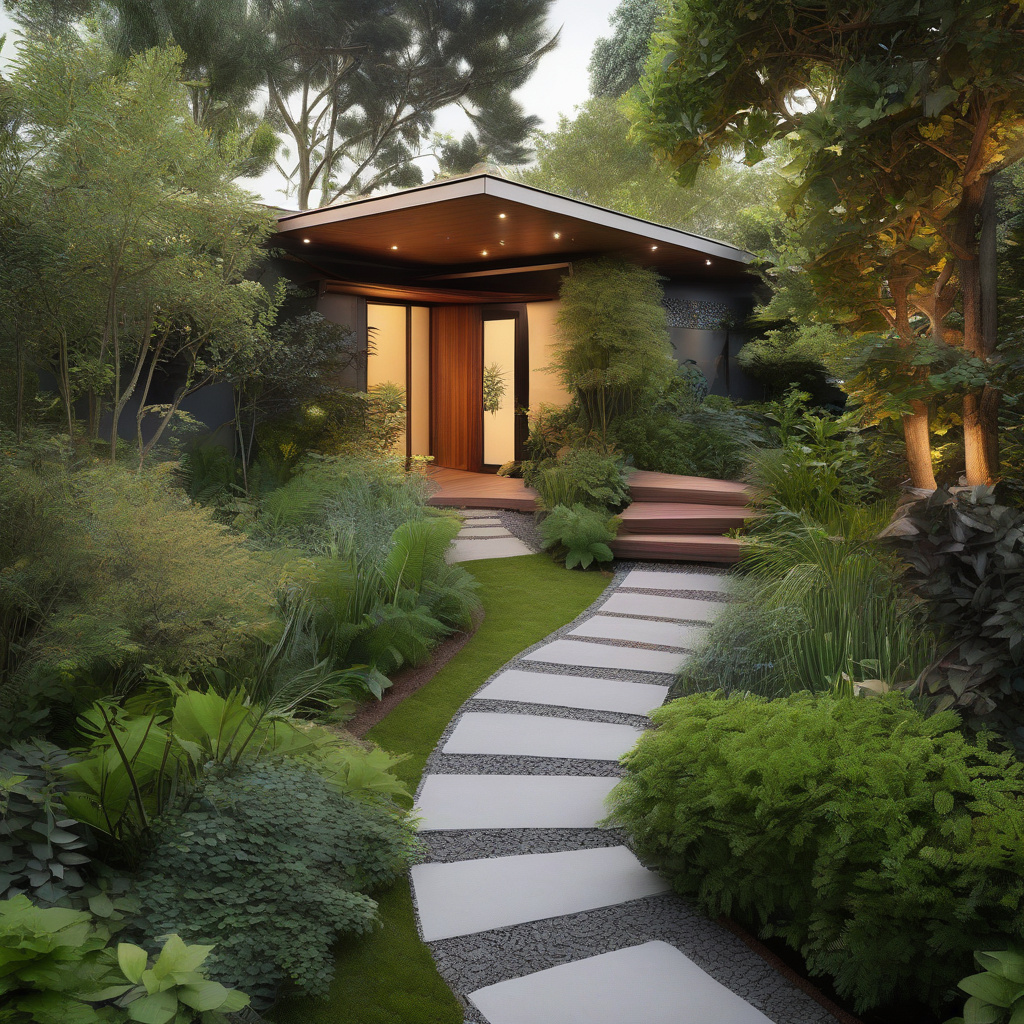
When it comes to constructing a private entrance for an ADU, the first stage is establishing a smart path design. A well-planned pathway serves as more than a line of demarcation; it’s an invitation to the unique space that lies beyond. In Los Angeles, where home lots often blur the lines between public and private, a purposeful design is crucial. Consider using natural materials such as gravel, wood, or stone that blend with the surrounding landscape and introduce subtle charm.
Several homeowners in Southern California have shown remarkable creativity in developing ADU pathways that respect existing layouts while ushering exclusive access. With LA’s agreeable climate, a garden trail adorned with native plants offers both beauty and privacy, guiding visitors to their own retreat against a tapestry of foliage.
In an ideal scenario, each step towards the ADU provides a sensory journey—perhaps the crunch of gravel underfoot or the gentle rustle of leaves overhead. This connection with nature not only enhances the approach but offers a momentary escape from the city’s hustle. It’s important to weave functional design with these aesthetic touches to create a path as inviting as it is purposeful.
Ultimately, a carefully plotted pathway sets the stage for an ADU that feels both accessible and exclusive, a threshold where shared initiatives and private domains seamlessly meet.
Screening for Solitude
Landscape screening is another cornerstone of ADU entrance design that can transform visual and spatial dynamics entirely. It allows owners to maintain privacy not only for the main house but also for the ADU occupants, thereby enhancing the personal comfort of all residents. In Los Angeles, the dense population and close-proximity housing can make privacy a costly commodity.
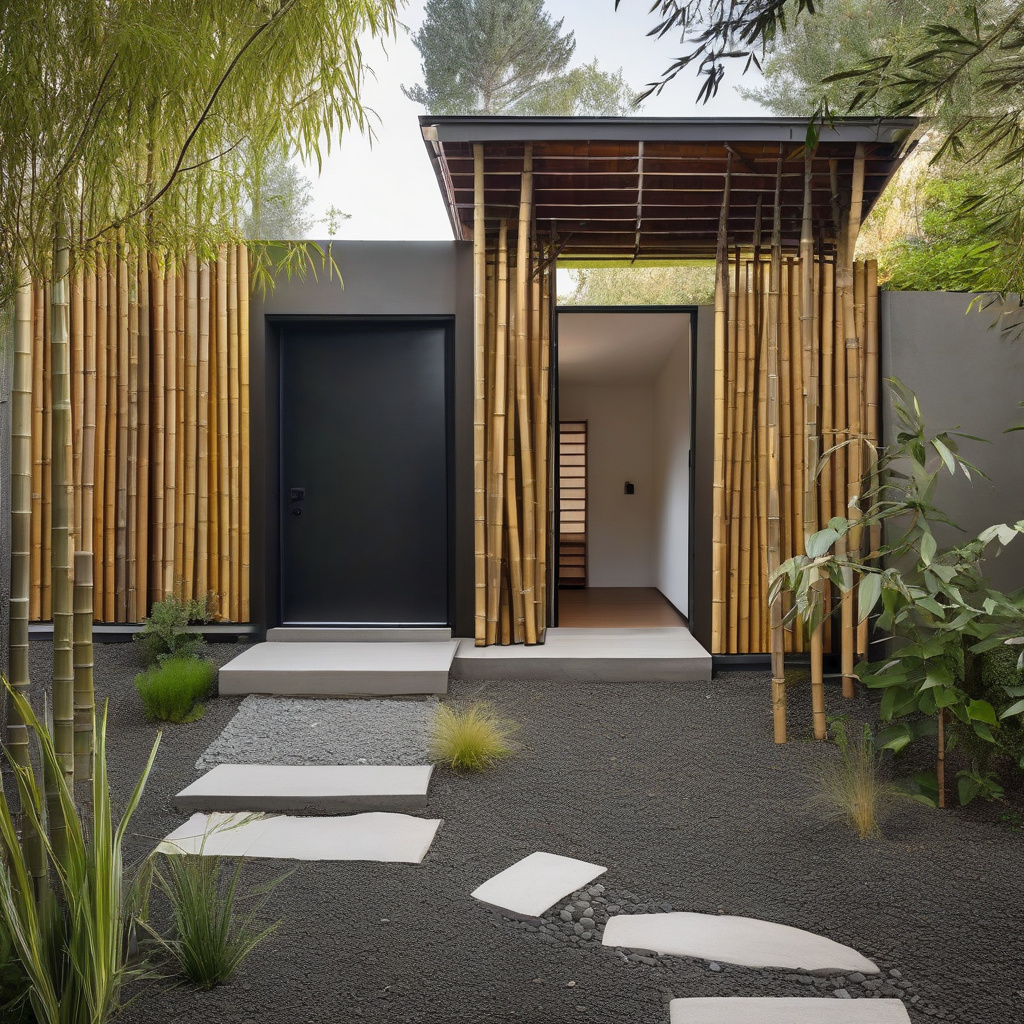
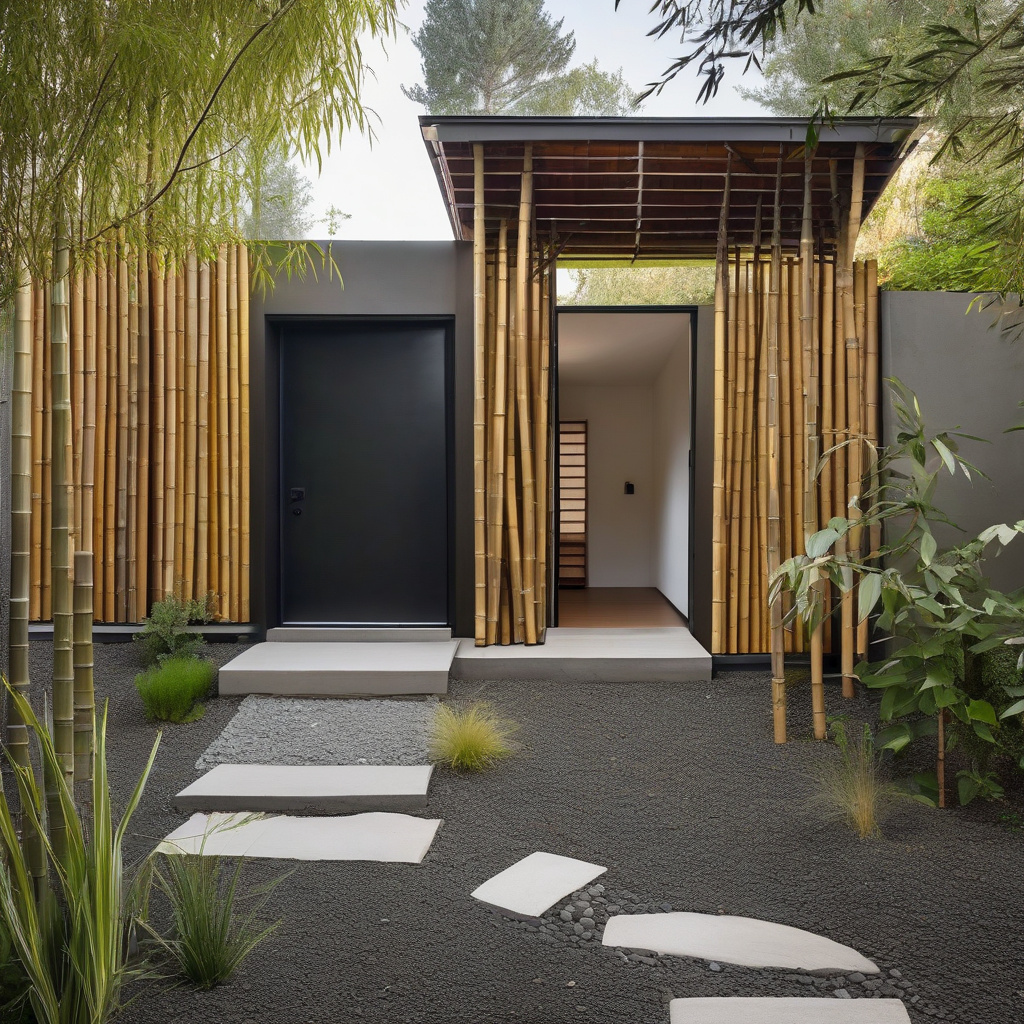
Homeowners in this competitive market often experiment with diverse screening options. Utilizing hedges, built fences, or trellises are popular choices. As experienced renovators like to highlight, tall and dense plantings can achieve splendid results. Naturally, plants such as bamboo or ficus, familiar to Southern California’s soil and sunlight, offer verdant partitions that are both attractive and functional.
Creative use of vertical gardens not only achieves the requisite separation but also enhances the aesthetic appeal of the ADU. The challenge lies in choosing plants that thrive in this sun-soaked region without demanding excessive water; an essential consideration given the state’s penchant for drought.
Ultimately, landscape screening discreetly curates the boundaries of private and shared spaces, ensuring both aesthetic unity and personal peace.
Precision in Door Placement
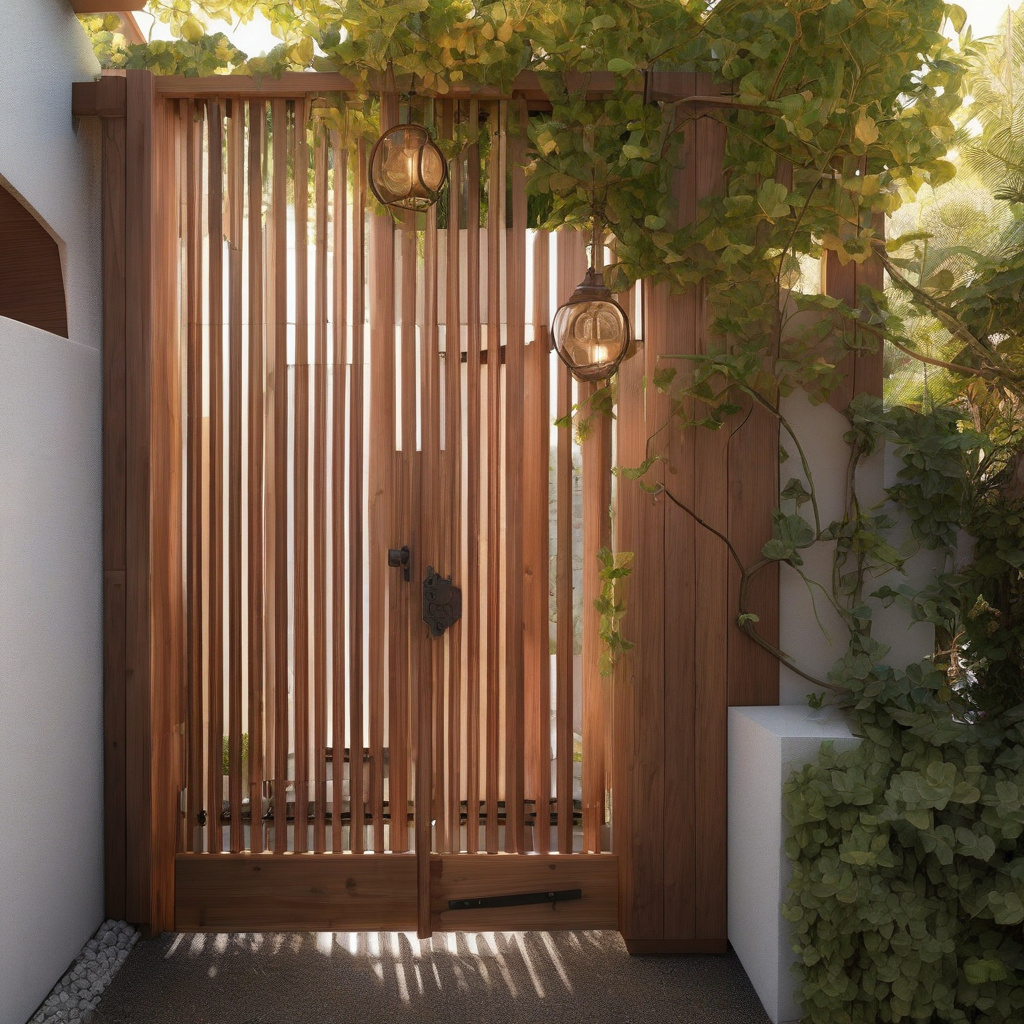
The door is the final, yet critical, element in crafting a private entrance for your ADU. The placement of this access point profoundly influences the dynamics of privacy and accessibility. In tight urban settings like Los Angeles, a strategically located door can drastically mitigate foot traffic between residences, optimizing comfort for all.
When planning your layout, consider aligning the ADU’s entrance with lesser-used portions of the main property. This minimizes shared sightlines and auditory overlaps, essential in crafting that sought-after sense of exclusivity. Functional yet elegant, such a placement resonates with the principles of thoughtful design.
Safety considerations, notably in adherence to fire codes, should guide the planning of your door’s location. It is critical that doors are accessible and comply with the regulations safeguarding both the main house and the ADU.
By being attentive to these elements, homeowners can infuse practicality with poetic flair, where each turning of the handle marks the beginning of an independent yet interconnected life.
Balancing Cost and Creativity
Another crucial factor in ADU entrance design is balancing the cost with your creative vision. Though inspired ideas often lead the charge, they must be grounded in realistic budgeting to see fruition. Whether opting for budget-conscious materials or splurging on premium finishes, it’s a dance of desire and discretion.
Real-world examples abound in Los Angeles, where homeowners have cleverly navigated this terrain. By blending repurposed materials with high-end touches, many have achieved peerless expressions of flair within flexible financial frameworks.
Navigating initial outlays, such as permitting costs and construction fees, can be challenging. For those embarking on this process, avoiding unnecessary delays becomes vital, ensuring smart allocation of resources while remaining faithful to your design intent.
An industry insight: “The key to a successful ADU project is to plan meticulously and partner with experienced professionals who understand the local landscape’s quirks and potentials.” — Renowned Los Angeles Architect
Innovative Layout Solutions
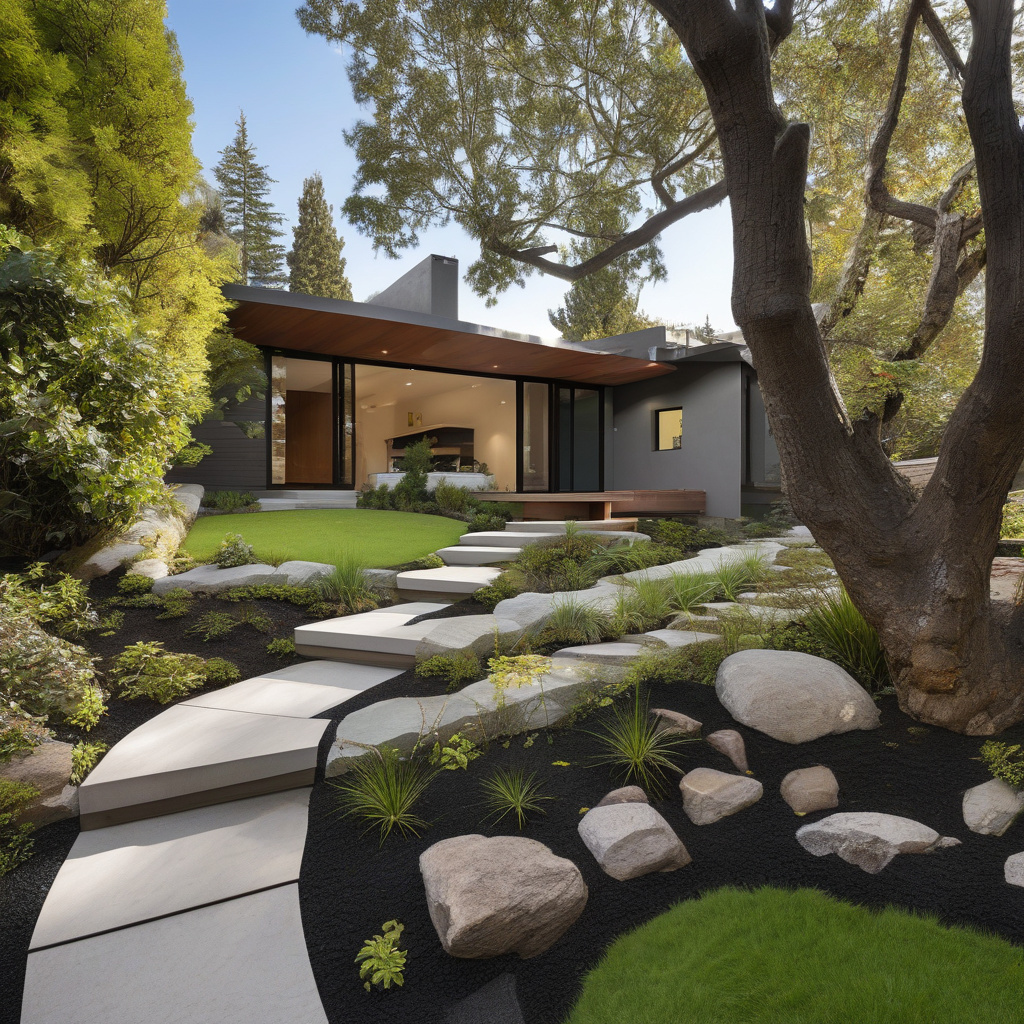
Innovative layout solutions are pivotal when designing your ADU entrance, offering a plethora of possibilities to ensure connectivity without compromise. Every element, from the entry path to the architectural nuances of the ADU itself, must reflect a cohesive strategy that enhances functionality without forsaking creativity.
Many locals are redefining standard practices by incorporating cutting-edge designs that capitalize on the compact space of their yards. Open-concept green spaces, covered breezeways, and multi-purpose outdoor benches are just a few examples of these forward-thinking approaches.
The versatility of these setups is critical. While offering private retreats to the ADU dwellers, they seamlessly integrate with the broader home environment, contributing to an overall air of holistic completeness.
In Los Angeles, the drive to innovate rises alongside escalating property values, encouraging an experimental spirit that transforms traditional ideas into groundbreaking design paradigms. It’s in these settings where private entrances take on lives of their own, harmonizing privacy with a sense of openness.
Comparing Design Strategies
| Design Strategy | Cost | Materials | Timeline | Value Tier |
|---|---|---|---|---|
| Classic Pathway | Low | Gravel, Stone | Short | High |
| Garden Courtyard | Medium | Wood, Foliage | Medium | Medium |
| Modern Gateway | High | Steel, Glass | Long | Premium |
Assessing Risks and Rewards
Like any renovation project, designing an ADU entrance is not without its risks and rewards. On one hand, the potential increase in property value and added living space are compelling incentives, especially in a place like Los Angeles where real estate is consistently in high demand.
However, the risks associated with missteps in planning, permit processing delays, or budget overruns can dampen the enthusiasm. As many local homeowners notice, the path to a successful renovation is paved with foresight. It’s crucial to evaluate each element—design, cost, and time—against your long-term goals to ensure that the benefits outweigh the challenges.
Engaging with experienced contractors and architectural designers is advisable. Their expertise can illuminate potential pitfalls while championing the efficient execution of your vision. Furthermore, following established guidelines and leveraging resources, such as the pros and cons of alternative remodeling paths, solidifies confidence in decision-making.
Research note: A study found that properties with well-designed ADUs can see a 20% increase in overall market value.
Stepping Into Your New Perspective
As you proceed with designing a private entrance for your ADU, it’s important to remember that the journey is as significant as the destination. Each choice you make lays a stepping-stone in the broader narrative of your life and home. With the structures set and personal touches applied, the final result should reflect a synergy between functionality and aesthetic beauty.
Many Los Angeles homeowners have shared transformative experiences from similar projects, narrating tales of struggle and triumph, where the desired oasis slowly took form under their watchful eyes. These stories, punctuated by success and occasional setbacks, speak to a universal desire for personalized space—a testament to resilience and creativity in the face of suburban sprawl.
In this shared endeavor, the support from fellow renovators, neighborhood associations, and design professionals reinforces the resolve to achieve more than just an addition. It’s about crafting a narrative that resonates with the heart of the home and the soul of the city.
Ultimately, a well-designed entrance is an invitation not just to a space but to a new perspective, a personal sanctuary woven into the fabric of Los Angeles living.
Expert insight: “In a city of stars and steadfast aspirations, each ADU projects both an economic promise and an echo of personal expression.” — Leading California Realty Analyst
- Consider both design aesthetics and practical privacy measures for a harmonious ADU entrance.
- Natural materials and strategic landscaping provide elegant solutions to privacy challenges.
- Plan your layouts mindful of property regulations and potential market benefits.
- Assess financial commitments and explore creative cost-saving measures where possible.
- Engagement with professional experts is invaluable for a successful project execution.
“`html
FAQ
What are key considerations when designing a private entrance for an ADU?
In real renovation projects, it often becomes clear that the design of a private ADU entrance hinges on thoughtful path design, strategic landscape screening, and well-planned door placement. It’s not just about function; aesthetic appeal and privacy are equally significant. Many experts point out that a clear, engaging pathway ensures a separate identity for the ADU, making both households feel distinct yet connected. Landscape screening provides visual and sometimes acoustic privacy, crucial in close-knit backyard setups typical of California suburbia. Door placements should be discreet yet convenient for both the ADU inhabitants and main house residents.
How can landscape screening enhance privacy for an ADU?
Homeowners frequently underestimate the power of landscape screening. In practice, using hedges, trellises with climbing plants, or even decorative fences can create a visual barrier that separates the ADU from the main home. This not only adds an element of tranquility and privacy but can also elevate the overall landscape design of the property. In older properties undergoing renovation, adding green screening is a relatively straightforward and eco-friendly solution to enhance privacy without extensive construction.
When is the best time to plan a separate ADU entrance during renovations?
The optimal time to plan a private ADU entrance is during the initial design stage of a renovation. This approach offers the most flexibility in terms of site planning and integration into the existing landscape. Many experts suggest involving a landscape architect early on to ensure harmonious incorporation into the property’s ecosystem. Early planning prevents common pitfalls like inadequate space allocation or awkward traffic patterns that compromise privacy and user comfort.
What are some typical mistakes homeowners make when creating a private ADU entrance?
One common mistake is neglecting the flow of movement between the main home and the ADU. In many cases, pathways are either too narrow or overly intricate, leading to unnecessary inconvenience. Another misstep is underestimating the role of entry lighting. Proper illumination doesn’t only guide and enhance security, but it also creates a welcoming atmosphere. Homeowners must avoid skimping on these details to ensure both functionality and aesthetics.
How can homeowners balance cost while designing a private ADU entrance?
Balancing cost while designing a private ADU entrance requires prioritizing crucial elements like path design and screening over luxury add-ons. One practical tip is to utilize existing garden features, which helps cut down on expenses. Additionally, opting for durable, cost-effective materials that mimic more expensive finishes can offer aesthetic appeal without the hefty price tag. For those seeking professional guidance, discovering more about cost-effective solutions is just a click or a [reach out to professionals for tailored advice](https://californiarenovation.top/contact/) away.
What are the advantages and disadvantages of using existing pathways for ADU entrances?
Utilizing existing pathways for ADU entrances is cost-effective and often reduces the construction timeframe. It maximizes the use of current space and landscaping, which can be beneficial for smaller properties. However, the primary disadvantage is that these paths might not have been designed with dual living arrangements in mind, potentially leading to privacy concerns. Retrofitting existing pathways requires careful planning to ensure they meet the needs of new circumstances without significant compromises.
Are there any maintenance concerns specific to ADU entrance designs?
Maintenance is a critical yet often overlooked aspect of ADU entrance design. Pathways should be constructed with materials resistant to weather conditions prevalent in the area—this is particularly important in regions like California with its varied climate. Landscape screening should involve plants that are easy to maintain and are native to the area to ensure vitality with minimal upkeep. Lastly, any lighting solutions included in the entrance design should be checked regularly for functionality to maintain safety and aesthetics.
How does door placement affect the privacy of an ADU?
The placement of doors plays a pivotal role in creating a sense of privacy for an ADU. If the entrance is positioned away from the main home’s direct sightline, it encourages autonomy for both households. In new builds, opportunities abound for innovative door placements, unlike older properties where existing structures can limit options. Strategic door placement, sometimes accentuated with additional screening or overhead features like pergolas, unknowingly communicates a subtle boundary. This separation ensures the ADU blends seamlessly into the property while still feeling distinct and private.
“`