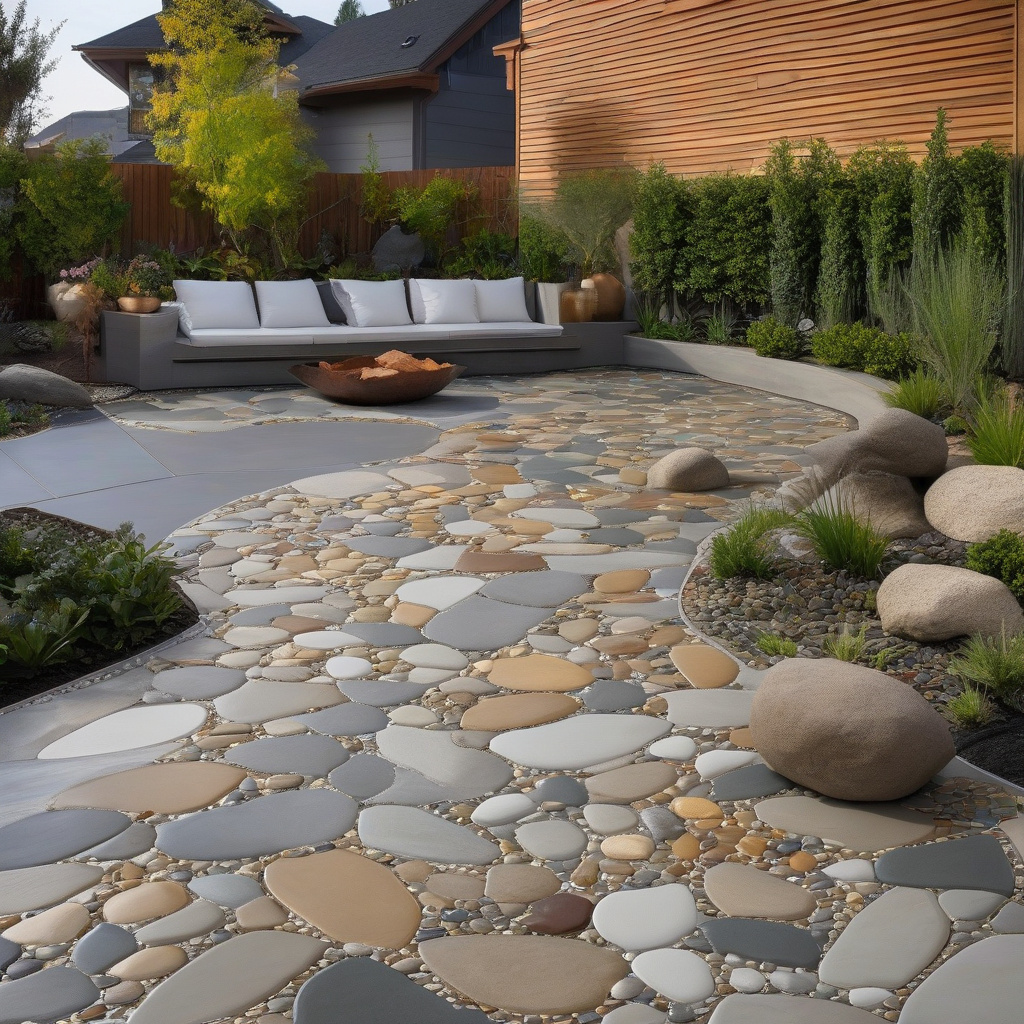
Los Angeles has become a canvas for the modern homeowner, with luscious backyards and sleek patios setting the stage for open-air entertainment. As Californians demand more from their outdoor spaces, selecting the right flooring becomes crucial in crafting the perfect patio. Among the many choices available, tile, stone, and concrete emerge as front runners that seamlessly blend durability with style.
Brief summary: This article explores the nuances of choosing outdoor flooring options like tile, stone, and concrete for patios in Southern California. It delves into the styles, costs, and practical experiences of homeowners, offering a comprehensive guide to modern patio renovations.
Setting the Stage: The Rise of Outdoor Living in Los Angeles
As the warm sun persists across Southern California, Los Angeles homeowners have embraced the outdoors as an extension of their homes. With patios transforming into personalized retreats, selecting the right flooring becomes an essential design consideration. In this bustling metropolis, patios are not just mere add-ons but integral parts of a cohesive home aesthetic.
California’s landscape, coupled with a penchant for casual elegance, necessitates surfaces that withstand heat, occasional downpours, and vibrant social gatherings. For those starting the journey of a patio makeover, understanding local renovation insights offers valuable guidance.
The array of flooring options reflects a fusion of heritage and modernity, crucial for crafting spaces that complement diverse architectural styles. From Spanish villas in the hills to minimalist bungalows by the beach, each requires a thoughtful selection of materials adapted to its environment.
When embarking on such projects, it’s essential to juxtapose practicality with aesthetics. As the region increasingly values outdoor living, the challenge lies in selecting surfaces that enhance both form and function.
Advantages vs Disadvantages
Balancing the pros and cons of each material ensures a decision rooted in long-term satisfaction. Let’s delve into why each selection may or may not suit your outdoor aspirations:
According to the National Association of Home Builders, well-executed patio installations can recover upwards of 80% of their costs during resale.
Engaging with local examples highlights key considerations—balancing design with reality. Ultimately, successful renovations combine weather-resilient materials with a seamless blend into the existing architecture.
These nuanced insights furnish a vibrant panorama of outdoor aesthetics tailored to Southern Californian sensibilities.
Tile: Traditional Elegance Meets Modern Durability
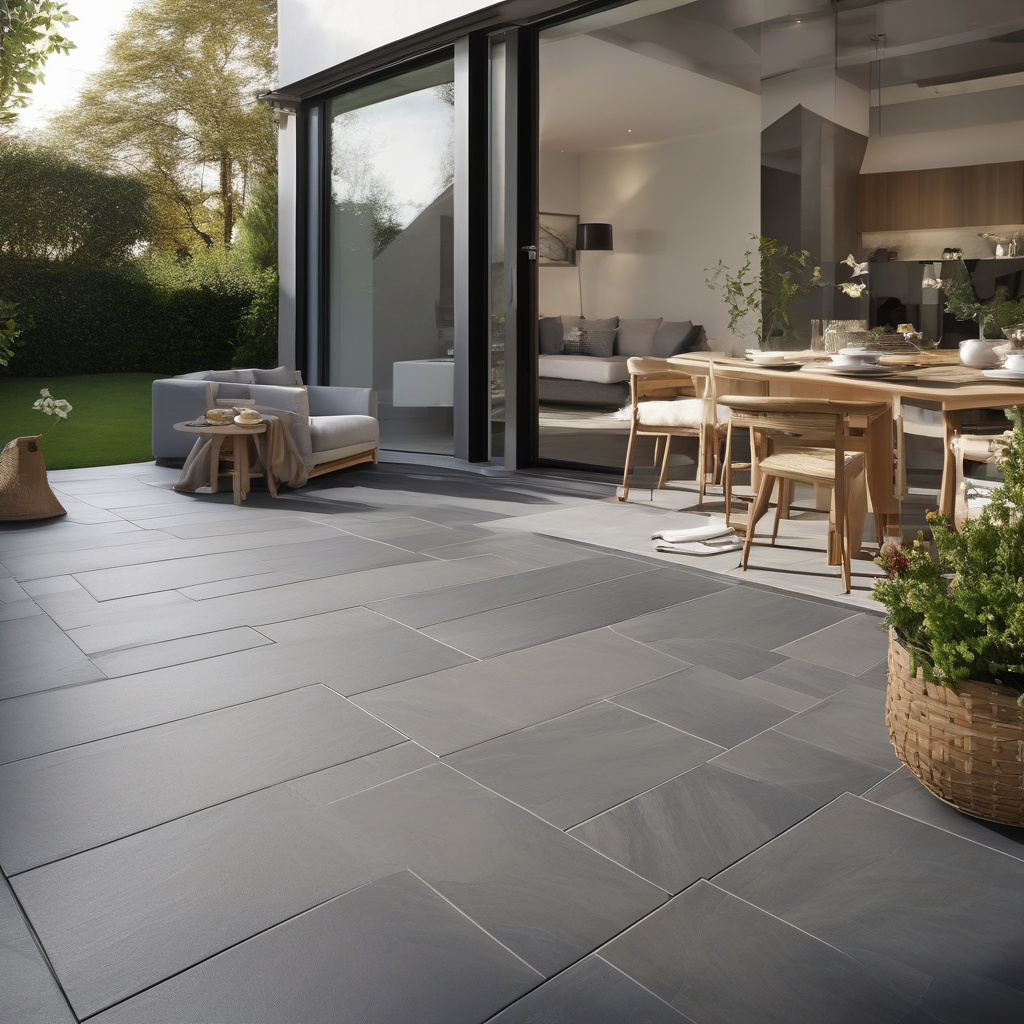
Tile has long been cherished for its versatility and sheer range of design possibilities. From chic, minimalistic gloss to artisanal handcrafted patterns, tiles complement a variety of architectural styles, making them a favored choice for many Los Angeles homeowners.
When considering dynamic design layouts, tile offers endless stylistic avenues. Acronyms such as PEI, which denotes tile hardness, steer homeowners towards informed decisions suitable for outdoor wear.
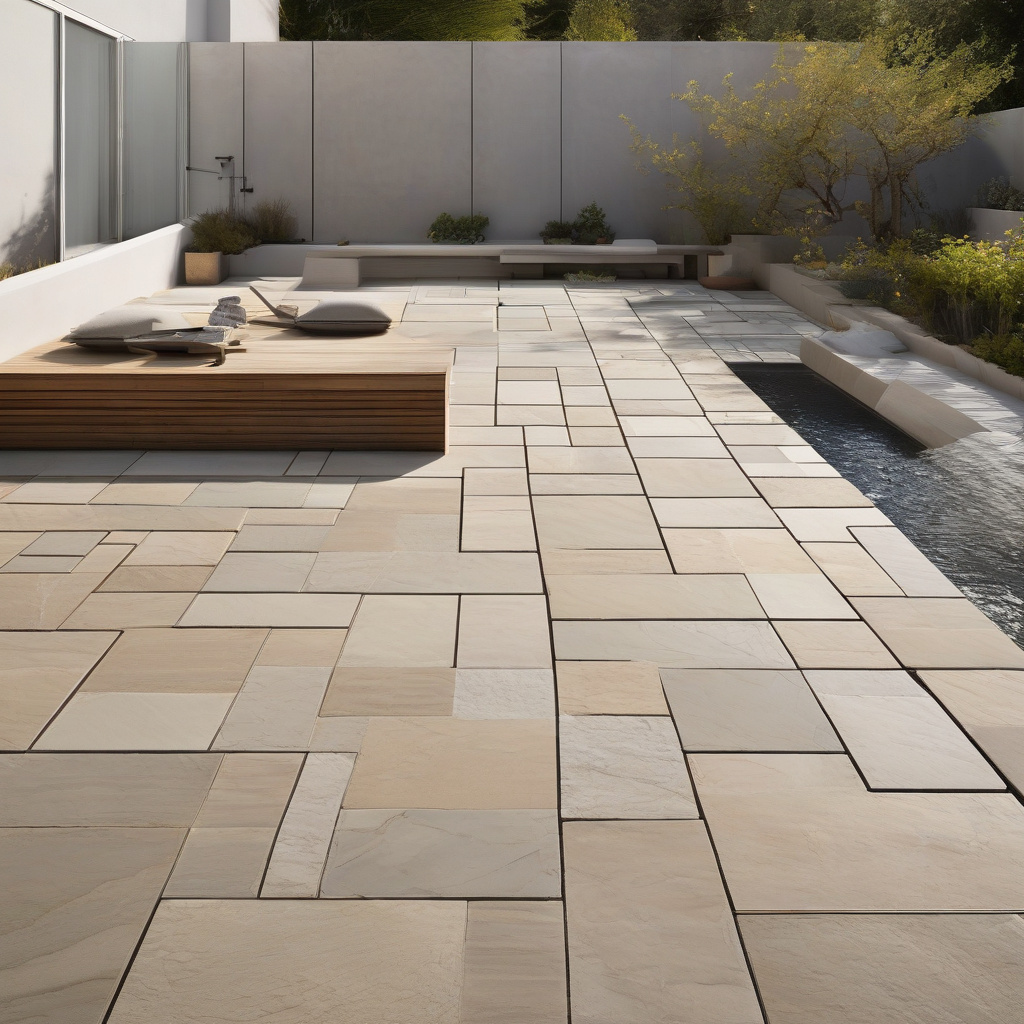
Besides aesthetics, tiles boast resilience against nature’s elements—particularly UV radiation—a crucial factor under the relentless California sun. Equally paramount is their advantage in ease of maintenance and durability in the face of pouring rain or garden hose spritzing.
Yet, as with every choice, it’s vital to weigh the downsides. Improperly installed tiles may lead to cracking, and slick surfaces can become puddle-prone in wet conditions. Thus, opting for slip-resistant textures is a prudent investment in safety.
To summarize, tiled patios offer a sophisticated aesthetic in myriad patterns and finishes, combining classic charm with the resilience needed for outdoor longevity in Los Angeles.
Stone: The Natural Beauty That Withstands Time
Stone patios, with their raw allure, transport dwellers to eras of organic elegance. Indeed, the natural beauty of stone instantly elevates any patio setting in Los Angeles. The imperfections of each slab convey authenticity and timelessness, where nature’s palette reigns supreme.
Stones like slate, limestone, and sandstone encapsulate these values while providing color palettes reflecting earthy tones. They’re an excellent choice for those inclined toward a more rustic or nature-inspired aesthetic.
However, the decision to install stone shouldn’t be taken lightly. It demands skilled labor for installation, often translating into a higher price tag compared to other materials. Still, the investment is justified by the enduring charm it brings to outdoor spaces.
Industry experts at the American Institute of Architects highlight that natural materials like stone significantly enhance a home’s curb appeal.
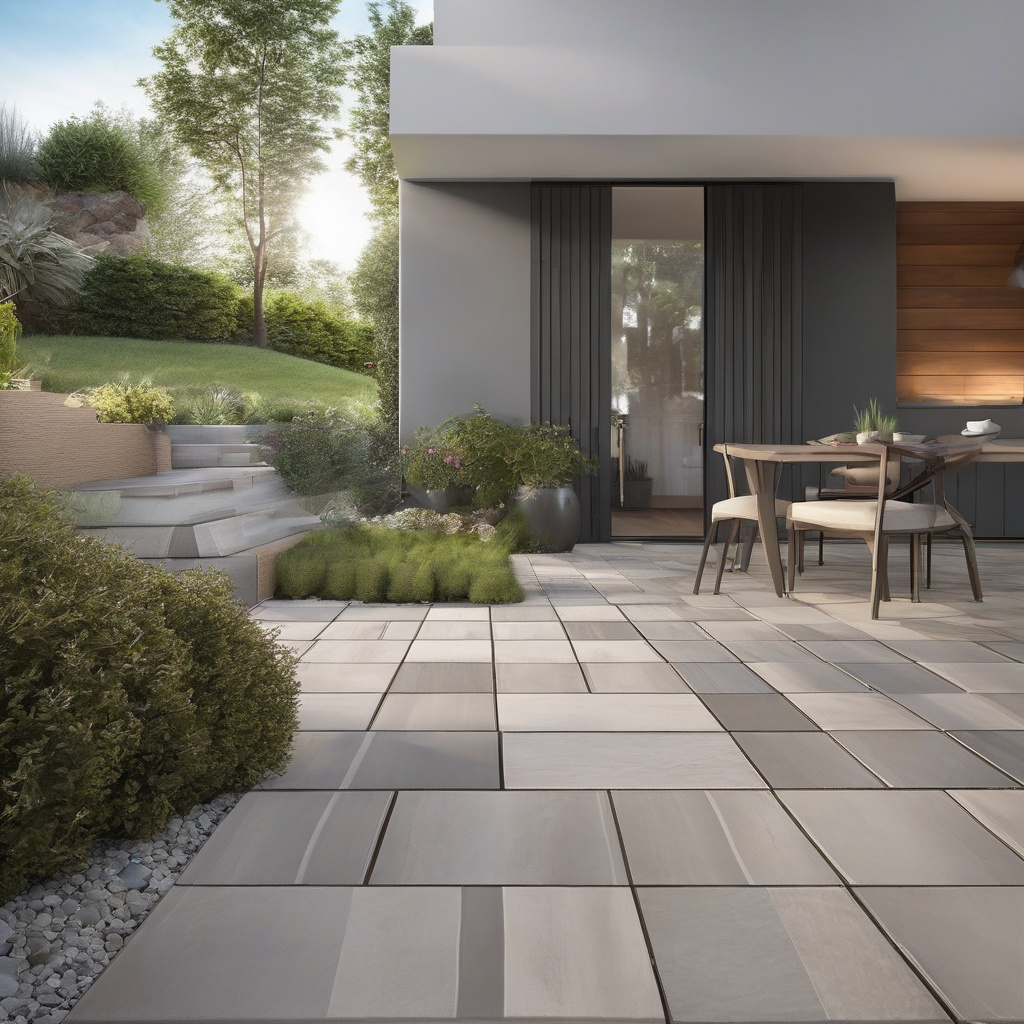
In conclusion, selecting natural stone for your patio is as much a lifestyle choice as it is an aesthetic one. Its durability and unmatched character ensure it remains a perennial favorite among Los Angeles homeowners.
Concrete: The Chameleon of Outdoor Flooring
Once resigned to mundane sidewalks, concrete has undergone a renaissance, morphing into an artist’s medium of choice. It’s a versatile and cost-effective option when considering modern coloring and texturing techniques.
Among its virtues is the adaptability to mimic high-end materials such as stone or tile, often at a fraction of the cost. This characteristic allows homeowners to play with different finishes and designs without breaking the bank.
The appeal of concrete is in its ability to be molded, stamped, and colored to match the homeowner’s vision. Equally important is its capacity to withstand Los Angeles’ intense sunlight, proving itself as a reliable, low-maintenance option.
However, despite its plurality, concrete requires sealing to prevent stains and may crack with time. Professional guidance is thus invaluable when planning installations.
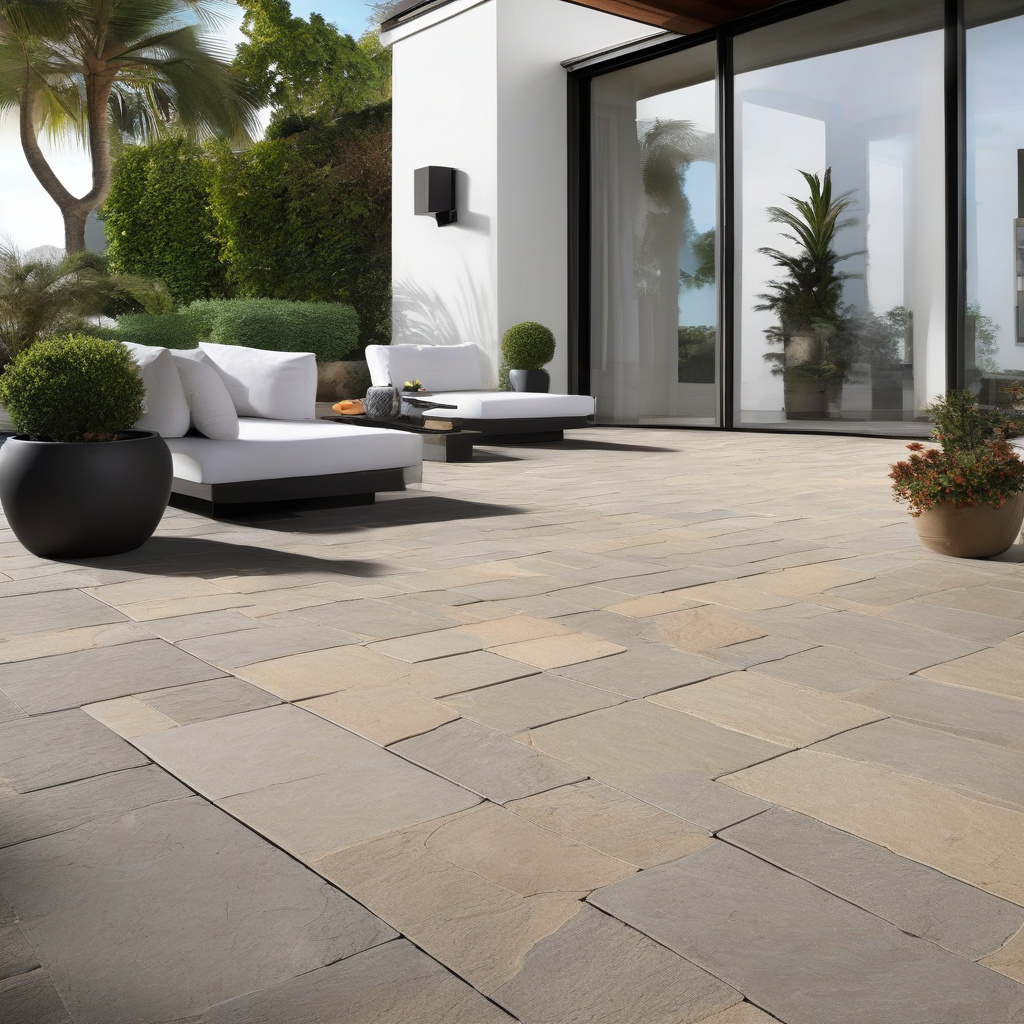
Ultimately, if flexibility and creativity are what you seek, concrete offers a canvas to realize bespoke outdoor designs effortlessly, aligning cost-effectiveness with aesthetic innovation.
Making the Choice: Balancing Priorities and Expectations
The journey to a dream patio begins with aligning personal taste with practical necessities. Focusing on a few critical considerations will aid in this decision-making process:
Strategic Planning for Optimal Results
Begin by identifying the primary purpose your patio will serve. Whether it’s a serene sanctuary for solitary reflection or a bustling hub for family gatherings influences your material choices.
A survey by the Home Builders Institute finds that 67% of homeowners prioritize entertainment potential in their patio design.
Factor in your lifestyle, the requirement for maintenance, and potential safety measures, especially concerning slip resistance, which is vital for family-friendly environments.
Using a succinct comparison chart could provide clarity on cost, maintenance, and design:
| Material | Cost | Maintenance | Design Flexibility |
|---|---|---|---|
| Tile | Moderate | Low | High |
| Stone | High | Low | Moderate |
| Concrete | Low | Moderate | High |
Considering these diverse facets will streamline decision-making, granting you clarity amidst the vast array of choices. Tailoring advice from experienced professionals ensures alignment with current trends, providing uniquely Californian outdoor vistas.
For those venturing into outdoor transformations, ensuring the proper infrastructure, perhaps with advanced planning for lighting or sound, can enhance the overall experience. It’s the final touches that often make these spaces truly captivating.
Transformative Preferences: Personalizing Your Outdoor Experience
The allure of a redesigned patio lies in the seamless integration between indoor comforts and outdoor charm. As Los Angeles continues to celebrate open-air living, selecting the right flooring is paramount in crafting personalized experiences.
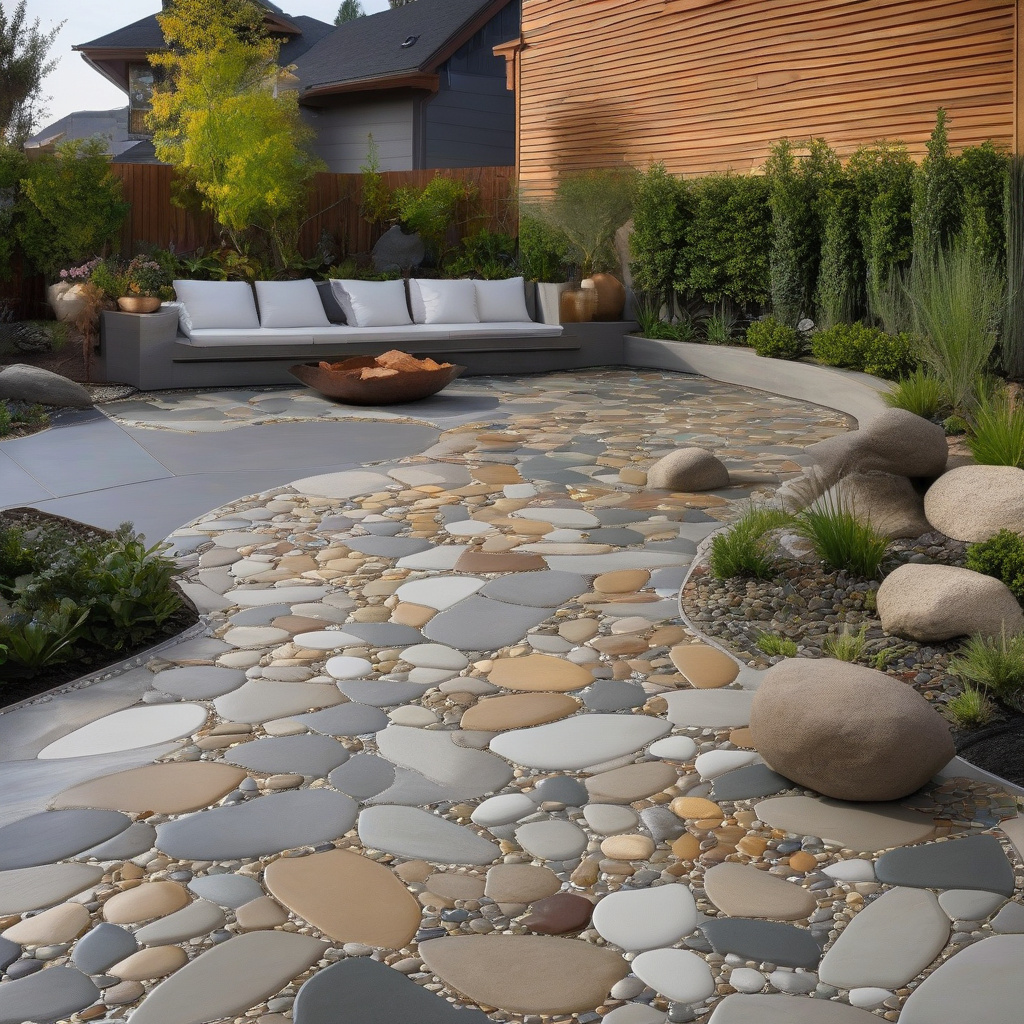
Through balancing cost with creativity, and practicality with aesthetics, homeowners can bring their ideal outdoor visions to life. Whether it’s the elegance of tile, the natural beauty of stone, or the versatility of concrete, your selection serves as the foundation for future memories.
In refining personal spaces, one transforms a patio from a mere portion of the backyard into a cornerstone of crafted experiences, reminiscent of California’s propensity for elevating everyday living.
- Selecting the right patio flooring involves balancing aesthetics with practicality.
- Tile, stone, and concrete each offer unique benefits and considerations for homeowners.
- Understanding local weather and lifestyle can guide material choice.
- Integrating expert advice and considering future infrastructure needs enhances satisfaction.
“`html
FAQ
What are the main outdoor flooring options for modern patios?
When it comes to modern patios, the most popular outdoor flooring options include tile, stone, and textured concrete. Tile is often favored for its clean lines and variety of colors, which can be tailored to fit any design palette. In contrast, stone exudes a natural elegance and is a go-to for creating a timeless look, especially in older California homes where blending new with old is key. Textured concrete, with its slip-resistant properties, is increasingly being chosen for its durability and modern appeal. Each material can complement various lifestyle needs, ranging from frequent social gatherings to serene relaxation spots.
How do you choose the right patio flooring option?
Choosing the right patio flooring involves considering several factors such as your home’s aesthetic, climate, and budget. Homeowners in coastal areas like California might prioritize slip resistance due to frequent wet conditions. Generally, stone offers a classic appearance and sustainability, while tiles provide diverse style opportunities. Concrete is perfect for those looking for low-maintenance solutions. One should lay out samples and visualize them in the space to see how they blend with natural lighting at various times of the day. It’s also wise to consult with a professional for personalized advice tailored to your specific needs.
When is it best to use textured concrete for a patio?
In real renovation projects, it often becomes clear that textured concrete is ideal for patios that frequently encounter heavy foot traffic or are exposed to the elements. Its slip-resistant qualities make it a wise choice for families or high-traffic areas. Additionally, its durability against the harsh Californian sun means it’s less likely to fade or crack over time, requiring less maintenance compared to other materials. If you host often and need a surface that can handle the commotion of outdoor entertaining without constant upkeep, textured concrete might just be your best bet.
What are some common mistakes homeowners make when choosing patio flooring?
Homeowners frequently underestimate the importance of considering the climate and environmental impacts when selecting patio flooring. Opting for materials that are not UV-resistant can lead to unsightly fading. Another common oversight is ignoring the integration with the indoor living space, resulting in a jarring transition. Many experts point out that investing in quality underlayment and proper drainage systems is crucial to prevent long-term damage like cracking or water retention. Skipping professional installation might save costs upfront but often results in additional expenses due to repairs or replacements down the line.
What are the cost considerations for each type of patio flooring?
In terms of cost, each flooring option comes with its unique considerations. Generally, tile can vary greatly depending on material type, with ceramic being more budget-friendly but less durable than porcelain. Stone tends to be more costly due to its long-lasting nature and installation complexity, which often requires skilled labor. Textured concrete usually presents a mid-range solution, balancing initial installation costs with low long-term maintenance expenses. It’s crucial to not only factor in the per-square-foot cost but also consider sealing, resurfacing, and potential repair expenses over time.
What are the benefits and limitations of using tile for patio surfaces?
Tiles offer several benefits, including a wide range of design options and ease of cleaning, making them a popular choice for those aiming for a visually striking patio. In modern builds, you’ll often see tiles used to create seamless transitions from indoor to outdoor spaces. However, tiles can be slippery when wet and require proper sealing to avoid moisture issues, which can be a limitation in areas with high rainfall. Additionally, installation requires a skilled hand to ensure longevity and prevent cracking. On one hand, tiles can elevate your space; on the other hand, they necessitate a commitment to regular maintenance.
How should I maintain my stone patio for long-lasting results?
Maintaining a stone patio involves regular cleaning and periodic sealing. In practice, homeowners find that sweeping away debris and washing with a garden hose prevents staining and moss growth. Applying a high-quality stone sealer every couple of years helps protect against water penetration and UV damage, common pitfalls in California’s varied climate. It’s essential to select a sealer that’s compatible with your specific stone type to avoid discoloration. Regular inspection for loose or cracked stones also helps catch small problems before they escalate into costly repairs.
Should I consult a professional for my patio renovation?
While it is possible to manage a patio renovation oneself, consulting with a professional can offer peace of mind and prevent costly mistakes. Professionals bring a wealth of knowledge, from choosing the right materials to ensuring proper installation techniques. For those looking to achieve a high-end finish or navigate complicated site conditions, their expertise becomes invaluable. If you require specific, tailored advice, consider reaching out through this convenient way to connect with an expert, and ensure your patio renovation meets your expectations and specifications.
“`