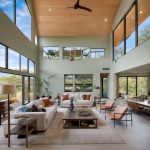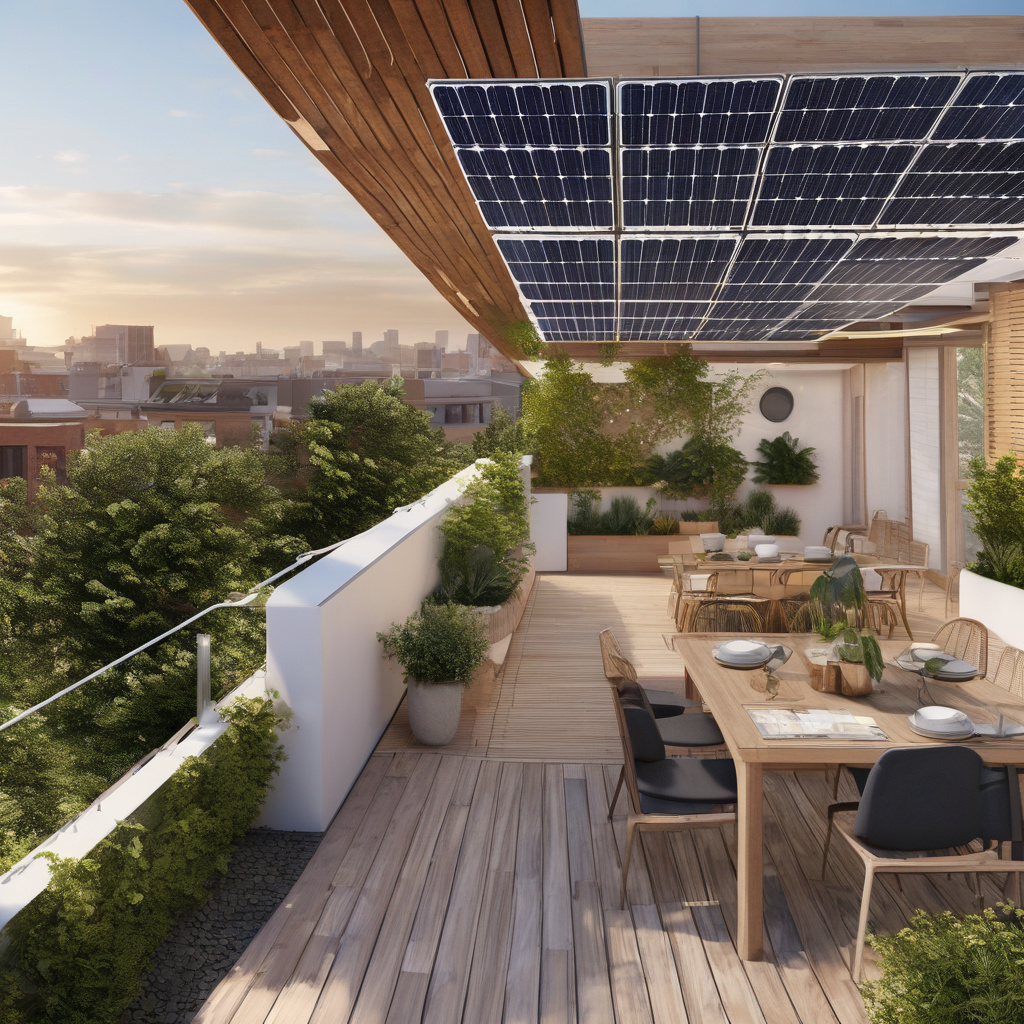
As climate change continues its relentless march, the effects are not confined to weather patterns alone. In California, where the impacts of climate change are felt both acutely and imminently, the design of Accessory Dwelling Units (ADUs) and home additions are undergoing a transformative evolution. Property owners and designers in areas like Los Angeles are rising to the challenge, employing heat-resilient materials, creating shaded outdoor spaces, and integrating efficiency upgrades to ensure comfort in the years to come.
Brief summary: Climate change is reshaping the design of ADUs and home additions across California, particularly in Southern regions. Through the use of heat-resistant materials, the creation of shaded outdoor zones, and efficiency upgrades, homeowners and designers are proactively adapting structures to withstand evolving environmental conditions, securing long-term comfort and sustainability.
Redefining Home Spaces to Battle Climate’s Onslaught
The need for adaptive strategies in home design has never been more pressing. In places like Los Angeles, where the dichotomy of comfortably warm winters and scorching summers continue to widen, residents are finding solace in transforming their spaces with forward-thinking designs. Enter the realm of ADUs and home additions, which stand not only as a response to housing shortages but also a testament to resilience.
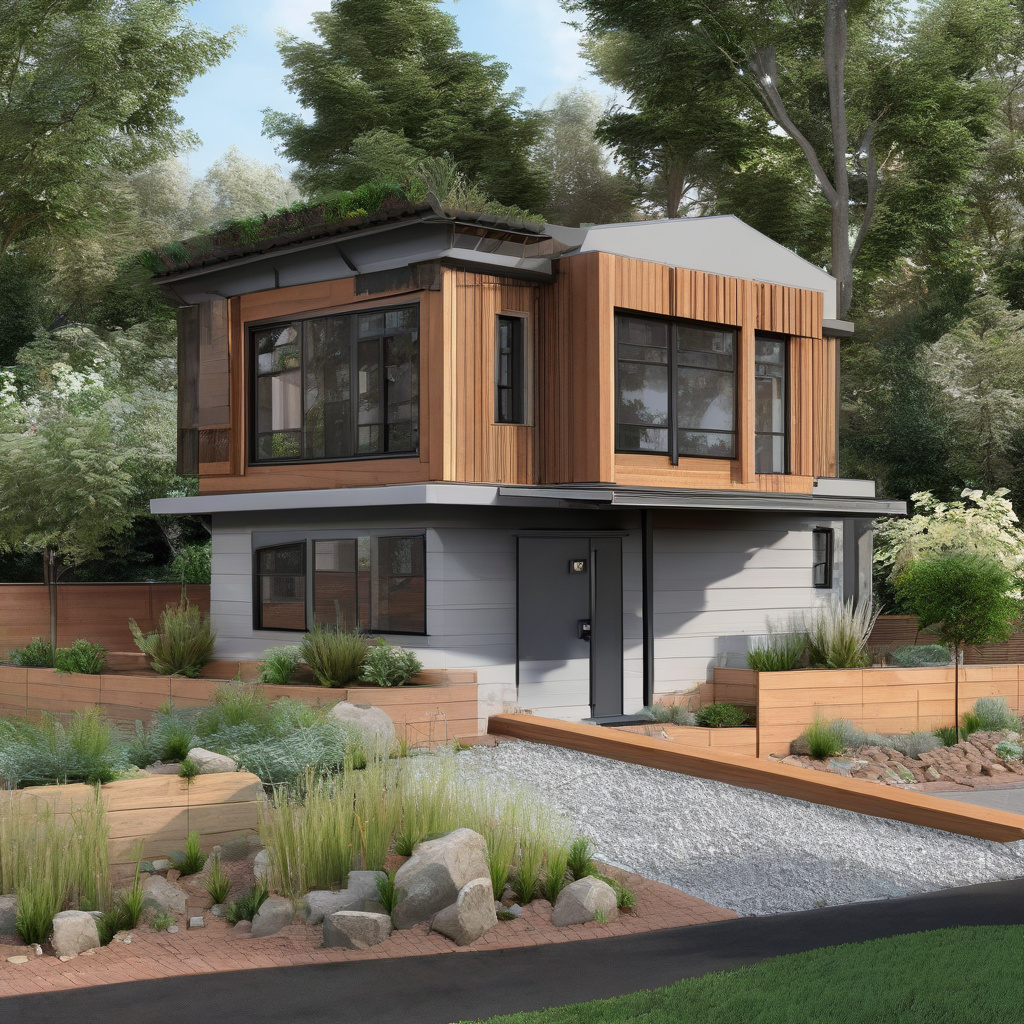
One clear approach involves utilizing materials capable of withstanding high temperatures. For example, cementitious siding and other fire-retardant materials are favored for their ability to safeguard homes amidst California’s infamous wildfires. As residents rethink their spaces, there’s an unwavering commitment to balance aesthetics with functionality in these climate-resilient designs.
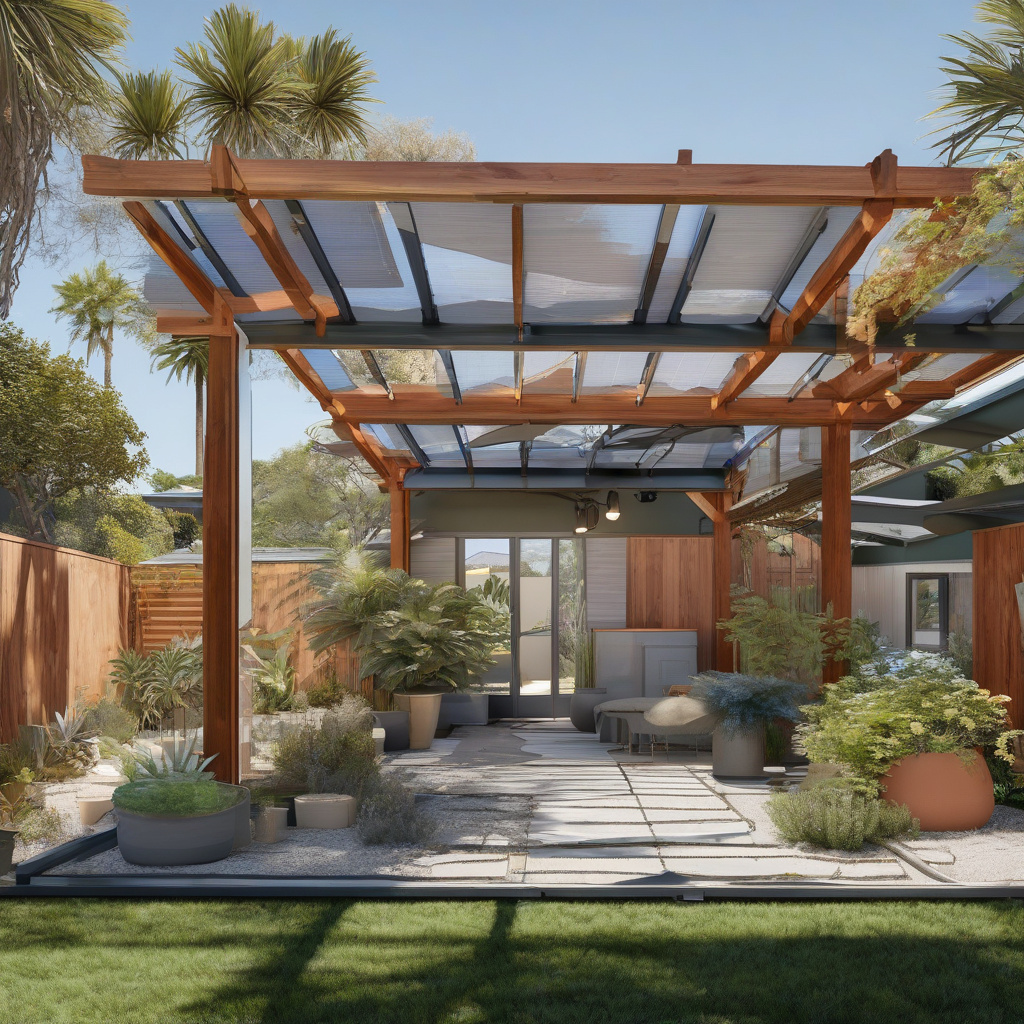
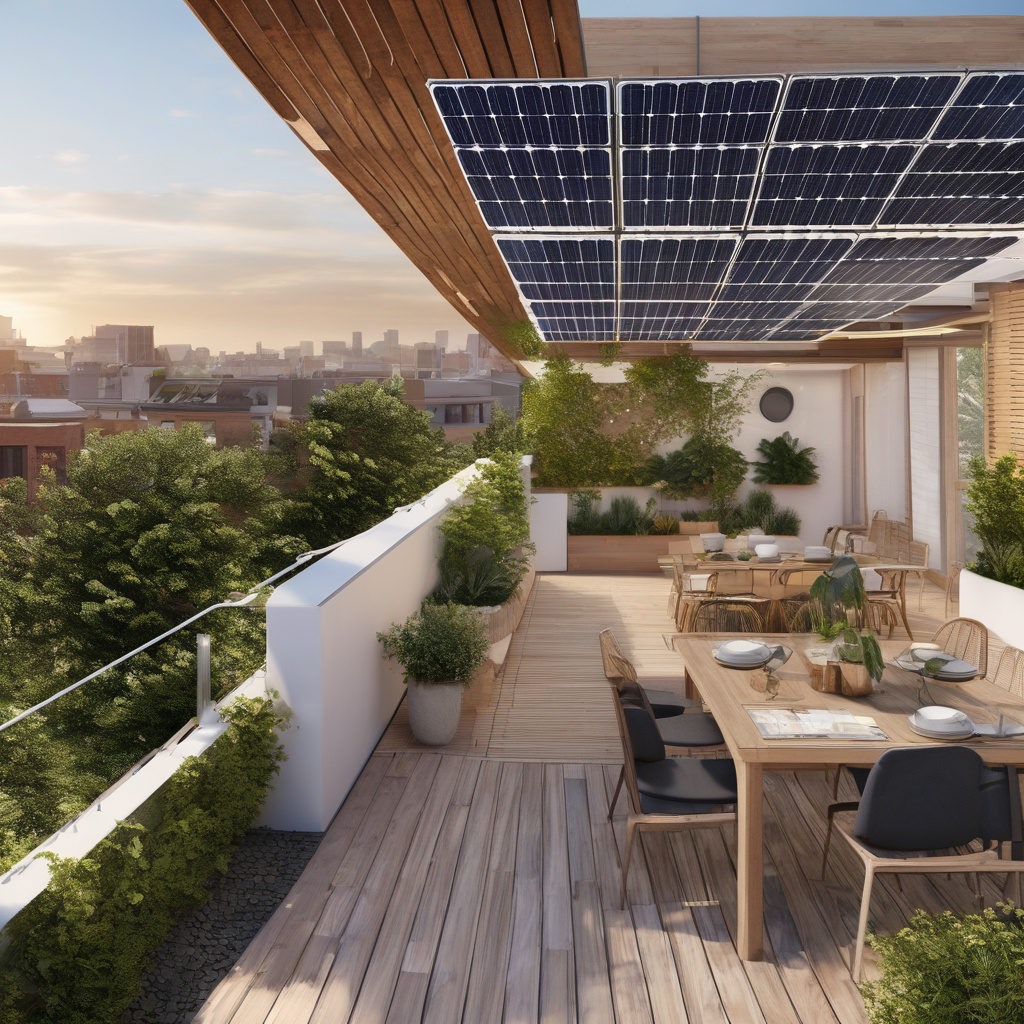
The creation of shaded outdoor zones is another critical component. By designing with elements such as pergolas or extended eaves, not only is a sanctuary created from the sun’s relentless rays, but an embrace of alfresco living is fostered—an indoor-outdoor flow that suits the California lifestyle so well.
Building with nature in mind isn’t just about comfort. Many homeowners are seeing value in enhancing their properties’ natural harmony, which leads to decreased energy costs and increased sustainability. It’s a win-win in the battle against climate volatility.
In summary, California homeowners are not just adding space; they are laying down a framework that could weather the climate’s unpredictable future.
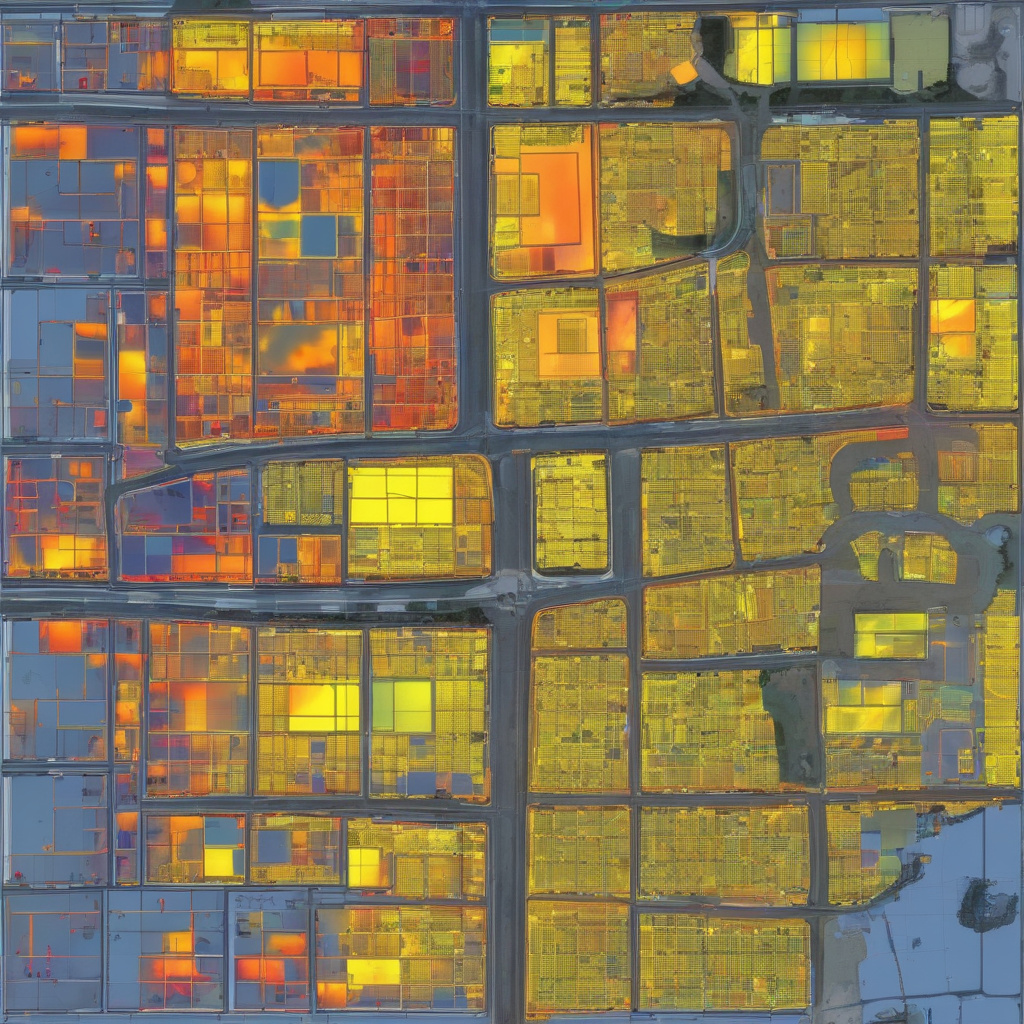
The proportion of homes utilizing environmentally resilient materials has increased by over 30% in South California over the past five years, signaling a growing trend towards sustainability.
Planning for Tomorrow: Smart Layouts and Sustainable Materials
Today’s homeowners demand more from their living spaces than ever before. As environmental awareness heightens, the trend is shifting towards layouts that emphasize energy efficiency and resourcefulness. The message is clear: it’s not just about what you build, but how you build it.
The incorporation of modern building technologies allows projects to push boundaries in sustainability. For instance, applying photovoltaic panels or utilizing advanced insulation techniques can dramatically reduce a home’s environmental footprint. Yet, the application alone doesn’t suffice. What’s paramount is ensuring these elements are woven harmoniously into the rest of the architectural design.
When embarking on adaptive projects, homeowners face a pivotal decision between modern and traditional layouts. Each comes with its advantages and potential pitfalls. Modern designs might champion open spaces and minimalism but can carry a more substantial upfront cost. Meanwhile, traditional layouts often offer warmth and familiarity but might not harness new technologies as effectively.
The choice of materials further enforces this adaptive strategy. From recycled steel, which offers strength and longevity, to sustainably harvested wood, each selection impacts the overall ecological responsabilidade of a project. These components reveal the increasing consciousness towards how materials impact our environmental legacy.
Ultimately, the shift embraces layouts and materials that assume a dual role: serving immediate residential needs while championing long-term ecological mindfulness.
| Renovation Option | Avg. Cost | Typical Materials | Timeline |
|---|---|---|---|
| Traditional Extension | $50,000 – $70,000 | Wood, Basic Insulation, Ceramic | 4-6 months |
| Eco-Friendly ADU | $75,000 – $100,000 | Recycled Steel, Solar Panels, Advanced Insulation | 6-9 months |
Evaluating Costs: Budgets and Benefits
Imagining climate-resilient homes entails grappling with financial realities. While the shift towards resilient designs promises a wealth of savings on utilities and potential relief from rising insurance costs, the initial investment can seem daunting.
Understanding material costs and labor expenditures bear significant weight. For instance, utilizing high-performance insulative materials may increase early-stage expenses, but these are often offset by long-term savings in reduced energy bills. Furthermore, integrating solar panels provides a renewable energy source that reduces reliance on the main grid, eventually paying for themselves over several years.
Moreover, Californians find themselves increasingly recognizing the potential for dual-purpose spaces. Adaptable ADU layouts, such as those for recreation rooms, not only maximize spatial efficiency but also serve as rental income opportunities, thereby smoothing out financial wrinkles. These versatile structures cater to both family needs and financial prudence.
It’s a balancing act, requiring homeowners to assess immediate budgets against expansive, long-term benefits. With the proper foresight and planning, today’s expenditure turns into tomorrow’s savings. Decisions made today must be scrutinized under the lens of both present-day constraints and future gains.
In the end, despite the upfront costs, the environmental and economic incentives create a powerful draw towards consciously designed spaces.
According to a study by the University of California, homeowners who invested in energy-efficient upgrades recovered approximately 65% of their costs through reduced utility bills within a decade.
Harvesting Innovation: Practical Tips for Homeowners
California is presently a melting pot of inventive solutions helping residents to retrofit structures with climate change in mind. For those pondering upgrades, consider the effectiveness of simple yet transformative actions, seamless energy efficiency blends into daily life.
Insulation and Sealing
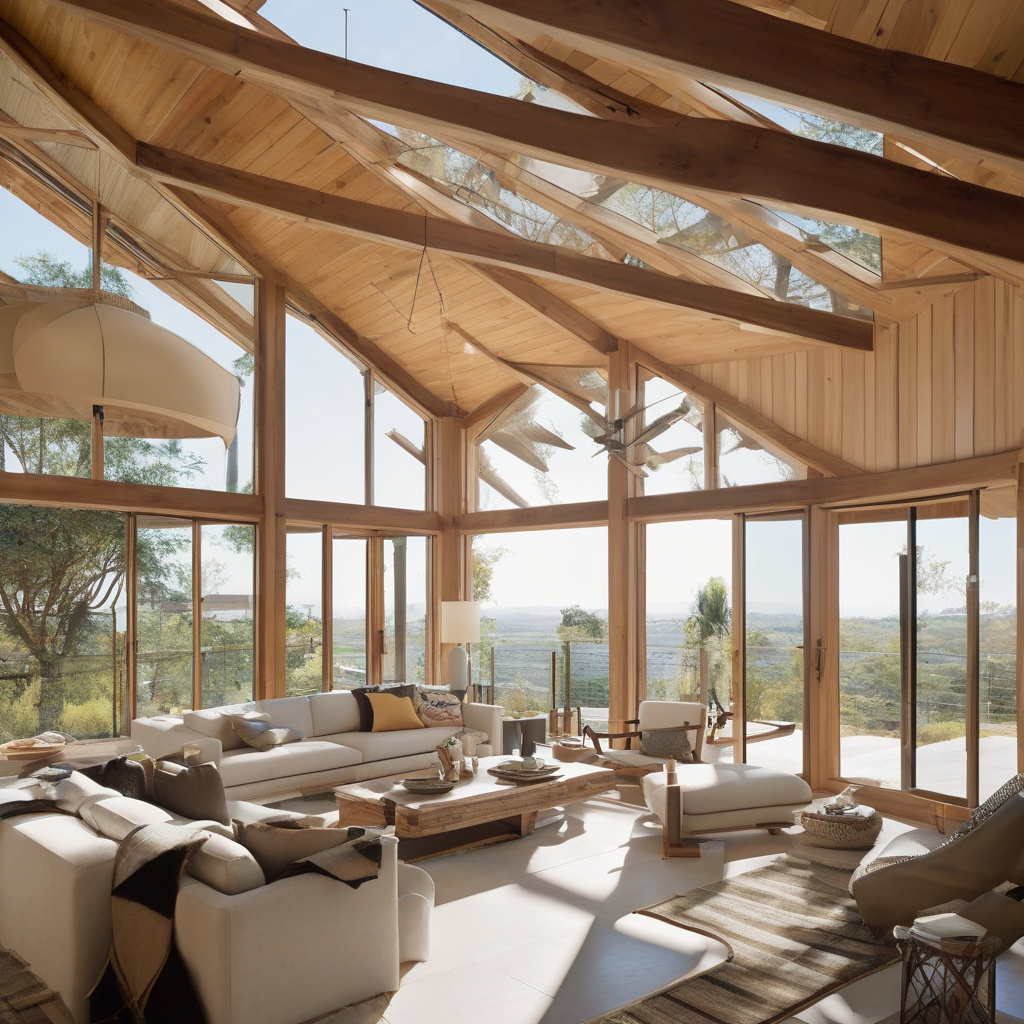
One of the quickest wins in climate-conscious renovation is optimizing insulation. By augmenting existing insulation layers or introducing new, more efficient materials, homeowners can significantly cut down on both heating and cooling losses. Sealant improvements around windows and doors further guarantee that interiors remain invulnerable to external temperamental shifts.
Shading Strategies
In sunnier locales, intentional shading is key. Implementing pergolas, advanced window treatments, or strategically placed vegetation can mitigate heat absorption, enhancing both comfort and energy consumption rates.
Water Efficiency
With droughts as a perpetually looming threat, sustainable water management becomes crucial. Introducing xeriscaping and drought-resistant plantings, alongside rainwater harvesting systems, fortifies ecological resilience in gardens and urban ecosystems.
These tactical interventions are not typically sweeping, costly renovations; rather, they’re effective grassroots changes empowering homeowners to act with the planet—and their pocketbooks—in mind.
Solutions that are accessible and budget-friendly make impactful differences in building climate-resistant homes.
Examining Regulations and Future-Proofing
In the midst of all innovations and adaptations, staying informed about new rules and regulations is paramount. California, known for its progressive legislative measures, provides a robust framework through which residents can shape their renovations both legally and sustainably.
As multifamily dwelling regulations expand, numerous opportunities surface for roofing ADUs and additions to convert into multifamily zones. A deep understanding of local regulations helps ensure that expansions meet environmental goals without crossing legal boundaries.
These guidelines are frequently miscast as restrictive when, in reality, they offer insight into crafting developments with enduring impact. A forward-thinking approach assumes not only a compliance nature but a role model for other states to emulate.
For any homeowner eager to redefine their habitat, keeping abreast with the latest zoning laws is indispensable. The meticulous navigation of regulatory waters pays in dividends by ensuring projects are scrupulously executed, optimized for an enduring future.
Ultimately, these governing standards shed light on the path towards interweaving resilience with innovation, ensuring this generation’s contribution is one of legacy rather than liability.
A report by the California Housing Partnership indicates that upgraded multifamily dwellings save approximately 15-20% more energy than traditional single-family homes, highlighting the efficacy of optimized designs.
The Path Forward: Balancing Earth and Economy
As we consider the interplay between changing climates and architectural innovation in California, a central truth emerges: sustainable design is not merely a choice—it’s an imperative. The decisions that homeowners and builders undertake today are reshaping the landscapes and lifestyles of tomorrow.
For many in Los Angeles and beyond, intentional design choices have become much more than a trend. They represent a steadfast commitment to not only enduring nature’s whims but thriving beneath them. These empowered choices elevate homes beyond mere shelters; they render them as actors in the broader environmental narrative.
It’s about appreciating the delicate dance between nature and nurture—a partnership where efficient design doesn’t just mitigate risk: it ushers in a promising future, one thoughtfully etched in harmony with its surroundings. Reflect on that the next time you hear the hum of solar panels or the rustle of a drought-resistant garden amid a California breeze.
As climate-conscious design becomes the norm, Californian homeowners steadily carve pathways towards living at one with, rather than apart from, their climate reality.
- Climate change necessitates thoughtful design shifts in ADUs and home additions.
- Heat-resistant materials and shaded outdoor zones are priorities in California.
- Understanding multifamily dwelling regulations is vital for compliant development.
- Balancing initial costs with long-term sustainability is crucial for homeowners.
- Innovative approaches drive the alignment of home spaces with ecological realities.
FAQ
How is climate change influencing ADU design in California?
In California, the impacts of climate change are pushing architects and designers to rethink ADU (Accessory Dwelling Unit) designs. Many experts emphasize the shift towards integrating heat-resilient materials, as these structures must withstand hotter temperatures and potential fire risks. For example, using heat-reflective roofing materials or high-performance insulation can significantly enhance energy efficiency. In real renovation projects, it has been observed that shaded outdoor zones can also improve the overall comfort for occupants, providing cooler spaces without relying heavily on air conditioning. Homeowners should not underestimate the effect of such choices on long-term sustainability.
What should homeowners consider when upgrading for climate resilience?
When considering climate-resilient upgrades, California homeowners should evaluate materials for their energy efficiency and durability under changing conditions. Real experts recommend prioritizing items like energy-efficient windows and cool roofs. These not only improve interior comfort but reduce utility costs long-term. Also, upgrading to modern HVAC systems can maintain indoor temperature stability. Many homeowners underestimate the importance of landscaping; strategically planting trees and bushes can create natural shade, lowering surrounding temperatures. Balancing initial costs with future energy savings is crucial for decision-making.
When does it make sense to invest in climate-resilient additions?
Investing in climate-resilient additions often makes sense in regions experiencing extreme weather patterns, like California. If you’re planning an addition or ADU, incorporating resilient features can safeguard your property from future climate uncertainties. Many builders point out that, for homeowners living in high fire-risk areas, using non-combustible materials and creating defensible spaces around the home should be priorities. Timing these investments during major renovations can be cost-effective, allowing you to integrate resilience without separate construction projects. It’s also practical for increasing property value and appeal to eco-conscious buyers.
What are common mistakes in sustainable ADU construction?
A typical mistake in sustainable ADU construction is neglecting the importance of proper insulation. Inadequate insulation can lead to higher energy bills and uncomfortable living conditions. Some contractors may prioritize aesthetics over functionality, which compromises the environmental efficiency of additions. Moreover, incorrectly positioning the ADU without considering natural shading or wind patterns can lead to overheating. Homeowners often misjudge the size, overbuilding beyond practical usage, inadvertently increasing energy consumption. Working with specialists aware of these pitfalls can help ensure a more sustainable and comfortable living space.
What are the cost factors for climate-resilient renovations in California?
The costs of climate-resilient renovations in California can vary substantially depending on the scope and materials. High-performance materials like triple-glazed windows or reflective roofing can be more expensive upfront. However, they promise lower energy bills over time. Compounded with costs are labor rates, which fluctuate based on regional demand for skilled contractors. Additional considerations include any necessary reinforcements for structural safety against natural disasters, such as earthquakes or wildfires. Though initial expenses might be higher, the long-term benefits often justify the investment. For personalized cost assessments, contacting local experts is recommended.
What are the pros and cons of shaded outdoor zones in home designs?
Shaded outdoor zones bring numerous advantages, providing comfortable, usable spaces during hot California summers and reducing indoor cooling needs. They can extend living spaces and decrease heat absorption for nearby rooms. However, potential downsides include maintenance of shade structures and potential for mold in overly shaded, damp areas. Some homeowners might find that particular designs impede natural light indoors. Thoughtful design and quality materials can help mitigate these issues, ensuring that shaded zones enhance, rather than detract from, both aesthetics and functionality.
How can property owners ensure efficiency upgrades support long-term living conditions?
Ensuring that efficiency upgrades support long-term living conditions requires a strategic approach. Property owners should consult energy audits to identify critical areas for improvement, like insulation, air sealing, and HVAC upgrades. Real-life applications often demonstrate that mismatched or incompatible upgrades lead to underperformance. People typically bypass energy simulations that model potential savings, which could guide informed decisions. Implementing smart home technologies can optimize energy usage further. For those seeking tailored advice on upgrading strategies, reaching out through this guidance form can direct you to the right experts.
Are there risks involved with efficiency upgrades in older properties?
Efficiency upgrades in older properties carry both opportunities and risks. While renovations can drastically improve energy performance, hidden challenges often exist. Older structures may have outdated wiring or asbestos, complicating upgrades and potentially increasing project costs. Many renovation experts caution against blanket solutions without comprehensive assessments, as they might not address specific needs of older homes. Upgrades done improperly can lead to moisture issues or compromised air quality. Collaborating with specialists familiar with historical architecture can mitigate these risks, ensuring the upgrades contribute positively to the property’s long-term value and performance.