In Los Angeles, where the urban jungle meets true wilderness, constructing a deck around an existing tree or natural feature has become more of an art form than a simple renovation project. This growing trend reflects Southern California’s ultimate desire to harmonize human creativity with nature’s splendor. But, how does one construct such a masterpiece without sacrificing the beloved trees or delicate features that have been part and parcel of the landscape for decades?
Brief summary: This article delves into the intricate process of building decks around existing trees or natural fixtures, a burgeoning trend in Los Angeles. It explores expert techniques, costs, and homeowner experiences, while providing insight into planning, materials, and code considerations for successful renovations that respect ecological elements.
The Art of Integrating Nature in Urban Settings
Building a deck around an existing tree is both a technical challenge and a testament to a homeowner’s respect for nature. In Los Angeles, where property landscapes frequently feature native trees or unique geological formations, the approach must be delicate and calculated. These projects require a harmonious blend of ecological mindfulness and architectural innovation, something that architectural firms in Southern California are beginning to specialize in.
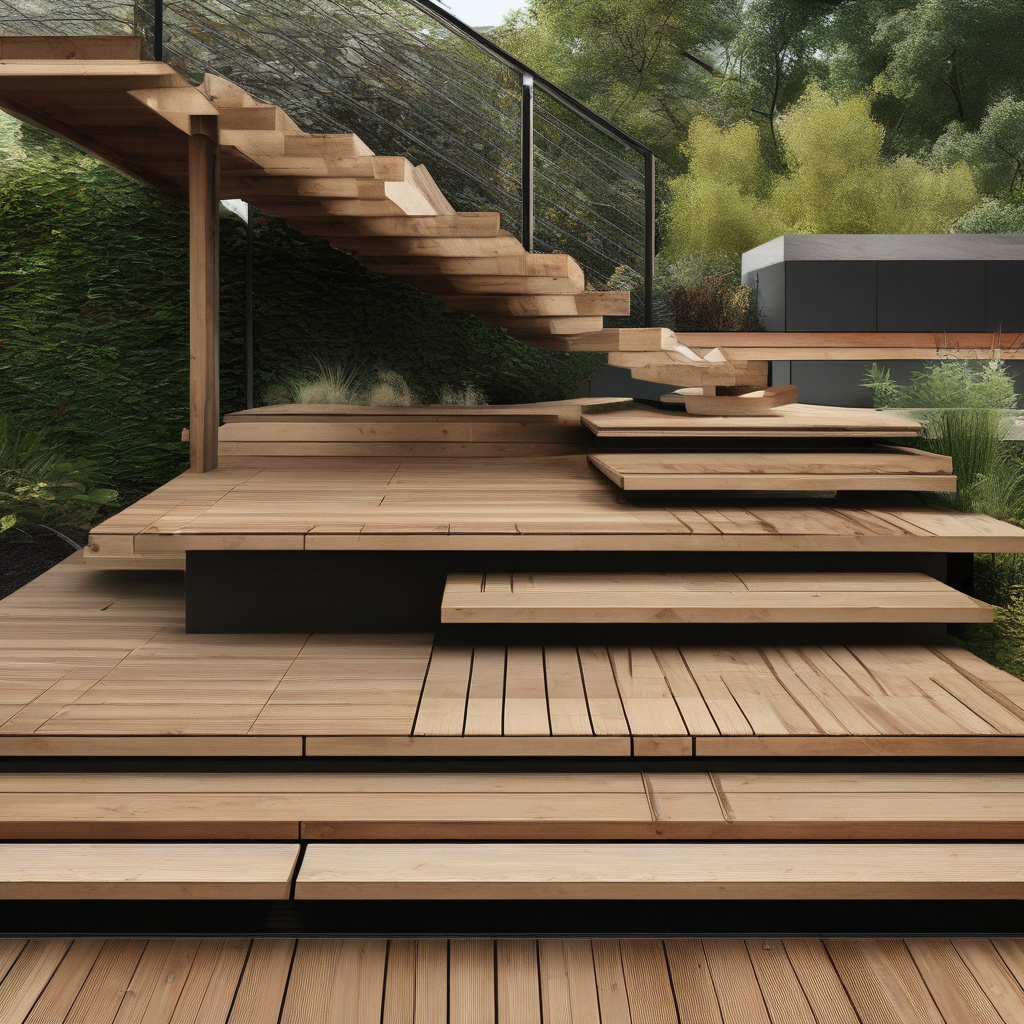
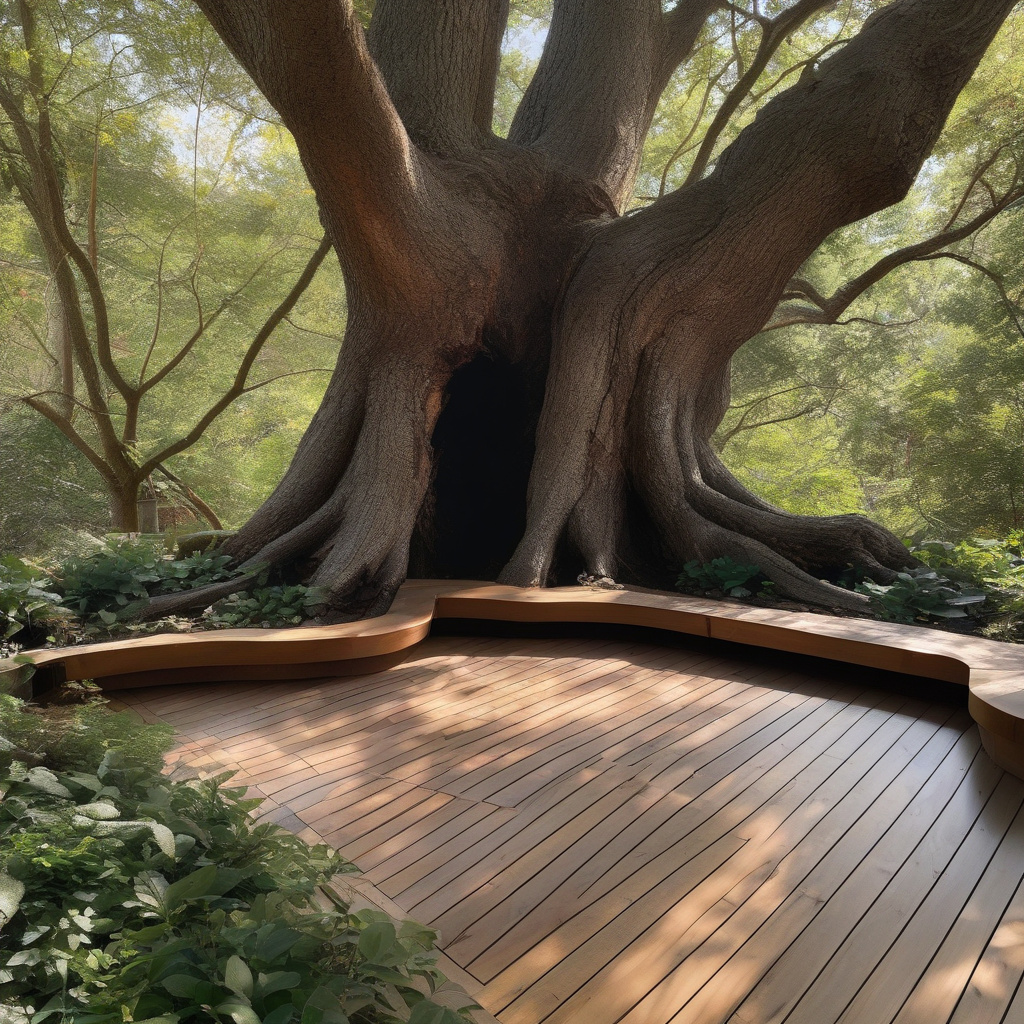
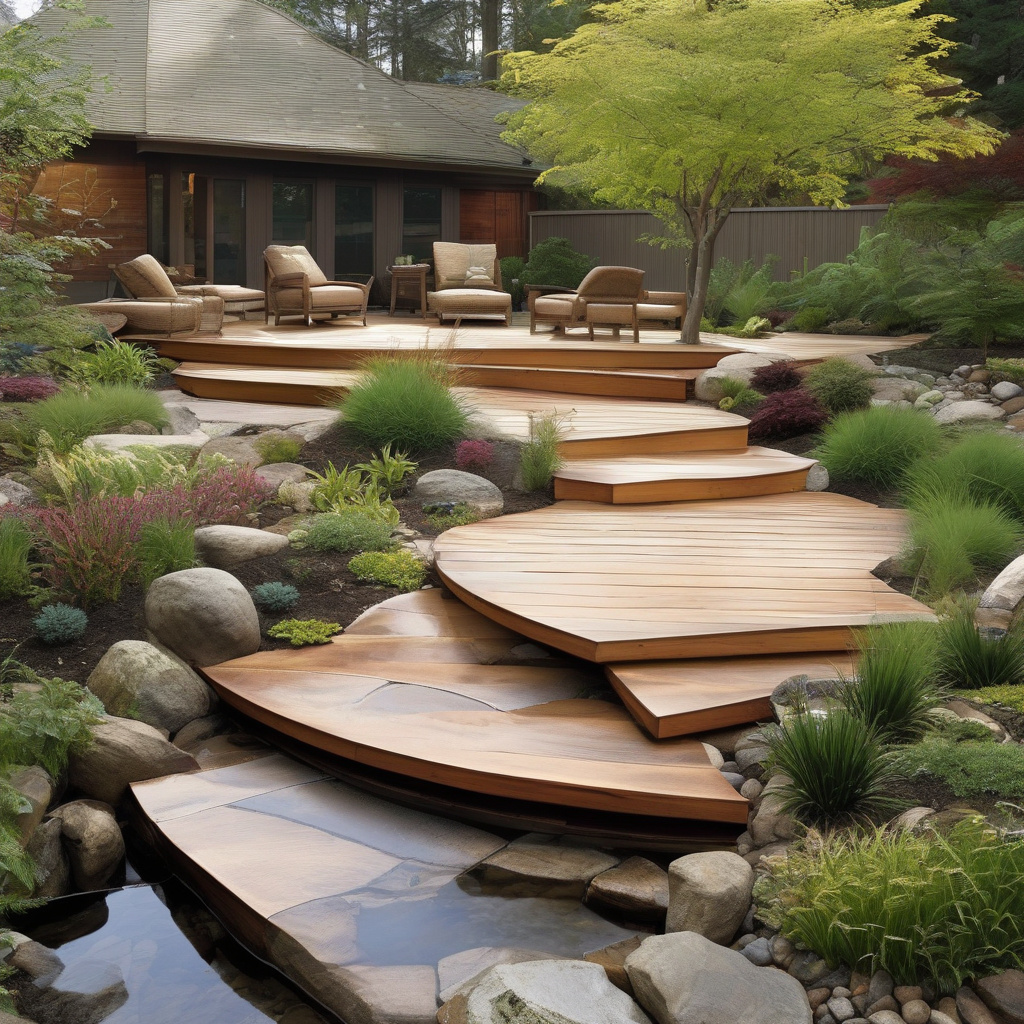
Floating joists and curved edges are key techniques employed in these projects. They not only reduplicate the contours of the landscape but also create unique outdoor sanctuaries that quickly become the focal point of social gatherings. As homeowners in the area increasingly demand such tailored outdoor spaces, Los Angeles sees a surge in custom patio designs that blend sophistication with sustainability.
Integrating natural elements seamlessly into such projects speaks volumes about the evolving mindset of the Los Angeles homeowner. They prioritize retaining natural beauty over opting for a more conventional deck that dismisses the ecological value of their landscape. This trend reflects a growing awareness and appreciation of the balance between urban living and natural conservation.
This approach to outdoor deck design is as much a science as it is an art. Each project presents its own set of challenges and customization options, with solutions often emerging from meticulous planning and a keen understanding of local building codes.
Planning and Execution: The Road to a Unique Deck
When considering building a deck around existing natural features, homeowners and contractors face an intricate series of choices and decisions. The project begins with a comprehensive analysis of the landscape, requiring expert insight to design a deck that not only satisfies aesthetic ambitions but also conforms to safety standards and building codes.
To ensure a successful outcome, homeowners often engage advisers who specialize in meticulous outdoor planning to make informed decisions on layout and design. These experts consider everything from root protection zones to the deck’s impact on the natural environment, ensuring that tree roots remain unharmed and soil integrity remains intact.
Tree preservation is a significant concern. A mistake could mean damaging roots or limiting a tree’s growth, which is why innovative deck planning incorporates strategic spacing and structural solutions. This ensures the roots have adequate room to continue thriving.
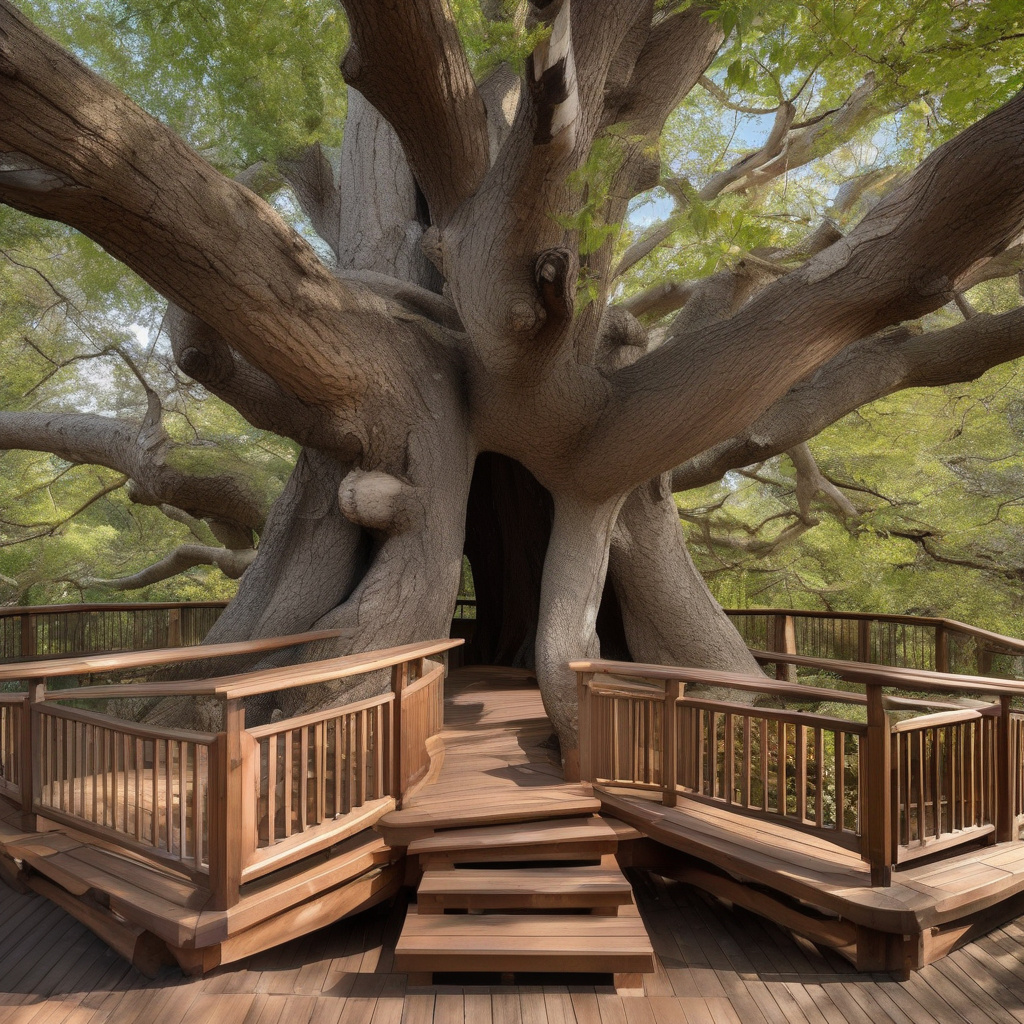
One real-life scenario involved a Los Angeles family who, inspired by the majestic oak dominating their backyard, decided to integrate it into their deck design. The result was an awe-inspiring multifunctional space that preserved the tree, enhanced their outdoor lifestyle, and increased their property’s value.
The conclusion is clear: careful planning and expert guidance transform potential limitations into stunning architectural features.
Material Matters: Choosing the Right Components
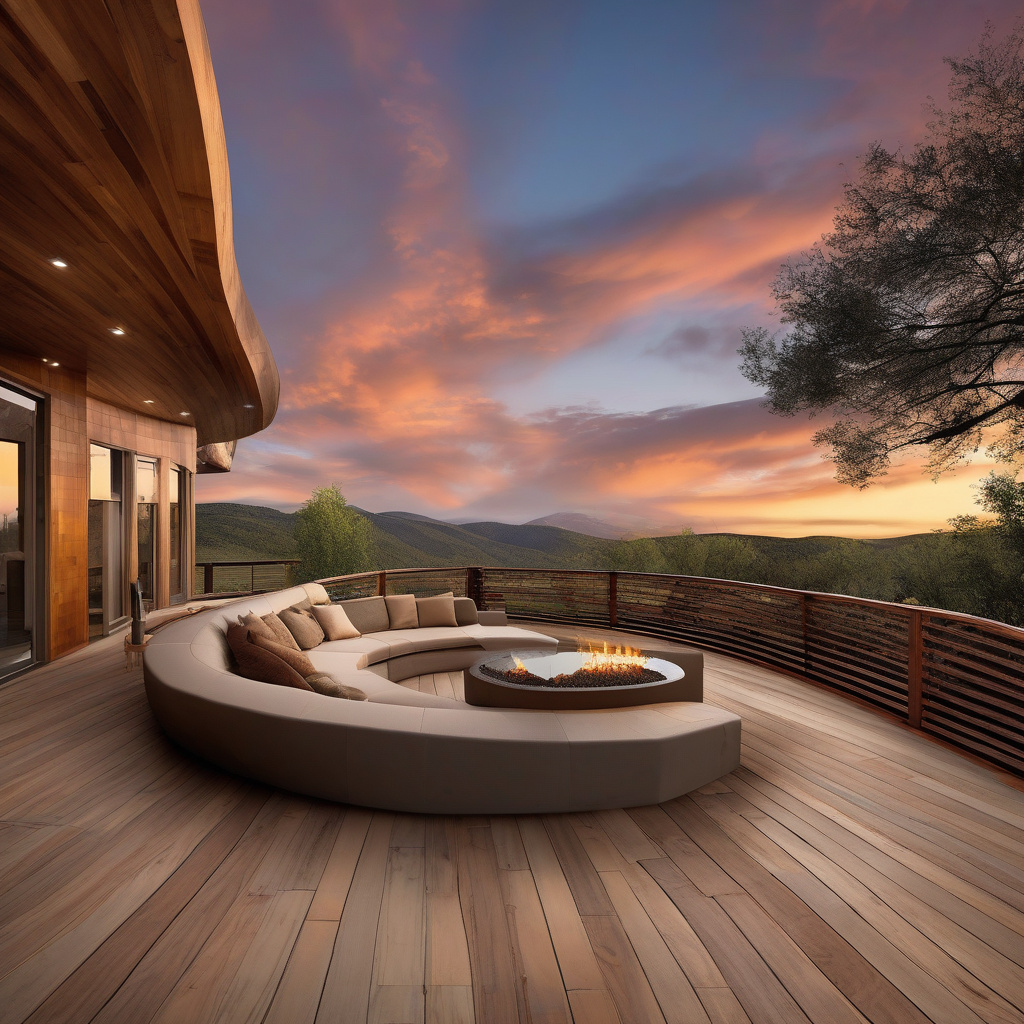
Materials are another critical aspect of building a deck that envelops a tree or natural feature. The choice of materials influences the deck’s durability and its ability to blend with the natural surroundings. Redwood and composite materials are among the most popular options in Southern California due to their resilience and ecologic benefits.
When reviewing materials, it’s vital to consult experienced deck contractors who have an intimate understanding of the local climate and environmental conditions. Contractors proficient in ecological conservation and wood science often provide the most insightful recommendations, optimizing both aesthetics and function.
Another popular choice is sustainably sourced hardwood, known for its rich textures and longevity, ensuring the deck’s surface complements the organic features it embraces. However, homeowners must weigh the pros and cons of each material, factoring in maintenance, longevity, and environmental impact.
As many local homeowners notice, selecting the right materials not only determines the visual harmony of the completed project but also its sustainability in the face of Southern California’s diverse weather patterns.
Industry Insight: According to Sustainable Building Products Journal, “homes with environmentally integrated designs increase in property value up to 15% more than conventional renovations.”
A carefully considered selection of materials paves the way for a structure that is not only beautiful but sustainable and durable in the long run.
Costs and Timelines: Setting Realistic Expectations
Understanding the costs and timelines associated with these ambitious projects is essential for any homeowner contemplating the endeavor. Typically, building a deck that accommodates and preserves natural features costs more than standard deck construction due to the additional planning and customization involved.
Costs can range significantly based on materials, design complexity, and site-specific challenges. On average, homeowners can expect to pay around 20-30% more for such bespoke designs. Yet, the investment rewards them with an outdoor space that not only elevates their lifestyle but also significantly enhances curb appeal.
Timeframes can also vary. Simple projects might reach completion in a matter of weeks, while more complex designs can extend into several months. For instance, an architecturally adventurous project involving multiple trees and varied materials can take as long as half a year from planning to completion.
A brief analysis of the process reveals the importance of patience and strategic timing, often requiring coordination with planting seasons to minimize ecological disturbance.
Research-Based Fact: The National Association of Home Builders reports, “Outdoor remodeling projects like decks yield a return on investment ranging from 80% to 100% often leading to swift recoupment of initial costs.”
Accurate cost and timeline assessments allow homeowners to plan finances and set expectations realistically, ensuring their dream deck becomes a reality.
Considerations and Compromises: Risks vs. Rewards
As with any construction project, building a deck around a tree or natural feature involves weighing various risks against the anticipated rewards. Key considerations include environmental impact, safety regulations, and long-term upkeep. When properly addressed, these factors lead to a deck that harmonizes with its surroundings while providing years of enjoyment.
Homeowners must navigate local zoning laws and ensure compliance with requirements regarding height, safety features, and environmental conservation. In particular, ensuring proper railing installations is pivotal to deck safety and aesthetic cohesion. Luckily, resources are available to help homeowners understand modern railing codes and their applications to enhance their projects.
Additionally, the unique challenge of ongoing maintenance arises as homeowners commit to a long-term care plan for both their deck and the tree it enshrines. Regular inspections and timely repairs can prevent minor issues from escalating, preserving both the deck’s beauty and the tree’s health.
While the initial investment of time and resources may seem daunting, the rewards often far outweigh these concerns. The result is not just an outdoor space but an exquisite balance of natural and human-made beauty.
How to Build a Deck around a Tree: Step-by-Step Guidance
Designing and constructing a deck that embraces nature’s assets requires methodical steps, expert advice, and a dash of creativity. Here’s a simplified guide to get started:
Initial Assessment and Design
Begin by assessing the existing landscape and identifying key features you wish to incorporate. Work with a landscape architect to draft a plan that respects natural growth and optimizes space.
Material Selection
Choose materials that complement the natural surroundings and promise longevity. Consult with specialists to ensure your choices meet both structural and environmental criteria.
Construct and Conserve
As construction begins, pay keen attention to preserving tree health through strategic placement and spacing of support structures. Use floating joists and eco-friendly practices to minimize disruption.
Expert Insight: Leading horticulturalist, Dr. Emily Green, emphasizes, “The key to sustainable deck construction lies in understanding tree biology and respecting natural growth patterns.”
Completing these initial steps positions homeowners for a successful and satisfying outdoor transformation.
- Building decks around trees requires a blend of architecture and nature preservation.
- Careful planning and expert guidance are crucial for blending designs seamlessly with natural features.
- Choosing the right materials influences the deck’s durability and ecological harmony.
- Understanding costs, timelines, and regulatory considerations is key to successful project execution.
- Step-by-step planning ensures a balanced and rewarding outdoor transformation.
“`html
FAQ
Why might homeowners consider building a deck around an existing tree?
In real renovation projects, it’s often clear that integrating a deck with existing natural features, like trees, creates a unique and visually appealing outdoor space. Homeowners especially in California, with its abundant sunshine, value decks that offer shade and natural beauty. Such designs not only enhance the home’s aesthetic appeal but also reflect a commitment to preserving natural landscapes. Curved edges and floating joists in these decks help protect tree roots, ensuring the longevity and health of both the deck and the tree, making this an appealing option for eco-conscious homeowners.
What precautions should be taken when constructing a deck around a tree?
Many experts point out that construction near trees requires careful planning to avoid damaging the root system. In practice, leaving generous spacing between the tree base and the deck—often referred to as ‘root-friendly spacing’—is crucial. Floating joists should be employed to allow for tree movement and growth. A common oversight is sealing the gap between the tree and deck, which can hinder the tree’s development. Instead, using flexible or adjustable connections can accommodate natural growth. Consulting an arborist may also offer insights to better protect your tree during construction.
What are the potential challenges of building such a deck?
Incorporating existing trees into a deck design presents several challenges. The primary difficulty lies in accommodating tree growth while minimizing impact on the deck’s structure and soil compaction around the root zone. Additionally, curved edges and floating components can be costlier and require more skilled labor compared to traditional straight line decking. Proper planning is key to avoid surprises like uneven settling or root damage. Consulting with professionals familiar with complex landscaping can be invaluable in overcoming these challenges. For tailored advice, reach out to experts like those at get local renovation insights.
How much can homeowners expect to spend on such a project?
The cost of building a deck around a tree can significantly vary based on materials, design complexity, and labor. Many homeowners underestimate the expenses involved, especially considering the need for specialized construction methods like floating joists. The cost often exceeds that of traditional decks, potentially ranging from $20,000 to $45,000 or more, depending on the materials and professional fees involved. Using high-quality composite materials may incur higher initial costs but offer greater durability and lower maintenance in the long run. It’s crucial to set a realistic budget that includes an allowance for unforeseen project adjustments.
What are the environmental benefits of deck integration with existing trees?
Building a deck around existing trees serves multiple environmental advantages. It helps in maintaining biodiversity by preserving habitats for birds and insects. Trees act as natural air filters, providing cleaner air around your home. By avoiding tree removal, homeowners contribute to carbon sequestration, which is especially important in urban settings. Moreover, in a place like California, maintaining greenery aids in reducing urban heat. However, it’s important to remain cautious about soil compaction around the root zone, which can negatively affect tree health if not properly managed.
What are the main materials recommended for building a deck around a tree?
Choosing the right materials is essential for a successful project. Many renovation experts recommend composite decking materials for their durability and low maintenance, which is particularly appealing for California’s climate. Natural woods, like redwood or cedar, are popular for their aesthetic appeal and resistance to insects. However, they require more upkeep to prevent weathering. It’s crucial to use materials that can withstand moisture, as the proximity to the tree canopy can create shaded, damp conditions. Opting for rust-resistant fasteners and fittings will further ensure longevity of the deck structure.
Can incorporating a deck around a tree impact property value?
Incorporating a deck around an existing tree can significantly enhance a property’s value. It provides an attractive, unique selling point, particularly appealing to homebuyers who appreciate outdoor features and green spaces. However, prospective sellers should ensure that the deck is well-maintained and adheres to safety standards. Proper installation by experienced professionals will avoid potential issues such as wood rot or structural instability, which could otherwise detract from property value. Adding thoughtful lighting and landscaping can further boost the aesthetic appeal and financial worth.
Is there a best time of year for building a deck around a tree?
Timing the construction of your deck can greatly influence the ease of execution and the tree’s health. In many Californian regions, fall or spring are considered ideal, as these seasons offer moderate temperatures and drier weather, minimizing stress on the tree during construction. Avoiding wet seasons is crucial to prevent soil compaction and potential settling issues. Homeowners should also consider any local regulations and permit requirements that may influence timelines. Planning ahead with a qualified contractor will ensure your project aligns with a timeframe that buffers against environmental disruptions.
“`