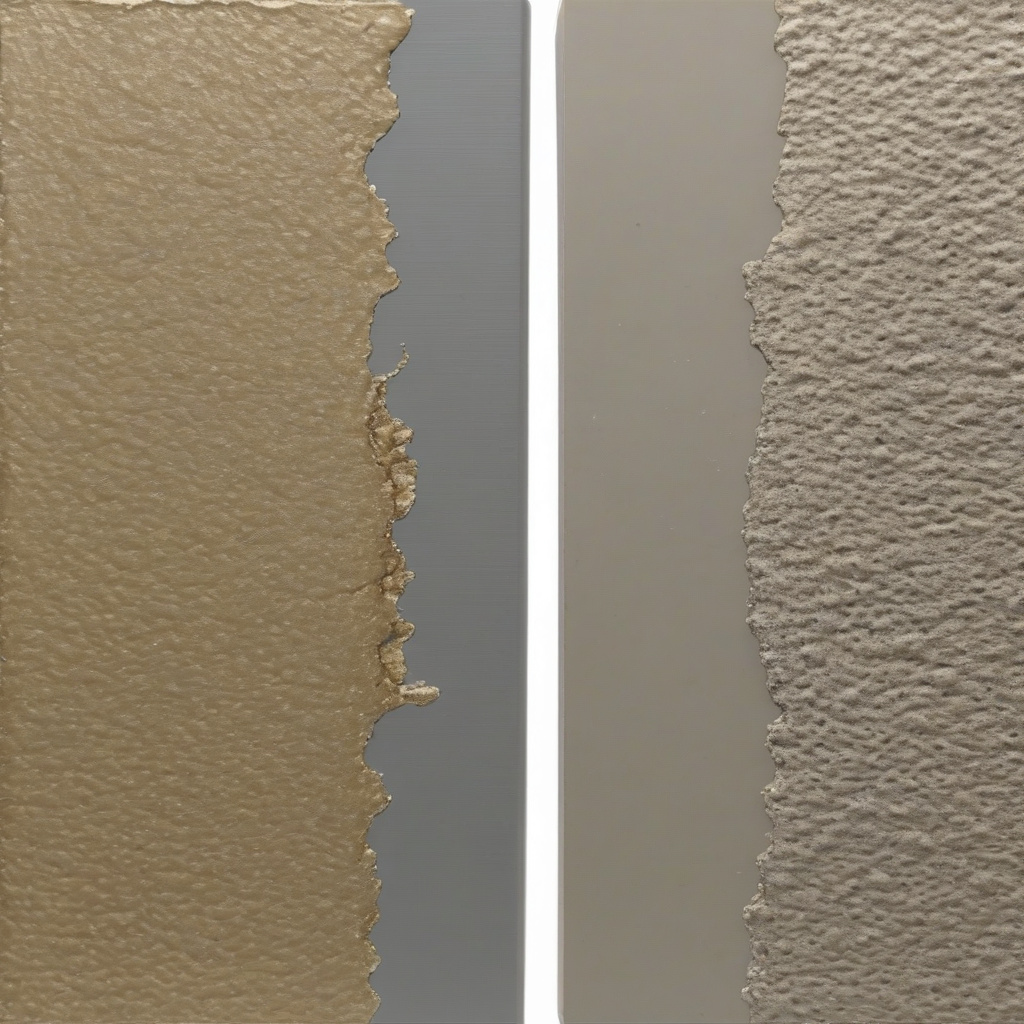
In the sprawling and sunny landscape of Southern California, flat roofs are enjoying a renaissance—a modern architectural nod to the mid-century style adored in locales like Los Angeles. But as building trends sway toward minimalism and horizontal lines, homeowners are faced with the perennial question: when do flat roof coatings truly deliver on their promises of longevity and protection? In the heart of LA’s bustling renovation scene, the answer is far from simple and lies in the nuanced relationship between surface soundness and drainage efficacy.
Brief summary: Flat roof coatings can be incredibly effective in extending roof life and improving energy efficiency when applied under the right conditions. Success hinges on the status of the roof’s membrane and proper drainage. Residents of Southern California must be aware of these critical factors when considering a roof coating to avoid potential pitfalls.
Understanding the Flat Roof Phenomenon
Flat roofs are not just a stylistic choice in Southern California; they are a practical response to the regional climate. With limited rainfall and a constant barrage of sunlight, a flat roof’s aesthetic appeal is complemented by its functionality. Yet, as many local homeowners notice, a flat roof requires specific attention to maintenance and material selection to ensure it does not transform into a costly water basin.
Some residents, eager to enhance their home’s curb appeal, often turn to various roof coating methods as a viable option. These coatings, often touted for their reflective properties and ability to extend a roof’s life, can indeed be beneficial under the right circumstances. Specifically, when a flat roof is structurally sound and drainage is proficient, these coatings can act as a protective layer against the hot Californian sun.
Moreover, flat roof coatings are praised for their energy-saving potential. With appropriate application, they can reflect sunlight, thereby reducing cooling costs by as much as 20%. In a city that values its energy resources, this eco-friendly advantage is particularly appealing.
However, the effectiveness of these coatings is largely dependent on the pre-existing state of the roof membrane. Coatings applied over compromised surfaces may lead to more complications over time, turning into a logistical and financial nightmare.
In conclusion, when considering flat roof coatings, ensuring that your roof is in good condition and fits structurally is imperative. As appealing as an easy solution might be, proactive measures can save resources in the long run.
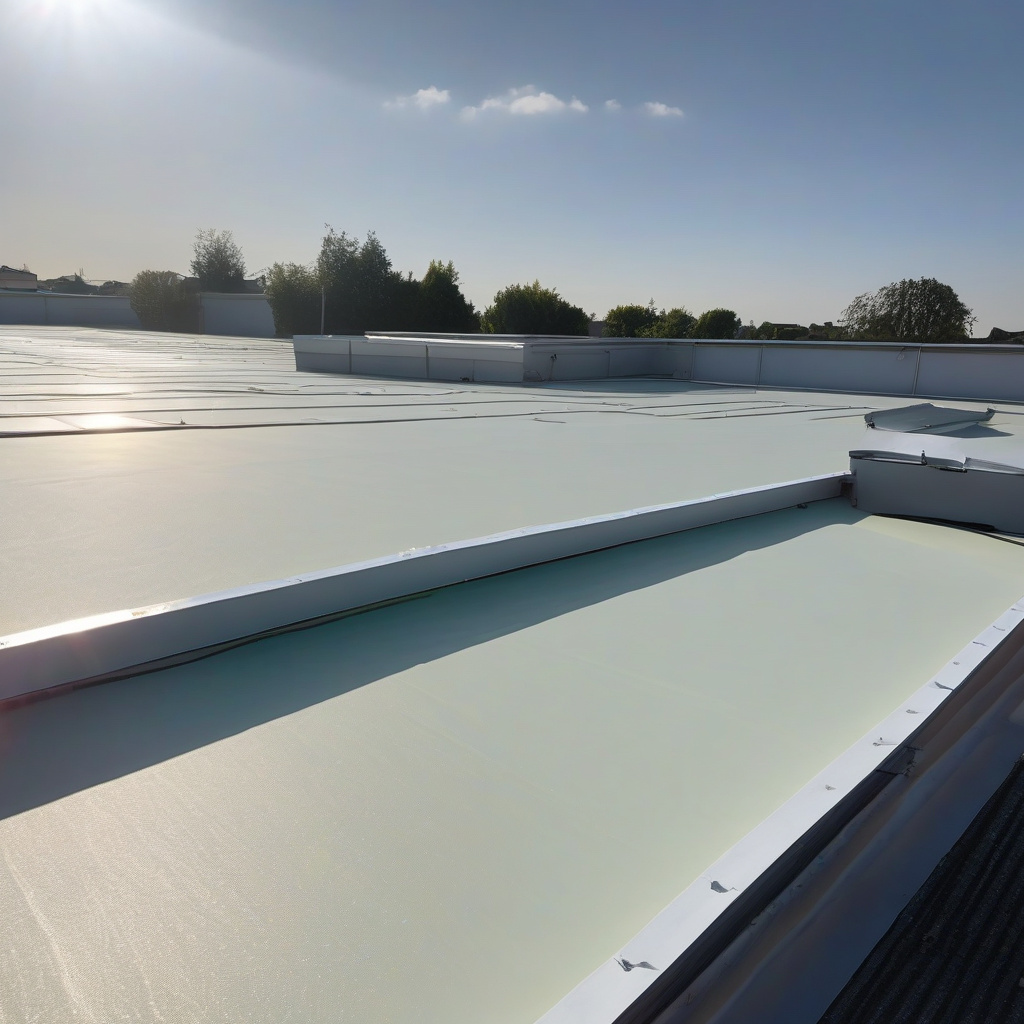
The Crucial Element of Drainage
A flat roof’s primary nemesis has always been water pooling. Without adequate drainage, the rooftop becomes a reluctant reservoir, leading to leaks, structural damage, and mold—a trifecta of homeowner headaches. Proper planning for drainage is essential for any renovation project involving flat roofs, especially in a climate known for its sporadic downpours mixed with extended dry spells.
Many contractors insist on incorporating slight slopes or installing advanced drainage systems to prevent such water collection disasters. As home improvement technology advances, homeowners have more options at their disposal to ensure water drains efficiently.
For instance, internal drains can be a smart addition, provided they’re maintained properly. They work by directing water through the house to the ground outside without disturbing the aesthetic of the roof. It’s these little innovations that can make a significant difference in the longevity of a roof coating.
When sound drainage systems accompany solid roof surfaces, the overall effect is one of extended roof life and enhanced protection—a practical harmony of form and function. It’s worth noting, though, that improper installation can set the stage for future problems.
In conclusion, whether renovating an existing roof or constructing a new one, planning for effective drainage should be a priority. Proactive decisions in drainage design can enhance the durability of roof coatings significantly.
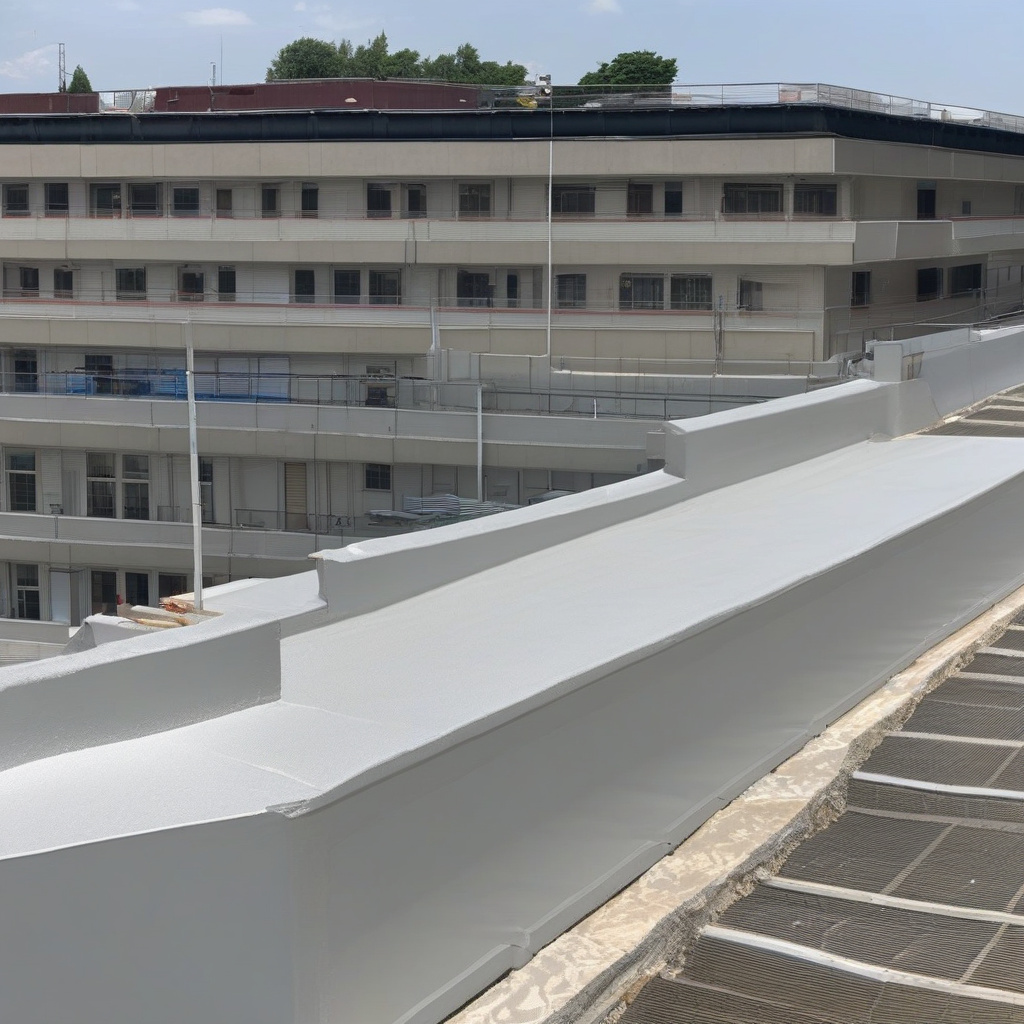
Material Matters in Roof Coatings
The choice of material is pivotal in determining the performance of a roof coating. With a plethora of options ranging from acrylics to silicones, each offers distinct advantages and trade-offs to consider. Experienced contractors often guide clients through these choices tailored to individual needs and climatic conditions.
Silicone coatings, for their part, offer exceptional water resistance and are quite popular in regions prone to periodic tropical storms. However, they come with the downside of being more slippery when wet, which could pose a hazard for maintenance workers.
Conversely, acrylic coatings are valued for their cost-effectiveness and reflective properties, but they might not withstand ponding water as well over time. It’s a delicate balance that requires professional guidance, particularly in an area known for its diverse weather patterns.
Another newer option is the use of elastomeric coatings, which offer flexibility and adaptability to temperature variations—an aspect appreciably beneficial for homes in Southern California where temperatures can wildly fluctuate.
A survey from the National Roofing Contractors Association highlighted that 60% of roof failures are due to improper application of materials, emphasizing the need for diligence in material selection and contractor choice.
Ultimately, the key takeaway for homeowners is the necessity to weigh the pros and cons of each material type carefully. Careful consideration can lead to a solution that balances aesthetics, durability, and cost.
In conclusion, making a wise material choice can greatly influence both the longevity and performance of your roof coating. It’s an investment worth making carefully.
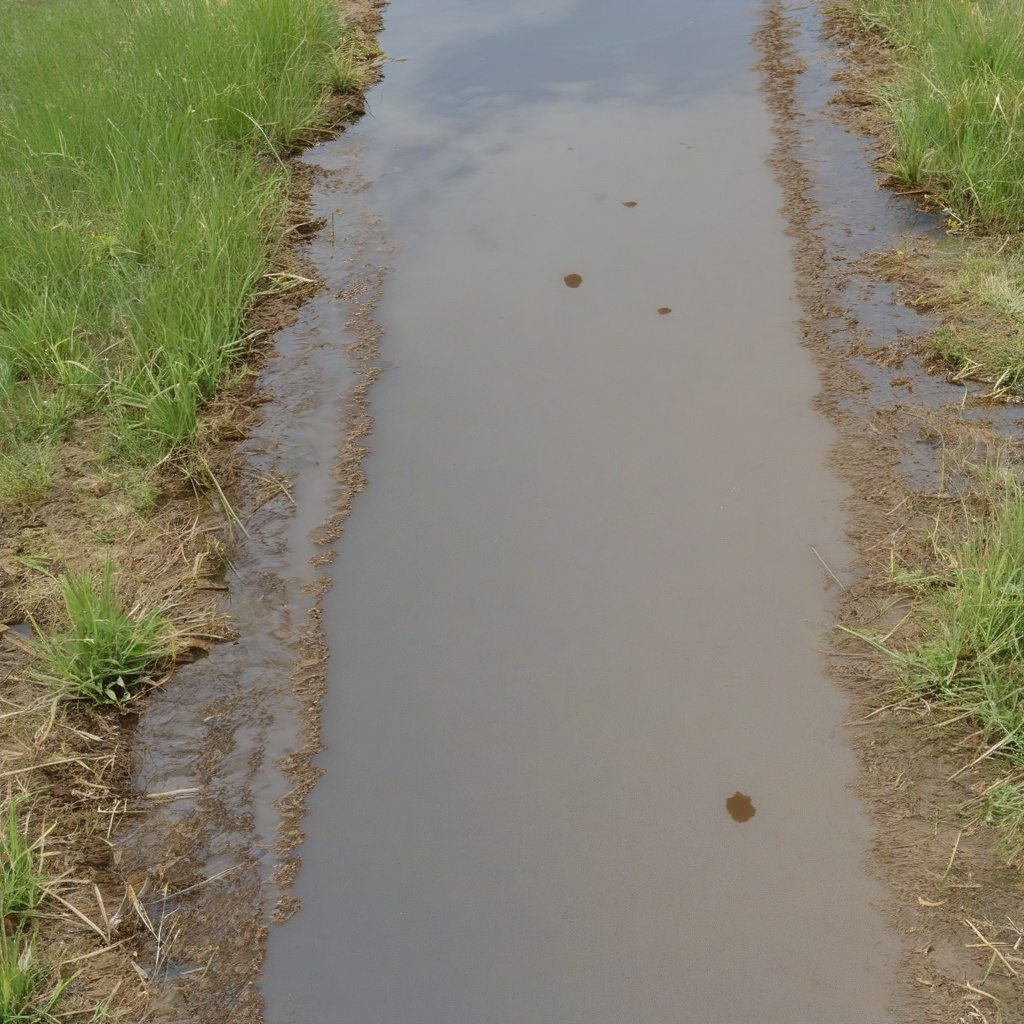
Comparing Costs and Benefits
The cost of roof coatings is a frequent topic of discussion among homeowners eager to capitalize on potential savings while improving their home’s energy efficiency. Differentiating between various options, however, is critical to making an informed decision. The initial outlay may seem intimidating, yet the long-term benefits can be substantial.
For instance, a professional roof coating installation in Los Angeles could range from $2 to $4 per square foot, depending on the material selected and the roof’s condition. While this represents a significant initial investment, the potential energy savings and extension of roof life can outweigh the cost.
Research conducted by the Cool Roof Rating Council found that reflective roof coatings can reduce summer cooling costs by as much as 20%, offering substantial savings over time.
To aid decision-making, let’s compare some typical roof coatings:
| Material | Cost (per sq. ft.) | Durability | Energy Savings |
|---|---|---|---|
| Acrylic | $2 – $3 | Moderate | Moderate |
| Silicone | $3 – $4 | High | High |
| Elastomeric | $2.5 – $3.5 | High | High |
In conclusion, with the right choice of material and careful application, roof coatings can yield significant returns on your investment. A balance of cost and benefit is key.
When Roof Coatings Fail: Pitfalls to Avoid
Despite their potential benefits, roof coatings are not a silver bullet for all roofing woes. When applied improperly or in unsuitable conditions, they can exacerbate existing issues rather than solve them. One common mistake is applying coatings to a damaged roof membrane. This can lead to further deterioration beneath the coating, masking rather than addressing underlying problems.
Persistently ponding water is another significant concern. Even the most durable coating cannot withstand long-term water exposure without some degradation. A misconception among homeowners is that coatings can fix water pooling issues—it cannot. Proper structural solutions must accompany coatings for overall success.
Ironically, often the failure of roof coatings stems from the allure of their simplicity. Homeowners lulled into a false sense of security may overlook regular maintenance, believing the coating will magically solve all issues. Regular inspections and touch-ups are crucial to sustaining a coating’s efficacy over time.
An industry expert recently noted that “80% of coating failures are due to insufficient surface preparation and improper application techniques,” highlighting the pivotal role of professional expertise.
Considering these potential pitfalls, it’s vital to approach roof coating applications with a strong plan and a skeptical eye. Consulting with professionals and conducting diligent inspections beforehand can save a significant amount of money and frustration.
In conclusion, by conducting thorough pre-coating assessments and opting for professional installations, these risks can be mitigated, ensuring long-term success and satisfaction.
Next Steps and Practical Considerations
For homeowners ready to dive into the world of roof coatings, strategic planning is crucial. From selecting the right materials to ensuring proper drainage, each step requires careful consideration to optimize results and sidestep potential mishaps. Begin your journey by assessing the current condition of your roof to identify any necessary pre-treatment.
Engage with trusted professionals who bring a wealth of experience and practical knowledge. Their insights can help you avoid common roof repair missteps and plan for a successful coating installation.
Lastly, remember that roof coatings should be seen as one component of a comprehensive maintenance strategy. They are not the ultimate solution. Regular maintenance and inspections should remain a priority to preserve your roof’s integrity and performance.
As you plan your renovation, documenting every step taken enhances effectiveness and simplifies future repairs or adjustments. Attention to detail, coupled with professional assistance, guarantees better results and extended roof life.
In conclusion, through meticulous planning and execution, homeowners can successfully integrate roof coatings as a pivotal part of their property’s care and management, ultimately enhancing both efficiency and aesthetics.
- Flat roof coatings work best on sound roofs with good drainage.
- Material choice is crucial for durability and energy savings.
- Proper preparation and application are key to preventing failure.
- Consult professionals to avoid common pitfalls and ensure longevity.
- Roof coatings are part of a broader maintenance strategy, not a standalone solution.
“`html
FAQ
What are flat roof coatings, and why are they used?
Flat roof coatings are protective layers applied to flat roofing systems to enhance durability, reflectivity, and waterproofing capabilities. These coatings are primarily used to extend the lifespan of the roof by shielding it from weather elements like UV rays and rain. In real renovation projects, many homeowners choose coatings to reduce energy costs and address minor leaks without the need for a full roof replacement. In sunny California, reflective coatings are particularly beneficial as they help lower indoor temperatures, reducing reliance on air conditioning. It’s crucial to apply these coatings to a well-maintained roof surface for the best results.
How do I decide if a flat roof coating is a good choice for my home?
Deciding whether a flat roof coating is suitable for your home involves assessing the condition of your existing roof. If the membrane is in good condition with no major leaks and the drainage system effectively handles water, a coating can enhance performance and longevity. However, if there is significant damage or ponding water issues, these must be addressed first. Consulting experienced roofers or seeking advice on how to proceed with repairs before coating can save time and money in the long run. If you’re uncertain about your roof’s condition, consider getting an expert opinion; you can reach out to a local expert for advice.
What are the common mistakes when applying flat roof coatings?
One of the most frequent mistakes when applying flat roof coatings is neglecting adequate surface preparation. Homeowners often overlook that coatings require a clean, dry, and intact surface to adhere properly. Another error is ignoring existing drainage issues, which can cause coatings to fail prematurely due to water ponding. Many experts also highlight the importance of choosing the right type of coating for your climate and roofing material. Not all coatings offer the same benefits; for instance, in regions with high sun exposure, opting for a reflective coating can provide significant energy savings.
What are the benefits of using flat roof coatings?
Flat roof coatings offer numerous benefits, including extended roof lifespan, improved energy efficiency, and enhanced waterproofing. They can significantly reduce the amount of heat absorbed by roofs, particularly beneficial in warmer climates like California, helping to keep indoor spaces cooler. Additionally, coatings can protect against leaks by sealing minor cracks and gaps. They are cost-effective compared to a full roof replacement, providing a viable option for maintaining roof integrity. However, these benefits are maximized only on well-maintained roofs, with inadequate surfaces potentially leading to coating failures.
What are the limitations of using flat roof coatings?
While flat roof coatings present distinct advantages, they also have limitations. They are not a substitute for significant structural repairs; applying a coating on a roof with major damage or persistent water ponding only masks deeper issues and can lead to more severe problems down the line. In real-world scenarios, coatings may also fail in harsh weather conditions that exceed their designed capabilities. It’s essential to have a clear understanding of these limitations and to view coatings as part of an overall roof management strategy rather than a miracle fix.
How do costs compare between flat roof coatings and other roofing solutions?
Cost is often a key consideration for homeowners weighing roofing solutions. Flat roof coatings are typically more affordable than complete roof replacements. Prices can vary based on the type of coating, with basic options being considerably cheaper than their premium counterparts. However, when factoring long-term savings on energy costs and extended roof lifespan, coatings offer substantial financial benefits. On the flip side, the costs of re-coating and potential underlying repairs must also be considered. Many experts recommend evaluating the total cost of ownership rather than just upfront expenses to fully gauge financial impact.
How should flat roof coatings be maintained to ensure longevity?
Proper maintenance is crucial to maximizing the lifespan of flat roof coatings. Regular inspections should be scheduled to check for signs of wear, damage, or ponding water, which can all jeopardize the coating’s integrity. Cleaning away debris and any accumulated dirt helps maintain the reflective properties, particularly in dust-prone areas. In many homes, roof coatings are neglected until issues become visible, but proactive maintenance is far less costly and disruptive than reactive repairs. Engaging professional services for inspections can ensure that your roof remains in optimal condition over time.
What are the indicators that my flat roof might benefit from a coating?
Indicators that your flat roof might benefit from a coating include signs of minor leaks, increased energy bills, or visible surface wear like small cracks and fading. In practical terms, an increase in your home’s cooling costs often suggests a reflection issue that a roof coating could mitigate. Observing how water moves during rain can also reveal if drainage improvements are needed before applying a coating. In older properties, a coating can help modernize energy efficiency without major changes. Before proceeding, it’s advisable to conduct a thorough assessment to determine the underlying issues and potential benefits.
“`