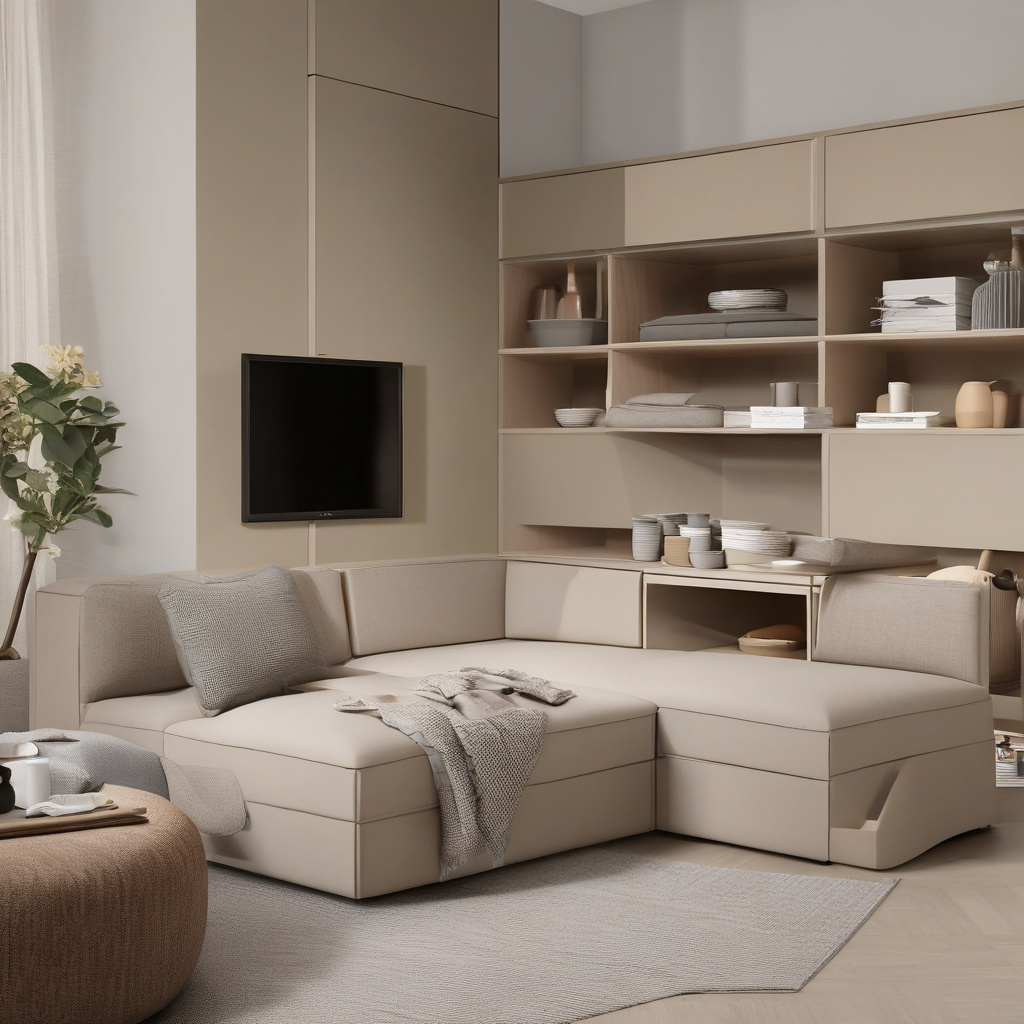
In the past few years, Accessory Dwelling Units (ADUs) have shifted from being a Californian quirk to a crucial solution for housing needs in Los Angeles. Designing a rental-ready ADU requires more than an eye for aesthetics; it demands a practical approach considering storage, finishes, and durability. As the demand for these modern sanctuaries continues to rise, much of the focus narrows down to specifics that make an ADU not just livable but desirable. From clever kitchen layouts to enduring materials, each element plays a key role in ensuring that an ADU remains functional for years to come.
Brief summary: Designing a rental-ready ADU involves strategic planning for storage and finishes that prioritize both aesthetics and durability. As ADUs gain popularity in Los Angeles, homeowners must carefully consider kitchen layouts, material choices, and design longevity. Our comprehensive guide explores practical insights, offering a keen look at real-world renovation experiences and emerging trends in the ADU arena.
Efficient Kitchen Layouts: The Heart of a Compact Home
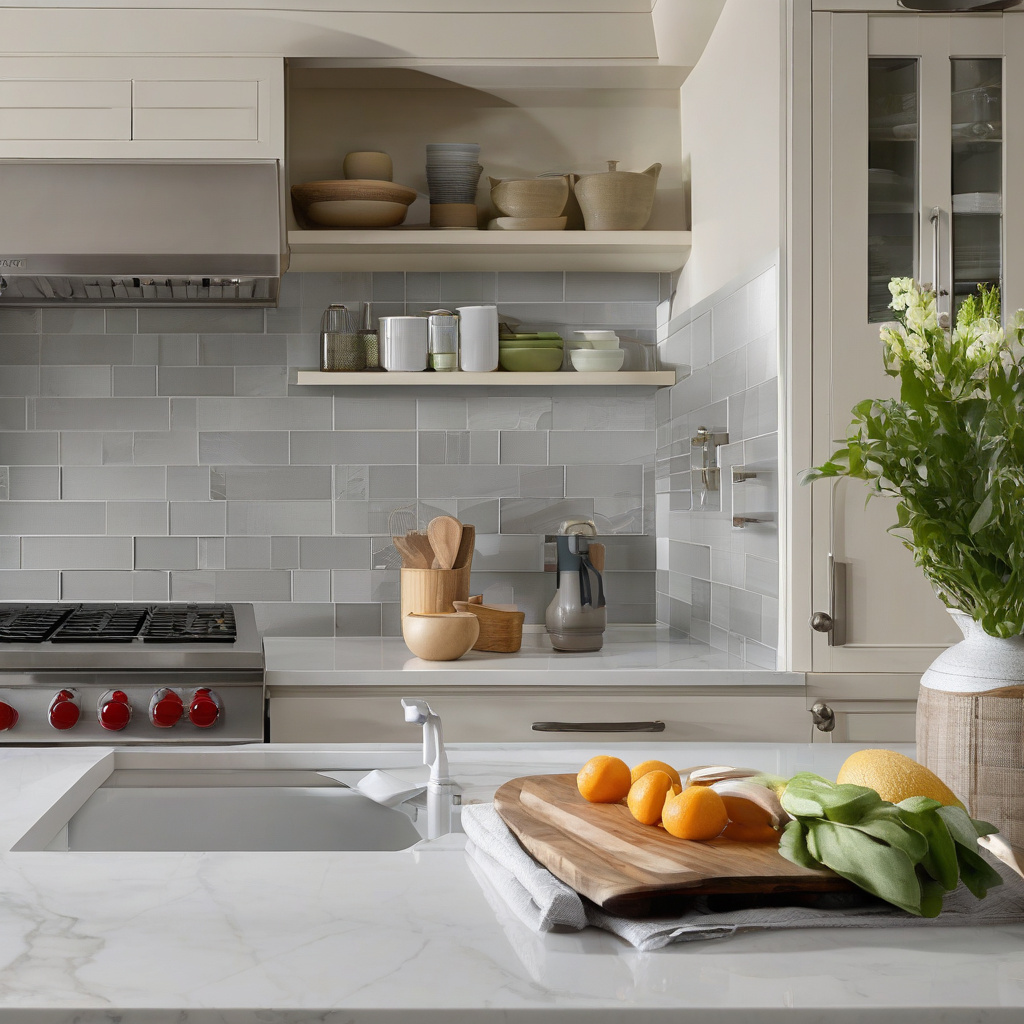
A well-designed kitchen is the make-or-break factor in ADU comfort and functionality. Scaled cabinetry and multitasking surfaces have become staples in the kitchens of small ADUs, allowing homeowners to maximize space without sacrificing utility. The art of kitchen design in ADUs often involves smart appliance placement, which helps preserve storage while maintaining ease of movement. Typically, as found in many Los Angeles home expansion efforts, integrating customized features such as pull-out pantries and corner cabinets can profoundly enhance usability.
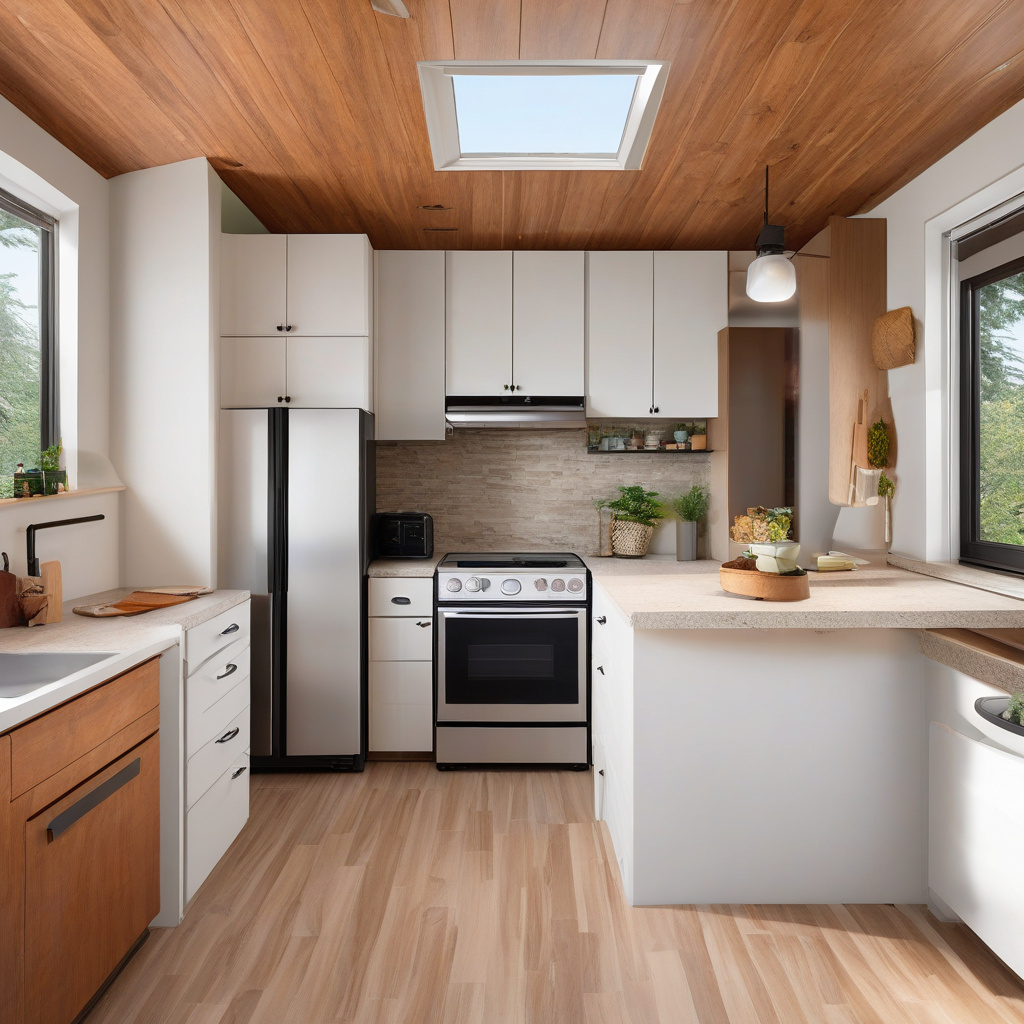
Many burgeoning designers in Southern California acknowledge that small kitchens do not merely require miniature appliances; instead, they thrive on multi-use solutions. Consider installing a kitchen island that can double as both a dining space and a prep area. Such innovations are garnering attention for their ability to blend seamlessly with the overall layout, converting limited square footage into flexible, multifunctional habits.
The convergence of style and utility is a consistent theme in ADU design, with airy floor plans that incorporate visual continuity between the kitchen and living areas. Open shelving can replace traditional closed-off cabinetry, creating an illusion of space. This not only makes the area look larger but also encourages minimalism by putting only essential items on display, thus preventing clutter.
The miniature conclusion: Great homes, no matter the size, start in the kitchen. By focusing on an intelligent design framework, Los Angeles homeowners can transform even the most diminutive spaces into chef-worthy sanctuaries.
Creative Storage Solutions for Compact Living
Storage, or often the lack of it, can significantly influence the perceived value of an ADU. For homeowners aiming to make the most out of every nook, the art of storage solutions must be both inventive and invisible. Building into walls, using under-bed spaces, or installing retractable shelves are highly recommended tricks of the trade. These tactics help in creating living areas that are not only functional but surprisingly spacious, leaving ADU inhabitants free from the claustrophobic confines typical of smaller dwellings.
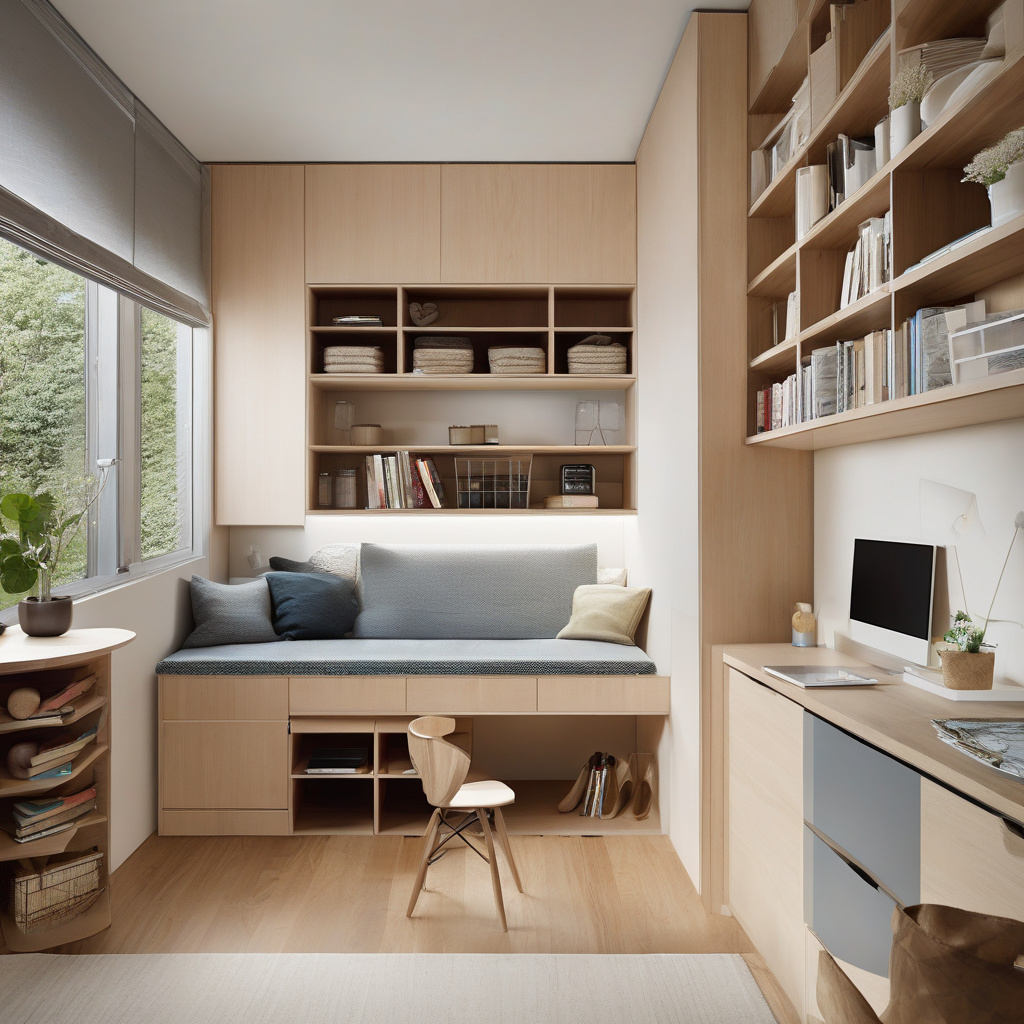
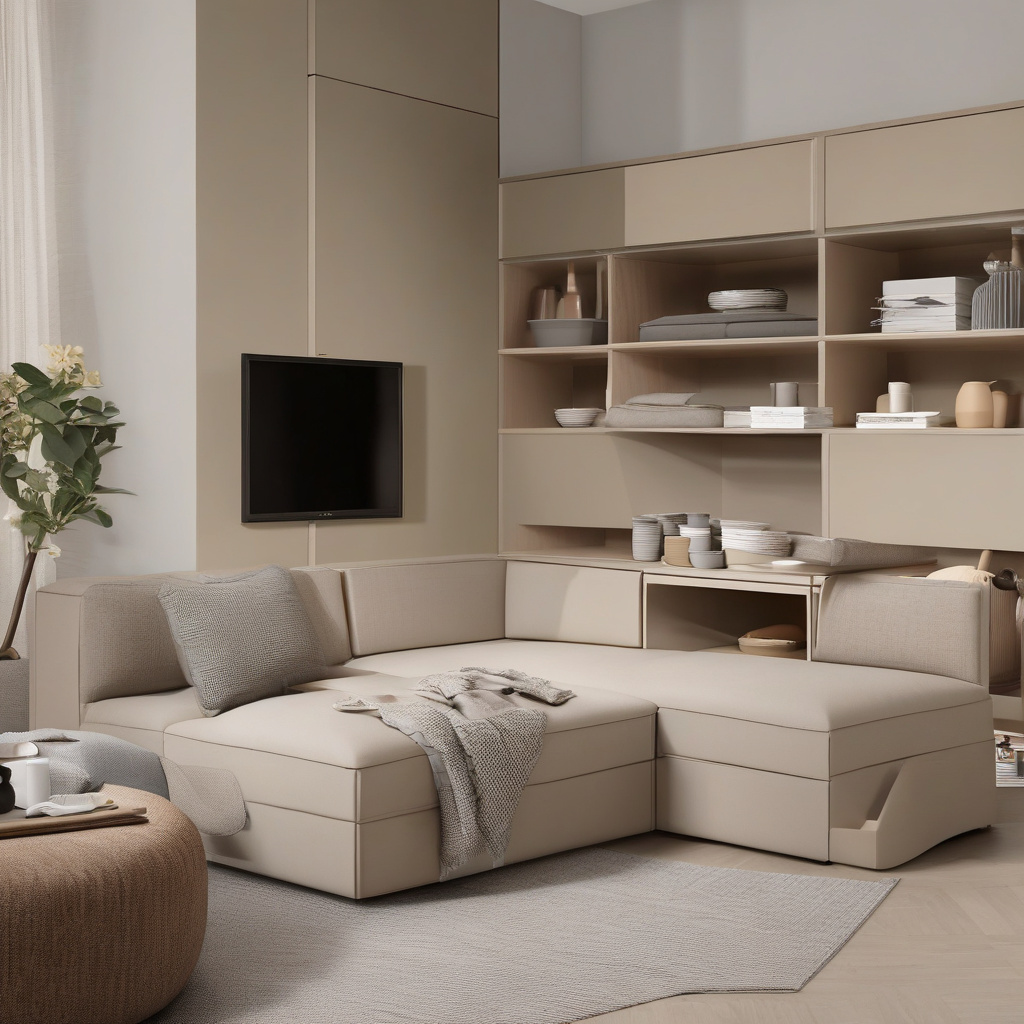
Observational insights from recent renovations show that hidden storage is just as crucial as visible shelving. The homes that manage to strike a balance between the two often provide the highest sense of satisfaction and usability for residents. Designers today are exploring storage-friendly furniture, such as ottomans with built-in compartments and beds featuring hydraulic lifts for out-of-sight storage of bulkier items.
Moreover, adopting murphy beds or wall-mounted desks can open up a plethora of opportunities for additional arrangements and effective space utilization. One Los Angeles case saw a backyard ADU transform with floor-to-ceiling bookshelves, providing not only storage but also a feature wall that became a talking point for guests.
The sheer ingenuity in these storage solutions speaks to a broader shift in thinking: Deco genius isn’t about fitting less in a space; it’s about fitting more intelligently.
Renovation Materials: Balancing Cost and Durability
When it comes to building an ADU, the choice of materials is paramount. Balancing the initial cost of materials like flooring and countertops with their longevity can often be the differentiator between a seamless project and long-term regret. In Los Angeles, where environmental concerns intersect with aesthetic ones, the choice of sustainable materials has surged. Projects are increasingly opting for bamboo flooring and recycled glass countertops, valued for their resilience and eco-friendliness.
According to a study by Home Innovation Research Labs, sustainable materials can cut long-term maintenance costs by up to 25%.
However, not everything labeled ‘green’ is necessarily cost-effective. Wisdom in material choice often requires understanding the nuanced trade-offs between upfront costs and projected sustainability gains. For instance, while hardwood might offer aesthetic appeal, it can be susceptible to wear and tear, demanding constant upkeep. In contrast, laminated options or engineered wood can provide similar visual benefits with less hassle in maintenance.
With the fire-prone areas common in Southern California, particularly for ADUs located near brushy hillsides, incorporating fire-resistant materials is not just beneficial but necessary. Materials like stucco and certain fiber cements can delay damage and protect structures in events of wildfires, making them a prudent investment choice for the long haul.
In conclusion, selecting the right mix of materials is less about their inherent sustainability and more about their suitability for the specific use case. Intelligent choices lead to ADUs that are not only durable but vibrant and cost-effective.
Maximizing Space: Strategic Layout and Design
For those looking to get the most out of their square footage, the concept of strategic layout and design cannot be overstated. The layout should feel as unbroken as possible, ensuring that small spaces don’t box residents into cramped living environments. As supported by attuned ADU planning insights, regular remodeling projects are shifting their focus from just aesthetics to an artful blend of creativity and practicality in space management.
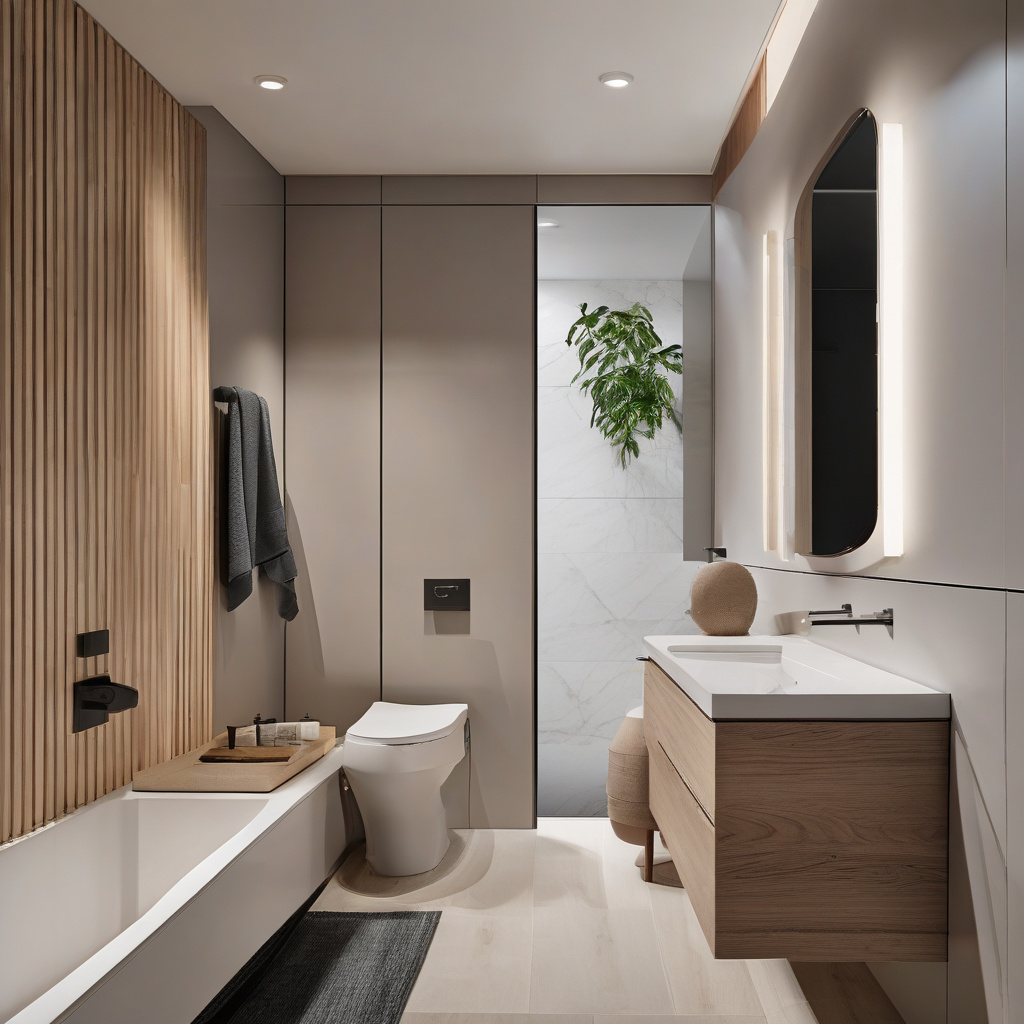
Many designers advocate the use of sliding doors instead of traditional swing doors. This seemingly small change can drastically optimize available space. Coupled with thoughtful placement of windows, a home can enjoy more natural light while enhancing its spatial perception. Using mirrors strategically and opting for lighter color palettes further work to counteract the limitations imposed by smaller blueprints.
Moreover, incorporating multitasking elements like custom-built furniture ensures that an ADU fits into the duality of lifestyle needs, be it work-from-home arrangements or quiet contemplation spaces. As Southern Californian designers have noted, successful ADUs meld clever design choices with the inherently vibrant indoor-outdoor living ethos prized in the region.
The impact of these collective decisions manifests in ADUs that defy preconceived limitations, offering homeowners an elegantly managed living experience steeped in possibility.
Comparing Renovation Options: Cost, Timelines, and More
Jessie and Alex are homeowners in Pacific Palisades embarking on their own ADU project. Facing the classic conundrum of time versus quality, they’re navigating typical challenges, from selecting materials to respecting budget constraints. As projects progress through different stages, unexpected insights often surface — insights which underscore the importance of flexibility and planning.
| Aspect | Option A | Option B |
|---|---|---|
| Cost | $120,000 | $80,000 |
| Timeline | 8 months | 5 months |
| Materials | Premium natural stone | Engineered composites |
| Sustainability | High | Moderate |
The dichotomy between high-cost luxury solutions and budget-conscious alternatives is a conversation point for countless ADU projects. Factors like renovation timelines, budget allocations, and material choices challenge even the most seasoned of renovators. Jessie’s approach emphasizes a strong connection with green building principles, choosing slower timelines for a more sustainable future.
Industry experts estimate that expedited projects can save up to 20% on typical labor costs at the expense of sustainable sourcing.
At its essence, the ADU renovation narrative in Los Angeles continues to be a dynamic mix of lifestyle considerations and calculated trade-offs. Whether it’s a focus on immediate return-on-investment or long-term environmental impact, these elements remain at the forefront of every successful project.
Future-Proofing: Innovations and Advanced Technical Add-Ons
As technology advances, so do our expectations for living spaces. ADUs, being smaller and more compact, offer perfect petri dishes for innovation. The tech-infused wave transforms these homes into smarter environments capable of curating experiences that go beyond the basic necessities. From integrated home automation systems to efficient heating solutions, modern ADUs embrace a future-forward outlook.
An emerging trend involves the adoption of solar panels, which not only cuts the carbon footprint but also lures eco-conscious tenants. Projects that include solar power systems can drastically reduce utility costs and provide a sustainable energy source, reflecting an appealing selling point for potential renters.
Research showcases that installations of solar systems in ADUs can halve the annual energy bill while boosting property value by an average of 4.1%.
Furthermore, pairing cutting-edge security systems with energy-efficient appliances propels an ADU from mere supplementary space into a highly competitive market offering. These advancements inevitably lead to another form of value — a sense of safety coupled with the awe of technological wonder.
The future of ADUs is now, filled with sustainability commitments and affordability considerations tempered with the practical use of emerging technologies. As more homeowners in Los Angeles witness, investing in these technical add-ons not only aligns with the future but also gives birth to highly functional and desirable living spaces that swiftly adapt to the needs of their inhabitants.
- Strategic kitchen planning can make small spaces feel expansive and functional.
- Clever storage solutions can significantly affect ADU livability and value.
- Material choices balance cost against long-term durability and environmental impact.
- Comparative project insights highlight the importance of flexibility and planning.
- Technological advancements and sustainability efforts set the future of ADUs.
FAQ
What is the main focus of designing a rental-ready ADU kitchen?
In real renovation projects, it’s essential to optimize space without sacrificing functionality. Designing a rental-ready ADU kitchen emphasizes scaled cabinetry, multitask surfaces, and strategic appliance placement. These elements work together to preserve storage and keep the cooking area easily navigable. Experts often highlight that minimizing clutter while maximizing utility is key in smaller spaces. For instance, using under-counter cabinets for storage can free up upper areas for open shelving, making the space feel larger and more accessible.
How can I choose materials for an ADU kitchen that emphasize durability?
Many experts point out that in high-traffic areas like rental units, durability should trump aesthetics. When choosing materials for an ADU kitchen, prioritize those that withstand frequent use and potential tenant turnover. Consider solid surface countertops that resist stains and scratches, and opt for high-quality laminates for cabinetry to endure daily wear and tear. Flooring is another area where durability matters; luxury vinyl plank is popular for its water-resistant properties and easy maintenance, standing up well in real-world conditions seen in rentals.
When does it make sense to invest in multitask surfaces for a small ADU kitchen?
Multitask surfaces are especially valuable in compact ADU kitchens where every inch counts. Homeowners frequently underestimate the importance of versatility until they face limited space during renovations. In older properties undergoing transformation into ADUs, incorporating fold-down tables or pull-out countertops as extensions can provide both workspace and dining areas. In homes with modern systems, islands with extra storage or built-in appliances can be a game-changer, offering dual functionality and enhancing the kitchen’s overall efficiency.
What are some common mistakes in ADU kitchen layouts?
A frequent oversight in ADU kitchen design is neglecting the workflow triangle—an efficient path between the stove, sink, and refrigerator. Poor layout planning can lead to cramped spaces and inefficient cooking zones. Another typical mistake is overestimating storage needs, leading to unnecessary cabinetry that restricts movement. Instead, focus on smart storage solutions like pull-out shelves and vertical storage. Additionally, ignoring natural light can make small areas feel even more confined. Consider maximizing window space or using reflective materials to enhance brightness.
How do costs differ when designing a high-durability ADU kitchen?
In terms of cost, investing in high-durability materials initially may seem more expensive, but it often pays off in the long run with lower maintenance and replacement expenses. For example, quartz countertops might have a higher upfront cost than laminate, but their resistance to damage and longevity make them a cost-effective choice over time. Many homeowners planning ADUs in regions like California see value in spending more on features that reduce frequent upkeep. Balancing budget constraints with quality can prevent future costs and the inconvenience of constant repairs.
What are the pros and cons of scaled cabinetry in ADUs?
Scaled cabinetry in ADUs offers adaptability and maximizes limited space by utilizing smaller, purposeful storage solutions. The pros include better space management, allowing for more floor area, and making even small kitchens feel spacious. On the downside, reduced cabinet size might limit storage capacity for large items. In practice, it’s crucial to assess your storage needs and perhaps supplement with clever solutions like drawer organizers. Conversely, a limitation could be the availability of these custom sizes in big-box stores, potentially increasing the need for custom fabrication and costs.
Can you discuss the maintenance needs of a well-designed ADU kitchen?
The maintenance of an ADU kitchen largely depends on the materials and layout selections. For example, surfaces like quartz and solid-core countertops require minimal upkeep compared to natural stones that need regular sealing. Flooring choices like luxury vinyl tile are resistant to moisture and easy to clean, reducing maintenance frequency. In real homes, regular care such as wiping down surfaces, clearing drains, and checking appliance functions help in sustaining the kitchen’s longevity. It’s advisable for homeowners to consult with renovation specialists to tailor maintenance plans specific to their material choices and climate. For more detailed guidance, don’t hesitate to reach out through [this contact page](https://californiarenovation.top/contact/) to find experts equipped to provide tailored solutions.
What considerations should be made for appliance placement in small ADU kitchens?
Strategic appliance placement can greatly influence the usability of an ADU kitchen. Homeowners should consider placing frequently used appliances like the refrigerator and stove within easy reach, forming an efficient workflow triangle that real kitchens often benefit from. Positioning smaller appliances like microwaves under cabinets or incorporating them into the lower cabinetry can free up counter space. In practice, choosing compact appliances designed specifically for smaller spaces helps maintain an uncluttered look. Avoid placing appliances in corners where they may block one another or make doors difficult to open.