
In Southern California, where modern designs and sunlit spaces define urban living, condo owners face a unique quandary when it comes to window replacement. The blend of Homeowners Association (HOA) rules and aesthetic aspirations can create a labyrinth for homeowners, demanding a strategic approach to renovations. Despite these challenges, various options can accommodate both regulatory compliance and personal style. In this dive into the world of window replacements for condos, we explore the nuances of approval processes and design limitations, all while providing tips to sidestep common pitfalls.
Brief summary: Condo owners in Southern California must navigate HOA regulations while considering window replacement options. This guide breaks down the steps for obtaining approval, design restrictions, and tips to avoid project delays, all through the lens of real homeowner experiences in Los Angeles.
Understanding the HOA’s Role in Condo Renovations
The intricate web of conditions set by Homeowners Associations (HOAs) often surprises and frustrates condo owners when considering window replacements. These regulations can dictate everything from materials and colors to installation methods. The intent is to preserve uniformity and maintain property values across the community. However, these limitations can seem stifling for those desiring a personalized touch in their living spaces.
Before embarking on any window replacement project, embarking on a meticulous research journey is essential. Homeowners must acquaint themselves with the rules embedded in their HOA agreements to comprehend the allowable modifications. An open dialogue with the association’s board can provide clarity and ensure that the project’s trajectory aligns with communal expectations.
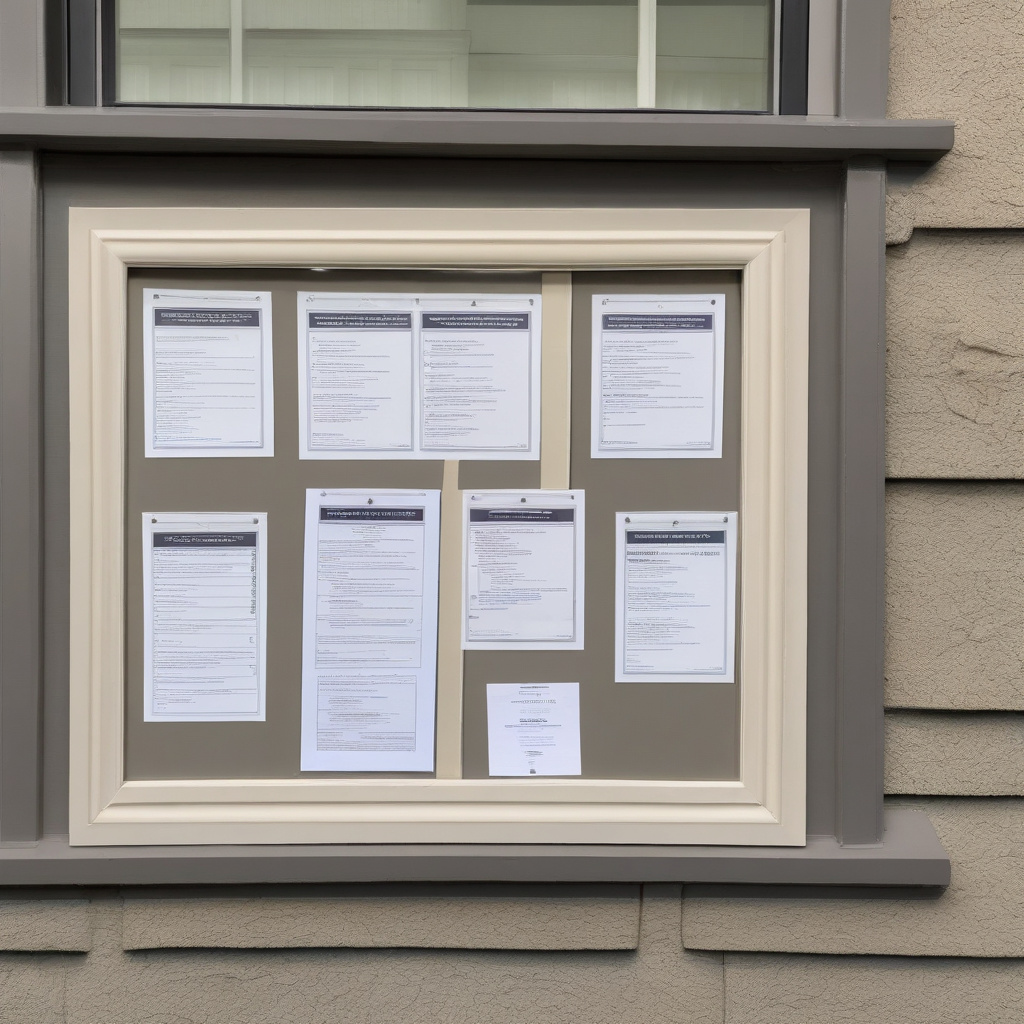
HOAs often require official submissions of plans, complete with detailed specifications and possibly samples or prototypes. This step is non-negotiable as it lays the groundwork for successful project approval. Knowing what documents are necessary and maintaining close communication with board members can prevent delays and misunderstandings.
Ultimately, while navigating HOA mandates can be demanding, investing time in understanding and aligning with these guidelines pays off. The adherence not only secures approval but also instills confidence that the changes augment the community’s collective identity.
Design Constraints and Creative Expansions
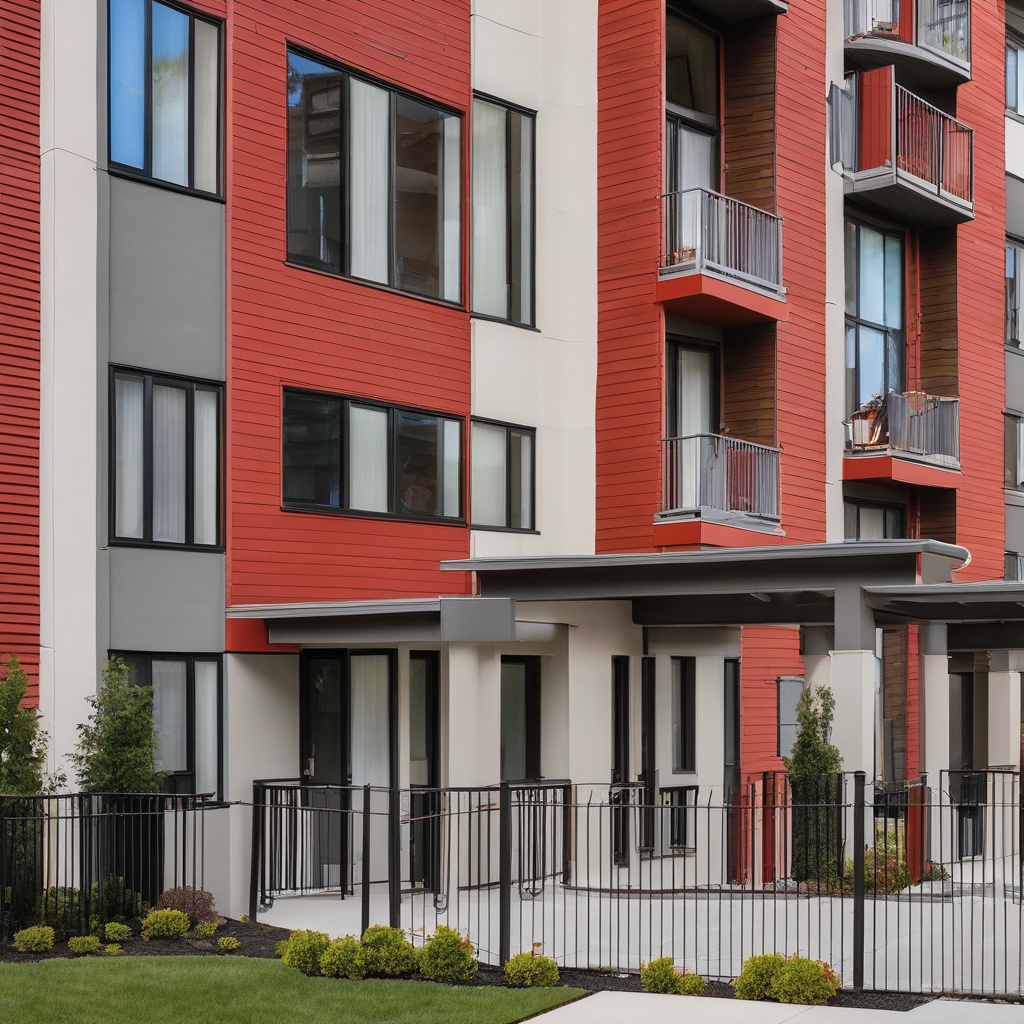
Restrictions on design don’t end with the HOA’s decree; they often spill into the canvas of creative expression itself. One of the key challenges lies in finding a balance between individual taste and maintaining the coherent aesthetic approved by the HOA. The color palette, frame design, and glass type are all subject to scrutiny, compelling homeowners to seek innovation within boundaries.
Herein lies the joy of creativity under constraint. Many southern Californians revel in turning these limits into opportunities—crafting a distinctive appeal using approved materials and layouts to accentuate their living space. Earthy tones, sleek finishes, and energy-efficient materials often find favor, blending harmony with regulation.
Architectural styles also hold sway over what’s permissible. Modern and minimalist designs might enjoy more leniency, but classic or eclectic pieces require more negotiation to fit into a community’s overall look. The art of compromise becomes a tool, steering condo owners to discover unexpected advantages in supposedly rigid scenarios.
At the intersection of art and rule lies the potential to align personal desires with community standards, possibly resulting in spaces that not only comply but also enhance their aesthetic appeal and functionality.
Cost vs. Value: Weighing the Options
Financial considerations are invariably part of the decision-making equation. The spectrum of window replacement costs is wide, veering from budget-friendly vinyl to high-end customized timber or aluminum options. However, the financial outlay must be weighed against factors such as longevity, maintenance, and energy efficiency.
According to a recent industry report, high-performance windows can significantly reduce energy bills by up to 25%, highlighting the importance of energy efficiency in material selection.
Costs also vary based on customization requirements and installation complexities. For instance, high-rise condos often necessitate specialized equipment and expertise, pushing up install costs. Conversely, single-storey units might afford more straightforward, less expensive processes.
Evaluating the window’s material is crucial, with UV-protective glass emerging as a popular choice among homeowners who value efficiency and comfort. Such selections offer enhanced durability and savings in utility consumption, adding to the property’s ROI.
Ultimately, a detailed cost versus benefit analysis can illuminate the most financially sound options, harmonizing immediate expenses with long-term gains tailored to both HOA satisfaction and personal satisfaction.
Procedure to Approval: A Step-by-Step Guide
Securing HOA approval doesn’t have to be an ordeal if approached methodically. Here’s a straightforward guide to help:
- Understand the Rules: Thoroughly review HOA guidelines on renovations to ensure compliance from the outset.
- Prepare Your Proposal: Develop detailed plans and specifications, possibly consulting with architects familiar with community regulations.
- Present Samples: Offer material samples or mock-ups to display the finalized vision.
- Engage with the Board: Regular communication with HOA representatives can streamline the approval process.
- Gather Necessary Permits: Liaise with local authorities to ensure all legalities are met.
- Monitor Construction Closely: Post-approval, oversee the installation to guarantee compliance with agreed plans.
Following these steps can lead to a more efficient approval process, sparing condo owners undue stress and potential remodel hiccups.
Consequences of Delays and Rework
The path to window replacement is fraught with potential setbacks. Delays and reworks can result not only in frustration but also in increased costs and strained relations with the HOA. Failure to comply with established guidelines can provoke costly adjustments post-installation, which may lead to inconvenience and diminished trust.
Preemptive measures are vital in avoiding these pitfalls. Meticulous planning, proactive engagement with relevant authorities, and employing reputable contractors are foundational strategies to mitigate risks of setbacks. Strategic foresight can alleviate needless rework, transforming potential negatives into narratives of timely success.
Putting these considerations into practice ensures that the window replacement journey is seamless, rewarding a homeowner’s diligence with a successful project outcome.
Indeed, preparing and executing with a clear strategy doesn’t just meet the HOA’s expectations but can also lead to newfound appreciation for community dynamics and regulations.
Expert insight from the Los Angeles renovation scene reveals that proactive planning reduces rework costs by as much as 15%, underlining the prudence of preparedness in project endeavors.
Preparing for Future Needs: Beyond Initial Replacements
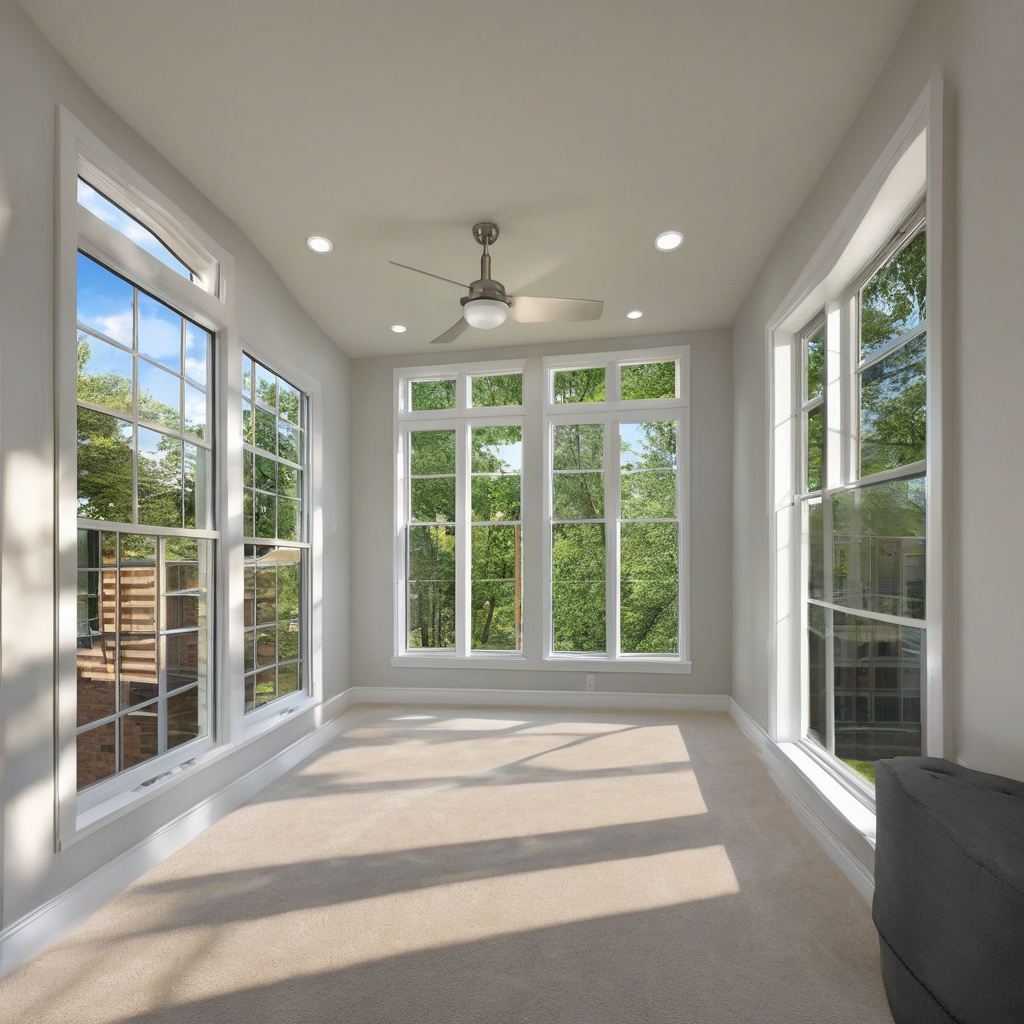
Looking forward, homeowners should consider longevity and evolving needs when selecting window replacements. The unpredictable Southern California weather and seismic activity mean that choosing durable options can stave off future repairs or replacements.
Research indicates that homes equipped with storm-resistant windows witness a 10% increase in overall market value, highlighting the intersection of durability and long-term investment returns.
Modern solutions, like impact-resistant or laminated glass, provide a robust defense against natural elements while offering peace of mind. Resources such as storm window solutions offer insight into proactive product selections that serve both immediate and future requirements.
As demographics change and technological innovations permeate the market, anticipation remains a key strategy in handling window replacements. Adaptability in the face of emerging materials and techniques can safeguard residential investments and enhance the synergy between utility and design.
Finally, staying informed about industry developments empowers homeowners to make educated decisions, ensuring that their living environments remain both comfortable and commendably equipped to tackle the challenges of the future.

- Navigating HOA rules is essential for successful condo window replacements.
- Careful planning and open communication streamline approval processes.
- Cost versus benefit analysis aids in selecting the best materials.
- Proactive strategies can prevent delays and unnecessary expenses.
- Future-proofing choices enhance durability and investment value.
FAQ
What are common window replacement options for condos with HOA rules?
In many condo communities, homeowners have limited choices when it comes to window replacements due to HOA rules that prioritize uniformity. Double-hung windows often prove popular, allowing ventilation without compromising exterior consistency. Sliding windows are another option, especially if space is limited. It’s essential to align the design and materials with HOA specifications. In real renovation projects, understanding these constraints in advance saves significantly on rework costs. Consult a condo renovation expert early to identify compatible options that satisfy both aesthetic and functional needs without triggering HOA violations.
How should homeowners get HOA approval for window replacement?
Achieving HOA approval can be tricky, but starting with a detailed proposal helps. This should include window design, materials, and expected changes to the exterior facade. Homeowners frequently underestimate the value of thorough, early communication with their HOA board. Provide them with product samples or images and any relevant certifications or warranties. Regular follow-ups and a cordial relationship with the board can smooth the approval process. Remember, understanding and respecting your HOA’s criteria fosters goodwill and often results in faster approvals, thus avoiding the potential need for subsequent redesigns.
What design limitations are typically imposed by HOAs?
HOAs frequently impose design limitations to maintain community harmony and property values. Most HOAs dictate specific styles, colors, and materials to be used for window replacements. For instance, older properties may need windows that match original architectural elements, while newer builds might allow more creativity. A mistake condo owners often make is not checking whether modern upgrades like energy-efficient windows fit within the HOA’s design criteria. Many experts point out that having an open dialogue with the HOA and neighbors can lead to more creative design solutions within these limits.
What are the potential costs involved in window replacement for condos?
Costs can vary significantly based on the window type and the unit’s location. In California, a single window replacement may cost between $300 and $1,500, depending on the complexity and material choices. Hidden fees from HOA compliance or unexpected structural issues can inflate this cost further. Many renovation projects show that sourcing quotes from several vendors can lead to competitive pricing and better services. Remember, investing in higher quality, HOA-approved materials can reduce maintenance costs over time, making them a prudent choice despite higher upfront expenses.
What are the pros and cons of replacing condo windows?
The benefits of replacing windows include improved energy efficiency, noise reduction, and potential increases in property value. Modern windows also often enhance aesthetic appeal and comfort. On the downside, stringent HOA rules can limit choices, and the process might involve lengthy approval times. Additionally, the initial investment is a significant consideration, especially in older condos where structural adaptations can increase costs. Homeowners should weigh these pros and cons carefully and consult with experts to avoid pitfalls. Understanding the specific risks and rewards in your building’s context is crucial in making an informed decision.
How can homeowners avoid delays or rework in window replacements?
To avoid delays or costly rework, thorough planning is essential from the outset. Researching HOA guidelines and aligning replacement plans with these rules is fundamental. Consulting with an experienced contractor familiar with window installations in condos can provide invaluable insight and foresight into potential challenges. Many practitioners recommend involving your HOA early and seeking approvals before making purchases. Unexpected vendor delays or incorrect installations are best mitigated by choosing reputable, proven service providers. Establishing a solid project timeline and buffer can also save stress and budget overages.
What installation specifics should be considered for condo windows?
Installation of windows in a condo presents unique challenges such as restricted access and limited space for maneuvering. Ensure that your installer has experience with high-rise or confined urban environments, where logistics can become an issue. Practitioners advise checking whether additional approvals or permits from local authorities beyond the HOA are needed, especially in urban areas like California cities. Ensuring that everything is sorted out with your HOA and local regulations before the work begins can greatly improve efficiency and reduce the risk of expensive missteps.
Why is it important to work with a trusted contractor?
Working with a trusted contractor is crucial because they bring expertise and experience, ensuring that installations are completed correctly and within HOA parameters. In real renovations, unqualified installers can lead to costly rework and even HOA penalties. Prioritizing quality over price when selecting a contractor can safeguard against subpar work and ensure longevity. Homeowners looking for further guidance should consider reaching out directly to a local renovation consultant who understands the specifics of their area and needs. You can easily find assistance by contacting a professional team who is seasoned in handling such projects.