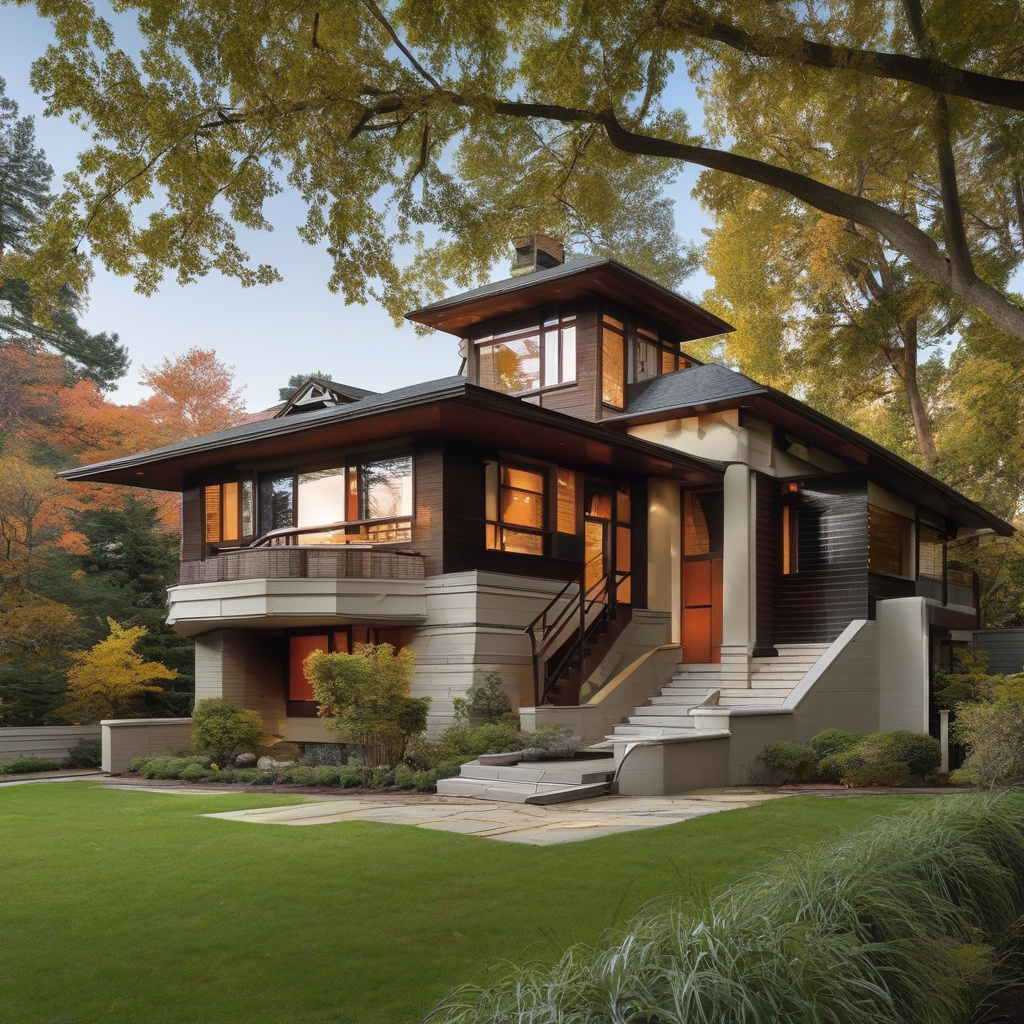
In the sun-soaked landscape of Los Angeles, where architectural innovation thrives like the city’s endless sunshine, Wright-style houses stand as beacons of design ingenuity. These masterpieces, inspired by the legendary Frank Lloyd Wright, merge art with nature, creating harmonious living spaces that seem to sing with creativity and elegance. At the heart of these architectural wonders is an understanding of both form and function, seamlessly blending into the surrounding environment—a true hallmark of modern home design.
Brief summary: This article explores Wright-style houses, highlighting their architectural features, historical significance, and some of the best design examples in Los Angeles. Discover how these masterpieces of form and function continue to inspire innovative home renovations across California.
What you should know about Wright-style architecture
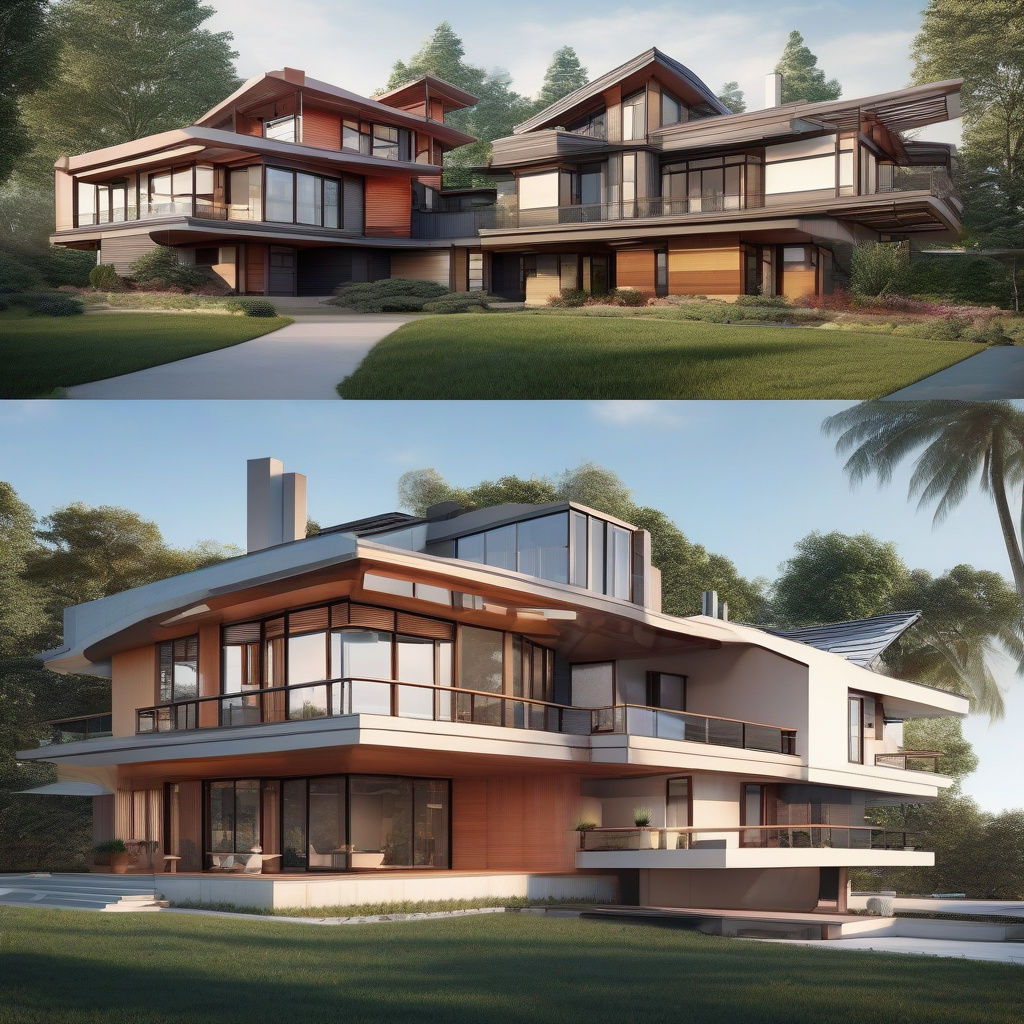
Wright-style architecture, with its roots firmly planted in the Prairie style, revolutionized the way we perceive residential spaces. At its core, this architectural approach harmonizes buildings with their natural surroundings, echoing a philosophy deeply embedded in organic architecture. Such homes are characterized by horizontal lines and flat or hipped roofs, which mirror the vast American plains. But it’s not just about aesthetics; these homes embody a practical elegance that emphasizes open living spaces ideal for family interactions.
The essence of Wright’s vision lies in the materials used—each chosen to complement the flowing lines and rustic charm of the structure. It’s not uncommon to find local stone and natural wood adorning these sensual structures, further blurring the line between the built and natural environments. As many local homeowners notice, this seamless integration induces a certain tranquility, enhancing both mental and physical well-being.
One cannot overlook the innovative open floor plans, allowing for natural light to dance through the interiors unabated. As is often the case with groundbreaking designs, these homes challenge conventional architectural norms, favoring large windows and integrated landscape spaces to create a continuous flow with nature. This approach continues to inspire and ignite the imaginations of Los Angeles renovators and homeowners today.
As these testaments to design stand in quiet dignity across California, they prompt a crucial question about sustainability—our homes should not just be shelters but sanctuaries that honor our natural world. Wright’s principles open a pathway for sustainable renovation practices that leverage bioclimatic design, proving that a commitment to the environment can be both stylish and practical.
The historical roots of modern renovation
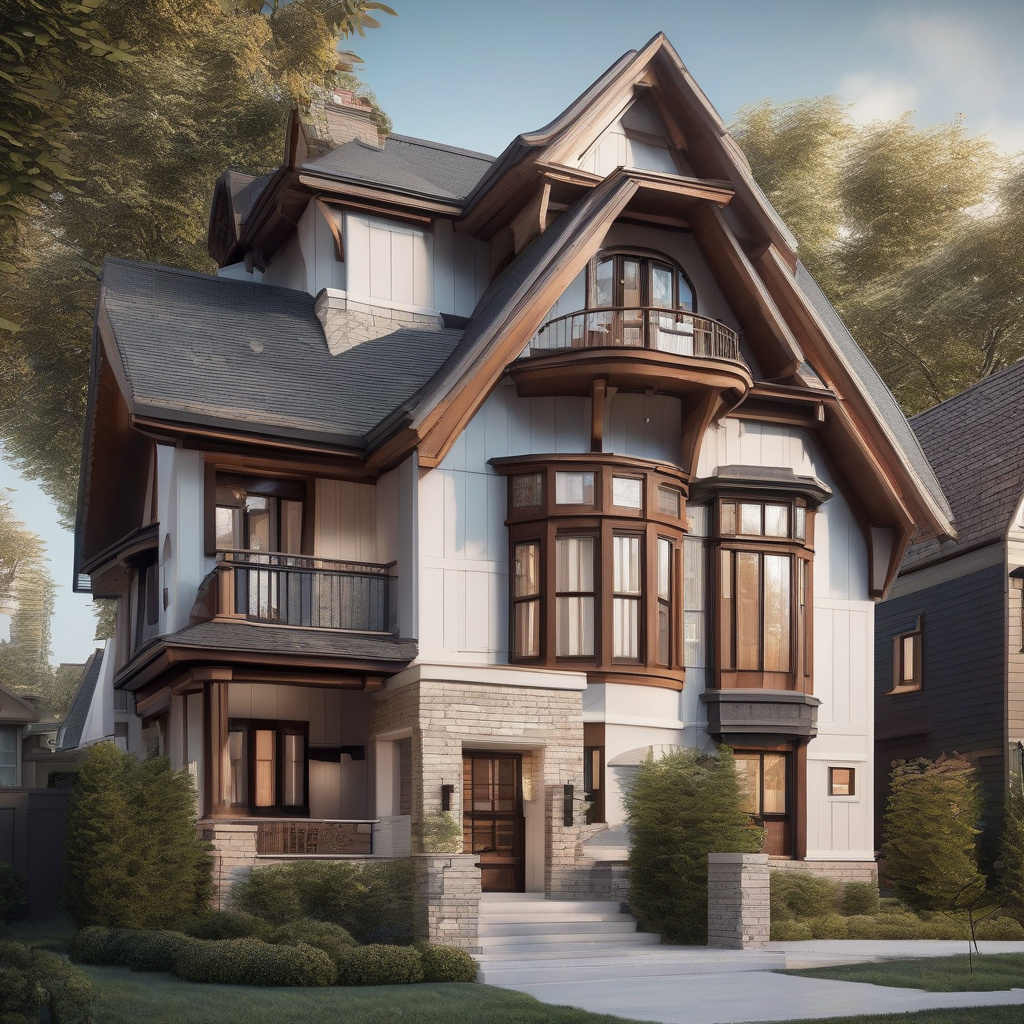
Tracing back to the early 20th century, Wright-style homes introduced a novel architectural language that was both revolutionary and timeless. Frank Lloyd Wright, a visionary who could see the intrinsic link between art and nature, sought to create spaces that were more than mere habitats. They were extensions of their environments, each meticulously designed to enhance the natural beauty surrounding them.
The transition from mere construction to conceptual design marked a defining moment in this era. As Wright’s influences spread, many followed his footsteps, translating his philosophies into varied contexts, especially vibrant cities like Los Angeles. This city, a tapestry of diverse cultures and landscapes, became a fertile ground for these innovative designs to flourish.
Intriguingly, some of Wright’s principles have evolved, adapting to modern needs while retaining their core essence. In the hustle and bustle of renewals, the incorporation of sustainable materials and techniques has not overshadowed the timeless elegance of his original concepts. Indeed, many construction experts in Los Angeles argue that the new twist on these classics offers an elegance and style integral to contemporary Californian homes.
The engagement with Wright’s style today reflects a broader trend in conscious living, where eco-friendly designs are valued as much for their aesthetic as their functional prowess. Homes that mirror this style remind us of the power of architecture to serve both beauty and environmental responsibility simultaneously.
How to choose the right design for your project
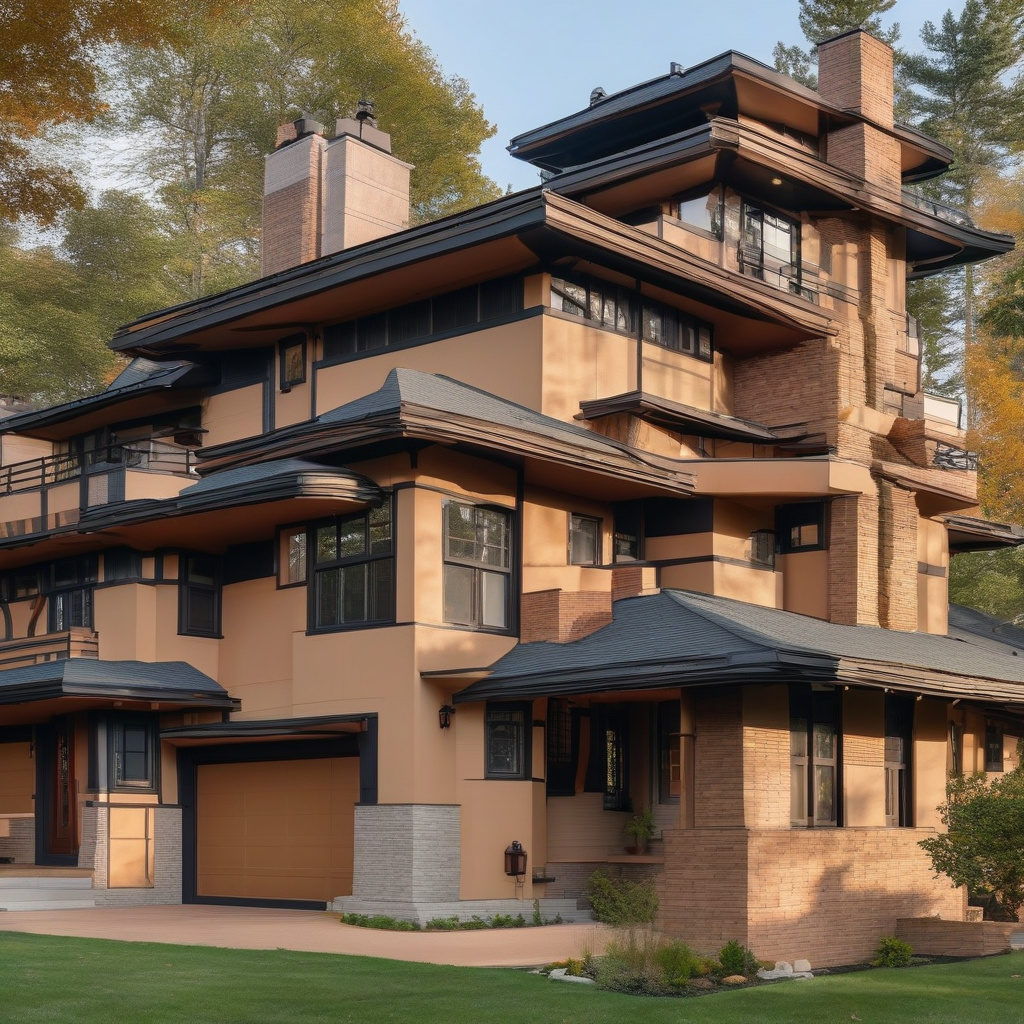
Selecting the appropriate design for your Wright-style renovation can often feel daunting amidst the vast array of possibilities. However, some grounding principles can help steer your project toward success. Firstly, assessing the home’s relationship with its landscape is fundamental. As Wright advocated, the home should seem to naturally emanate from its surroundings rather than stand starkly apart.
Pay close attention to the materials you select. Modern integrative technology allows for innovative takes on traditional choices, often producing results that are both aesthetically stunning and environmentally sound. For instance, should your renovation incorporate newly-developed translucent structures to maximize light while minimizing footprint?
Consider the interior flow and openness. Wright was a proponent of free spaces, unconfined by unnecessary walls, promoting a natural rhythm within the home. Consciously designing an open-plan scheme not only reflects this style but also meets contemporary lifestyle needs, fostering togetherness and free circulation.
Finally, before diving into the quirky world of bespoke Wright designs, contemplate the home’s overall energy profile. Embracing renewable energy sources, along with implementing smart home technologies, can transform an older structure into a beacon of modern, sustainable living while maintaining its intrinsic charm.
According to a 2022 study by the National Association of Home Builders, homes that integrate sustainable materials and renewable energy solutions can increase their market value by 5-8%.
Exploring the magic of custom outdoor innovations
The magic of Wright-style homes extends well beyond their interiors. Outdoor spaces, thoughtfully designed, enhance the overall harmony between habitat and environment. In Los Angeles, where patio life is a way of living, integrating nature into architectural designs is not just an option—it’s a necessity.
Many homeowners in the city opt for custom outdoor spaces, embracing the distinct seasons of Southern California to enjoy alfresco activities year-round. Implementing outdoor extensions that adhere to Wright’s principles means creating spaces that echo indoor comforts, ensuring a seamless flow between house and nature.
Patios that integrate elements such as water features and native plant landscaping serve dual purposes. They offer aesthetic serenity and also contribute to environmental sustainability, reducing water usage and enhancing biodiversity in urban areas.
A focus on exterior transparency, leveraging glass that extends from floor to ceiling, can transform even the simplest outdoor areas into captivating retreats. This approach amplifies natural light, cutting energy consumption, and creating visual continuity—a testament to Wright’s ideologies.
Embodying these ideas in your renovation not only respects the legacy of Wright’s genius but also breathes life into your home, setting the stage for memorable gatherings amidst spectacular California sunsets.
Renovation challenges: risks versus opportunities
No undertaking as ambitious as a Wright-style renovation is devoid of challenges. However, keen anticipation and strategic planning can mitigate most risks while capitalizing on opportunities. The first hurdle often faced is aligning the project’s goals with a realistic budgetary framework. A meticulous cost-benefit analysis can guide this aspect, ensuring that each choice reflects both financial feasibility and aesthetic satisfaction.
Another intricacy involves the balancing act of honoring Wright’s vision while introducing contemporary innovations. It’s a delicate dance between maintaining the architectural integrity of the original design and incorporating cutting-edge materials that enhance efficiency and sustainability. For instance, choosing between authentic wood and modern composite alternatives can significantly impact both the project’s budget and its ecological footprint.
Home renovators should also be wary of regulatory barriers. In places like Los Angeles, historic preservation laws can restrict modifications, necessitating a thorough understanding of local ordinances and working closely with experienced professionals.
However, each challenge presents a unique opportunity for creativity. The use of innovative technologies and smart designs can flip potential pitfalls into captivating elements that add distinctive value to the home. Here, the risk of complacency is often overshadowed by the reward of innovation, driving renovators to explore boundaries that elevate aesthetic allure and ecological harmony.
A successful renovation surpasses mere renovation—it’s an intricate dance between artistry and science, ensuring each modification serves both functional need and stylistic vision. Embrace this balance, and your project will stand as a testament to the enduring relevance of Wright’s architectural brilliance.
Industry research notes that embracing smart home technologies in renovations can reduce energy costs by 10-30%, reflecting both immediate and long-term value improvements.
Innovative materials: old meets new
The realm of Wright-style homes provides a fascinating juxtaposition of time-honored materials with novel innovations. Understanding this interplay is essential for any renovation, harmonizing the allure of classic designs with modern technological advances. For instance, decorative plasters, which offer a unique stylistic twist, can transform interior aesthetics by adding depth and texture.
In keeping with Wright’s principles, modern renovations often seek sustainable options, such as low-emission materials that minimize ecological impact while enhancing structural longevity. These choices reflect a growing trend, advocating for homes that are not only captivating but also health-conscious for their inhabitants.
A thoughtful comparison of available material options can enlighten project directions. Original materials like wood and stone create an authentic ambiance, yet newer composites and synthetic emulations offer superior durability and reduced maintenance requirements. This balance between tradition and innovation enables a revitalized vision that respects the past while embracing the future.
| Material | Advantages | Disadvantages |
|---|---|---|
| Natural Wood | Authenticity, aesthetic appeal | High maintenance, prone to weathering |
| Composites | Durability, low maintenance | Less natural appearance, initial cost |
| Decorative Plaster | Custom finishes, revives spaces | Requires skilled application, can be costly |
When it makes sense to embrace Wright’s design philosophy
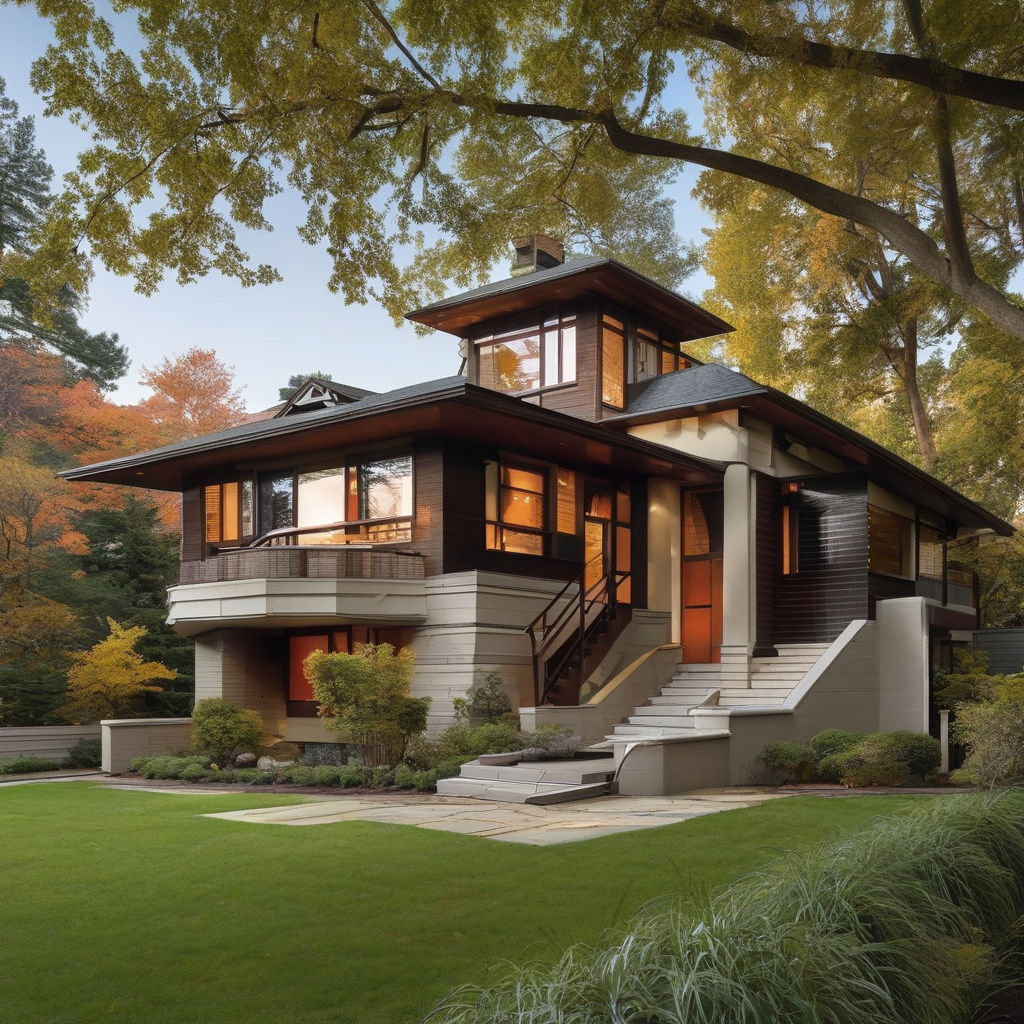
Embracing the design philosophy championed by Frank Lloyd Wright makes sense in an era that heralds both environmental consciousness and aesthetic sophistication. His principles support an architectural ethos that deeply values harmony between the natural and built environments—a balance that resonates well with today’s quest for sustainability and environmental stewardship.
Indeed, opting for a Wright-inspired renovation aligns with a broader architectural trend that esteems the value of customized spaces, personal comfort, and global responsibility. Homeowners stand at a crossroads where beauty and sustainability converge, and nothing represents this marriage better than a thoughtfully executed Wright-style home.
The calculated engagement with his architectural ideas offers more than visual gratification; it delivers a profound connection to the spaces we inhabit daily. For Los Angeles homeowners, particularly, these elements contribute towards a panoramic image of comfortable, eco-friendly city living.
Of course, when the design dream aligns with practical benefits, the result is a home that persuades onlookers and occupants alike. Such projects are not just cherished abodes but become heritage landmarks that testify to the owner’s commitment to living thoughtfully and beautifully.
The timelessness of Wright’s work invites one quintessential question: when can timeless heal the timeliness? For the discerning homeowner, the answer is clear—whenever they choose to weave Wright’s principles into their renovation vision.
According to a 2023 report by Architectural Digest, the resurgence in Wright-inspired architecture aligns with increasing demands for sustainable yet stylish living solutions.
- Wright-style homes seamlessly blend nature with architecture.
- Opt for natural materials to align with architectural philosophy.
- Embrace modern renovations that honor Wright’s original vision.
- Los Angeles offers a fertile environment for Wright-inspired designs.
- Balancing traditional and contemporary can enhance value and sustainability.
“`html
FAQ
What are the key features of Wright-style homes?
Wright-style homes, inspired by the legendary architect Frank Lloyd Wright, are renowned for their organic aesthetics and integration with nature. These homes typically feature open floor plans, expansive windows, and a harmony between interior and exterior spaces. In practical renovation scenarios, it becomes evident that incorporating natural materials such as wood and stone enhances this design style significantly. Homeowners should not overlook the importance of natural light in these homes, achieved through large windows and careful orientation. An example can be seen in the remodeling of older properties, where window replacement not only modernizes the look but also underscores the Wright principle of creating a seamless indoor-outdoor flow.
How can you choose the right Wright-style home for your family?
Choosing a Wright-style home involves considering both aesthetic preferences and practical needs. It’s essential to evaluate the compatibility of the home’s layout with your lifestyle. Many experts suggest focusing on the flow of the space — how each room connects and the accessibility from one area to another. For instance, in single-family homes, look for designs that promote communal areas balanced with private spaces. When exploring these homes, notice features like central hearths and horizontal lines that echo Wright’s philosophy. Ultimately, envision how your family would interact with these spaces daily, ensuring the design facilitates both comfort and functionality.
When does it make sense to renovate a home in a Wright-style?
Renovating a home in a Wright-style is particularly sensible when seeking to enhance natural lighting and spatial harmony without extensive structural changes. For older properties, such renovations can vastly improve energy efficiency and overall aesthetics. Homeowners frequently face the misconception that such styles are solely for new builds, but in reality, successfully transforming an existing home is achievable. It’s crucial to maintain original design principles, like blending with the surrounding landscape. Partnering with a knowledgeable contractor can ensure the integrity of the Wright-style is preserved or even amplified during renovations.
What are typical mistakes to avoid in Wright-style home renovations?
One of the most common mistakes in Wright-style renovations is overlooking the importance of material authenticity. Substituting low-quality materials or imitative elements can compromise the home’s architectural integrity. Many experts highlight the significance of selecting materials that naturally age and weather, complementing the environmental design ethos. Furthermore, adding unnecessary ornamentation or deviating from the geometric simplicity can detract from the home’s essence. In practice, sticking to Wright’s principles often means embracing simplicity, where less is undoubtedly more.
What cost considerations should you keep in mind for Wright-style homes?
Wright-style homes, while aesthetically pleasing, come with cost considerations that can catch homeowners off guard. Initial construction or renovation often involves higher upfront costs due to the emphasis on high-quality, natural materials and bespoke design elements. Nevertheless, investing in energy-efficient systems and sustainable materials can offer long-term savings. It’s vital to consider not only the expenses related to the design aspects but also the maintenance costs linked to maintaining the unique features of a Wright-style home. Successful projects tend to balance upfront spending with future utility savings.
What are the pros and cons of living in a Wright-style house?
Living in a Wright-style house presents a blend of advantages and challenges. On the pro side, these homes offer an exceptional connection to nature and a design that fosters a serene and cohesive living experience. The flowing spaces and abundant natural light are points of frequent praise. However, some homeowners might find the maintenance of bespoke materials and unique architectural elements a drawback, as such features demand specialized care. Additionally, the dominance of windows in Wright-style homes can lead to higher energy expenditures without proper insulation. Balancing aesthetics and modern living practicality is key in these homes.
How challenging is the maintenance of a Wright-style house?
Maintaining a Wright-style house can be more demanding than a standard home, primarily due to its unique design elements. Regular upkeep is necessary to preserve the beauty of natural materials like wood and stone, which can be vulnerable to weathering. In real renovation projects, many owners find that proactive maintenance of these materials not only sustains their look but also avoids costly future repairs. Moreover, the large windows typical of Wright designs necessitate periodic inspection for seals and frames to ensure energy efficiency is not compromised. To explore advice specific to your home, consider detailed consultations for tailored insights.
Why should you consider contacting a specialist for renovating Wright-style homes?
Engaging a specialist for renovating Wright-style homes is paramount due to the intricate design details and architectural nuances these homes require. Many homeowners underestimate the expertise needed to maintain the design principles while modernizing spaces. Specialists can offer insights on maintaining aesthetic integrity while enhancing functionality with modern systems. It’s often beneficial to reach out to professionals with specific experience in Wright-style projects. For tailored advice and to explore possibilities suitable to your home, it’s advisable to connect with expert renovation services. Contact professionals for a personalized consultation today.
“`