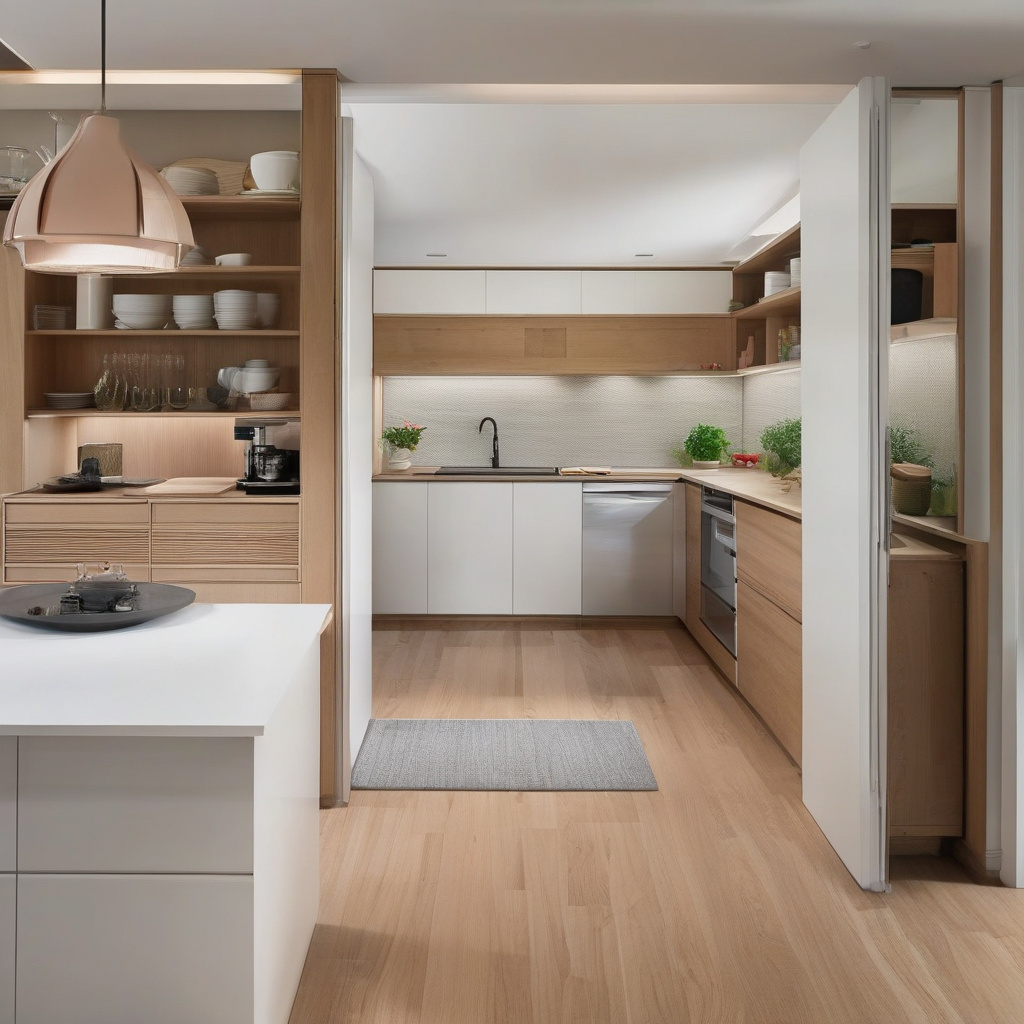
The kitchen has long been the heart of the home, but over recent years, integrating a dining area into this space has become more than just a trend. In the sprawling metropolises of Los Angeles and Southern California, where space is at a premium and lifestyle demands are high, homeowners seek clever solutions to meld culinary and communal pleasures. This artful fusion requires a deft balance of smart spatial planning, flexible layouts, and a keen eye for style, making dining in the heart of the home a reality.
Brief summary: This article explores integrating dining areas into kitchens to improve functionality and maximize space in Los Angeles homes. It covers trends, practical tips, costs, and experiences in creating a seamless flow between cooking and dining areas. Insightful advice for choosing the right designs and keeping the remodeling process efficient are provided.
The Rise of Kitchen-Dining Integration in Urban Homes
Urban homes in places like Los Angeles face the challenge of limited square footage, prompting an innovative approach to home design. Integrating a dining area into the kitchen is not just a design choice but a strategic response to lifestyle needs. By merging these spaces, homeowners can achieve not only a cohesive aesthetic but also practical benefits such as improved foot traffic flow and multipurpose functionality.
Many Angelenos are driven by the desire to combine their love of entertaining with the culinary arts, all while maximizing their living spaces. The new norm sees kitchens evolving from closed-off workspaces to open-concept areas where families can prepare meals while engaging in conversation. It’s a move that promises flexibility and brings the notion of ‘everyone’s in the kitchen’ into a comfortable reality.
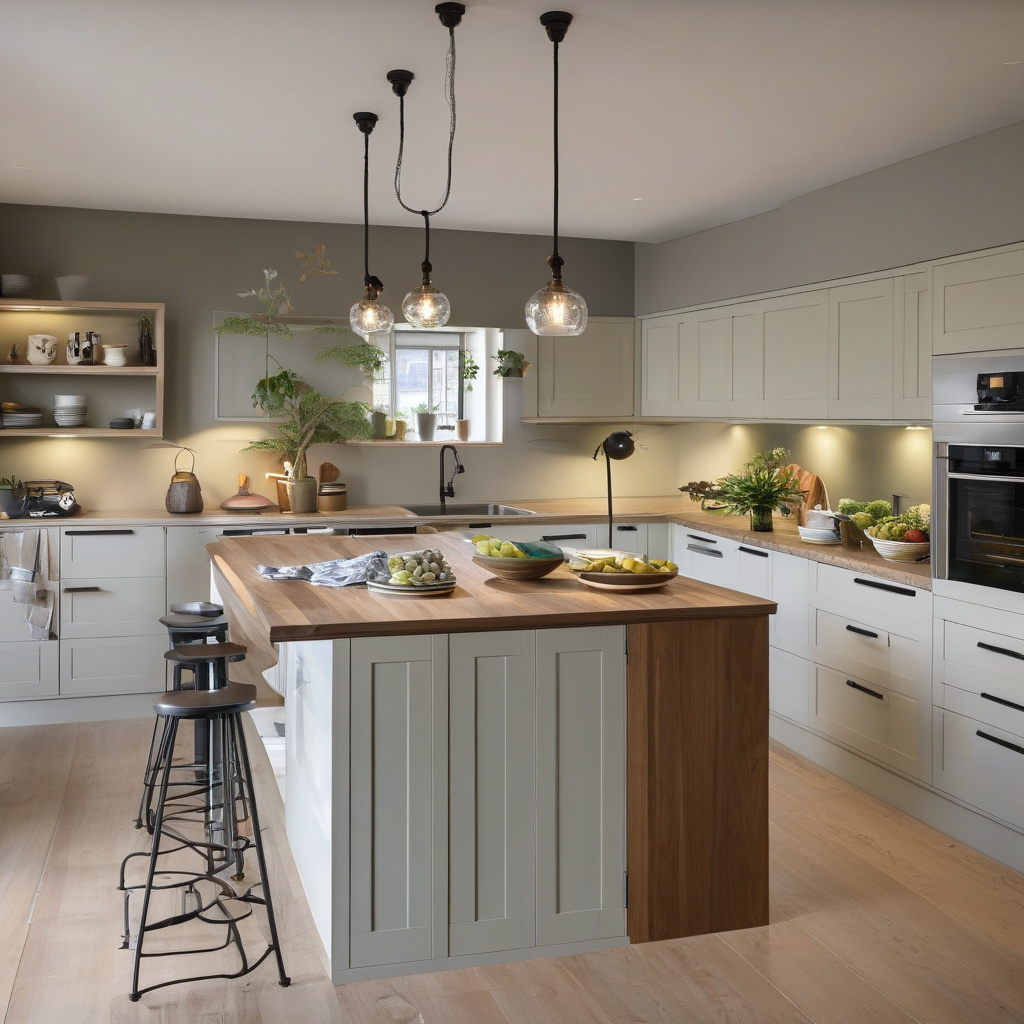
Efficiently planning such dual-purpose spaces requires homeowners to consider circulation and how they occupy their home on a day-to-day basis. The secret is in the details: smart incorporation of seating that doesn’t encroach on cooking areas and choosing designs that enhance rather than complicate the room’s function.
Incorporating a dining area into the kitchen is not merely about merging spaces. As kitchen remodeling guides suggest, this practice effectively maintains aesthetic harmony while supporting personal and functional needs.
Overall, the transformation isn’t merely physical; it represents a fundamental lifestyle shift. It’s more than just a design trend—it’s redefining how we live and interact within our homes.
Planning Your Integrated Space: Keys to Success
Strategic planning is crucial when integrating a dining area into a kitchen. This involves key considerations that can transform this creative architectural endeavor into a rewarding experience. Homeowners are tasked with evaluating elements that drive their dream kitchen: layout, aesthetics, and utility.
One of the most significant planning tasks is understanding how you use your kitchen. Are you an avid cook who needs ample counter space, or do you prefer easy-to-maintain surfaces with maximum social potential? These preferences heavily influence the type of integration that will best suit your lifestyle needs.
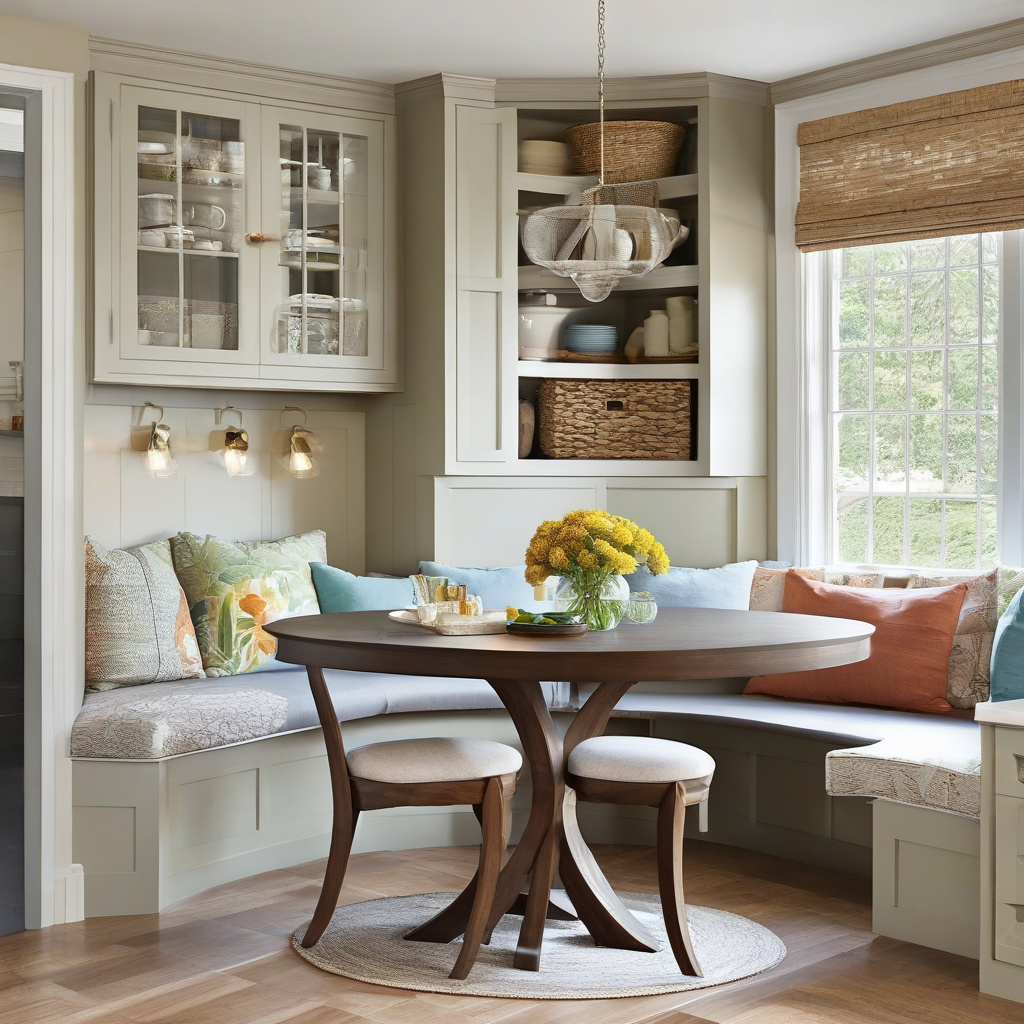
The importance of furniture and fittings cannot be underestimated. Cabinets with concealed storage and pull-out features enhance the usability of the space without overwhelming it. Incorporating innovative storage solutions can be key for Angelenos balancing modern life with limited space.
Creating a balance between practical and aesthetical considerations ensures that the kitchen remains more than just a workspace. Ideally, the dining area should be a natural extension of the kitchen, seamlessly marrying style with function. Introducing natural materials and muted tones can further blur the lines between cooking and dining spaces, contributing to a cohesive home environment.
Ultimately, success lies in design decisions that reflect individual lifestyles, making the kitchen a welcoming, efficient, and stylish part of the home.
A 2022 survey found that 85% of homeowners in urban areas desire open-plan living due to its flexibility and sociability.
Balancing Aesthetics and Functionality
Designing is as much about choice as it is about creativity. Achieving the perfect balance between form and function is essential when planning a kitchen-dining integration. This often means embracing the tension between aesthetics and practicality, a dance that Southern California’s designers know all too well.
Optimizing light is one way to accomplish this balance. Large windows, glass doors, and strategically positioned mirrors all contribute to a feeling of openness and airiness, enhancing both the aesthetic appeal and practical utility of these spaces. Such elements help small kitchens appear more spacious and inviting, essential in the densely populated areas of Los Angeles.
Moreover, color choices can greatly influence functionality. Light tones are known to open up a space, while darker tones can create a sense of intimacy and warmth. Striking the right balance here is crucial, and often, a mix of light, calming colors with bold accents can attractively define the space.
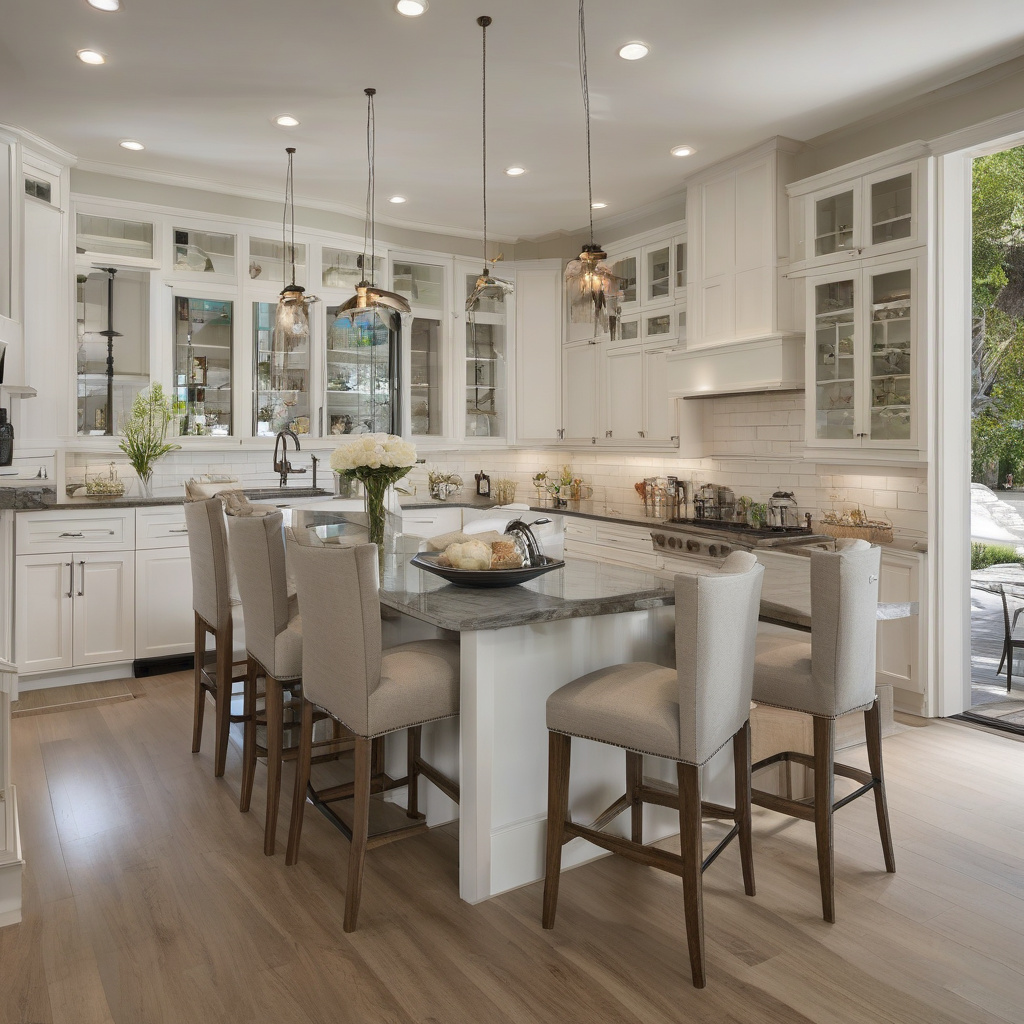
Practicality should not take a backseat to aesthetics, however. Amidst choices of stylish materials and innovative designs, sturdy and durable countertops and easy-to-clean surfaces hold their value for families navigating the hustle of daily life.
In the end, a keen understanding of one’s lifestyle and a commitment to balance will guide the design process, ensuring that the kitchen-dining area is both a joy to inhabit and suited to handle the demands of contemporary life.
Practical Steps to Follow: A Mini How-To Guide
Embarking on the renovation journey can be daunting. However, by following a few strategic steps, homeowners can achieve a smooth transition from planning to execution. Here’s a mini-guide to help navigate this process:
- Assess Your Space: Measure your kitchen and visualize where the dining space will fit. Consider flow, access points, and natural traffic patterns to determine where to place furniture and appliances.
- Define Your Needs: Outline daily routines and requirements to inform decisions about necessary features and layout. Prioritize essential appliances and fittings that complement cooking and entertaining activities.
- Set a Budget: Estimate the cost of materials and craftsmanship. Keep in mind that investment in higher-quality materials often pays off in durability and long-term satisfaction.
- Engage Professionals: Consult experts for design insights and technical support. This might involve hiring a contractor, designer, or both. Their expertise can be pivotal in avoiding common pitfalls.
- Timeline Management: Plan ahead to keep the remodeling project on track. Staying organized and prepared can prevent delays and ensure timely completion.
Following these steps can ensure a successful and enjoyable remodel process, leading to a bespoke kitchen-dining area that elevates day-to-day living.
Experts warn that rushing through a renovation project can lead to missteps that could have been avoided with careful planning.
Comparing Costs: An Investment in Lifestyle
One of the most frequent questions homeowners have relates to the cost of incorporating a dining area into the kitchen. The answer, of course, varies, influenced by a range of factors, including materials, the extent of the renovation, and labor costs.
In Los Angeles, where the construction market is diverse and competitive, knowing what you’re paying for can make a substantial difference. Homeowners should consider the price of materials, the cost of qualified labor, and the potential return on investment.
To help homeowners understand these dynamics, here’s a comparison of typical costs involved in various renovation approaches:
| Option | Cost Range | Materials | Timeline | Value Tier |
|---|---|---|---|---|
| Basic Integration | $10,000 – $15,000 | Laminate, standard fittings | 4-6 weeks | Moderate |
| Mid-Range Transformation | $25,000 – $35,000 | Granite, custom cabinets | 6-8 weeks | High |
| Luxury Overhaul | $50,000+ | Marble, high-end appliances | 10-12 weeks | Premium |
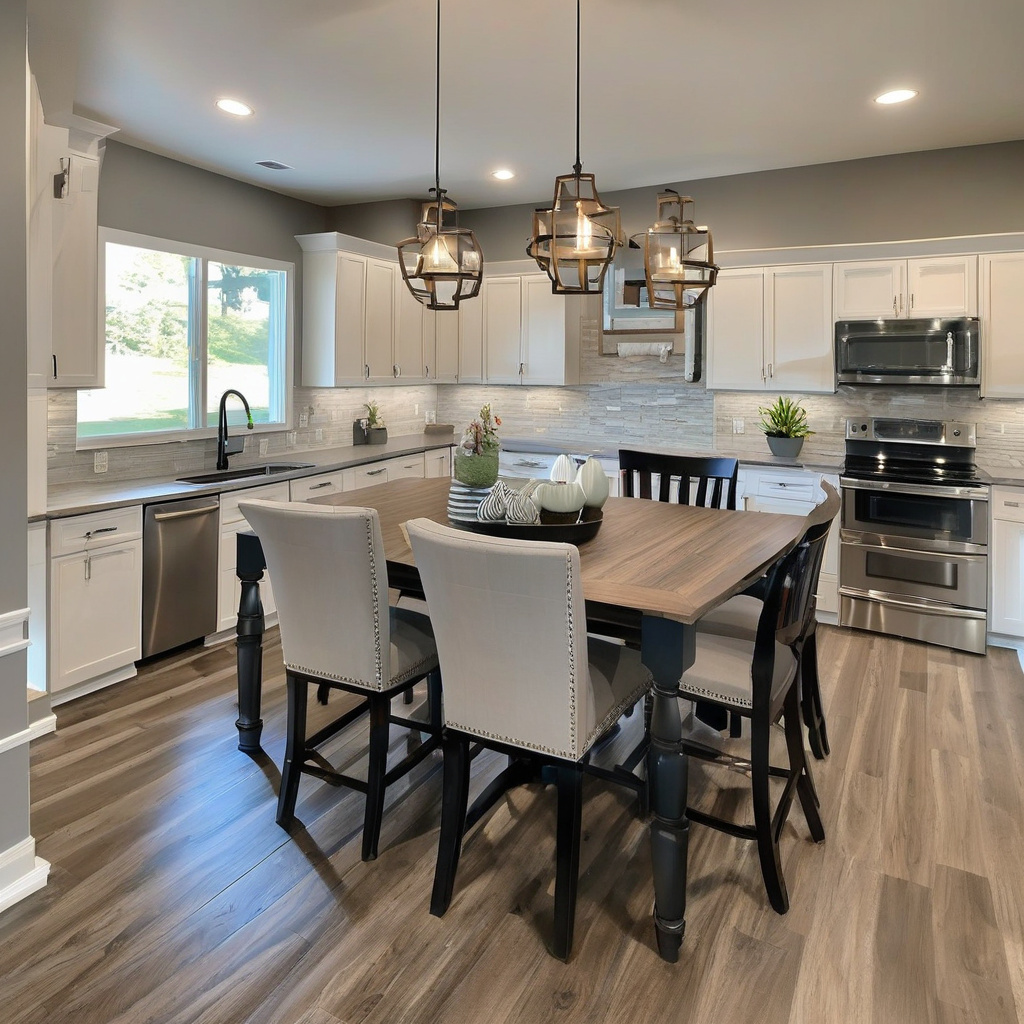
Investing in an integrated kitchen-dining area can significantly boost your home’s market value and enhance everyday life, making the cost worthwhile.
A recent Harvard study highlighted that homeowners recoup an average of 60% return on investment when remodeling kitchens, emphasizing both economic and aesthetic benefits.
Frequently Asked Contractor Questions and Conclusion
As the remodeling journey nears its conclusion, it’s essential to engage with contractors effectively. Understanding what to ask and expect can streamline the process, ensuring projects remain within budget and up to standard.
Here are some important questions to consider when dialoguing with potential contractors:
- What is your approach to maintaining clean and safe workspaces during the construction process?
- Can you provide references or examples of past projects similar to mine?
- How do you handle unforeseen issues that may arise during the renovation?
These queries aid in guiding your remodel with expert advice and can drastically affect the efficiency and satisfaction of the project.
In wrapping up the integration of dining into kitchen spaces, it’s evident that a blend of careful planning, creativity, and resourcefulness shapes these environments into places of function and delight. As homeowners in Los Angeles have discovered, the rewards are well worth the investment—resulting in homes that reflect both personality and practicality.
- Integrating dining into kitchens optimizes space and lifestyle in urban homes.
- Careful planning ensures smooth and functional kitchen-dining concepts.
- Design balance influences the practicality and aesthetics of integrated spaces.
- Cost-effective remodeling decisions boost market value and day-to-day comfort.
- Engaging with contractors effectively ensures efficient and satisfactory projects.
“`html
FAQ
What are the benefits of integrating a dining area into the kitchen?
Integrating a dining area into the kitchen fosters better circulation and enhances the social dynamics of a home. Many homeowners in California find that combining these spaces reduces clutter and simplifies meal organization. In practice, it encourages family interactions and makes hosting gatherings more convenient. With seamless transitions between cooking and dining, you’ll likely notice a smoother routine during meal prep and cleanup. However, the key to achieving these benefits is smart design, ensuring that the proportions are balanced and that the furniture complements the overall flow of the room.
How do you choose the right furniture for a combined kitchen and dining area?
Choosing the right furniture involves considering function, aesthetics, and space efficiency. Experts suggest opting for flexible furniture, like extendable tables and stackable chairs, which efficiently adapt to different needs. In real renovations, it’s crucial to maintain a visual connection between cooking and dining spaces, often achieved by using consistent color palettes or materials. Homeowners should also focus on durability, especially in high-use areas. Many overlook the importance of choosing materials that withstand spills and wear, but this can greatly affect the space’s longevity and appeal.
When does it make sense to integrate the dining area into the kitchen?
It makes sense to integrate these areas in homes where space is limited or where a more open, communal environment is desired. For instance, many single-family homes in urban Californian areas benefit from this integration to maximize available square footage. This setup is especially sensible if you host frequently, as it eases the transition from cooking to serving. However, be mindful of potential noise and aroma issues that might not suit every household. Planning with ventilation and acoustics in mind can help mitigate these drawbacks.
What are common mistakes to avoid when combining a kitchen with a dining area?
A common mistake is neglecting the flow between spaces; without careful planning, you might end up with awkward layouts that hinder movement. Another frequent error is overlooking storage needs; in an open setting, clutter can easily disrupt harmony. Additionally, inadequate lighting design can lead to poorly defined areas. To avoid these pitfalls, make sure each zone has a purpose and adequate space allocated. Consulting with a design expert can provide clarity and insight into optimal layouts and help maintain a harmonious aesthetic across the integrated space.
What cost considerations should homeowners keep in mind?
Cost can vary significantly based on the scope of the project. Many experts advise budgeting for quality materials and fixtures to ensure durability and functionality. Kitchen and dining integrations can range from a few thousand dollars for minor updates to tens of thousands for a complete redesign. Remember, unexpected expenses can arise, such as updates to plumbing or electrical systems. Detailed planning with a realistic budget from the start can prevent financial stress later on. For tailored advice on project budgeting, you might want to discuss your plans with a local renovation expert.
What are the pros and cons of flexible furniture in a combined space?
Flexible furniture, such as foldable chairs and extendable tables, offers adaptability and convenience, making it ideal for dynamic spaces. These options provide versatility for varying needs, from daily meals to larger gatherings. However, some people find these pieces lack the solidity of traditional furniture, potentially affecting comfort and style longevity. Real-life observations often reveal that while flexible furniture excels in compact living environments, it might not always align with the aesthetic vision some homeowners desire. Balancing practicality with personal style is crucial when choosing flexible options.
How essential is maintaining a balanced proportion between kitchen and dining areas?
Maintaining balanced proportions is crucial for ensuring a harmonious layout that facilitates easy movement. In real renovation projects, disproportionate areas often create a visual disconnect and functional inefficiency, leading to frustration. An oversized dining table in a small kitchen, for instance, can overwhelm the space, while insufficient dining space can limit social interaction. To achieve balance, carefully measure and plan every element, from cabinetry to seating arrangements, factoring in essential pathways and ergonomic principles. Balance provides not only aesthetic appeal but also enhanced usability.
What installation specifics should be considered for a kitchen-dining integration?
Installation specifics in a kitchen-dining integration require attention to utilities like plumbing and electrics, which may need re-routing to accommodate new layouts. Experienced renovators stress that installing proper ventilation is critical to manage cooking odors in open spaces. Another essential consideration is floor leveling, especially when merging different types of flooring materials. Ensuring continuity in flooring helps maintain a seamless look and avoid trip hazards. Given these technicalities, many recommend professional consultation to align design goals with installation realities.
“`