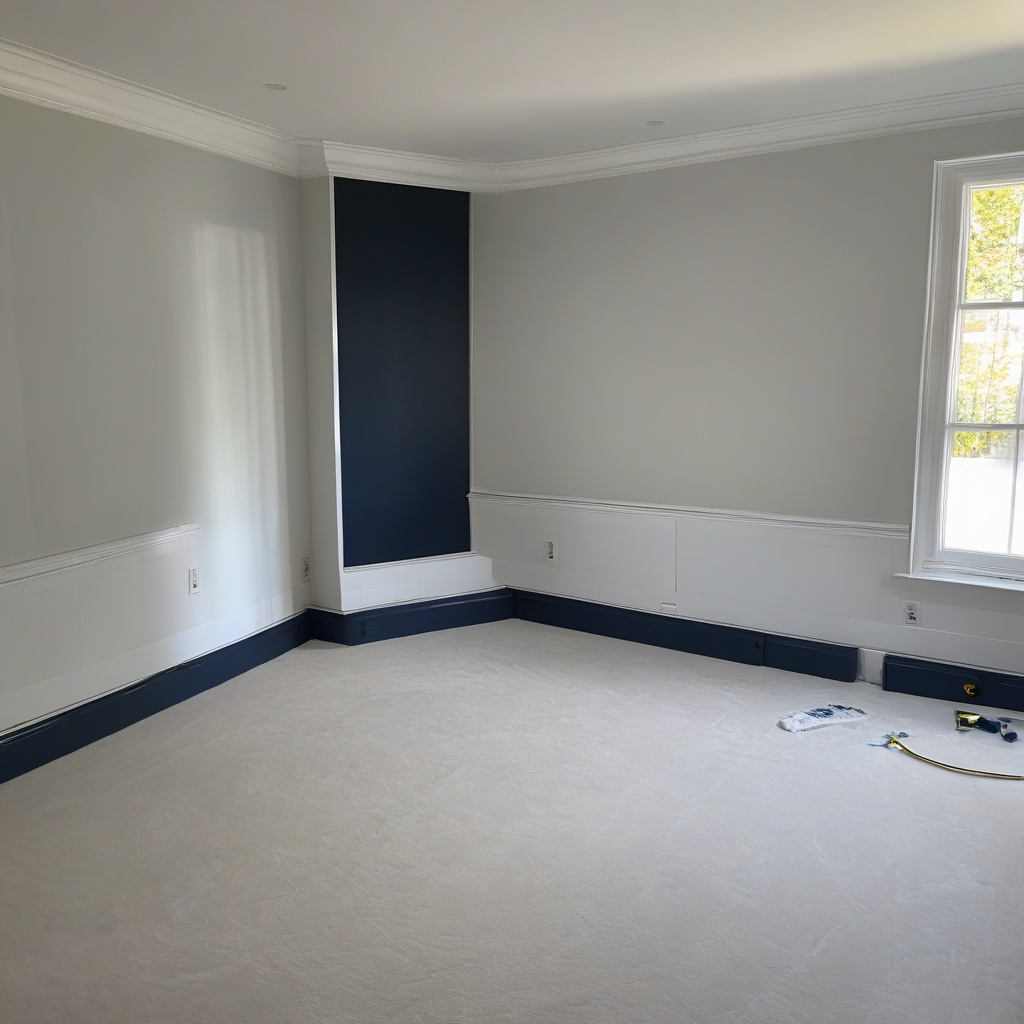
Painting over dark colors can often feel like embarking on an odyssey with a roller as your only ally. Many Southern Californians, diving into home renovations, face this challenge with determination—armed with versatile paint solutions and strategic techniques. Dark hues can add boldness to a room, but when a refreshing, lighter palette is desired, knowing the right approach becomes crucial. In an ever-growing city like Los Angeles, where style meets innovation, painting over these shades without excessive coats requires more than just effort; it demands precision and knowledge.
Brief summary: Painting over dark walls involves using high-quality primers, effective layering, and optimal drying techniques to achieve desired lighter shades without surplus costs and effort. This article explores practical solutions and renovation insights tailored for Los Angeles homeowners, highlighting investment in quality materials and strategic planning.
Understanding the Challenges of Dark Hues
Dark colors, beloved for their dramatic effect and visual appeal, present a significant challenge when the decision is made to change them. The Los Angeles housing market is seeing a trend toward lighter, more modern aesthetics, shifting away from previous bold statement choices. When aiming to bring in these lighter vibes, many find themselves in the trenches of preparation.
Primers are not just a recommendation; they become a necessity. High-quality primers form the backbone of successful color transitions. They seal the previous color, enabling the new shades to emerge without interference. With weather conditions such as those in Los Angeles—where sunshine can intensely play with indoor lighting—having a stable base is essential.
Another factor is the time-honored technique of layering the paint efficiently. The notion that a single coat might suffice is, quite plainly, a painting fantasy. Building up coats methodically ensures even coverage and prevents the dreaded patchiness that irks perfectionists.
Controlled drying between coats is the unsung hero of the process. By allowing ample drying time, each layer settles and preps the surface for subsequent coats. This prevents cracking, a common issue exacerbated by Southern California’s swift temperature variations.
An expert from a leading Los Angeles construction firm states, “Proper layering and drying not only improve aesthetics but enhance paint durability, a crucial factor in our changing climates.”
Explore professional insights on painting transitions and witness expert methods at work.
Strategies for Mastery: From Planning to Execution
The success of any painting project begins long before the first brush or roller touches the wall. Meticulous planning holds the key to snowy whites and calming beiges triumphing effortlessly over deep maroons or navies. Knowing the surface area and calculating the paint required prevents unwanted trips and achieves a cost-effective transition.
It’s during these planning stages that insights from strategic tools, such as a custom paint quantity calculator, come to the fore. These tools aid homeowners and contractors alike in presenting accurate quotes and timelines, pivotal in an industry where both time and money are at a premium.
Yet, while calculations can set the stage, hands-on execution puts the play in motion. When color ideals need to manifest in reality, a fundamental understanding of paint types makes all the difference. Choosing between oil-based and latex, depending upon the existing dark hues, can change the ballgame.
In practice, oil-based primers are often recommended over existing leaden tones, given their robustness. The decision here aligns with the lightness required and the room’s functional needs. For example, areas with high use and moisture, like kitchens and bathrooms, might require particular finishes to boost resistance.
“Informed planning shaves off time and rough estimates, delivering a smoother and more predictable project timeline,” says Susan Archer, a seasoned interior designer from Beverly Hills.
The Role of Quality Materials and Finishes
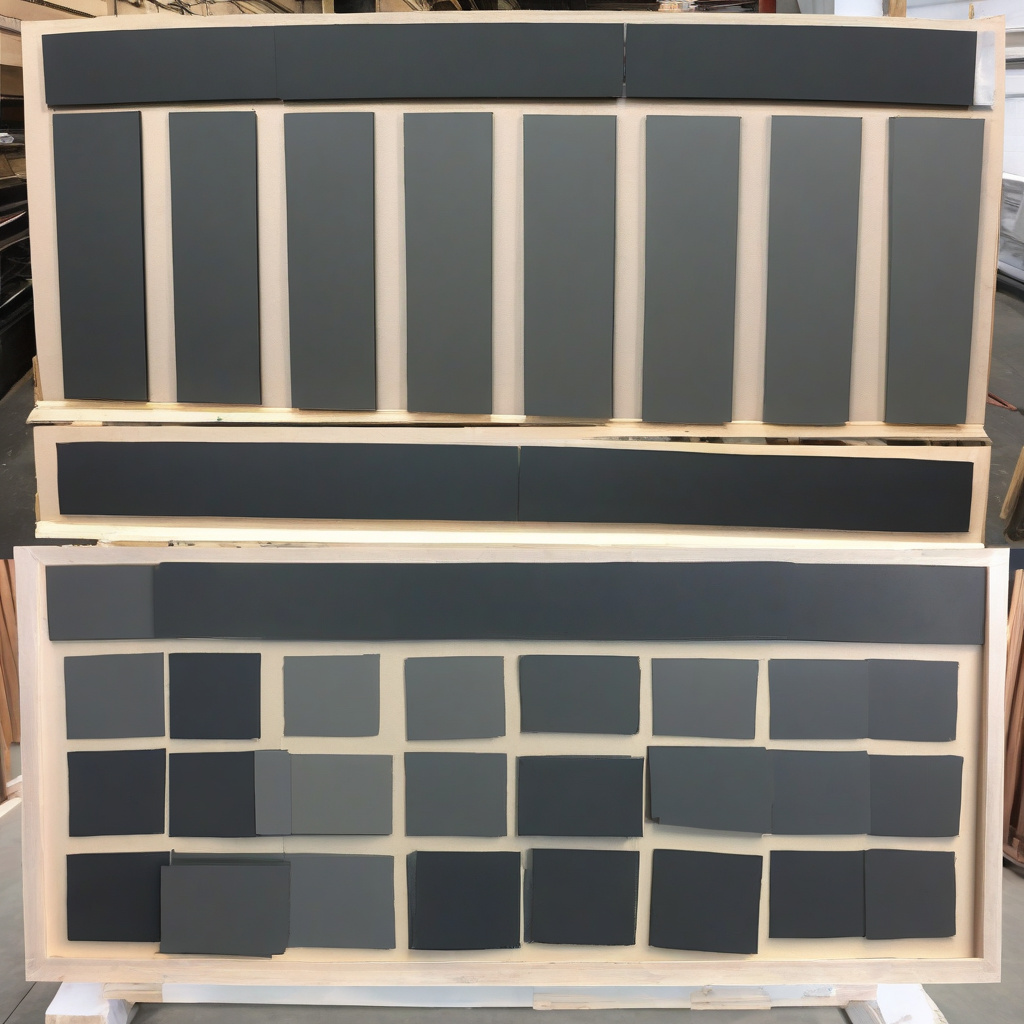
With Southern California’s penchant for luxury, it’s no surprise that the choice of materials heavily influences the renovation outcome. Embracing the right finishes, whether faux or flat, can be the determining factor between an average and an outstanding result.
A closer look at finishes reveals that while flat finishes offer a modern, matte look perfect for evening out wall imperfections, faux finishes add depth and texture, creating an artistic focal point.
Material choice often corresponds with environmental considerations, particularly in regions like Los Angeles, which are no strangers to climate impact discussions. The demand for sustainable materials that won’t compromise performance is rising. Consequently, eco-friendly primers and paints are gaining traction.
The investment in such materials correlates directly with increased property values and improved indoor air quality, a priority for many families with children or allergies.
According to a 2023 report from a major paint supplier, “Eco-friendly materials have seen a 30% rise in demand, reflecting a growing trend toward sustainability in the home renovation market.”
Cost, Materials, and Techniques: A Comparative Insight
Understanding the financial aspect of painting projects is vital for homeowners on a budget. Factors such as labor, material, and timeline weigh differently depending on the technique employed and the desired outcome.
| Aspect | Economy Option | Premium Choice |
|---|---|---|
| Material Costs | Standard paints, basic tools | High-end primers and paints |
| Techniques | Basic rollers, single coats | Professional-grade sprayers, multiple layers |
| Timeframe | Longer due to drying/recoating | Shorter with expert help |
While initial costs for premium choices may be higher, the quality and durability they guarantee can ultimately save more in the long run—making them a wise investment for those looking to stay in their home for a substantial period.
Advantages and Disadvantages: Balancing Act
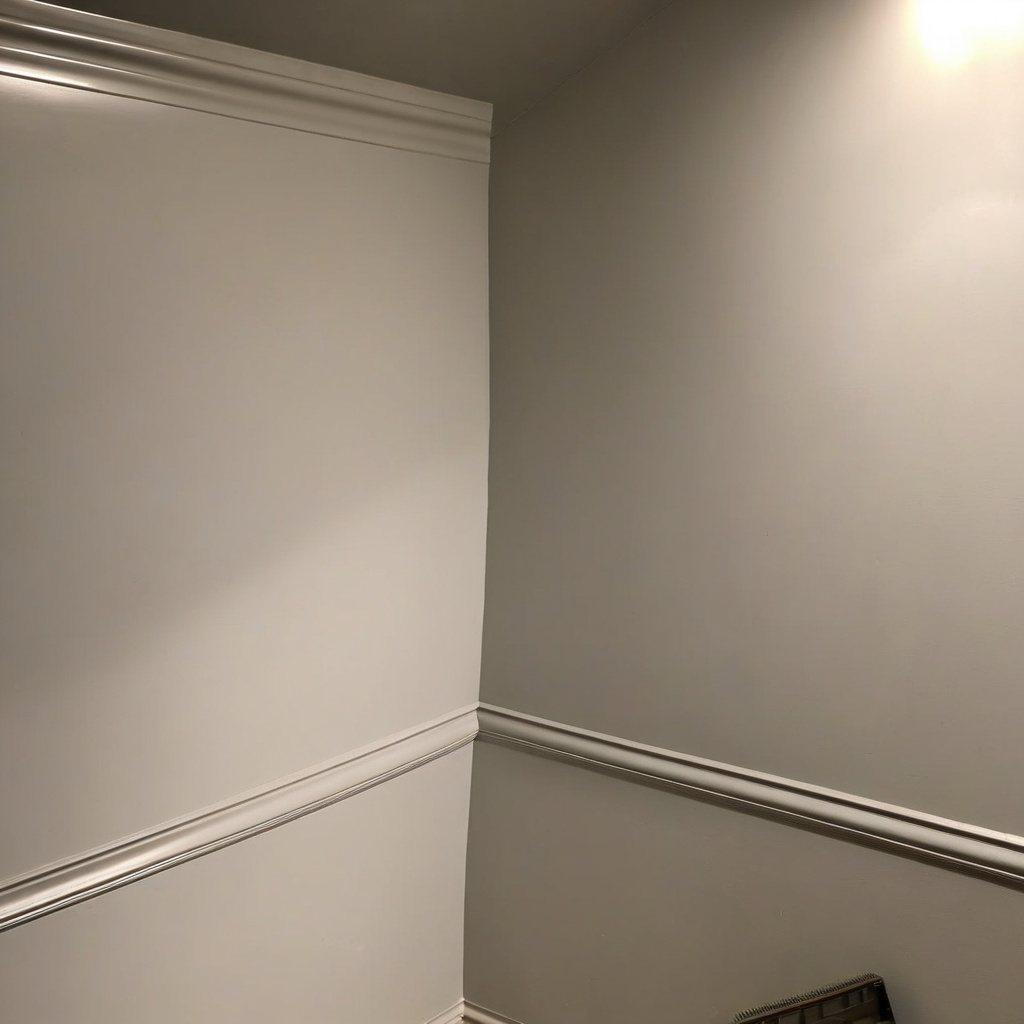
Choosing to repaint over dark walls isn’t just a matter of preference; it’s about managing expectations and outcomes. The advantage of lighter spaces, which Southern California homeowners are increasingly gravitating towards, is undeniable—they appear larger and more inviting.
Yet, this bright transition isn’t without its hurdles. The risk of uneven coverage remains a prevalent concern, particularly when inexperienced hands endeavor to take on complex gradients or textures themselves. Without professional help, the effort may stretch into a marathon of coat after coat.
Conversely, there’s the reward of personal satisfaction and a sense of accomplishment—a feeling that infuses pride into every square foot of immaculate white. But getting there necessitates learning and adapting to new painting norms and trends, a dynamic ever-evolving in this vibrant locale.
As many local homeowners notice, the delicate balance between aesthetics and practicality can successfully be achieved with the right planning, approach, and resources.
Expert Insight: Lessons from the Field
Proficient painters often emphasize the importance of patience, a virtue seemingly at odds with today’s rapid-paced innovation. However, in painting, as in life, haste makes waste. This is never more obvious than when examining rushed renovations, which ultimately degrade the quality and longevity of work.
Frustrated homeowners can mitigate these initial errors by consulting texts and industry guides on color usage for trims or accent areas, achieving cohesion and visual delight.
Whether applied inside one’s home or to the broader canvas of home exteriors, painting is as much an art as it is a craft. The key takeaway for homeowners looking to embark on color transformations is to blend patience with innovation.
Every stroke, when conducted with care, contributes to the story your home narrates—a negotiation between your desires and the tangible world of brick and mortar, across the sun-drenched boulevards of Los Angeles.
An industry specialist concludes, “Your home is an unfinished canvas, with each renovation project, an opportunity to keep evolving with the changing face of design.”
The Step-by-Step Guide to Achieving Success
To support those ready to take on this transformative journey, a mini-guide encapsulating the critical stages of repainting over dark colors will lend methodical support. This not only simplifies the process but boosts confidence in the execution.
1. Prepare Your Surface: Clean thoroughly to remove any dirt or grease. Smooth surfaces with light sandpaper to aid primer adhesion.
2. Prime the Walls: Choose a high-quality primer, preferably one with stain-blocking properties to seal darker tones well.
3. Plan Your Technique: Lay out which areas will require more focus, such as window trims or accent walls, which are prone to discrepancies in color depth.
4. Layer Methodically: Apply the first coat and allow adequate drying time; patience during this phase will set the groundwork for superior finishings.
5. Final Coat and Touch Up: Once the base is soundly covered, add touches of character through texture or faux finishes to suit the room’s overall decor theme.
With these steps, a once daunting task can gradually transform into a rewarding adventure in home expression.
- Primer quality and strategic layering are vital for effective dark-to-light transitions.
- Experienced planning and material choice significantly impact renovation success.
- Eco-friendly paint options are gaining traction among sustainability-focused homeowners.
- Balancing technical execution with aesthetic goals requires patience and industry knowledge.
- Step-by-step guidance facilitates smoother, more efficient home transformation projects.
FAQ
Why is it challenging to paint over dark colors?
In real renovation projects, tackling dark colors can feel like a daunting task. The pigments in dark paints are designed to cover more effectively, often leaving a stubborn residue that lighter shades struggle to hide. Many experts point out that using just paint alone usually results in uneven coloring or shadows. This is particularly visible in older homes, where walls may have imperfections that dark paint easily conceals. Painting light over dark without proper preparation often leads to “ghosting,” where old hues and wall textures peek through, requiring endless coats and increasing material costs.
What type of primer should I use to cover dark colors?
When it comes to painting over dark colors, high-quality primers are your best allies. They are formulated to block out intense pigments and create a uniform base for your new paint. For instance, stain-blocking primers are known for their thick consistency and strong adhesive qualities. In practical terms, these primers drastically reduce the number of coats needed, saving both time and resources. Always look for primers that specify high coverage on the label, as these products are typically engineered to tackle the toughest of hues. Remember, a good primer is not just an undercoat; it’s the foundation for a flawless finish.
How does layering help cover dark colors?
In many home renovation stories, homeowners learn the hard way that layering isn’t just a step—it’s an art. Layering involves applying primer and paint in gradual, even strokes. The first coat of primer acts as a barrier, while subsequent layers help build depth and texture. This process ensures complete coverage without patches or inconsistencies. Imagine painting a canvas; each layer progressively refines the picture until the original backdrop is fully masked. Controlled layering not only covers up dark hues effectively but also enhances the durability and appearance of the finish, creating a seamless transition from dark to light.
What are common mistakes when painting over dark colors?
Homeowners frequently underestimate the importance of preparation when offsetting dark colors. Skipping primer is a common pitfall; it often results in uneven, inconsistent coverage. Many assume that using more paint compensates for this mistake, leading to excessive and unnecessary coats. Another error is neglecting to allow adequate drying time between layers, which can cause the paint to peel or chip later on. In my experience, patience, and proper product selection are crucial for a high-quality finish. By understanding the need for a strategic approach rather than shortcuts, frustration and re-work can be minimized significantly.
Can painting over dark colors be cost-effective?
From a cost perspective, painting over dark colors can initially seem expensive due to the need for high-quality materials like primers and additional preparation work. However, many renovation experts argue that investing in superior products results in fewer coats and less paint overall. In the long run, this approach saves money by reducing materials and labor. Nevertheless, time is also money, and a rushed job can end up incurring more expenses due to fixing mistakes. For those concerned about budget, consulting with a professional can offer insights into achieving the best outcomes within financial constraints. If you’re considering a renovation and are uncertain about your options, it might be worth seeking additional guidance through [a dedicated renovation consultancy team](https://californiarenovation.top/contact/).
What are the benefits and limitations of using primers?
Primers are an essential part of painting over dark colors, offering both advantages and limitations. On the plus side, they provide a clean slate for new paint to adhere to and can cover imperfections and stains on the wall. They’re a wise choice for ensuring color consistency and reducing the number of paint coats needed. However, there are limitations to consider. Primers alone won’t correct significant wall damage or flaws; these require patching and sanding. Additionally, if used incorrectly, they may not adhere well, leading to peeling or cracking. Understanding when and where to use primers can be the difference between a striking new wall color and a costly redo.
How does climate affect the process of painting over dark colors?
In regions like California, where the climate varies from coastal fog to inland heat, environmental factors can hugely impact painting projects. Many homeowners overlook how temperature and humidity can affect drying times and paint performance. On hot, dry days, paint may dry too quickly, causing cracks, while too much humidity can prevent it from setting properly. Tailoring your approach to local weather conditions—like painting early in the day or using specifically formulated additives—can enhance both application and longevity. Experienced renovators always plan around weather forecasts to ensure optimal results, demonstrating how local climate considerations are integral to successful painting over dark colors.
What long-term maintenance is required after painting over dark colors?
After successfully painting over dark colors, many homeowners are eager to maintain the fresh new look of their walls. It’s important to address maintenance proactively to ensure longevity. Regular dusting and occasional washing with mild detergent help preserve the finish. Be aware of common household issues, such as moisture accumulation or wall scuffs, that might require touch-ups. In practice, using high-quality, washable paint simplifies care in the long run. For those planning to repaint, remember that using a primer even when transitioning between lighter shades can prevent color shifts and maintains the vibrancy of your space.