In the bustling and ever-transforming landscape of Los Angeles, transforming your backyard into an Auxilary Dwelling Unit (ADU) for Airbnb rental can sound like a dream come true for property owners. But with stringent regulations on stays, occupancy limits, and zoning laws, navigating the warm embrace of that rental income is more a marathon than a sprint. Enter insulation and HVAC solutions for these small spaces, a duo as crucial as Laurel and Hardy in ensuring both comfort and compliance. If the idea of maximizing your square footage while keeping utility bills in check tickles your pragmatic fancy, you’re on the right page. Let’s dive deep into those key aspects of creating conducive mini-homes.
Brief summary: This article explores effective insulation and HVAC strategies for ADUs in Los Angeles. It discusses legal considerations, cost-effective materials, and real-life renovation insights to optimize small spaces for short-term rentals. Learn about strategic layout planning, soundproofing, and energy-efficient methods to enhance comfort and compliance.
A Warm Welcome: Insulating Small Spaces
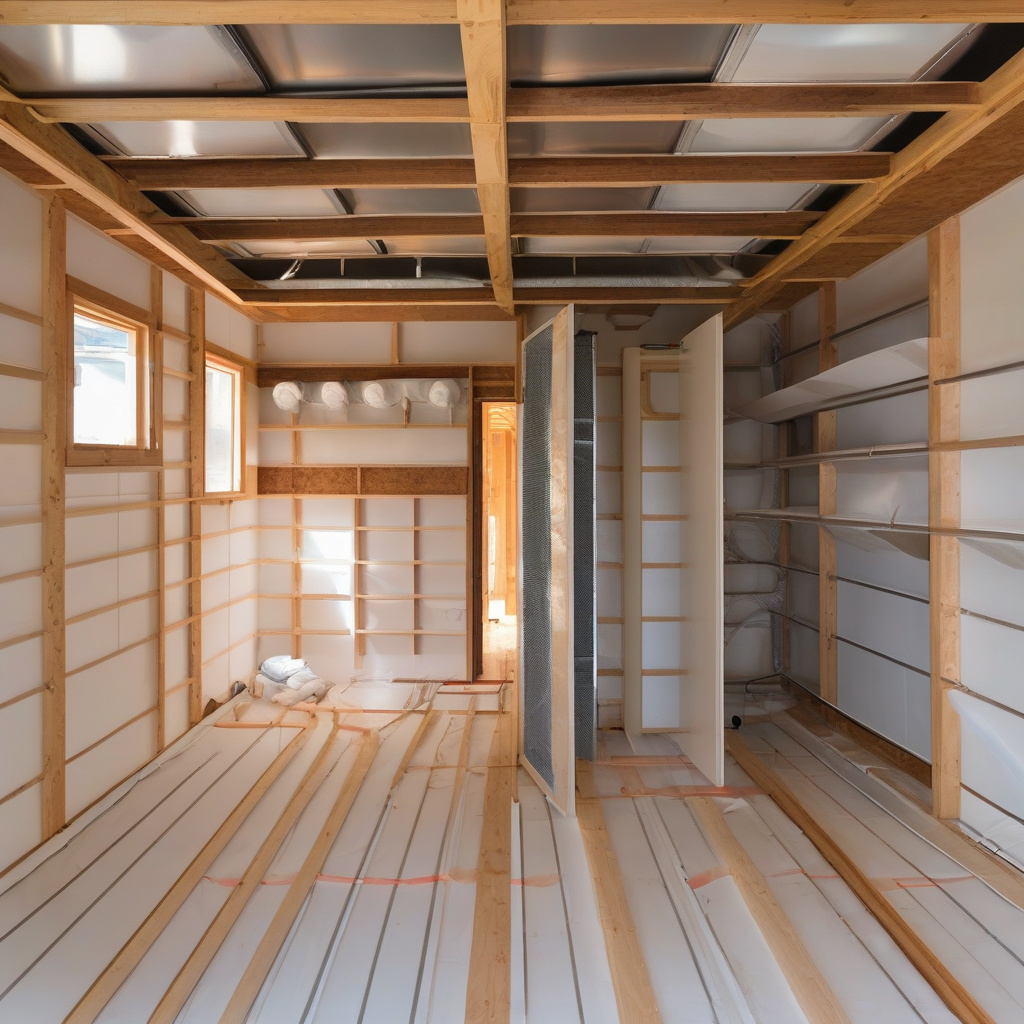
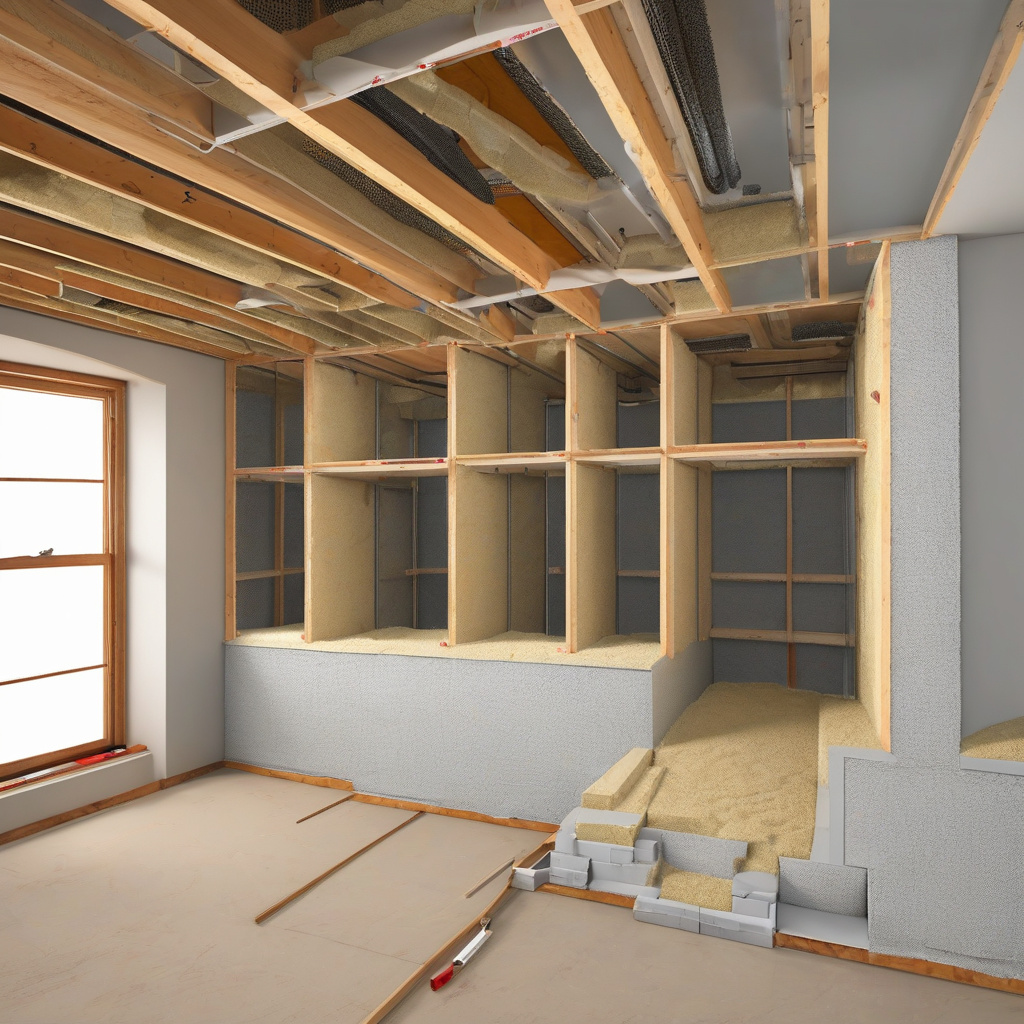
Insulation is often the unsung hero of cozy ADUs, quietly doing its job while guests admire your stylish decor. In Los Angeles, where temperatures fluctuate like celebrity reputations, effective insulation can transform a glorified shed into a haven. Most traditional Californian homes are designed for those endless summers; therefore, adapting ADUs for cooler weather requires a nuanced approach. Whether using spray foam or batts, ensure that every nook and cranny is covered, leaving no room for heat to escape or cold to creep in.
As many homeowners notice, the charm of a rental-ready unit comes from its ability to make every stay memorable—for the right reasons. Properly insulated walls, ceilings, and floors mean that whether your tenants are enduring one of LA’s infamous heatwaves or an unseasonal chill, they’re snug as a bug in a rug. Any retrofitting plan should incorporate a robust insulation strategy, ideally discussed with a knowledgeable contractor early on, potentially during initial conversion plans.
Blowing in cellulose made from recycled materials is a great choice for smaller spaces. It’s eco-friendly, less irritating than fiberglass, and remarkably effective in managing both temperature and sound. Usually, cellulose comes in at about $0.50 to $1 per square foot, offering excellent ROI for budget-conscious improvements.
Investing in proper insulation not only enhances comfort but also elevates satisfaction scores, often capturing that all-important five-star review. And if the long-term savings on energy bills aren’t convincing enough, know this: comfort is a currency.
An Energy Efficiency International report notes a 15% reduction in energy costs when effective insulation is installed in ADUs, underscoring its long-term economic benefits.
Climate Control: Crafting Effective HVAC Systems
Your ADU’s heating and cooling system forms the backbone of its livability quotient. Due to their compact nature, ADUs present unique HVAC challenges. A traditional central air unit may be overkill; instead, consider ductless mini-split systems that offer targeted temperature controls at an affordable price point — typically ranging from $1,500 to $2,000 per unit installed.
Mini-splits bring forth a world of advantages, primarily their scalability and energy efficiency. These systems allow customized climate control across different spaces, which is crucial when your tiny home has the propensity to turn into a sauna or an igloo. Moreover, they boast an aesthetic advantage, integrating seamlessly into the contemporary vibes of today’s minimalist designs.
For those planning rental-friendly upgrades, it’s essential to understand the legal distinctions between primary residence specifications and ADU mandates. Sometimes, city regulations may necessitate specific energy ratings or conformities, so it pays to do your homework or consult a professional.
You’ll also appreciate these systems’ quiet operation—an understated boon for potential sound complaints from the main residence.
Industry data suggests that modern mini-split systems utilize 30% less energy compared to standard HVAC units, aligning perfectly with California’s stringent energy efficiency standards.
There’s no question: investing wisely in your ADU’s climate can yield both immediate and long-term rewards.
The Sound of Silence: Managing Noise and Privacy
One cannot discount the importance of soundproofing when sculpting epoxy-tight living quarters in ADUs. Treat soundproofing less like an afterthought and more as a primary concern, especially since more than 70% of LA ADU setups sit dangerously close to the host structure or neighboring partitions.
Owners who have dabbled in acoustic enhancement solutions often swear by green glue compounds, mass-loaded vinyl, and layered drywall. These materials aren’t just buzzwords; they translate into inch-perfect calm. Implementing these can cost around $500 to $1,500 depending on the extent and materials, but when peace becomes both priceless and rateable, it’s worth every penny.
The strategic placement of furniture and decor also plays a supportive role, diffusing noise effectively across minimal footage. Dragging rugs, thick drapes, and bookcases all buy in to the tranquility stakes.
Ultimately, balancing the noise entering and escaping the property could make or break a stay, adding that extra layer of allure to your already enticing abode.
Research from the Home Acoustics Alliance found that effective soundproofing can improve tenant satisfaction by up to 40%, showing how crucial this aspect can be in gaining customer loyalty.
Layout Logic: Space Optimization Hacks
No matter the grandeur you attempt to instill in your designs, ADUs remain quintessentially modest. Space optimization must therefore dance alongside aesthetics, with every crevice creatively commandeered. Think vertically—one golden nugget worth its weight in renovation reports.
Multi-functional furniture and units are a godsend to the savvy owner. Murphy beds and nesting tables liberate living and working zones from tyranny. Similarly, wall-mounted shelving takes storage from mess to minimal in seconds.
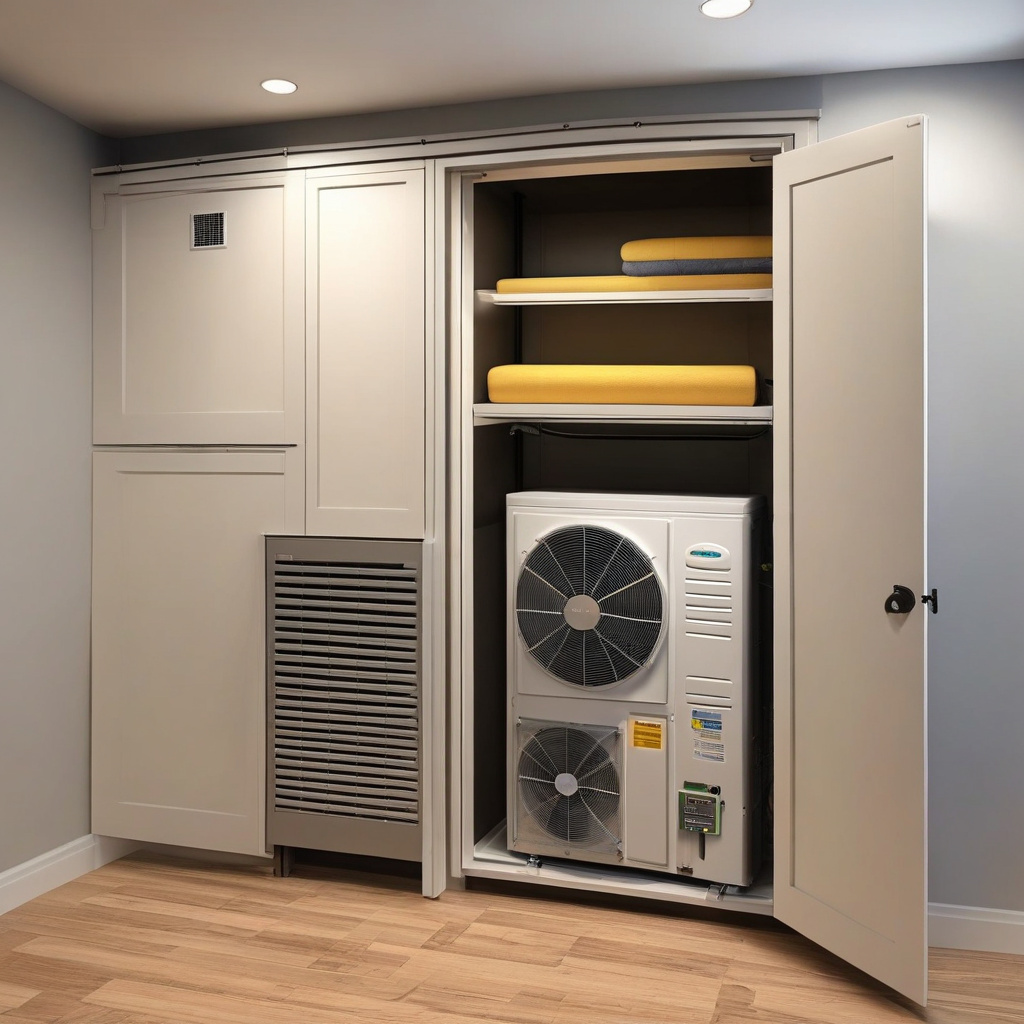
Turning dead spaces under stairs into neatly-organized storage, incorporating foldable elements, and prioritizing accessibility isn’t optional, it’s essential. One might look to optimized kitchen layouts for a glimpse of how to seamlessly integrate style with function.
Keep a meticulous eye on minimalism; it’s both the philosophy of the day and the practical antidote to chaos.
Advantages and Disadvantages: Weighing the Trade-offs
Naturally, transforming your carriage house into a guest-ready rental involves weighing the boons against the banes.
| Aspect | Advantages | Disadvantages |
|---|---|---|
| Insulation | Improves energy efficiency; enhances comfort | Initial cost; requires skilled installation |
| HVAC Systems | Cost-effective, space-efficient | May require regular maintenance |
| Soundproofing | Enhances privacy and satisfaction | Can be expensive to implement fully |
Your cost assessments should align with your vision—a delicate balance but not impossible. Research and realistic budget planning often smooth out these trade-offs.
How-To: Smart Steps to Begin Your ADU Project
Starting with a Pre-Assessment
Before hammering even a nail, get your legal clearances squared away. Numerous resources provide insights into kitchen layouts and foundational planning that comply with city standards. A pre-design survey will help guide your decisions and inspire adaptable layouts.
1. **Conduct a space audit:** Measure and document every inch of room. Understand your limitations and opportunities.
2. **Consult with professionals:** Engage with architects or ADU specialists. Early expert guidance can preclude hefty renovation pitfalls.
3. **Determine your wish-list:** Pinning hope high while staying pragmatic ensures a design punctuated with both dreams and reality.
Drafting a Blueprint
When your groundwork is laid, begin sketching life-sized plans. Use design software to visualize those heated debates between open-plan allure and wall-segmented security.
Catch potential design snags while they’re still ink on the page. Your future self will thank you.
Conclusion: Building Dreams, Framed by Reality
At the end of your architectural odyssey stands a proud moment: the realization of raw vision, captive within timber and stone. Whether weaving through detailed zoning matters or pondering over shades of paint, creating that perfect Airbnb-ready environment is more than just a possibility—it’s incumbent upon you to transform dreams into dwellings. Remember, crafting habits of comfort and efficient utility is as California as the sun kissing the Pacific.
Your commitment and creativity can charter paths through red-tape-lined streets to create airy comfort while lining your pockets each rental cycle.
- Effective insulation significantly enhances energy efficiency and comfort.
- Customized HVAC systems tailor temperature control to fit the unique dynamics of an ADU.
- Soundproofing is paramount in ensuring tenant privacy and satisfaction.
- Smart layout planning can maximize limited space for enhanced utility.
- Balancing costs against advantages helps in creating a functional, appealing ADU.
“`html
FAQ
What are some effective insulation options for small ADU spaces?
In real renovation projects, particularly in the context of ADUs, insulating small spaces efficiently can make a significant difference in energy savings. Many experts point to spray foam insulation as a superior choice due to its ability to fill gaps and crevices that other forms of insulation might miss. Homeowners frequently underestimate the benefits of incorporating multifaceted insulation layers, such as combining spray foam with fiberglass batts. This approach not only optimizes thermal performance but also enhances soundproofing, crucial for urban areas like Los Angeles where sound privacy is often an overlooked consideration.
How do Los Angeles zoning and occupancy rules affect Airbnb ADU rentals?
In Los Angeles, understanding the local zoning and occupancy restrictions is imperative for making the most of your ADU as an Airbnb rental. Real estate professionals often emphasize that violating these regulations can result in hefty fines and even temporary closures. For instance, there’s a limitation on short-term rental days, often capped at a maximum number per year to prevent housing from becoming entirely transient. Additionally, occupancy limits based on square footage can restrict how many guests can comfortably and legally stay in your ADU. Thus, consulting with local planning representatives or knowledgeable professionals is a prudent first step. If deeper insights are needed, one could simply reach out to experts in California renovation for guidance that might help sidestep common pitfalls.
What HVAC considerations are crucial for ADUs in California’s climate?
When selecting HVAC systems for ADUs in California, many homeowners are tempted by the apparent simplicity of portable air conditioners or heaters. However, experts in the field highlight the benefits of mini-split systems. These units are not only efficient in terms of energy use but also provide both heating and cooling from a single point. Considering California’s diverse climate—with hotter summers and milder winters—investing in an energy-efficient and effective HVAC solution can result in significant utility savings. Additionally, routine maintenance is essential; clogged filters can reduce efficiency, so regular cleaning or replacement isn’t just advisable—it’s essential.
What are the financial implications of adding an ADU in Los Angeles?
Adding an ADU in Los Angeles can be a strategic financial move, but it’s not without its costs. From a practical standpoint, upfront construction expenses can range widely depending on factors such as design complexity and materials used. Many homeowners find themselves surprised by additional costs, such as utility hookups, permits, and impact fees. On the flip side, once constructed, an ADU can offer substantial returns—providing a steady income stream through rentals or significantly increasing the property’s overall value. It’s crucial for homeowners to meticulously plan and budget, keeping both expected and unexpected expenses in mind.
What are the pros and cons of using an ADU as a short-term rental?
Using an ADU as a short-term rental can indeed be a double-edged sword. Many homeowners revel in the flexibility and potential for high income compared to traditional long-term rentals. However, this opportunity isn’t without its risks. Frequent turnover means increased wear and tear on the property, not to mention the need for constant maintenance and cleaning. There’s also the risk of vacancies, particularly during off-peak tourism seasons. Balancing these pros and cons requires a strategic approach—one that ideally includes a well-maintained property, stellar guest reviews, and competitive pricing.
How can one optimize the layout of a small ADU?
Optimizing the layout of a small ADU goes beyond merely choosing compact furniture. Real-life examples underscore the importance of multifunctional spaces. For instance, a fold-down table can serve both as a dining space and a workstation, while vertical storage solutions can free up valuable floor space. Many experts suggest considering open-plan designs that eliminate unnecessary walls, thereby maximizing perceived space. Practical tips, like using light-colored paints to enhance daylight and mirrors to reflect natural light, can create an illusion of openness, making even a modest space appear larger.
What are common mistakes in ADU remodeling?
In ADU remodeling, overlooking the nuances of local building codes and permitting requirements is a common and costly mistake. Real-world renovation projects often uncover overlooked issues; for instance, homeowners may start a build only to realize their plans don’t adhere to height restrictions or setback requirements. Another frequent error is underestimating the complexity of utility connections, which can lead to costly delays. Mitigating such mistakes entails thorough research and, where necessary, consulting with industry professionals to ensure compliance and practical feasibility of design intentions.
When should homeowners consider adding an ADU?
Homeowners should consider adding an ADU when they wish to maximize the use of their property and potentially increase their home’s value. Real-world cases often show that families benefit significantly from having a separated yet attached space for older relatives or as work-from-home offices. Another key timing consideration is the financial landscape; periods of low interest rates can make financing more advantageous. Moreover, local incentives, such as tax benefits or streamlined permitting processes, can greatly sway the timing and appeal of undertaking such projects.
“`