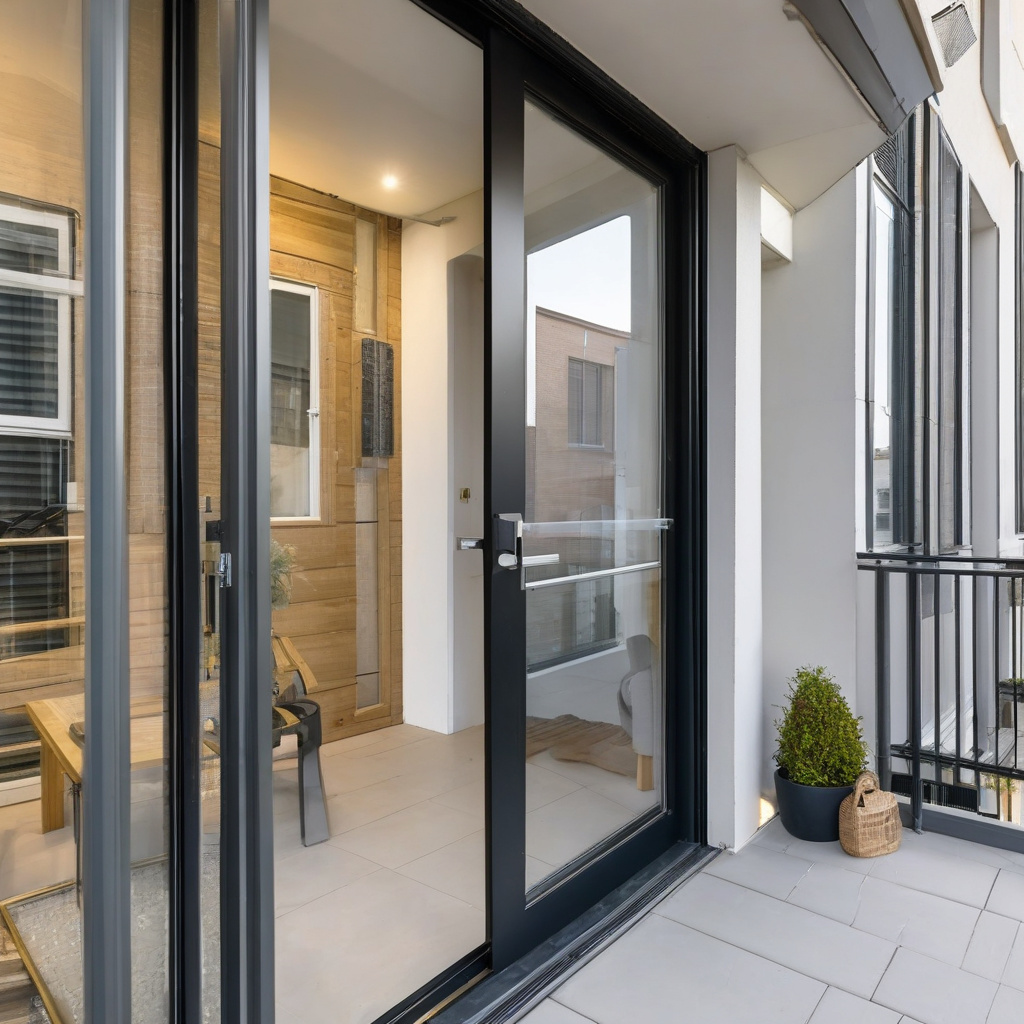
In the bustling metropolis of Los Angeles, parents face the persistent challenge of ensuring their children’s safety, particularly in homes with stunning views from upper floors. Given the city’s architectural penchant for elevated living, the necessity for child safety features, including window guards and other protective measures, is increasingly paramount. As parents, keeping a vigilant eye is not always enough where a curious toddler may find trouble. Thankfully, a range of options exist to fortify your home against such accidents.
Brief summary: This article explores child safety features for windows in multi-story homes, focusing on guards, locks, and opening limits. It examines real-life renovation projects in Los Angeles, compares cost and materials, and offers practical advice on enhancing home safety for children.
Understanding the Necessity of Window Safety
High-rise living is synonymous with the Los Angeles lifestyle, yet it brings the added responsibility of child safety. The first hurdle is ensuring windows are child-proof without compromising aesthetics or functionality. As parents in Southern California have discovered, a picturesque view should never come at the cost of safety. This is especially true when statistics reveal that falls are among the most common residential accidents involving children.
Embracing preventative measures can transform a potential hazard into a safe home environment. Child-safe window features can include solutions such as guards, stops, and locks, all designed to prevent windows from opening to a dangerous extent. Indeed, such measures not only protect but also enhance peace of mind, allowing families to enjoy their homes without stress.
For a comprehensive overview of the window options available and their practical applications, you might find it helpful to explore various resources on window renovations tailored specifically for southern California homes. Embracing the right features is crucial in any well-executed renovation strategy, harmonizing safety with style.
In conclusion, the necessity of window safety in urban settings cannot be overstated. As parents and homeowners, being proactive rather than reactive can prevent potential mishaps and secure the well-being of loved ones.
Child-Safe Window Features: Options and Implementation
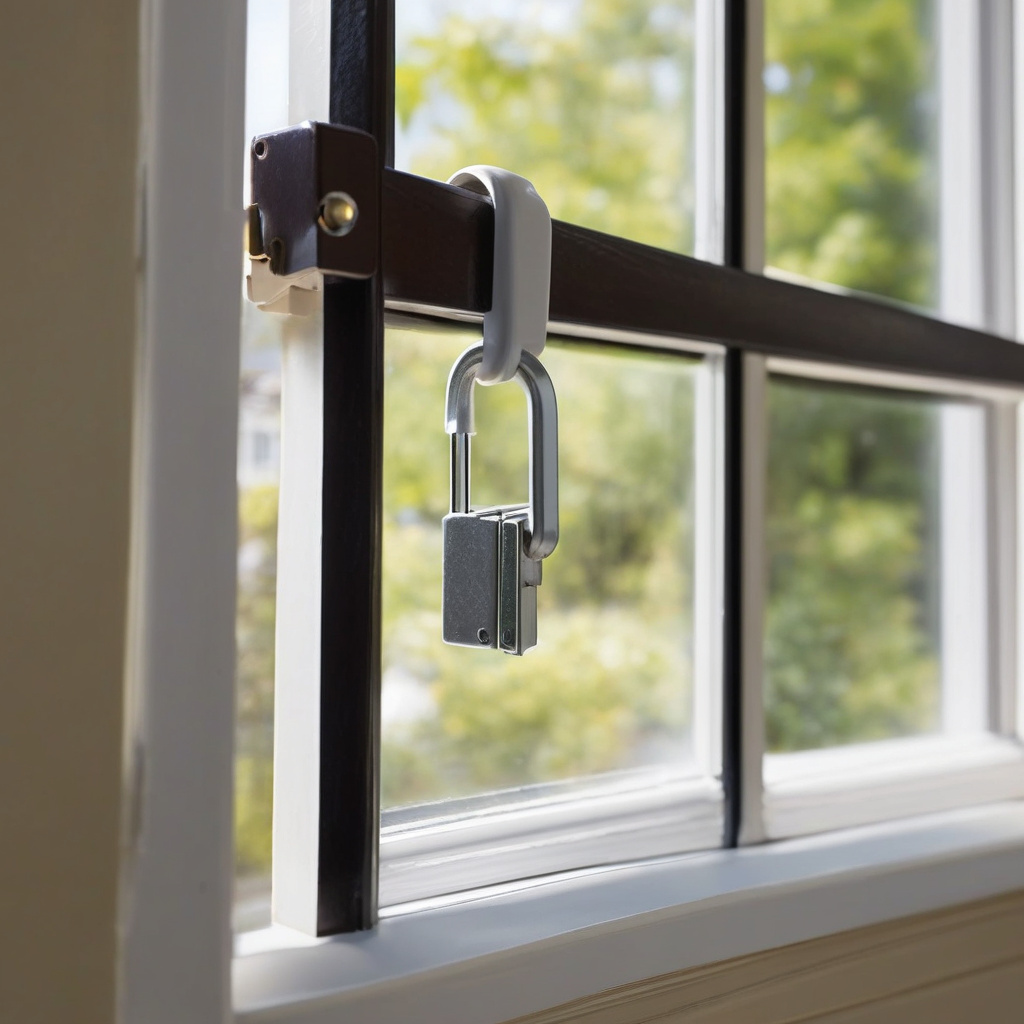
Innovative solutions abound when it comes to child-safe window features. As many Los Angeles residents have noted, the key is choosing a design that complements your home’s aesthetic while providing maximum security. Window guards, for example, are a popular choice. These are metal bars securely fastened over your windows to prevent accidental falls, and they can be customized to seamlessly integrate with your existing decor.
On the other hand, limiting window openings with controlled stops or locks can provide a more understated solution while ensuring safety. Crafted from a variety of materials, these mechanisms ensure windows cannot be fully opened, significantly reducing the risk of falls. The effective implementation of such solutions requires a tailored approach that accounts for the unique specifications of your home, including window size and placement.
Another viable option is installing windows with integrated safety mechanisms. Many new construction windows now come with built-in locks and restrictors, designed to offer hassle-free safety solutions. Exploring creative window design ideas can offer valuable insights into how safety features are innovatively incorporated into contemporary models.
Ultimately, selecting the right child-safe window features is about balancing aesthetics and effectiveness. By making informed decisions and prioritizing safety, homeowners can create an environment that safeguards their children’s future.
Material Matters: Choosing the Best Fit for Your Home
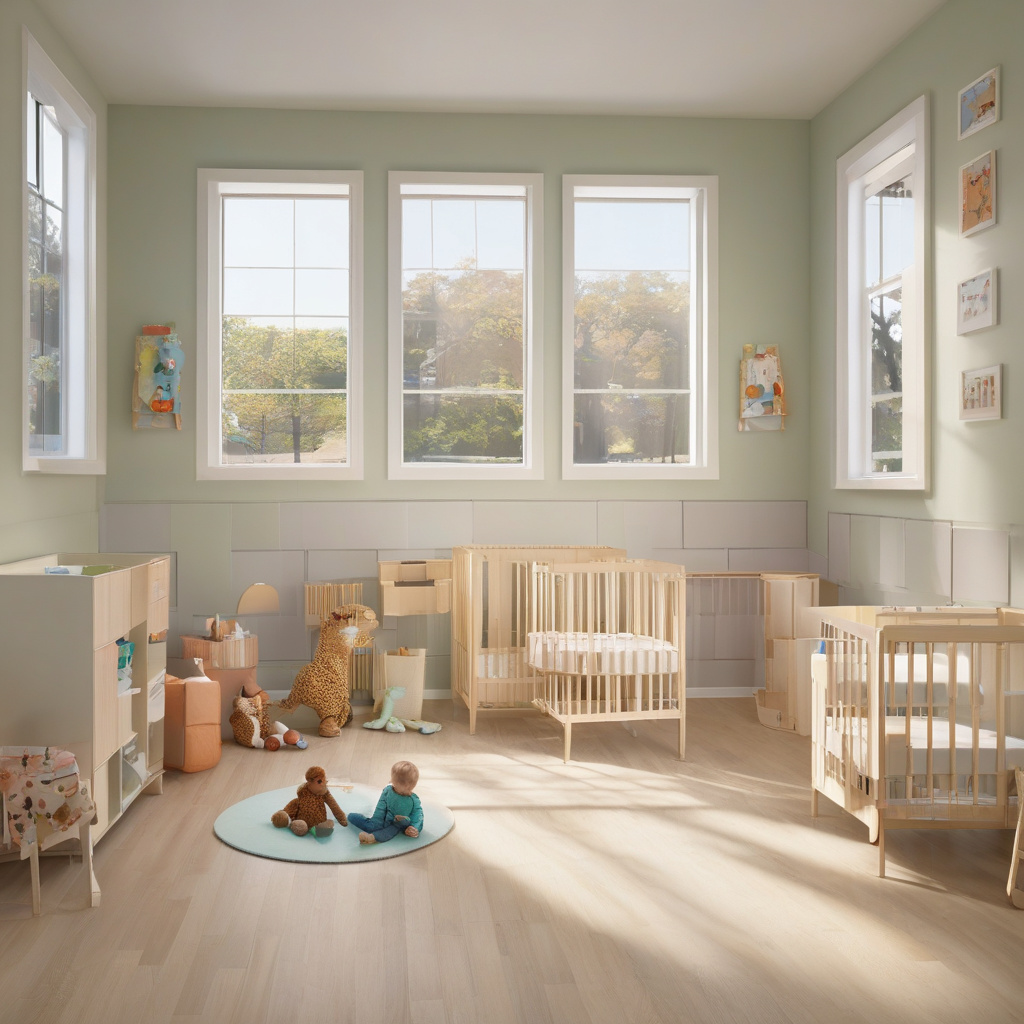
When investing in window safety features, the type of material used plays a significant role in the outcome. Common material choices include aluminum, wood, PVC, and composite options. Each has its own set of advantages, influencing factors such as durability, maintenance, and cost.
Aluminum guards, known for their resilience and lightweight composition, are a popular choice among homeowners. However, they can be prone to corrosion if not properly maintained. Wood offers a classic, aesthetically pleasing look but often requires more upkeep. PVC and composite materials provide durability and low maintenance, making them ideal for family homes with young children.
Costs also vary significantly. Typically, PVC options are more budget-friendly, whereas premium wooden or customized metal features can be on the pricier side. It’s essential to weigh these options against the safety needs of your home. The common pitfalls of window installations are worth exploring higher in the renovation process. For a detailed discussion, you may want to consider some common installation issues and solutions.
A significant portion of homeowners in Southern California prefer composite materials for their blend of safety, aesthetics, and low maintenance.
In summary, the decision on materials should reflect both the safety needs and the stylistic preferences of your home, ensuring your investment serves its purpose efficiently and attractively.
Renovation Timelines and Practical Considerations
Tackling a home renovation with the intent of enhancing window safety involves practical timelines. The timeline for installing window safety features depends on various factors, including the number of windows, the types of safety features chosen, and whether additional structural changes are needed.
Typically, the installation of window guards or locks on a medium-sized home can take a week to ten days. However, more complex renovations requiring structural adjustments or bespoke design elements could extend this timeline to several weeks. It’s important to plan accordingly and ensure your contractor aligns with both your safety goals and aesthetic vision.
For an accurate understanding of timelines and project management in window safety renovations, consulting resources on window installations during remodels can be invaluable. Attention to practical considerations ensures that projects are completed efficiently, without unnecessary delays.
Industry insights indicate that planning for potential delays and overestimating timelines can prevent unwelcome surprises during the installation process.
In summary, thoughtful planning and clear communication with your renovation team are essential in keeping your project on schedule, ensuring a smooth, efficient transition to a safer home environment.
Costs and Budgeting: Investing Wisely in Safety
Budgeting for window safety renovations can seem daunting, but breaking down costs into manageable components can illuminate a clearer path forward. Costs are primarily influenced by materials, the complexity of designs, and the number of units being fitted.
The costs for basic window guards or child-proof systems can range from a few hundred dollars per window to thousands for more elaborate customizations. While safety is a primary concern, investing in energy-efficient window options can yield long-term cost savings, contributing positively to the overall value of your property.
Here’s a comparison of estimated costs and timelines for different safety features:
| Safety Feature | Cost Range | Average Installation Time | Material Options |
|---|---|---|---|
| Window Guards | $100 – $500 per window | 1-2 days | Aluminum, Steel |
| Controlled Stops/Locks | $50 – $150 per window | Less than 1 day | PVC, Composite |
| Integrated Safety Windows | $300 – $1,000 per window | 3-5 days | Varied by manufacturer |
Expert advice overwhelmingly supports the notion that cutting corners on safety features can lead to greater expenses due to potential accidents and liabilities.
In conclusion, allocating funds wisely among various window safety options can result in a secure environment for children while also enhancing the overall comfort and energy efficiency of your home.
Maximizing Value: Child Safety as a Priority in Home Renovation
Incorporating child safety into your renovation plans is more than just a practical measure; it’s a crucial investment in your family’s well-being. As Los Angeles continues to attract families seeking the allure of urban convenience combined with home comfort, child-safe innovations are becoming front and center in renovation objectives.
Prioritizing these features showcases a broader commitment to the home environment—one that future-proofs your property and meets the needs of growing families. As homeowners become more informed, the demand for artisans who specialize in safety renovations is rising, aligning perfectly with the market’s trajectory.
Understanding this landscape can be the deciding factor for homeowners striving to enhance their residences while maintaining their loved ones’ safety. Engaging with experts and exploring practical guides on remodels can smooth the path towards a successful renovation outcome.
Synthesizing safety into your home aesthetic will not only nurture your approximate family environment but could also enhance resale value by appealing to future potential buyers in the market.
- The importance of child-safe window features in high-rise living in Los Angeles.
- Diverse solutions such as guards, locks, and integrated mechanisms.
- Critical role of material choice in the functionality & aesthetics of safety features.
- Essential planning for installation timelines to prevent delays.
- Budget considerations and potential cost-saving benefits in long-term planning.
FAQ
What are child safety window guards, and how do they work?
In real renovation projects, particularly those involving families with young kids, window safety becomes a paramount concern. Child safety window guards are metal or durable plastic barriers installed on windows to prevent children from falling out. These guards have horizontal bars spaced at safe intervals, typically around 4 inches apart, enough to prevent a child from squeezing through. Many experts point out that proper installation is key; securing the frame into window sills and casements ensures resistance against potential force or pressure. While some homeowners worry about aesthetics, manufacturers now offer sleek, nearly invisible designs, allowing you to maintain your view and home appeal.
How can I choose the best window locks for my home?
Choosing the right window locks often requires evaluating the specific needs of your home. For single-family homes, particularly older properties undergoing renovation, sash locks provide excellent security when properly aligned. Casement windows benefit from lever locks, which are easy to use but hard for young fingers to manipulate. Recently built homes with newer windows often already integrate advanced locking mechanisms. Always inspect the alignment and condition of your windows; even the best lock is useless if the window frame is compromised. Homeowners frequently underestimate this aspect, so consider consulting a window specialist if you’re unsure. For further advice on choosing the right locks, you might want to reach out to local experts for tailored recommendations.
When does it make sense to install window opening restrictors?
Installing window opening restrictors is particularly sensible if you live in multi-story homes or apartments. They limit how far a window can open—usually around four inches—ensuring safety for children and pets. If you’re renovating an older property, adding restrictors can provide peace of mind, especially if older frames show signs of wear. New homeowners might find installing these during initial construction saves on labor costs later. Be mindful that strong determination from a child might put these restrictors to the test, so choose models with robust mechanisms and test them frequently. Real-world experience indicates these provide a significant safety upgrade with minimal aesthetic compromise.
What are some typical mistakes to avoid when installing window safety features?
One typical mistake homeowners make when installing window safety features is failing to secure guards or locks to stable, durable portions of the window frame. In construction practice, it’s often revealed that superficial installation can lead to complete failure under pressure. Another common oversight is ignoring the maintenance of these safety installations; regular checks and trials are essential to ensure long-term efficacy. Selecting the wrong type or size of safety feature can also undermine protection, so always measure accurately and consider consulting an expert. Often, a visit to your local hardware store provides insights into common pitfalls and solutions. Remember, proactive installation today prevents accidents tomorrow.
What are the cost considerations when implementing child-safe window features?
Cost considerations for child-safe window features vary significantly based on the type and brand of the product. Basic window guards average between $20 and $50 each, while advanced locking systems may run higher due to additional security features. If you’re in an area with higher labor costs, such as California, installation charges can also add to the expense—typically around $100 per guard/window. A common misconception is that DIY solutions are always cheaper, but improper installations may lead to costly repairs or replacements later. Many experts suggest investing in mid-range products for durability, striking a balance between economy and reliability.
What are the pros and cons of window guards?
Window guards offer a robust solution for child safety in multi-story residences. On the pro side, they provide a physical barrier against falls and are generally easy to install. However, they do have potential drawbacks. Sometimes they can impede quick egress in an emergency, such as a fire, which is a critical point to consider in safety planning. There are models with quick-release mechanisms specifically designed to mitigate this risk. Cost is typically manageable, but if improperly installed or maintained, they may require frequent adjustments or replacements. Observing household changes and children’s growing curiosity will inform whether your current setup remains adequate.
How do you maintain child safety features on windows?
The maintenance of child safety features on windows involves regular inspection and timely updates. Hinges, locks, and guards should be checked for rust or wear, especially in coastal climates where salt can accelerate degradation. An often-overlooked area is the fasteners—make sure screws and bolts remain tight and not stripped. Moreover, cleaning the window tracks and frames periodically ensures that the safety features operate smoothly. For those new to homeownership or renovation, consulting a professional at least annually can spotlight issues that might be invisible to an untrained eye. This proactive approach not only extends the life of the installations but also guarantees consistent safety.
Are window safety features necessary for all homes?
Window safety features become critically necessary in multi-story homes or residences with children, elderly, or pets. Even in single-story homes, windows above ground level, such as those set in a prioritized basement egress, should not be neglected. In real renovation scenarios, it’s frequently pointed out that accidents can happen anywhere, even in presumed safe environments. For renters, window guards that don’t require permanent fixtures are available, balancing safety with lease agreements. If you’re unsure which features are right for your home, reaching out to experts through this form may prove beneficial.