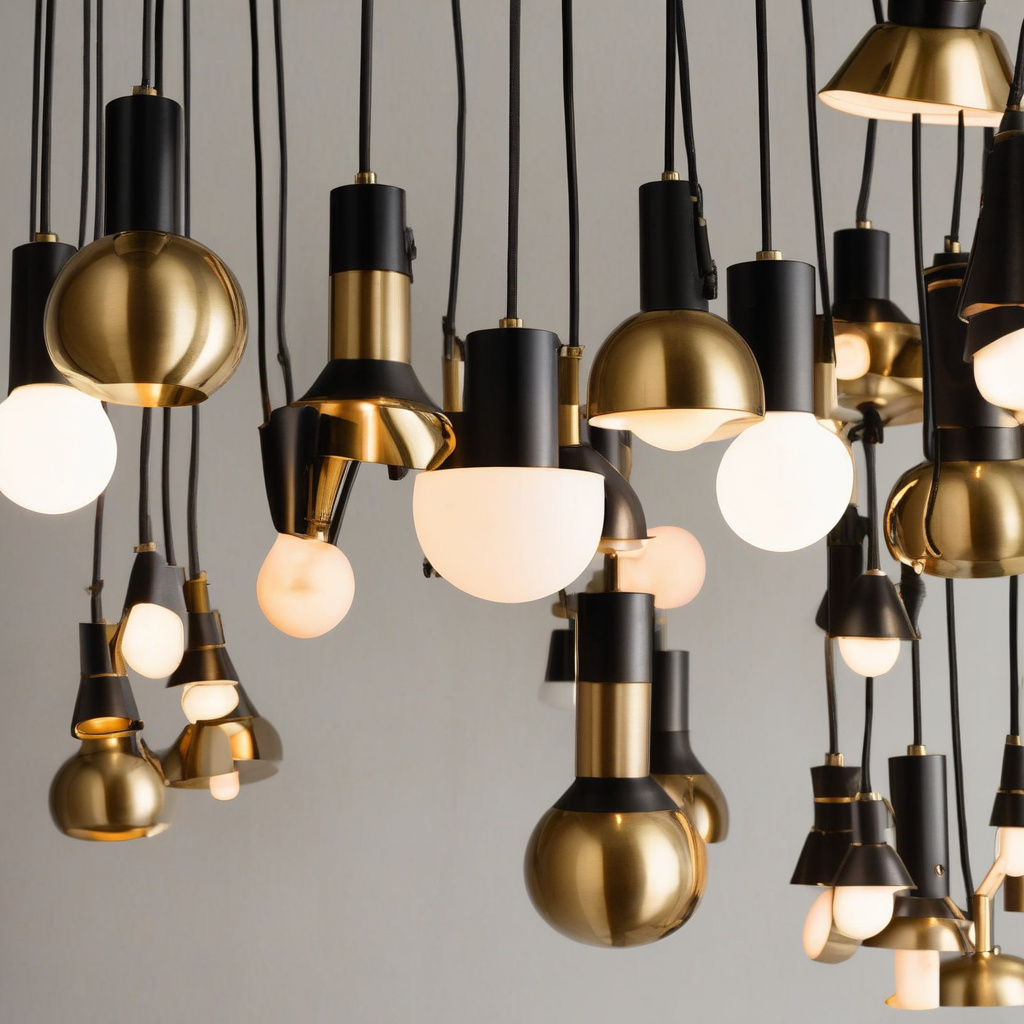
As Los Angeles continues to bask in its vibrant tapestry of culture, innovation, and sun-kissed appeal, the city’s interior design trends are constantly evolving. One area where this dynamism is particularly evident is in bathroom fixtures. Specifically, the debate over black, chrome, and brass fixtures is heating up, leaving homeowners and designers meticulously balancing aesthetics, function, and cost. What is it about these fixtures that captures the essence of LA’s unique design scene, and how do they influence the renovators’ choices?
Brief summary: This article explores the ongoing debate in Los Angeles regarding the use of black, chrome, and brass fixtures in bathroom design. Each material sets a distinct tone, influencing the overall warmth, contrast, and style direction of the space while aligning with current renovation trends. The article also delves into the cost considerations and practical aspects of choosing the right fixture.
The Aesthetic Allure of Black Fixtures
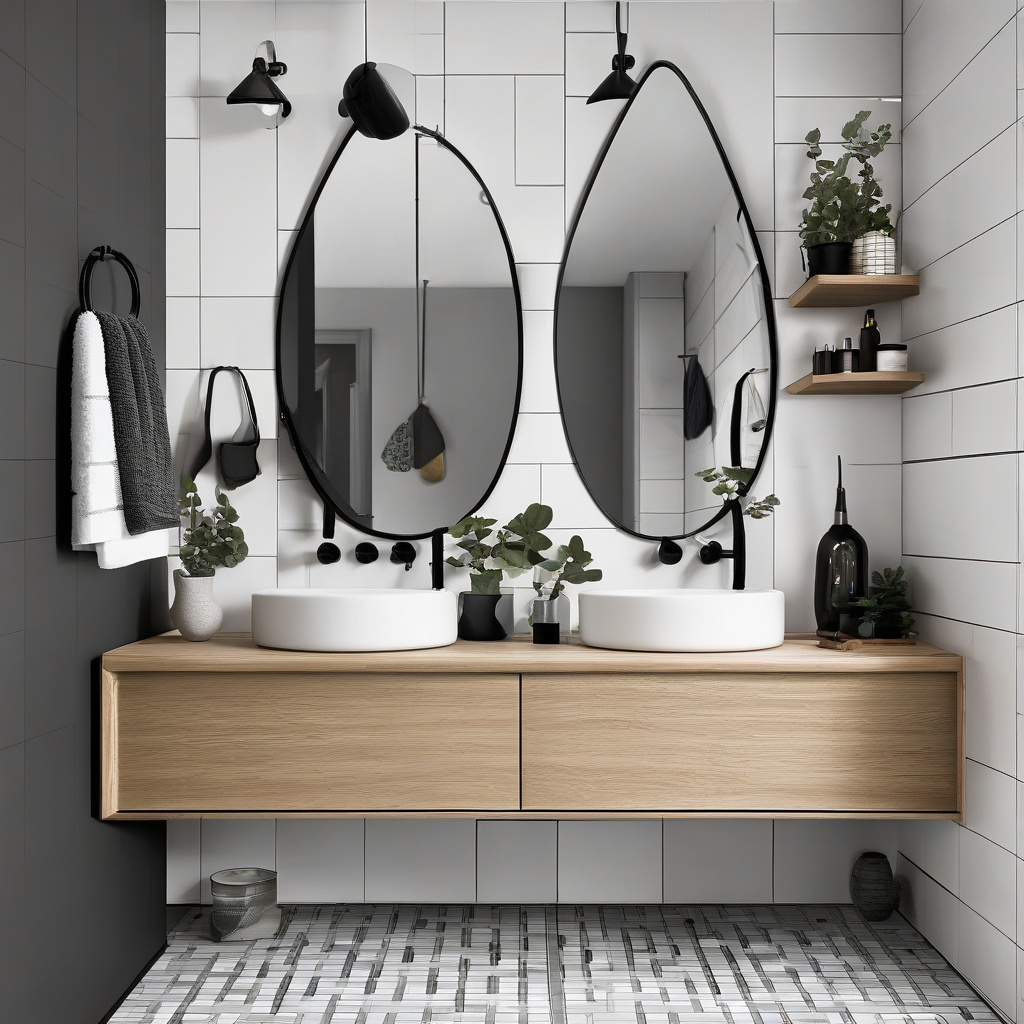
Black fixtures have emerged as a front-runner in modern bathroom design, particularly in LA’s bustling housing scene. Their bold, dramatic appeal creates a striking contrast against lighter palettes, contributing to an air of sophistication. This trend, once considered a niche, has expanded to include matte, satin, and glossy finishes, each adding a unique touch to the space. For many renovators, the allure lies in black’s ability to act as a neutral, despite its striking presence.
Renovators highlight black fixtures for their versatility. They are no longer just for ultra-modern spaces; their adaptability makes them a choice for everything from industrial to rustic designs. Coupled with the wide range of textures and finishes available, black fixtures are redefining contemporary style. As many local homeowners notice, when used in tandem with monochrome tiles or natural materials, black can transform a little-used bathroom into a dramatic centerpiece.
However, opting for black requires a discerning eye. The look can quickly become overwhelming if not balanced with softer, natural hues or carefully chosen lighting. Furthermore, black can show water stains and fingerprints more prominently than its metallic counterparts.
In summary, black fixtures offer a contemporary edge, with flexibility in aesthetics, but they demand careful maintenance and design balance. For those drawn to a bold statement, they might just be the key to a transformative renovation.
Discover how renovators incorporate modern trends to enhance bathroom designs
The Shimmering Appeal of Chrome
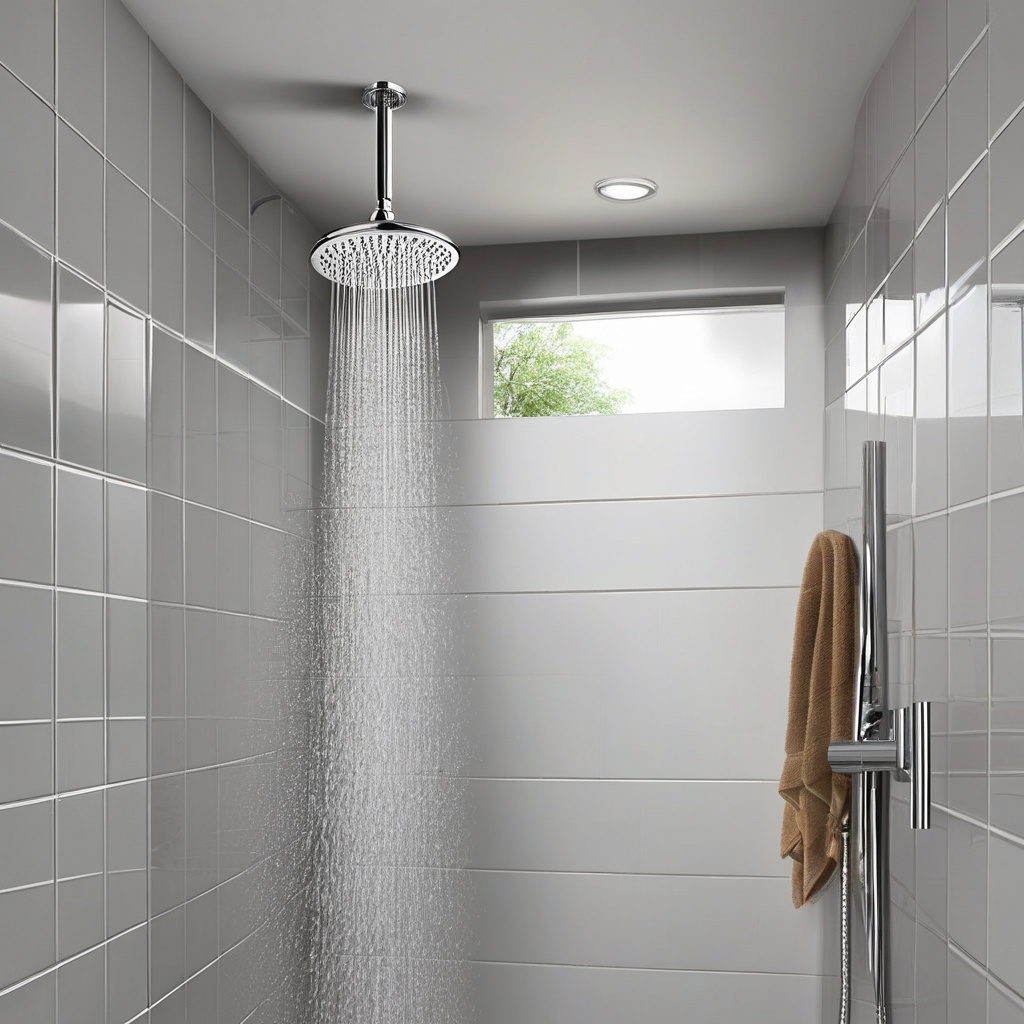
Chrome stands as a classic choice that has weathered the ebb and flow of design trends to remain a staple in Los Angeles homes. Its enduring appeal lies in its ability to tie together disparate elements, providing a cohesive and polished finish. Chrome reflects light, which can make smaller bathrooms feel more expansive and bright.
Many homeowners appreciate chrome for its easy maintenance and the way it complements fixtures and styles across the spectrum. The reflective surface not only adds a touch of luxury but also allows for greater flexibility in design, making it suitable for both modern and traditional settings. In LA’s diverse design realm, chrome acts as a versatile player.
Nevertheless, choosing chrome isn’t without its proverbial chinks. Fingerprints and water spots can quickly dull its shine, requiring regular cleaning to maintain its sparkle. Despite this, the material’s robustness and affordability often outweigh these minor inconveniences for many renovators.
Ultimately, chrome fixtures offer a timeless, adaptable, and budget-friendly option that continues to capture the hearts of renovators and homeowners alike.
The Brass Renaissance
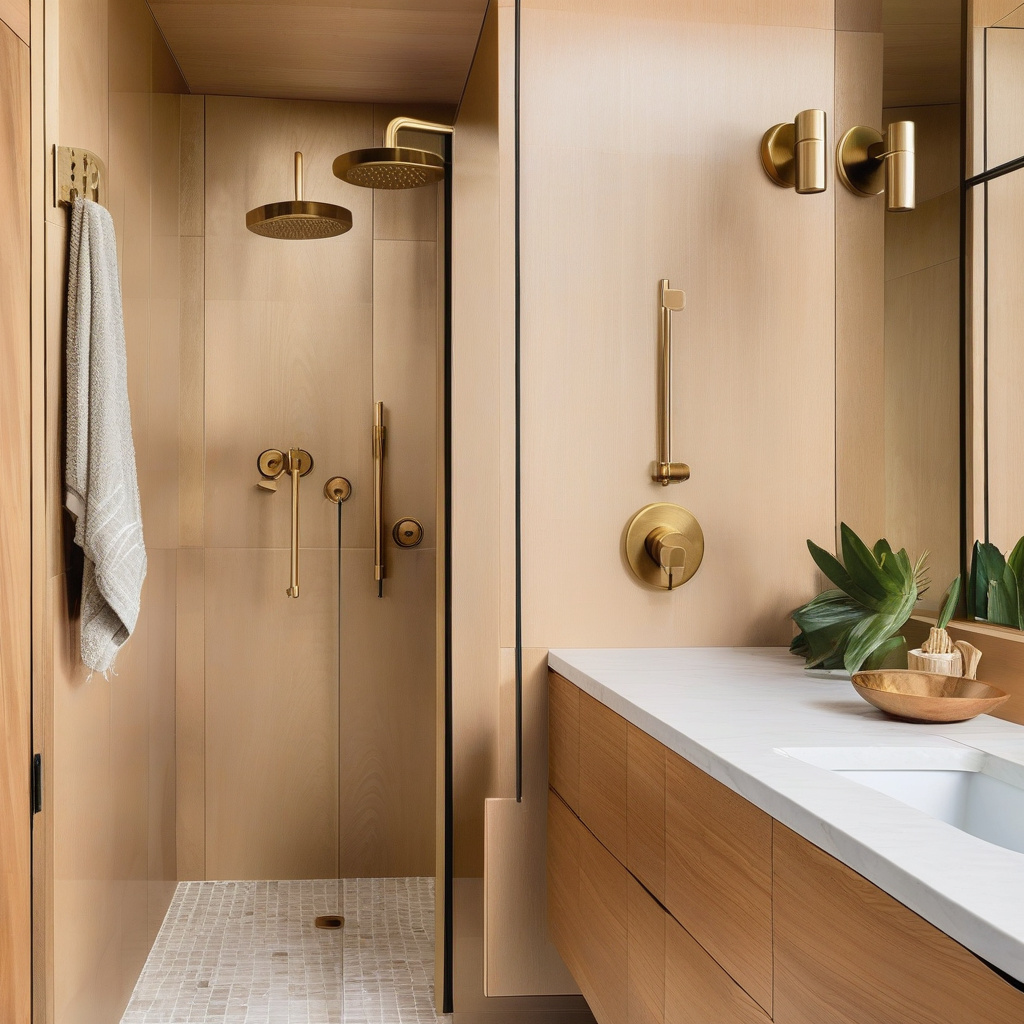
Brass fixtures are experiencing a renaissance in Los Angeles, riding on a wave of nostalgia and warmth. Unlike chrome, brass adds a sense of history and craftsmanship to spaces, echoing the vintage fixtures found in early 20th-century homes. This material’s resurgence is particularly evident in homes seeking a touch of glamour and the richness of warmer tones.
Brass offers a warmth that contrasts starkly with the cooler, industrial feel of other metals. Its golden hues harmonize beautifully with wood, marble, and even modern ceramic finishes, making it a favored choice among luxury renovations. Designers favor brass for its patina, which develops over time, lending character and depth to bathrooms.
However, maintaining brass requires commitment. Unlike chrome, it is more susceptible to tarnishing and may require special treatments to keep it looking its best. Despite this, devotees of brass assert that the authentic aging process only enhances its charm.
In conclusion, brass fixtures bring a timeless charm and a rich, elegant feel to bathrooms, though they demand careful attention to maintenance.
An industry study revealed that homes with well-chosen bathroom fixtures see a 12-15% increase in resale value, highlighting the importance of fixture choice in design.
Practical Considerations and Costs
The financial implications of choosing between black, chrome, and brass fixtures can be as varied as their styles. In Los Angeles, where style often meets a hefty price tag, balancing aesthetics with budget is crucial. Understanding this balance begins with recognizing that fixture choice can significantly impact renovation costs.
For instance, black fixtures are commonly priced higher due to their designer appeal and the robust finishes required to maintain their quality. Conversely, chrome often stands out as the more affordable choice, particularly in mass production. Yet, the allure of brass, often associated with luxury, can elevate costs considerably, especially for custom finishes.
“Proper material selection and cost management are essential to successful bathroom renovations,” states a local design expert. They recommend careful planning to avoid overspending.
It’s essential for homeowners to consider long-term maintenance costs as well. Brass, for example, may require more frequent upkeep, whereas chrome requires only basic cleaning. A savvy homeowner will factor in both upfront and ongoing expenses when choosing fixtures.
| Fixture Type | Initial Cost | Maintenance Requirements | Design Versatility |
|---|---|---|---|
| Black | High | Moderate | High – Versatile |
| Chrome | Medium | Low | High – Traditional |
| Brass | High | High | Moderate – Unique |
In summary, understanding these costs and planning accordingly can save both time and money in the long run. A thoughtful choice aligns financial capacity with design desires.
Explore insights into managing renovation materials effectively
A Matter of Personal Style
Ultimately, the right choice of fixture in bathroom design boils down to personal style preferences and how these harmonize with the rest of the home. In LA, the diversity of style—from ultra-modern to boho chic—means that homeowners are spoiled for choice. Black, chrome, and brass each offer their own story within these spaces.
For the eclectics who thrive on making bold statements, black fixtures form the backbone of many modern LA bathrooms. Those inclined towards a polished look will find serenity in chrome’s timelessness. Meanwhile, nostalgics with a penchant for the classic will be drawn to the storytelling nature of brass.
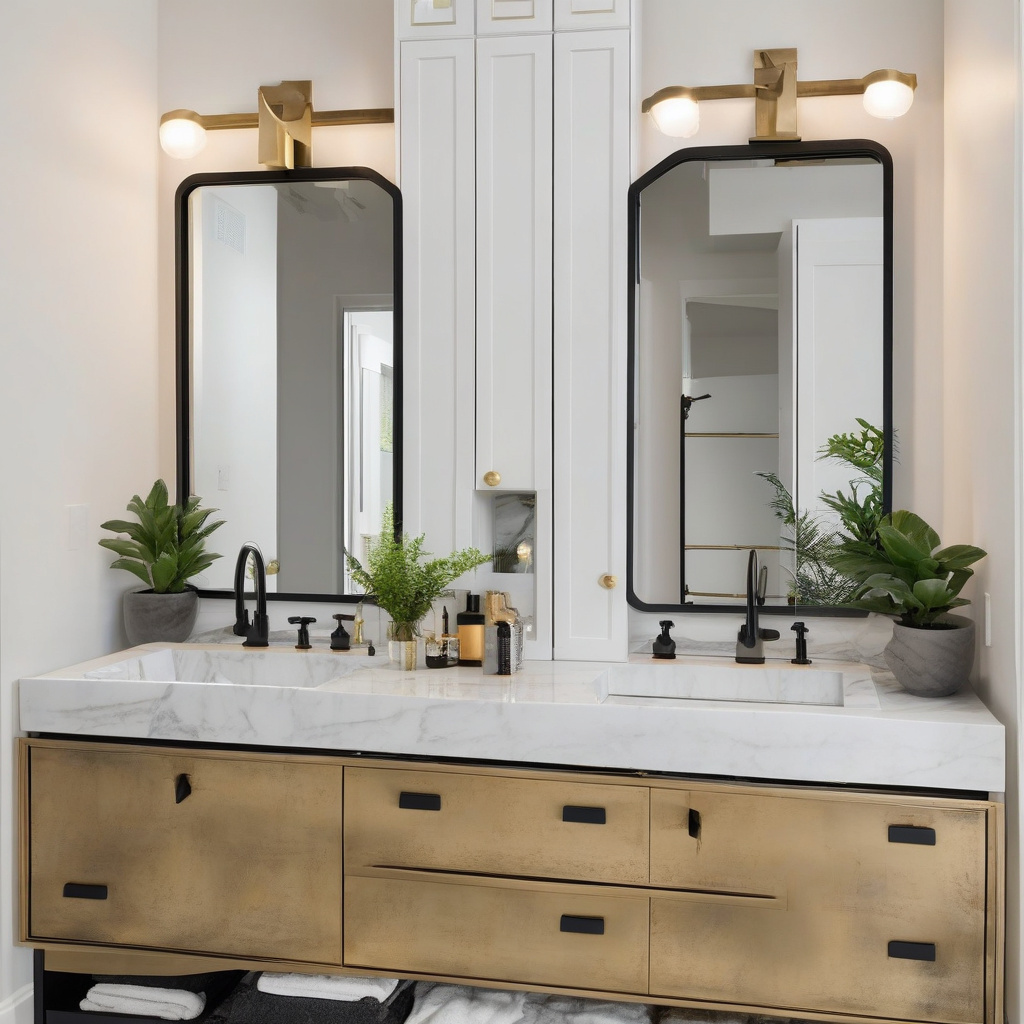
Yet, planning a bathroom isn’t solely about aesthetics; it involves functional considerations such as practicality and space optimization. It’s here that even the most beautiful materials must prove they can stand the test of daily use.
To encapsulate LA’s burgeoning design ethos, one must embrace a balance between these elements—whether that means crafting an oasis from minimalistic modernity or a sanctuary of vintage charm. With thoughtful design and practicality in mind, fixtures serve as more than mere hardware; they are the fixtures of one’s personal style.
“The best bathroom designs are those that reflect personal style while accommodating the practical demands of daily life,” remarks a local interior designer.
Learn about avoiding common waterproofing errors in bathrooms
Stepping into the Future
As Los Angeles looks toward the future, it’s clear that innovation in bathroom design will continue to pivot around personal expression and integrated technology. As homeowners enrich their renovations with the latest innovations, fixtures play an increasingly pivotal role. Their choices not only signify current style but promise to shape trends to come.
The concept of pet-friendly bathrooms, for instance, is gaining traction. Homeowners are recognizing the benefits of inclusive spaces that cater to the needs of all family members, pets included. Fixtures that endure daily pet interactions without losing their luster are becoming essential.
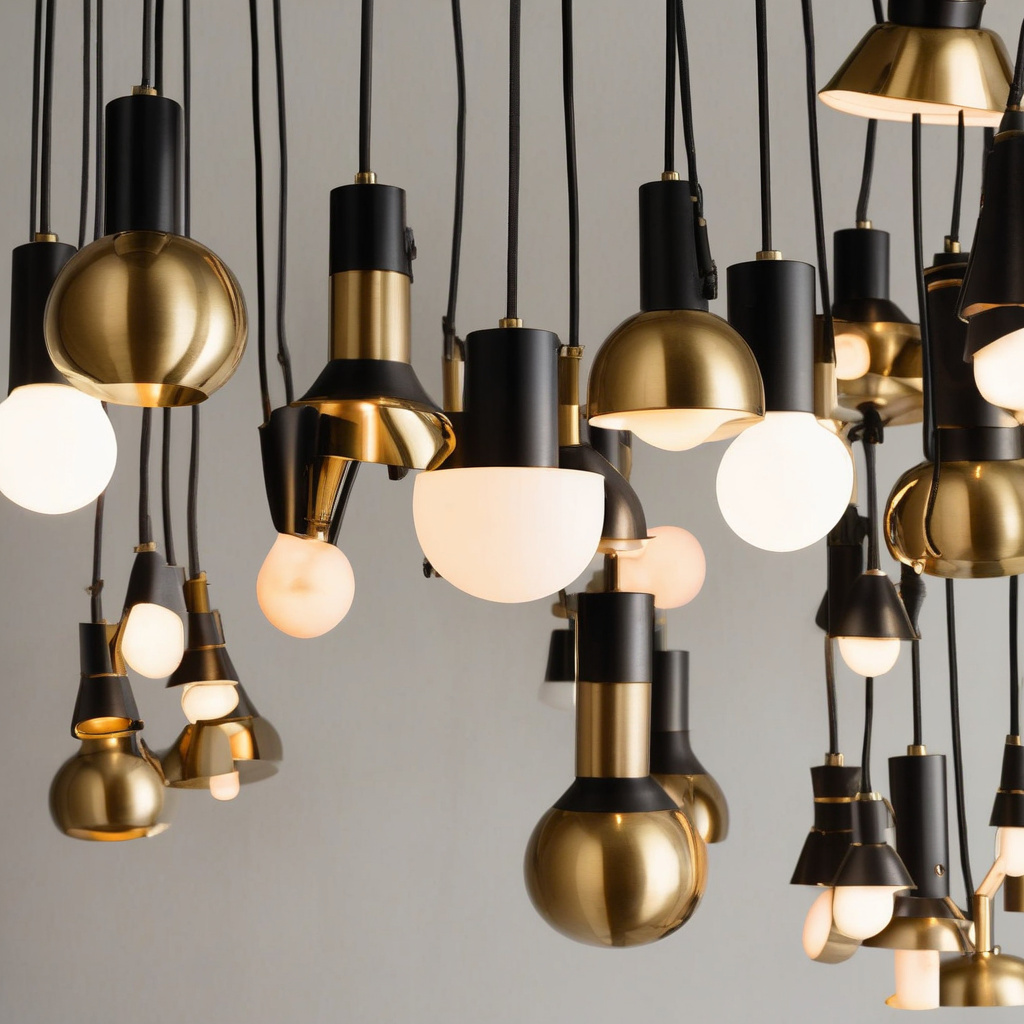
Moreover, the integration of smart technology with fixture design marks a significant step forward. Adjusting water temperature or controlling lighting through one’s smartphone are not just possible—they’re expected. Therefore, choosing fixtures today often means considering tomorrow’s technological compatibility.
As homeowners venture into these new dimensions of home design, bathrooms will continue to transform from purely functional spaces into true personal retreats, shaped by style, technology, and foresight.
Explore practical designs for homes with pets
- Black fixtures offer a modern, striking design aesthetic but require meticulous maintenance.
- Chrome fixtures provide affordability and versatility, ideal for various bathroom styles.
- Brass fixtures add historic charm but require more upkeep.
- Personal style and budget are key in choosing bathroom fixtures.
- Advancements in smart technology are influencing fixture integration in LA bathrooms.
“`html
FAQ
What are the main design impacts of using black fixtures in LA bathrooms?
Black fixtures can dramatically transform a bathroom’s aesthetic by providing bold contrast and a sense of modern sophistication. In LA homes, where sunlight often floods the rooms, black fixtures can create striking shadows and highlights, enhancing texture. Designers frequently note that black finishes pair well with lighter countertops or wall tiles, offering a timeless yet contemporary feel. However, homeowners sometimes overlook the need for regular cleaning to keep these fixtures spotless, as water spots and fingerprints can become quite noticeable. It’s essential to balance the sleekness with functional maintenance to avoid an unkempt appearance.
How do chrome fixtures align with current design trends in Los Angeles homes?
Chrome fixtures have a timeless appeal that fits seamlessly with LA’s diverse architectural styles, from mid-century modern to contemporary homes. They reflect light, making bathrooms appear larger and more open, which is often desirable in the compact spaces typical to urban living. Professionals in the field observe that chrome fixtures integrate well with eclectic and minimalist designs, providing a clean, polished look. The challenge, however, lies in maintaining their shine; they require regular polishing to prevent tarnish and water spots. Many experts recommend choosing quality chrome fixtures that can withstand the humid bathroom environment.
Why might someone choose brass fixtures for their LA bathroom?
Brass fixtures are cherished for their warm, inviting glow and a touch of vintage charm, perfect for homeowners wanting to infuse a bit of nostalgia into their modern LA homes. They resonate with those looking to create a luxurious or bohemian aesthetic. Many designers argue that the rich tones of brass bring an element of warmth that other metals lack, offering a cozy respite in bustling city life. However, brass requires careful maintenance to avoid patina or tarnish, and it’s important to understand that it may not suit every interior style. Evaluating the overall design and color palette of your bathroom can guide this decision.
When does it make sense to blend different fixture finishes in an LA bathroom?
Blending fixture finishes is a sophisticated design choice that can add depth and personality to a bathroom. It makes sense when you want to highlight specific design elements or create a layered visual interest. For instance, blending chrome with brass can emphasize a mid-century modern space while incorporating black fixtures can introduce a contemporary edge. It’s crucial, however, to maintain a balanced approach; too much variety can lead to a disjointed look. Many design experts suggest sticking to two complementary finishes to maintain harmony and cohesiveness. Observing the overall theme and style of your home should inform this creative choice.
What are common mistakes homeowners make when selecting fixture finishes?
A frequent mistake is not considering the overall bathroom theme, leading to mismatched or clashing elements. Homeowners may also prioritize appearance over functionality, choosing finishes less suited to their lifestyle or the bathroom’s usage level. For instance, while matte black is stylish, it may not be practical for high-traffic bathrooms without regular maintenance. Both designers and renovators stress the importance of understanding the interaction of light, moisture, and usage in the space. Additionally, selecting high-quality fixtures ensures durability, reducing future replacement costs and frustrations.
What are the pros and cons of investing in high-end bathroom fixtures?
High-end bathroom fixtures typically offer superior materials, craftsmanship, and longer warranties, ensuring longevity and reducing the need for frequent replacements. Many homeowners find the investment worthwhile for both the aesthetic appeal and the enhanced functionality they provide. However, the upfront costs can be significant, which may not align with every budget. Another consideration is the potential for a high-end fixture to outshine other aspects of the bathroom, necessitating additional updates to match the level of luxury represented by the fixtures. Balancing budget with desired quality level is essential in making this decision.
How does the choice of fixtures impact costs in a bathroom renovation?
Fixture choice can significantly impact overall renovation costs. Typically, high-end materials like brass and copper are more expensive than chrome or black-painted finishes. The installation of complex or custom fixtures can also increase labor costs, particularly in older homes where plumbing adjustments may be necessary. It’s crucial to factor in both the initial cost and the long-term maintenance costs. Many contractors highlight that selecting durable fixtures can prove cost-effective over time. For more insights or to discuss your specific project, consider reaching out to knowledgeable renovation experts via this contact option.
What should be considered for the maintenance and installation of bathroom fixtures?
Installation and maintenance are pivotal in ensuring the longevity of your fixtures. During installation, ensure that water pressure compatibility and the fixtures’ weight are checked to prevent future plumbing issues. For maintenance, finish-specific practices are suggested; for instance, non-abrasive cleansers are ideal for maintaining the luster of chrome and brass. Regular sealing might be necessary for brass to prevent patina. In my experience, oversight in this area can lead to premature aging and functionality issues. Opting for professional installation can mitigate risk and maintain the fixtures’ integrity over time.
“`